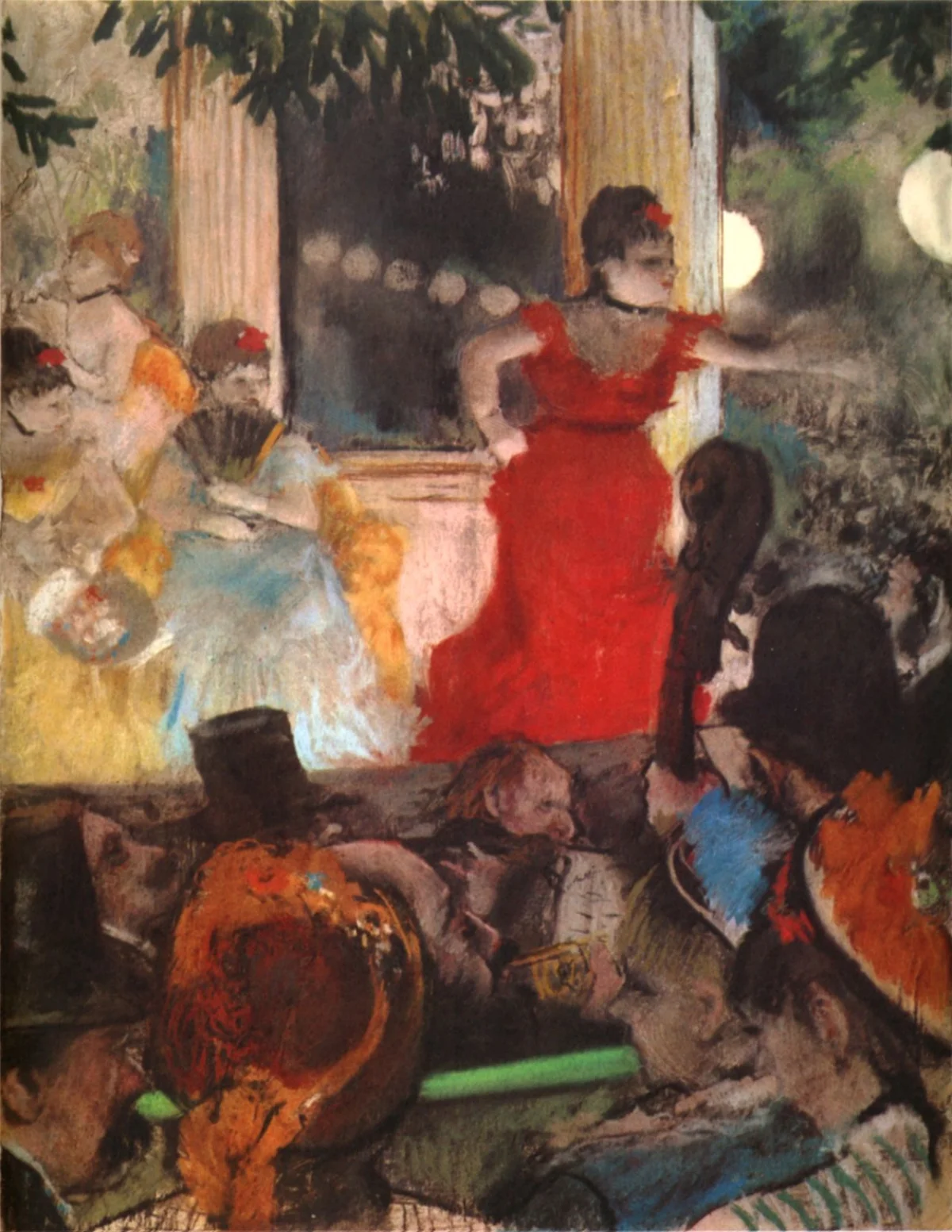
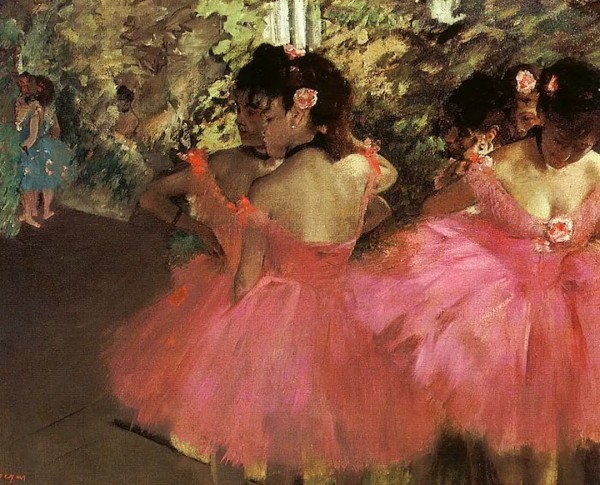
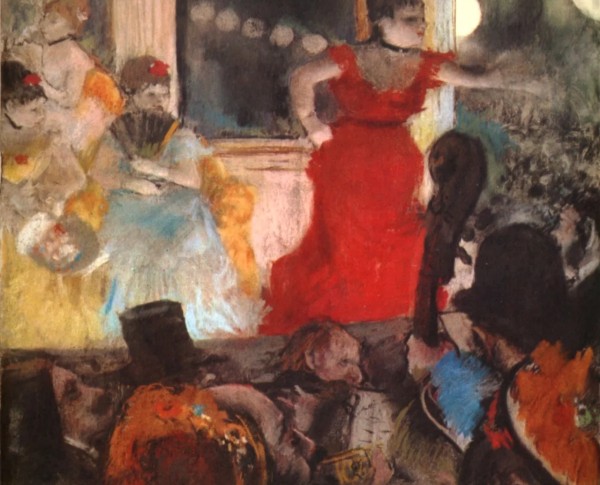
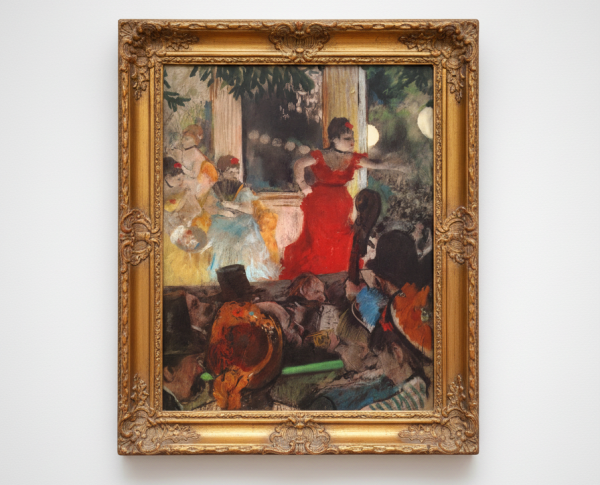
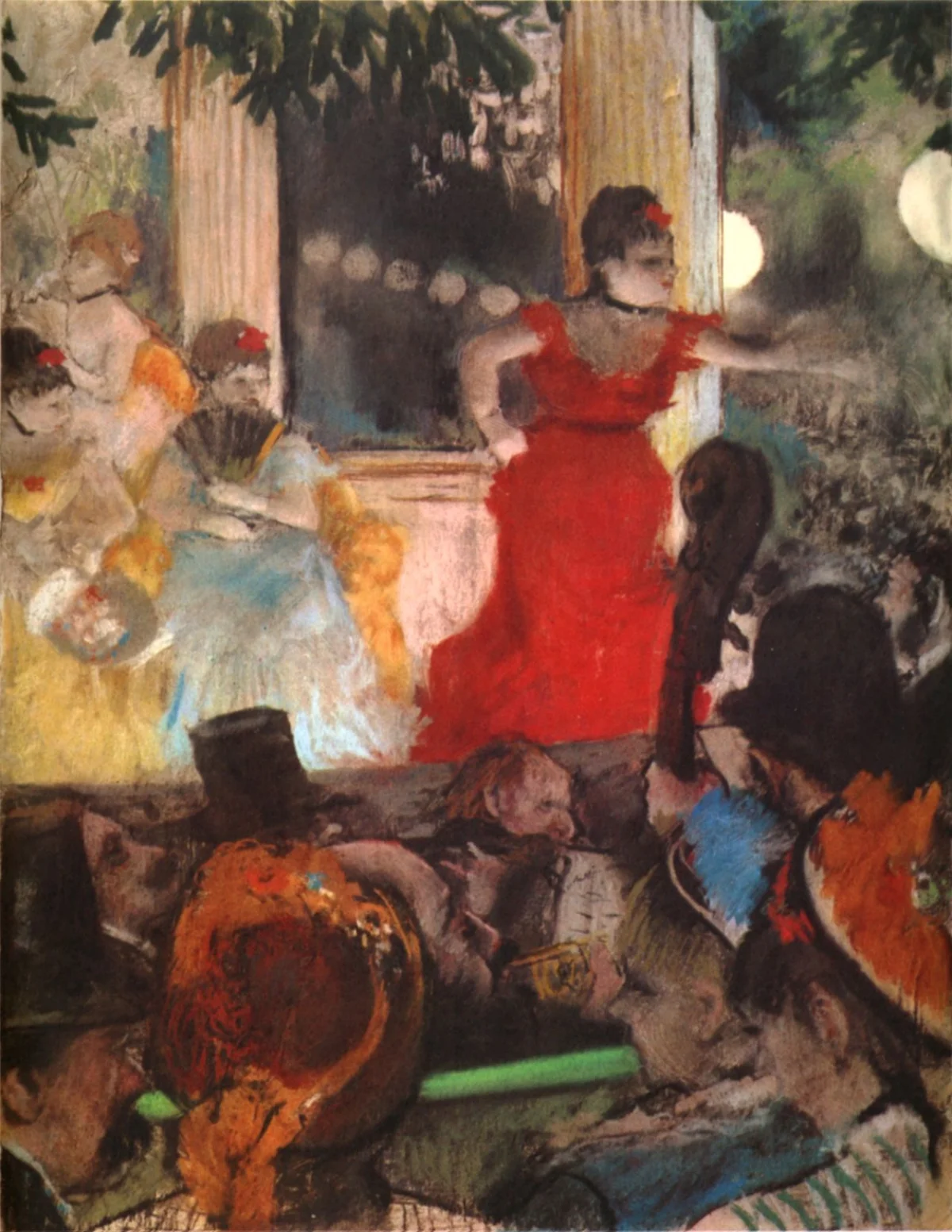
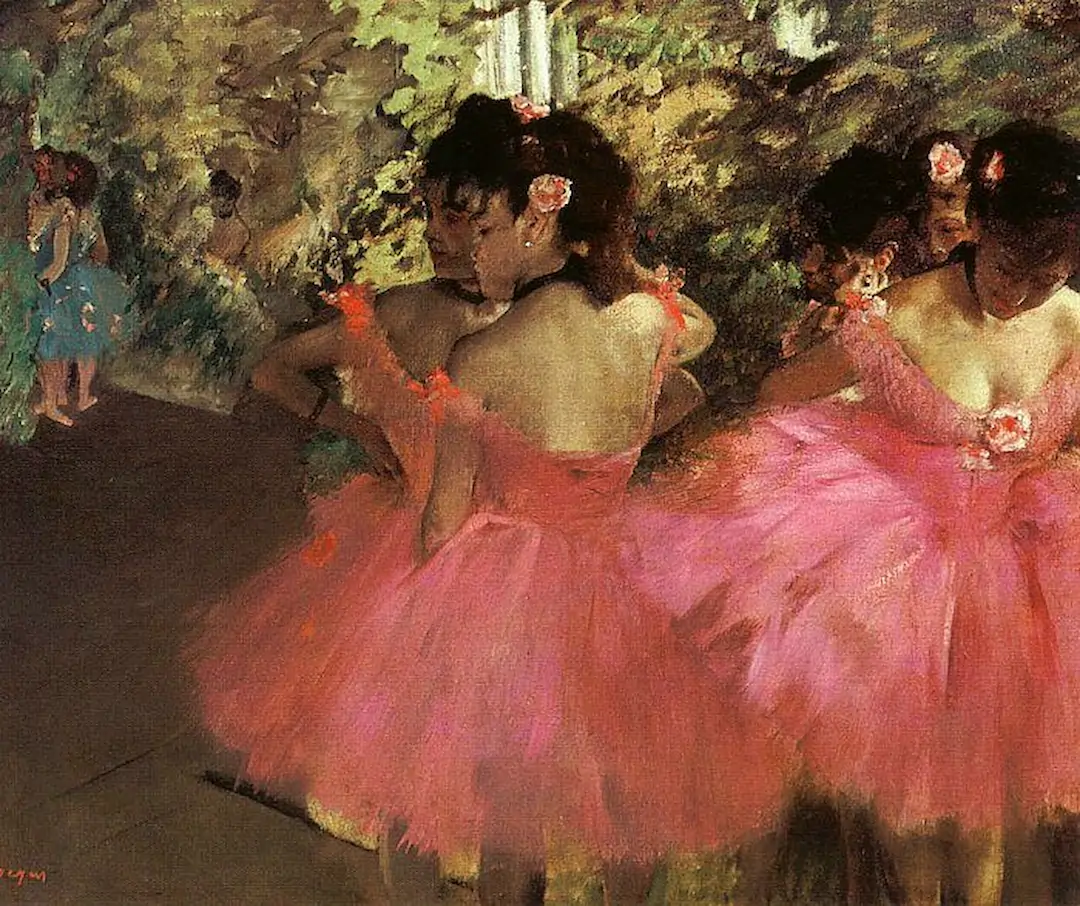
Degas’s "Le Café-concert aux ambassadeurs" exemplifies his mastery of oil on canvas, a medium he manipulated with deft skill to achieve luminous effects. Through dynamic brushwork and keen observation, Degas brings to life the bustling ambiance of Paris’s entertainment scene. This painting, much like "Dancers In Pink," showcases his innovative approach within the Impressionism movement. The tactile quality of oil on canvas enhances the immediacy and intimacy that define Degas’s celebrated style.
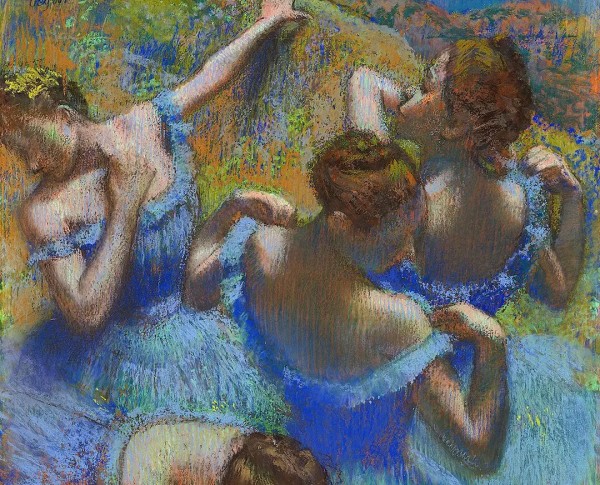
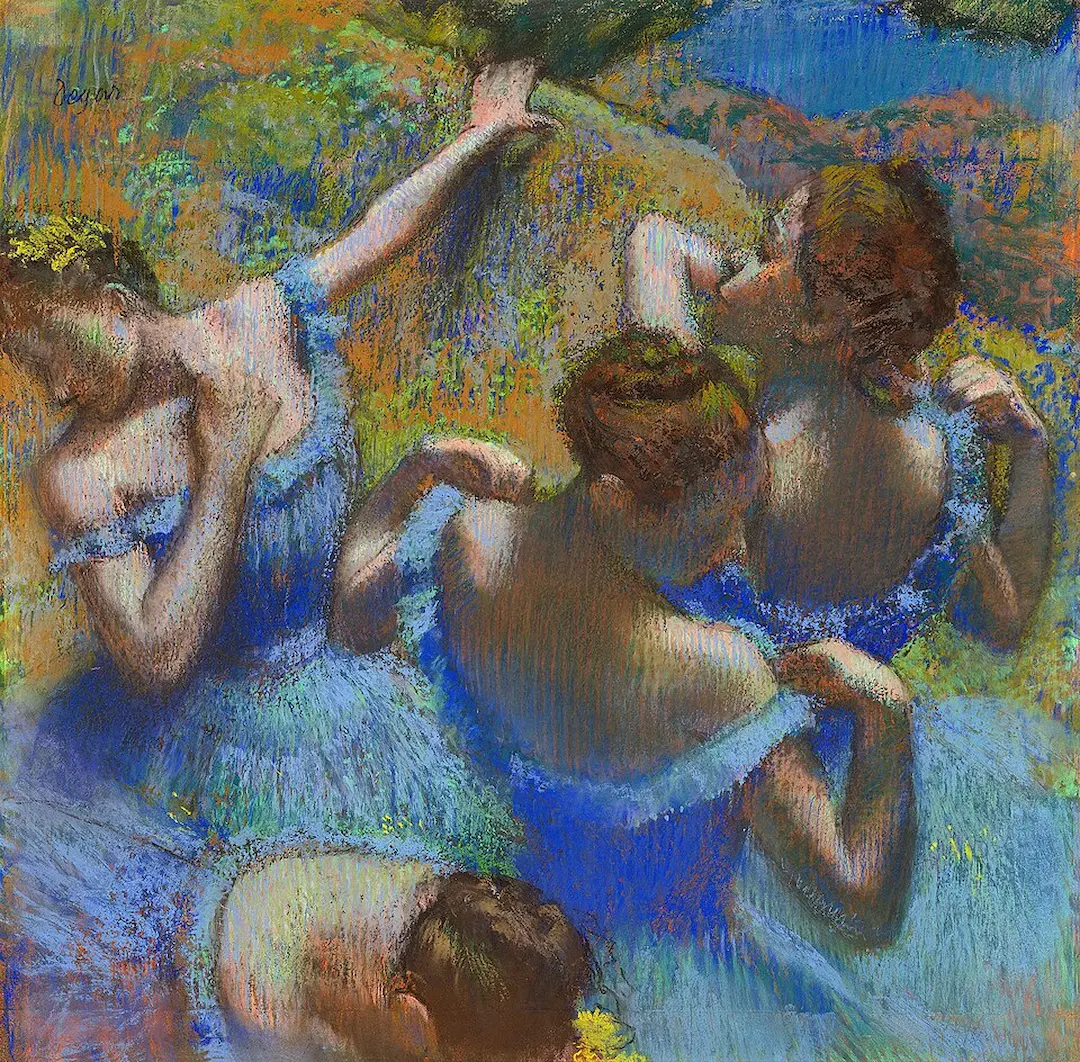
In "Le Café-concert aux ambassadeurs," Edgar Degas encapsulates the fleeting moments and layered narratives typical of Impressionism. The painting’s lively crowd, animated performers, and play of light suggest deeper social commentaries and personal stories. Collectors of fine art painting for sale often gravitate toward works like this, as well as "Blue Dancers, c.1899," for their rich symbolism and emotional resonance, making Degas’s art a meaningful addition to any collection.
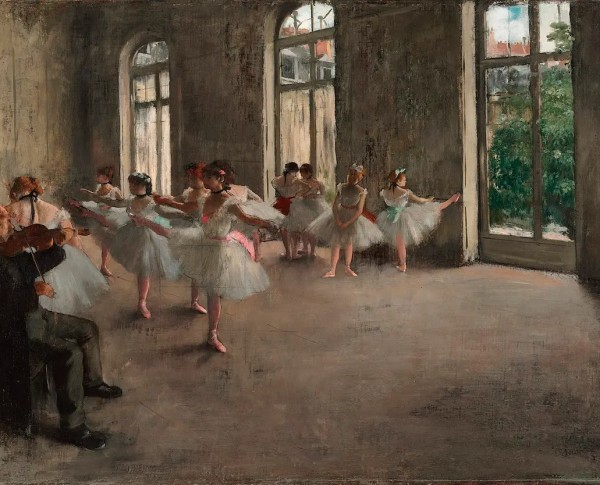
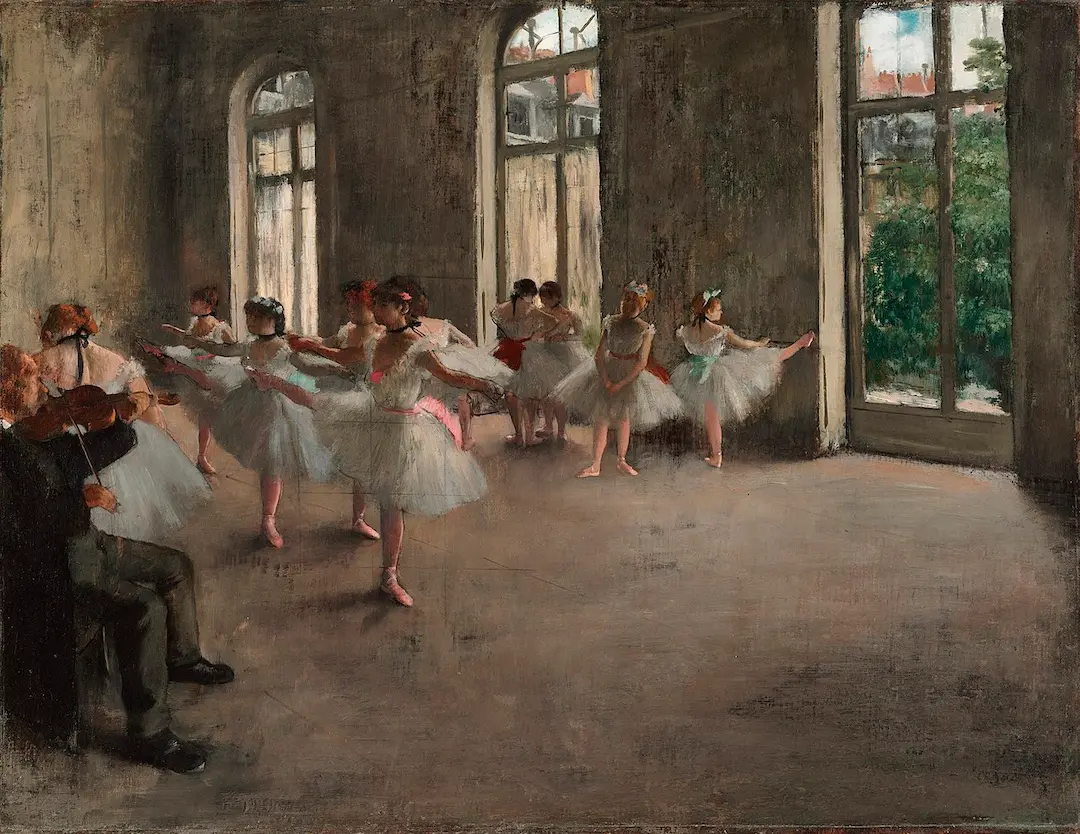
Owning "Le Café-concert aux ambassadeurs" is a dream for any enthusiast seeking a hand-painted oil painting that embodies Impressionism’s spirit. Edgar Degas’s works, including "Ballet Rehearsal, 1873" and "Dancers In Pink," are highly sought after by collectors for their artistic innovation and cultural impact. Each fine art painting for sale from Degas’s repertoire offers not just visual delight but also a cherished piece of art history for generations to come.
When Art Meets History
"Le Café-concert aux ambassadeurs" by Edgar Degas captures the vibrant nightlife of Paris during the Impressionism movement. This hand-painted oil painting immerses viewers in the lively ambiance of 19th-century café-concerts, offering a glimpse into the social culture of the era. Degas’s work, alongside masterpieces like "Terrace at the Seaside, Sainte-Adresse" and "The Cliff Walk at Pourville," reflects the transformation of modern life through the eyes of Impressionist artists.
Techniques That Speak
Edgar Degas’s "Le Café-concert aux ambassadeurs" showcases his mastery of oil on canvas, using loose brushwork and dynamic compositions characteristic of Impressionism. The interplay of light and shadow, combined with quick, expressive strokes, brings the bustling scene to life. Similar techniques can be seen in related paintings such as "Garden at Sainte-Adresse" and "The Walk Woman With A Parasol," highlighting the innovative approaches that defined the Impressionist movement.
Emotions on Display
The atmospheric mood in "Le Café-concert aux ambassadeurs" reveals Degas’s ability to evoke emotion through art. This fine art painting for sale captures the excitement and fleeting moments of urban entertainment, inviting viewers to experience the energy and anticipation of a Parisian evening. Like "Chapel on the Láchar estate" and "The Cliff Walk at Pourville," Degas’s work resonates with the emotional depth and spontaneity that are hallmarks of Impressionism.
Coveted by Collectors
Edgar Degas’s "Le Café-concert aux ambassadeurs" remains highly sought after by art enthusiasts and collectors worldwide. As a hand-painted oil painting from the Impressionist movement, it exemplifies the allure of original masterpieces. Collectors often seek works like "Terrace at the Seaside, Sainte-Adresse" and "Garden at Sainte-Adresse" for their historical significance and artistic brilliance, making Degas’s paintings prized additions to any collection.
Related Impressionism Hand-Painted Oil Paintings by Other Artists
Other Famous Impressionism Artists:
Frequently Asked Questions About Le Café-concert aux ambassadeurs
What is the historical context of Le Café-concert aux ambassadeurs?
Le Café-concert aux ambassadeurs was painted by Edgar Degas in 1876, during a time when Paris was experiencing a cultural renaissance. The café-concerts were popular venues for entertainment, reflecting the vibrant social life of the city.
What artistic techniques did Degas use in this painting?
Degas employed a combination of impressionistic and realist techniques, using loose brushwork and a focus on light to capture the lively atmosphere of the café. His unique perspective and composition draw the viewer's eye into the scene.
What themes are explored in Le Café-concert aux ambassadeurs?
The painting explores themes of modern life, social interaction, and the role of entertainment in urban society. It captures the essence of leisure and the dynamics of public spaces in 19th-century Paris.
Who are the figures depicted in the painting?
The painting features a variety of patrons, including a singer and a group of spectators, showcasing a cross-section of Parisian society. The figures are depicted in a candid manner, emphasizing the spontaneity of the café environment.
How does Degas portray movement in Le Café-concert aux ambassadeurs?
Degas captures movement through the positioning of the figures and the fluidity of their gestures. The dynamic composition conveys the energy of the performance and the reactions of the audience, creating a sense of immediacy.
What is the significance of the setting in this painting?
The café setting serves as a microcosm of Parisian life, illustrating the intersection of art, entertainment, and social interaction. It highlights the cultural importance of cafés as gathering places during this period.
What role does color play in Le Café-concert aux ambassadeurs?
Degas uses a warm color palette to evoke the lively atmosphere of the café. The interplay of light and shadow enhances the three-dimensionality of the figures and the vibrancy of the scene.
How does Le Café-concert aux ambassadeurs reflect Degas's artistic style?
This painting exemplifies Degas's interest in capturing everyday moments and his innovative approach to composition. His focus on the human figure and the use of unconventional viewpoints are hallmarks of his style.
What influence did Le Café-concert aux ambassadeurs have on later artists?
The painting influenced future generations of artists by showcasing the importance of capturing contemporary life and the use of innovative techniques. It paved the way for modern depictions of social settings in art.
What symbolic meanings can be derived from the painting?
Le Café-concert aux ambassadeurs symbolizes the blend of art and life, reflecting the cultural shifts of the time. It represents the democratization of art, where everyday experiences became worthy subjects for artistic exploration.






















_GFM_Painting_(1).webp)


 100% Hand-Painted: Finished in 3-6 Weeks

.png)















_(1).webp)