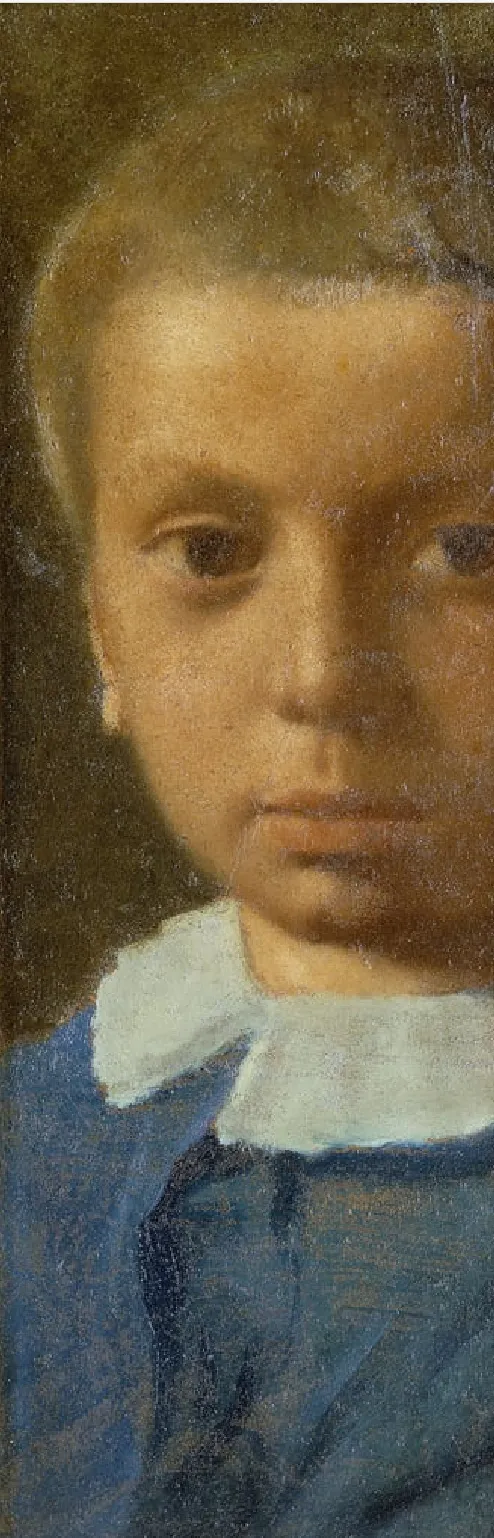
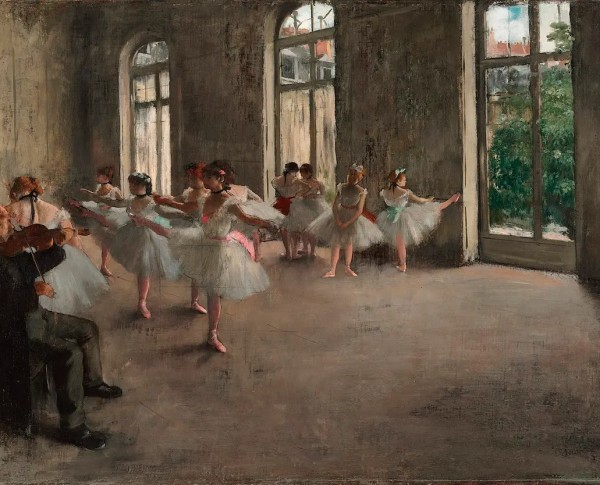
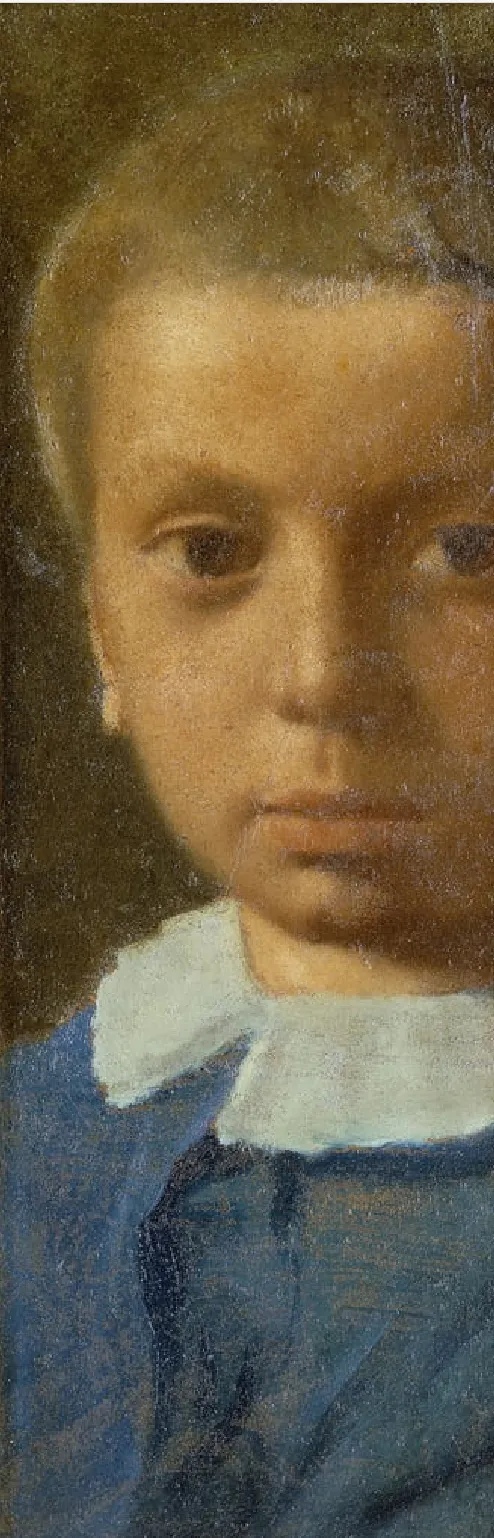
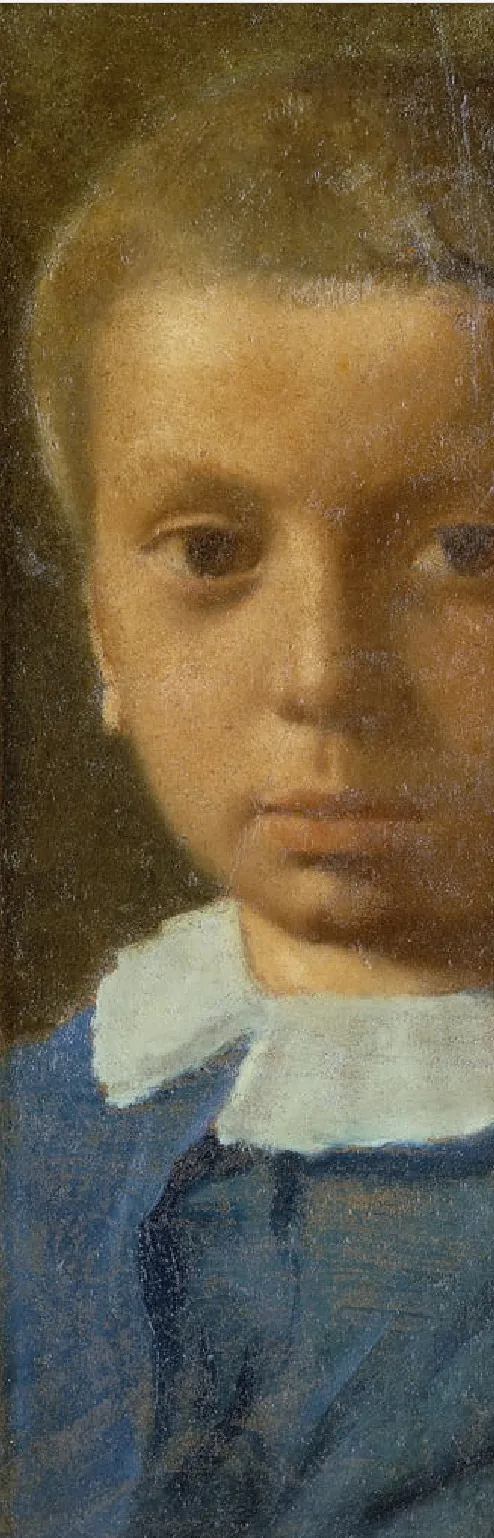
Degas’s "The Child in Blue" showcases his unparalleled ability to bring life to his subjects through oil on canvas. His meticulous attention to detail is evident in the play of light and the nuanced depiction of textures, hallmarks of the Impressionism movement. Similar techniques can be observed in his pieces such as "Racehorses at Longchamp" and "After a Bath. Woman Drying the Back of her Neck.," which further demonstrate the artist’s extraordinary mastery of the medium.
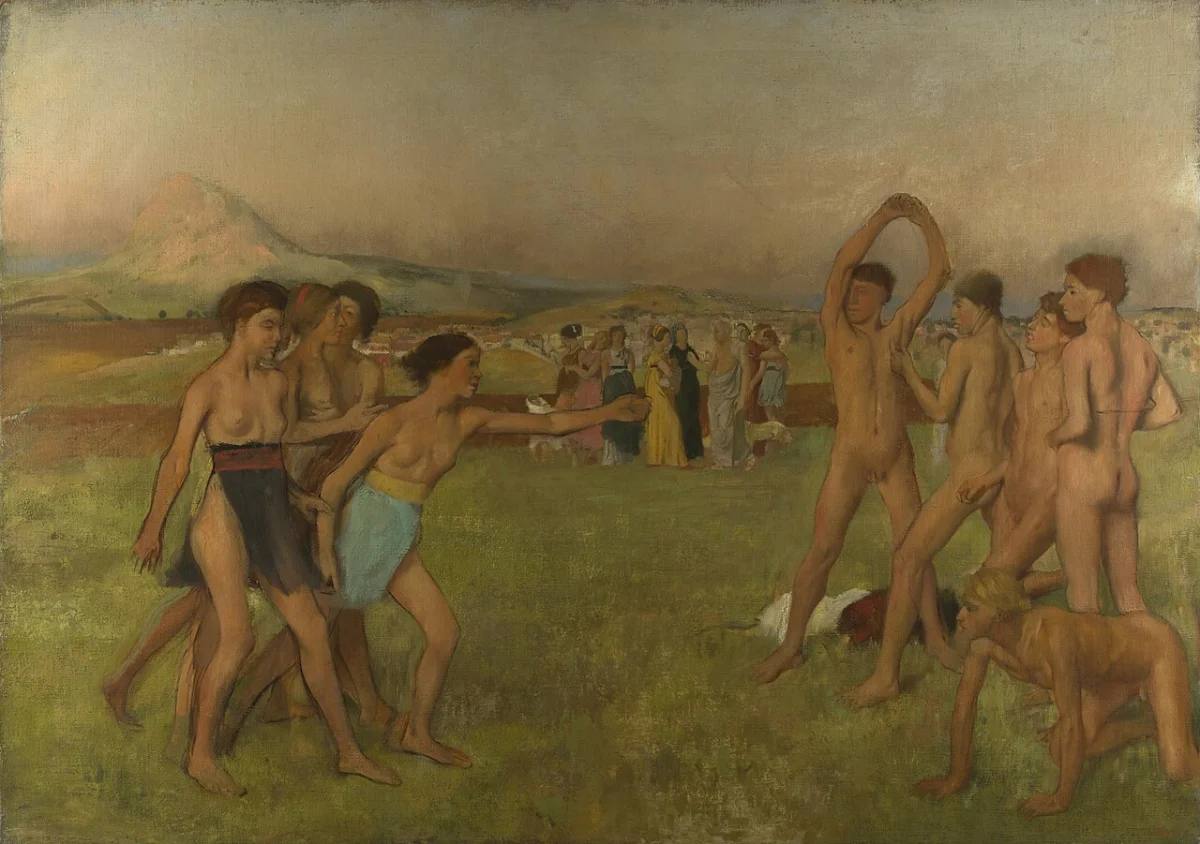
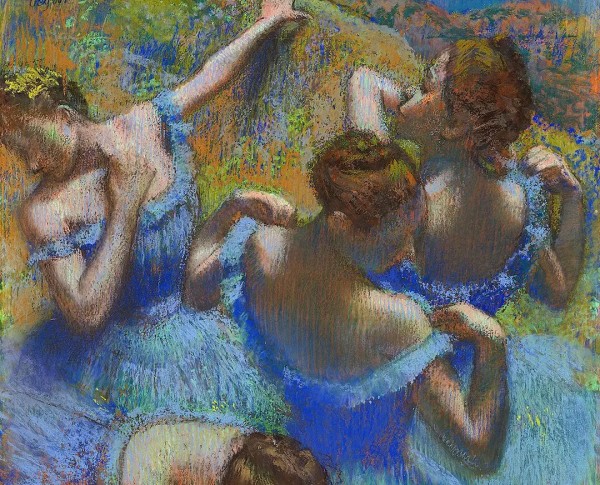
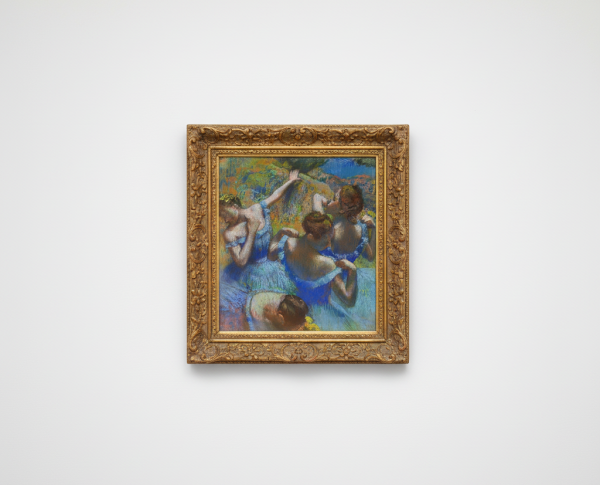
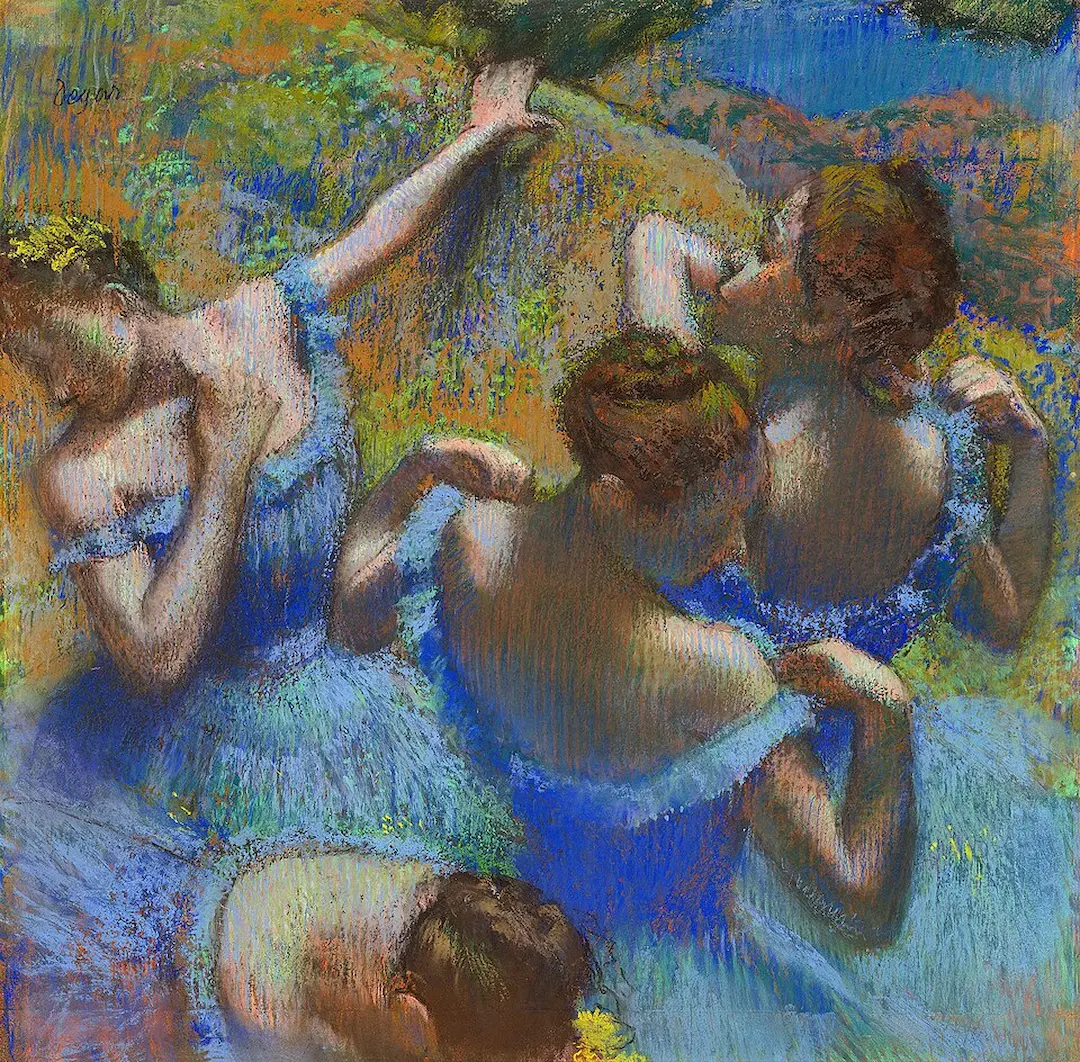
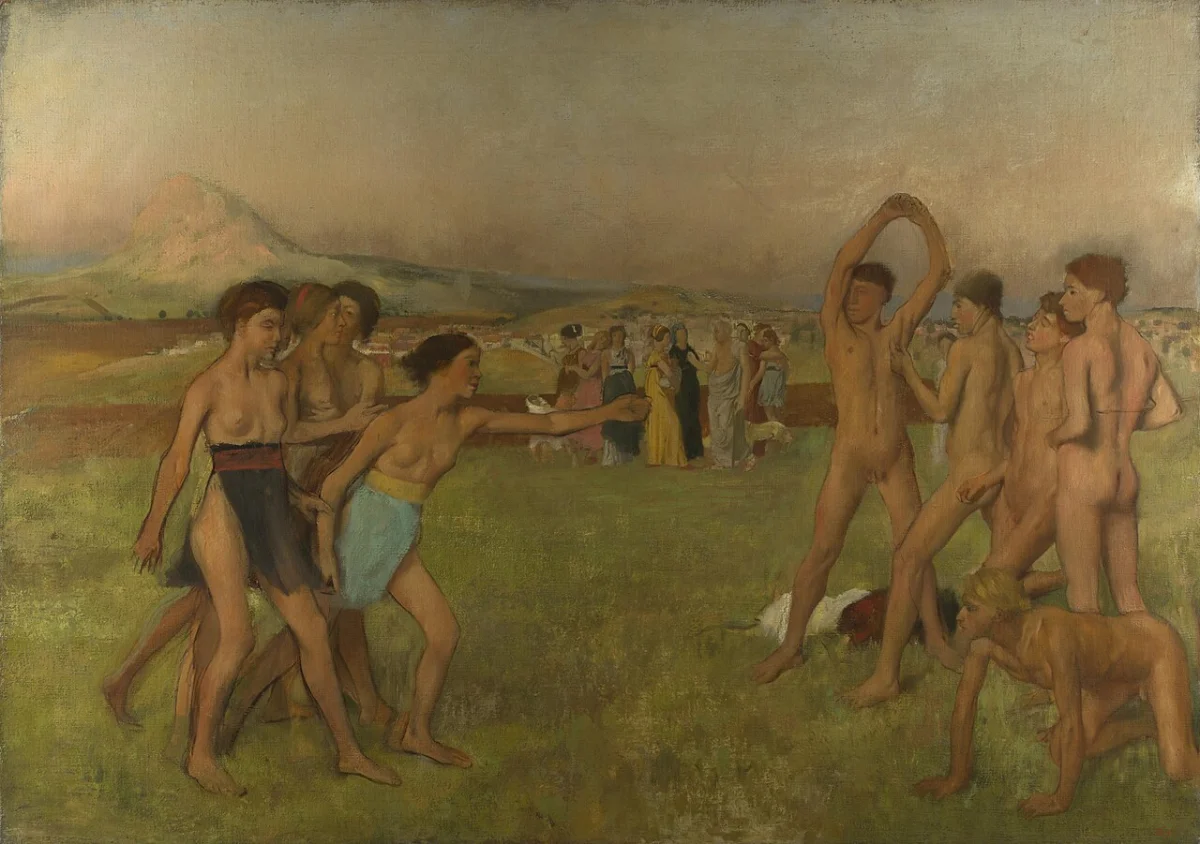
"The Child in Blue" is more than just a portrait; it is rich with stories and symbols that evoke a sense of nostalgia and introspection. Degas often imbued his fine art paintings for sale with subtle narratives, inviting viewers to interpret the emotions and context. This approach can also be seen in works like "Blue Dancers, c.1899" and "Young Spartans Exercising," where each figure and gesture contributes to a deeper understanding of the human experience.
As a prized hand-painted oil painting, "The Child in Blue" holds a special place among Impressionist collections. Its enduring appeal makes it a sought-after addition for discerning collectors, much like Degas’s other celebrated works. Owning an oil on canvas by Edgar Degas, whether it’s this painting or related products, is a true testament to the timeless allure and investment value of Impressionist masterpieces.
When Art Meets History
"The Child in Blue" by Edgar Degas stands as a testament to the Impressionism movement, a period that revolutionized the world of art in the late 19th century. This hand-painted oil painting captures the innocence and vibrancy of childhood, echoing themes seen in Degas’s other works like "Two Sisters" and "Girls At The Piano2." The painting reflects a pivotal era when artists sought to depict fleeting moments and the changing qualities of light in everyday life.
Techniques That Speak
Degas’s mastery of oil on canvas is evident in "The Child in Blue," where he employs delicate brushstrokes and a subtle color palette to evoke a sense of immediacy and movement. This technique aligns with Impressionism’s focus on capturing the essence of a moment. Similar approaches can be observed in works like "Femme à l’ombrelle tournée vers la droite." The artist’s innovative use of light and texture distinguishes this piece among other fine art paintings for sale.
Emotions on Display
"The Child in Blue" exudes a gentle, contemplative mood, characteristic of many Impressionist masterpieces by Edgar Degas. The subject’s quiet poise invites viewers to connect emotionally, much like the scenes depicted in "Road in a Forest Fontainebleau." This fine art painting for sale resonates with collectors and enthusiasts alike, who are drawn to the subtle interplay of emotion and atmosphere that defines Degas’s celebrated body of work.
Coveted by Collectors
As with other renowned works from the Impressionism movement, "The Child in Blue" remains highly sought after by art collectors worldwide. The painting’s legacy is shared with masterpieces such as "Le Déjeuner sur l’herbe," making it a prized hand-painted oil painting in the market. Edgar Degas’s ability to blend technical skill with emotional depth ensures his works continue to captivate those searching for exceptional oil on canvas pieces.
Related Impressionism Hand-Painted Oil Paintings by Other Artists
Other Famous Impressionism Artists:
Frequently Asked Questions About The Child in Blue
What is the historical context of "The Child in Blue"?
"The Child in Blue" was painted by Edgar Degas in the late 19th century, a period characterized by the Impressionist movement in France. This painting reflects the shift towards capturing everyday moments and the exploration of light and color that defined this era.
What artistic techniques did Degas use in "The Child in Blue"?
Degas employed a combination of pastels and oils in "The Child in Blue," showcasing his mastery of color and texture. The use of soft brush strokes and layered colors creates a sense of depth and movement, characteristic of his style.
What does the color blue symbolize in this painting?
The color blue in "The Child in Blue" often symbolizes tranquility and innocence. Degas's choice of this color for the child's attire may reflect the purity of childhood and the fleeting nature of youth.
How does "The Child in Blue" reflect Degas's interest in ballet and movement?
Although "The Child in Blue" does not depict a ballet scene, Degas's fascination with movement is evident in the child's pose and expression. The painting captures a moment of stillness that contrasts with the dynamic movements often seen in his ballet works.
What is the significance of the child's gaze in the painting?
The child's gaze in "The Child in Blue" is both contemplative and direct, inviting viewers to connect with the subject on a personal level. This engagement reflects Degas's ability to convey emotion and narrative through subtle expressions.
In what ways does "The Child in Blue" exemplify Impressionist principles?
The painting exemplifies Impressionist principles through its emphasis on light, color, and the depiction of a moment in time. Degas's focus on capturing the essence of the subject rather than a detailed representation aligns with Impressionist ideals.
What influences can be seen in Degas's portrayal of children in his works?
Degas's portrayal of children often reflects his interest in the innocence and spontaneity of youth. Influenced by his own experiences and observations, he captures the candid moments of childhood, as seen in "The Child in Blue."
How does "The Child in Blue" compare to Degas's other works?
Compared to Degas's other works, "The Child in Blue" presents a more intimate and personal subject matter. While many of his paintings focus on dancers and performance, this piece highlights the beauty of everyday life and the simplicity of childhood.
What was the public's reaction to "The Child in Blue" upon its release?
Upon its release, "The Child in Blue" received mixed reactions, typical of Degas's work during the Impressionist movement. Some viewers appreciated the innovative use of color and form, while others were more critical of the departure from traditional artistic conventions.
What legacy has "The Child in Blue" left in the art world?
"The Child in Blue" has left a significant legacy in the art world as a quintessential example of Degas's exploration of color and form. It continues to inspire contemporary artists and is celebrated for its emotional depth and technical prowess.






















_GFM_Painting_(1).webp)


 100% Hand-Painted: Finished in 3-6 Weeks

.png)















_(1).webp)