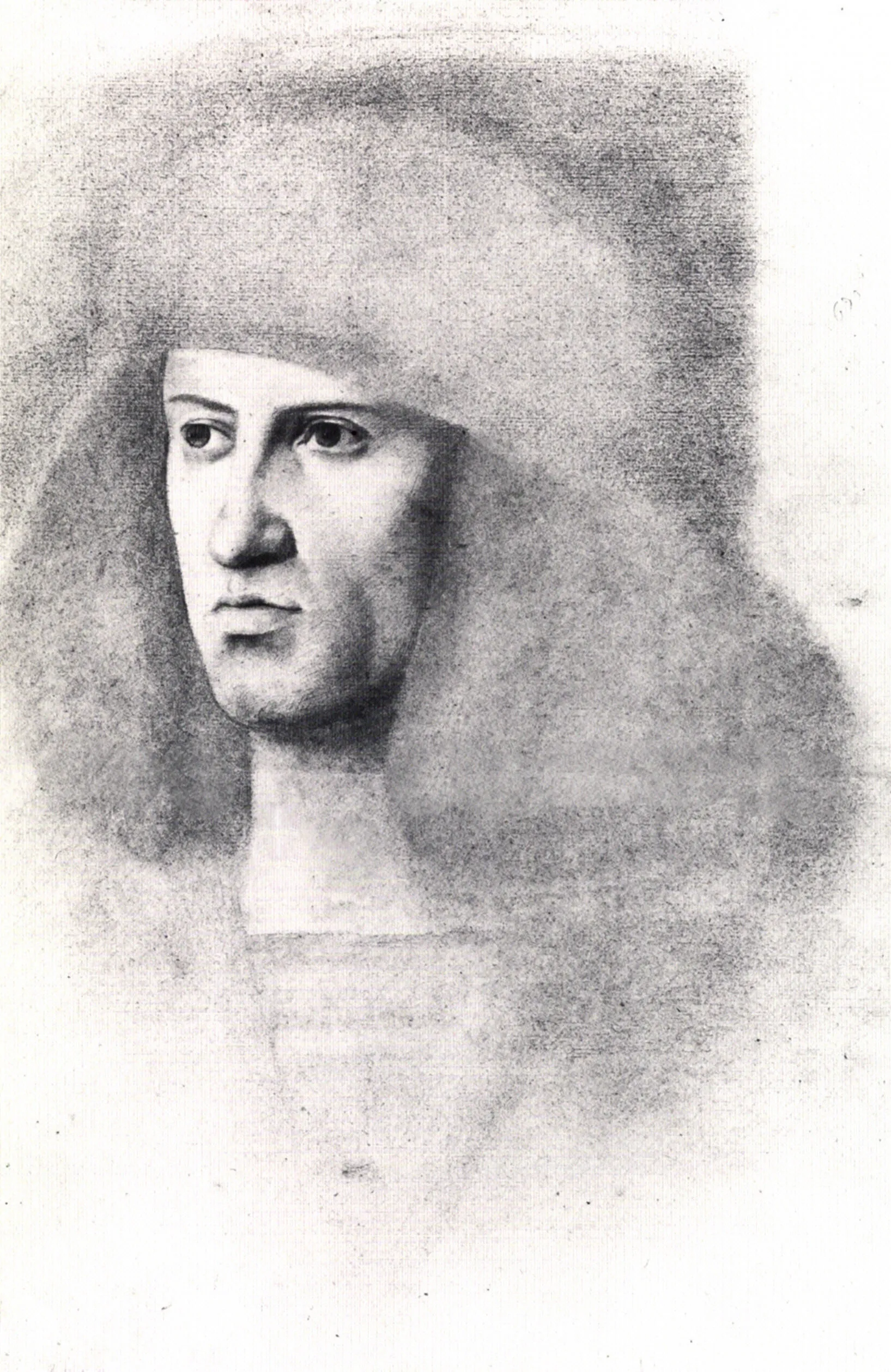
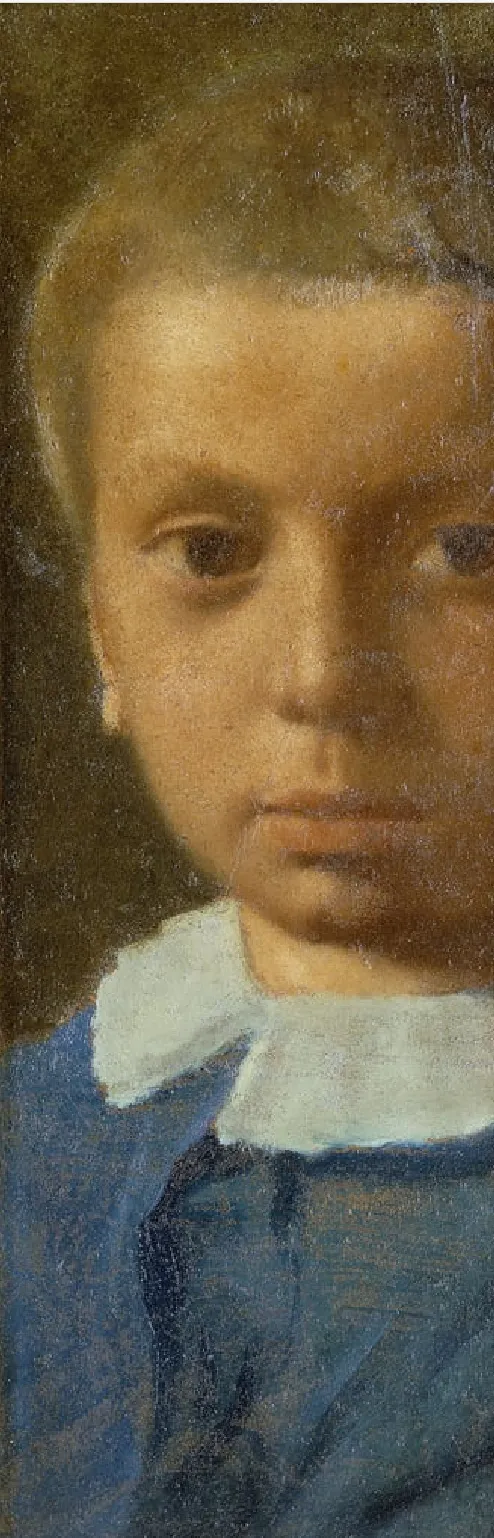
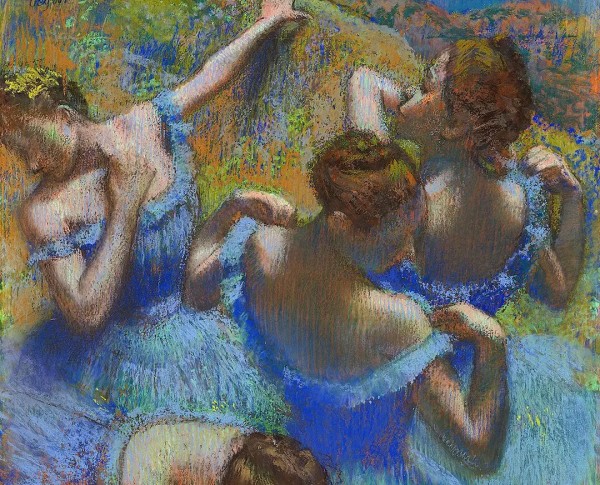
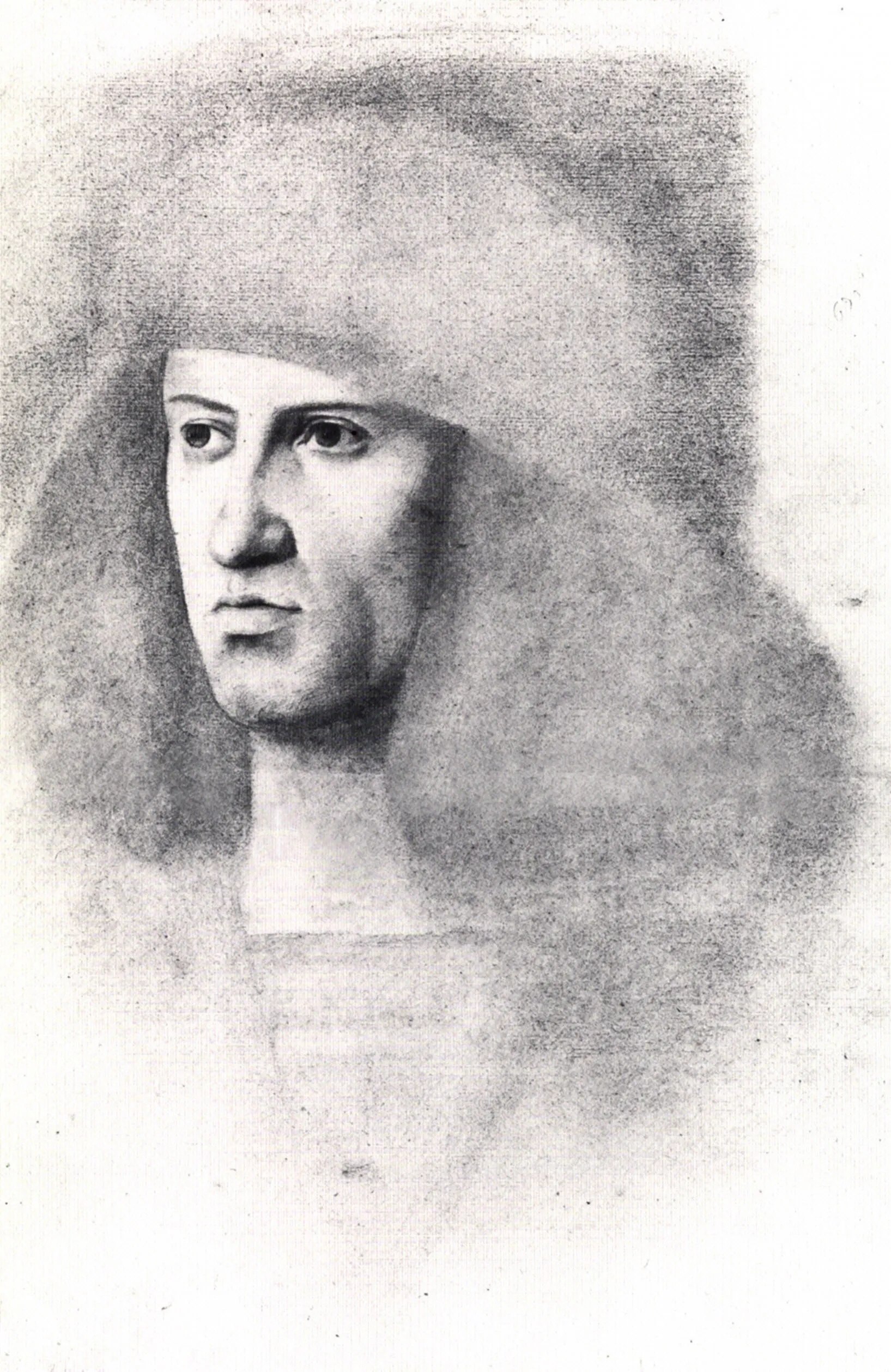
Rendered with exceptional skill, "Study of Gentile Bellini" exemplifies Degas’s expertise in oil on canvas. Each brushstroke captures the delicate interplay of light and shadow, hallmarks of Impressionism. The artist’s meticulous technique is also evident in works like "After a Bath. Woman Drying the Back of her Neck." and "The Child in Blue." Owning such masterpieces allows art lovers to appreciate the technical prowess that defines Degas’s place in art history.
"Study of Gentile Bellini" weaves a narrative that transcends time, inviting viewers to explore the dialogue between Renaissance artistry and Impressionist innovation. This fine art painting for sale is more than a visual delight—it tells stories through subtle symbolism and historical references. Collectors often pair it with "Landscape at Valery-sur-Somme" or "Portrait of René de Gas" to create a curated display that celebrates both Degas’s narrative depth and his homage to artistic predecessors.
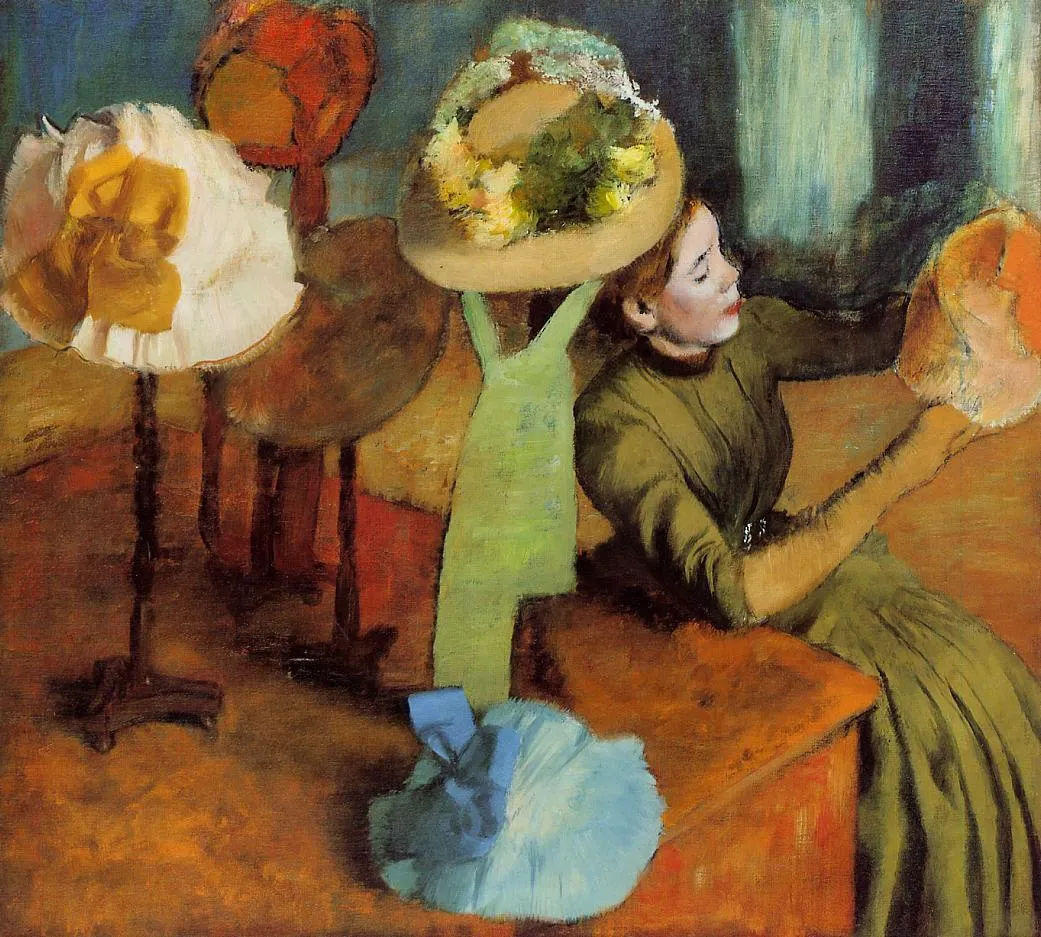
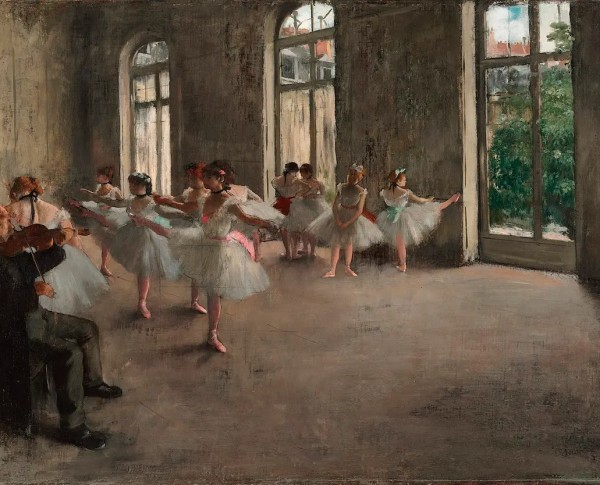
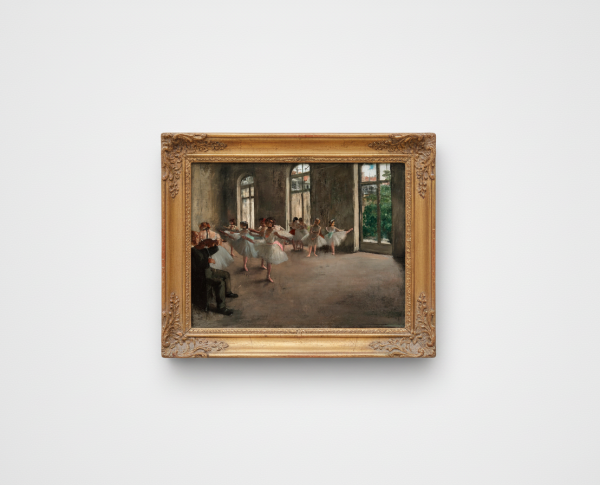
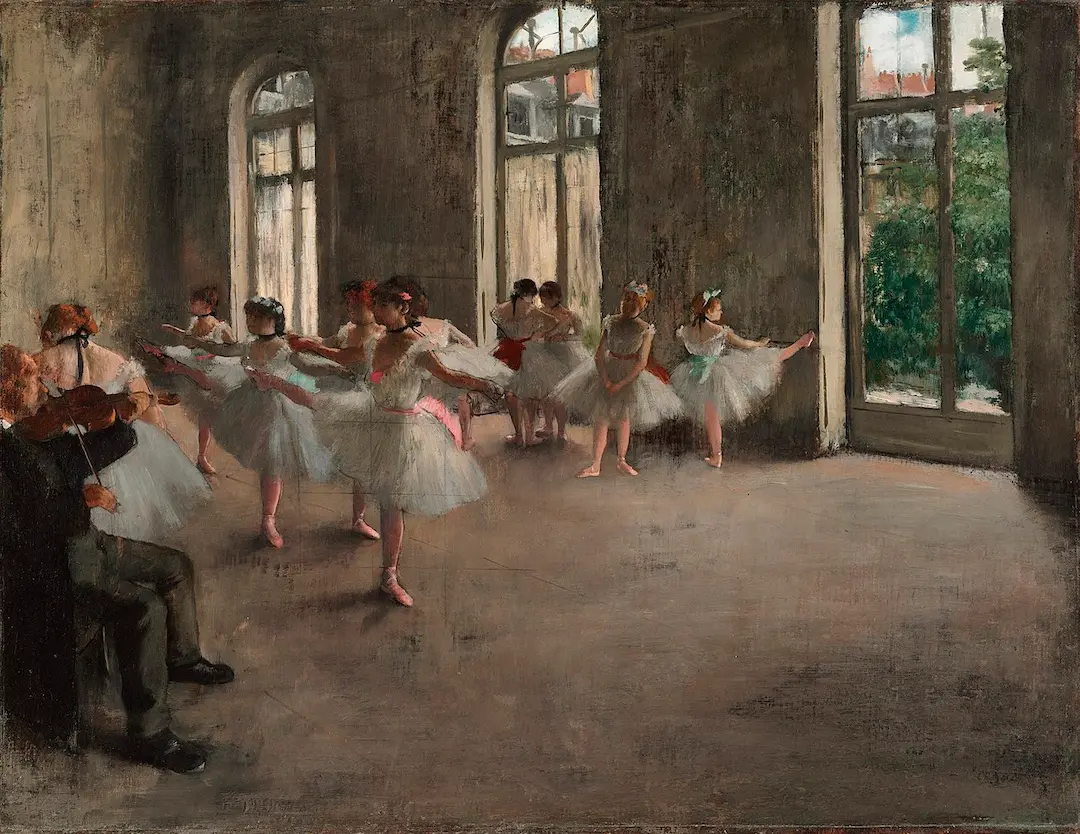
Collectors value "Study of Gentile Bellini" not just for its beauty but for its unique place in Degas’s oeuvre. As a hand-painted oil painting, it offers a tangible connection to the Impressionism movement and the artist’s creative journey. The availability of related works, such as "Ballet Rehearsal" and "After a Bath. Woman Drying the Back of her Neck.," makes it easy to assemble a collection that reflects the richness of Degas’s artistic contributions and Impressionist charm.
When Art Meets History
"Study of Gentile Bellini" by Edgar Degas is a remarkable hand-painted oil painting that showcases the intersection of art and history. As an influential figure in the Impressionism movement, Degas often drew inspiration from classical masters, and this work pays homage to Gentile Bellini. Like other masterpieces such as "The Artist's Mother" and "Le Grand Canal, Venice," this painting reflects Degas’s deep respect for artistic tradition while still embracing the innovative spirit of Impressionism.
Techniques That Speak
Edgar Degas’s expert use of oil on canvas in "Study of Gentile Bellini" highlights the unique techniques characteristic of Impressionism. The textured brushstrokes and nuanced color palette breathe life into the subject, mirroring the stylistic elements found in related paintings like "La Gare Saint Lazare" and "Terrace at the Seaside, Sainte-Adresse." Degas’s mastery of light and shadow demonstrates his ability to capture fleeting moments, making this piece a standout example of his technical prowess.
Emotions on Display
In "Study of Gentile Bellini," Edgar Degas conveys a subtle yet profound emotional depth that is emblematic of Impressionist art. This fine art painting for sale invites viewers to engage with the subject’s introspective mood, reminiscent of the emotional resonance found in works like "Bathers at La Grenouillère." Through careful composition and expressive brushwork, Degas evokes a sense of contemplation, allowing the viewer to connect personally with the historical and artistic narrative.
Coveted by Collectors
As a coveted piece in the world of art, "Study of Gentile Bellini" by Edgar Degas continues to attract collectors who appreciate the enduring value of Impressionism. This hand-painted oil painting stands alongside other iconic works from the movement, making it a sought-after treasure for those seeking a fine art painting for sale. Collectors are drawn to the painting’s historical significance and its connection to related masterpieces, ensuring its place in prestigious collections worldwide.
Related Impressionism Hand-Painted Oil Paintings by Other Artists
Other Famous Impressionism Artists:
Frequently Asked Questions About Study of Gentile Bellini
What is the historical context of Edgar Degas's "Study of Gentile Bellini"?
"Study of Gentile Bellini" was created during the late 19th century, a period marked by a revival of interest in classical art and the Old Masters. Degas, influenced by the works of Bellini, sought to explore the techniques and themes of Renaissance painting.
Who was Gentile Bellini and why is he significant in art history?
Gentile Bellini was a prominent Venetian painter of the Renaissance known for his detailed portraits and religious compositions. His work exemplifies the transition to naturalism in art, making him a pivotal figure in the development of Western painting.
What artistic techniques did Degas employ in "Study of Gentile Bellini"?
Degas utilized a combination of drawing and painting techniques, emphasizing line and form. His approach reflects the influence of Bellini's use of color and composition, while also showcasing Degas's unique style, characterized by movement and emotion.
What themes are explored in "Study of Gentile Bellini"?
The painting explores themes of artistic legacy and the dialogue between past and present. Degas reflects on the influence of historical artists on contemporary practices, highlighting the continuity of artistic expression across time.
How does "Study of Gentile Bellini" reflect the influence of Impressionism?
While "Study of Gentile Bellini" pays homage to classical techniques, it also embodies Impressionist principles through its focus on light, color, and the fleeting moment. Degas's brushwork and composition reveal an innovative approach that bridges traditional and modern art.
What symbolism can be found in "Study of Gentile Bellini"?
The painting symbolizes the reverence for artistic tradition while simultaneously questioning its relevance in a rapidly changing world. Degas's choice of subject matter serves as a reminder of the enduring impact of historical artists on contemporary creativity.
What materials did Degas use in creating "Study of Gentile Bellini"?
Degas primarily used oil on canvas for this work, a medium that allowed him to achieve rich textures and vibrant colors. His choice of materials reflects both the techniques of the Renaissance and the innovations of his own time.
How does "Study of Gentile Bellini" fit into Degas's broader body of work?
This painting is part of Degas's exploration of historical themes and figures, which he often revisited throughout his career. It showcases his fascination with the intersection of past and present, a recurring motif in his oeuvre.
What is the significance of the composition in "Study of Gentile Bellini"?
The composition of the painting is carefully structured, drawing the viewer's eye to the central figure while also incorporating elements that suggest depth and context. This reflects Degas's mastery of spatial organization, influenced by classical art.
In what ways does "Study of Gentile Bellini" challenge traditional notions of portraiture?
Degas's approach in this work challenges traditional portraiture by emphasizing the artist's interpretation over mere likeness. The painting invites viewers to consider the relationship between the artist and their subject, blurring the lines between representation and abstraction.






















_GFM_Painting_(1).webp)


 100% Hand-Painted: Finished in 3-6 Weeks

.png)















_(1).webp)