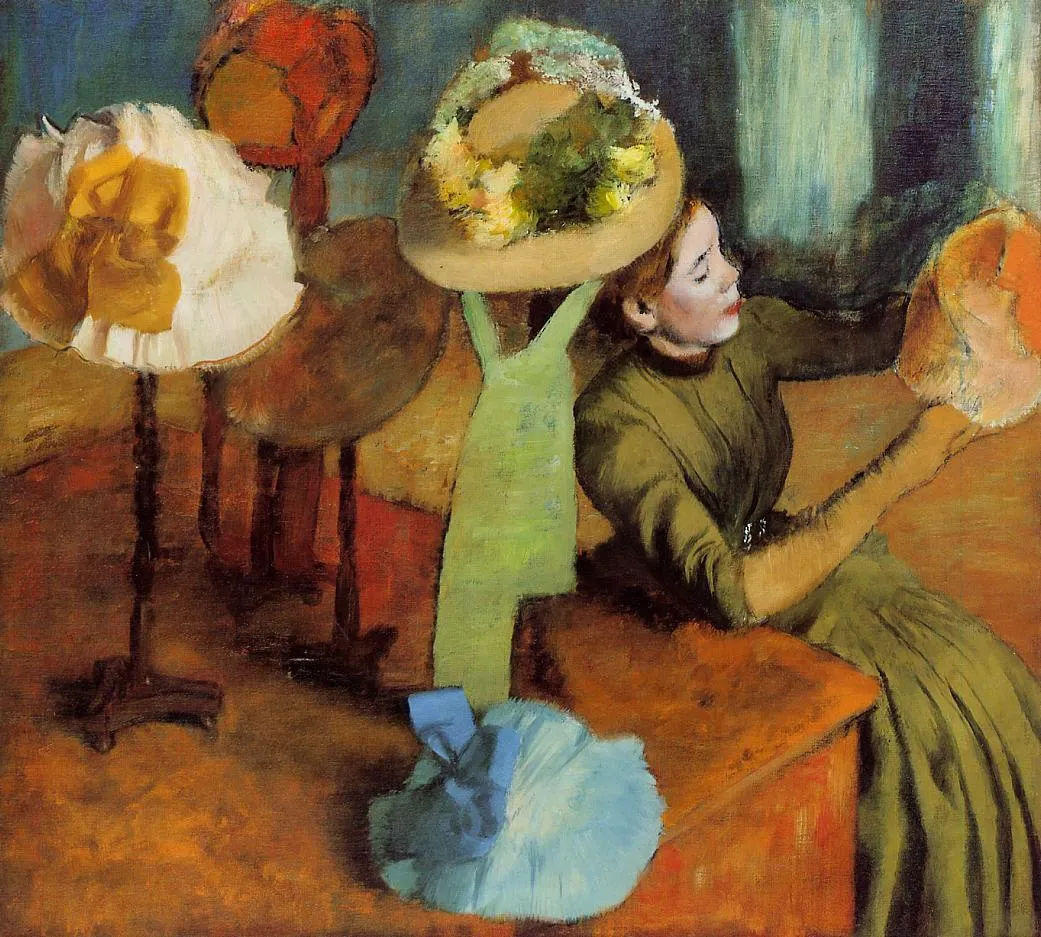
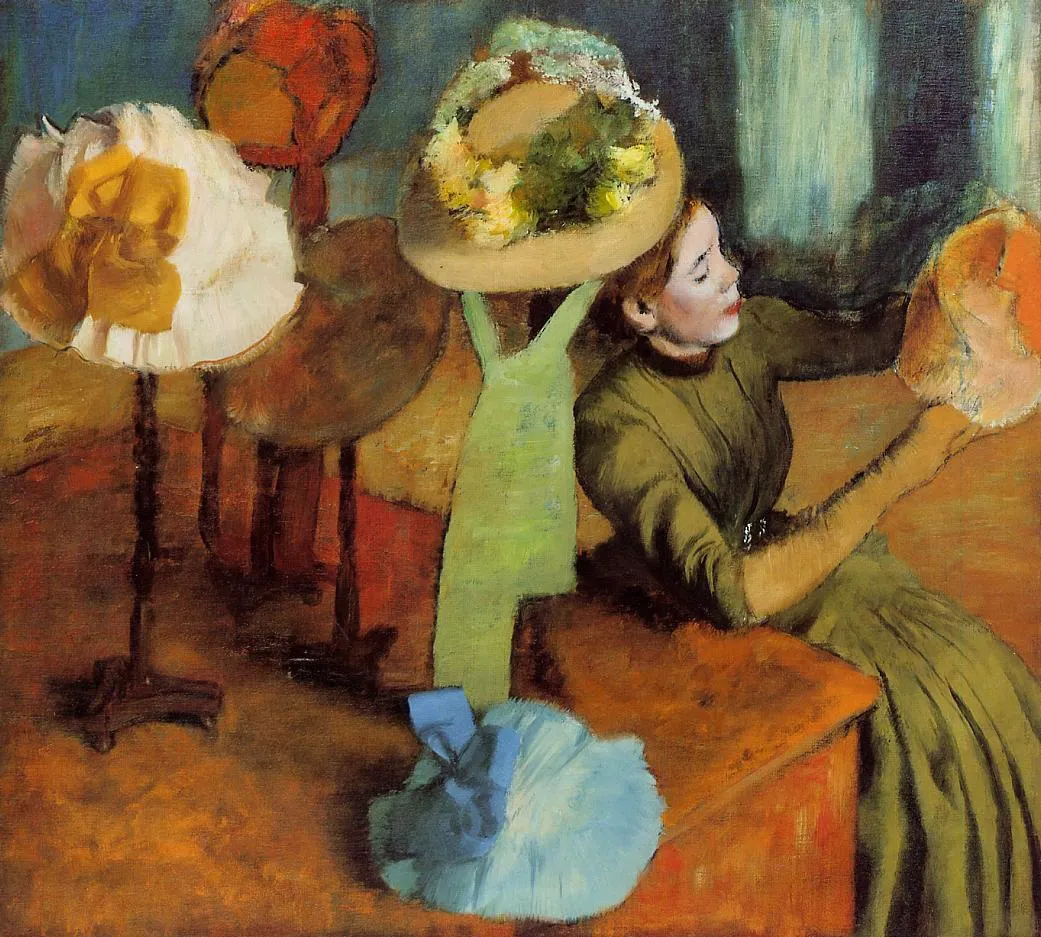
"The Millinery Shop" showcases Degas' exceptional skill with oil on canvas, blending delicate brushwork and innovative composition. His technique in this Impressionist work highlights the subtle play of light and shadow, bringing the milliner’s quiet concentration to life. Collectors and enthusiasts admire how this piece, much like "Landscape at Valery-sur-Somme" and "Portrait of René de Gas," exemplifies the unique vision Degas brought to the Impressionism movement in every oil on canvas masterpiece.
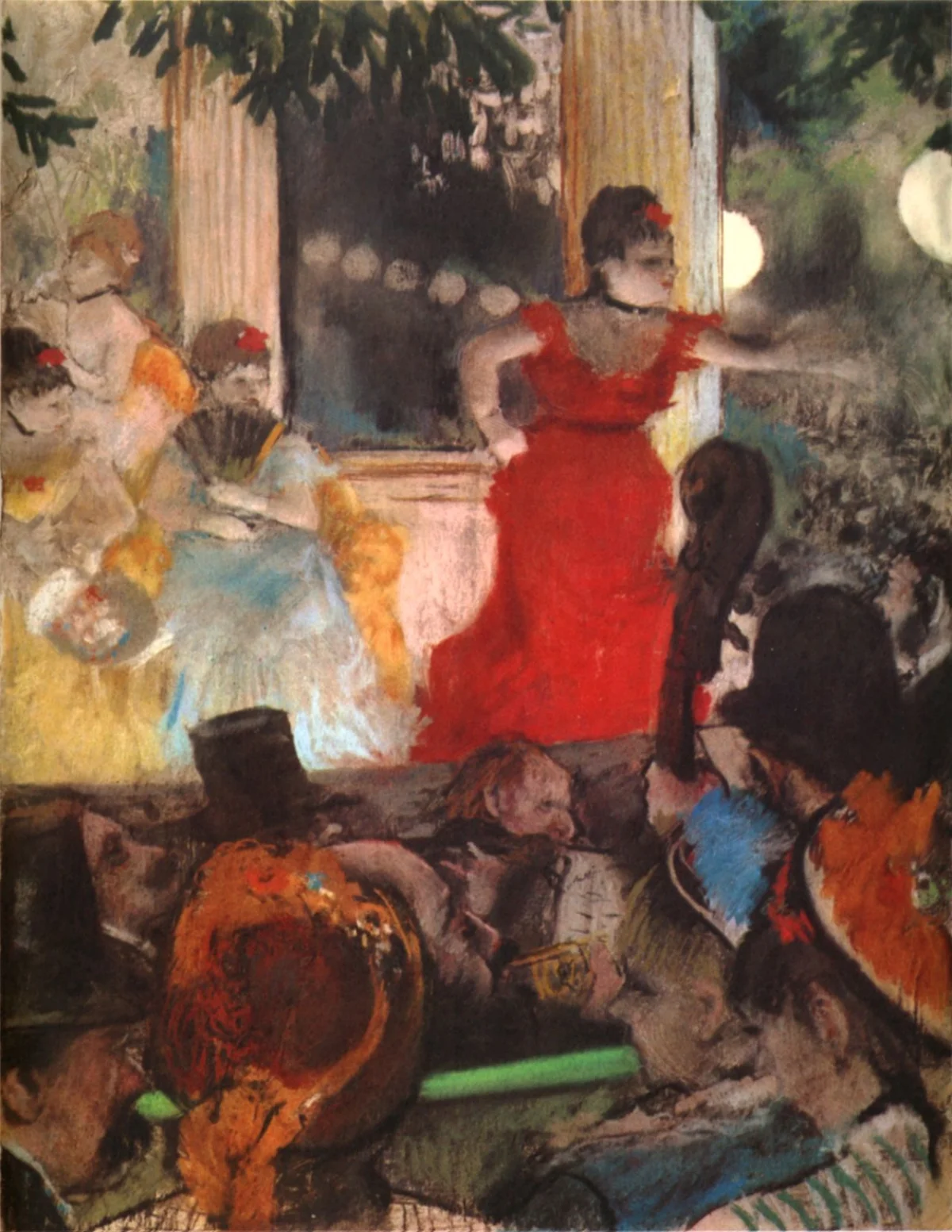
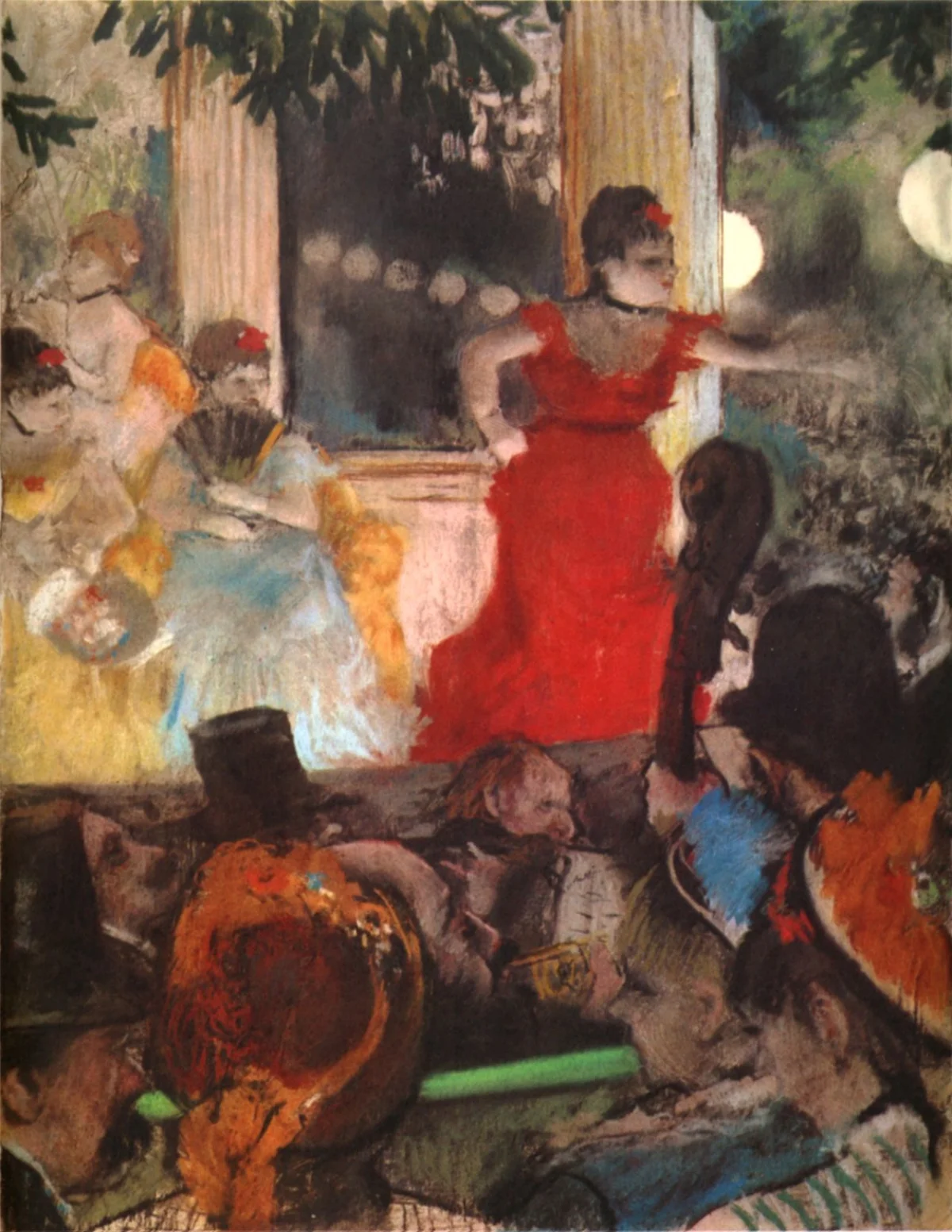
In "The Millinery Shop," Degas weaves stories and symbols into every detail, making this fine art painting for sale a window into the lives of Parisian women. The thoughtful posture of the milliner and the array of hats symbolize both creativity and the changing roles of women in society. Collectors who appreciate narrative depth may also enjoy related works like "The Child in Blue" and "Le Café-concert aux ambassadeurs," which reflect Degas’ nuanced storytelling.
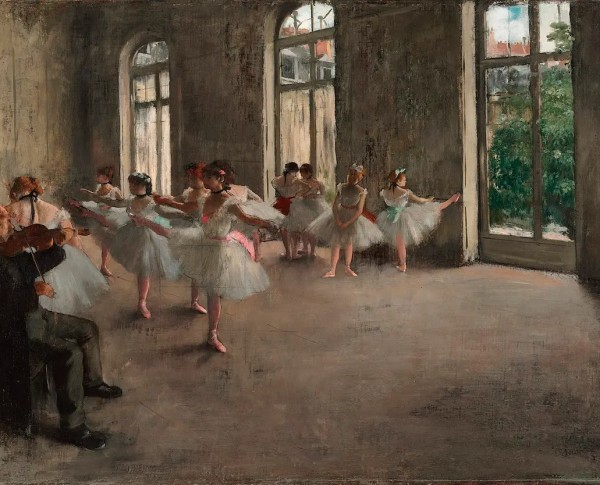
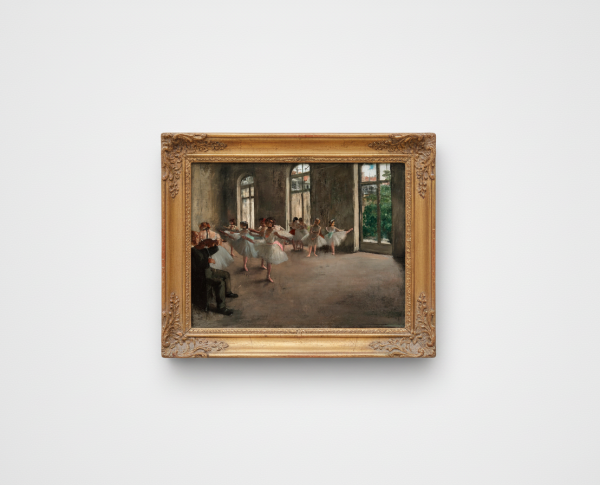
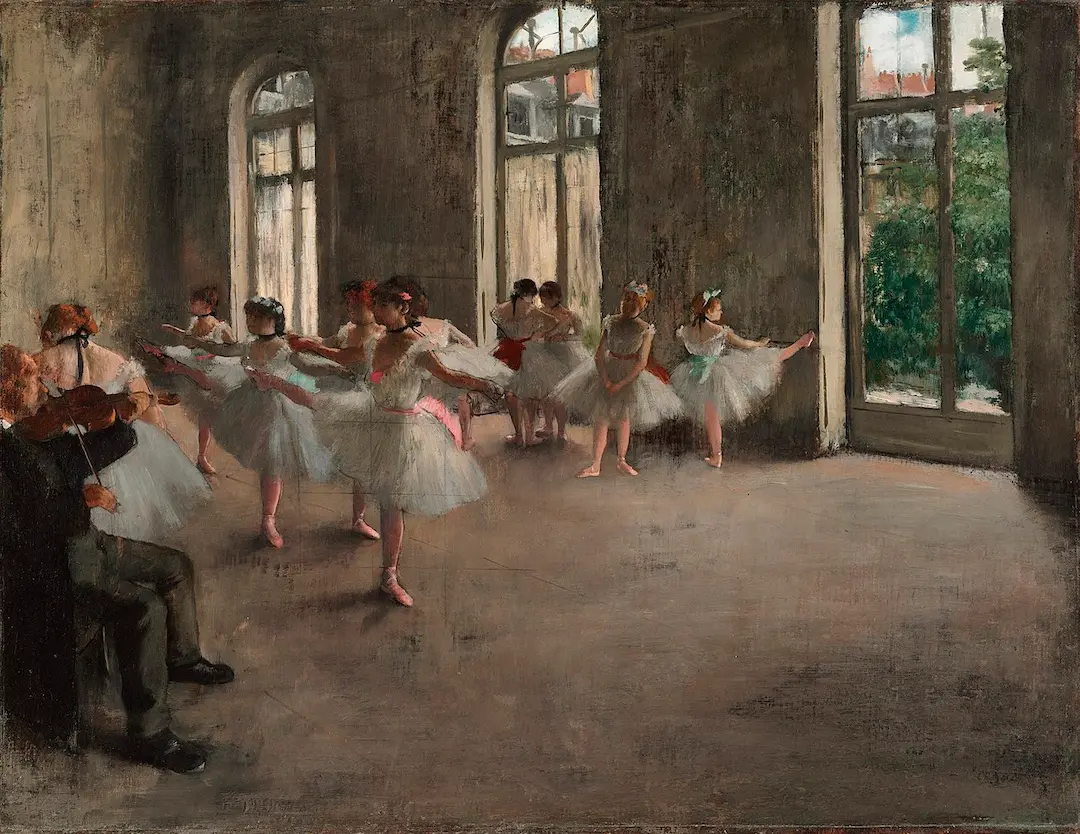
For art collectors, "The Millinery Shop" by Edgar Degas is a prized hand-painted oil painting that embodies the spirit of Impressionism. Owning this artwork, or related products such as "Ballet Rehearsal, 1873" and "Portrait of René de Gas," means holding a piece of art history. With its refined technique and cultural significance, this painting stands as a testament to Degas’ enduring legacy and remains a coveted fine art painting for sale among enthusiasts worldwide.
When Art Meets History
"The Millinery Shop" by Edgar Degas stands as a testament to the Impressionism movement, capturing the essence of Parisian life in the late 19th century. This hand-painted oil painting offers a glimpse into the world of fashion and femininity, much like Monet's "Garden at Sainte-Adresse" and "Wild Poppies, Near Argenteuil." Degas masterfully documents a moment in time, making this work not only a visual delight but also a historical artifact.
Techniques That Speak
Edgar Degas utilized oil on canvas to create the delicate textures and luminous colors that define "The Millinery Shop." Through loose brushwork and innovative composition, he reflects the Impressionism movement's focus on capturing fleeting moments. Similar techniques can be found in Monet’s "The Railway Bridge at Argenteuil" and "Beach in Pourville." Degas’s meticulous layering and use of light distinguish this masterpiece among other celebrated oil on canvas works.
Emotions on Display
In "The Millinery Shop," Degas conveys the quiet concentration of a young woman immersed in her craft, a theme resonant with the Impressionism movement. The subtle expressions and delicate setting evoke introspection, reminiscent of the mood in "Les orangers." Collectors and admirers are drawn to the emotional depth present in this fine art painting for sale, as Degas transforms an everyday scene into a poignant study of modern life.
Coveted by Collectors
"The Millinery Shop" is highly sought after by collectors who appreciate the refined artistry of Edgar Degas and the Impressionism movement. As with other masterpieces like "Wild Poppies, Near Argenteuil," this hand-painted oil painting holds significant value in the art market. Its unique perspective and historical context make it a prized addition to any collection, appealing to those searching for a fine art painting for sale that embodies both beauty and legacy.
Related Impressionism Hand-Painted Oil Paintings by Other Artists
Other Famous Impressionism Artists:
Frequently Asked Questions About The Millinery Shop
What is the historical context of "The Millinery Shop"?
"The Millinery Shop" was painted by Edgar Degas in the late 19th century, a period marked by significant social and cultural changes in France. This era saw the rise of the bourgeoisie and the emergence of modern fashion, which is reflected in the painting's focus on a millinery shop, a popular destination for women of the time.
What artistic techniques did Degas employ in this painting?
Degas utilized a combination of impressionistic techniques and a keen sense of composition. He employed loose brushwork and a vibrant color palette to capture the dynamic atmosphere of the shop, while also using unusual angles and perspectives to create a sense of depth and movement.
What themes are explored in "The Millinery Shop"?
The painting explores themes of femininity, consumerism, and the social dynamics of Parisian life. It highlights the role of women in the fashion industry and their pursuit of beauty and status through clothing and accessories.
How does "The Millinery Shop" reflect the Impressionist movement?
"The Millinery Shop" reflects the Impressionist movement through its emphasis on capturing everyday life and the use of light and color. Degas's focus on the fleeting moments of social interaction and the vibrancy of urban life exemplifies the core principles of Impressionism.
What is the significance of the figures in the painting?
The figures in "The Millinery Shop" represent the modern woman of the late 19th century, embodying both independence and societal expectation. Their engagement with the merchandise suggests a commentary on the evolving roles of women in society and the importance of fashion as a means of self-expression.
What role does color play in "The Millinery Shop"?
Color plays a crucial role in "The Millinery Shop," as Degas uses a vibrant palette to evoke the lively atmosphere of the shop. The contrasting colors draw attention to the hats and the figures, enhancing the sense of movement and energy within the scene.
How does the composition of the painting contribute to its meaning?
The composition of "The Millinery Shop" is carefully arranged to guide the viewer's eye through the scene. The placement of figures and objects creates a sense of intimacy and immediacy, allowing the viewer to feel as though they are part of the bustling environment of the shop.
What influence did "The Millinery Shop" have on later artists?
"The Millinery Shop" has influenced later artists by showcasing the importance of capturing contemporary life and the complexities of social interactions. Degas's innovative approach to composition and his focus on the female experience have inspired generations of artists in their exploration of similar themes.
What symbols can be found in "The Millinery Shop"?
Symbols in "The Millinery Shop" include the hats themselves, which represent societal status and the pursuit of beauty. The act of shopping serves as a metaphor for the broader themes of consumerism and identity, reflecting the changing roles of women in society during Degas's time.
How does "The Millinery Shop" fit into Degas's broader body of work?
"The Millinery Shop" fits into Degas's broader body of work as part of his exploration of modern life and the female experience. It aligns with his interest in capturing movement and the nuances of social interactions, as seen in his other works featuring ballet dancers and women in everyday settings.






















_GFM_Painting_(1).webp)


 100% Hand-Painted: Finished in 3-6 Weeks

.png)















_(1).webp)