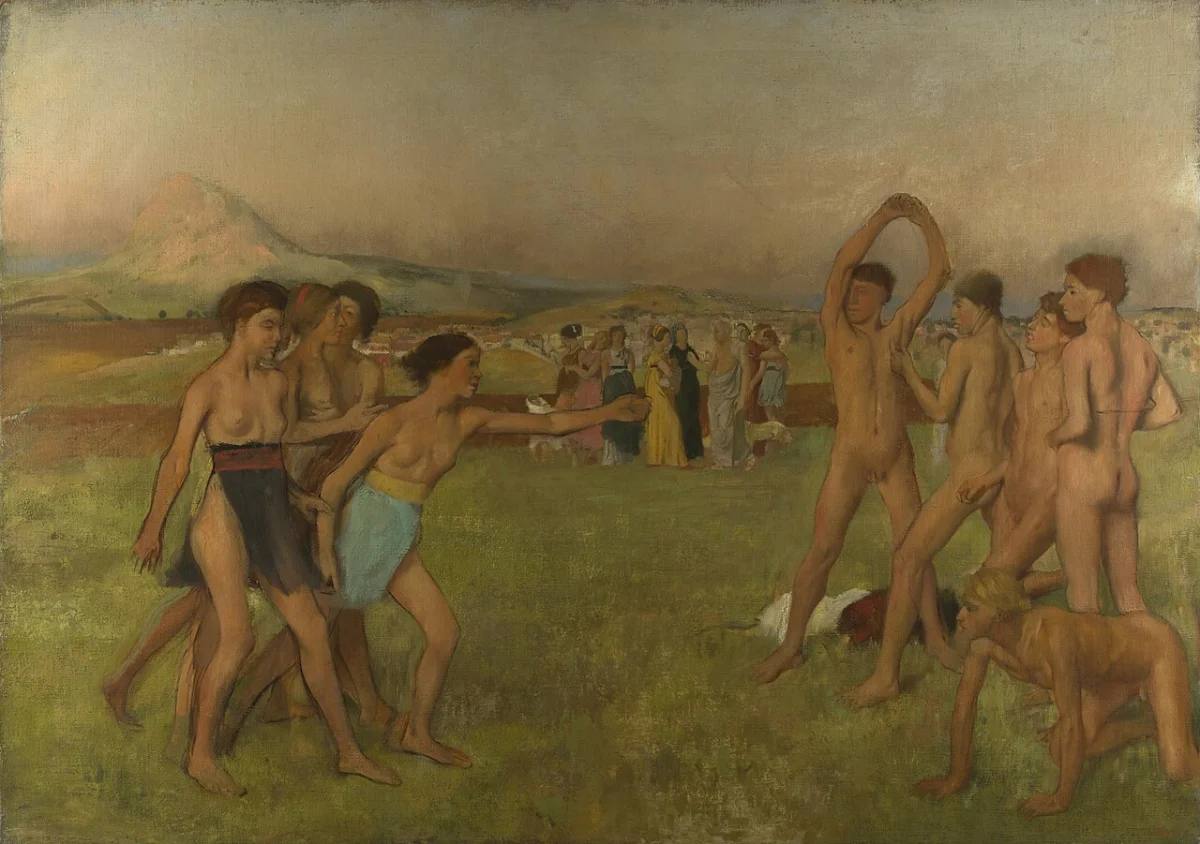
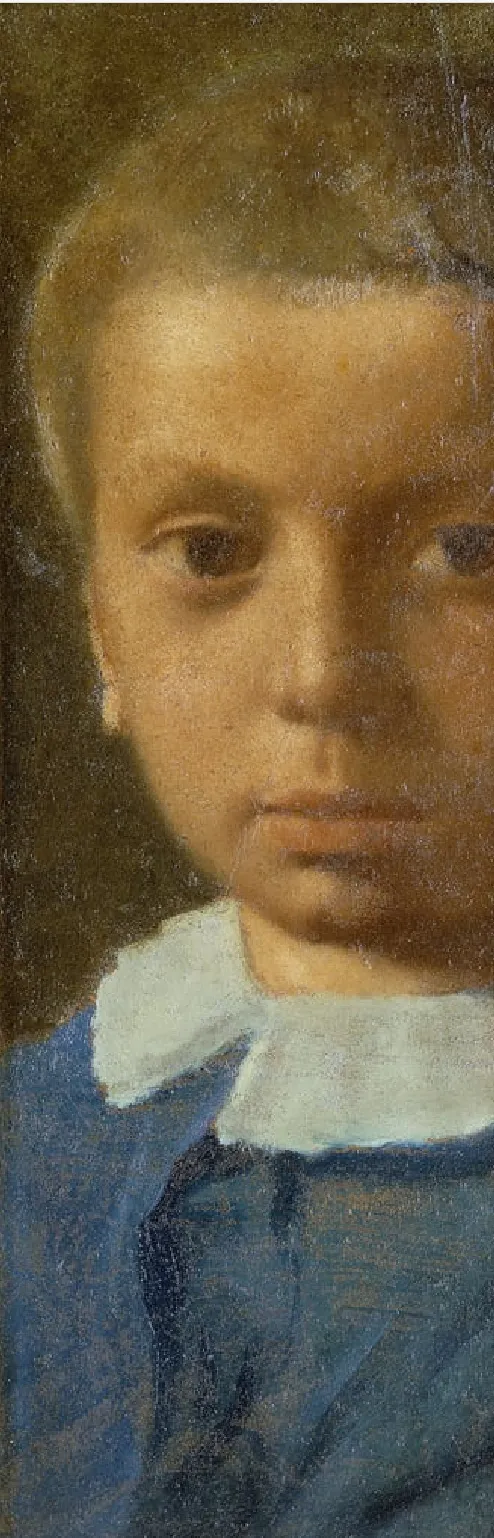
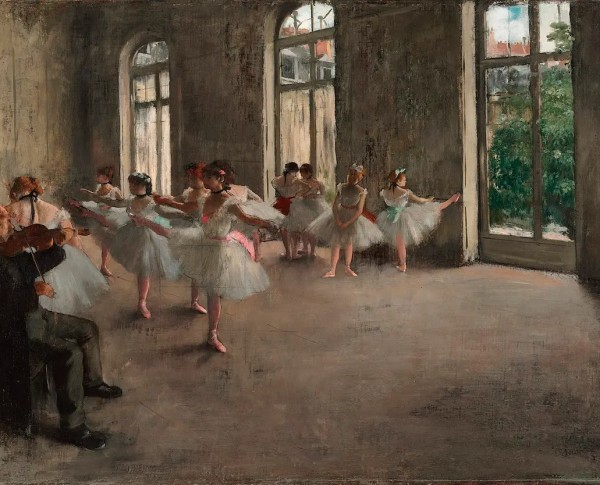
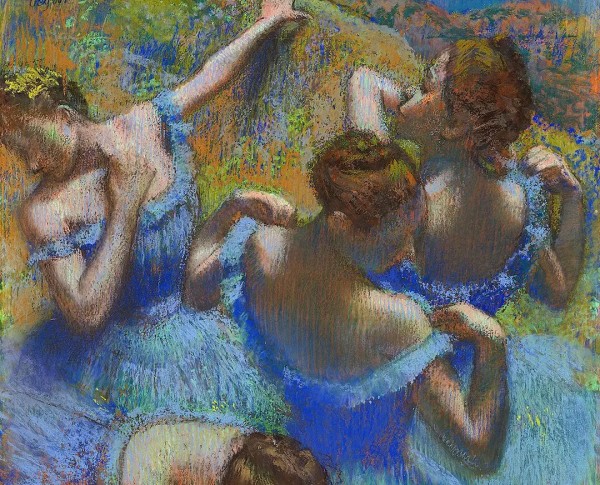
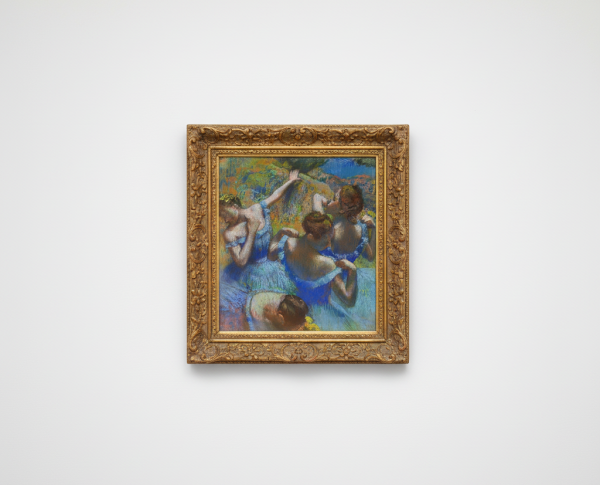
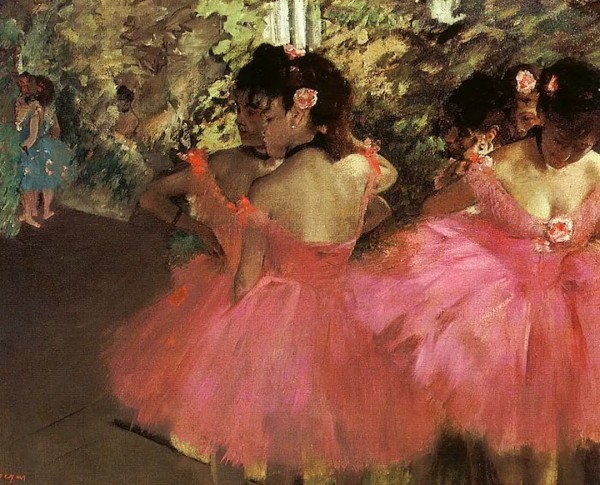
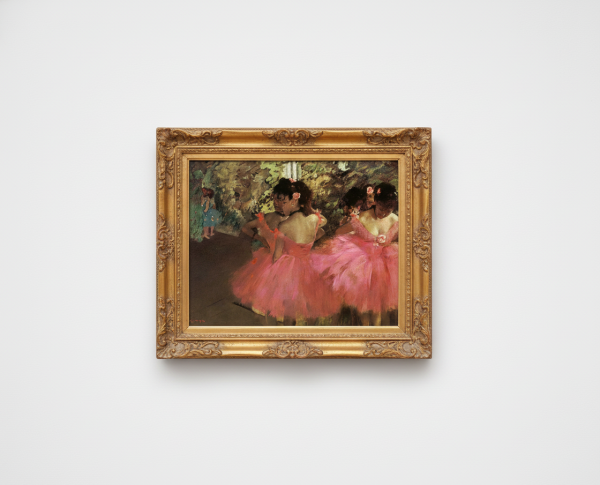
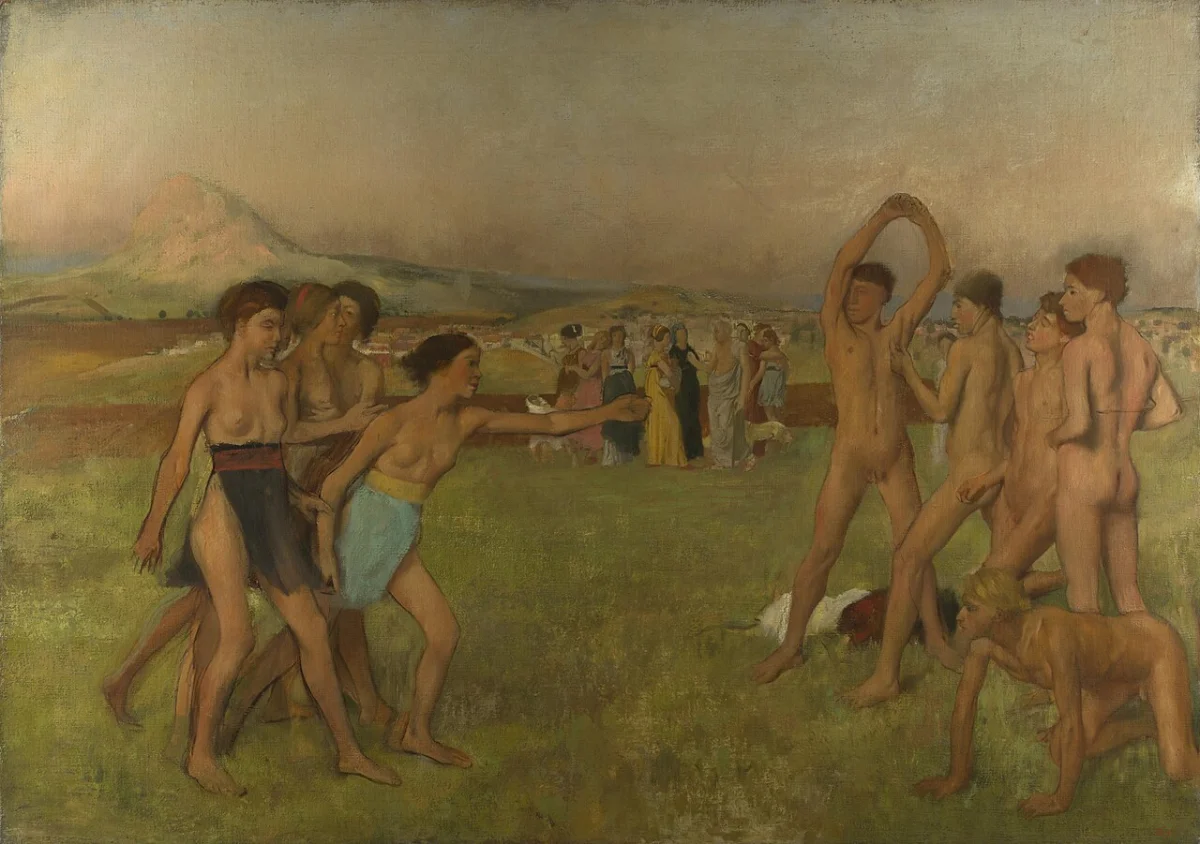
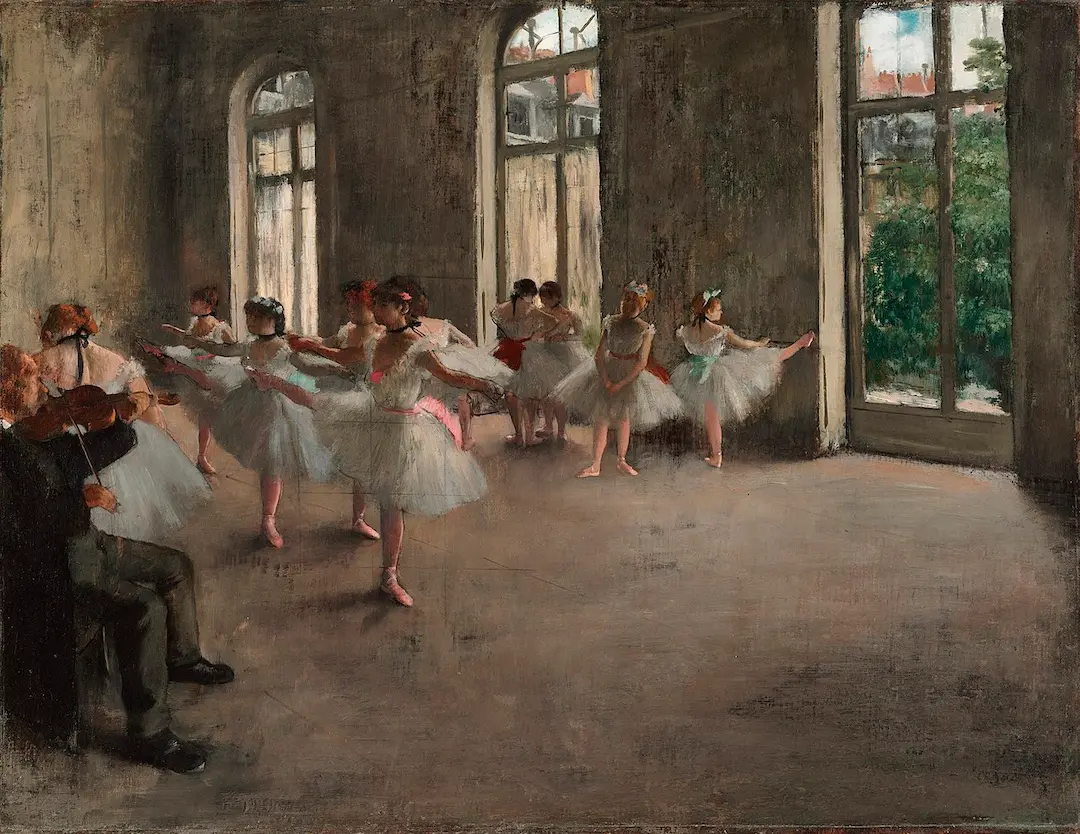
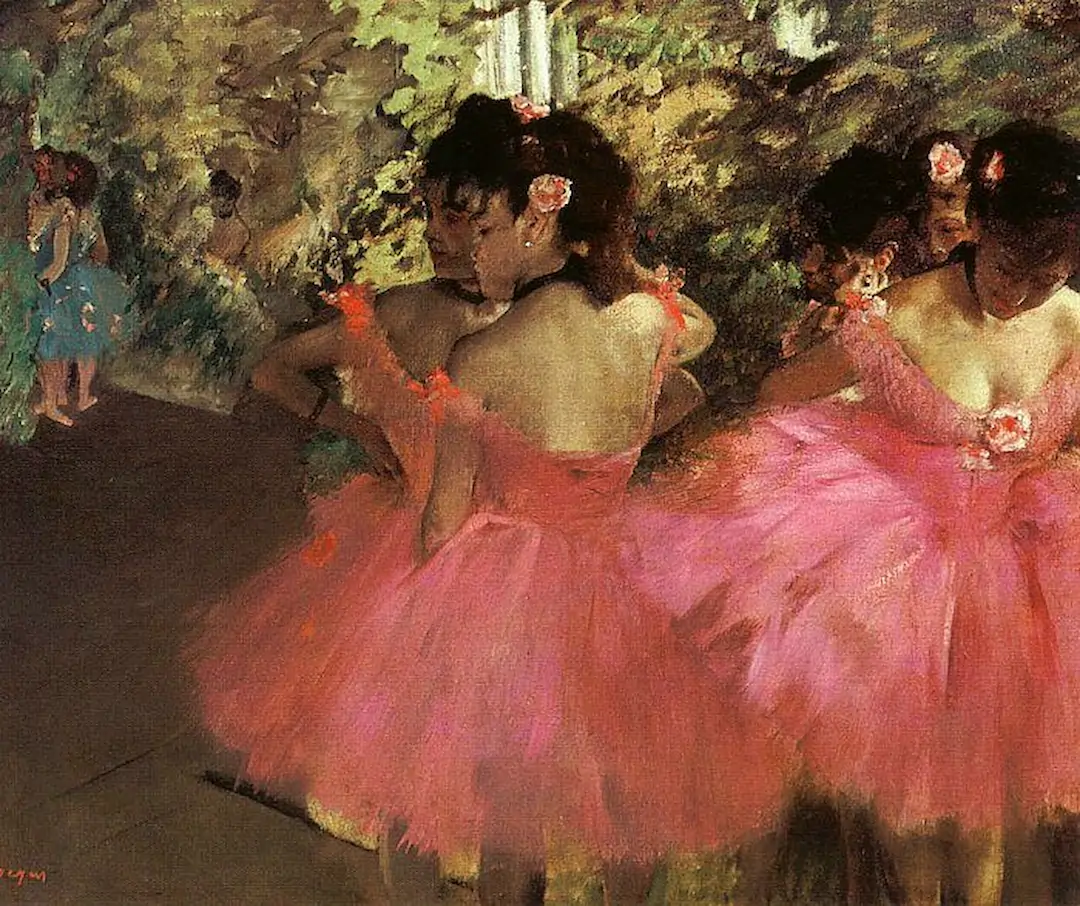
Edgar Degas’s technique in "Young Spartans Exercising" demonstrates his expertise in oil on canvas, blending colors and forms to create dynamic energy among the figures. The Impressionism movement is evident in his loose brushwork and attention to light, similar to his renowned pieces like "Ballet Rehearsal, 1873" and "Dancers In Pink." Each stroke reflects Degas’s commitment to capturing movement and emotion, making this oil on canvas a testament to his artistic mastery.
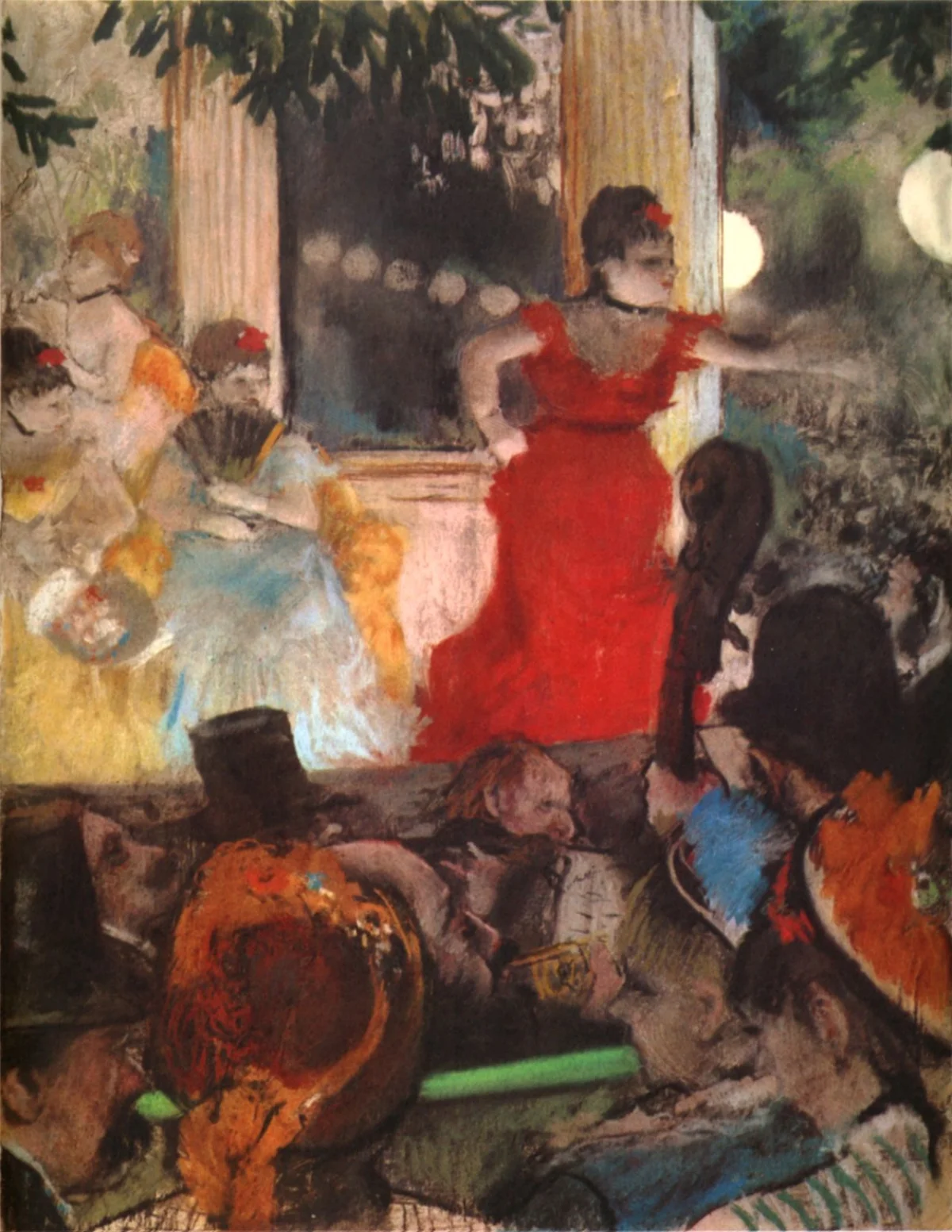
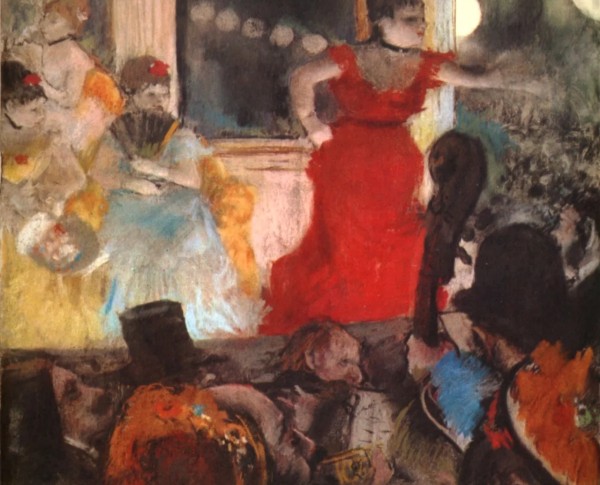
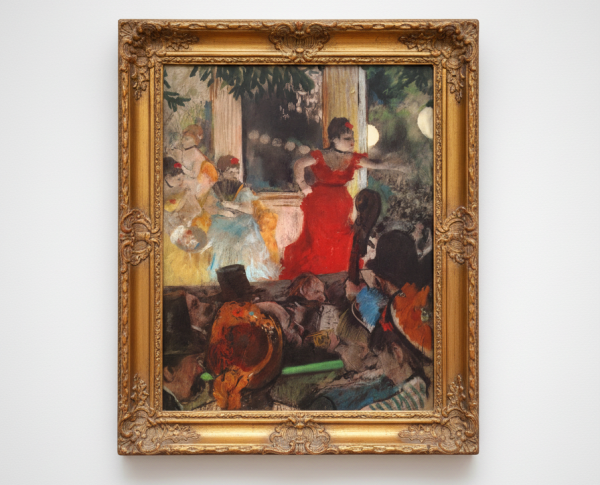
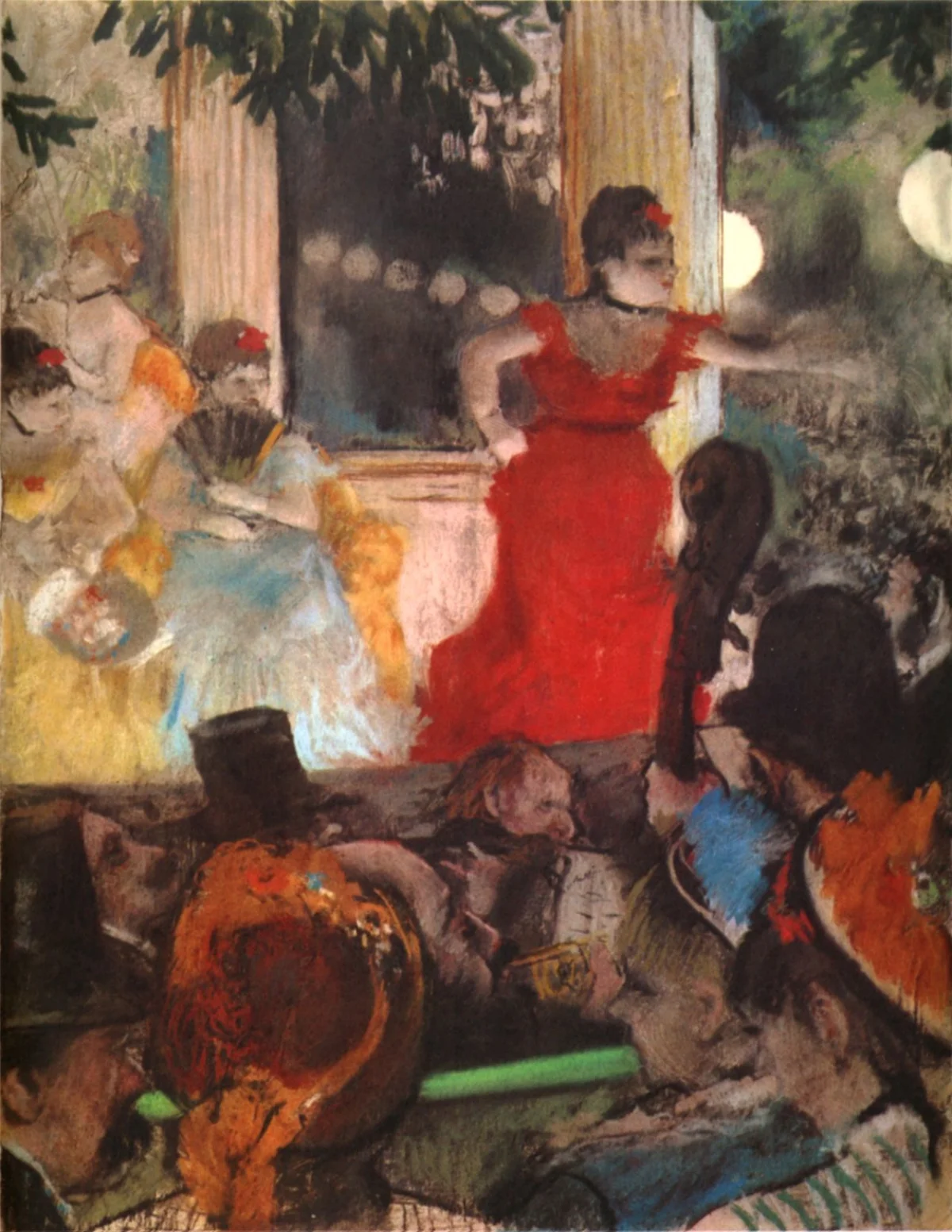
"Young Spartans Exercising" weaves together themes of youth, rivalry, and ancient customs, characteristic of Degas’s narrative-driven art. Through his hand-painted oil painting, Degas explores the tension and camaraderie among the Spartan youths, much like the expressive storytelling found in "After a Bath. Woman Drying the Back of her Neck." and "Le Café-concert aux ambassadeurs." Collectors seeking fine art painting for sale will find rich symbolism and historical depth in this Impressionist gem.
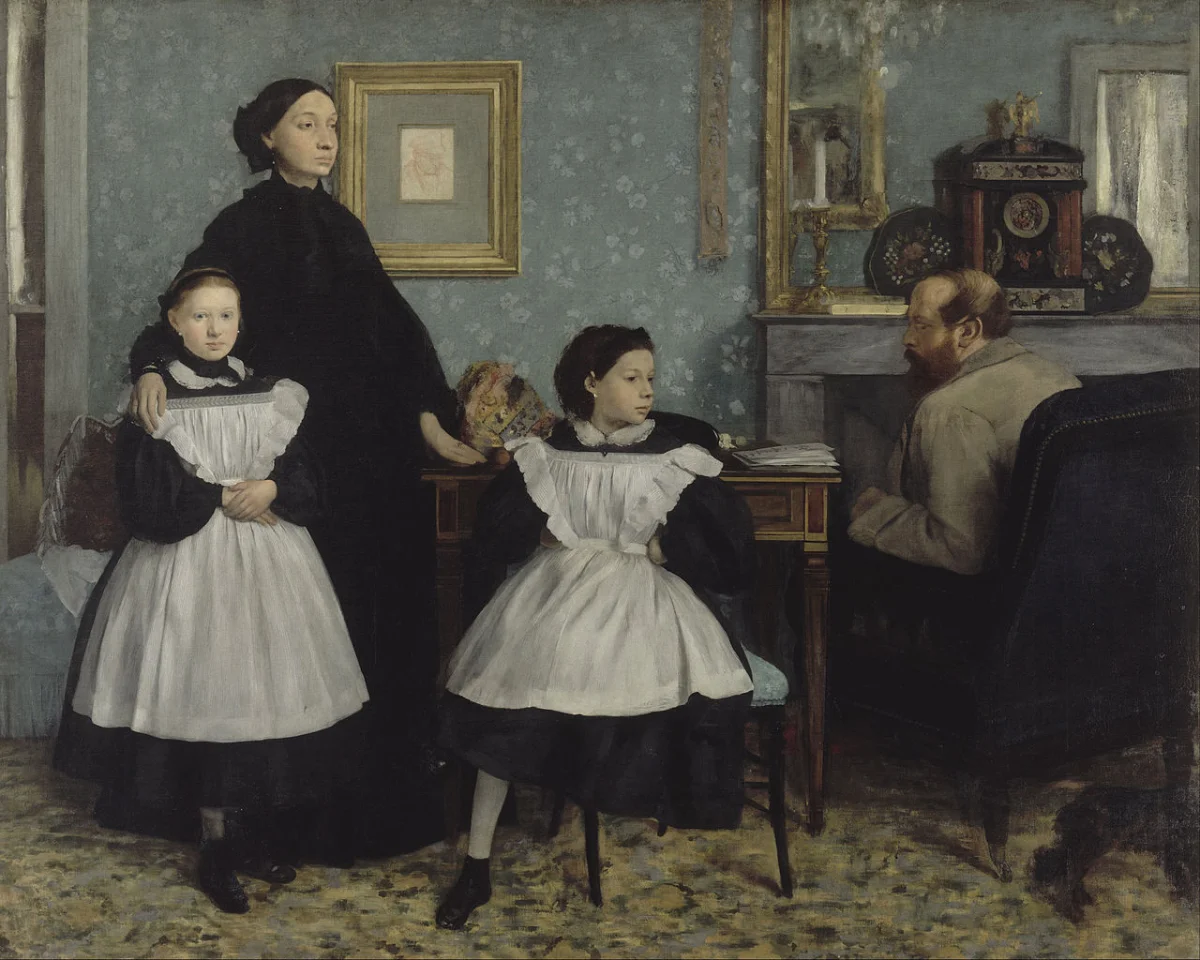
For collectors and art lovers, "Young Spartans Exercising" by Edgar Degas represents a unique opportunity to own a piece of Impressionist history. This oil on canvas stands alongside celebrated works like "The Bellelli Family" and "Dancers In Pink" as a fine art painting for sale that enhances any collection. Its blend of classical inspiration and modern technique makes it a sought-after treasure, embodying the enduring appeal of Degas’s artistic legacy.
When Art Meets History
"Young Spartans Exercising" by Edgar Degas stands as a remarkable hand-painted oil painting from the Impressionism movement. This masterpiece captures a scene from ancient Sparta, blending historical narrative with the innovative style of Degas. Like "Le Déjeuner sur l'herbe" and "The Cliff Walk at Pourville," this work bridges the gap between past and present, inviting viewers to reflect on youth, culture, and the enduring power of art throughout the ages.
Techniques That Speak
Edgar Degas utilized oil on canvas to breathe life into "Young Spartans Exercising," demonstrating his mastery of Impressionist technique. The brushwork is loose yet deliberate, capturing movement and light in a way reminiscent of Monet's "Houses of Parliament series." Degas’s unique approach to composition and color sets this piece apart, showcasing the dynamic tension and subtle detail that define Impressionism and make this painting a lasting testament to his innovative vision.
Emotions on Display
In "Young Spartans Exercising," Degas conveys a spectrum of emotions through the expressive postures and interactions of the figures. The painting’s vibrant energy and nuanced gestures evoke themes of competition, camaraderie, and youthful aspiration. Like "Street of the Bavolle Honfleur" and "Two Sisters," this fine art painting for sale captures fleeting moments and emotions, drawing the viewer into the heart of the scene and highlighting the Impressionist commitment to capturing life’s ephemeral beauty.
Coveted by Collectors
This iconic hand-painted oil painting is highly sought after by collectors and art enthusiasts alike. As a seminal work by Edgar Degas within the Impressionism movement, "Young Spartans Exercising" holds a place of prestige alongside masterpieces like "Le Déjeuner sur l'herbe" and "Two Sisters." Its historical subject matter and masterful execution make it a prized addition to any collection, embodying the enduring allure of Impressionist art and the genius of its creator.
Related Impressionism Hand-Painted Oil Paintings by Other Artists
Other Famous Impressionism Artists:
Frequently Asked Questions About Young Spartans Exercising
What is the historical context of "Young Spartans Exercising"?
"Young Spartans Exercising" was created by Edgar Degas in 1860, during a period when France was experiencing significant social and political changes. The painting reflects the fascination with classical themes and the revival of interest in ancient Greek culture, which was prevalent in the 19th century.
What artistic techniques did Degas use in this painting?
Degas employed a combination of traditional and innovative techniques in "Young Spartans Exercising." He utilized oil on canvas, focusing on the play of light and shadow to create depth. His use of composition and perspective draws the viewer's eye to the central figures, emphasizing their physicality and movement.
What themes are explored in "Young Spartans Exercising"?
The painting explores themes of youth, athleticism, and discipline, reflecting the ideals of strength and beauty associated with ancient Spartan culture. It also touches on the broader themes of education and the development of character through physical training.
How does Degas's style influence the portrayal of the figures?
Degas's style is characterized by a focus on movement and the human form. In "Young Spartans Exercising," he captures the dynamic poses and interactions of the figures, conveying a sense of vitality and energy that is central to the painting's impact.
What is the significance of the setting in the painting?
The setting of "Young Spartans Exercising" is significant as it evokes the classical ideals of ancient Greece. The backdrop suggests an open space conducive to physical training, reinforcing the cultural emphasis on fitness and the preparation of youth for civic duty.
What role does color play in "Young Spartans Exercising"?
Color in "Young Spartans Exercising" serves to enhance the emotional and physical aspects of the scene. Degas uses a palette of warm tones to create a sense of warmth and vitality, while the contrasting cooler shades help to define the figures and their movements.
How does "Young Spartans Exercising" compare to Degas's other works?
While Degas is best known for his depictions of ballet dancers and everyday life, "Young Spartans Exercising" showcases his versatility and interest in classical subjects. This painting differs from his more modern themes, highlighting his ability to blend traditional subjects with contemporary techniques.
What is the symbolism behind the figures in the painting?
The figures in "Young Spartans Exercising" symbolize the ideals of strength, discipline, and the pursuit of excellence. They represent the Spartan ethos of rigorous training and the importance of physical prowess in achieving personal and communal goals.
What impact did "Young Spartans Exercising" have on the art community?
"Young Spartans Exercising" contributed to the dialogue around the representation of the human body in art, influencing both contemporary and later artists. Its blend of classical themes with modern techniques helped to pave the way for future explorations of form and movement in art.
Where can I view "Young Spartans Exercising" today?
"Young Spartans Exercising" is part of the collection at the Musée d'Orsay in Paris, France. The museum showcases a vast array of Degas's works, allowing visitors to appreciate his contributions to the art world in a historical context.






















_GFM_Painting_(1).webp)


 100% Hand-Painted: Finished in 3-6 Weeks

.png)















_(1).webp)