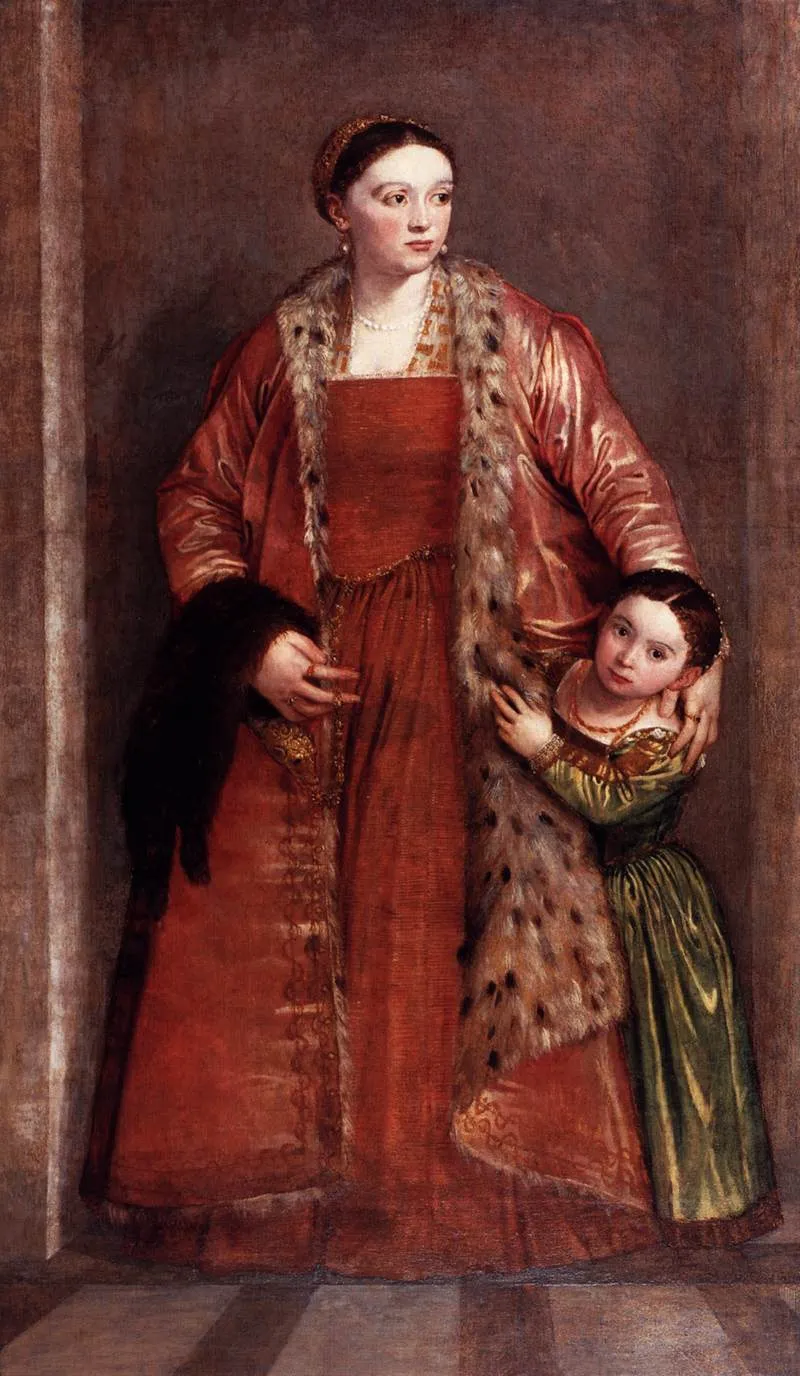
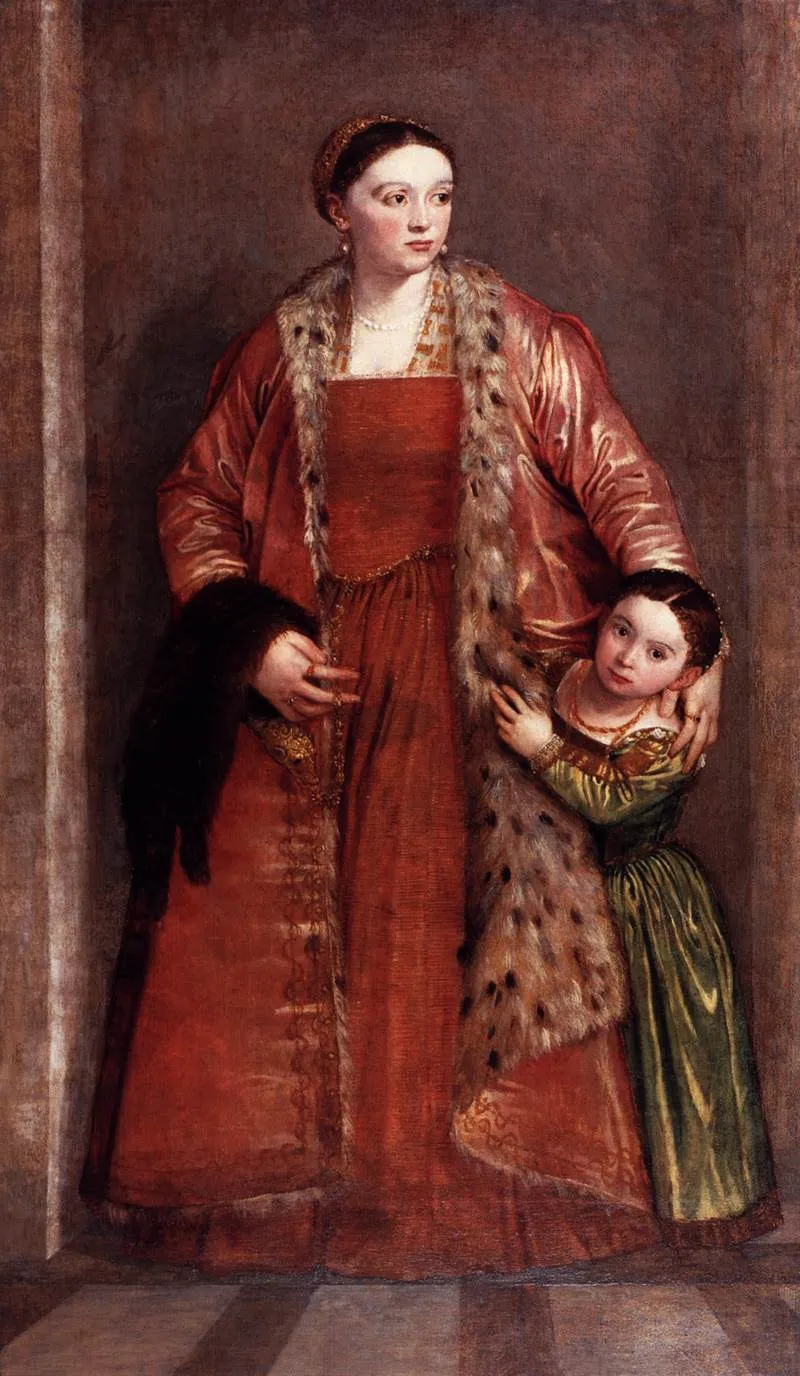
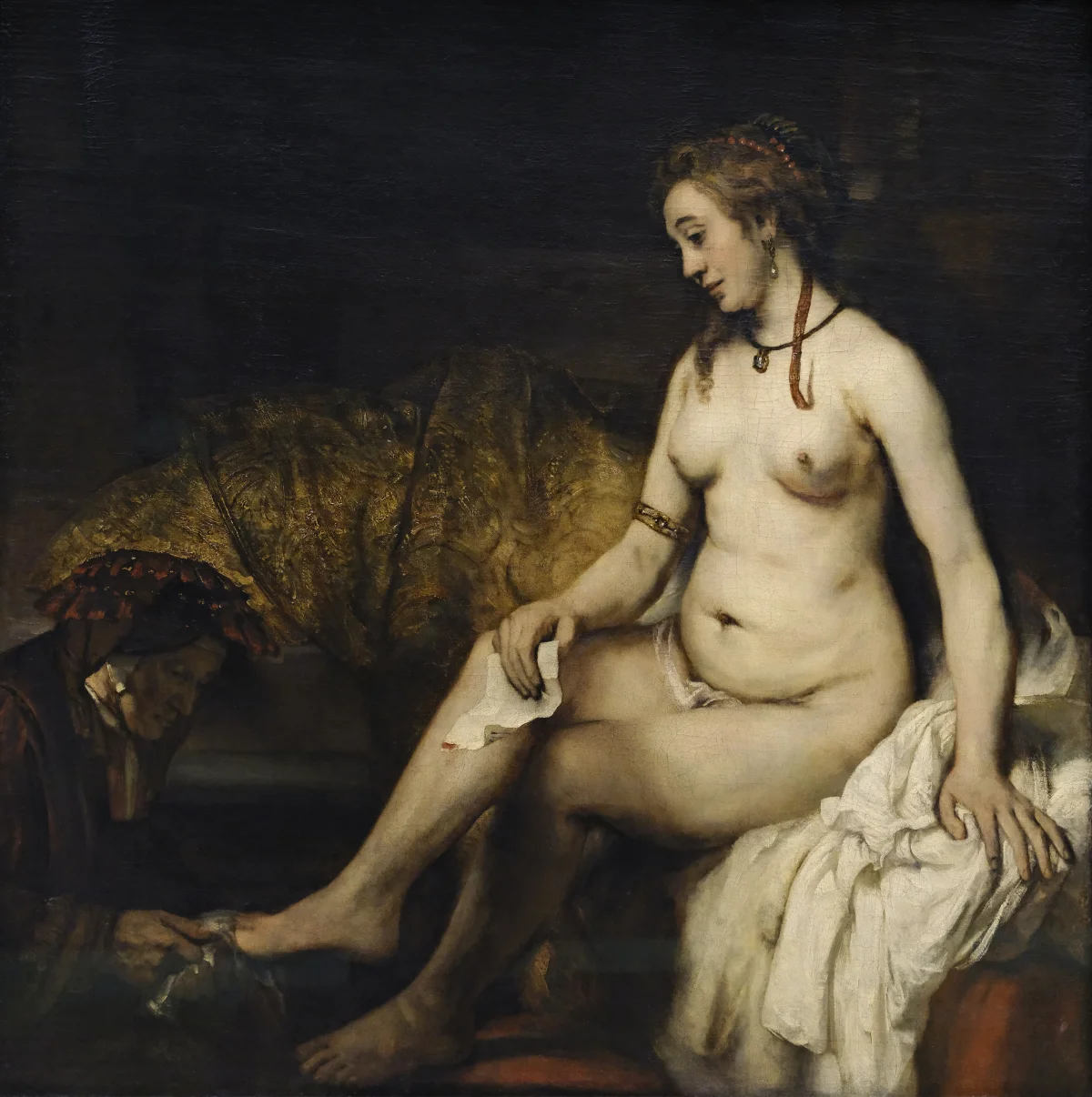
The meticulous detail in "Livia da Porto Thiene and her Daughter Porzia" showcases Veronese’s extraordinary skill with oil on canvas. His use of color, light, and composition brings the figures to life, embodying the ideals of the Renaissance movement. This work, like "Raising of the Daughter of Jairus" and "Bathsheba at Her Bath," demonstrates the artist’s ability to convey both majesty and intimacy, making it a highlight among Renaissance masterpieces.
Veronese’s "Livia da Porto Thiene and her Daughter Porzia" is more than a portrait; it weaves stories and symbols that reveal the values of its time. The clothing, gestures, and setting all contribute to a deeper narrative, inviting viewers to explore the context of this fine art painting for sale. Works such as "Conversion of Mary Magdalene" and "Holy Family with Sts Anthony Abbot" offer additional insight into Veronese’s symbolic language and storytelling prowess.
Owning "Livia da Porto Thiene and her Daughter Porzia" by Paolo Veronese is a unique opportunity for art collectors passionate about the Renaissance. This exquisite hand-painted oil painting, along with related masterpieces like "Catherine and the Infant John the Baptist," represents the pinnacle of fine art. Each piece is not just an artwork, but a collector’s treasure, offering a tangible connection to history and the enduring influence of one of Italy’s greatest masters.
When Art Meets History
"Livia da Porto Thiene and her Daughter Porzia" by Paolo Veronese is a remarkable example of Renaissance artistry, capturing the grace and elegance of Venetian nobility. This hand-painted oil painting reflects the historical context of 16th-century Italy, where portraiture celebrated both individual identity and social status. Veronese’s mastery is evident in this and related works like "Portrait of a Man" and "Portrait of Ariosto," each offering a window into the opulence and culture of the Renaissance era.
Techniques That Speak
Paolo Veronese’s "Livia da Porto Thiene and her Daughter Porzia" showcases the artist’s refined technique through the use of luminous colors and intricate detailing characteristic of oil on canvas. His skillful brushwork and composition create a lifelike presence, emphasizing the luxurious fabrics and delicate gestures of his subjects. Similar finesse is seen in his other works such as "Christ Carrying the Cross" and "Orpheus and Eurydice," solidifying Veronese’s status within the Renaissance movement.
Emotions on Display
In "Livia da Porto Thiene and her Daughter Porzia," Veronese masterfully conveys the intimate bond between mother and child, imbuing the painting with warmth and affection. The gentle expressions and poised demeanor evoke a sense of dignity and tenderness, hallmarks of Renaissance portraiture. This fine art painting for sale appeals to collectors who appreciate works that capture genuine emotion, much like Veronese’s "Christ and the Adulteress" and other evocative portraits from the same period.
Coveted by Collectors
As a prime example of Renaissance portraiture, "Livia da Porto Thiene and her Daughter Porzia" remains highly sought after among art enthusiasts and collectors. The painting’s exquisite representation and historical significance make it a prized possession, with many seeking similar hand-painted oil paintings by Paolo Veronese. Collectors also pursue his related masterpieces, including "Portrait of a Man" and "Orpheus and Eurydice," to enhance their fine art collections with timeless works from the Renaissance movement.
Related Renaissance Hand-Painted Oil Paintings by Other Artists
Other Famous Renaissance Artists:
Frequently Asked Questions About Livia da Porto Thiene and her Daughter Porzia
Who is the artist of "Livia da Porto Thiene and her Daughter Porzia"?
The painting is created by the renowned Venetian artist Paolo Veronese, known for his vibrant use of color and grand compositions.
What is the historical context of this painting?
This artwork was completed in the late 16th century, a period marked by the Counter-Reformation, which influenced the themes and presentation of religious and secular subjects in art.
What does the painting depict?
The painting portrays Livia da Porto Thiene, a noblewoman, alongside her daughter Porzia, showcasing the intimate bond between mother and child within a domestic setting.
What are the symbolic elements present in the painting?
Symbolism in the painting includes the use of light and shadow to highlight the figures, as well as the presence of flowers, which often represent purity and femininity.
How does Veronese's style influence this work?
Veronese's characteristic style is evident in the rich color palette, dynamic composition, and the detailed rendering of fabrics, which all contribute to the painting's overall grandeur.
What is the significance of the figures' attire in the painting?
The attire of Livia and Porzia reflects the fashion of the Venetian elite during the Renaissance, emphasizing their social status and the cultural context of the time.
What role does light play in "Livia da Porto Thiene and her Daughter Porzia"?
The use of light in the painting serves to draw attention to the figures, creating a sense of depth and enhancing the emotional connection between the subjects.
What themes are explored in this painting?
The painting explores themes of motherhood, familial bonds, and the role of women in society, reflecting both personal and societal values of the time.
How does this painting reflect the ideals of the Renaissance?
This artwork embodies Renaissance ideals through its focus on humanism, the celebration of individual identity, and the depiction of everyday life with a sense of dignity and grace.
Where can I view "Livia da Porto Thiene and her Daughter Porzia"?
The painting is part of a collection in a prominent art gallery, where it is displayed alongside other significant works from the Renaissance period.























_GFM_Painting_(1).webp)


 100% Hand-Painted: Finished in 3-6 Weeks

.png)















_(1).webp)