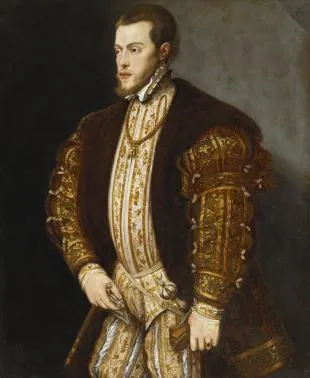
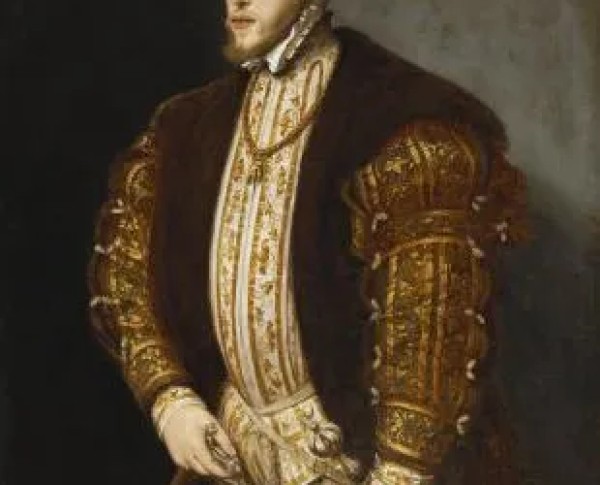
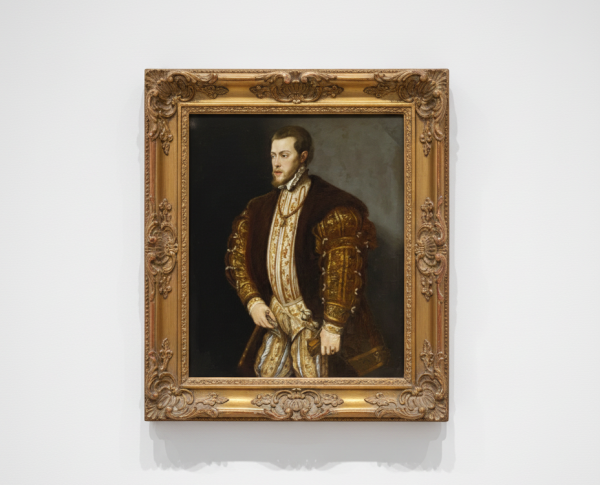
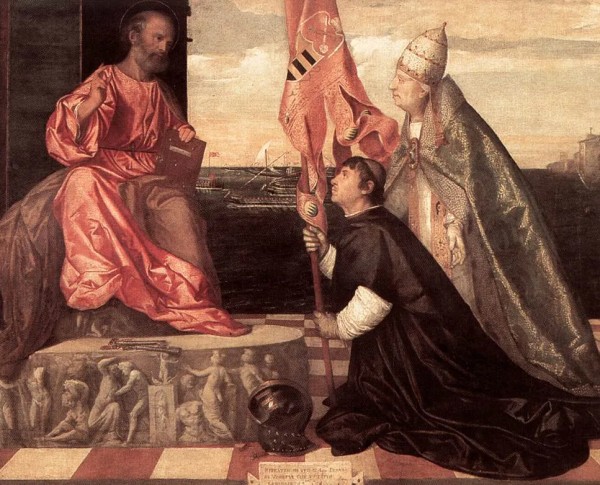
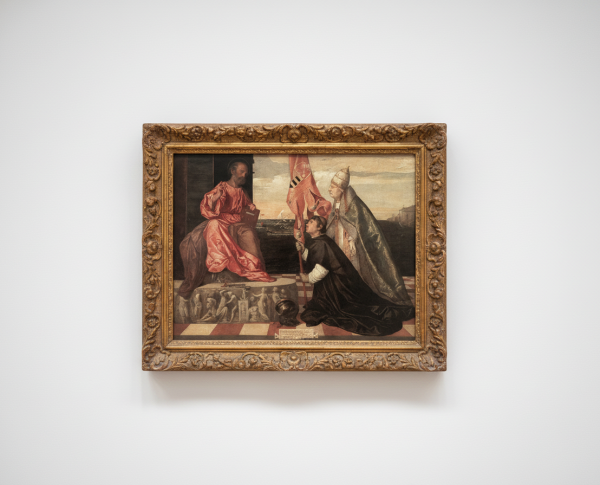
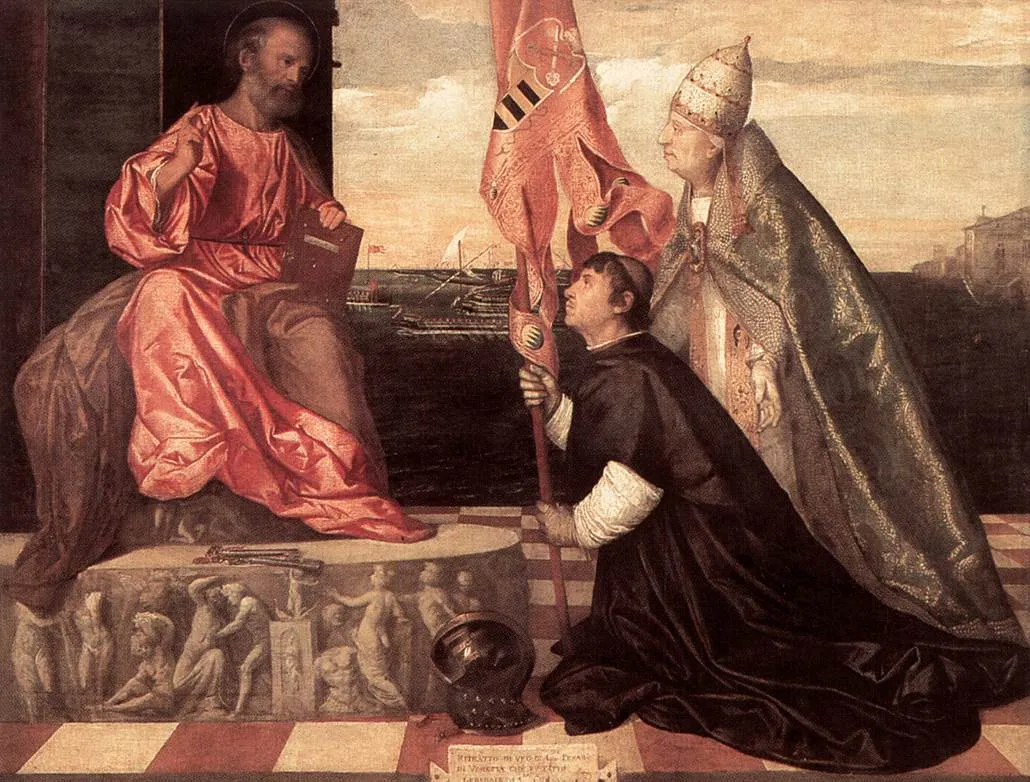
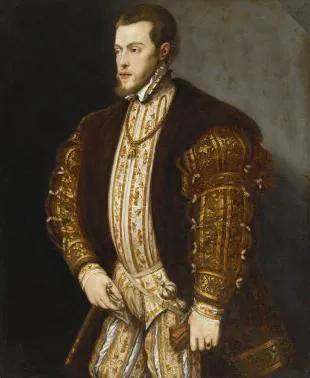
Tiziano Vecelli’s "Pope Alexander IV Presenting Jacopo Pesaro to St Peter" exemplifies the technical prowess of Renaissance oil on canvas techniques. Each brushstroke reveals meticulous attention to detail and a profound understanding of light and composition. The painting’s vibrant colors and dynamic figures showcase the artist’s innovative approach. For enthusiasts of the Renaissance movement, acquiring such a piece or exploring related works like "Philip II of Spain" enriches any fine art collection.
This fine art painting for sale is rich in symbolism and narrative, typical of Tiziano Vecelli’s Renaissance masterpieces. "Pope Alexander IV Presenting Jacopo Pesaro to St Peter" intertwines spiritual devotion with personal achievement, as Jacopo Pesaro is depicted receiving papal favor. The presence of St Peter signifies authority and faith, while subtle details invite viewers to uncover deeper meanings. Consider related products like "Philip II of Spain" for more symbolic Renaissance art.
"Pope Alexander IV Presenting Jacopo Pesaro to St Peter" by Tiziano Vecelli is a prized piece for collectors seeking authentic Renaissance oil on canvas works. Its historical significance and artistic excellence make it a coveted acquisition. Whether displayed in a gallery or private collection, this hand-painted oil painting stands out among fine art treasures. Collectors may also be interested in related products such as "Philip II of Spain" to complement their Renaissance portfolios.
When Art Meets History
"Pope Alexander IV Presenting Jacopo Pesaro to St Peter" by Tiziano Vecelli, a master of the Renaissance movement, captures a significant moment where religion and authority intersect. This hand-painted oil painting reflects the era’s fascination with ecclesiastical power and personal devotion. Vecelli’s attention to detail is reminiscent of his other masterpieces such as "Bathsheba at Her Bath" and "The Feast in the House of Levi," making this work a cornerstone of Renaissance narrative art.
Techniques That Speak
Tiziano Vecelli’s use of oil on canvas in this composition demonstrates his mastery of chiaroscuro and vibrant color palettes. The painter’s technique, similar to that seen in "Lucretia" and "The Marriage Feast at Cana, c.1562," allows for lifelike textures and intricate drapery. Each brushstroke in this oil on canvas painting reveals Vecelli’s dedication to realism and depth, hallmarks of the Renaissance movement that continue to inspire artists and collectors alike.
Emotions on Display
The emotional intensity in "Pope Alexander IV Presenting Jacopo Pesaro to St Peter" is palpable, with figures rendered in expressive poses and rich, evocative colors. This fine art painting for sale invites viewers to experience the reverence and humility of the scene, echoing the dramatic storytelling found in Vecelli’s "Allegory of Virtue and Vice." Through subtle facial expressions and dynamic composition, the artist brings the spiritual and human elements of the Renaissance to life.
Coveted by Collectors
As a renowned hand-painted oil painting from the Renaissance, this masterpiece by Tiziano Vecelli is highly sought after among art enthusiasts and collectors. Its historical significance and artistic excellence place it alongside related paintings like "Bathsheba at Her Bath" and "The Feast in the House of Levi." Collectors value such works for their timeless beauty and the insight they offer into the development of European art, making it a truly fine art painting for sale.
Related Renaissance Hand-Painted Oil Paintings by Other Artists
Other Famous Renaissance Artists:
Frequently Asked Questions About Pope Alexander IV Presenting Jacopo Pesaro to St Peter
What is the historical context of the painting?
The painting was created during the early 16th century, a period marked by the Renaissance's flourishing of art and culture. It reflects the political and religious dynamics of the time, particularly the role of the Papacy and its influence on art and society.
Who are the main figures depicted in the artwork?
The painting features Pope Alexander IV, who is shown presenting Jacopo Pesaro, a Venetian nobleman, to St. Peter, the first Pope and a central figure in Christianity. This interaction symbolizes the connection between the church and the secular authority of the time.
What artistic techniques did Tiziano Vecelli employ in this painting?
Tiziano Vecelli, known for his masterful use of color and light, employed techniques such as chiaroscuro to create depth and dimension. His dynamic composition and expressive figures convey a sense of movement and drama, characteristic of the Venetian school of painting.
What is the significance of St. Peter in this artwork?
St. Peter represents the foundation of the Catholic Church and the authority of the Papacy. His presence in the painting underscores the spiritual legitimacy bestowed upon Jacopo Pesaro, highlighting the intertwining of religious and political power during the Renaissance.
How does the painting reflect the values of the Renaissance?
The artwork exemplifies Renaissance ideals such as humanism, the importance of individual achievement, and the celebration of classical themes. The portrayal of a nobleman seeking the blessing of a saint illustrates the era's emphasis on personal virtue and divine favor.
What role does symbolism play in this painting?
Symbolism is prevalent throughout the painting; for instance, the act of presenting Pesaro to St. Peter symbolizes the patronage system of the time, where artists and nobles sought favor from the Church. Additionally, the use of light often symbolizes divine presence and approval.
What can we learn about the relationship between art and religion from this painting?
This painting illustrates the deep connection between art and religion during the Renaissance. Artists were often commissioned by the Church to create works that conveyed spiritual messages, reinforcing the idea that art served as a medium for religious expression and devotion.
How does the composition of the painting enhance its narrative?
The composition is carefully arranged to guide the viewer's eye towards the central figures of Pope Alexander IV and St. Peter. The use of diagonal lines and the placement of figures create a dynamic interaction, emphasizing the significance of the moment being depicted.
What influence did Tiziano Vecelli have on future artists?
Tiziano Vecelli's innovative techniques and expressive style had a profound impact on subsequent generations of artists. His mastery of color and form influenced Baroque painters and contributed to the evolution of Western art, establishing a benchmark for emotional depth and realism.
Where can I view this painting today?
This painting is housed in the Museo del Prado in Madrid, Spain. It remains a significant work in the study of Renaissance art and continues to attract scholars and art enthusiasts alike.






















_GFM_Painting_(1).webp)


 100% Hand-Painted: Finished in 3-6 Weeks

.png)















_(1).webp)