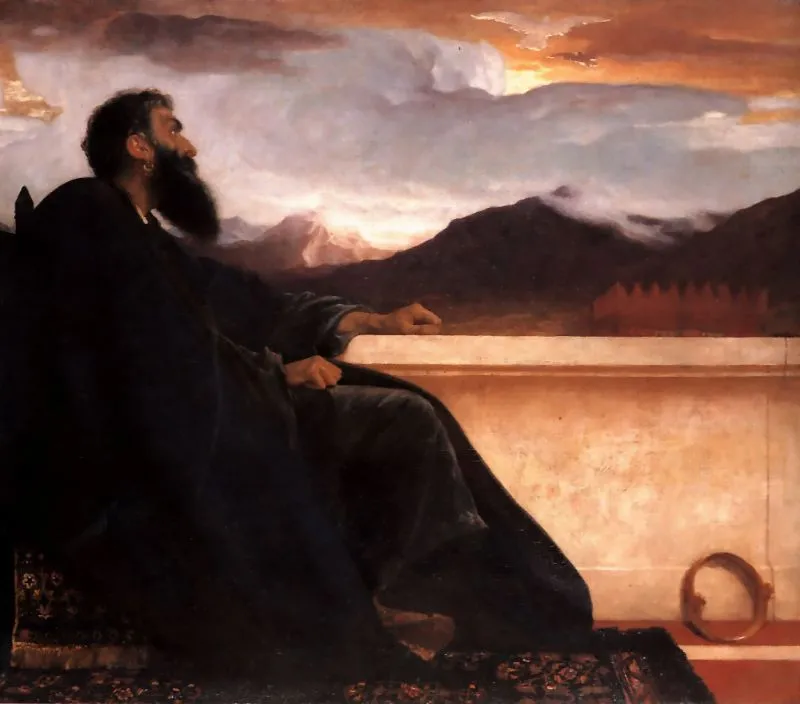
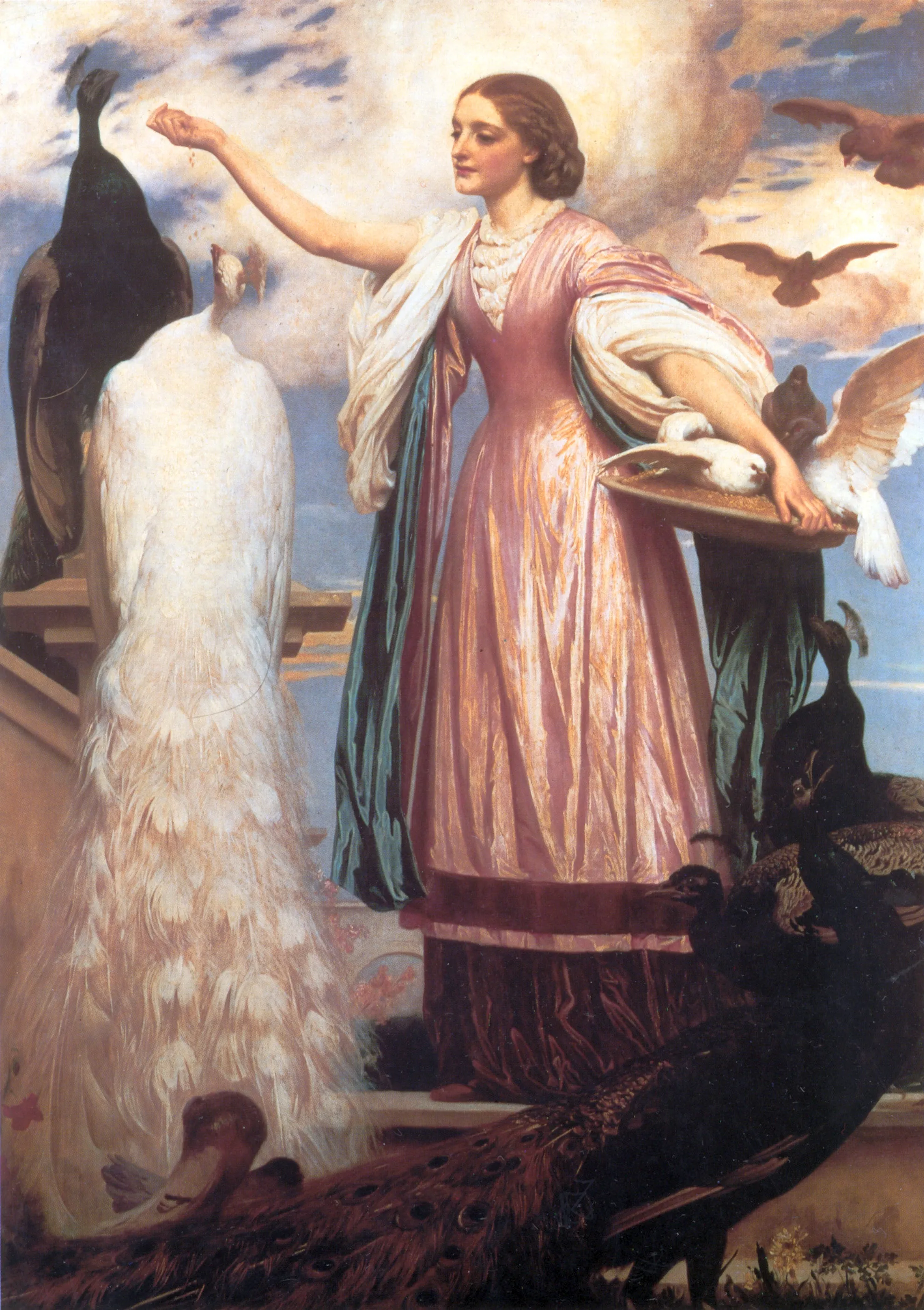
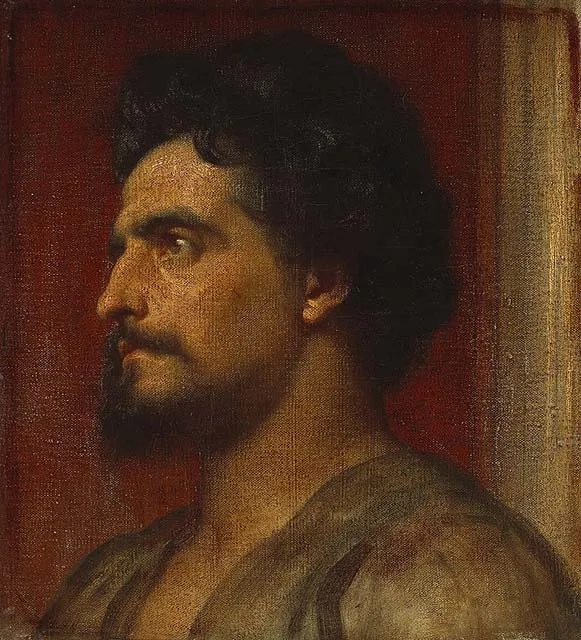
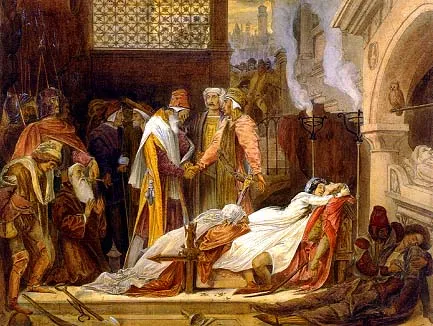
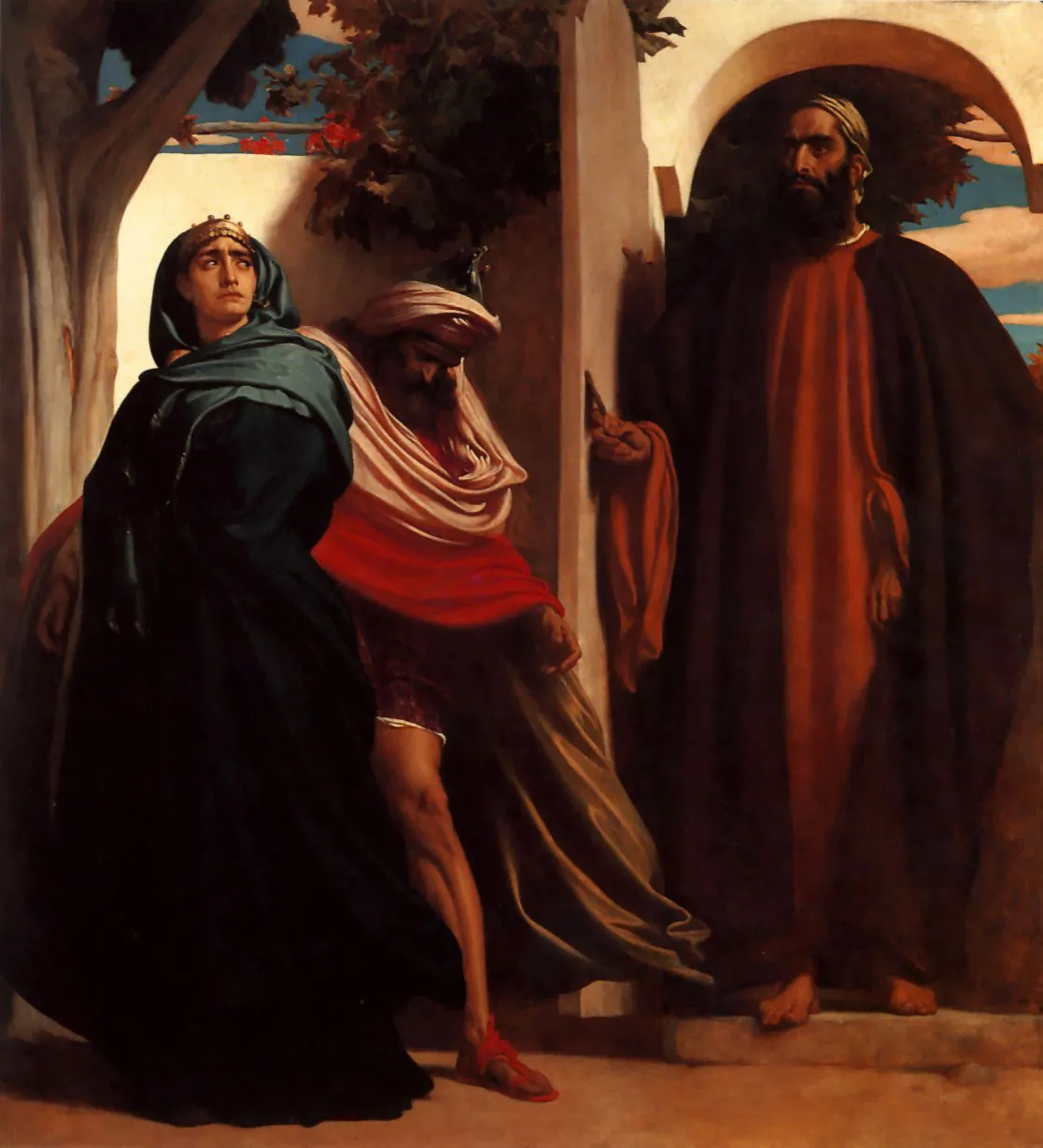
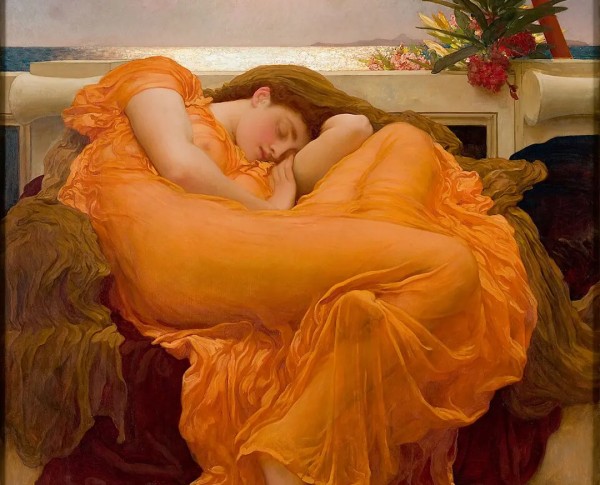
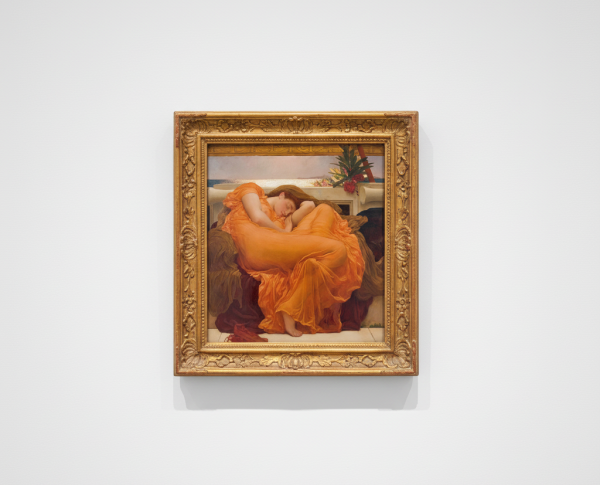
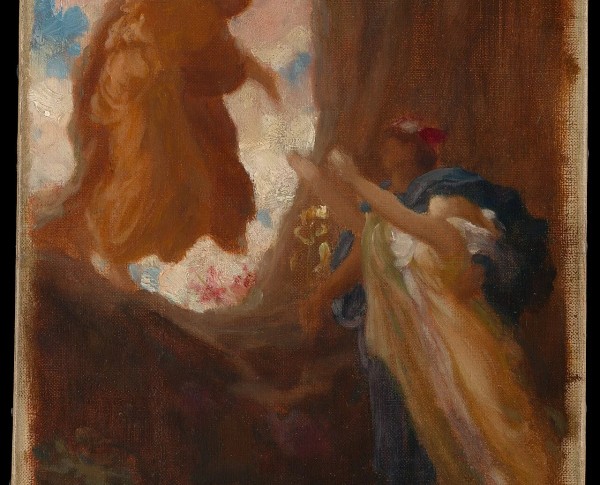
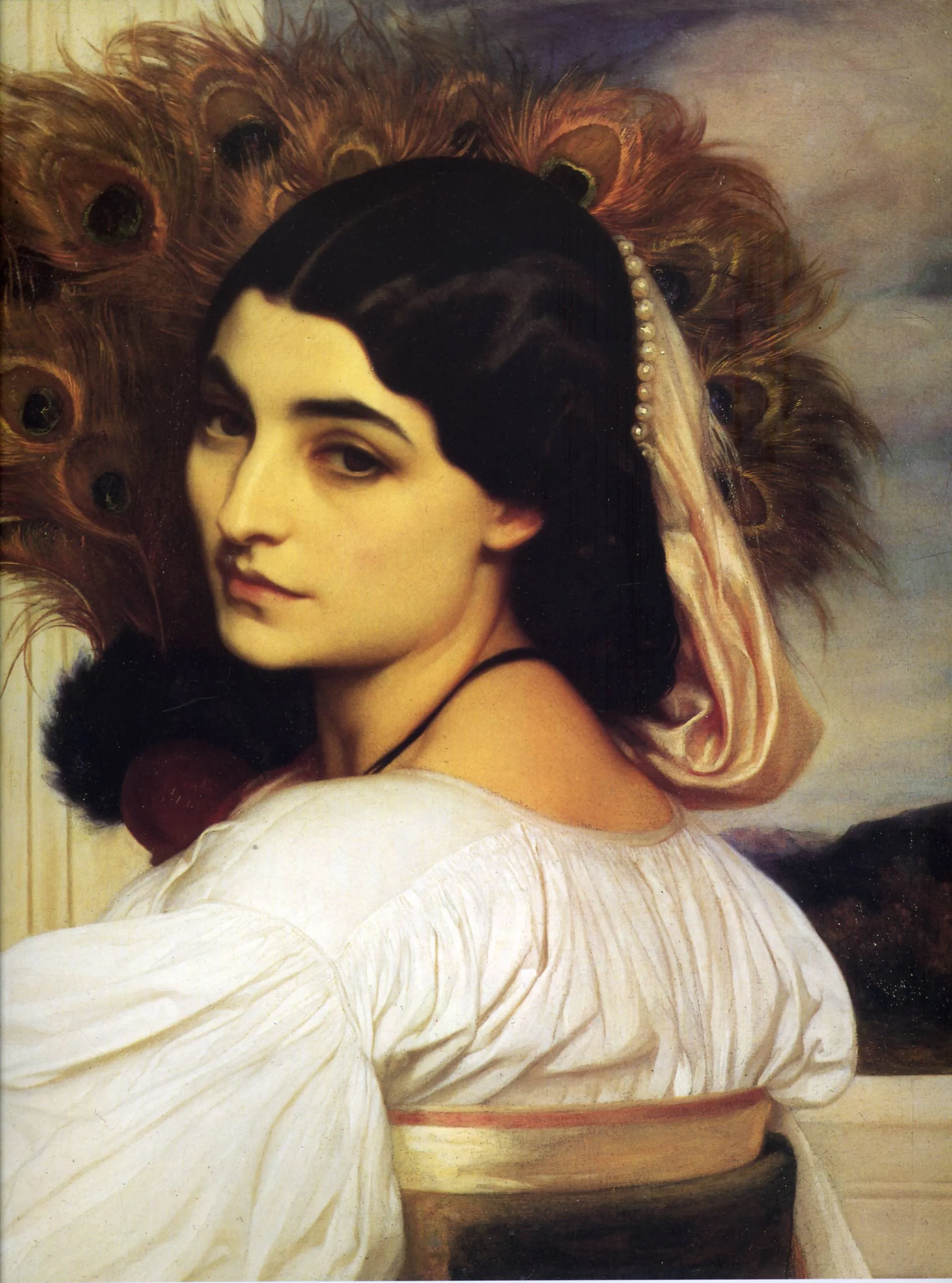
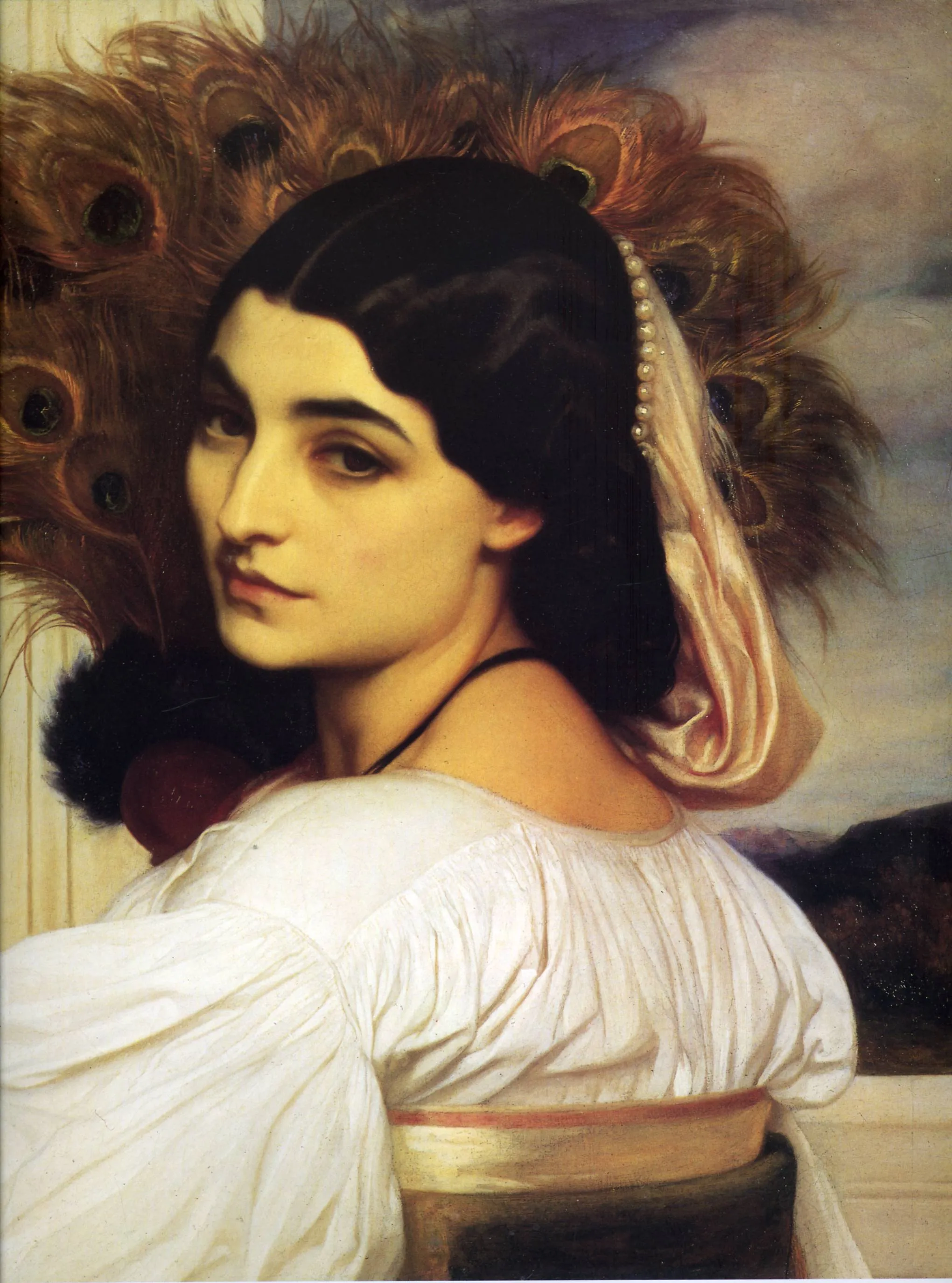
Lord Frederick Leighton’s "Pavonia" demonstrates exceptional skill, with every brushstroke on this oil on canvas reflecting the artist’s dedication to Academic Classicism. The rich textures and luminous colors highlight his technical prowess, making this piece a benchmark for artists and collectors alike. The painting’s masterful execution aligns with other fine works like "Samson" and "Actaea, the Nymph of the Shore," offering inspiration for anyone interested in acquiring a museum-quality oil on canvas.
Every element within "Pavonia" is thoughtfully composed, with symbols and narratives woven into the fabric of this fine art painting for sale. Lord Frederick Leighton infuses his muse with grace and mystery, inviting viewers to interpret hidden meanings. The peacock feather motif adds layers of symbolism, echoing themes found in pieces like "The Fisherman and the Siren." Collectors seeking a fine art painting for sale will find "Pavonia" a compelling addition to their collection.
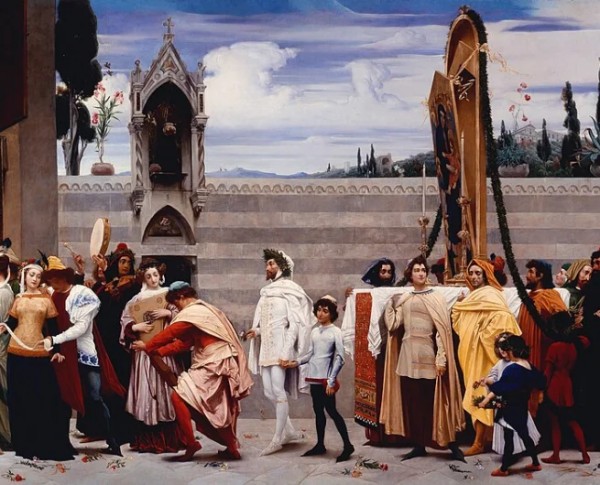
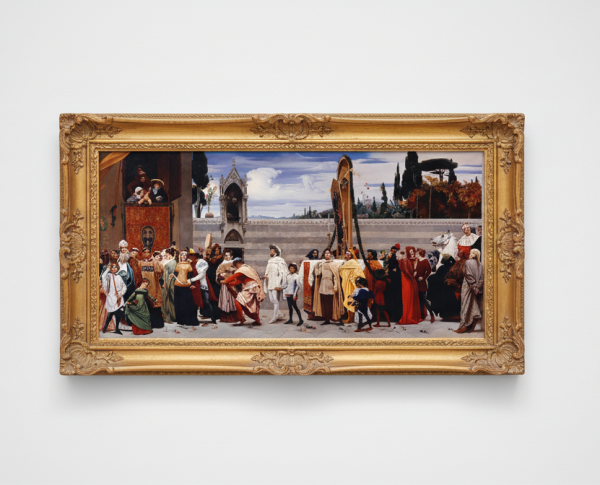
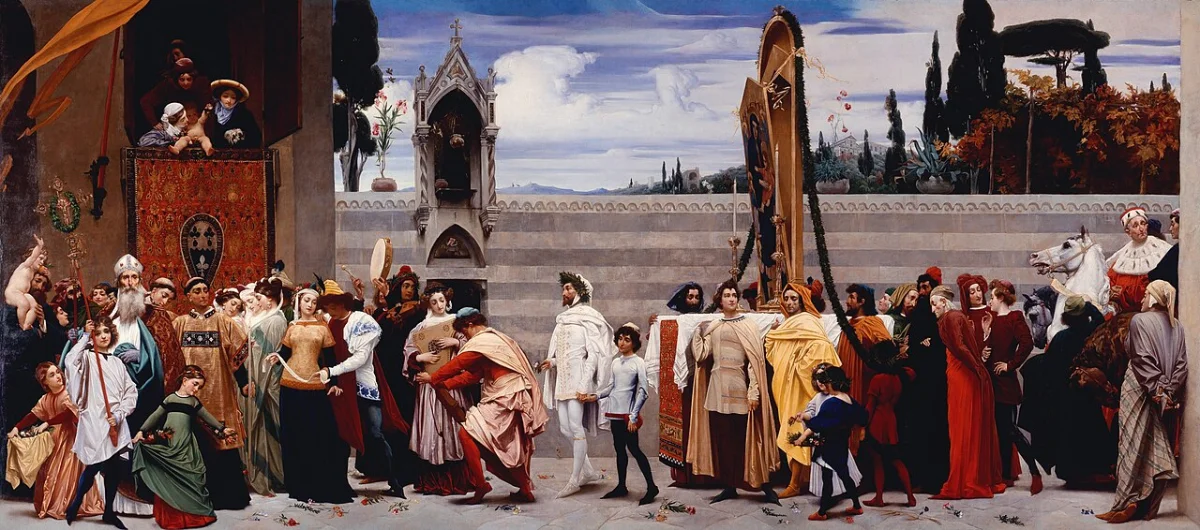
For discerning collectors, "Pavonia" by Lord Frederick Leighton represents an investment in cultural heritage and artistic excellence. This hand-painted oil painting, rooted in Academic Classicism, is a testament to the enduring value of classical artistry. Owning "Pavonia" connects you to a legacy shared by masterpieces such as "Cimabue's Celebrated Madonna Carried in Procession Through the Streets of Florence," making it a prized selection among connoisseurs of fine art.
When Art Meets History
"Pavonia" by Lord Frederick Leighton, a masterpiece of the Academic Classicism movement, beautifully encapsulates the era’s fascination with idealized beauty and classical themes. This hand-painted oil painting reflects the artist's deep understanding of historical context and artistic traditions. Leighton’s works, alongside related paintings such as "Bonaparte Before the Sphinx" and "Equality before Death," continue to inspire art enthusiasts who appreciate the intricate blend of history and creativity found in each stroke of these timeless masterpieces.
Techniques That Speak
Lord Frederick Leighton’s "Pavonia" exemplifies the meticulous techniques characteristic of Academic Classicism. Utilizing oil on canvas, Leighton achieves a remarkable depth and luminosity, capturing delicate textures and subtle gradations of color. This careful craftsmanship is also evident in related paintings like "Arnaut And Two Whippets" and "Depicts An Albanian Wearing A Fustanella In Egypt." The artist’s technical mastery elevates "Pavonia" as a prime example of the movement’s dedication to detail and precision.
Emotions on Display
The emotional resonance of "Pavonia" is undeniable, as Lord Frederick Leighton masterfully portrays a sense of serene introspection. This fine art painting for sale invites viewers to contemplate the silent narrative conveyed through the subject’s gaze and posture. Similar emotional depth can be seen in related works such as "Jacob receiving Joseph's bloody coat" and "Pieta," where the artist’s sensitivity to human feeling is brought to life through nuanced expressions and evocative compositions within the Academic Classicism movement.
Coveted by Collectors
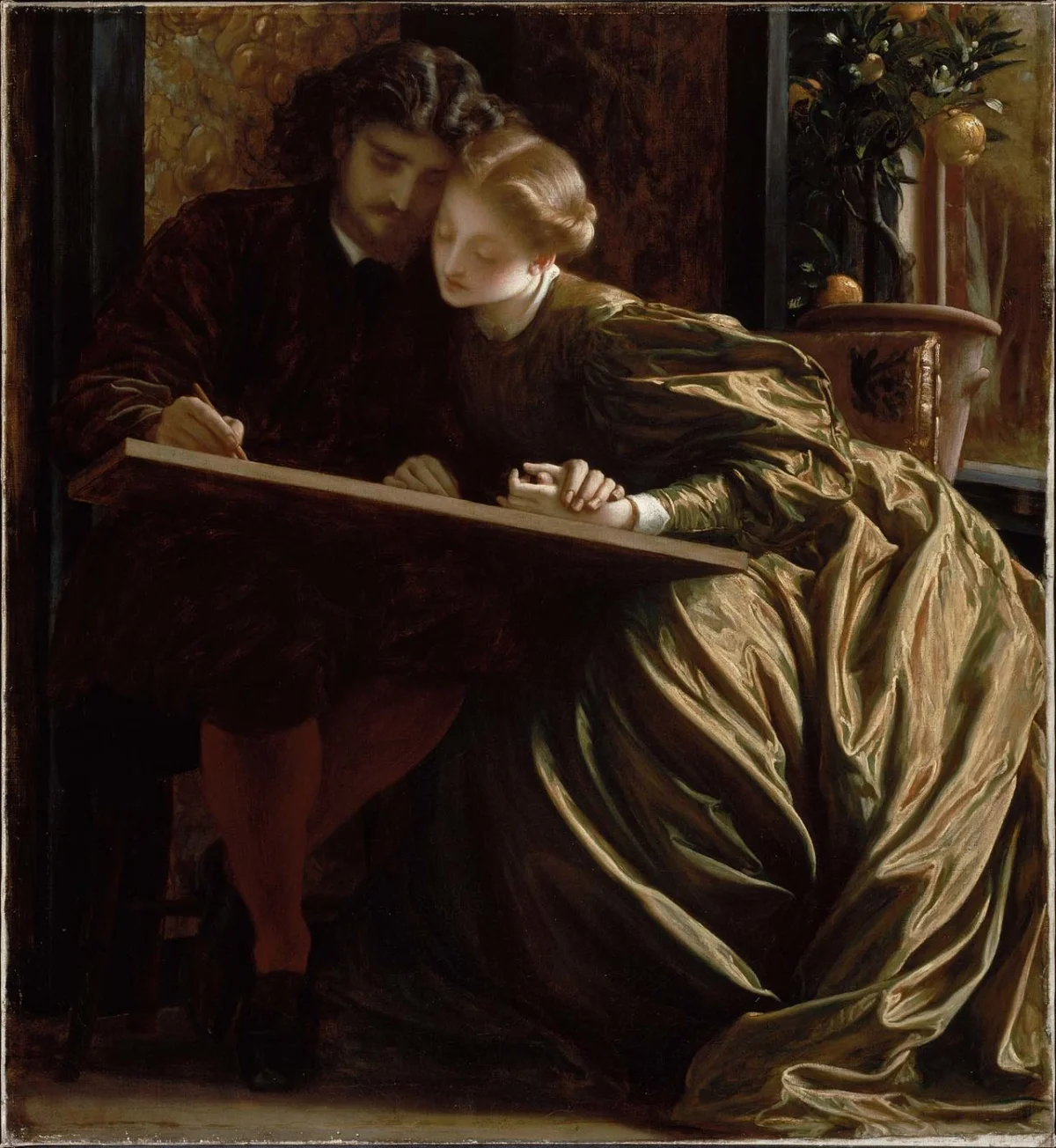
"Pavonia" holds a special allure for art collectors, combining historical significance and exquisite technique. As a hand-painted oil painting by Lord Frederick Leighton, it represents the high standards of Academic Classicism and is highly sought after on the fine art market. Collectors often seek out related paintings, including "Bonaparte Before the Sphinx" and "Pieta," recognizing the enduring value and beauty that these masterworks bring to distinguished collections and galleries worldwide.
Related Academic Classicism Hand-Painted Oil Paintings by Other Artists
Other Famous Academic Classicism Artists:
Frequently Asked Questions About Pavonia
What is the historical context of "Pavonia"?
"Pavonia" was painted by Lord Frederick Leighton in 1858, during the height of the Pre-Raphaelite movement, which sought to return to the detail, intense colors, and complex compositions of pre-Renaissance art.
What artistic techniques did Leighton employ in "Pavonia"?
Leighton utilized a combination of classical composition and vibrant color palettes, employing techniques such as chiaroscuro to create depth and a sense of realism in the figures and landscape.
Who is the subject of "Pavonia" and what does she represent?
The subject of "Pavonia" is a young woman, often interpreted as a symbol of beauty and grace, representing the idealized feminine form that was prevalent in Victorian art.
What is the significance of the title "Pavonia"?
The title "Pavonia" refers to the Latin name for the city of Pavia in Italy, which evokes themes of classical beauty and cultural heritage, aligning with the Renaissance ideals that influenced Leighton's work.
How does "Pavonia" reflect the influence of the Pre-Raphaelite Brotherhood?
"Pavonia" reflects the Pre-Raphaelite influence through its emphasis on naturalism, intricate detail, and the depiction of a contemplative, idealized female figure, which were hallmarks of the movement.
What themes are explored in "Pavonia"?
The painting explores themes of beauty, femininity, and the relationship between nature and the human experience, capturing a moment of serene introspection.
What materials did Leighton use for "Pavonia"?
Leighton primarily used oil paints on canvas, a common medium for the time, which allowed for rich color application and detailed texture in the artwork.
How does "Pavonia" compare to other works by Lord Frederick Leighton?
What is the current location of "Pavonia"?
"Pavonia" is part of the collection at the Leighton House Museum in London, which celebrates the life and works of Lord Frederick Leighton.
What impact did "Pavonia" have on Victorian art?
"Pavonia" had a significant impact on Victorian art by reinforcing the ideals of beauty and the representation of women, influencing both contemporary artists and the broader cultural perceptions of femininity during the era.























_GFM_Painting_(1).webp)


 100% Hand-Painted: Finished in 3-6 Weeks

.png)
















_(1).webp)