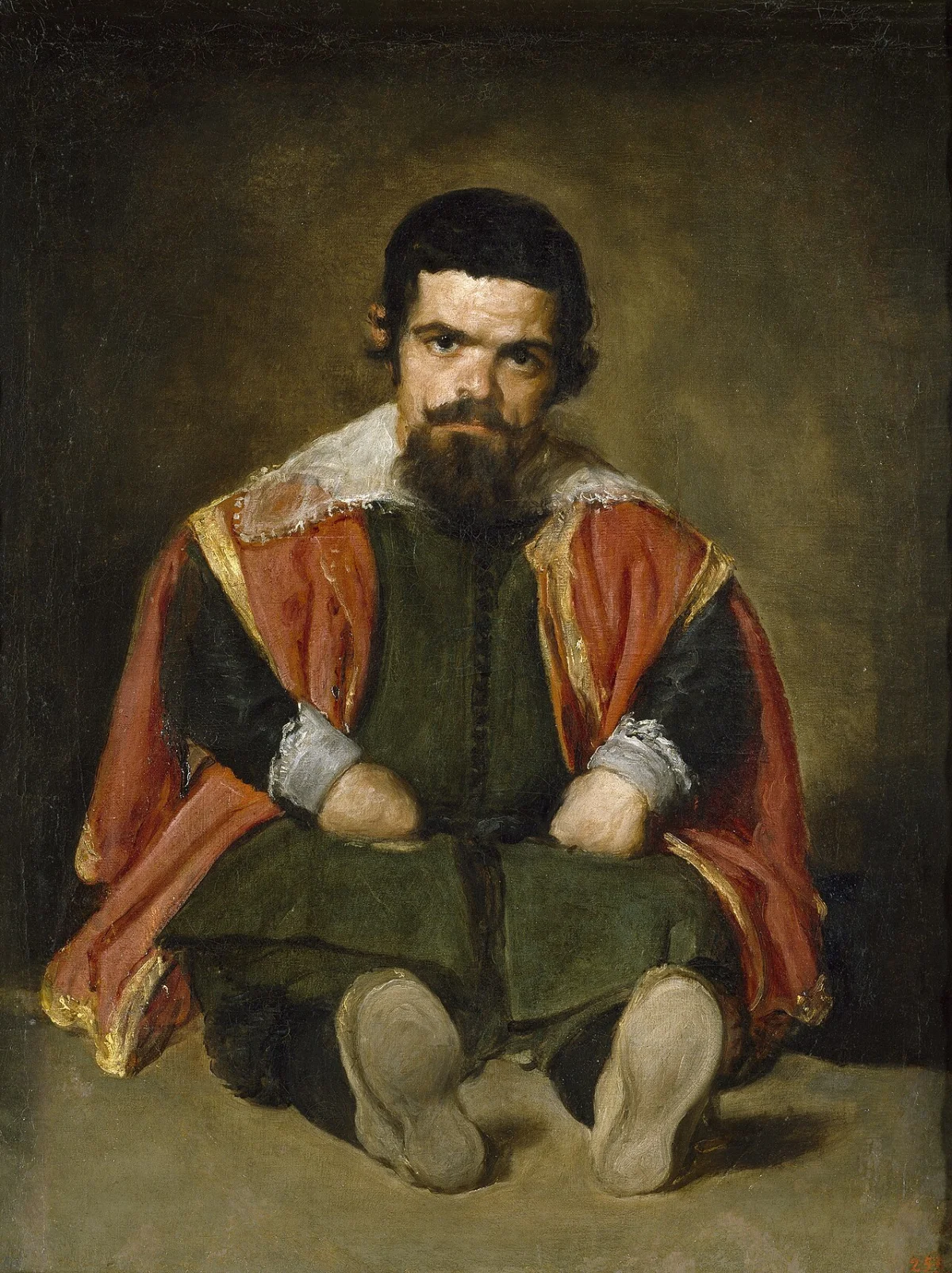
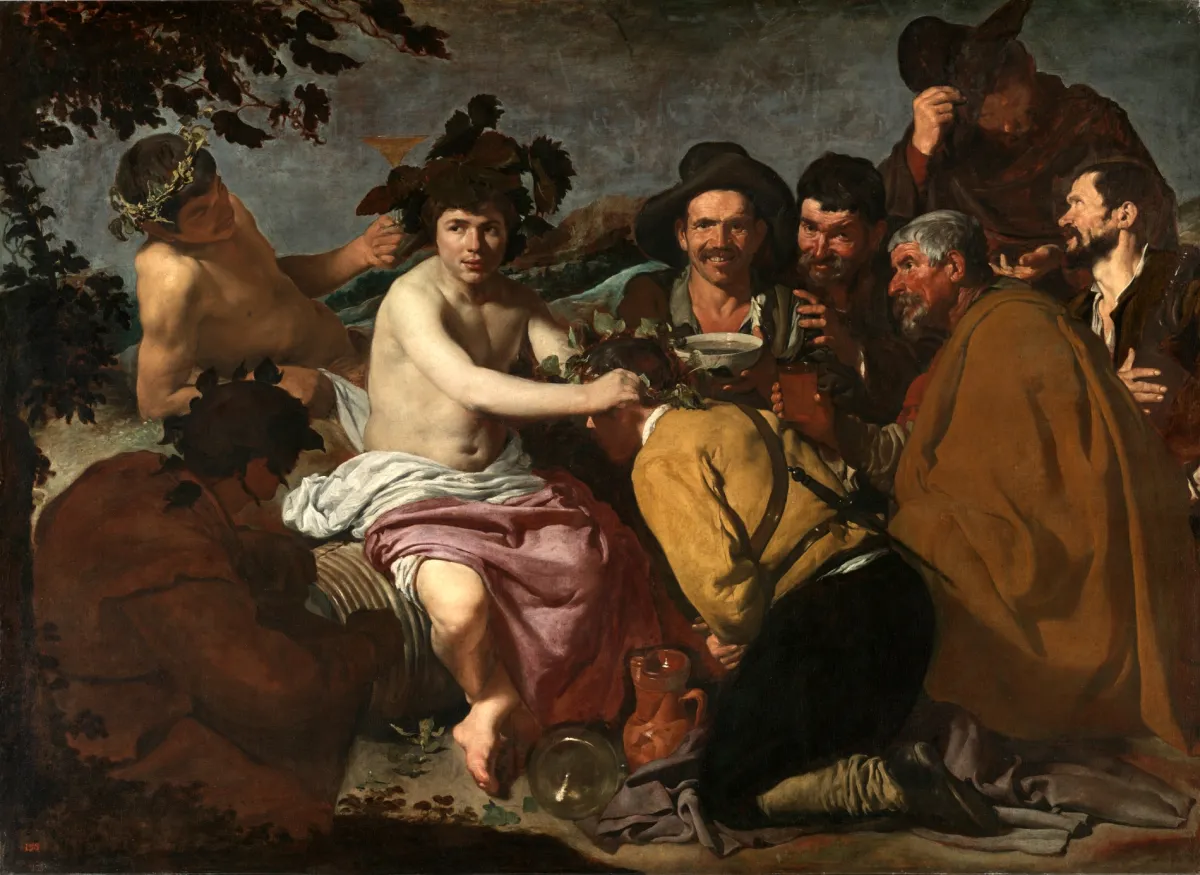
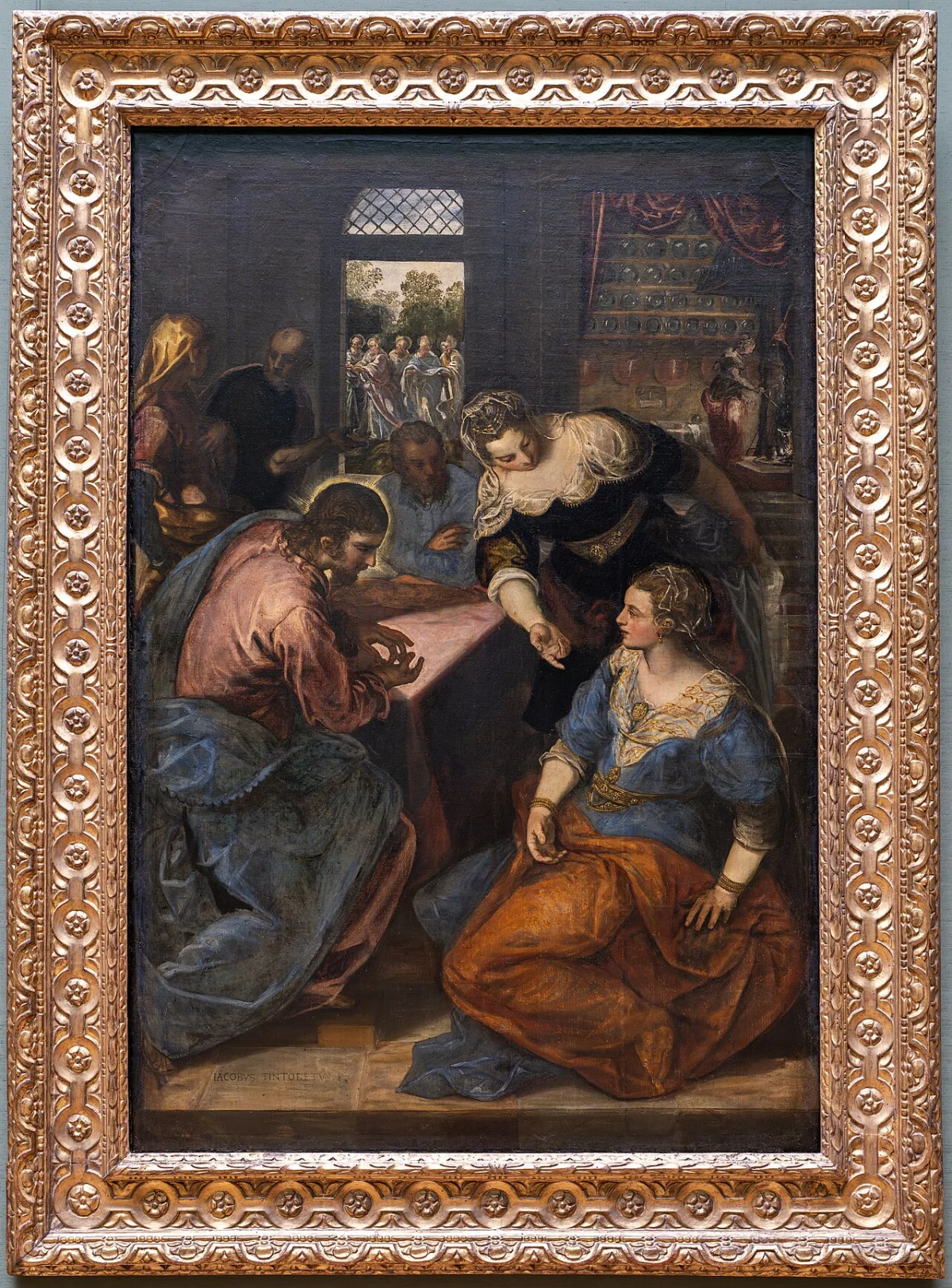
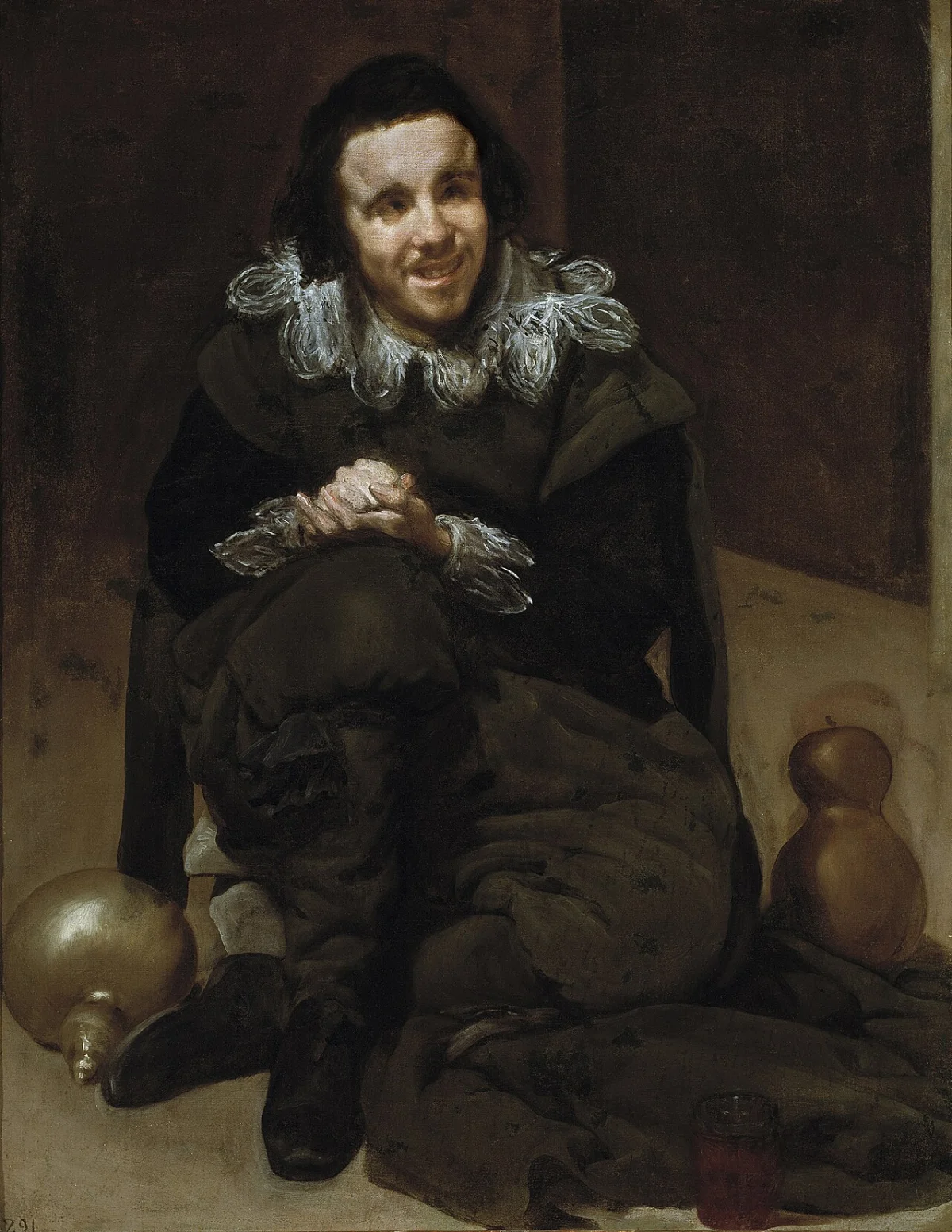
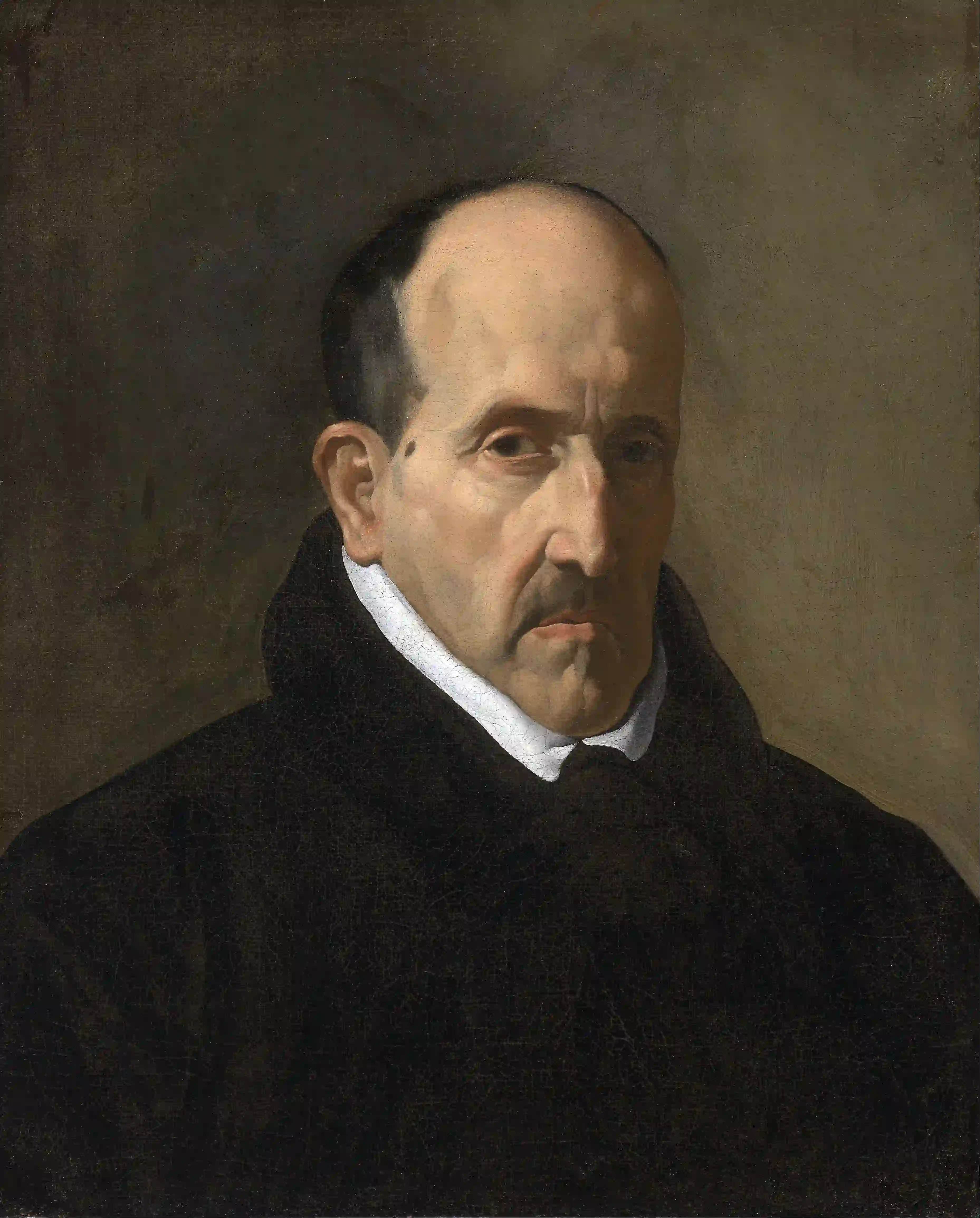
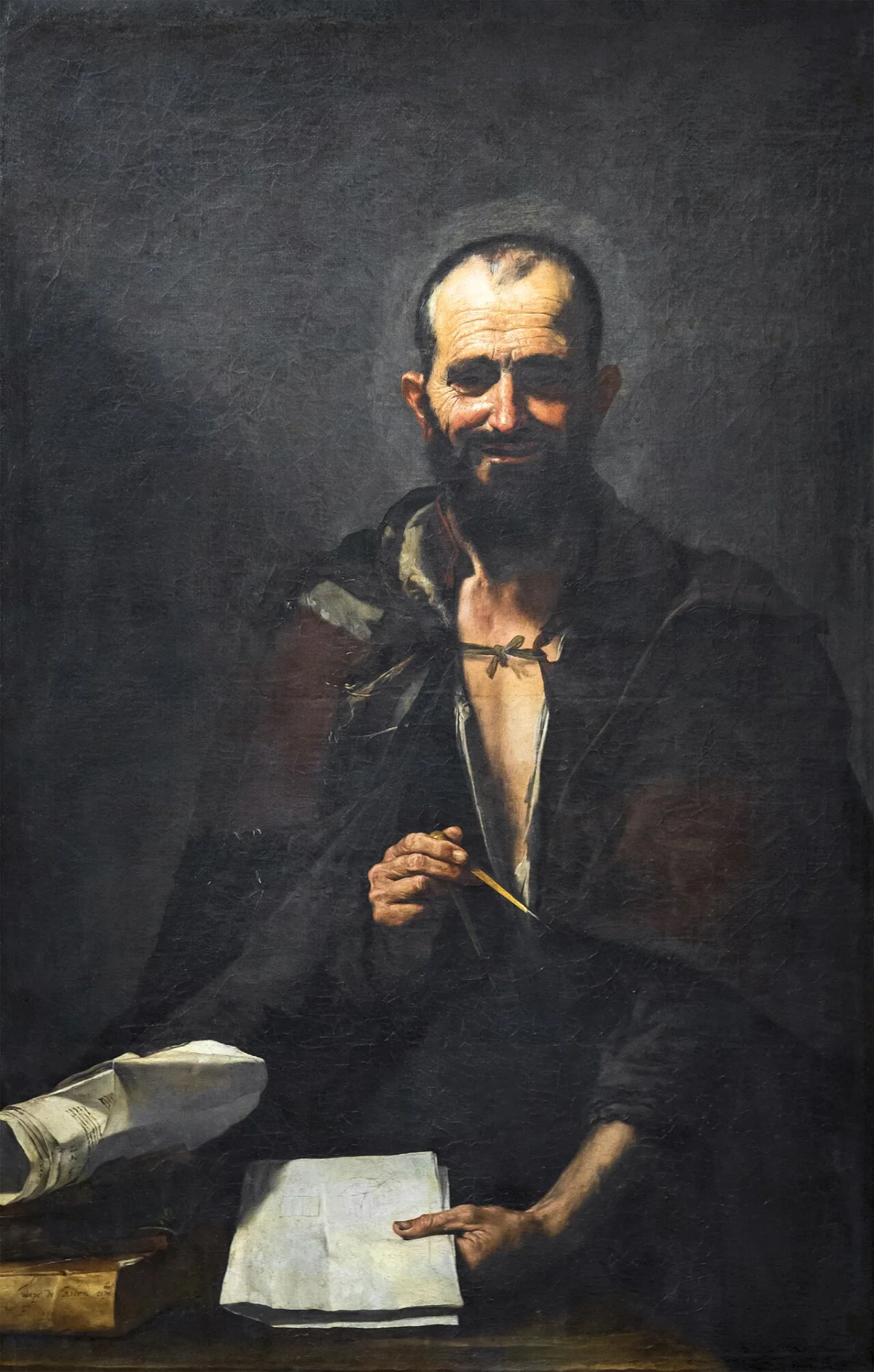
This remarkable oil on canvas demonstrates Velazquez’s unrivaled technique. His mastery is evident in the lifelike textures and subtle play of light and shadow. As a pivotal work in the Realism movement, the "Portrait of Don Luis de Gongora y Argote" showcases the artist’s dedication to authenticity. Collectors seeking similar works may also appreciate "Portrait of a Man with a Goatee" and "Saint Paul" for their technical brilliance and emotional depth.
Beyond its visual impact, this fine art painting for sale tells a story of intellect and artistry. Velazquez imbued the portrait with symbols reflecting Don Luis de Gongora y Argote's literary achievements and noble status. As with "Saint Thomas" and "The Lunch," this painting invites viewers to unravel the deeper narrative woven into every brushstroke, making it a prized piece for art lovers and collectors alike.
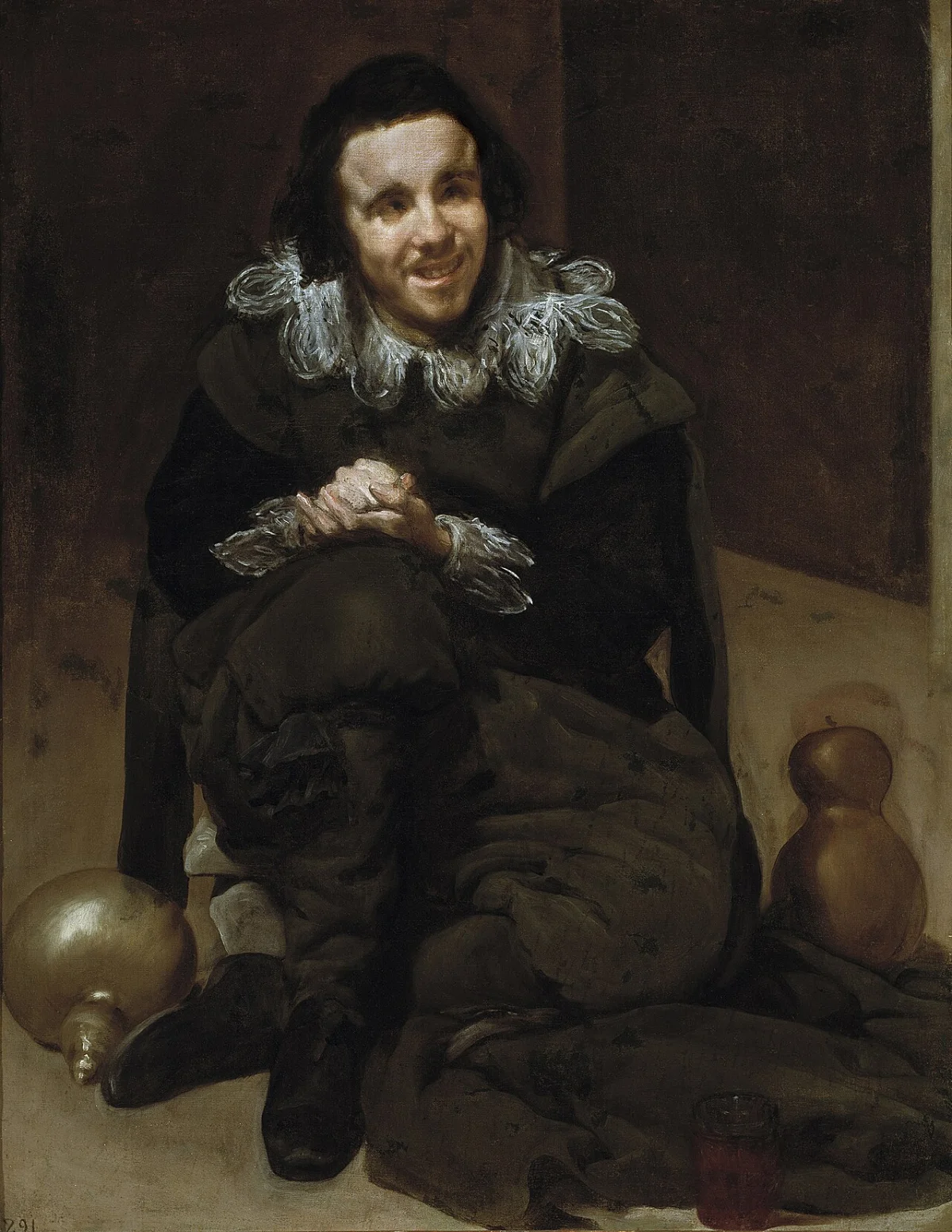
Owning the "Portrait of Don Luis de Gongora y Argote" is more than acquiring a hand-painted oil painting; it’s an investment in history and culture. Diego Velazquez’s works are highly sought after, and this piece stands among his most celebrated. Those interested in expanding their collection may also consider related masterpieces such as "Saint John at Patmos" and "The Jester Calabacillas," each representing the pinnacle of the Realism movement.
When Art Meets History
"Portrait of Don Luis de Gongora y Argote" by Diego Rodriguez de Silva y Velazquez stands as a testament to the Realism movement’s influence on European art. This hand-painted oil painting captures the essence of its era, immortalizing the Spanish poet with striking authenticity. Velazquez, renowned for his masterful portraits, also created works like "The Sergeant" and "Death and the Woodcutter," each reflecting the intricate interplay between art and the unfolding stories of their time.
Techniques That Speak
Velazquez’s "Portrait of Don Luis de Gongora y Argote" showcases his exceptional skill with oil on canvas, a hallmark of the Realism movement. Subtle brushwork and a keen eye for detail allow the textures and character of the sitter to emerge vividly. This technique, shared with works like "Study of trees" and "Dressing for the Carnival," demonstrates Velazquez’s commitment to capturing lifelike representations that resonate with both art critics and admirers alike.
Emotions on Display
The emotional depth in "Portrait of Don Luis de Gongora y Argote" speaks volumes about Velazquez’s ability to evoke introspection through fine art painting for sale. The subject’s contemplative gaze and dignified posture convey a quiet strength, much like the evocative moods found in "Oaks under Sestroretsk" or "Dressing for the Carnival." This emotional resonance is a defining characteristic of both Velazquez’s style and the broader Realism movement.
Coveted by Collectors
As a masterpiece of the Realism movement, "Portrait of Don Luis de Gongora y Argote" remains highly sought-after among collectors of hand-painted oil paintings. Velazquez’s unparalleled artistry, also evident in related works such as "The Sergeant" and "Study of trees," ensures his pieces are treasured additions to any collection. The enduring popularity of these works highlights the timeless appeal and investment value of authentic fine art from this celebrated artist.
Related Realism Hand-Painted Oil Paintings by Other Artists
Other Famous Realism Artists:
Frequently Asked Questions About Portrait of Don Luis de Gongora y Argote
What is the historical significance of the painting "Portrait of Don Luis de Gongora y Argote"?
This painting is significant as it captures the likeness of one of Spain's most important poets of the Golden Age, Don Luis de Gongora y Argote. It reflects the cultural and literary movements of 17th-century Spain, showcasing the intersection of art and literature during this period.
Who was Diego Rodriguez de Silva y Velazquez?
Diego Rodriguez de Silva y Velazquez was a prominent Spanish painter known for his contributions to the Baroque style. He served as the court painter to King Philip IV of Spain and is celebrated for his masterful use of light and shadow, as well as his ability to convey psychological depth in his subjects.
What artistic techniques did Velazquez employ in this portrait?
In "Portrait of Don Luis de Gongora y Argote," Velazquez utilized techniques such as chiaroscuro to create depth and dimension, as well as a loose brushwork style that adds a sense of immediacy and realism to the subject. The painting exemplifies Velazquez's skill in capturing the textures of fabric and the subtleties of human expression.
What does the attire of Don Luis de Gongora y Argote signify in the painting?
The attire worn by Gongora in the portrait, which includes a dark cloak and a white collar, signifies his status as a learned man and a member of the intellectual elite of his time. The choice of clothing reflects the fashion of the period while also emphasizing his role as a distinguished poet.
How does the composition of the painting contribute to its overall impact?
The composition of the painting is characterized by a strong focus on the subject, with Gongora positioned prominently against a dark background. This technique draws the viewer's attention directly to his face and expression, enhancing the emotional resonance of the portrait and inviting contemplation of his character and intellect.
What symbols are present in the painting, and what do they represent?
While the painting primarily focuses on the likeness of Gongora, the use of dark tones and the simplicity of the background can symbolize the weight of his literary legacy and the somber nature of his poetic themes. The absence of elaborate props or settings emphasizes the importance of the individual and his thoughts.
In what ways does this portrait reflect the Baroque artistic movement?
This portrait reflects the Baroque artistic movement through its dramatic use of light and shadow, emotional depth, and realistic portrayal of the subject. The Baroque period was marked by an emphasis on realism and the exploration of human emotion, both of which are evident in Velazquez's treatment of Gongora.
What influence did "Portrait of Don Luis de Gongora y Argote" have on later artists?
The portrait has influenced numerous artists in their approach to portraiture, particularly in the way it captures the essence of the subject through expressive facial features and a strong sense of presence. Velazquez's innovative techniques have inspired generations of painters, contributing to the evolution of portrait painting in Western art.
Where can I view "Portrait of Don Luis de Gongora y Argote" today?
The painting is housed in the Museo del Prado in Madrid, Spain. It remains a significant work within the museum's collection, drawing visitors interested in both Velazquez's artistry and Gongora's literary contributions.
What is the legacy of Don Luis de Gongora y Argote as depicted in this portrait?
Don Luis de Gongora y Argote's legacy, as depicted in this portrait, is that of a complex and influential figure in Spanish literature. His innovative use of language and form has left a lasting impact on poetry, and this portrait serves as a visual testament to his intellectual stature and cultural importance during the Spanish Golden Age.























_GFM_Painting_(1).webp)


 100% Hand-Painted: Finished in 3-6 Weeks

.png)















_(1).webp)