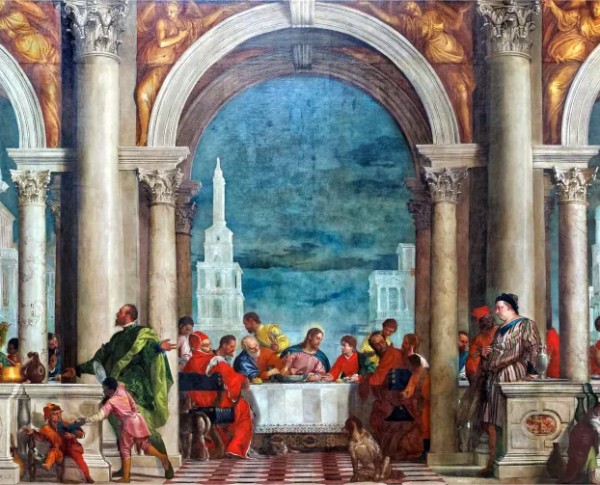
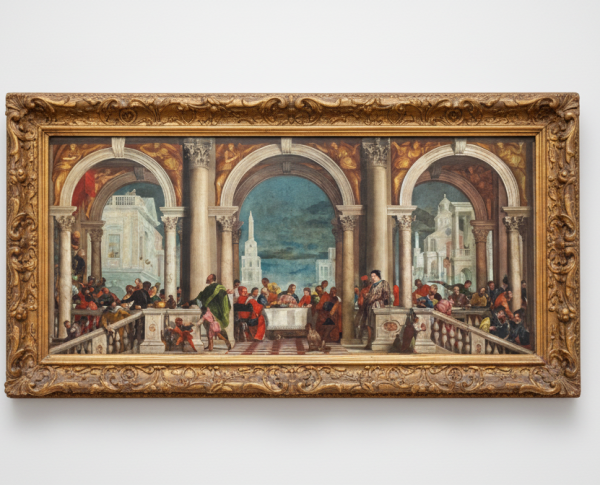
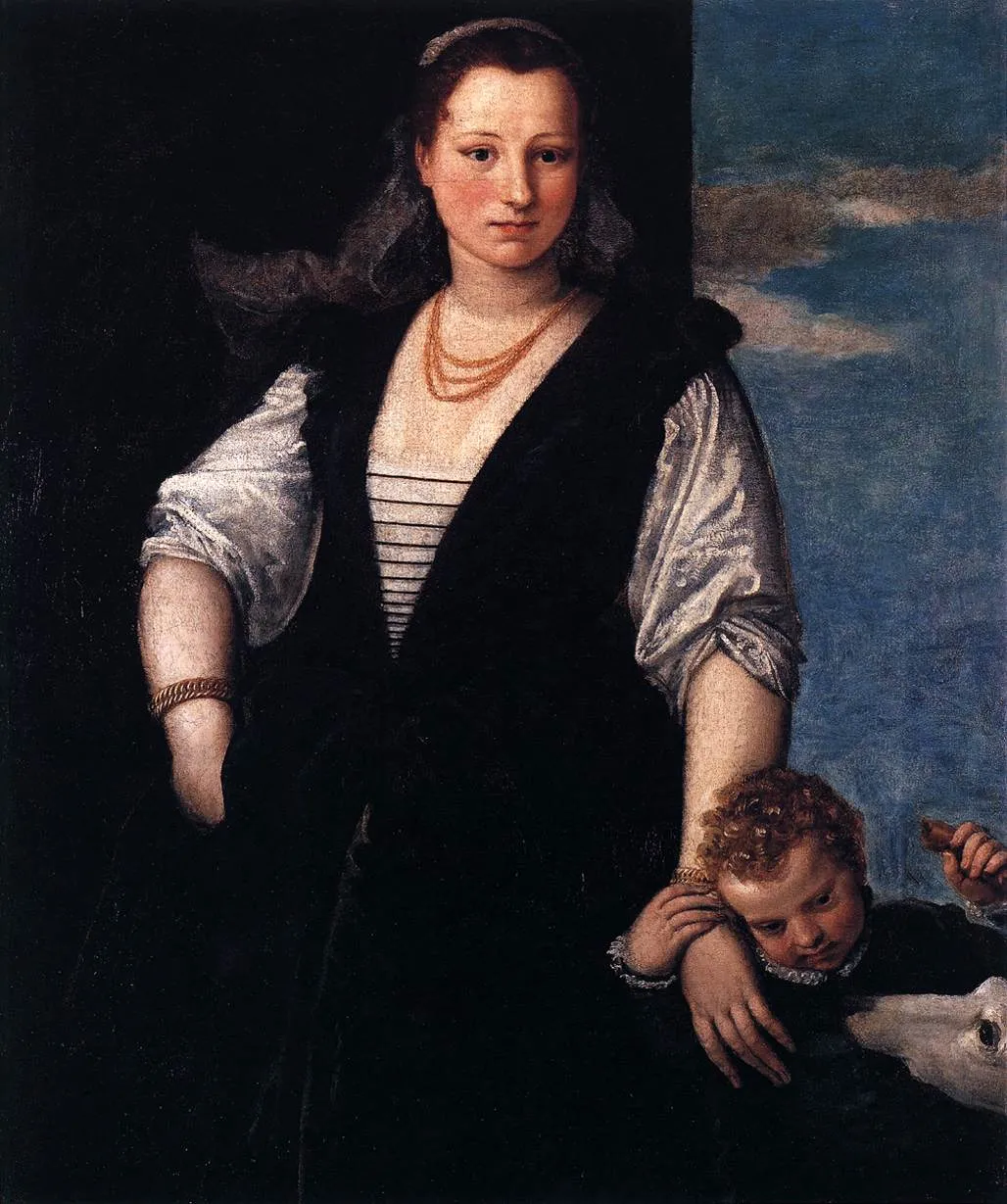
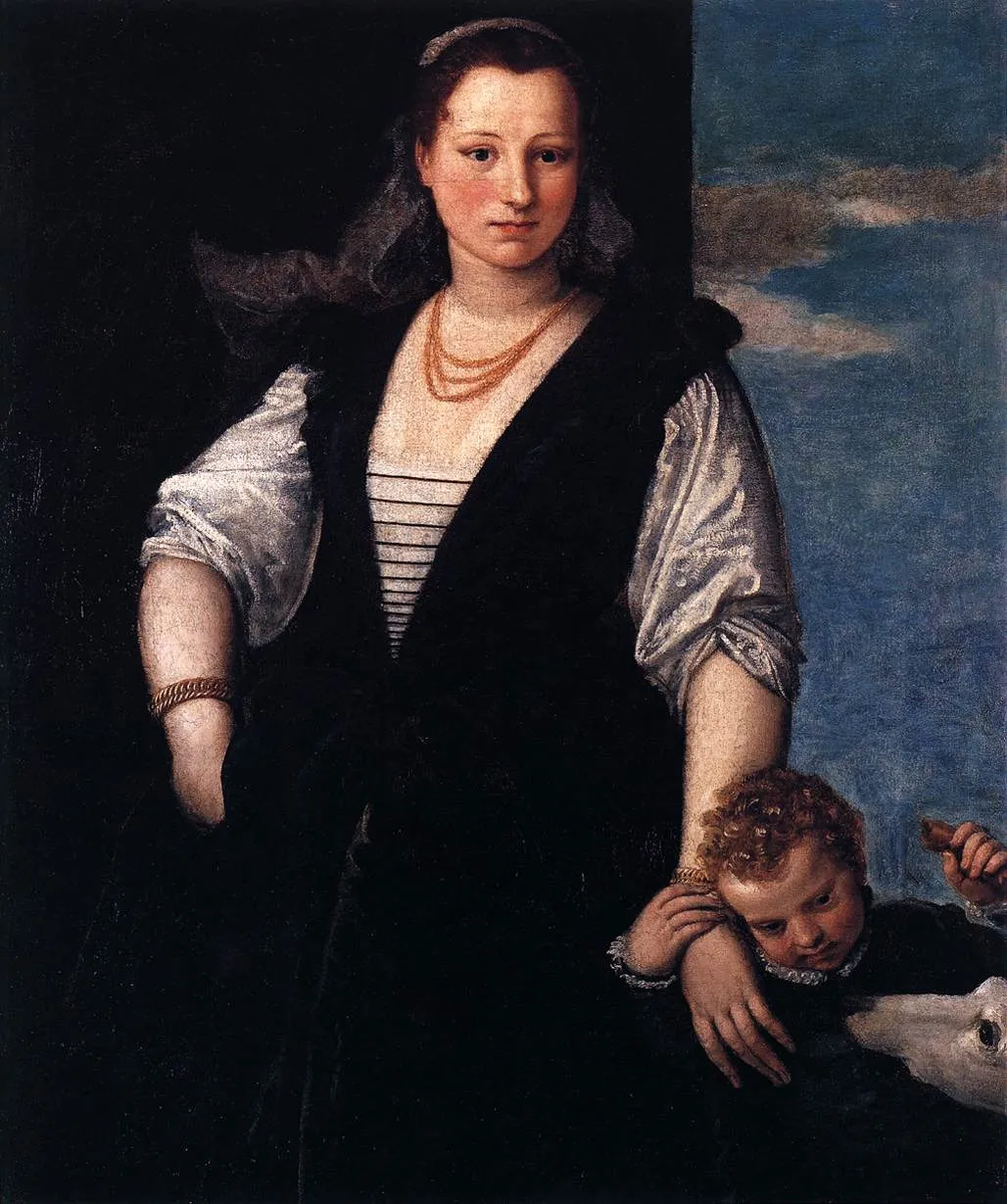
Paolo Veronese’s "Portrait of woman with a child and a dog" showcases his exceptional technique in oil on canvas. The delicate rendering of fabric, flesh, and fur exemplifies the Renaissance ideal of lifelike representation. Veronese’s approach is mirrored in related works such as "St John the Baptist" and "St Louis of Toulouse and Donors," establishing his reputation as a master of color, composition, and emotional depth within the realm of fine art.
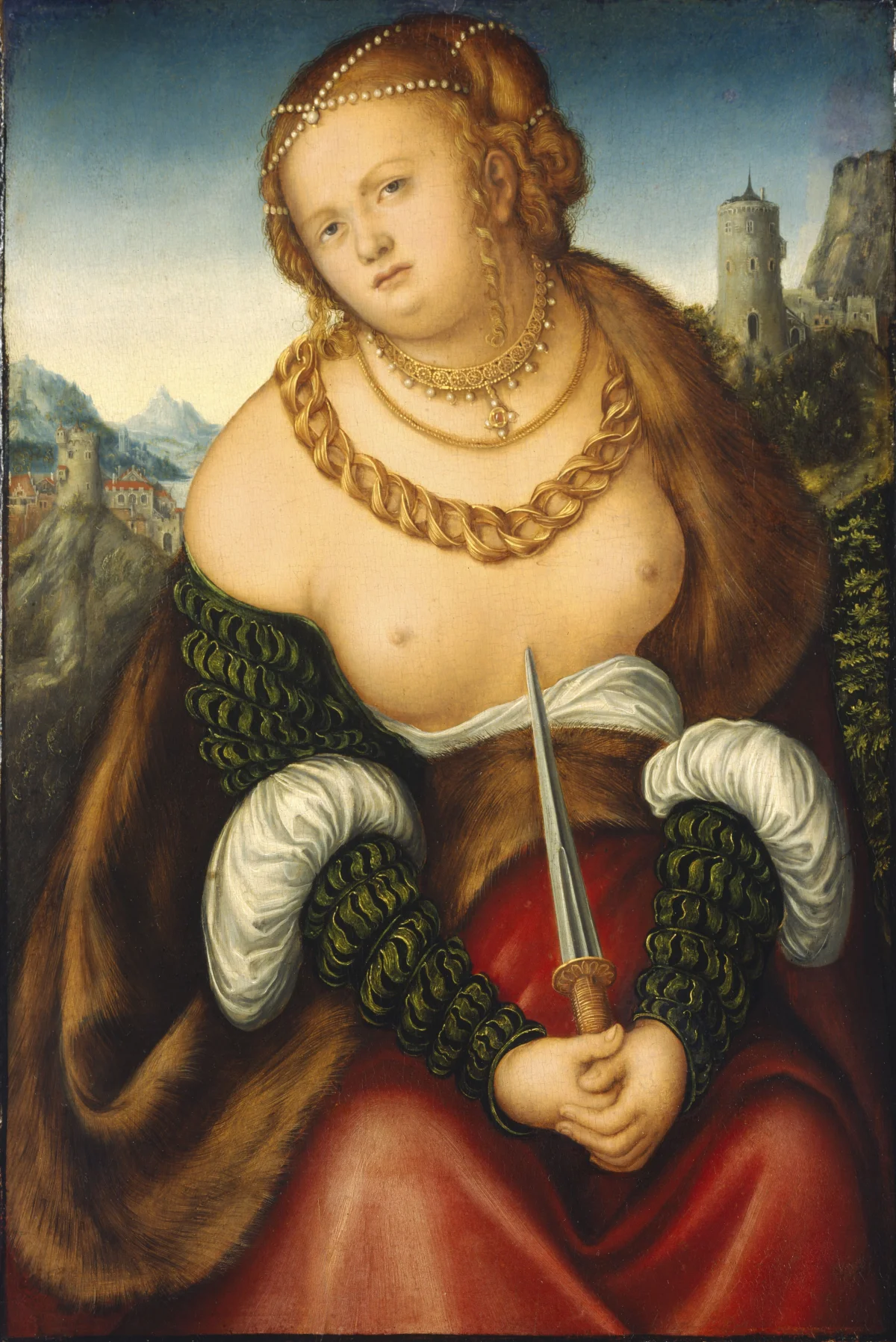
This fine art painting for sale not only captures a moment but also weaves symbolic layers throughout its composition. The presence of the child and dog may signify innocence and loyalty, themes prevalent in the Renaissance movement. Paolo Veronese often infused his works, like "Lucretia" and "Mystic Marriage of St Catherine," with allegorical meaning, inviting viewers to explore deeper narratives within each brushstroke and gesture.
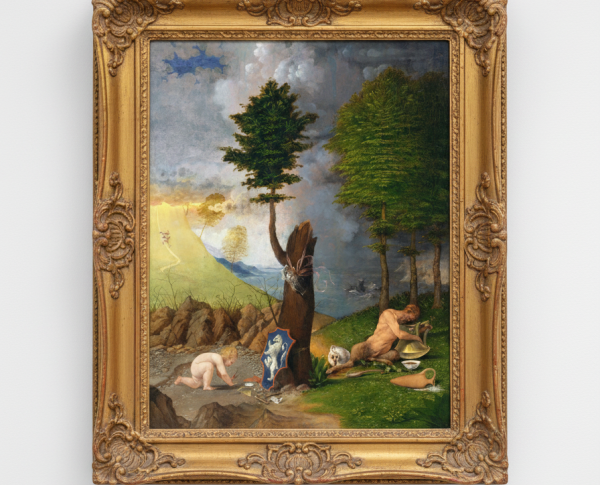
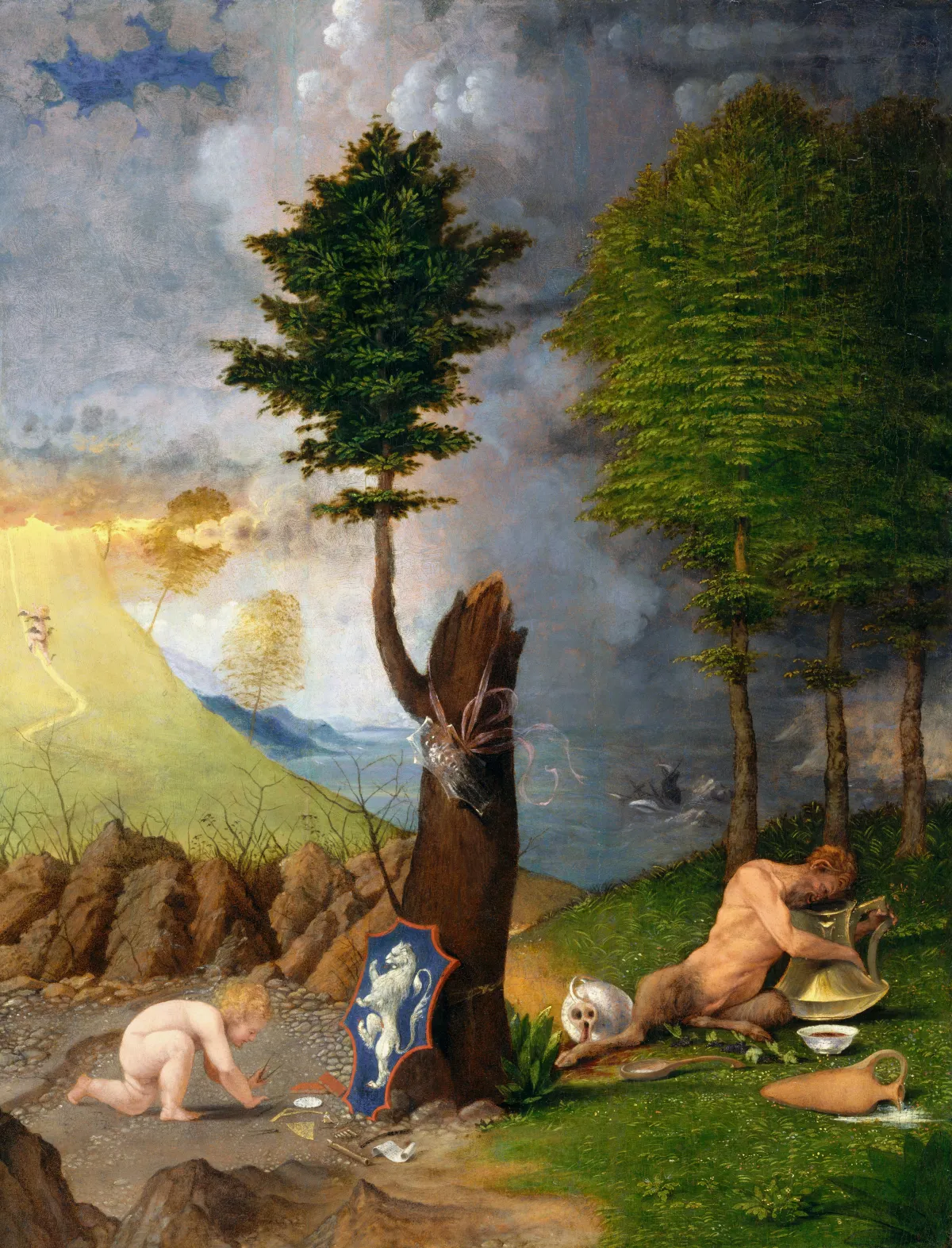
"Portrait of woman with a child and a dog" by Paolo Veronese is a coveted piece for any art connoisseur seeking a hand-painted oil painting from the Renaissance. Collectors prize such masterpieces alongside other works like "Allegory of Virtue and Vice" and "Conversion of Mary Magdalene." Owning this painting connects you to the rich cultural heritage and timeless beauty that define Veronese’s celebrated artistic legacy.
When Art Meets History
"Portrait of woman with a child and a dog" by Paolo Veronese is a remarkable example of a hand-painted oil painting from the Renaissance movement. Created during a period when portraiture flourished, Veronese's work reflects the era's fascination with familial bonds and social status. Alongside related paintings such as "Christ Carrying the Cross" and "Portrait of Ariosto," this masterpiece captures a moment in history where art served as both personal legacy and public statement.
Techniques That Speak
Paolo Veronese's mastery of oil on canvas is evident in every brushstroke of this painting. The artist's use of vibrant colors and delicate lighting techniques brings depth and realism to the scene. Like his other works, such as "Concert Champetre" and "Christ and the Adulteress," Veronese skillfully balances detail and composition, making each element of the portrait come alive. The refined oil on canvas technique highlights the sophistication of Renaissance artistry.
Emotions on Display
In "Portrait of woman with a child and a dog," Veronese conveys a tender emotional connection between the figures, a hallmark of Renaissance portraiture. The gentle interaction and expressive faces evoke warmth and intimacy, inviting viewers to reflect on familial love. Similar to "Portrait of a Man," this fine art painting for sale resonates with collectors who appreciate emotional depth. The artist’s sensitivity transforms the canvas into a touching narrative, rich with human feeling.
Coveted by Collectors
This hand-painted oil painting by Paolo Veronese is highly sought after by art enthusiasts and collectors worldwide. As part of the Renaissance movement, it embodies the technical excellence and emotional resonance that define Veronese’s legacy. Collectors value not only this piece but also related works like "Christ Carrying the Cross" and "Portrait of Ariosto." Owning such a fine art painting for sale connects one to a celebrated tradition of artistic achievement.
Related Renaissance Hand-Painted Oil Paintings by Other Artists
Other Famous Renaissance Artists:
Frequently Asked Questions About Portrait of woman with a child and a dog
What is the historical context of "Portrait of woman with a child and a dog"?
This painting was created during the late Renaissance period, a time characterized by a renewed interest in humanism, naturalism, and the exploration of emotional expression in art. Paolo Veronese, an influential Venetian painter, was known for his grand compositions and vibrant use of color, which reflect the cultural richness of 16th-century Venice.
What artistic techniques did Paolo Veronese employ in this painting?
Veronese utilized oil on canvas to achieve a luminous quality in his work. His mastery of color, light, and shadow creates a sense of depth and realism. The composition is carefully arranged, with the figures placed in a balanced manner that draws the viewer's eye throughout the painting.
What is the significance of the woman and child in the painting?
The portrayal of a woman with a child often symbolizes maternal love and nurturing, reflecting the values of family and domesticity prevalent during the Renaissance. This imagery also serves to elevate the status of women in society, showcasing their roles as caregivers and central figures in family life.
What role does the dog play in the composition?
The dog in the painting can be interpreted as a symbol of loyalty and fidelity. In Renaissance art, dogs often represent domesticity and companionship, enhancing the theme of family and the bond between the figures depicted.
How does Veronese's style influence the viewer's perception of the subjects?
Veronese's use of vibrant colors and dynamic compositions creates an inviting atmosphere, encouraging viewers to engage emotionally with the subjects. His ability to capture the essence of human expression allows the viewer to connect with the figures on a personal level, evoking feelings of warmth and familiarity.
What can we learn about social status from this painting?
The attire of the woman and the child suggests a certain level of affluence, indicative of the social hierarchy of the time. The luxurious fabrics and careful attention to detail in their clothing reflect the wealth and status of the subjects, highlighting the importance of social class in Renaissance society.
What are the common themes found in Veronese's works?
Common themes in Veronese's works include family, love, and the celebration of life. His paintings often depict scenes of domesticity and human interaction, emphasizing the beauty of everyday moments and the emotional connections between individuals.
How does "Portrait of woman with a child and a dog" compare to other works by Veronese?
This painting exemplifies Veronese's signature style, characterized by rich colors and elaborate compositions. Compared to his larger historical and mythological works, this piece focuses more on intimate, personal themes, showcasing his versatility as an artist.
What is the significance of the setting in the painting?
The setting, while not overtly detailed, provides a context that enhances the intimate portrayal of the subjects. The soft background allows the figures to stand out, emphasizing their connection and the emotional narrative of the painting.
How does this painting reflect the ideals of the Renaissance?
This painting reflects Renaissance ideals through its focus on human emotion, the beauty of the human form, and the importance of family. The attention to detail and the celebration of everyday life align with the humanist principles that were central to the artistic movements of the time.























_GFM_Painting_(1).webp)


 100% Hand-Painted: Finished in 3-6 Weeks

.png)















_(1).webp)