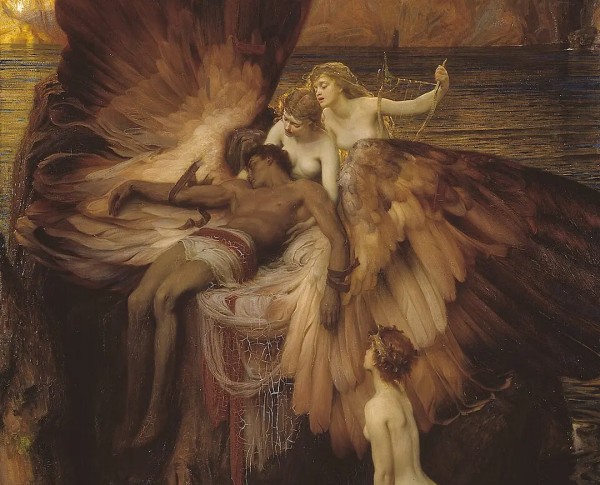
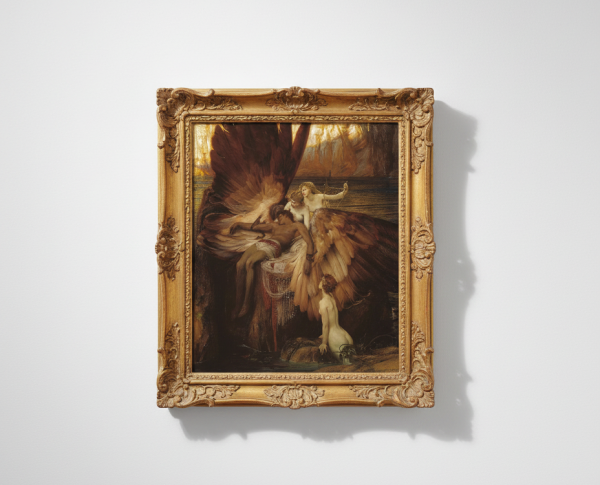
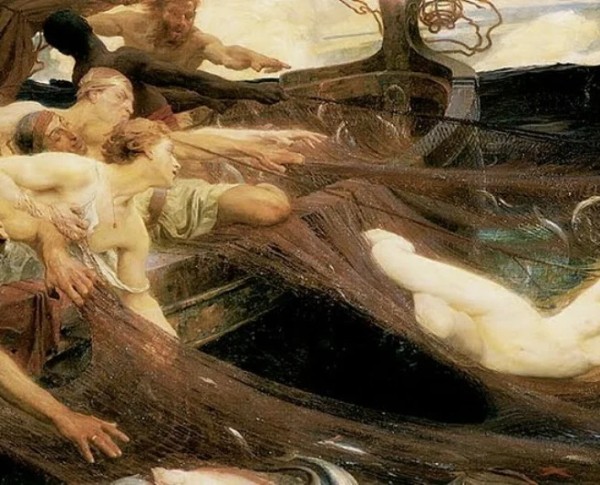
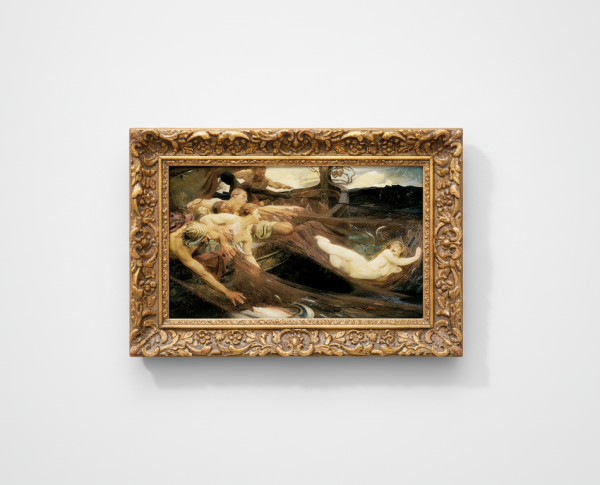
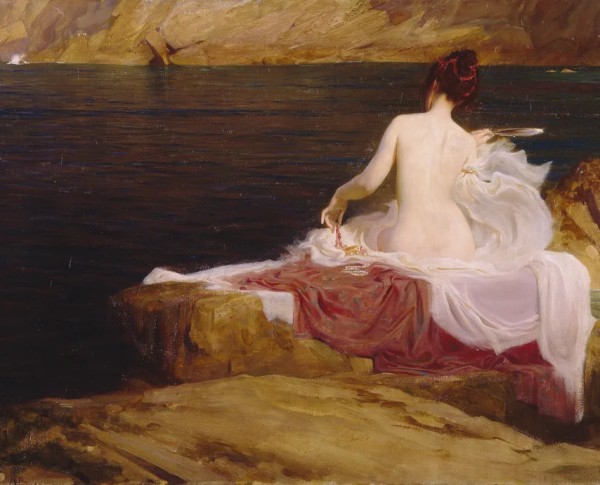
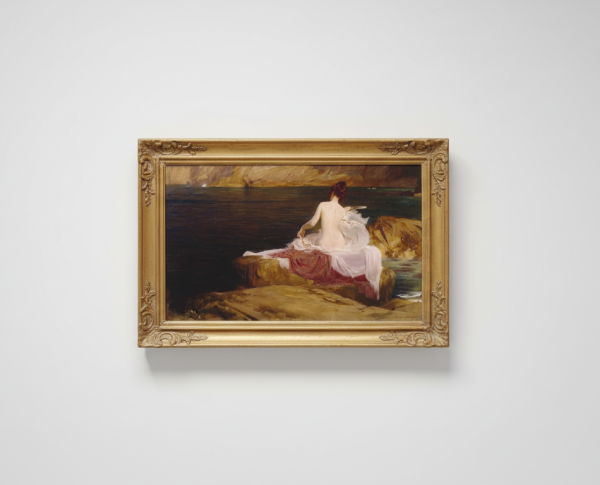
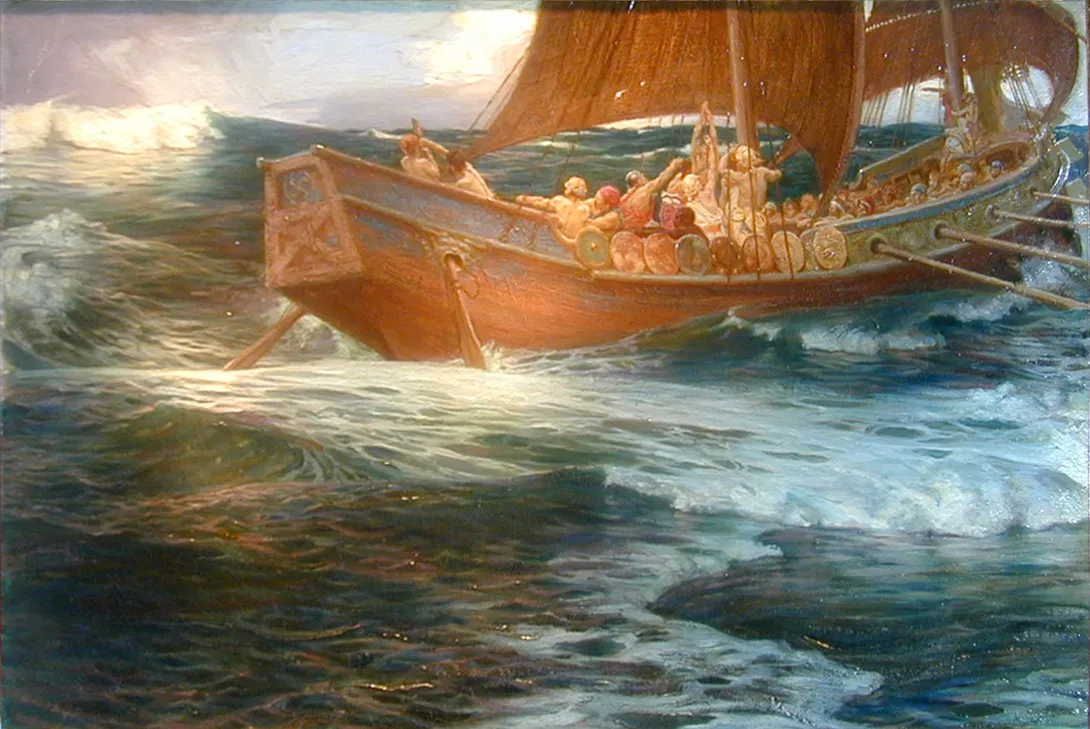
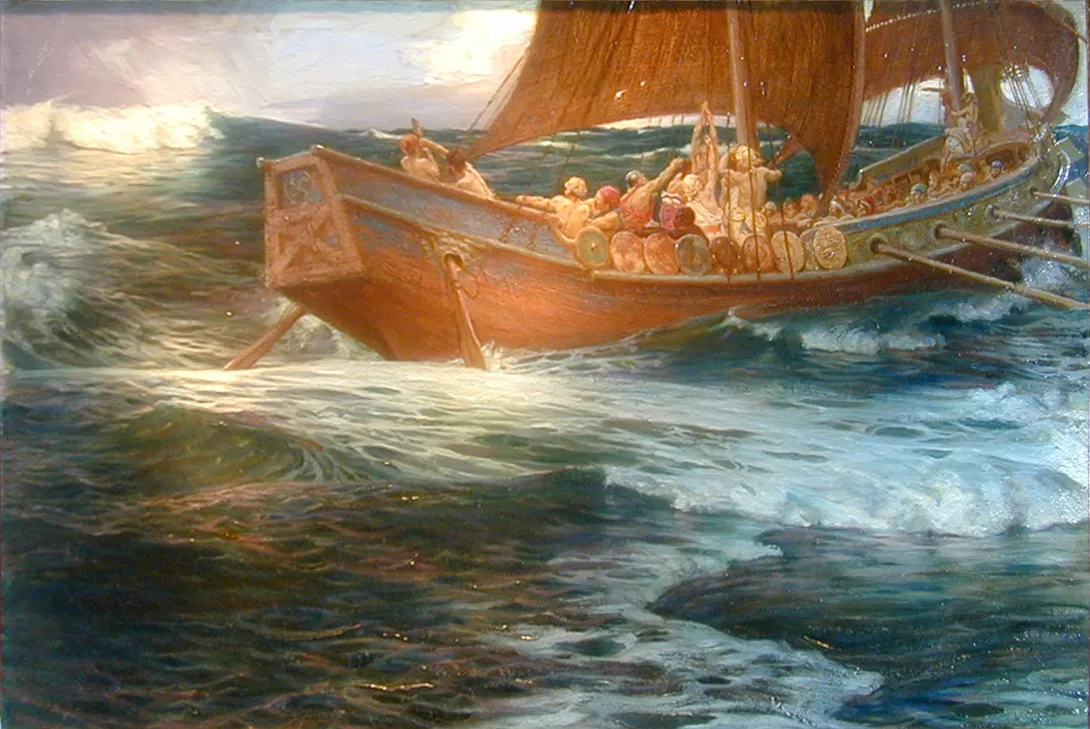
Draper’s expertise is evident in every detail of "Wrath of the Sea God," an exquisite oil on canvas that exemplifies the Neo-Classical dedication to realism and beauty. The artist’s skillful brushwork brings dynamic movement to the sea god’s tempestuous form, echoing the mastery seen in "The Foam Sprite" and "The Sea Maiden." This fine art painting for sale highlights the unparalleled craftsmanship that makes Herbert James Draper a celebrated name in art history.
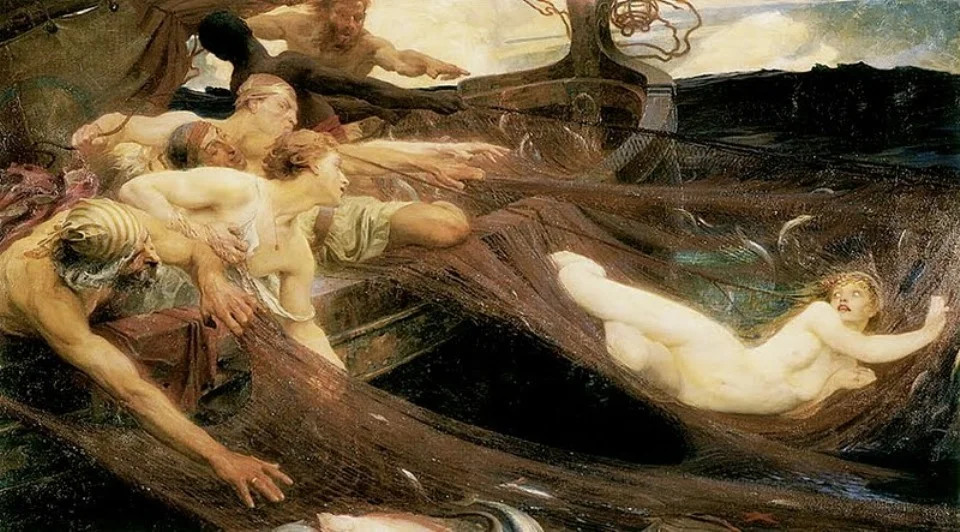
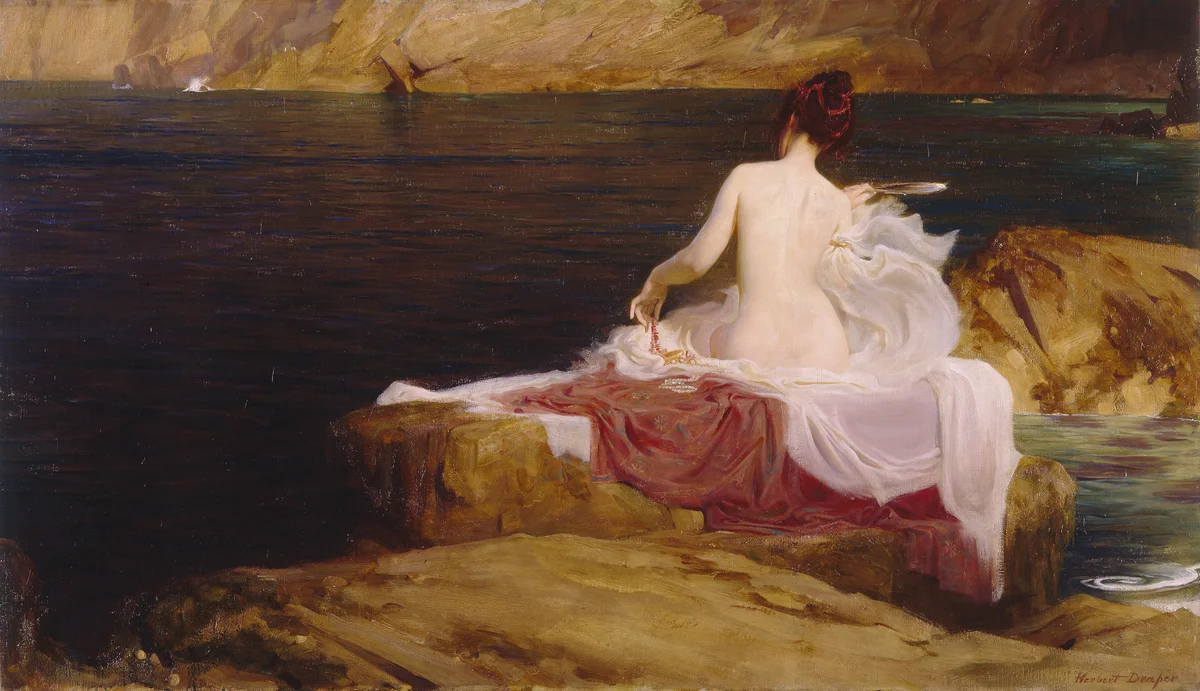
Within "Wrath of the Sea God," Draper weaves ancient mythology and powerful symbolism into a hand-painted oil painting that resonates with emotion and drama. The turbulent waves and commanding figure reflect themes found in "Study for The Sea Maiden" and "L'île De Calypso," inviting viewers to delve into stories of power and transformation. Collectors seeking a piece with rich narrative depth will appreciate the storytelling embedded in this Neo-Classical masterpiece.
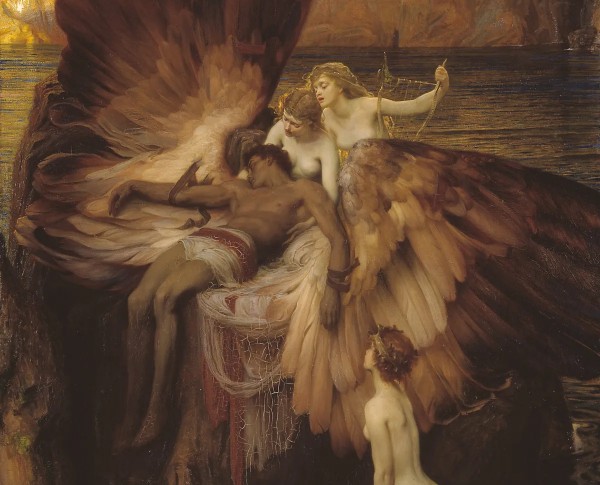
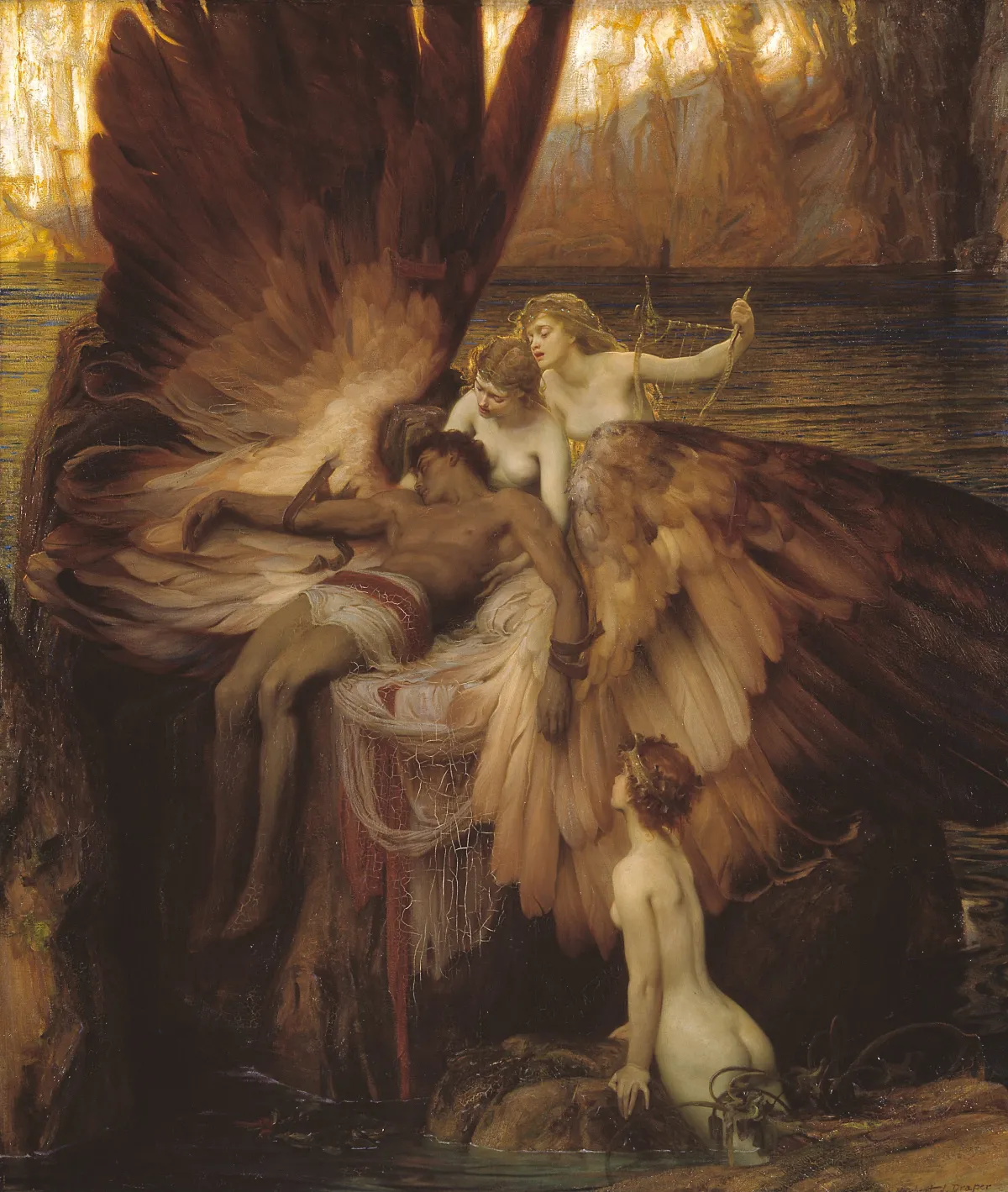
For art connoisseurs, "Wrath of the Sea God" represents an exceptional oil on canvas, perfect for those seeking a fine art painting for sale that embodies the grandeur of Neo-Classical artistry. Herbert James Draper’s work stands alongside related treasures like "The Sea Maiden" and "The Lament for Icarus," making it a coveted addition to any collection. This painting offers both aesthetic beauty and historical significance, promising to elevate any space it graces.
When Art Meets History
"Wrath of the Sea God" by Herbert James Draper stands as a remarkable testament to the Neo-Classical movement. This hand-painted oil painting captures the mythological fervor and grandeur associated with Draper’s era. Like his contemporaries, Draper drew inspiration from classical themes, similar to those seen in "Divina Comedia" and "Declaration of Independence." The painting’s historical resonance and artistic mastery make it a significant addition to the lineage of Neo-Classical masterpieces.
Techniques That Speak
Draper's "Wrath of the Sea God" showcases his exceptional skill with oil on canvas, a medium that brings depth and vibrancy to the artwork. Through meticulous brushwork and dramatic use of light, Draper creates a dynamic composition reminiscent of "The Bridge at La Cava, Kingdom of Naples." This Neo-Classical piece exemplifies the technical precision and attention to detail that made Herbert James Draper a revered artist in his time.
Emotions on Display
In "Wrath of the Sea God," Herbert James Draper expertly conveys intense emotion through expressive figures and turbulent seascapes. The fine art painting for sale resonates with the drama and passion characteristic of the Neo-Classical movement. Draper’s portrayal of mythic wrath draws parallels with the emotional depth found in "Scène De La Vie Italienne" and "Le Saint-sacrement Porté Aux Malades," inviting viewers to immerse themselves in the narrative power of his art.
Coveted by Collectors
As a Neo-Classical masterpiece, "Wrath of the Sea God" by Herbert James Draper is highly sought after by collectors of fine art painting for sale. Its compelling subject matter and historical significance make it a prized addition to any collection alongside works like "Young Lady with Drawing Utensils - Countess Thekla Ludolf, neé Weyssenhoff." Draper’s legacy continues to attract admirers, ensuring his paintings remain coveted treasures in the art world.
Related Neo-Classical Hand-Painted Oil Paintings by Other Artists
Other Famous Neo-Classical Artists:
Frequently Asked Questions About Wrath of the Sea God
What is the historical context of "Wrath of the Sea God"?
"Wrath of the Sea God" was painted by Herbert James Draper in the early 20th century, a time when artists were increasingly exploring themes of mythology and nature. This period was marked by a fascination with the supernatural and the emotional power of the natural world.
What artistic techniques did Draper employ in this painting?
Draper utilized a combination of classical painting techniques, including chiaroscuro and dynamic composition, to create a sense of movement and drama. His use of vibrant colors and detailed textures enhances the emotional intensity of the scene.
What mythological references are present in "Wrath of the Sea God"?
The painting draws upon classical mythology, particularly the figure of Poseidon, the Greek god of the sea. Draper captures the essence of divine wrath and the tumultuous nature of the ocean, reflecting the ancient belief in the gods' control over natural forces.
How does Draper convey emotion in this artwork?
Draper conveys emotion through the expressive poses of the figures and the turbulent sea. The contrast between the calmness of the central figure and the chaos surrounding it evokes feelings of tension and awe, inviting viewers to contemplate the power of nature.
What symbolism is present in the depiction of the sea?
The sea in "Wrath of the Sea God" symbolizes both beauty and danger, representing the duality of nature. It serves as a metaphor for the unpredictable forces of life, reflecting humanity's struggle against overwhelming natural powers.
What role does color play in the painting?
Color plays a crucial role in establishing mood and atmosphere. Draper employs a palette of deep blues and greens to represent the sea, contrasted with warm tones for the figures, highlighting the emotional conflict between humanity and nature.
How does this painting reflect the ideals of the Pre-Raphaelite movement?
While Draper was not a Pre-Raphaelite, his work reflects some of their ideals, such as a focus on detail, vibrant colors, and a connection to nature and mythology. The painting's romanticized portrayal of the sea god aligns with the Pre-Raphaelite emphasis on emotional depth and narrative.
What is the significance of the figures depicted in the painting?
The figures in "Wrath of the Sea God" represent humanity's vulnerability in the face of nature's might. They serve as a reminder of the fragility of human existence and the reverence that ancient cultures held for the gods who governed the natural world.
In what ways does "Wrath of the Sea God" reflect the artist's personal style?
Draper’s personal style is characterized by a blend of classical themes with a modern sensibility. His attention to detail, dramatic compositions, and the emotional resonance of his subjects are evident in this painting, showcasing his unique approach to mythological storytelling.
How has "Wrath of the Sea God" influenced contemporary art?
The painting has influenced contemporary artists by demonstrating the enduring power of mythological themes and the emotional potential of natural imagery. Its dramatic composition and rich symbolism continue to inspire discussions about humanity's relationship with nature and the divine.























_GFM_Painting_(1).webp)


 100% Hand-Painted: Finished in 3-6 Weeks

.png)

















_(1).webp)