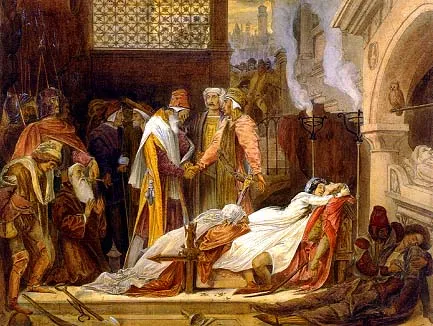
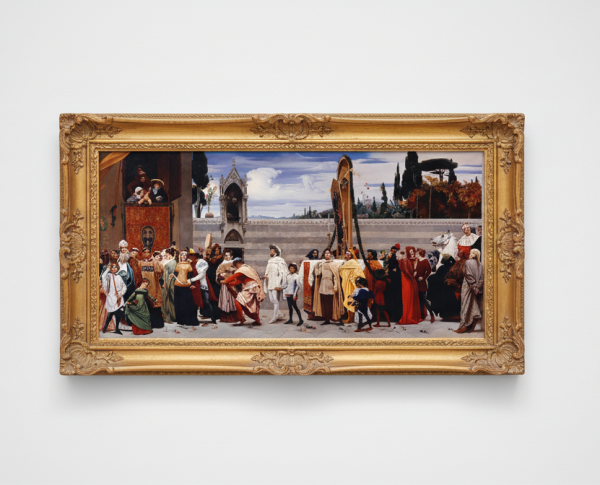
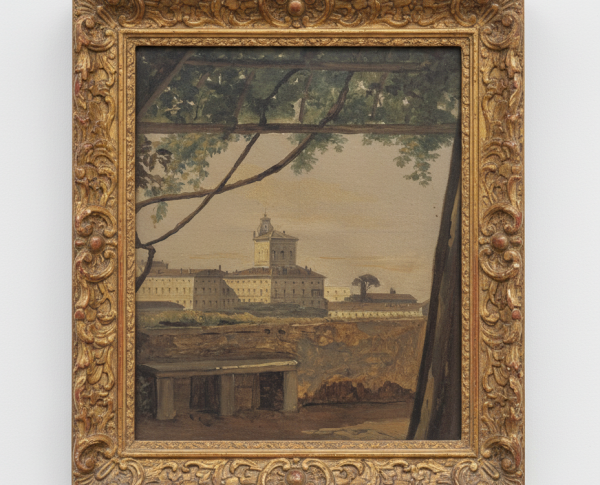
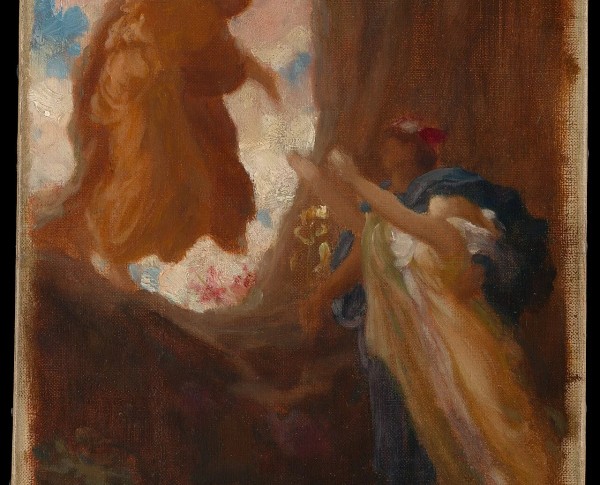
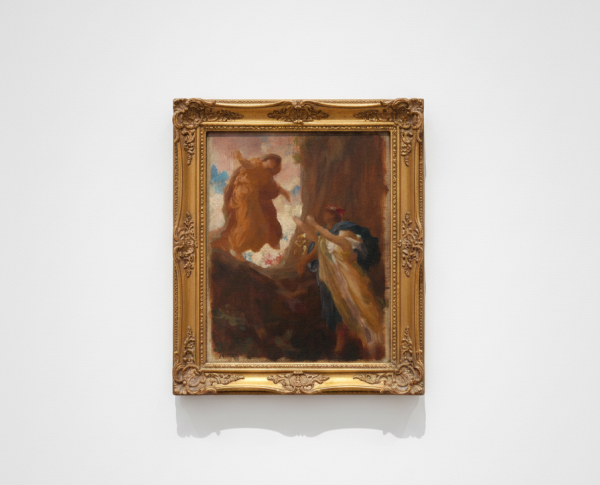
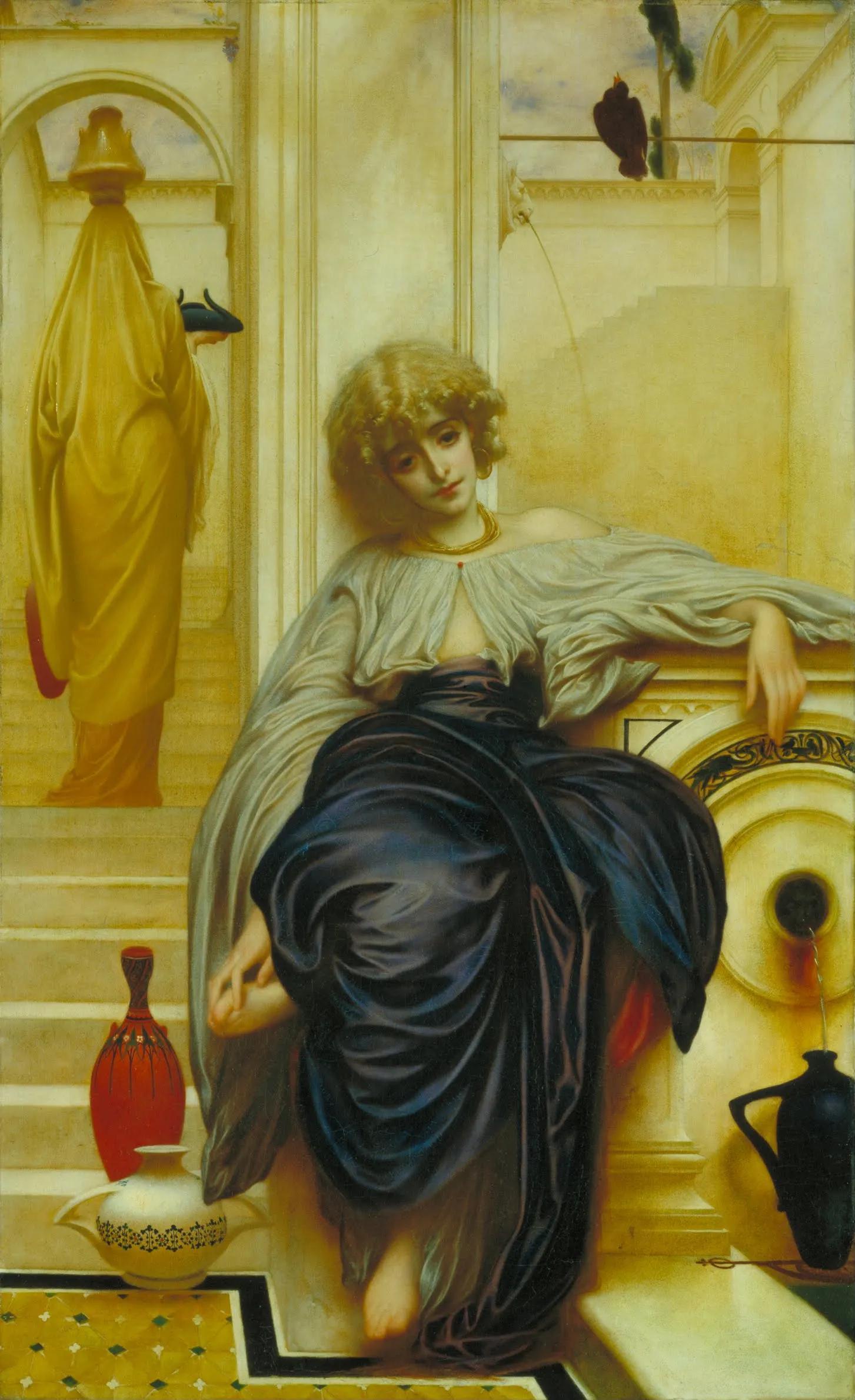
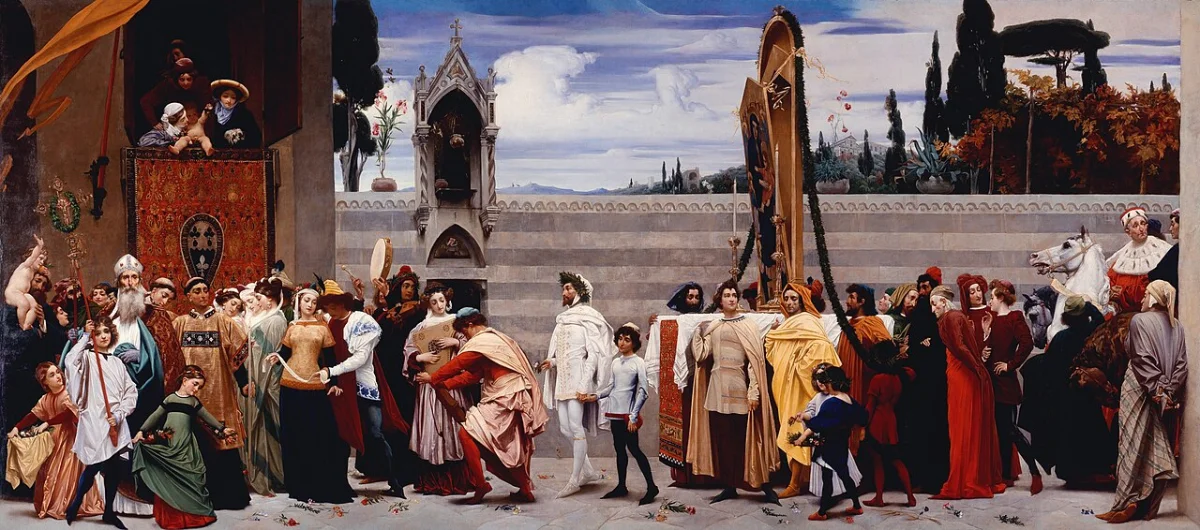
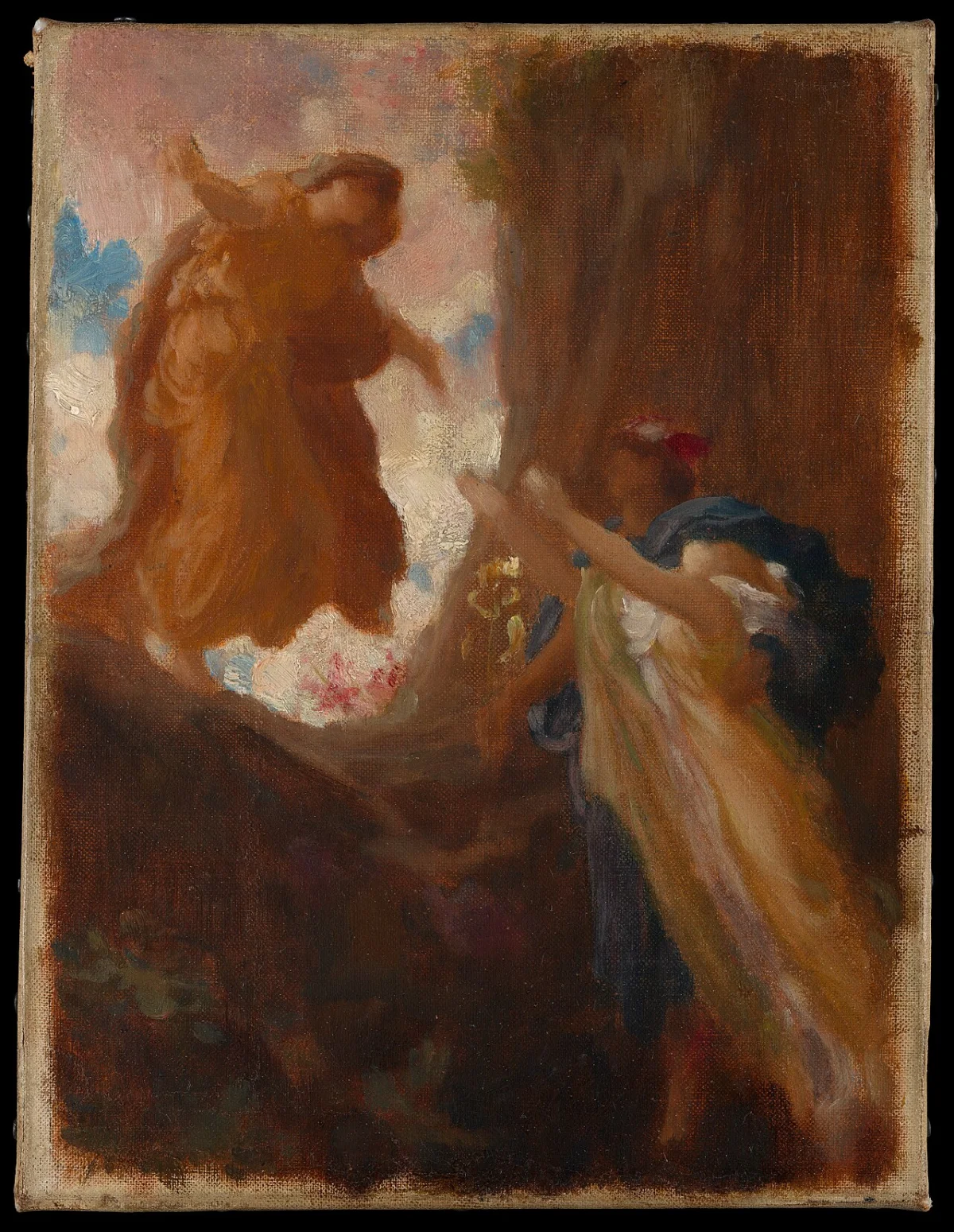
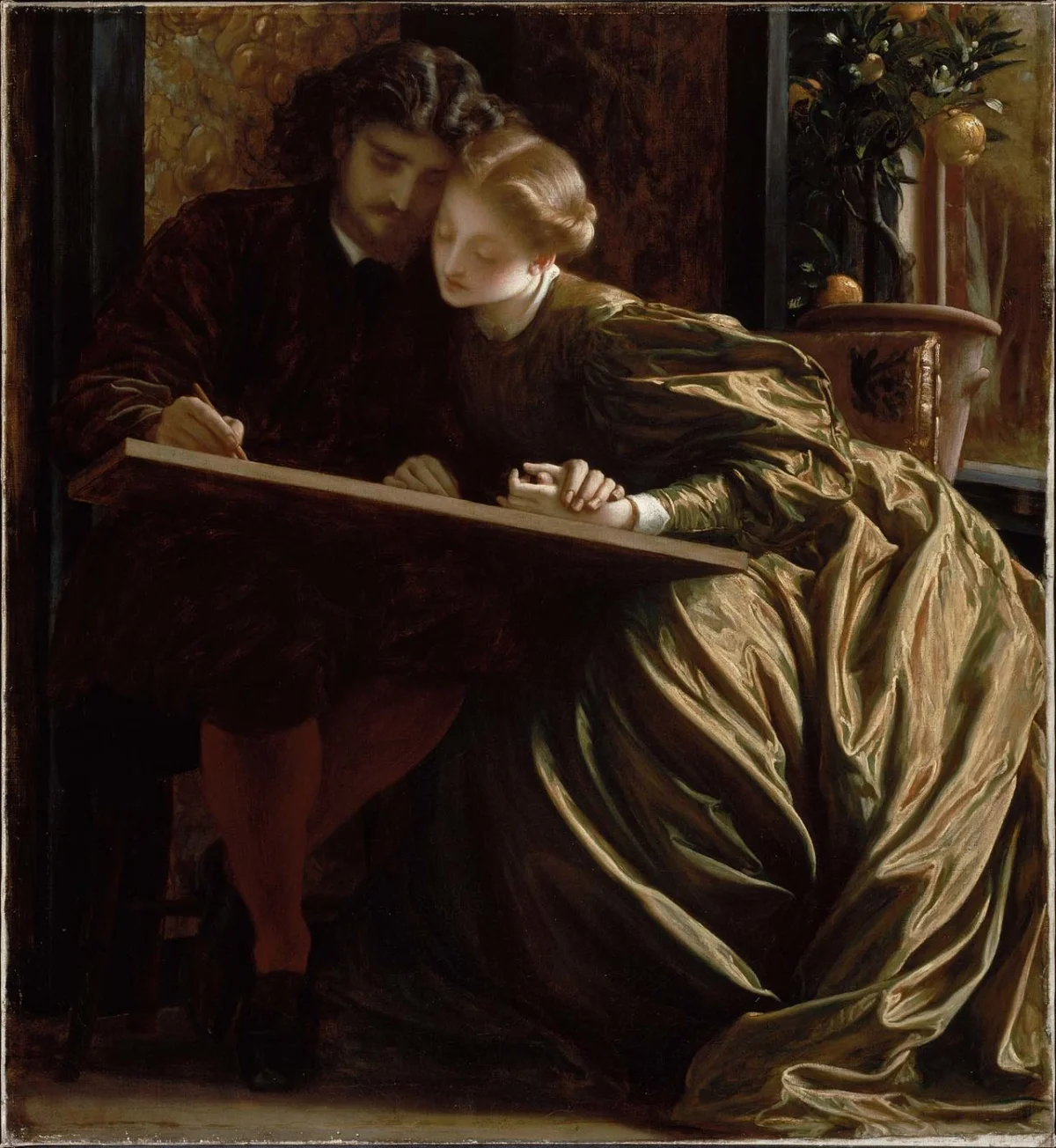
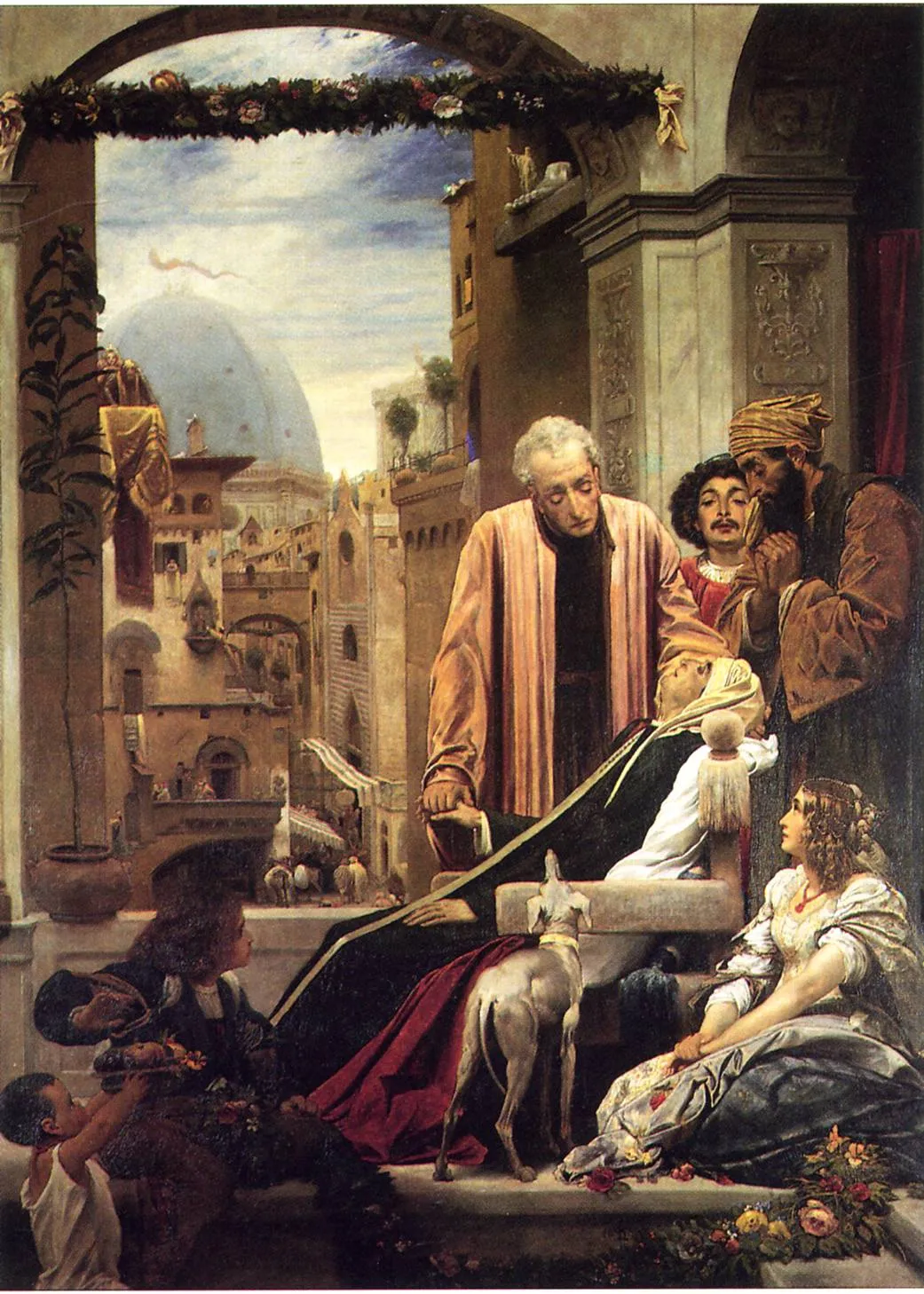
Lord Frederick Leighton’s "Songs without Words" demonstrates extraordinary mastery in oil on canvas, capturing delicate emotion and refined detail. As a prominent figure in the Academic Classicism movement, Leighton’s brushwork and composition are meticulously crafted. This painting, like his other works such as "The Death of Brunelleschi" and "The Painter's Honeymoon," highlights the artist’s technical prowess and the enduring impact of oil on canvas in the world of fine art.
"Songs without Words" weaves a narrative through its subtle symbolism and evocative imagery, hallmarks of Leighton’s approach within Academic Classicism. Each element within this fine art painting for sale invites viewers to interpret its deeper meaning. Collectors often pair this piece with related works like "The Fisherman and the Siren" or "Portrait of May Sartoris" to create a gallery that tells a cohesive story through symbolism and classical motifs.
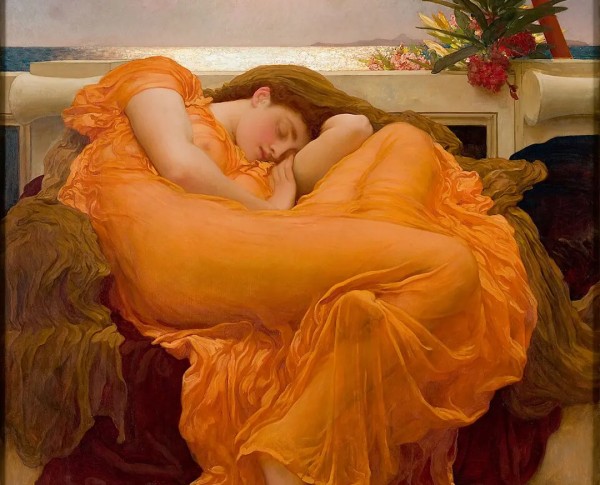
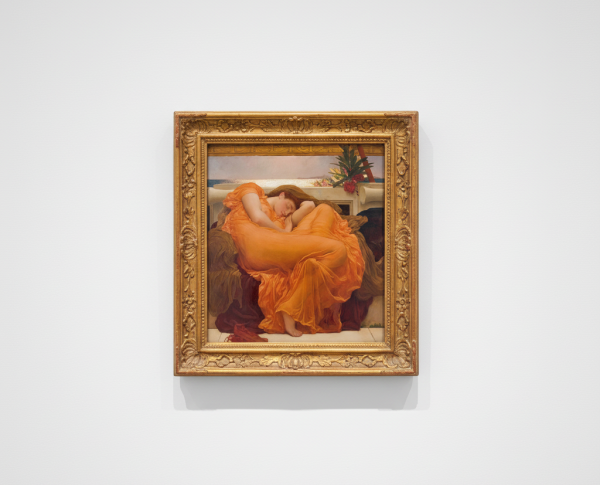
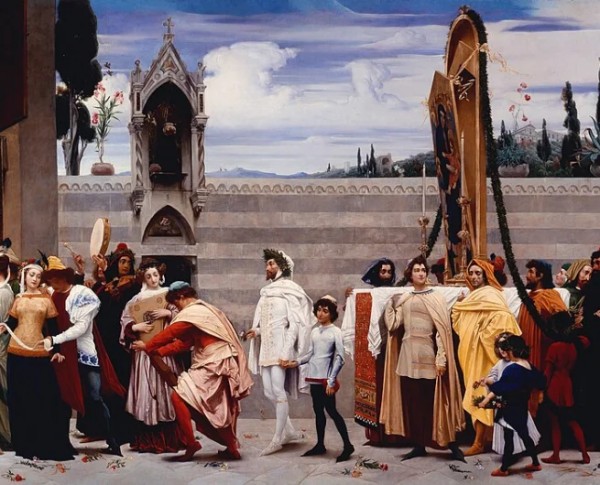
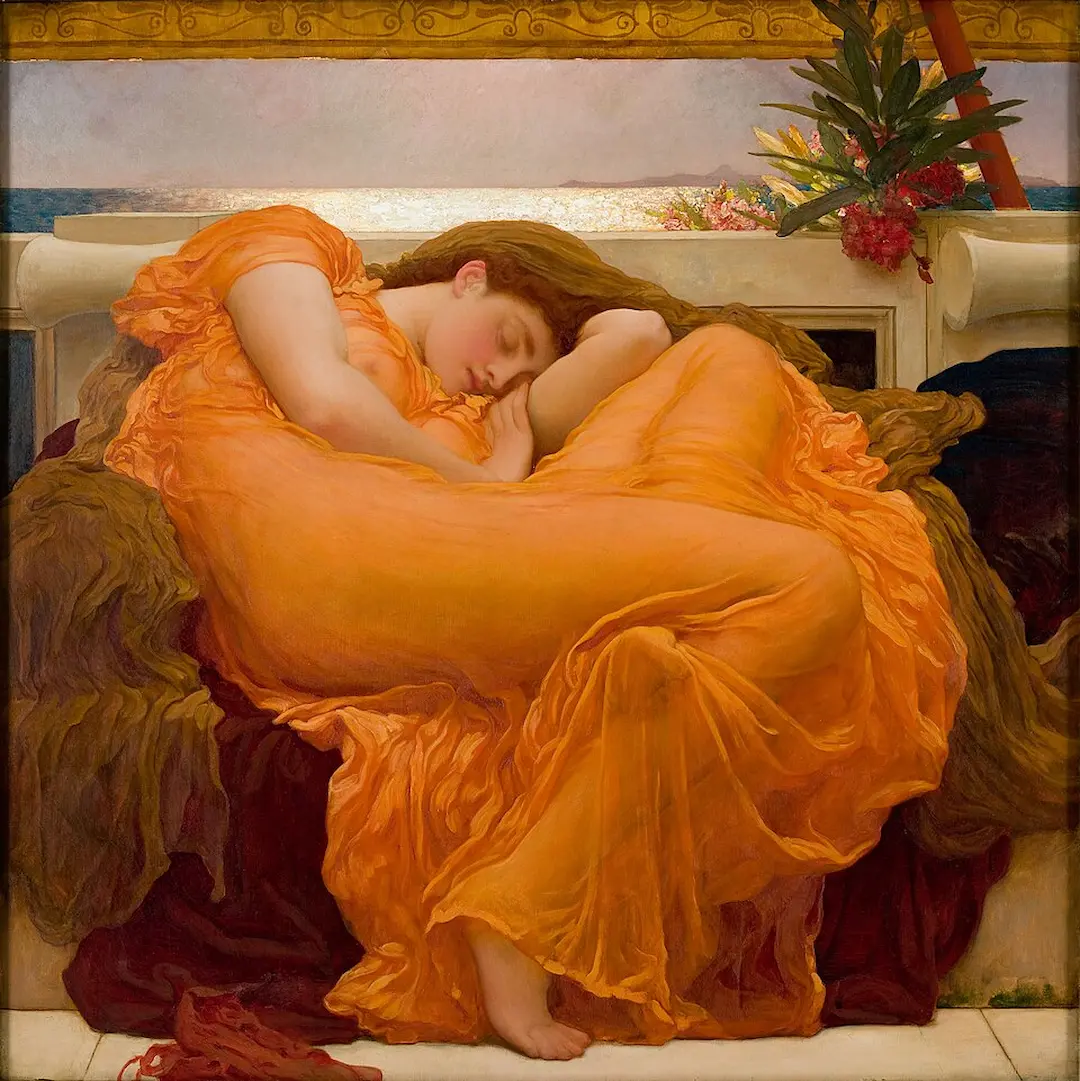
Acquiring "Songs without Words" by Lord Frederick Leighton means owning a hand-painted oil painting that epitomizes Academic Classicism. This masterpiece joins a prestigious lineage of fine art painting for sale, including renowned works like "Flaming June" and "Cimabue's Celebrated Madonna." For collectors, such paintings are not only visually captivating but also valuable investments, ensuring the legacy of Leighton and the Academic Classicism movement endures for generations.
When Art Meets History
"Songs without Words" by Lord Frederick Leighton stands as a testament to the Academic Classicism movement, blending historical context with artistic mastery. This hand-painted oil painting captures the elegance and refinement characteristic of Leighton's era, echoing themes found in related works such as "Nymphes et Satyre (Nymphs and Satyr)" and "A Portrait of Eugene Bouguereau." The painting not only reflects its time but also preserves the legacy of Academic Classicism for future generations.
Techniques That Speak
Leighton's "Songs without Words" showcases refined technique, using oil on canvas to achieve luminous skin tones and intricate drapery. The artist’s meticulous approach aligns with other Academic Classicism masterpieces, including "Arnaut And Two Whippets By" and "Depicts An Albanian Wearing A Fustanella In Egypt." The smooth blending and attention to anatomical detail exemplify the technical prowess that defines both Leighton and his contemporaries, making this piece a remarkable example of 19th-century artistry.
Emotions on Display
In "Songs without Words," Lord Frederick Leighton masterfully conveys a serene, contemplative mood, drawing viewers into the subject’s quiet introspection. The emotional depth rivals that of "The Slave Market" and "Song of the Angels," highlighting the artist’s ability to evoke feeling through fine art painting for sale. This work exemplifies Academic Classicism’s focus on idealized beauty and emotional resonance, inviting collectors and admirers alike to experience the subtle power of visual storytelling.
Coveted by Collectors
As a premier example of Academic Classicism, "Songs without Words" by Lord Frederick Leighton remains highly sought after among enthusiasts of oil on canvas masterpieces. Its connection to celebrated works like "A Portrait of Eugene Bouguereau" and "Nymphes et Satyre (Nymphs and Satyr)" enhances its desirability. The painting’s timeless appeal and historical significance continue to drive interest, making it a fine art painting for sale that resonates with collectors worldwide.
Related Academic Classicism Hand-Painted Oil Paintings by Other Artists
Other Famous Academic Classicism Artists:
Frequently Asked Questions About Songs without Words
What is the historical context of "Songs without Words"?
"Songs without Words" was created during the late 19th century, a period characterized by the Pre-Raphaelite movement and the Aesthetic Movement, both of which influenced Lord Frederick Leighton's artistic style and thematic choices.
What artistic techniques did Leighton employ in this painting?
Leighton utilized a combination of classical composition and rich color palettes, employing techniques such as chiaroscuro to create depth and emotional resonance in "Songs without Words."
What themes are explored in "Songs without Words"?
The painting explores themes of beauty, emotion, and the transcendence of art, suggesting that music and visual art can evoke profound feelings without the need for words.
Who are the figures depicted in "Songs without Words"?
The figures in the painting are often interpreted as representations of muses or allegorical figures, symbolizing inspiration and the connection between art and emotion.
How does "Songs without Words" reflect the Aesthetic Movement?
The painting embodies the Aesthetic Movement's principle of 'art for art's sake,' emphasizing beauty and sensory experience over moral or narrative content.
What symbolism is present in "Songs without Words"?
Symbolism in the painting includes the use of musical instruments and flowing drapery, which represent the harmony and fluidity of artistic expression, suggesting that art transcends verbal communication.
How does Leighton's background influence this work?
Leighton's training in classical art and his exposure to various European artistic movements deeply influenced "Songs without Words," allowing him to blend traditional techniques with contemporary themes.
What is the significance of the title "Songs without Words"?
The title suggests a connection between visual art and music, implying that both can convey emotions and narratives without the necessity of language, thus highlighting the universality of artistic expression.
How has "Songs without Words" been received by art critics?
Art critics have praised "Songs without Words" for its emotional depth and technical prowess, often highlighting its ability to evoke feelings akin to those experienced through music.
In what ways does "Songs without Words" reflect Leighton's personal artistic philosophy?
The painting reflects Leighton's belief in the power of beauty and the emotional impact of art, showcasing his dedication to creating works that resonate on a deeper, often spiritual level.























_GFM_Painting_(1).webp)


 100% Hand-Painted: Finished in 3-6 Weeks

.png)















_(1).webp)