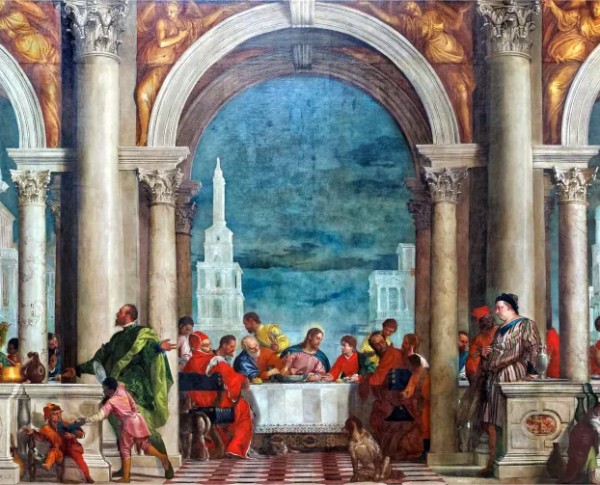
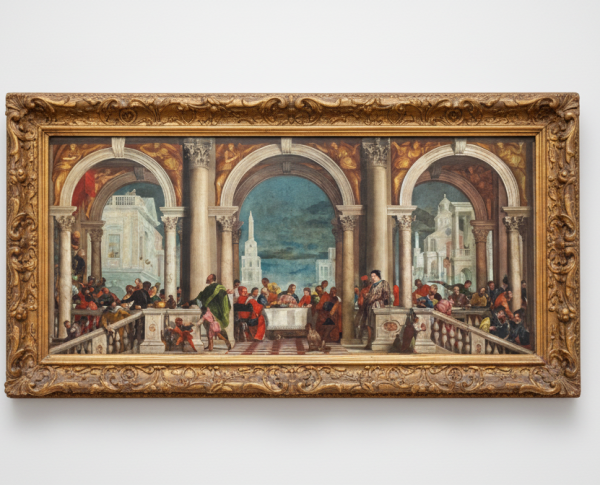
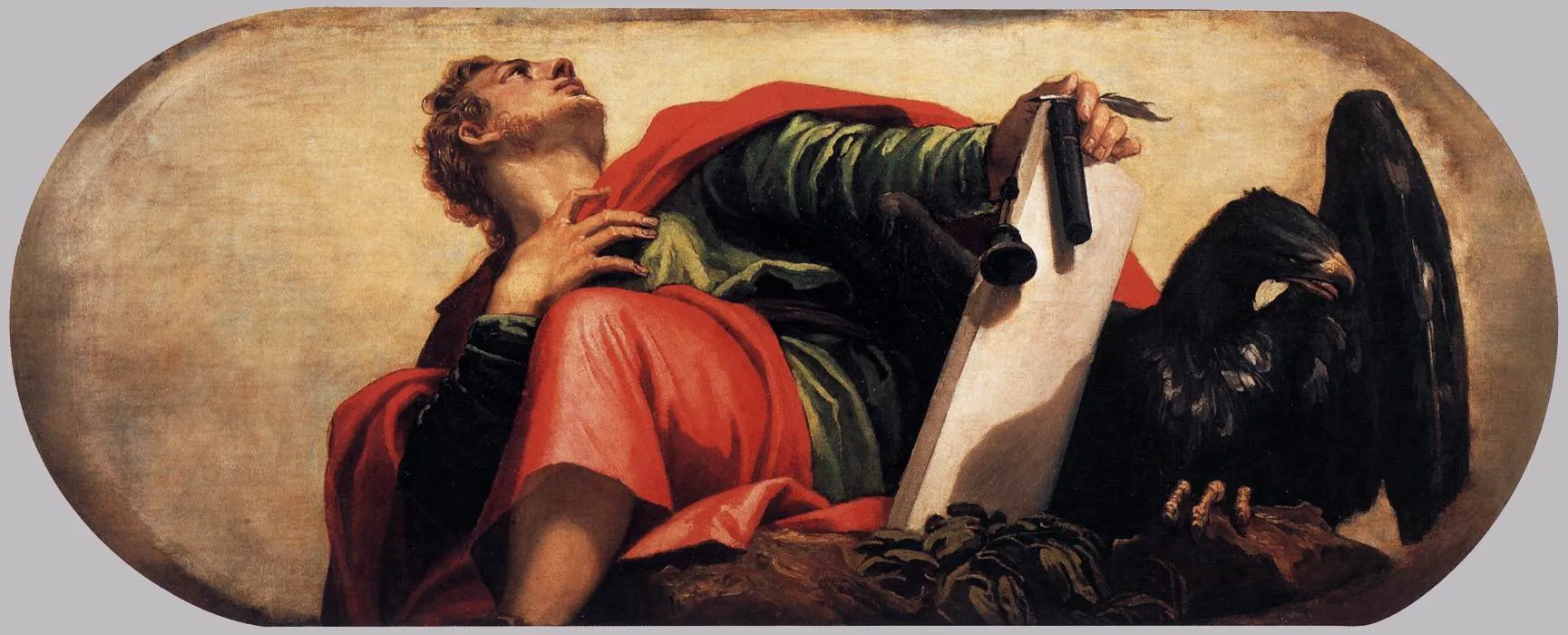
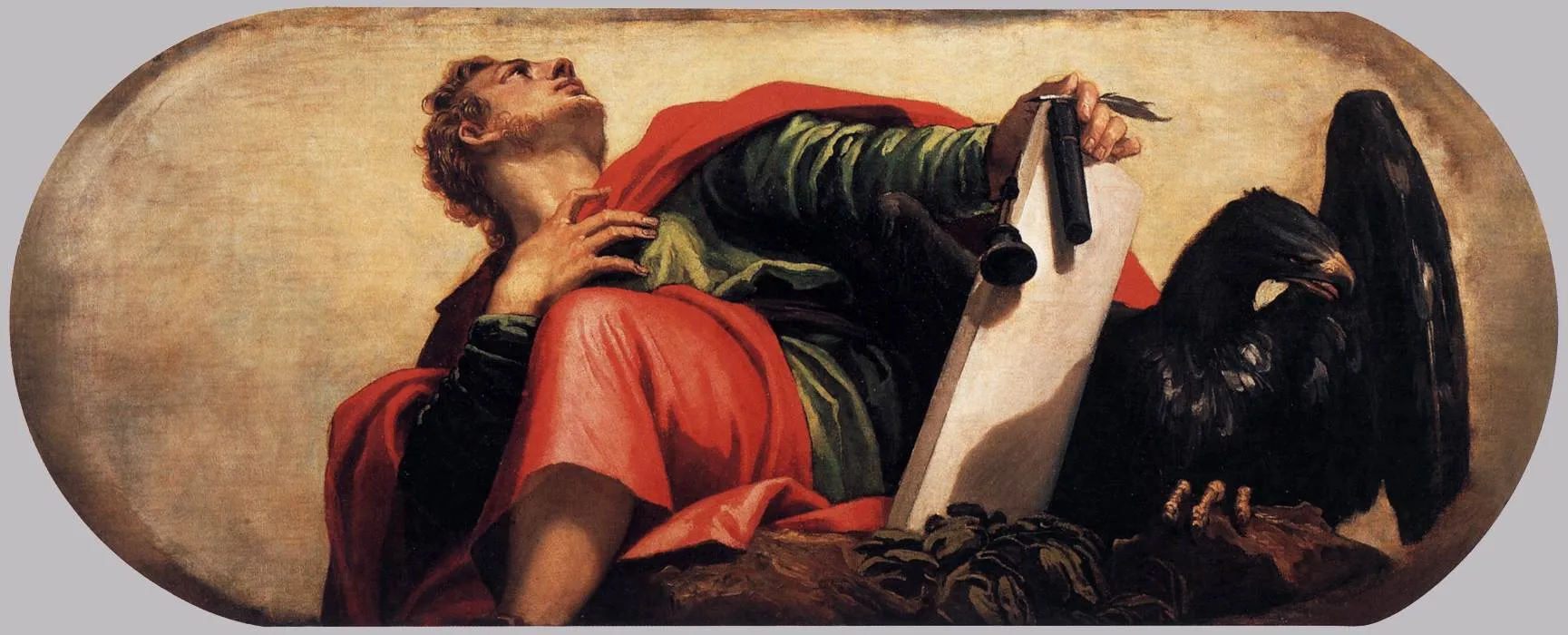
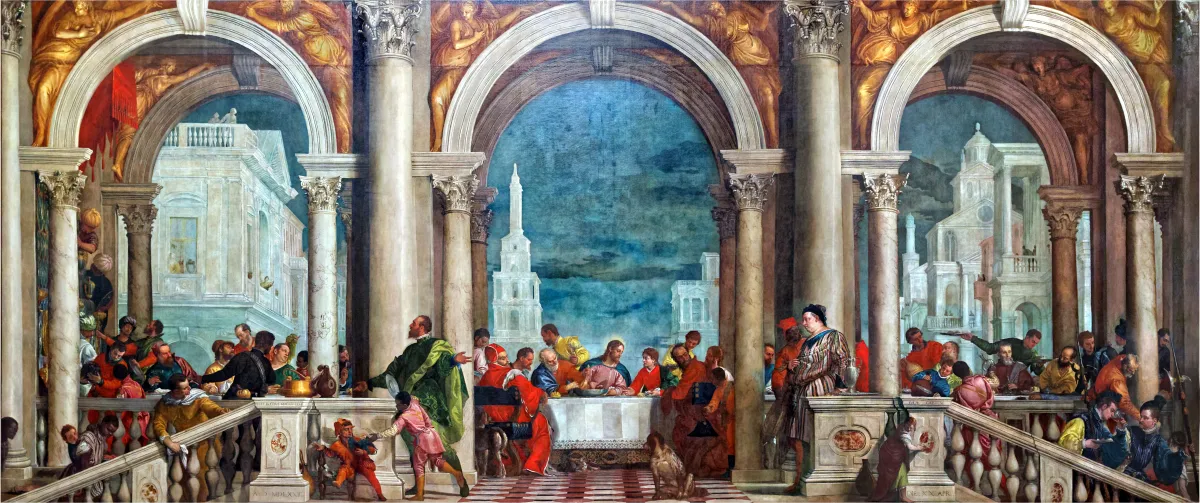
Veronese’s "St John the Evangelist" demonstrates his remarkable talent with oil on canvas, capturing intricate details and luminous colors that define Renaissance fine art. Each brushstroke reveals the artist’s dedication to realism and emotional depth, qualities also found in works like "The Feast in the House of Levi" and "Temptation of St Anthony." The painting’s composition and technique make it a standout among period pieces, emphasizing the unique allure of Renaissance oil on canvas masterpieces.
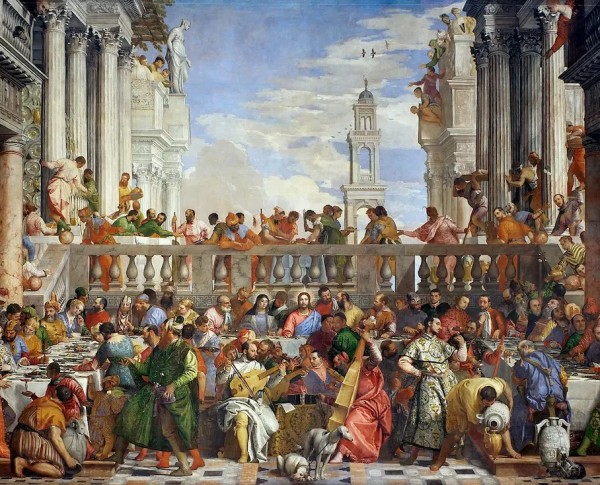
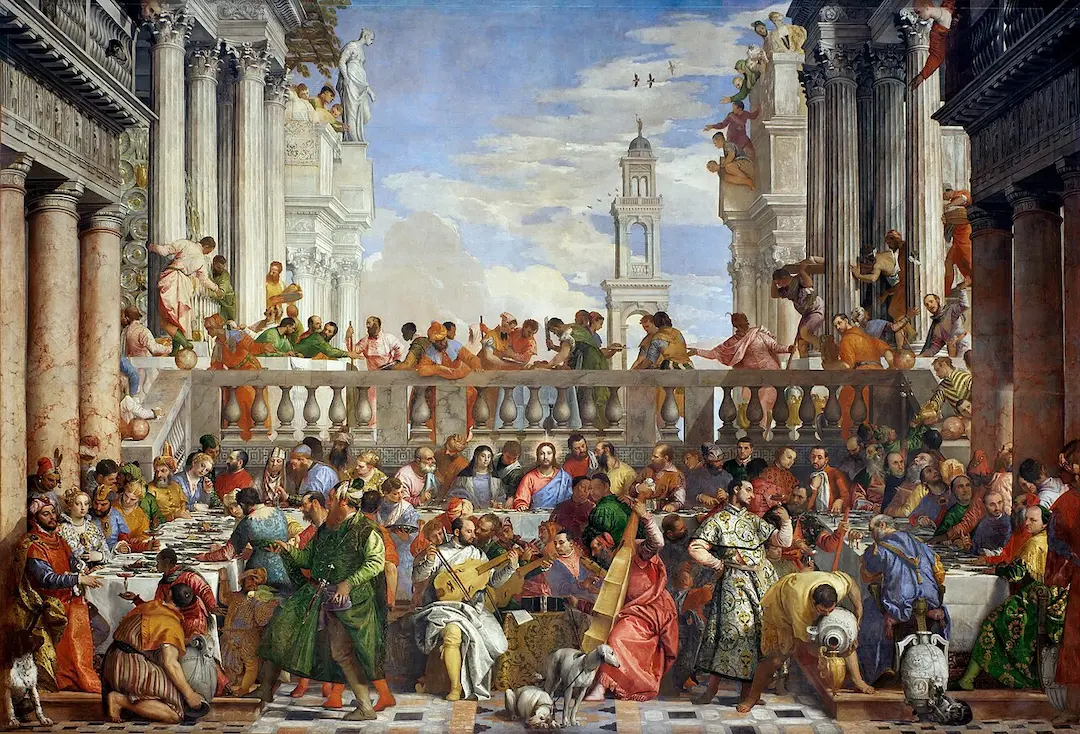
In "St John the Evangelist," Paolo Veronese weaves a tapestry of religious symbolism and narrative, enriching the viewer’s experience. The saint’s serene expression and accompanying iconography reflect the spiritual messages often explored in Renaissance art. This fine art painting for sale invites viewers to delve into its layered meanings, much like Veronese’s "The Marriage Feast at Cana, c.1562" and "Iseppo and Adriano da Porto," both celebrated for their symbolic richness and storytelling.
Owning "St John the Evangelist" by Paolo Veronese is a rare opportunity for collectors seeking an authentic Renaissance masterpiece. This hand-painted oil painting is highly coveted, echoing the prestige of related works such as "Lucretia" and "The Feast in the House of Levi." With its historical value and exquisite artistry, this fine art painting for sale stands as a crowning jewel in any collection, offering a direct connection to the golden age of Renaissance creativity.
When Art Meets History
"St John the Evangelist" by Paolo Veronese stands as a remarkable example of Renaissance artistry, capturing the spiritual essence of its era. This hand-painted oil painting not only highlights Veronese’s masterful technique but also reflects the religious fervor of the time. As with his other works like "Concert Champetre" and "Portrait of Ariosto," Veronese’s attention to historical detail and expressive storytelling continues to inspire admiration among art enthusiasts and historians alike.
Techniques That Speak
Paolo Veronese’s use of oil on canvas in "St John the Evangelist" demonstrates his command over color, light, and texture—hallmarks of the Renaissance movement. The artist’s skillful layering and blending create a lifelike presence, similar to his approach in "Philip II of Spain" and "Christ and the Adulteress." This technique not only enhances the visual appeal but also ensures the painting’s enduring legacy as a masterpiece of fine Renaissance art.
Emotions on Display
In "St John the Evangelist," Veronese masterfully conveys a sense of serene devotion, inviting viewers to connect emotionally with the subject. The fine art painting for sale reveals the artist’s talent for capturing subtle expressions and gestures, a quality that resonates with his portraits, such as "Portrait of a Man." Through soft glances and thoughtful composition, Veronese’s work continues to evoke deep feelings and contemplation among audiences.
Coveted by Collectors
Collectors and art lovers are consistently drawn to Renaissance masterpieces like "St John the Evangelist" by Paolo Veronese. The allure lies not only in its historical significance but also in the exquisite quality of this hand-painted oil painting. Alongside celebrated pieces like "Concert Champetre" and "Portrait of Ariosto," Veronese’s works remain highly sought-after, making them prized additions to any collection of fine art from the Renaissance period.
Related Renaissance Hand-Painted Oil Paintings by Other Artists
Other Famous Renaissance Artists:
Frequently Asked Questions About St John the Evangelist
What is the historical context of "St John the Evangelist"?
"St John the Evangelist" was painted by Paolo Veronese during the late 16th century, a period characterized by the Mannerist style in Italy. This era was marked by a heightened emphasis on color, dramatic composition, and the grandeur of religious themes, reflecting the Counter-Reformation's influence on art.
What artistic techniques did Veronese employ in this painting?
Veronese utilized a rich color palette and dynamic composition to create a sense of movement and depth. His mastery of light and shadow, known as chiaroscuro, enhances the three-dimensionality of the figures, while his attention to intricate details in the drapery and textures showcases his technical skill.
What does the figure of St. John symbolize in the painting?
St. John is often depicted as a symbol of divine wisdom and spiritual insight. In this painting, his serene expression and contemplative posture reflect his role as the beloved disciple of Christ, emphasizing themes of faith and devotion.
How does the composition of "St John the Evangelist" contribute to its meaning?
The composition is carefully arranged to draw the viewer's eye towards St. John, who is centrally positioned. The surrounding elements, including the dramatic use of space and the placement of other figures, create a narrative that highlights his importance in the Christian tradition.
What influences can be seen in Veronese's portrayal of St. John?
Veronese's portrayal of St. John reflects influences from both Venetian Renaissance art and classical traditions. His use of vibrant colors and elaborate settings draws from Venetian aesthetics, while the idealized form of St. John can be traced back to classical representations of saints and philosophers.
What role did the Counter-Reformation play in the creation of this artwork?
The Counter-Reformation sought to reaffirm the Catholic Church's authority through art that was emotionally engaging and spiritually uplifting. "St John the Evangelist" embodies these principles, as it aims to inspire devotion and reflect the Church's teachings through its powerful imagery.
What materials and techniques were used in the creation of this painting?
Veronese primarily used oil on canvas for "St John the Evangelist," a medium that allowed for rich color saturation and detailed brushwork. His layering technique involved applying multiple glazes to achieve luminosity and depth, which are hallmarks of his style.
How does this painting compare to other works by Veronese?
This painting shares Veronese's characteristic use of color and composition with other notable works, such as "The Wedding at Cana." However, "St John the Evangelist" is unique in its focus on a single figure, allowing for a deeper exploration of character and emotion.
What is the significance of the setting in "St John the Evangelist"?
The setting in "St John the Evangelist" is richly detailed, with architectural elements that suggest a divine or heavenly realm. This choice of setting enhances the spiritual narrative, creating a backdrop that elevates the figure of St. John and reinforces his connection to the divine.
What impact did "St John the Evangelist" have on later artists?
"St John the Evangelist" has influenced numerous artists who sought to emulate Veronese's dramatic use of color and composition. His ability to convey emotion and spirituality through visual storytelling has left a lasting legacy in the realm of religious art.























_GFM_Painting_(1).webp)


 100% Hand-Painted: Finished in 3-6 Weeks

.png)

















_(1).webp)