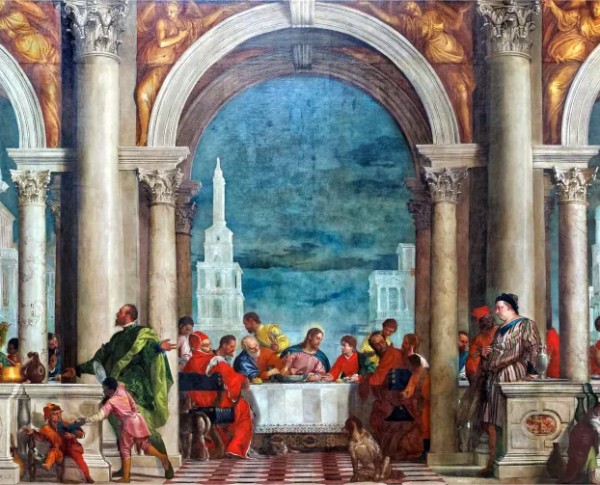
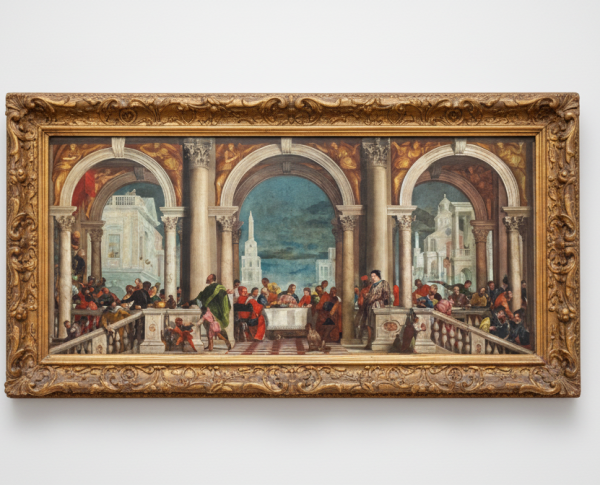
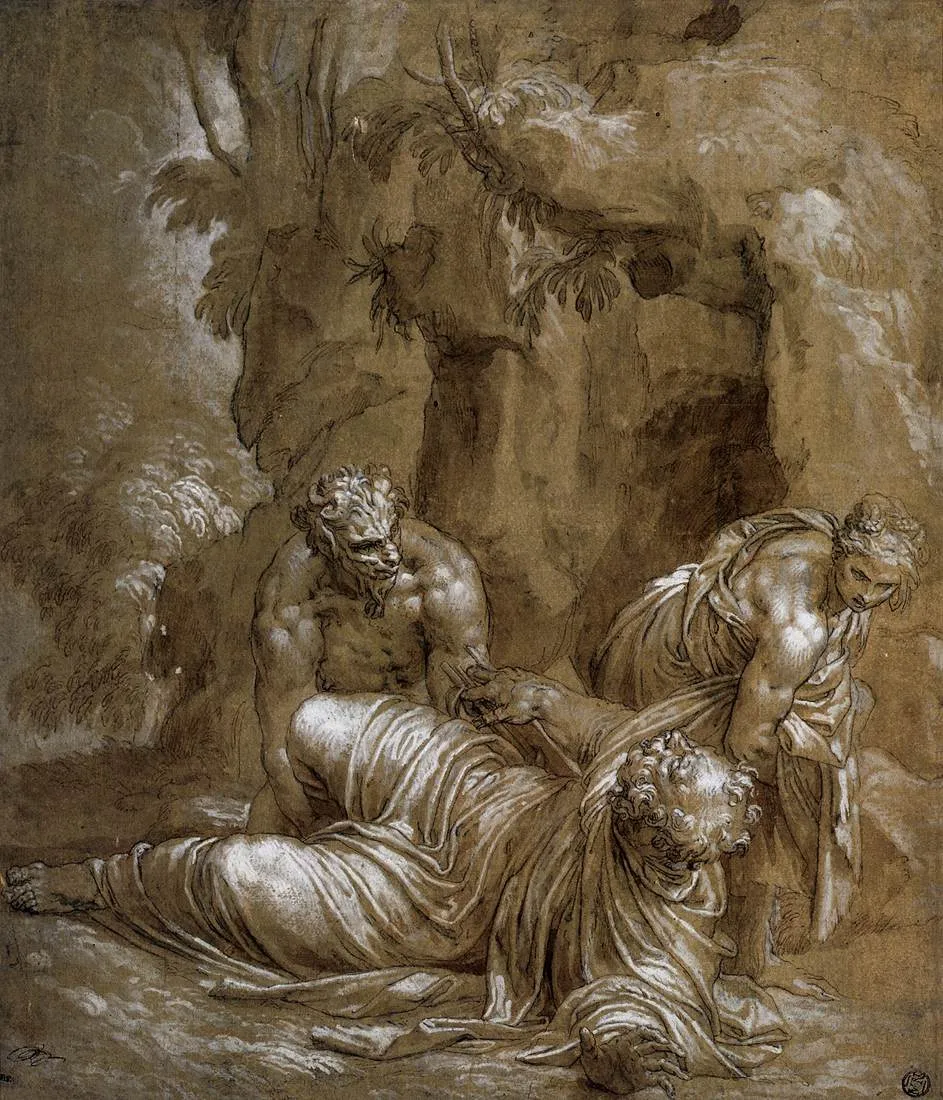
Crafted meticulously with oil on canvas, “Temptation of St. Anthony” demonstrates Paolo Veronese’s exceptional skill and attention to detail. Each brushstroke reveals his ability to blend color, light, and emotion, capturing the essence of the Renaissance. This oil on canvas work, much like “Lucretia” and “Livia da Porto Thiene and her Daughter Porzia,” reflects Veronese’s mastery and his contribution to the era’s artistic innovation.
“Temptation of St. Anthony” is more than a fine art painting for sale; it is a narrative brimming with symbolism. Veronese weaves religious themes, inner conflict, and moral struggle into the composition, inviting viewers to interpret the story behind the imagery. The symbolic richness found here also appears in related works like “Conversion of Mary Magdalene” and “Portrait of woman with a child and a dog,” making each painting a visual tale.
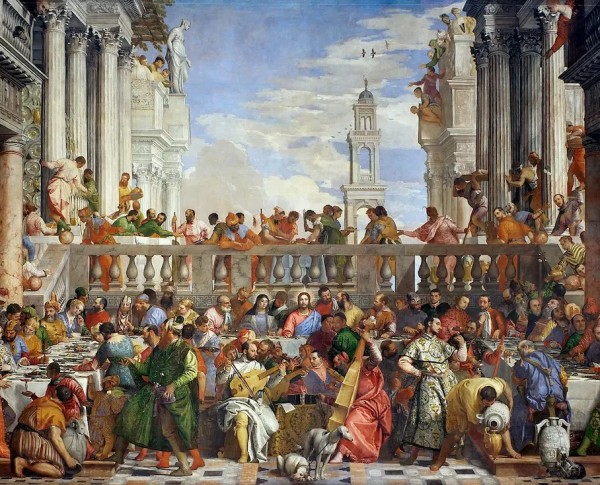
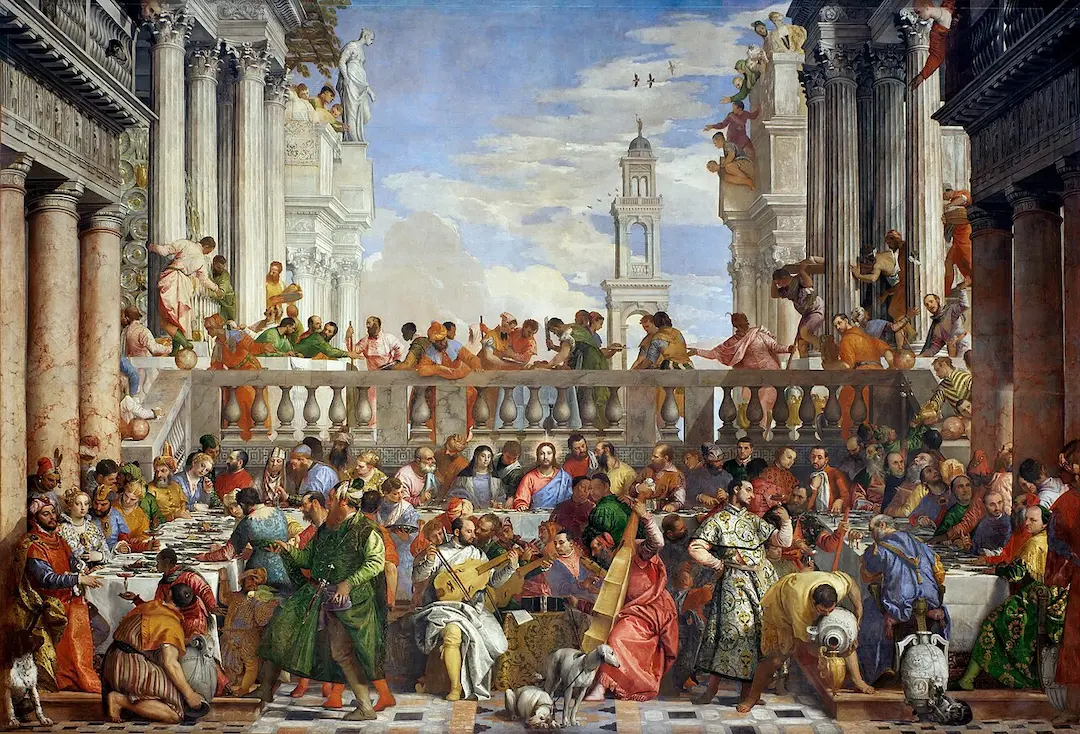
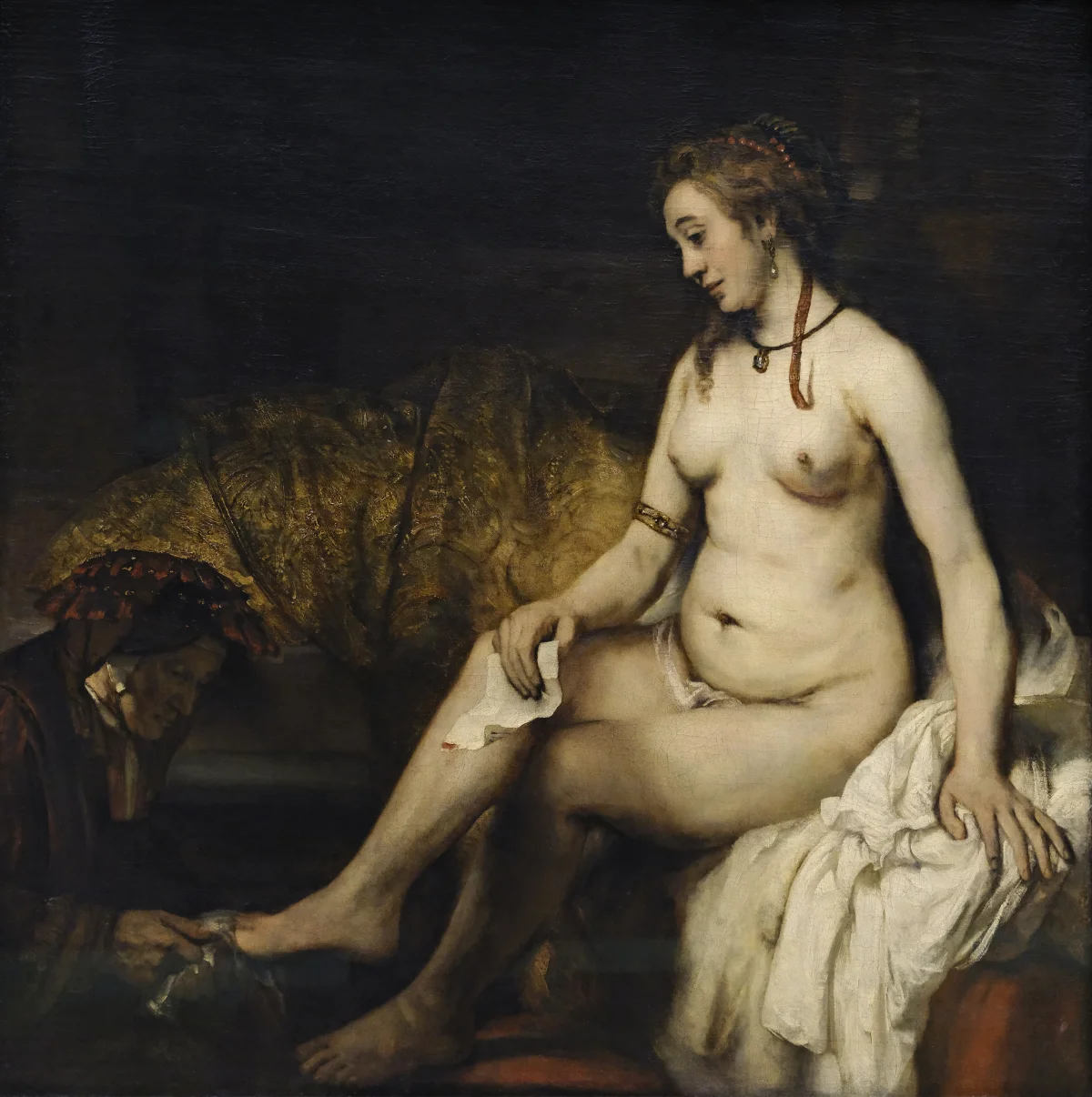
For collectors seeking a hand-painted oil painting that exemplifies Renaissance excellence, “Temptation of St. Anthony” by Paolo Veronese is an invaluable choice. Its presence enhances any collection, alongside related treasures such as “The Wedding at Cana” or “Bathsheba at Her Bath.” The painting’s artistry and provenance make it a coveted fine art painting for sale, admired by connoisseurs and enthusiasts of Veronese’s legacy.
When Art Meets History
Paolo Veronese, a master of the Renaissance movement, created the mesmerizing "Temptation of St. Anthony," an artwork that beautifully captures the era's spiritual and artistic fervor. This hand-painted oil painting stands as a testament to Veronese’s narrative skill, much like his renowned works "Mary with the Child and Saints" and "Christ Carrying the Cross." Through his art, Veronese bridges historical context and religious themes, making each piece a window into Renaissance culture and belief.
Techniques That Speak
In "Temptation of St. Anthony," Veronese employs oil on canvas to achieve luminous color and intricate detail, hallmarks of Renaissance artistry. His command of light and shadow is evident, echoing the technical mastery found in "Orpheus and Eurydice" and "Portrait of Ariosto." The artist’s brushwork and compositional balance bring the painting to life, demonstrating why Veronese’s works are celebrated alongside other masterpieces of oil on canvas from the period.
Emotions on Display
Veronese’s "Temptation of St. Anthony" radiates intense emotion, drawing viewers into the saint’s psychological struggle. The artist’s skillful depiction of anguish and spiritual turmoil is reminiscent of his approach in "Pope Alexander IV Presenting Jacopo Pesaro to St Peter." Through expressive faces and dramatic gestures, this fine art painting for sale continues to captivate modern audiences, revealing the timeless power of Renaissance masterpieces to evoke empathy and reflection.
Coveted by Collectors
As with Veronese’s other celebrated works, "Temptation of St. Anthony" is highly sought after by art enthusiasts and collectors. The allure of owning a hand-painted oil painting from the Renaissance, especially by a master like Paolo Veronese, is undeniable. Collectors value such pieces for their historical significance and artistic excellence, placing them alongside treasures like "Mary with the Child and Saints" and "Portrait of Ariosto" in prestigious collections worldwide.
Related Renaissance Hand-Painted Oil Paintings by Other Artists
Other Famous Renaissance Artists:
Frequently Asked Questions About Temptation of St. Anthony
What is the historical context of "Temptation of St. Anthony"?
"Temptation of St. Anthony" was painted by Paolo Veronese during the late Renaissance period, a time characterized by a revival of classical themes and a focus on humanism. This painting reflects the religious fervor of the era, as well as the artist's engagement with the spiritual struggles depicted in Christian narratives.
Who was St. Anthony, and why is he significant in Christian art?
St. Anthony of Egypt, also known as St. Anthony the Great, is a prominent figure in Christian hagiography. He is often depicted in art as a hermit who faced various temptations, symbolizing the struggle against sin and the pursuit of spiritual purity. His life and trials have inspired numerous artists, including Veronese.
What artistic techniques did Veronese employ in this painting?
Veronese is known for his masterful use of color, light, and composition. In "Temptation of St. Anthony," he employs a dynamic arrangement of figures and a rich color palette to create a sense of movement and drama, drawing the viewer's eye throughout the scene.
What symbols are present in "Temptation of St. Anthony"?
The painting is rich in symbolism, featuring various creatures and figures that represent the temptations faced by St. Anthony. These elements serve to illustrate the battle between good and evil, as well as the moral lessons inherent in the saint's story.
How does Veronese's style reflect the characteristics of the Venetian school?
Veronese's style is emblematic of the Venetian school, characterized by vibrant colors, dramatic lighting, and a focus on grandeur. His ability to blend narrative with a sense of theatricality is a hallmark of Venetian Renaissance art, making his works both visually stunning and deeply engaging.
What influence did "Temptation of St. Anthony" have on later artists?
The painting has had a lasting impact on subsequent generations of artists, inspiring them to explore themes of temptation and moral conflict. Its dramatic composition and emotional depth have influenced both religious and secular art, encouraging a continued exploration of human struggles in artistic expression.
In what ways does the composition enhance the narrative of the painting?
The composition of "Temptation of St. Anthony" is carefully structured to guide the viewer's gaze through the various temptations faced by the saint. The arrangement of figures creates a sense of tension and urgency, effectively conveying the narrative of spiritual struggle and the complexity of human desires.
What role does color play in the emotional impact of the painting?
Color plays a crucial role in conveying the emotional tone of "Temptation of St. Anthony." Veronese's use of bold, contrasting colors heightens the drama of the scene, while softer hues evoke a sense of spirituality and contemplation, reflecting the inner turmoil of the saint.
How does "Temptation of St. Anthony" compare to other works depicting the same subject?
While many artists have depicted the theme of St. Anthony's temptations, Veronese's interpretation stands out due to its vivid colors and dynamic composition. Compared to more somber or straightforward representations, Veronese infuses the scene with a sense of vitality and complexity, making it a unique contribution to the genre.
What is the significance of the setting in "Temptation of St. Anthony"?
The setting of "Temptation of St. Anthony" is integral to its narrative, as it creates a backdrop that enhances the theme of isolation and struggle. The contrasting elements of the natural world and the chaotic temptations symbolize the internal conflict faced by the saint, further emphasizing the painting's moral and spiritual messages.























_GFM_Painting_(1).webp)


 100% Hand-Painted: Finished in 3-6 Weeks

.png)
















_(1).webp)