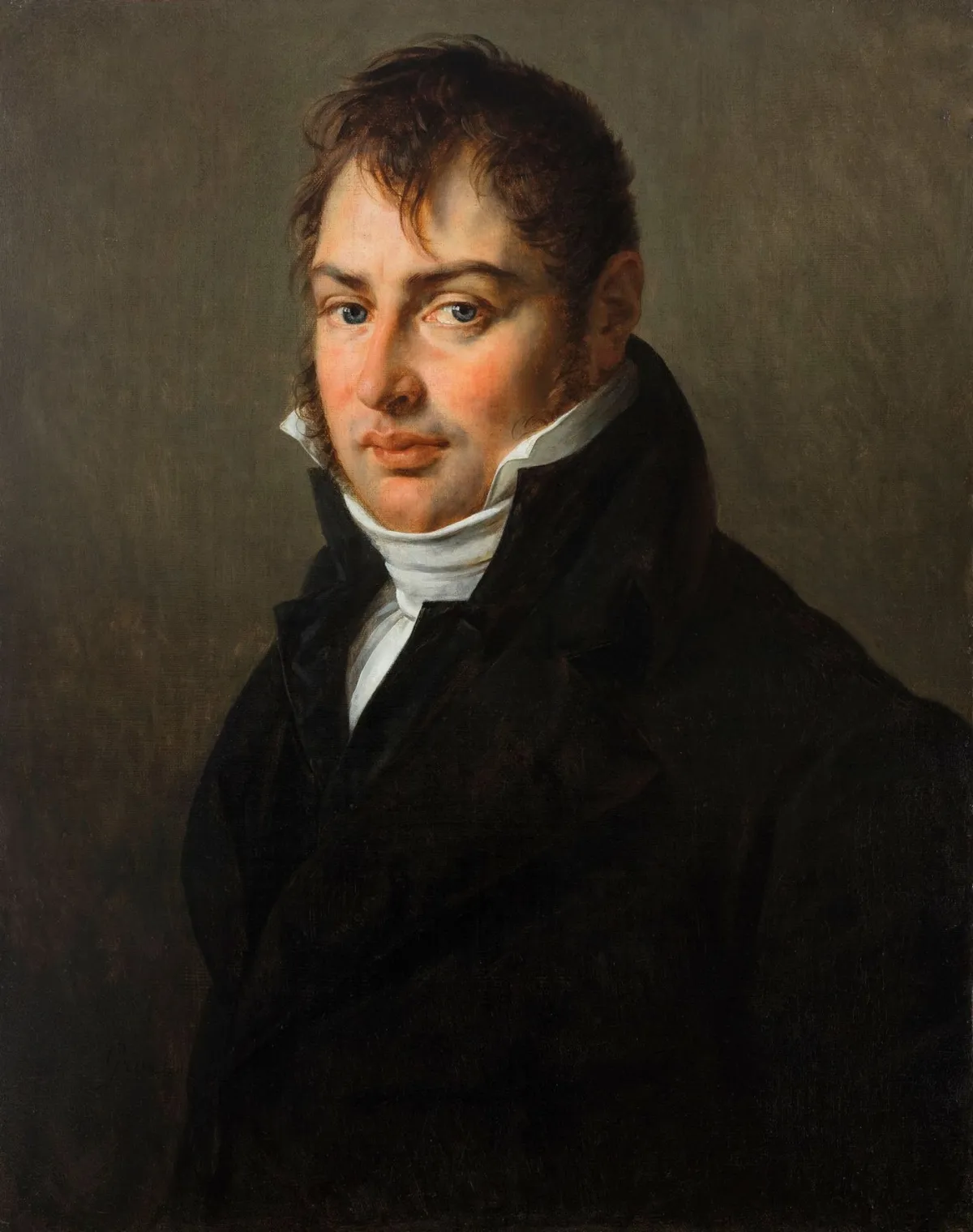
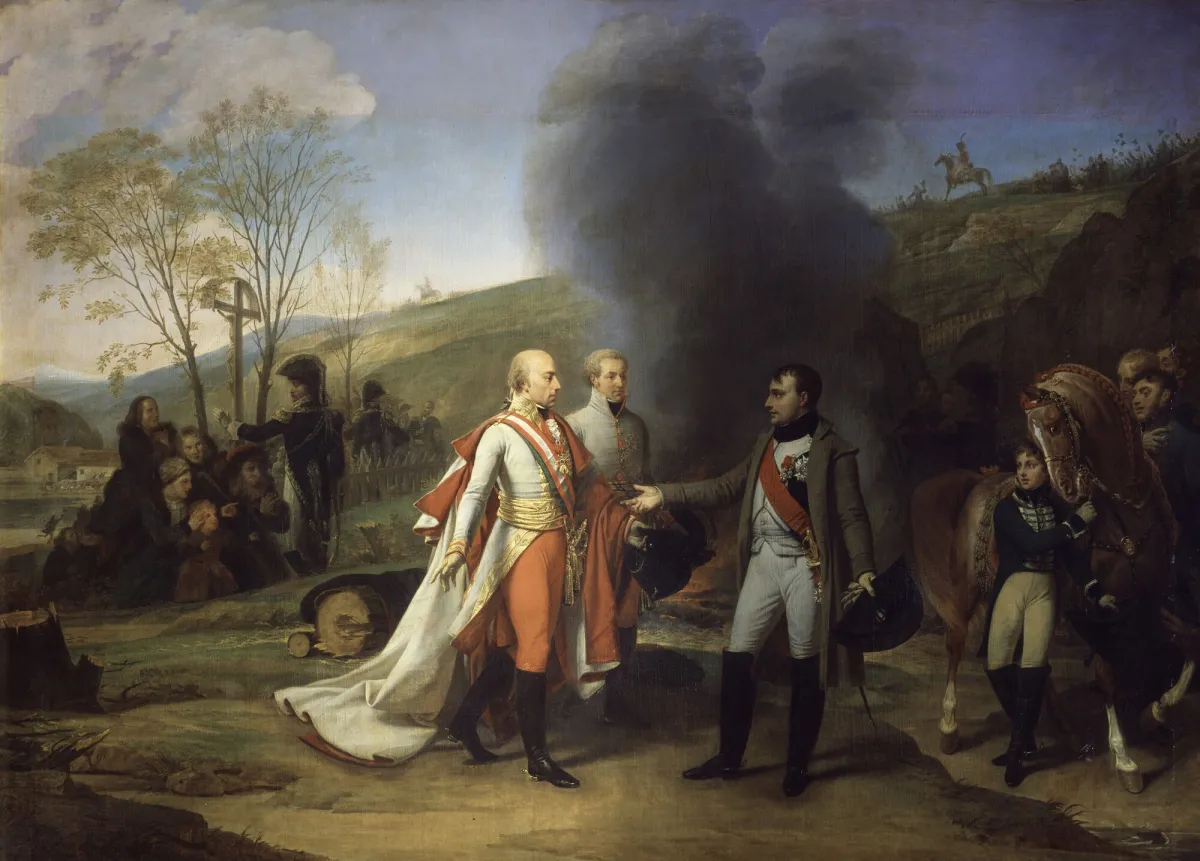
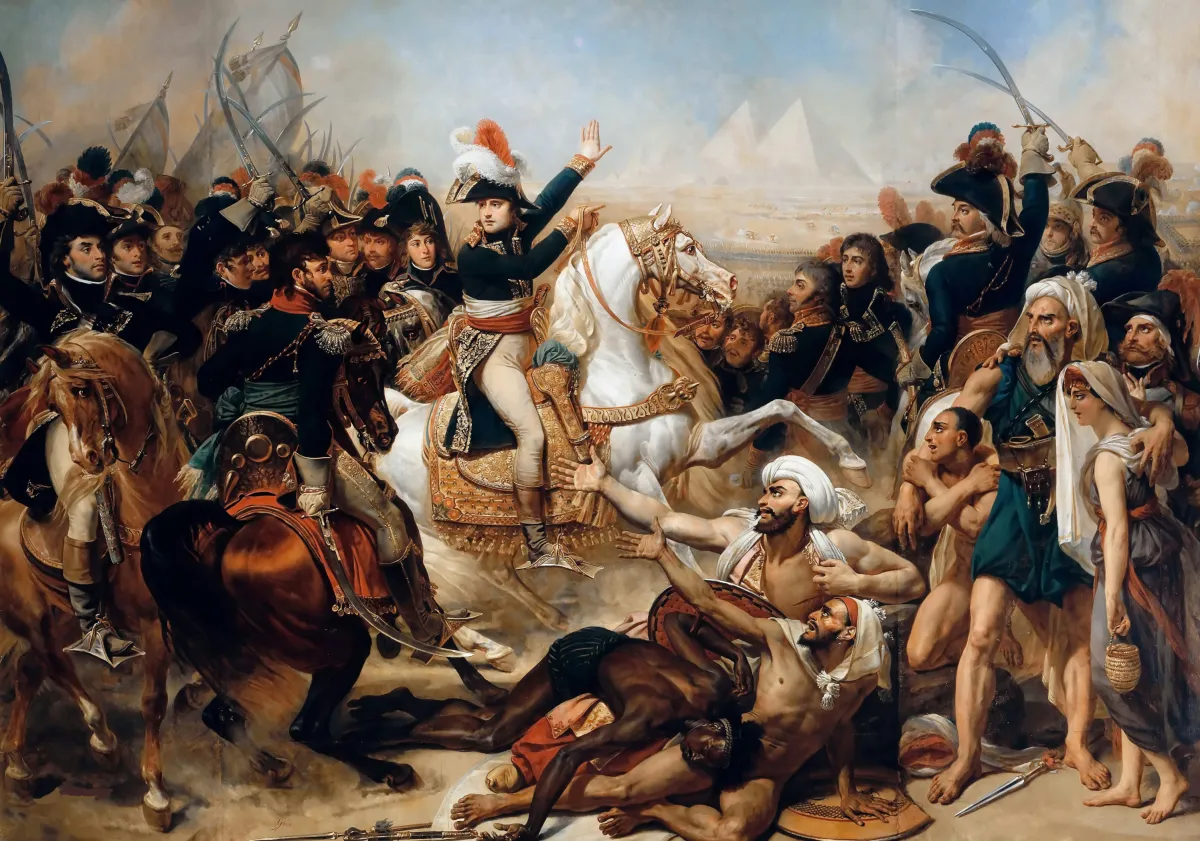
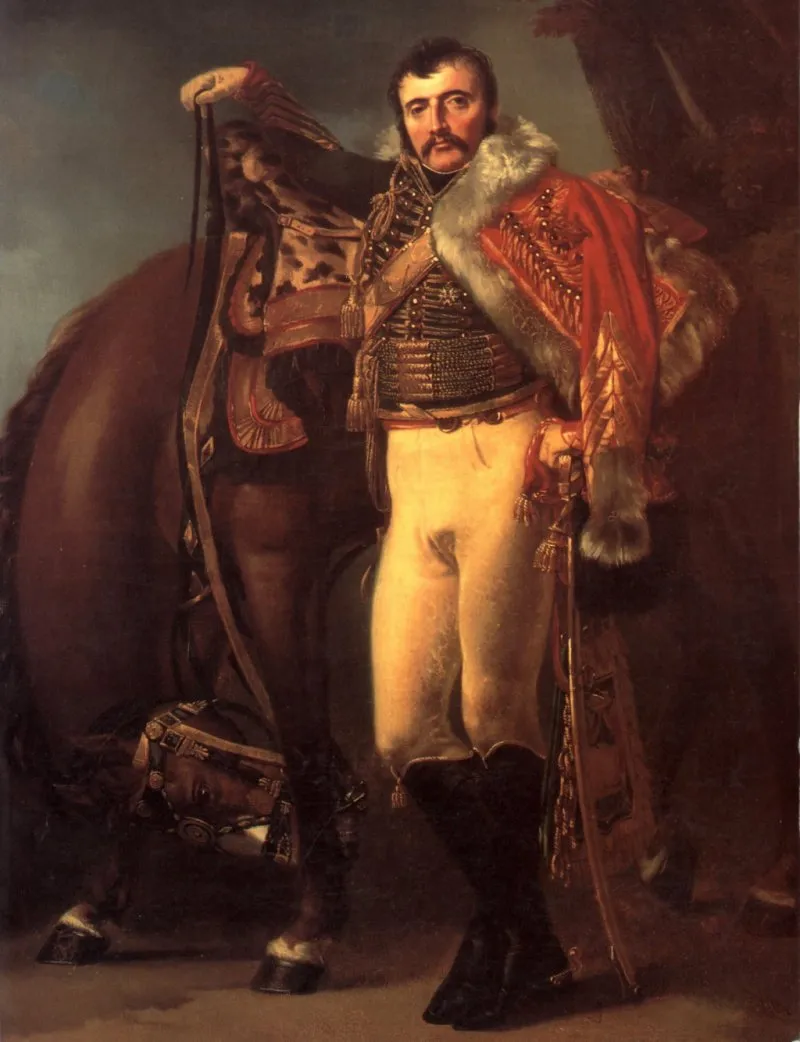
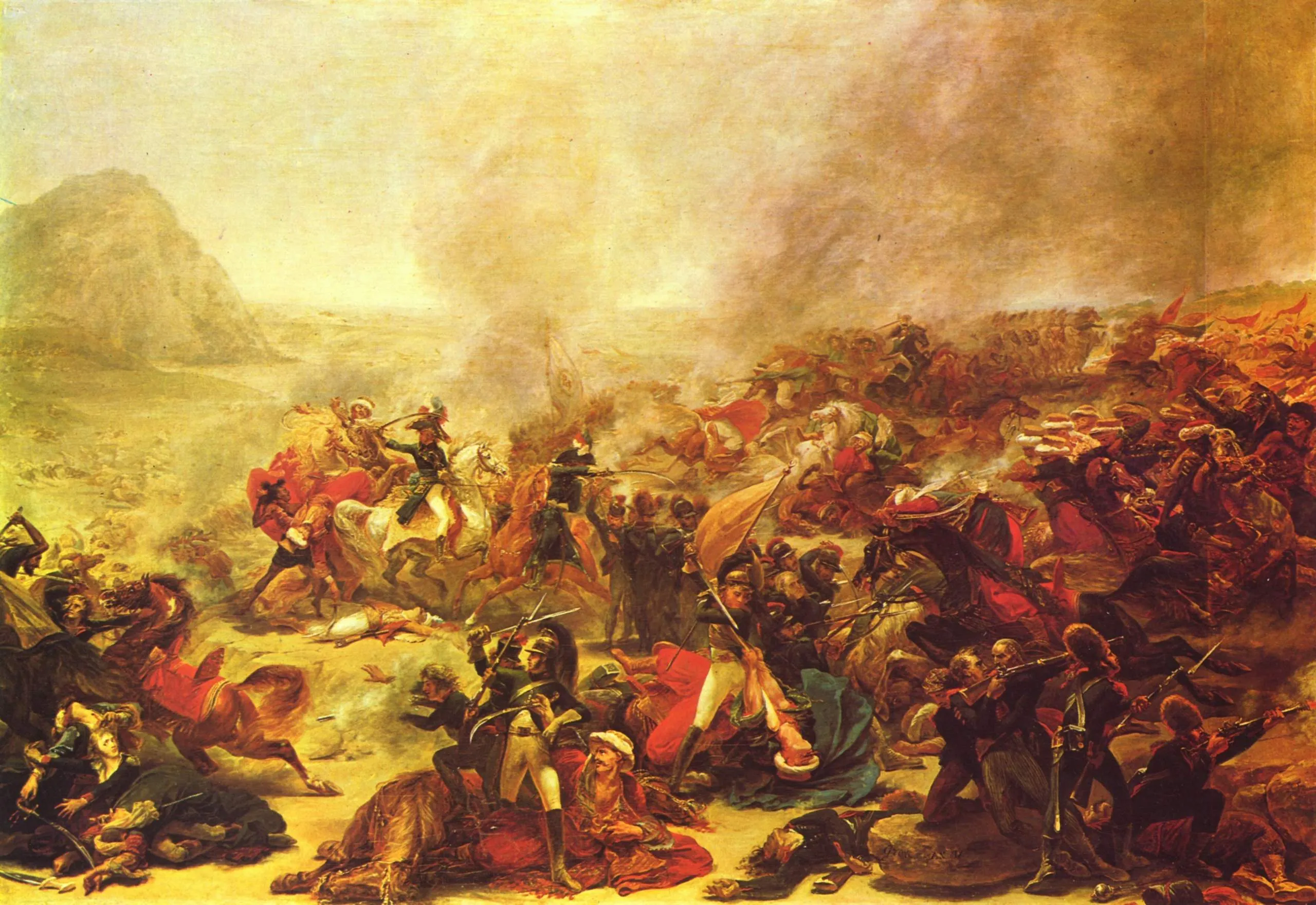
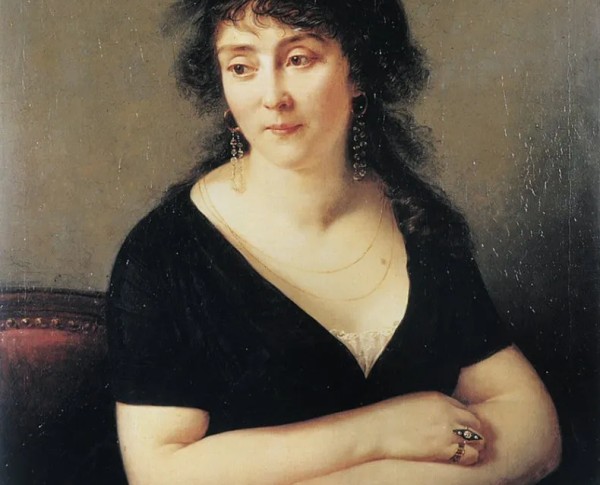
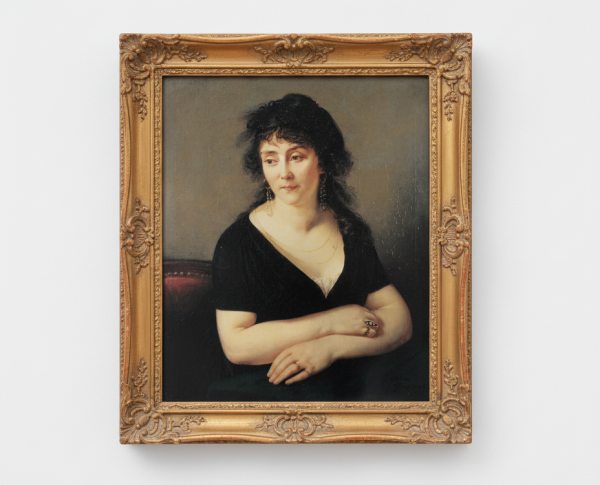
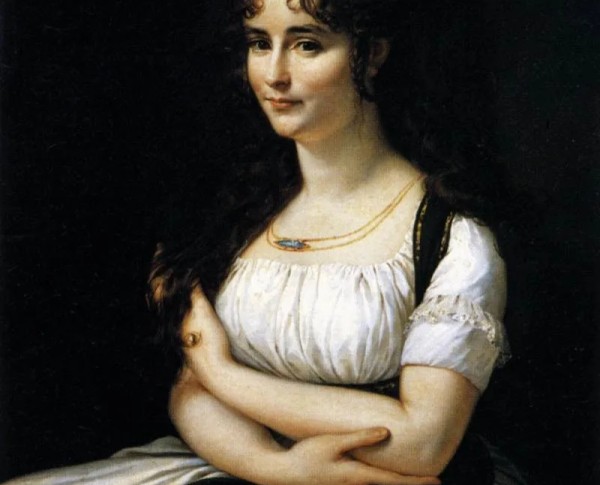
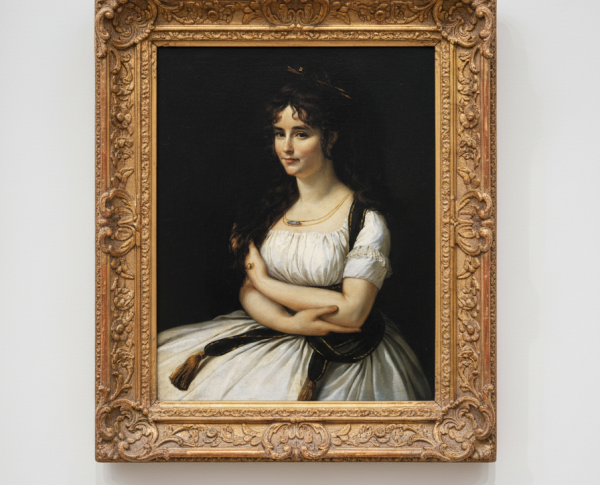
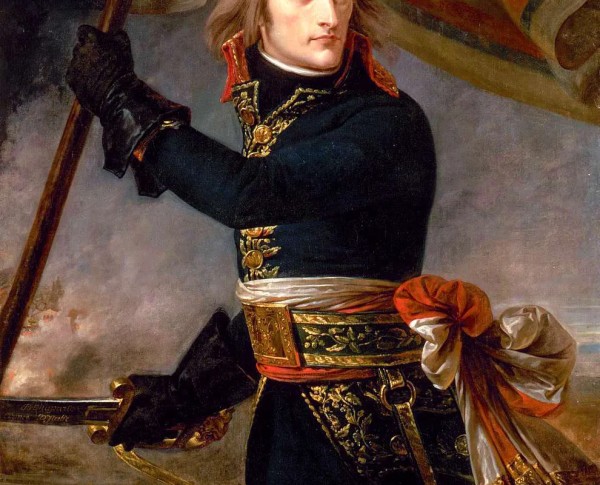
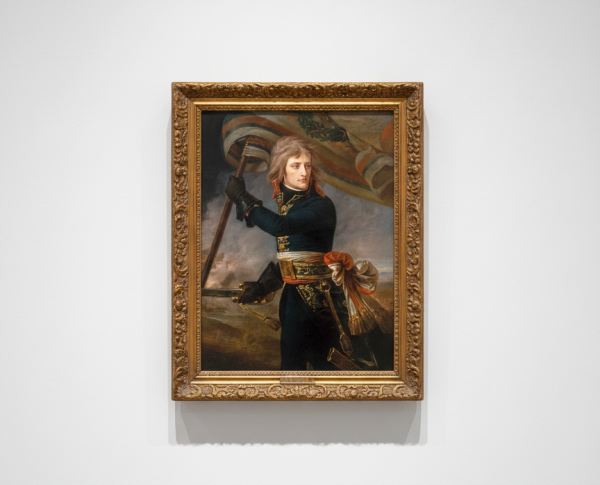
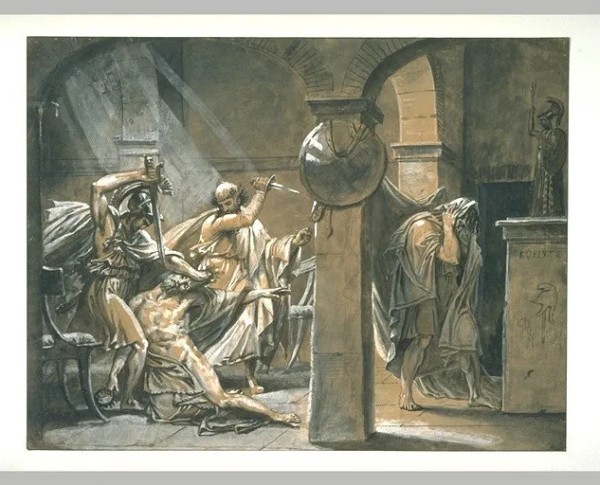
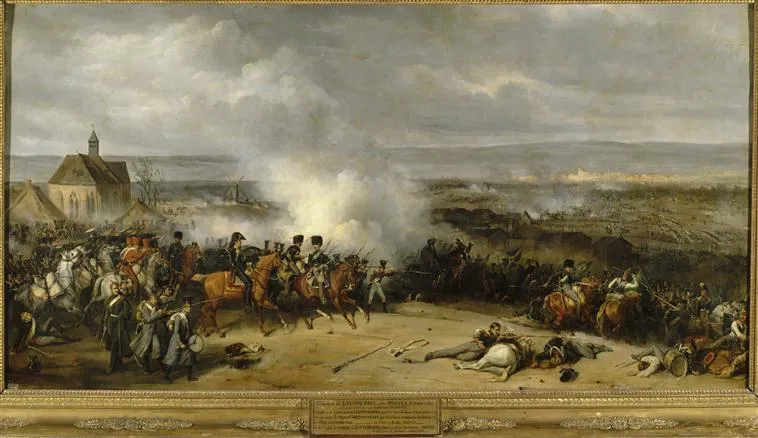
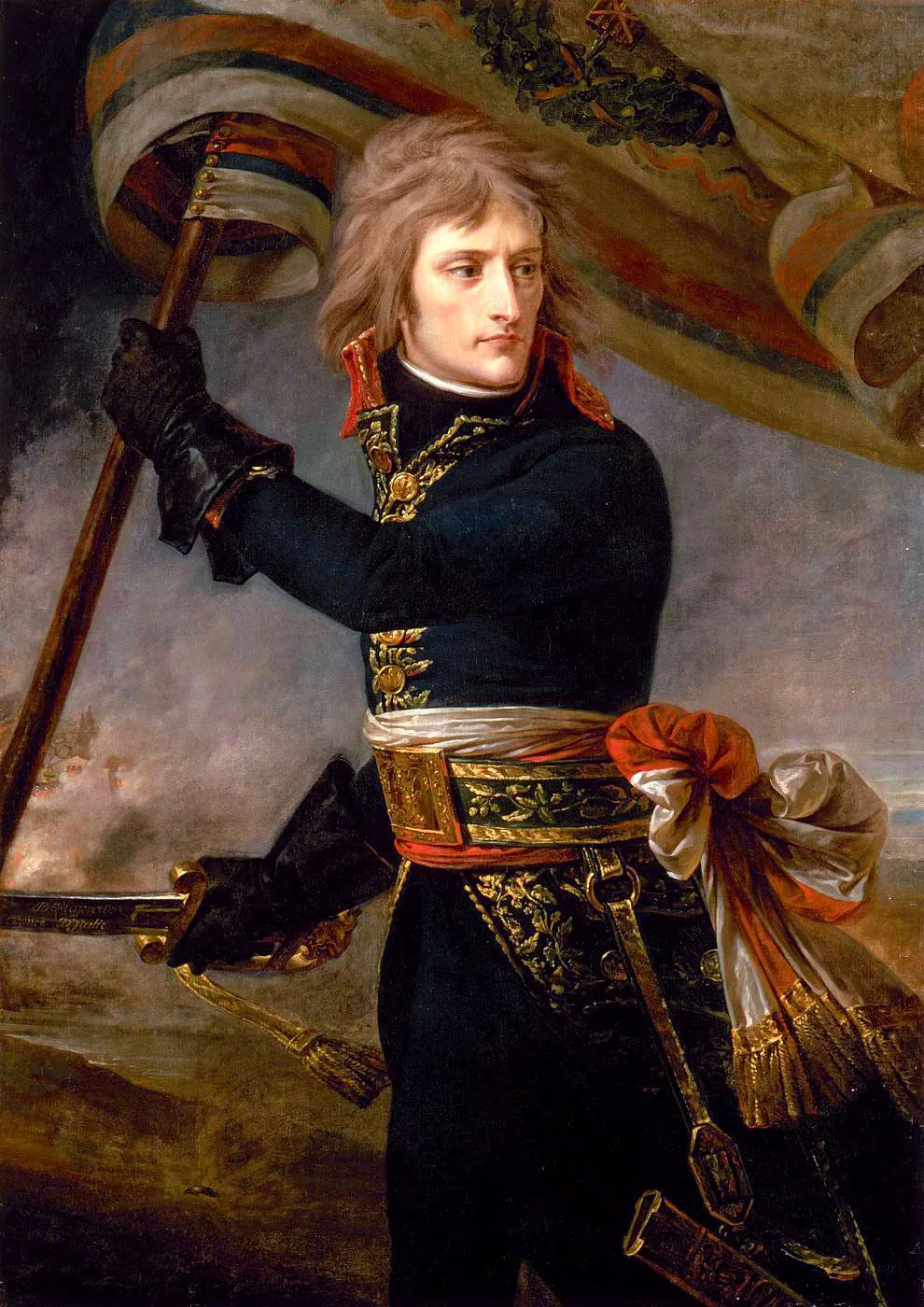
The technical brilliance of Antoine-Jean Gros is evident in this oil on canvas composition. Each brushstroke breathes life into the chaos and valor of the battlefield, embodying the Romanticism movement’s passion for expressive realism. As seen in related works such as "Portrait of Baron Ségoing de Laborde" and "Portrait of Antoine Roy, comte Roy," Gros’s meticulous attention to detail and color elevates every scene, making each painting a remarkable example of nineteenth-century artistry.
In "The battle of Laubressel, near Troyes, March 3," Gros weaves rich stories and symbols into the fabric of the fine art painting for sale. The dynamic composition and dramatic lighting evoke the turmoil and heroism of the era, reflecting the Romanticism movement’s fascination with human struggle. Collectors often pair this masterpiece with related works like to create a compelling narrative of history and emotion in their collections.
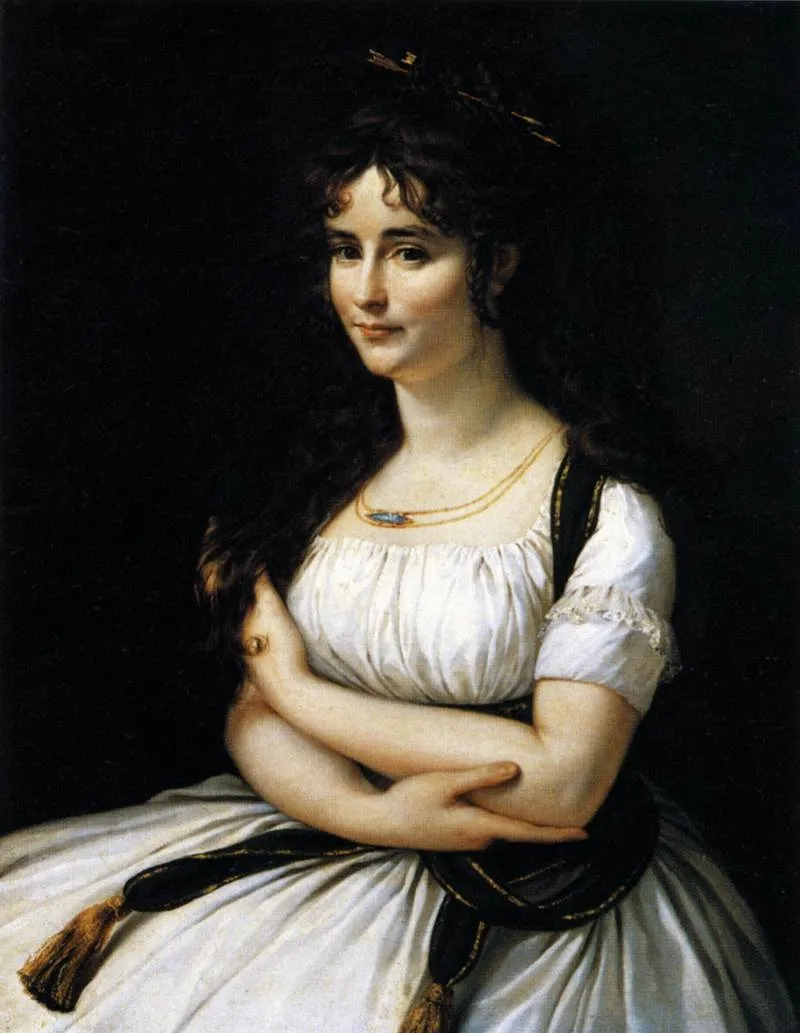
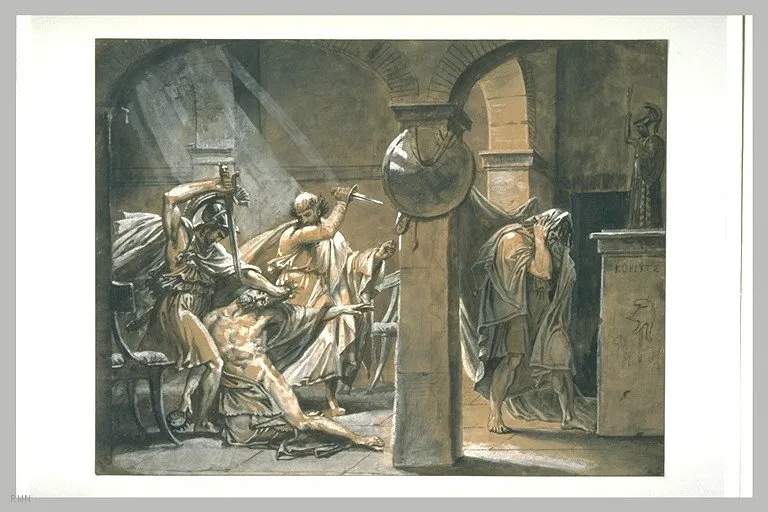
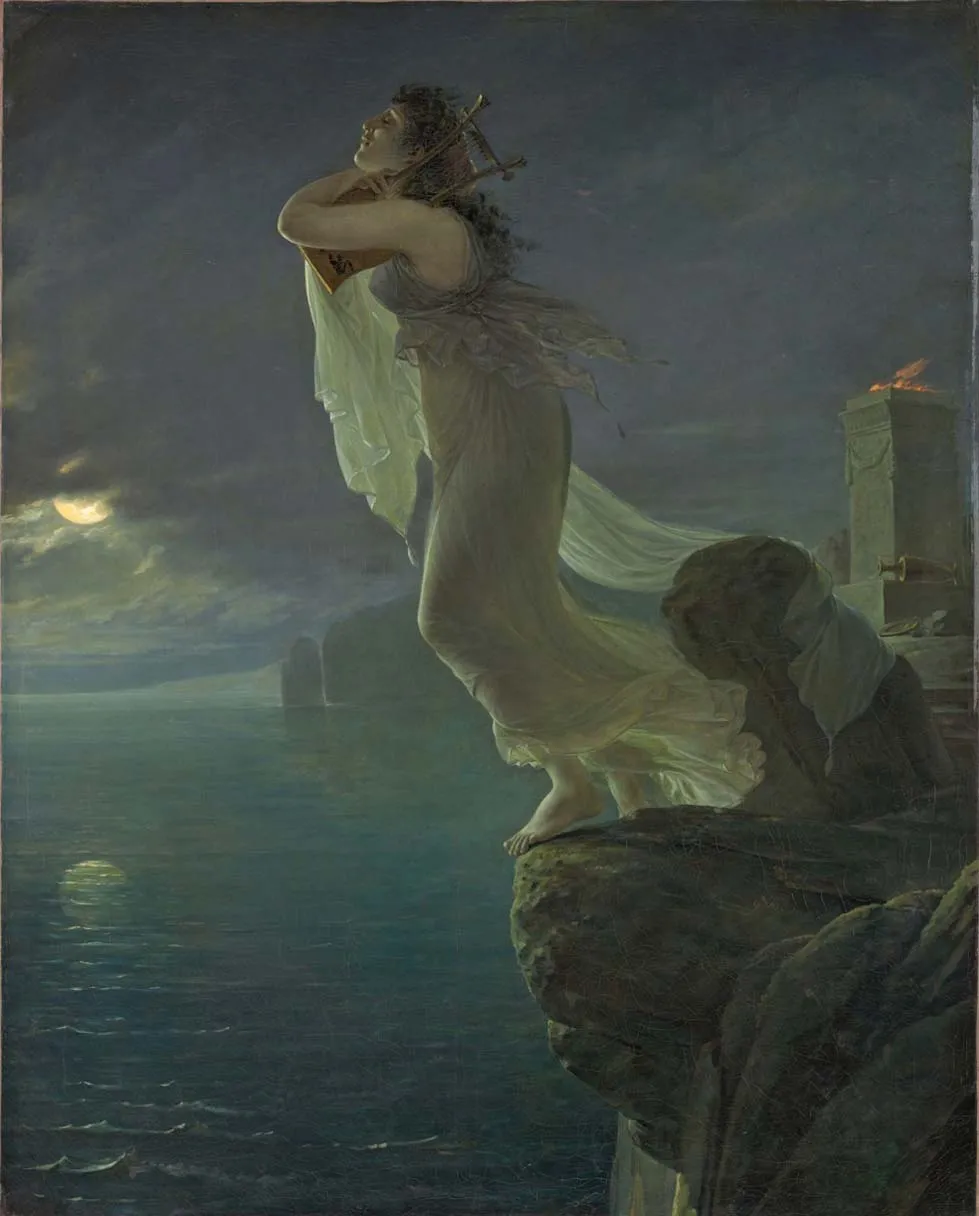
Owning "The battle of Laubressel, near Troyes, March 3" by Antoine-Jean Gros means possessing a genuine piece of Romanticism history. This hand-painted oil painting is more than décor; it’s a window into the past. Collectors and aficionados often seek out related products such as "Sappho at Leucate" and "Portrait of Madame Bruyere" to complement their galleries, ensuring each oil on canvas work enriches their appreciation for fine art and historical storytelling.
When Art Meets History
Antoine-Jean Gros, a master of the Romanticism movement, captured pivotal moments in history with his dramatic brushwork. "The Battle of Laubressel, near Troyes, March 3" stands as a testament to his ability to blend historical narrative with artistic brilliance. This hand-painted oil painting vividly recreates the chaos and heroism of the battlefield, much like his contemporaries did in works such as "Two men contemplating the Moon" and "Carving The Turkey By." Gros’s artistry immortalizes history for future generations.
Techniques That Speak
Gros’s use of oil on canvas in "The Battle of Laubressel, near Troyes, March 3" showcases his exceptional skill in rendering movement and emotion. The Romanticism movement is celebrated for its bold colors and dramatic lighting, both of which are evident in this masterpiece. Similar to the techniques found in "Salisbury Cathedral from the Bishop's Grounds," Gros’s brushwork emphasizes depth and dynamism, making each figure and detail come alive through his expert application of oil on canvas.
Emotions on Display
"The Battle of Laubressel, near Troyes, March 3" by Antoine-Jean Gros is a fine art painting for sale that encapsulates the intense emotions of conflict and heroism. Gros masterfully conveys the tension and drama of war, a hallmark of the Romanticism movement. This emotional depth can also be seen in paintings like "Ben Milam Calling for Volunteers" and "A Portrait of Former Baylor University President, William Carey Crane," where the artists evoke powerful feelings through expressive faces and dynamic compositions.
Coveted by Collectors
Collectors highly prize "The Battle of Laubressel, near Troyes, March 3" as an outstanding example of a hand-painted oil painting from the Romanticism period. Antoine-Jean Gros’s works, alongside related masterpieces such as "Two men contemplating the Moon," are sought after for their historical significance and artistic mastery. These paintings not only enhance collections but also serve as enduring reminders of pivotal moments and the powerful impact of Romanticism on the world of art.
Related Romanticism Hand-Painted Oil Paintings by Other Artists
Other Famous Romanticism Artists:
Frequently Asked Questions About "The battle of Laubressel, near Troyes, March 3"
What historical event does the painting depict?
The painting illustrates the Battle of Laubressel, a significant conflict during the Napoleonic Wars, which took place on March 3, 1814, near Troyes, France.
Who was Antoine-Jean Gros, and what is his significance in art history?
Antoine-Jean Gros was a prominent French painter known for his historical and military scenes, particularly those related to the Napoleonic era. He played a crucial role in the development of Romanticism in France.
What artistic techniques did Gros employ in this painting?
Gros utilized dramatic lighting, dynamic composition, and vivid colors to convey the intensity of battle, enhancing the emotional impact of the scene.
What is the significance of the setting in the painting?
The setting near Troyes is significant as it highlights the strategic importance of the region during the Napoleonic Wars, emphasizing the broader context of military conflict in France.
How does Gros portray the figures in the painting?
Gros meticulously details the figures, showcasing their expressions and postures to convey the chaos and valor of battle, thus enhancing the narrative quality of the artwork.
What role does symbolism play in "The battle of Laubressel, near Troyes, March 3"?
Symbolism in the painting reflects themes of heroism, sacrifice, and the tumult of war, with elements such as the positioning of soldiers and the use of color to evoke emotional responses.
In what ways does this painting reflect the ideals of Romanticism?
The painting embodies Romantic ideals through its emphasis on emotion, individual heroism, and the sublime nature of conflict, contrasting with the rationalism of previous artistic movements.
What was the public reception of the painting when it was first exhibited?
Upon its exhibition, the painting garnered attention for its dramatic portrayal of battle and was praised for its artistic execution, contributing to Gros's reputation as a leading painter of his time.
How does this artwork compare to other battle paintings of the same era?
Compared to other battle paintings of the era, Gros's work is notable for its emotional depth and focus on individual narratives within the larger context of war, setting it apart from more traditional depictions.
What impact did "The battle of Laubressel, near Troyes, March 3" have on later artists?
The painting influenced later artists by demonstrating the potential of historical subjects to convey deep emotional and psychological themes, paving the way for future explorations of war in art.






















_GFM_Painting_(1).webp)


 100% Hand-Painted: Finished in 3-6 Weeks

.png)















_(1).webp)