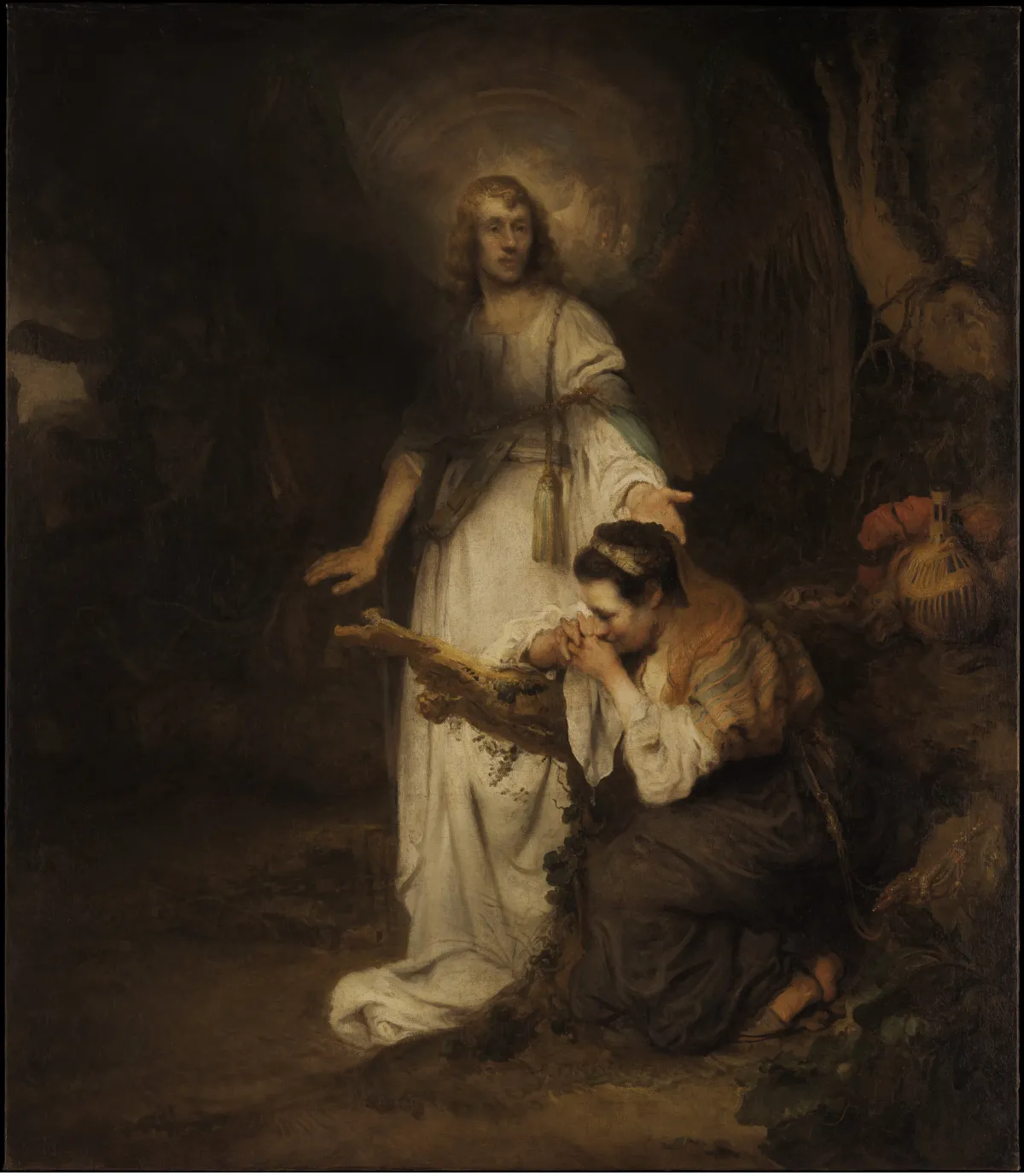
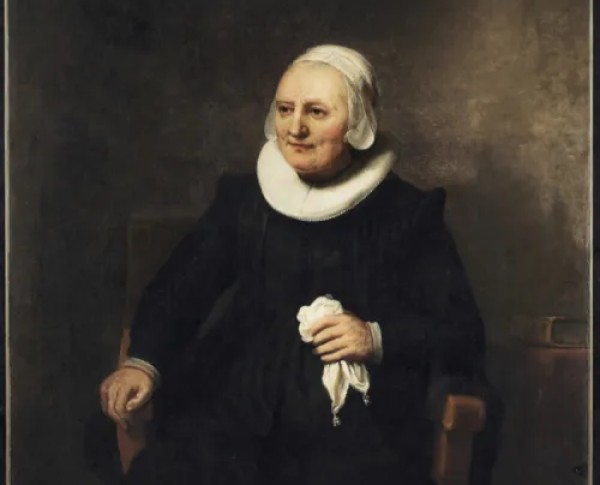
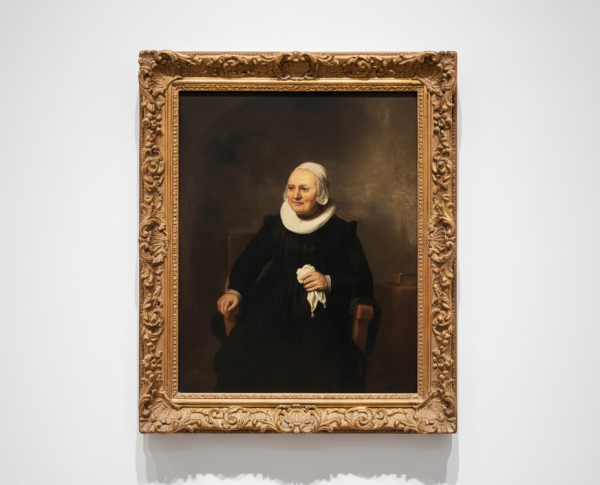
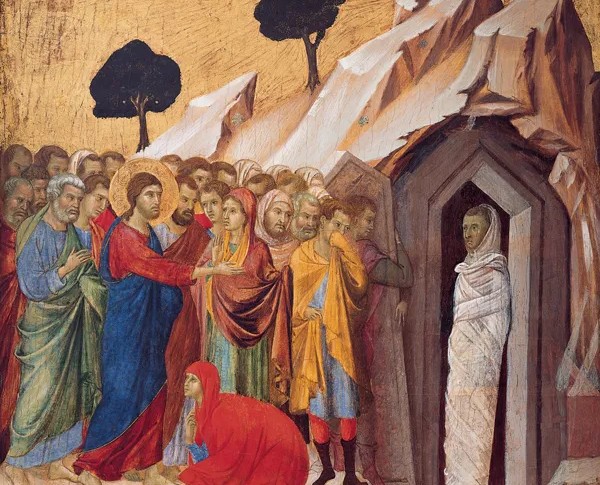
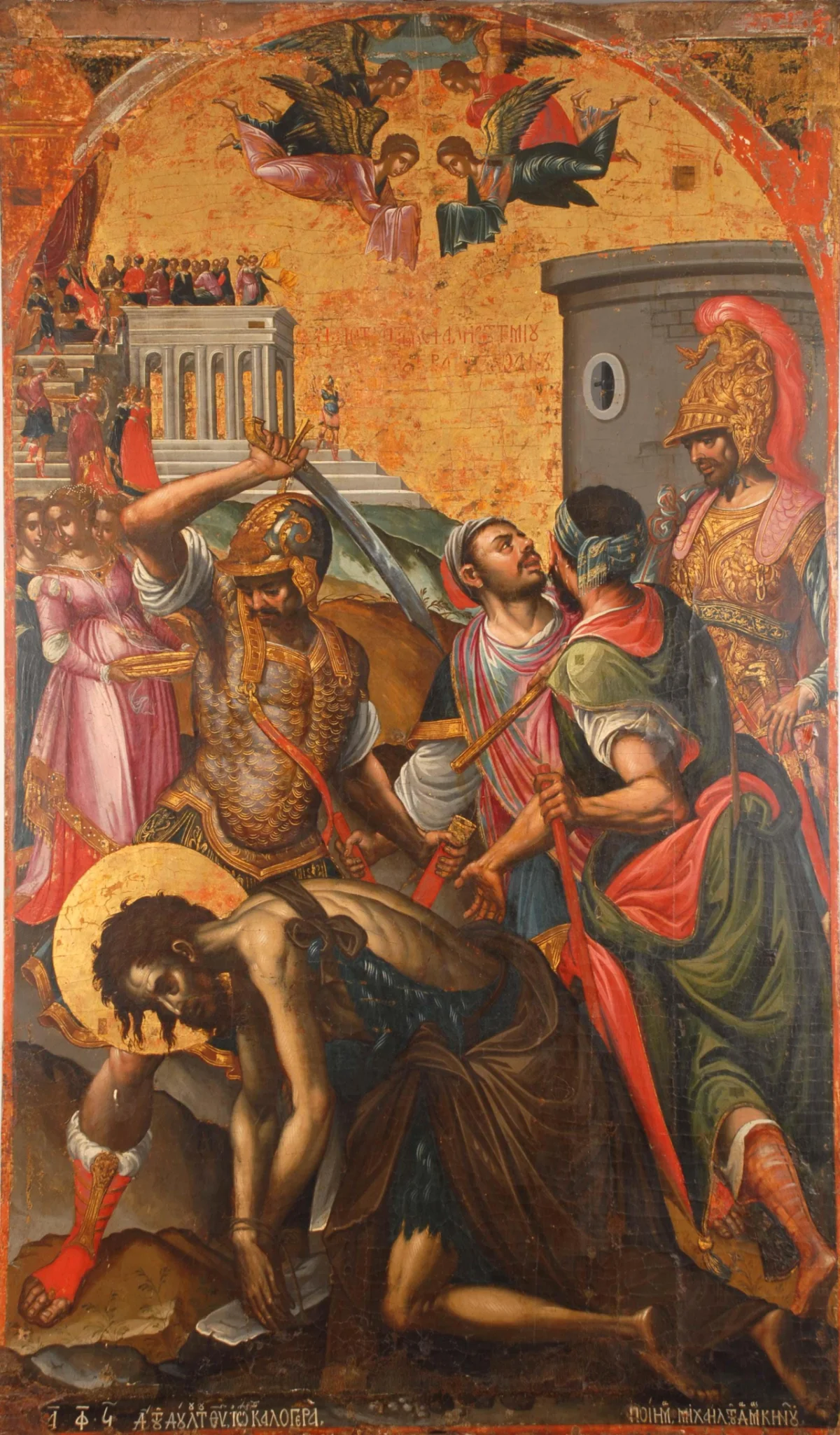
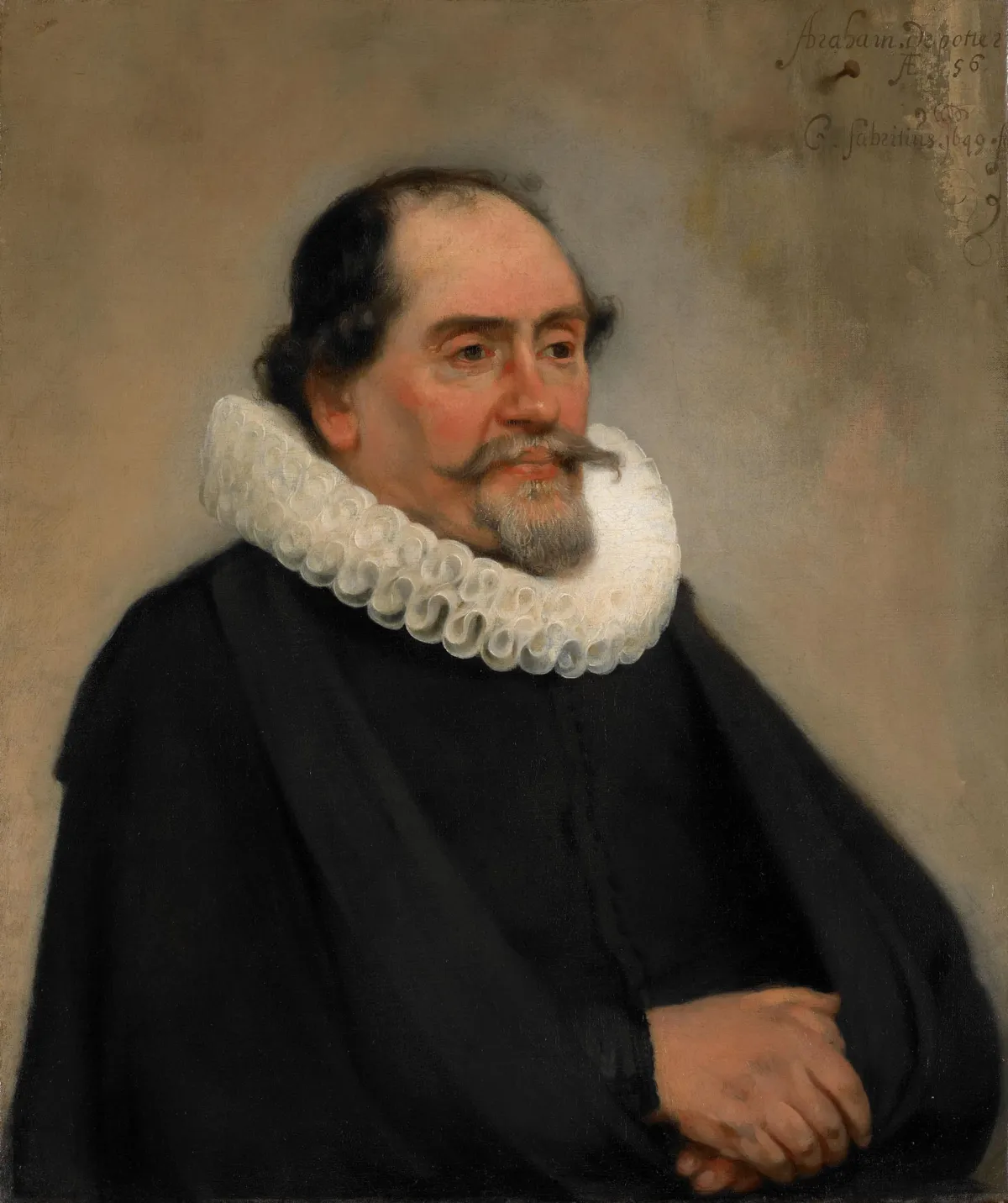
Fabritius’s "The Beheading of John the Baptist" exemplifies the technical prowess characteristic of Dutch Golden Age artists, with each detail meticulously rendered in oil on canvas. The artist’s use of light and shadow draws viewers into the intense narrative, highlighting his unique style. This piece, along with works like "Mercury and Aglauros" and "Abraham De Potter," showcases the refined techniques that have made Dutch Golden Age oil on canvas paintings highly sought after by collectors worldwide.
In "The Beheading of John the Baptist," Carel Fabritius weaves a compelling narrative through symbolic details and expressive figures, hallmarks of the Dutch Golden Age movement. The fine art painting for sale not only depicts a pivotal biblical moment but also invites viewers to uncover deeper meanings within its composition. Similar storytelling elements can be found in related works such as "Servant Presenting Saul S Crown to David" and "The Adoration of the Shepherds," enriching the collector’s experience.
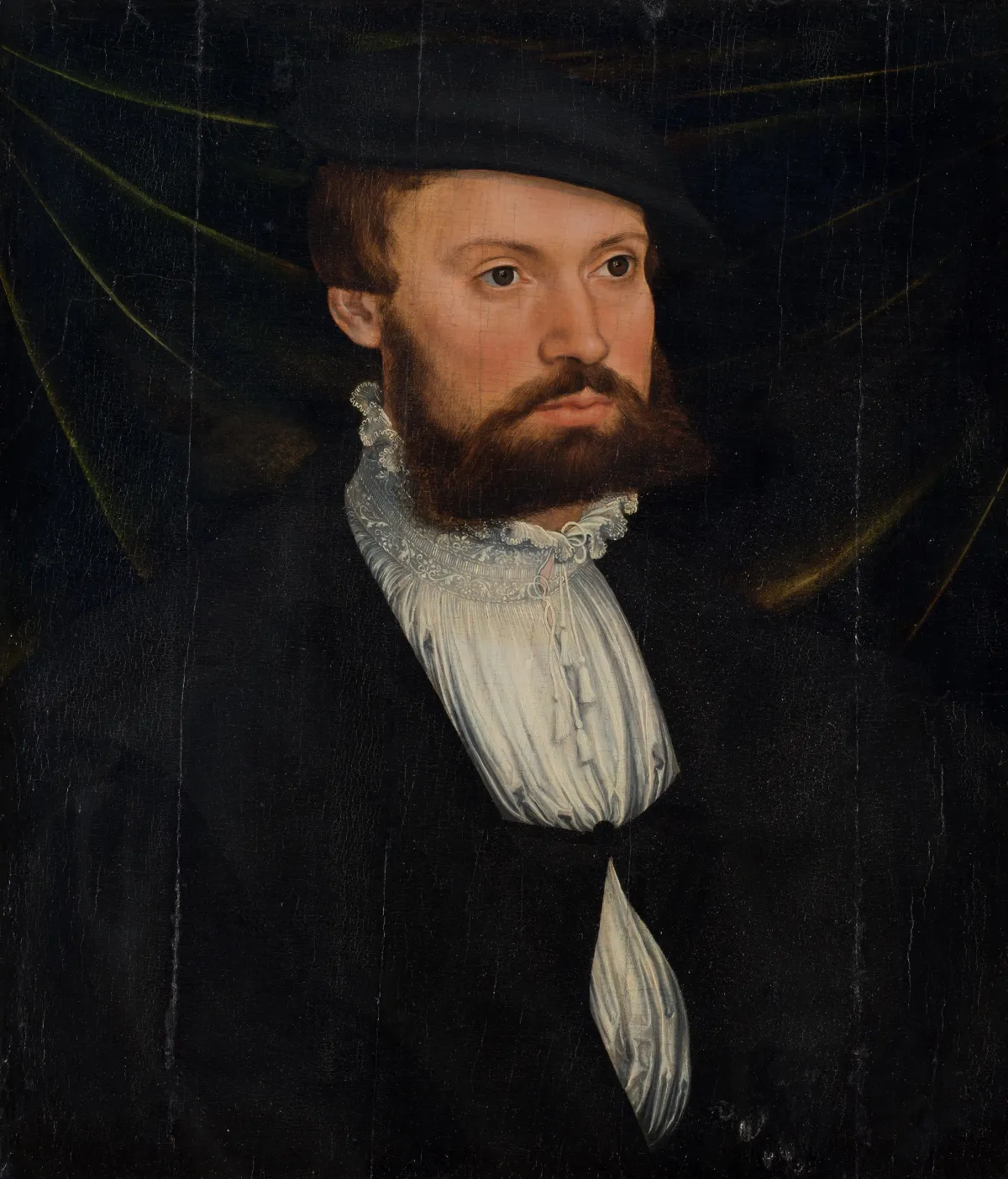
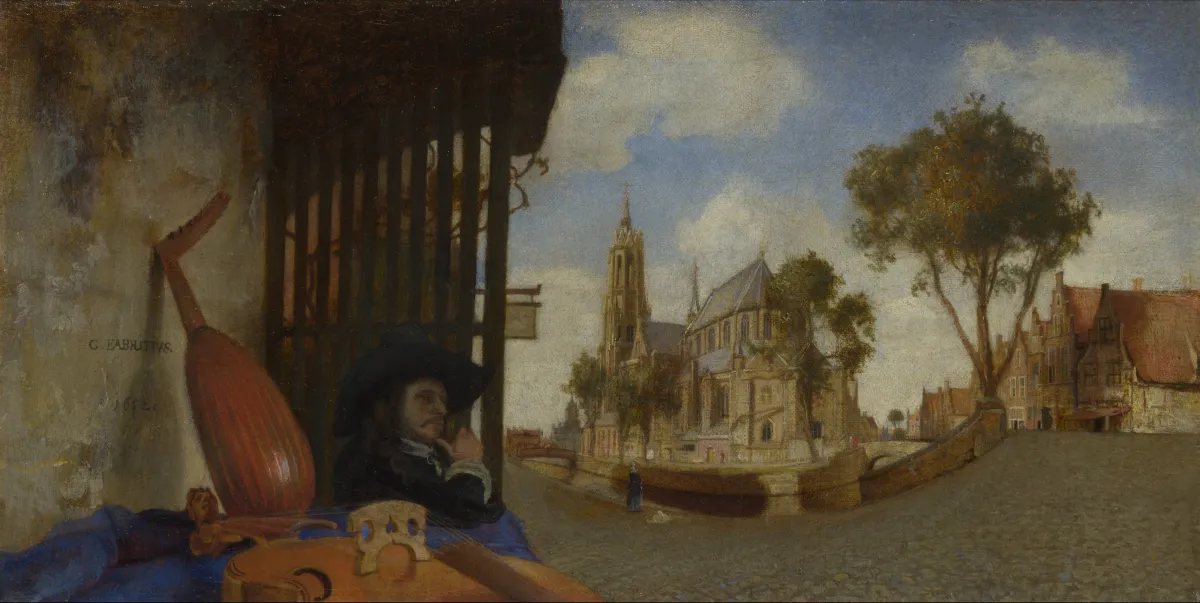
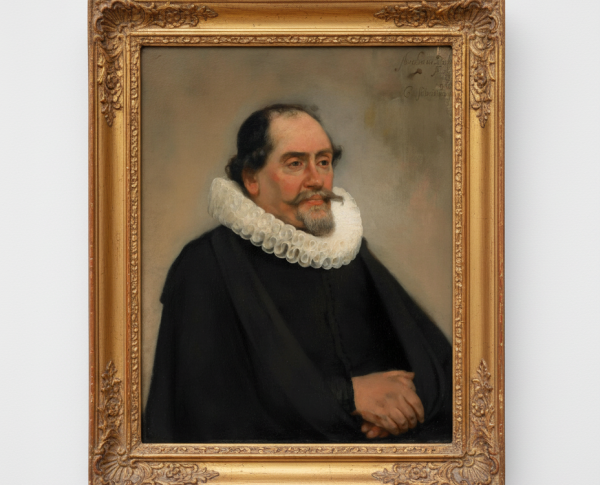
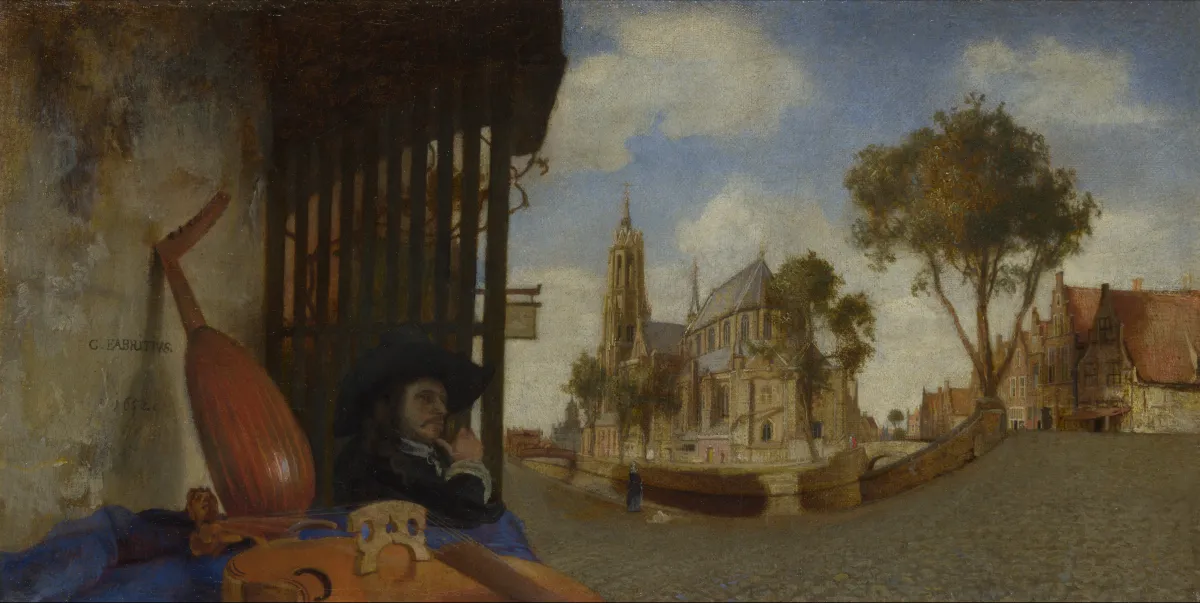
Owning "The Beheading of John the Baptist" by Carel Fabritius means acquiring a remarkable hand-painted oil painting from the Dutch Golden Age. This piece, along with related products like "Portrait of a Bearded Man" and "A View of Delft," offers art lovers a unique opportunity to invest in a legacy of masterful storytelling and exquisite technique. Such fine art painting for sale remains a prized addition to any distinguished collection, admired for its historical and artistic significance.
When Art Meets History
Carel Fabritius’s masterpiece, "The Beheading of John the Baptist," is a striking example of the Dutch Golden Age, a period known for its profound influence on Western art. This hand-painted oil painting captures a pivotal biblical moment with extraordinary attention to detail and historical context. Fabritius, a contemporary of Rembrandt, drew inspiration from related paintings such as "The Night Watch" and "Christ In The Storm On The Sea Of Galilee," weaving narrative and history into every brushstroke.
Techniques That Speak
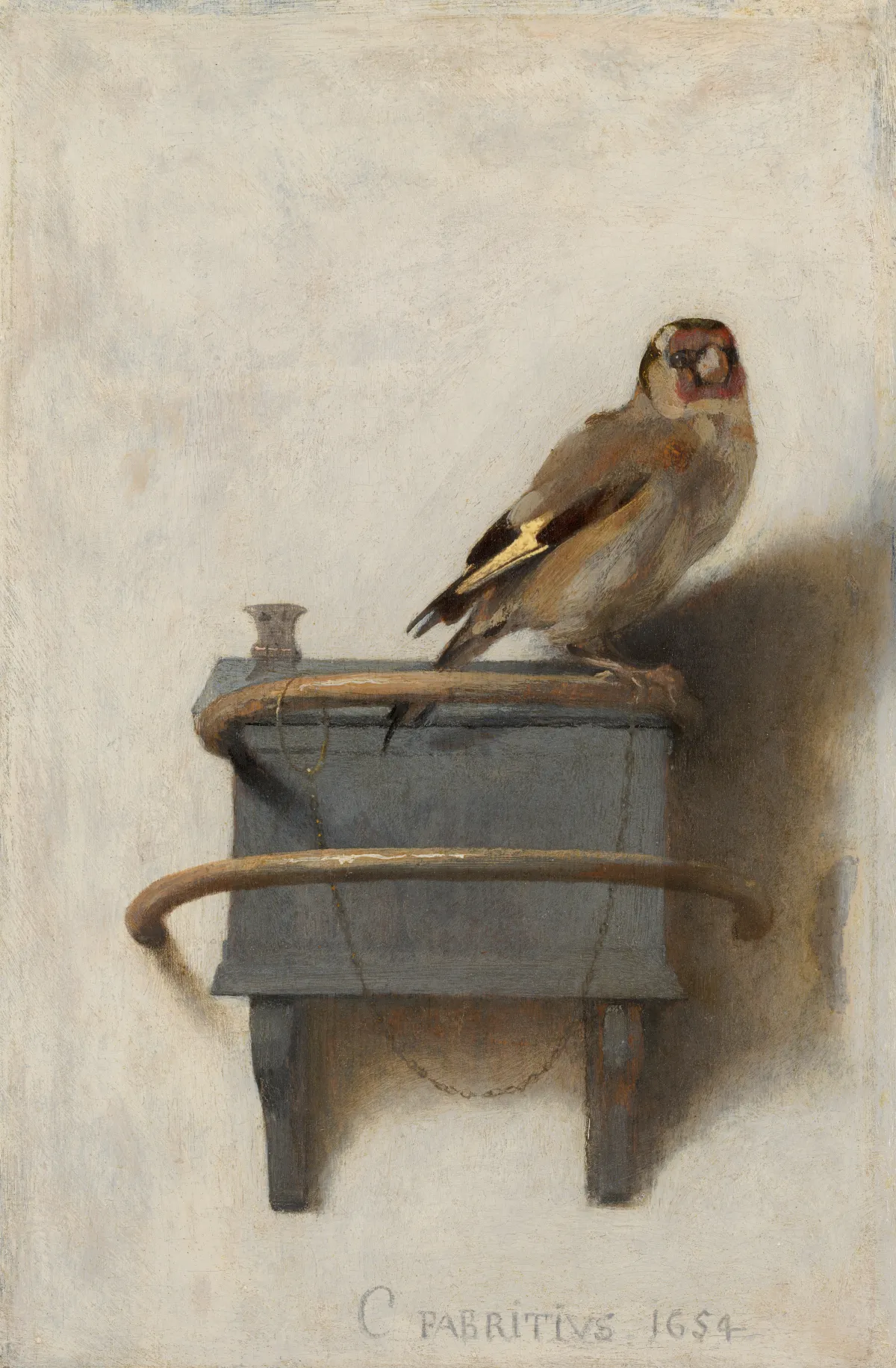
Utilizing oil on canvas, Carel Fabritius demonstrates his technical mastery in "The Beheading of John the Baptist." The texture and depth achieved through layered brushwork exemplify the Dutch Golden Age’s innovative approach to realism. Fabritius’s nuanced use of light and shadow echoes techniques seen in works like "The Wine Glass" and "Musical Allegory," making this piece a standout example of the era’s artistry and commitment to capturing the essence of each scene.
Emotions on Display
In "The Beheading of John the Baptist," Carel Fabritius conveys intense emotion through the expressions and body language of his subjects. This fine art painting for sale immerses viewers in the drama and pathos of the biblical event, inviting empathy and reflection. The emotional resonance is akin to that found in related paintings such as "Balaam's Ass," where storytelling and feeling are intricately interwoven, showcasing the artist’s unique sensitivity within the Dutch Golden Age movement.
Coveted by Collectors
As a rare oil on canvas by Carel Fabritius, "The Beheading of John the Baptist" holds a special place in the world of art collectors. Its historical significance, masterful execution, and connection to related masterpieces like "The Night Watch" and "The Wine Glass" make it a highly sought-after piece. Collectors prize this work not only for its beauty but also for its authentic representation of Dutch Golden Age artistry and enduring appeal as a fine art painting for sale.
Related Dutch Golden Age Hand-Painted Oil Paintings by Other Artists
Other Famous Dutch Golden Age Artists:
Frequently Asked Questions About The Beheading of John the Baptist
What historical event does "The Beheading of John the Baptist" depict?
This painting illustrates the biblical event of the beheading of John the Baptist, a significant moment in Christian history, which symbolizes the conflict between moral integrity and political power.
Who was Carel Fabritius, and what is his significance in art history?
Carel Fabritius was a Dutch painter of the 17th century, known for his innovative use of light and color. He was a pupil of Rembrandt and is celebrated for his unique style that contributed to the development of Dutch Golden Age painting.
What artistic techniques did Fabritius employ in this painting?
Fabritius utilized chiaroscuro to create dramatic contrasts between light and shadow, enhancing the emotional impact of the scene. His meticulous attention to detail and use of vibrant colors also contribute to the painting's dynamic composition.
What is the symbolism behind the beheading of John the Baptist?
The beheading of John the Baptist symbolizes the sacrifice of truth for power and the consequences of standing up for one’s beliefs. It serves as a reminder of the moral dilemmas faced by individuals in positions of authority.
How does the composition of the painting affect its narrative?
The composition draws the viewer's eye towards the central figure of John the Baptist, emphasizing his vulnerability. The surrounding figures and their expressions enhance the drama of the narrative, creating a sense of tension and foreboding.
What role does color play in "The Beheading of John the Baptist"?
Color in this painting serves to highlight the emotional gravity of the scene. The use of deep reds and dark tones evokes a sense of violence and tragedy, while lighter hues draw attention to key figures and elements within the composition.
In what ways does this painting reflect the Baroque style?
This painting exemplifies the Baroque style through its dramatic use of light and shadow, emotional intensity, and dynamic compositions. The theatricality of the scene captures the viewer's attention, a hallmark of Baroque art.
What is the significance of the figures surrounding John the Baptist?
The figures surrounding John the Baptist represent various responses to his fate, ranging from horror to indifference. Their expressions and postures provide insight into the societal and moral implications of the event, enriching the narrative complexity of the painting.
How does "The Beheading of John the Baptist" compare to other works depicting the same subject?
Compared to other depictions of the beheading of John the Baptist, Fabritius's work stands out for its emotional depth and innovative composition. While many artists focus on the act itself, Fabritius captures the psychological turmoil of the moment, adding layers of meaning.
What influence did this painting have on later artists?
The emotional intensity and innovative techniques employed by Fabritius in this painting influenced subsequent generations of artists, particularly in their approach to narrative storytelling and the use of light and color in depicting dramatic scenes.






















_GFM_Painting_(1).webp)


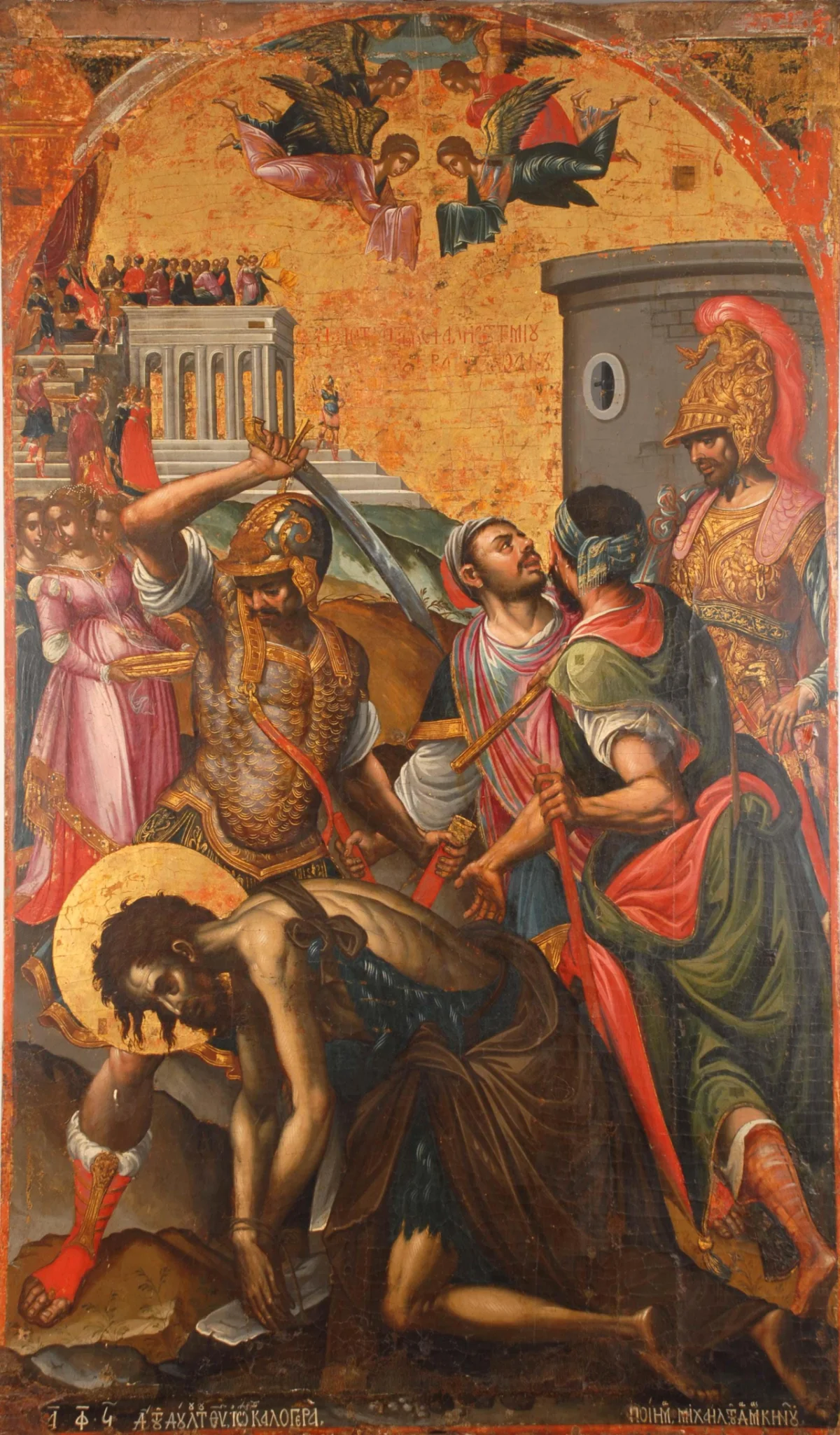
 100% Hand-Painted: Finished in 3-6 Weeks

.png)















_(1).webp)