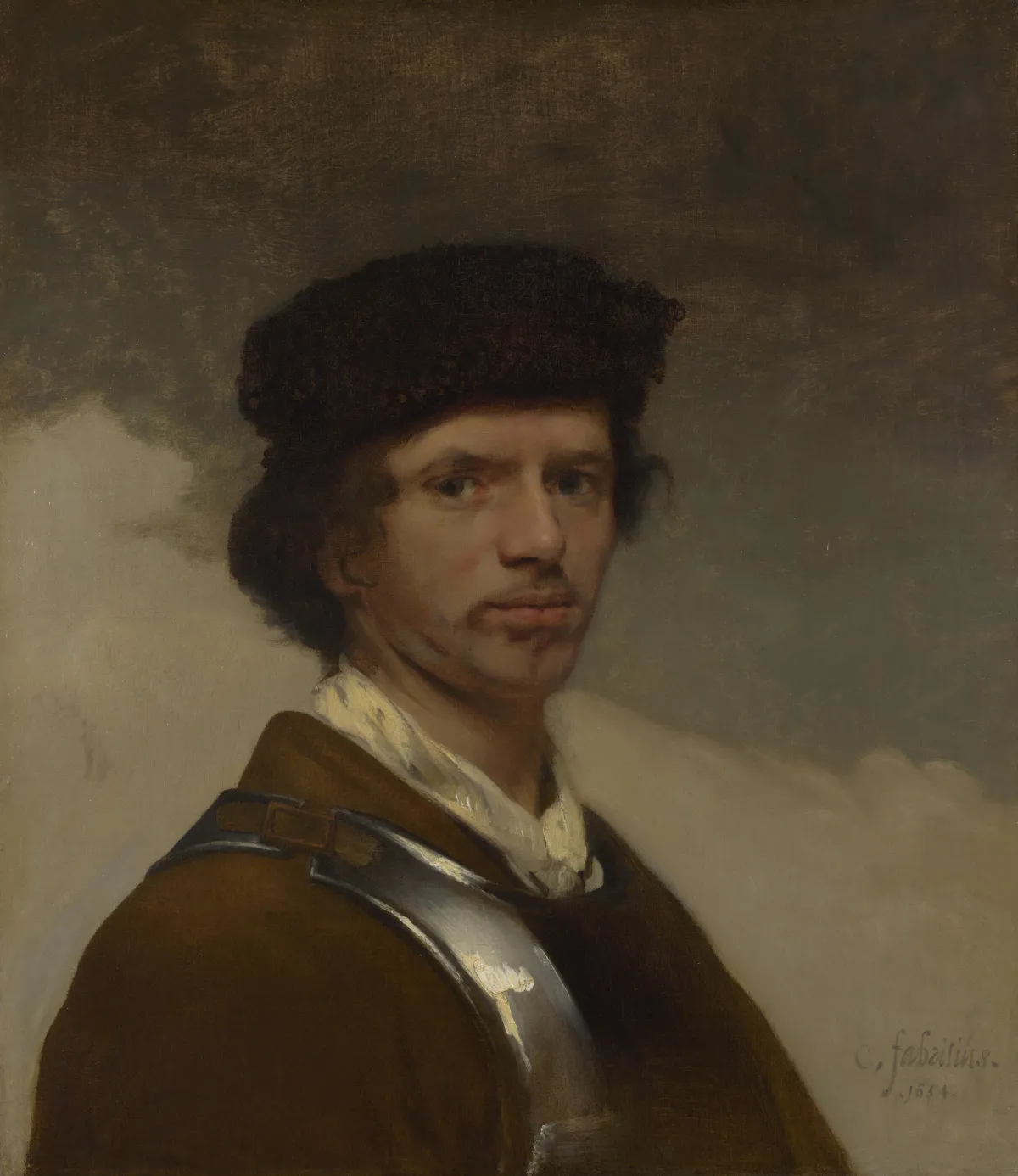
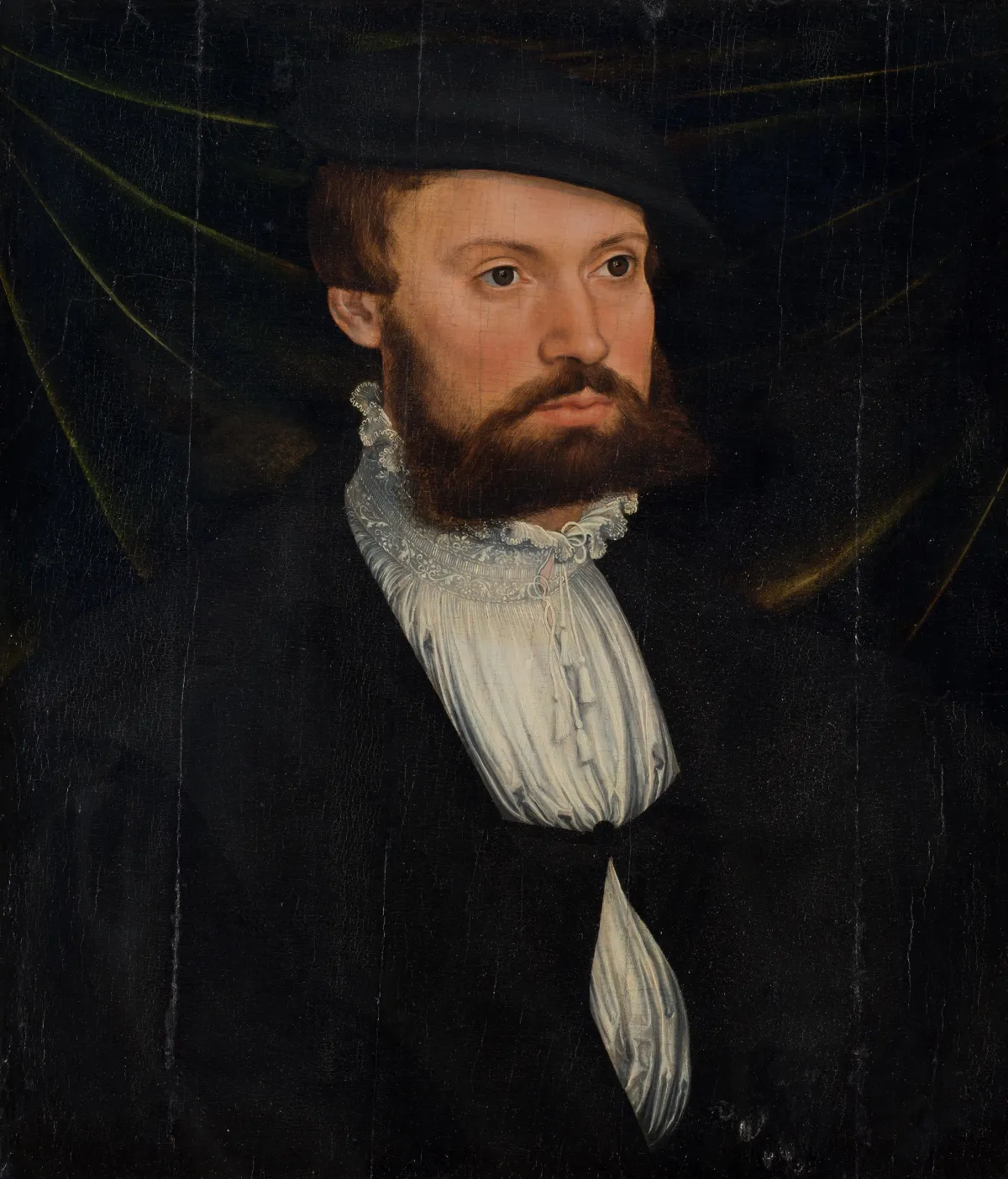
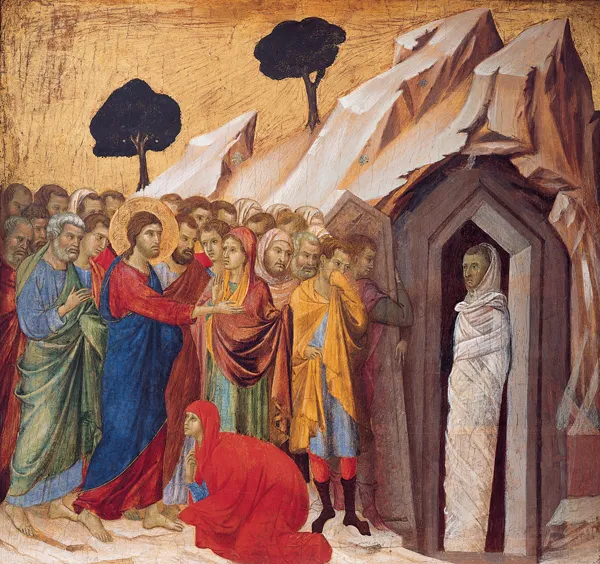
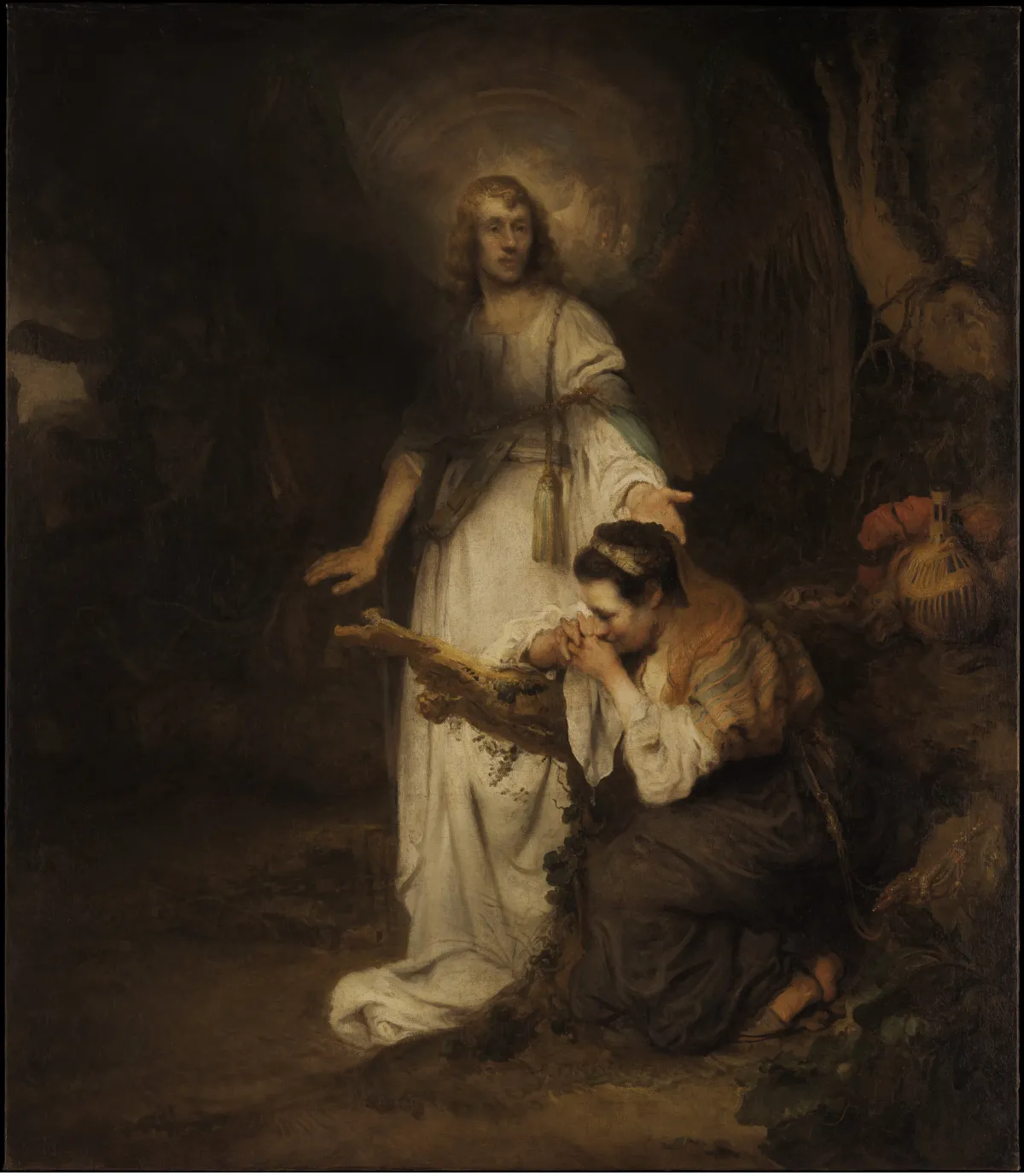
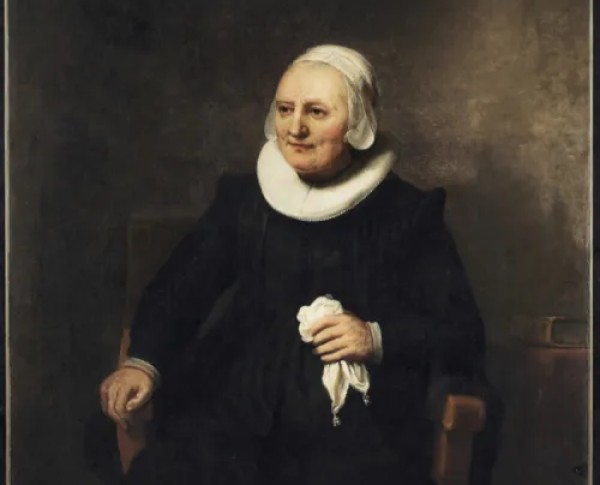
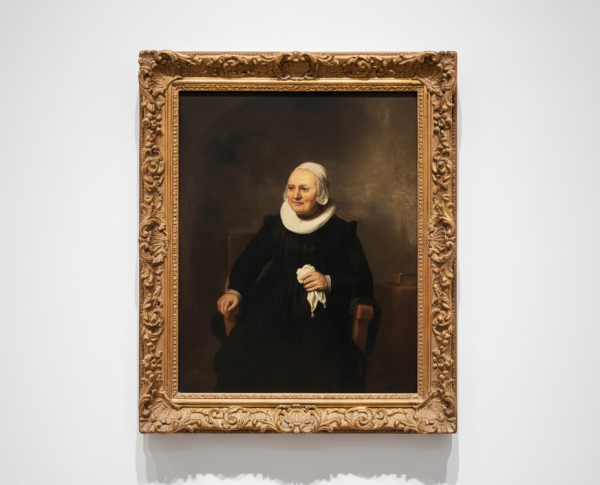
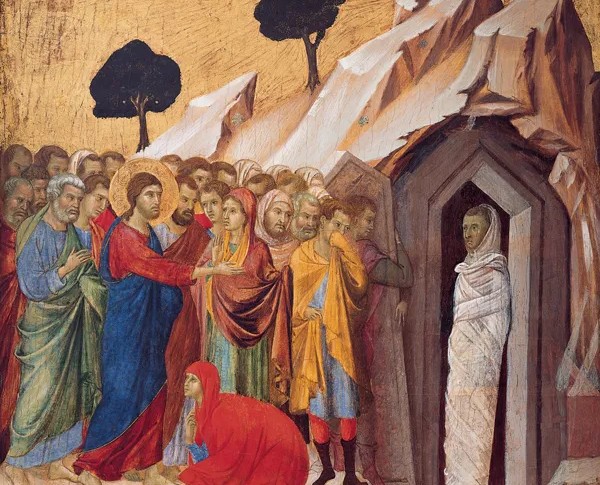
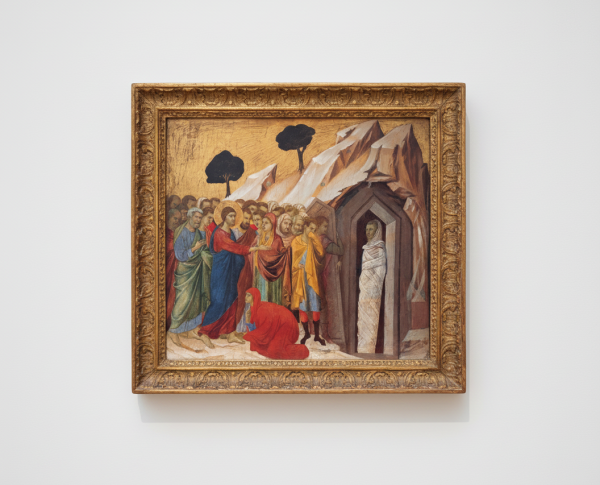
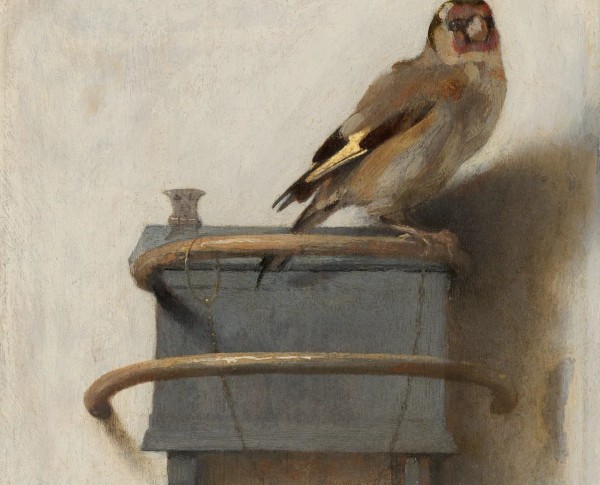
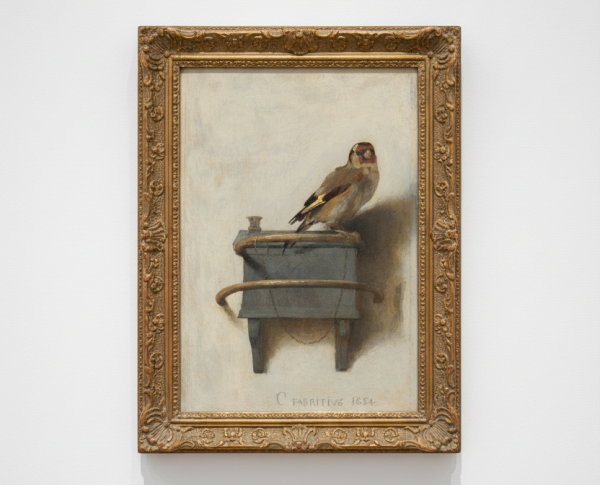
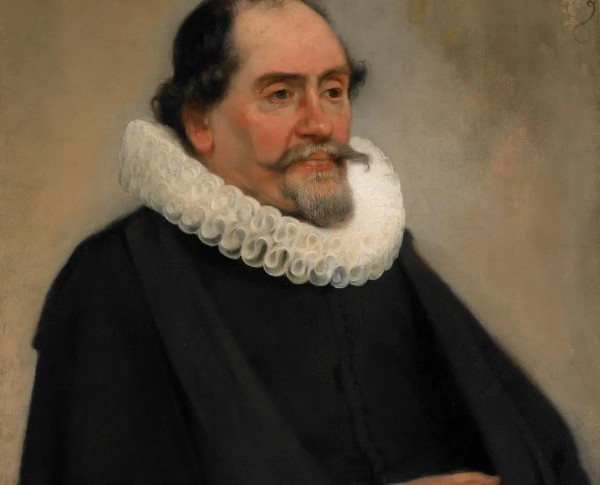
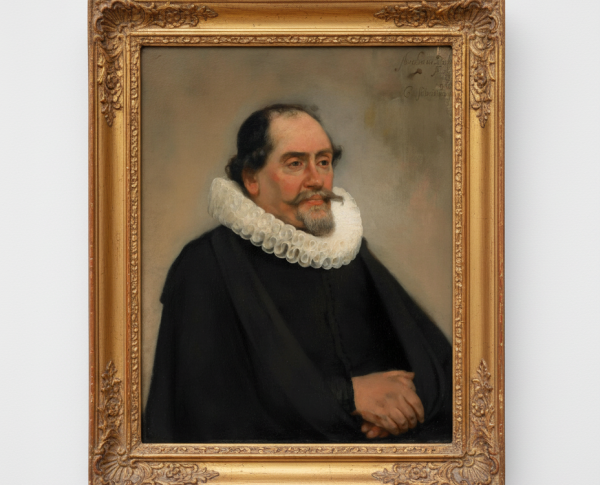
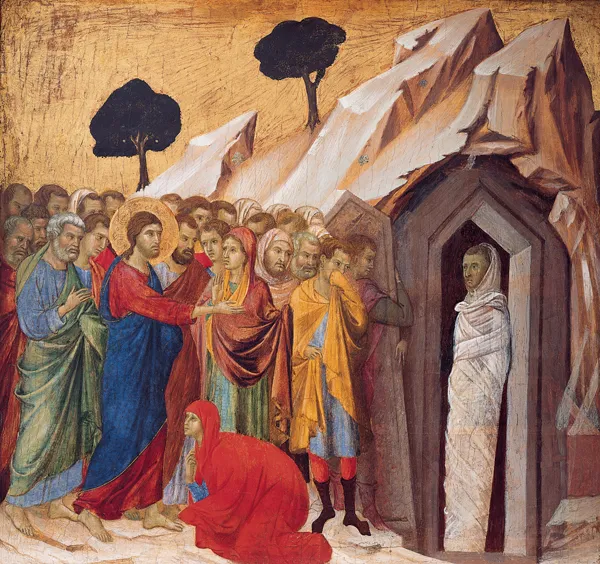
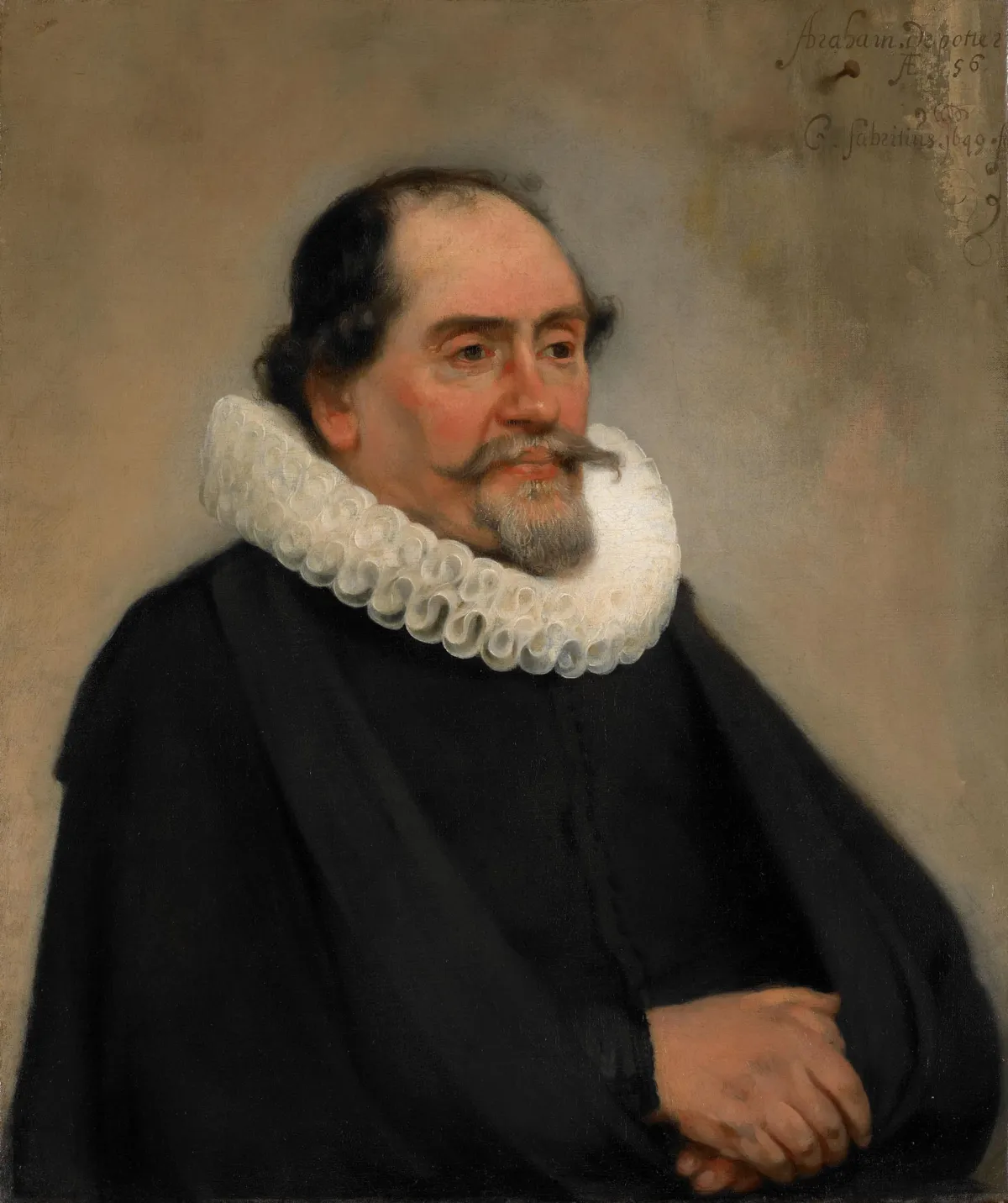
The exquisite "Servant Presenting Saul’s Crown to David" exemplifies Fabritius’s mastery with oil on canvas. His nuanced use of light and shadow brings the scene to life, reflecting the innovative spirit of the Dutch Golden Age movement. Each brushstroke reveals meticulous attention to detail, reminiscent of works like "Abraham De Potter" and "The Raising of Lazarus." Fabritius’s technique makes this painting a standout piece among fine art connoisseurs and historical art collections.
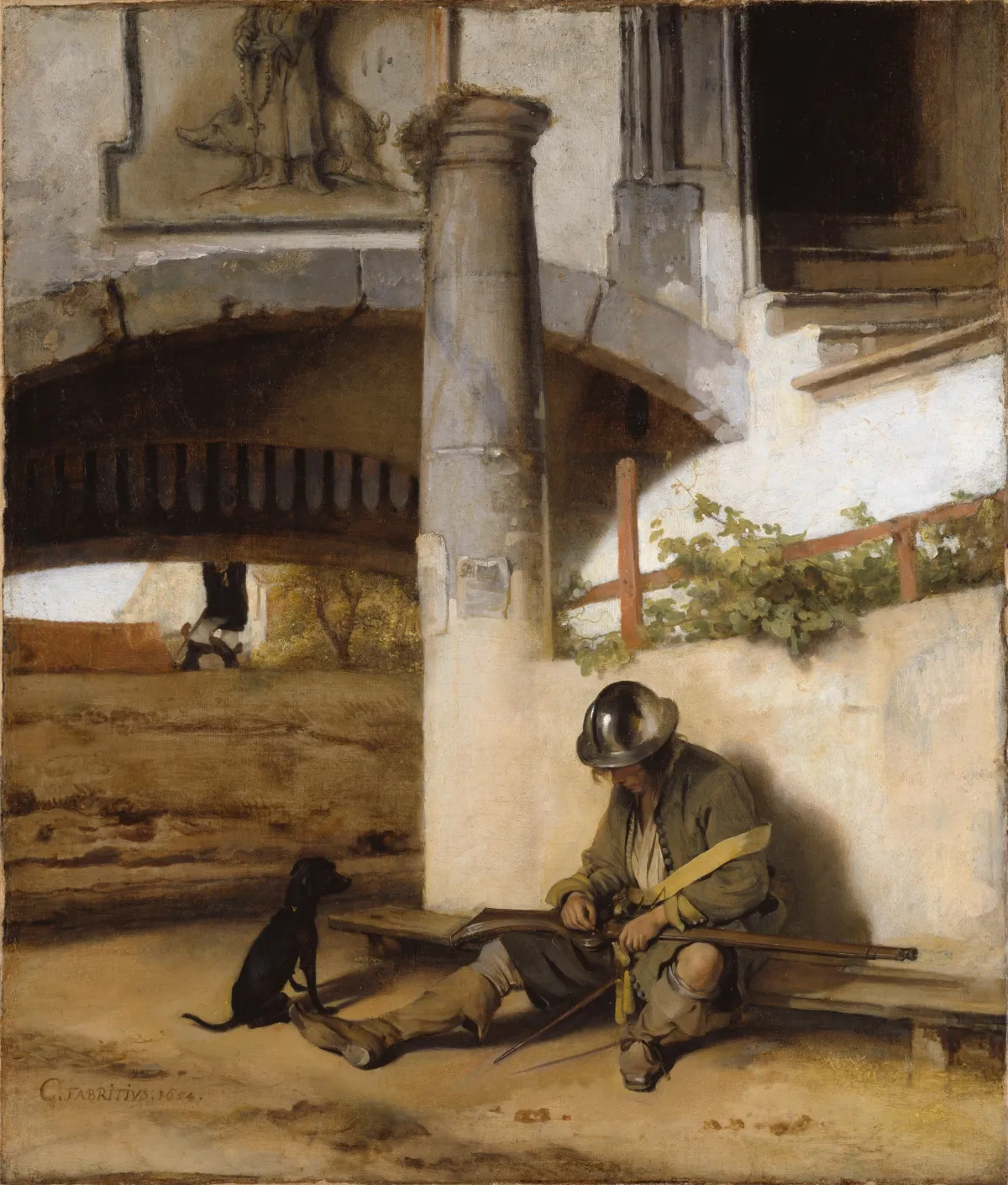
Within this fine art painting for sale, Fabritius weaves symbolism and narrative seamlessly. The depiction of David receiving Saul’s crown is layered with themes of legacy, humility, and divine favor, resonating with the Dutch Golden Age’s interest in moral storytelling. Similar symbolic depth can be found in related artworks such as "Dutch De Schildwacht the Sentry" and "A Slaughtered Ox," making this painting a compelling choice for collectors and admirers of historical allegory.
Owning "Servant Presenting Saul’s Crown to David" by Carel Fabritius means acquiring a hand-painted oil painting that embodies the innovation of the Dutch Golden Age. This masterpiece stands alongside celebrated works like "The Sentry" and "The Raising of Lazarus," enhancing any fine art collection. Whether displayed in a gallery or a private setting, this painting offers a timeless connection to one of history’s most influential artistic movements and its celebrated creators.
When Art Meets History
Carel Fabritius’s masterpiece, "Servant Presenting Saul S Crown to David," is a shining example of the Dutch Golden Age and its historical narrative painting tradition. This hand-painted oil painting captures a pivotal biblical moment, skillfully blending storytelling with visual artistry. Like his contemporaries—seen in works such as "Girl with a Pearl Earring c. 1665" and "The Procuress"—Fabritius brings the past to life, making his scenes resonate with viewers centuries later.
Techniques That Speak
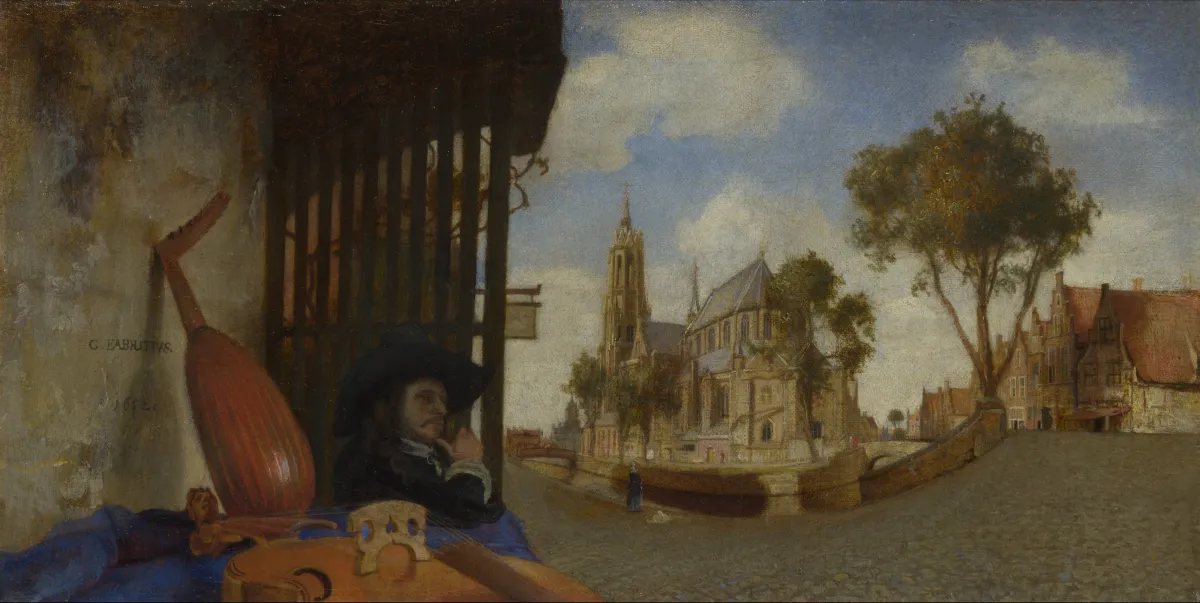
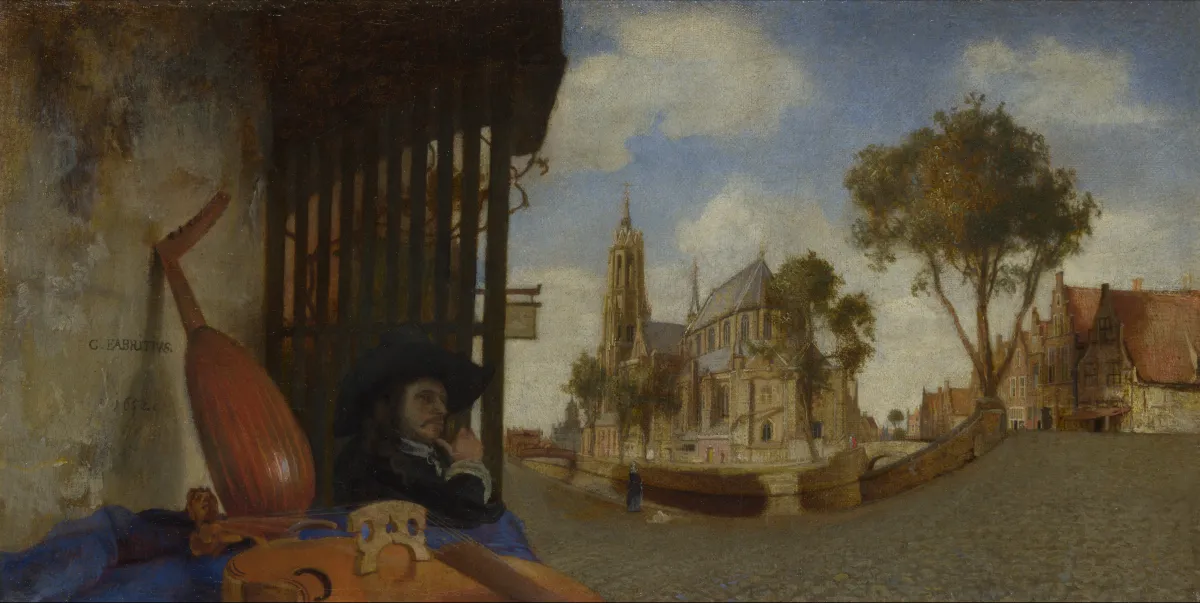
Fabritius was renowned for his innovative use of oil on canvas, a technique that allowed for luminous color and subtle gradations of light. In "Servant Presenting Saul S Crown to David," his mastery is evident in the delicate rendering of fabrics and expressive faces. Much like Vermeer’s "View of Delft" or "The Geographer," Fabritius’s brushwork and attention to detail create a vivid, immersive atmosphere that defines the Dutch Golden Age movement.
Emotions on Display
The emotional depth in "Servant Presenting Saul S Crown to David" sets it apart as a fine art painting for sale that truly moves the viewer. Fabritius captures the tension and reverence between the servant, Saul, and David, using light and shadow to heighten the drama. Comparable to the emotional storytelling in "The Wine Glass," Fabritius’s work invites us to reflect on human nature and the complexities of power and humility.
Coveted by Collectors
As one of the rare surviving works by Carel Fabritius, this painting is highly sought after by art enthusiasts and collectors alike. Its significance within the Dutch Golden Age, alongside masterpieces like "Girl with a Pearl Earring c. 1665" and "The Procuress," makes it a prized addition to any collection. The unique historical and artistic value of this hand-painted oil painting ensures its lasting appeal in the world of fine art.
Related Dutch Golden Age Hand-Painted Oil Paintings by Other Artists
Other Famous Dutch Golden Age Artists:
Frequently Asked Questions About Servant Presenting Saul's Crown to David
What is the historical context of "Servant Presenting Saul's Crown to David"?
This painting reflects a pivotal moment in the biblical narrative, depicting the transition of power from King Saul to David, a significant event in the history of Israel. It encapsulates themes of leadership, divine favor, and the complexities of monarchy in ancient times.
Who was Carel Fabritius and what is his significance in art history?
Carel Fabritius was a Dutch painter of the 17th century, known for his innovative techniques and unique approach to light and color. He was a pupil of Rembrandt and is celebrated for his contributions to the Dutch Golden Age of painting, particularly in the genre of historical and biblical scenes.
What artistic techniques did Fabritius employ in this painting?
Fabritius utilized chiaroscuro to create dramatic contrasts between light and shadow, enhancing the emotional depth of the scene. His meticulous attention to detail and use of color also contribute to the painting's dynamic composition and realism.
What symbolism is present in "Servant Presenting Saul's Crown to David"?
The crown symbolizes authority and kingship, representing the divine right to rule. The act of presenting it to David signifies the transfer of power and the fulfillment of prophecy, highlighting themes of destiny and divine intervention in human affairs.
How does the composition of the painting enhance its narrative?
The composition is carefully arranged to draw the viewer's eye towards the interaction between the servant and David, emphasizing the moment of transition. The positioning of figures and the use of space create a sense of tension and anticipation, enhancing the narrative impact.
What role does color play in the painting?
Color in this painting serves not only to enhance realism but also to evoke emotional responses. The warm tones associated with David contrast with the cooler tones of the background, symbolizing the warmth of divine favor versus the coldness of Saul's impending loss of power.
What influence did this painting have on later artists?
Fabritius's innovative use of light and composition influenced subsequent generations of artists, particularly in the Dutch Baroque tradition. His ability to convey complex narratives through visual means has inspired many to explore similar themes in their own works.
What is the significance of the figures in the painting?
The figures represent key players in the biblical story: the servant as the messenger of change and David as the future king. Their expressions and postures convey a range of emotions, from reverence to anticipation, encapsulating the gravity of the moment.
In what ways does this painting reflect the values of its time?
This painting reflects the 17th-century Dutch values of individualism and the importance of personal destiny. It also underscores the societal fascination with biblical narratives, which served as moral and ethical guides during a time of political and religious upheaval.
Where can I view "Servant Presenting Saul's Crown to David"?
This painting is part of the collection at the [Gallery Name]. Visitors can view it in the [specific gallery/room name], where it is displayed alongside other works from the Dutch Golden Age, providing context and insight into the era.






















_GFM_Painting_(1).webp)



 100% Hand-Painted: Finished in 3-6 Weeks


.png)















_(1).webp)