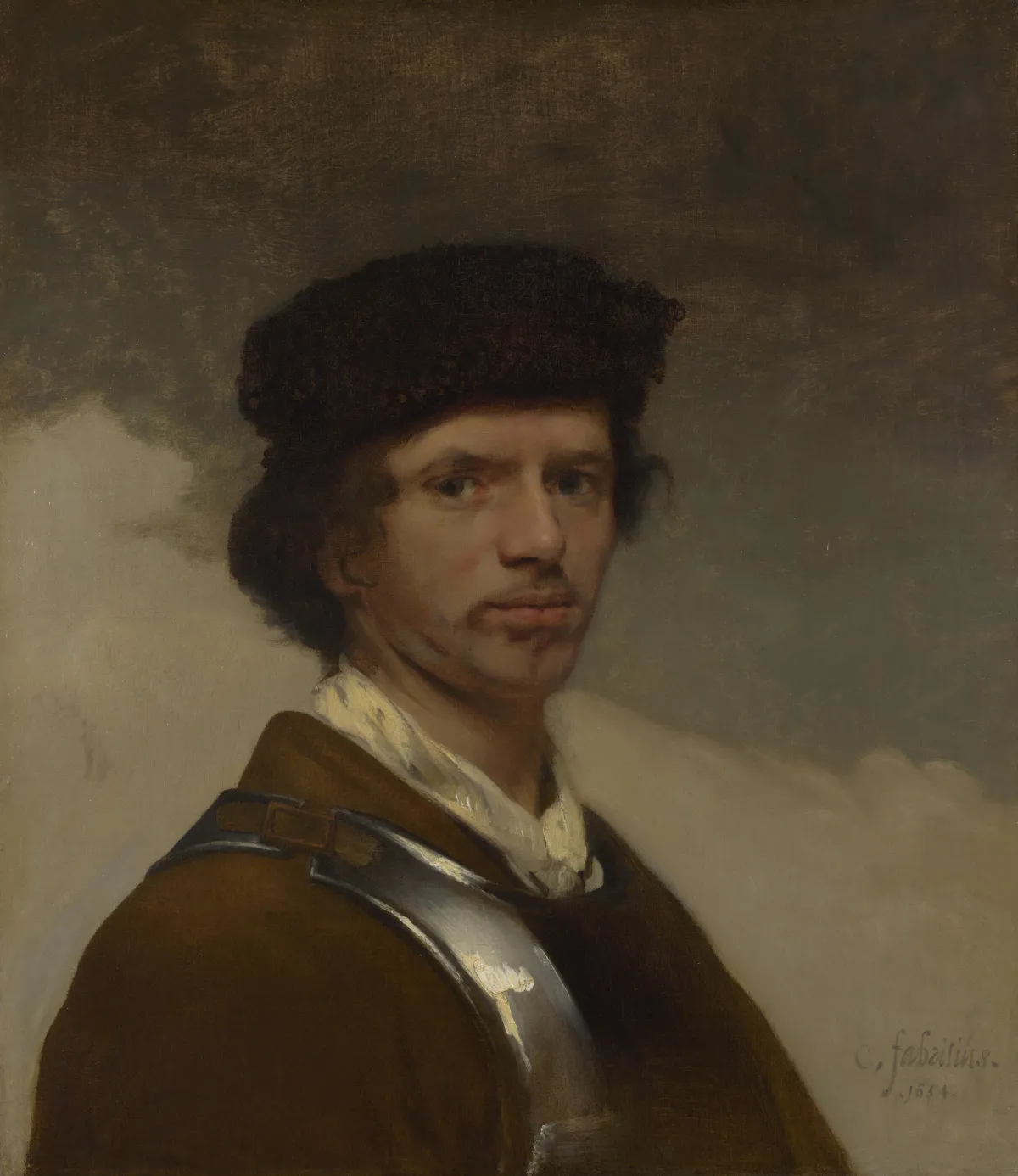
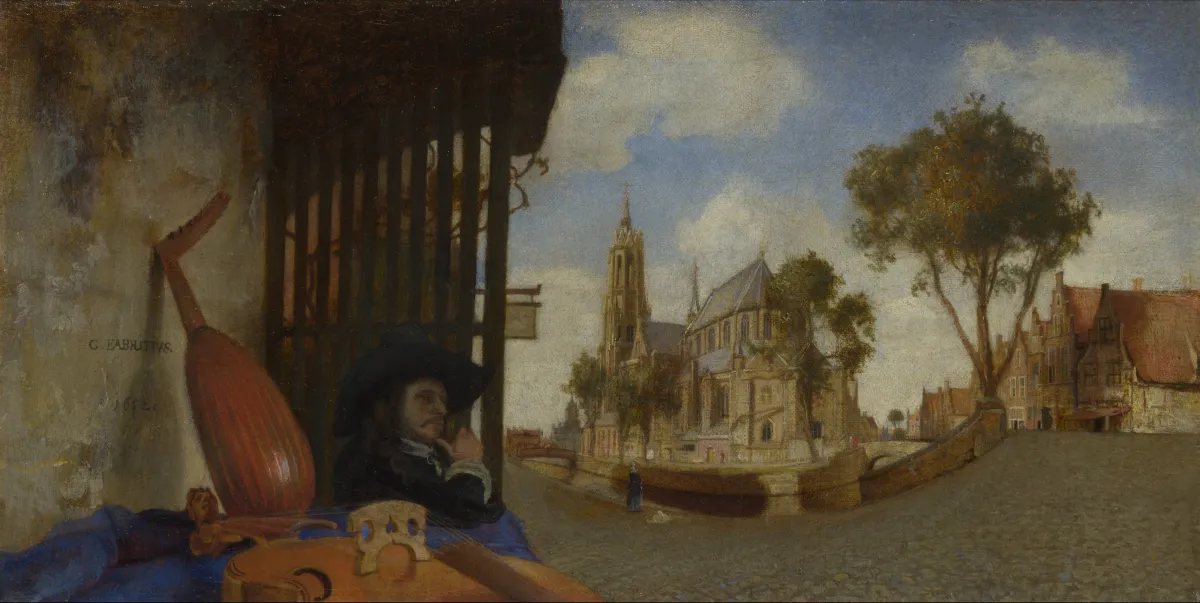
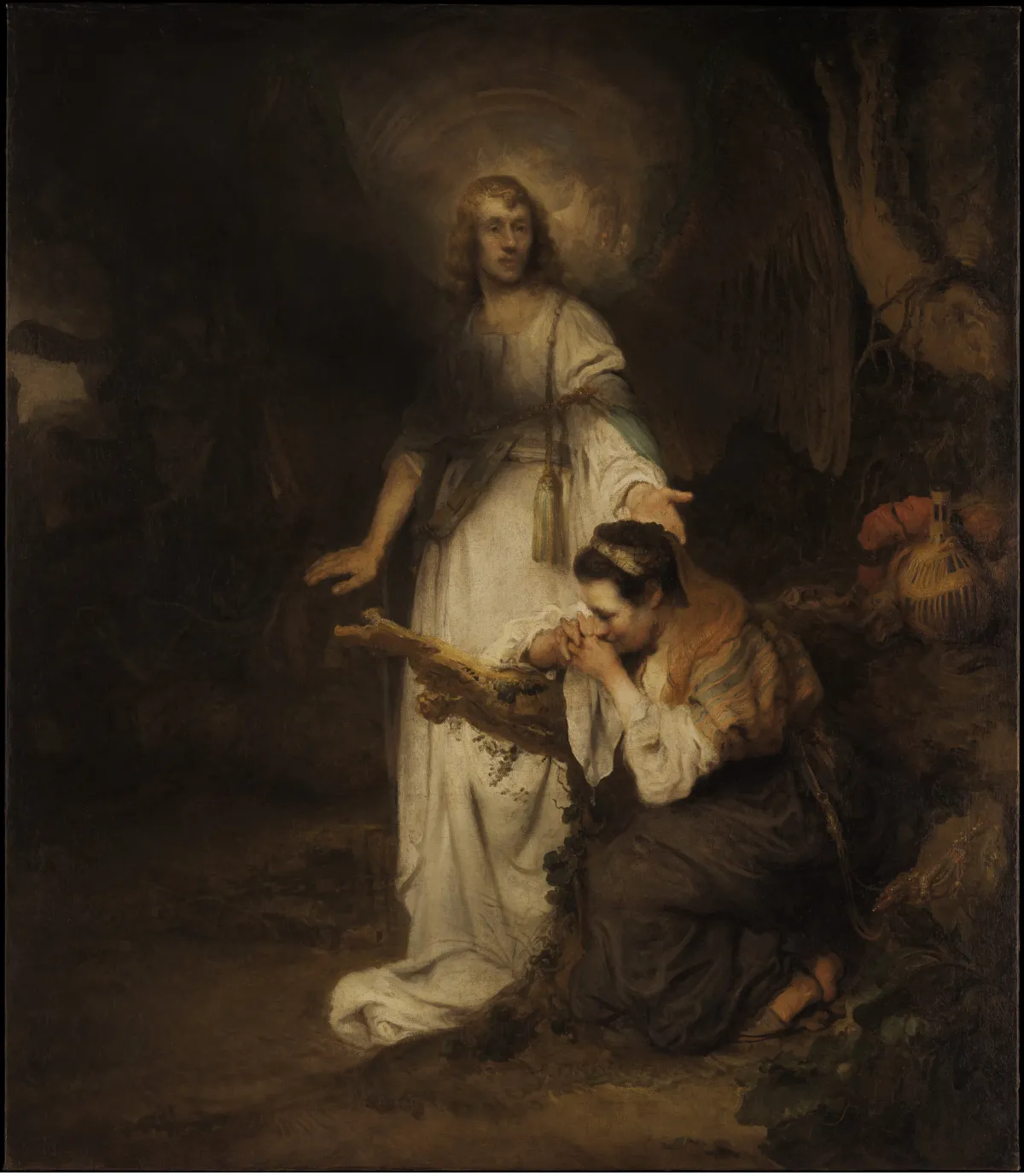
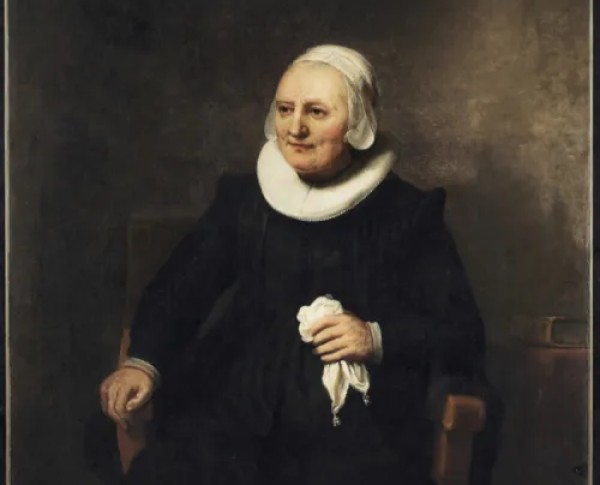
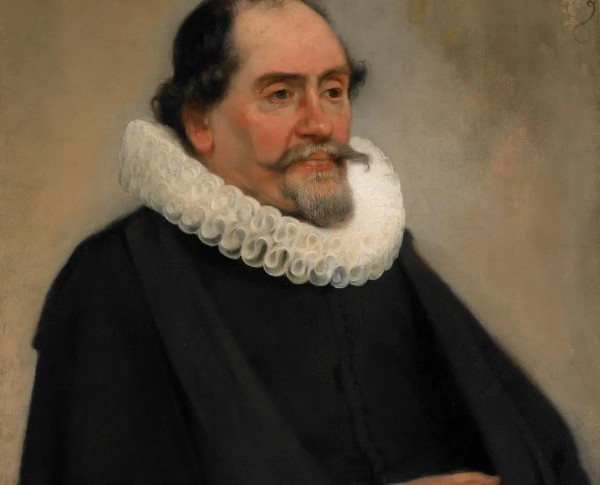
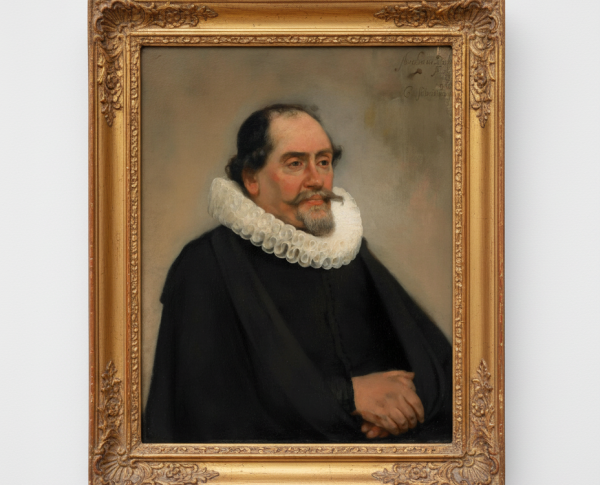
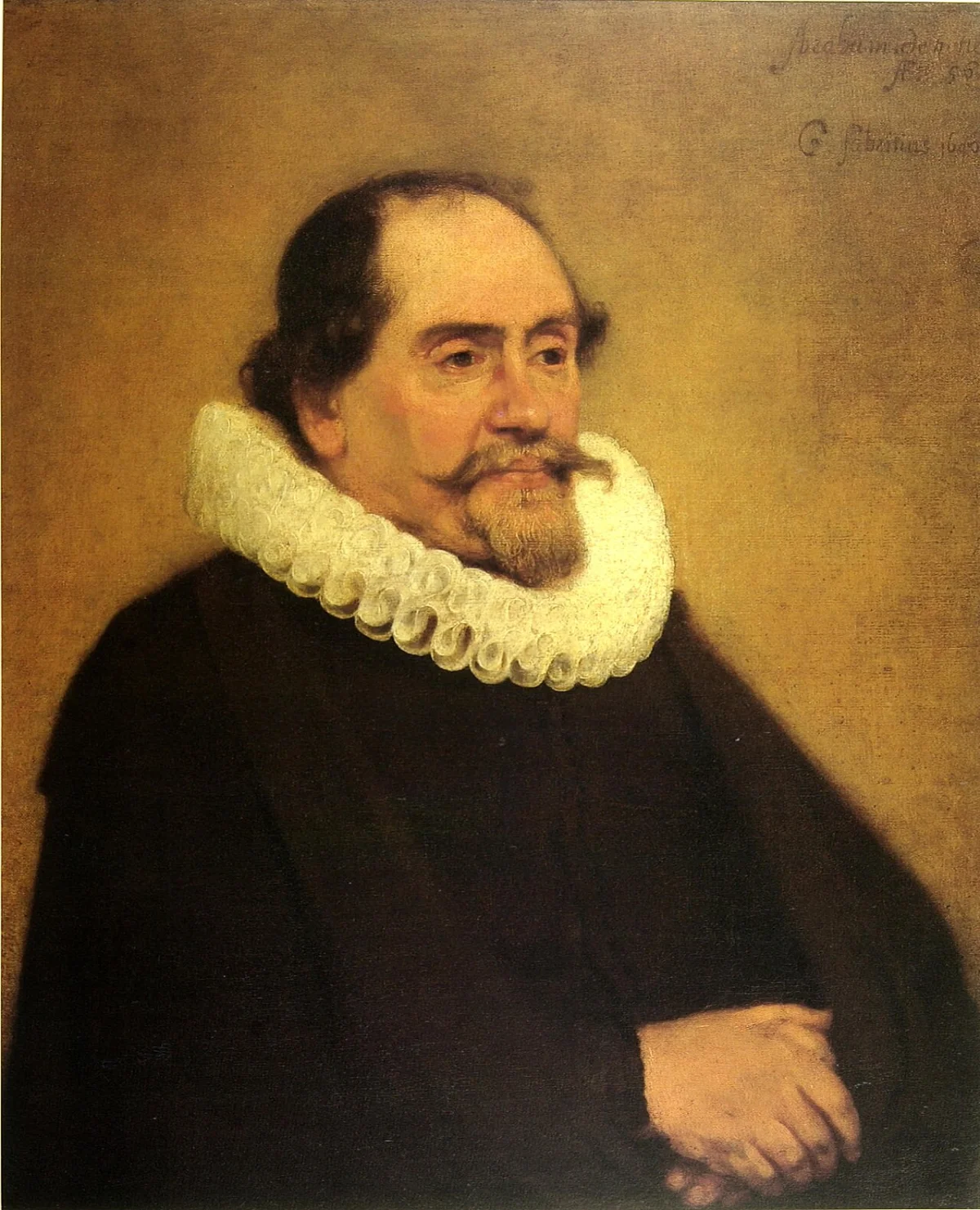
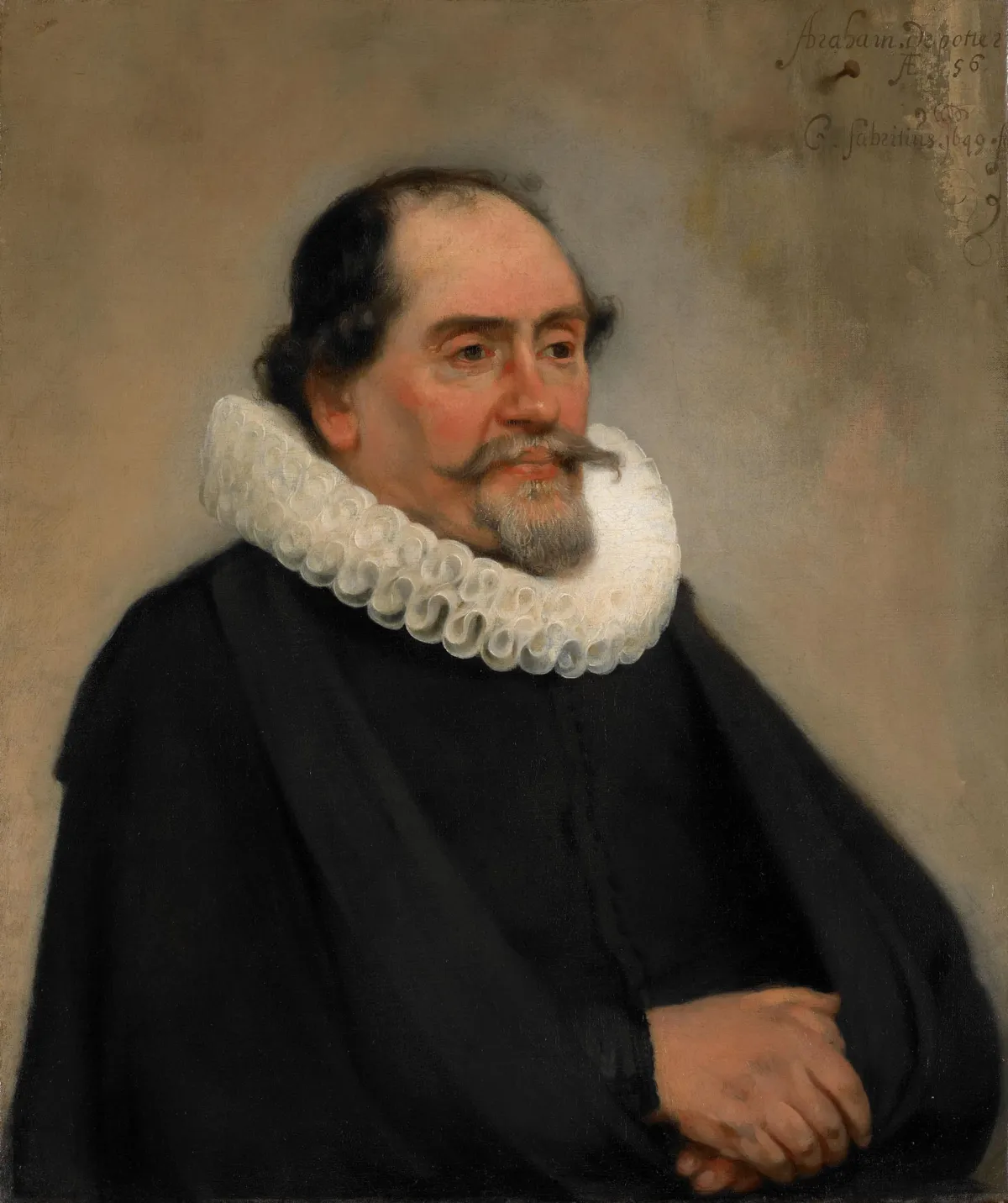
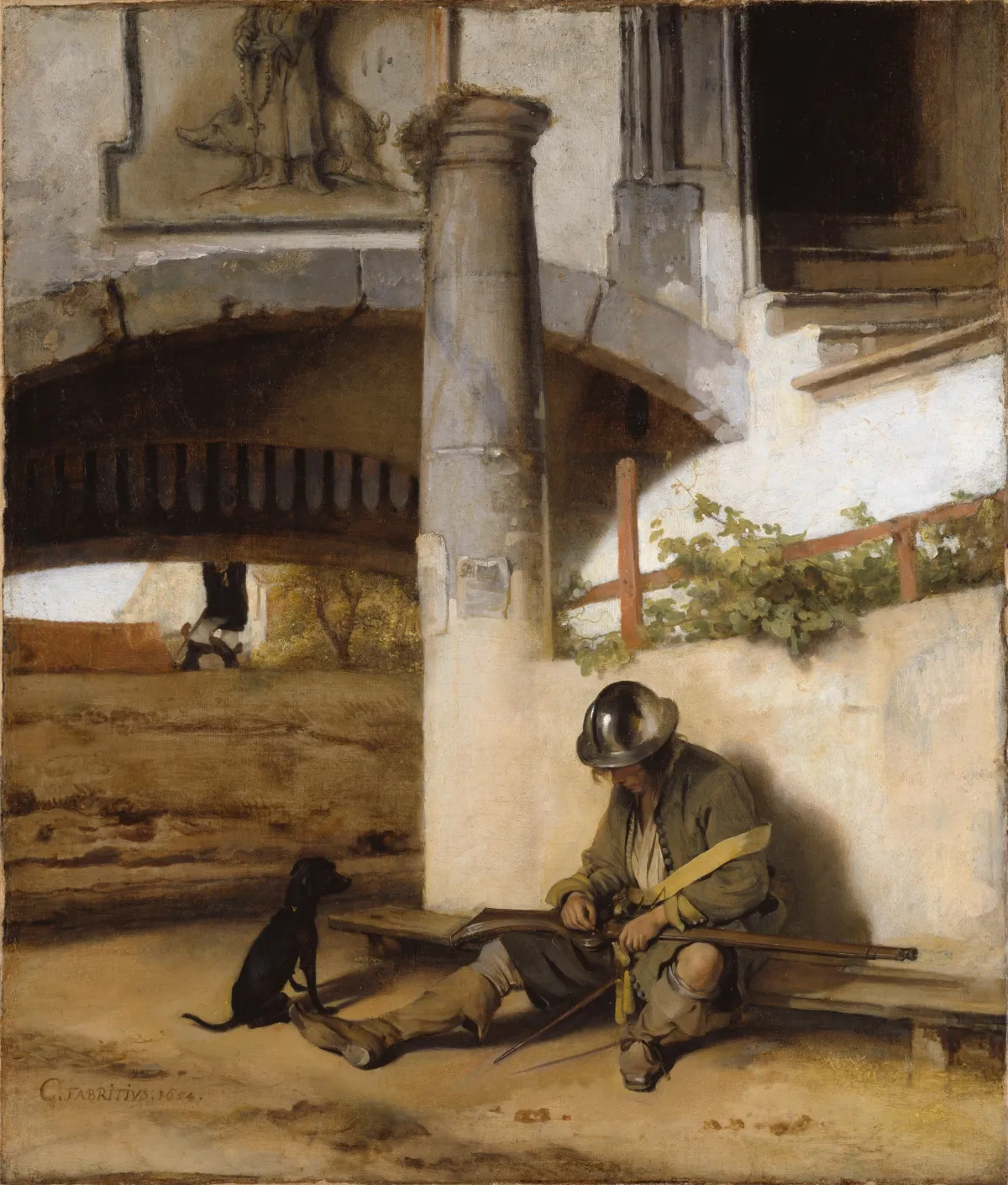
"Abraham De Potter" is celebrated for its exquisite use of oil on canvas, a technique that allowed Carel Fabritius to achieve remarkable depth and realism. His meticulous brushwork and attention to light set this painting apart from other Dutch Golden Age masterpieces. As with "Man with a Helmet" and "Hagar and the Angel," Fabritius’s technical prowess is evident in every detail, making these works highly sought after by art enthusiasts and collectors alike.
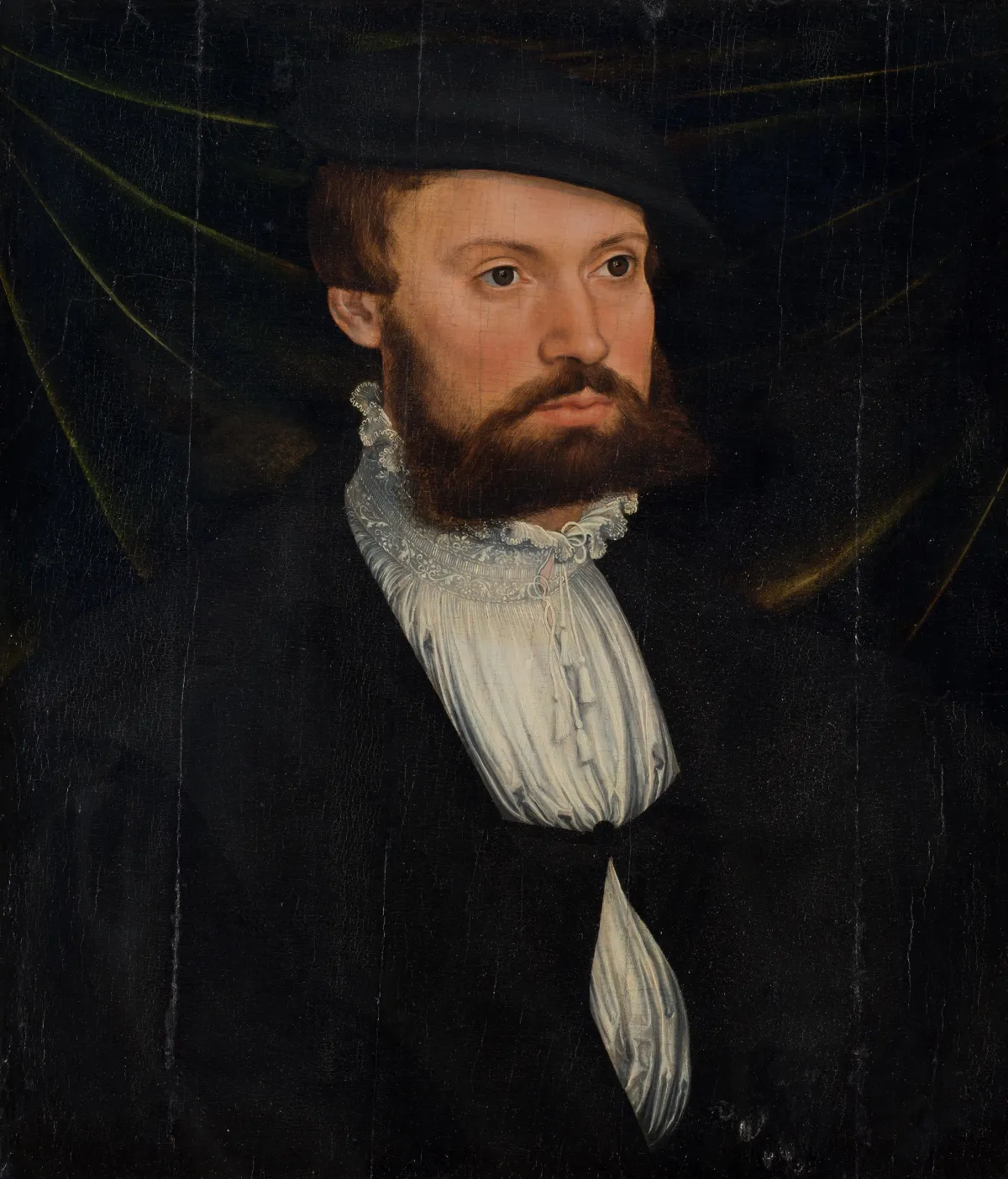
Within the "Abraham De Potter" fine art painting for sale, viewers discover layers of meaning and subtle symbolism. Carel Fabritius infused his portraits with narrative depth, reflecting the intellectual spirit of the Dutch Golden Age. The dignified pose and thoughtful gaze in this painting suggest a story beyond the surface. Collectors often seek works like "Head of an Old Man" and "Portrait of a Bearded Man" for their rich storytelling and symbolic resonance.
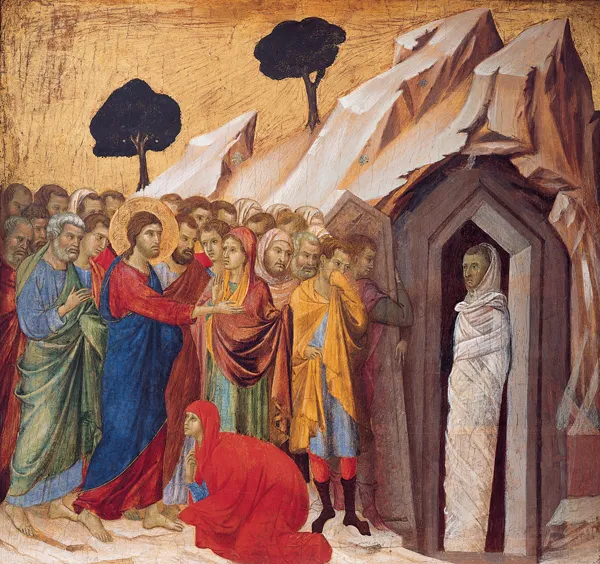
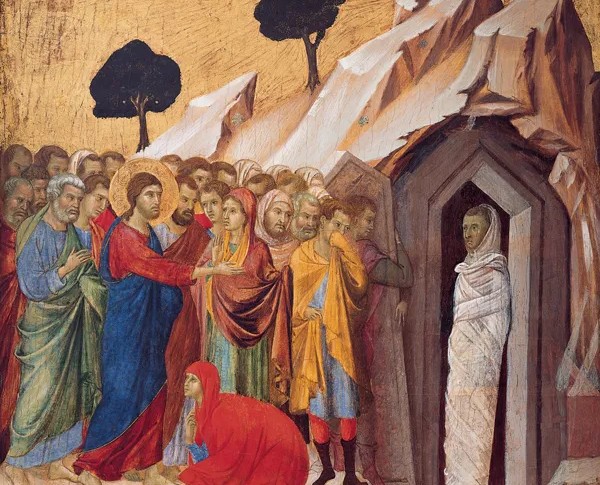
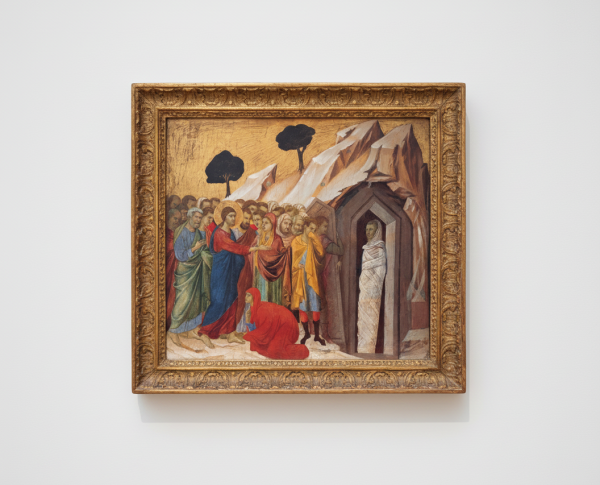
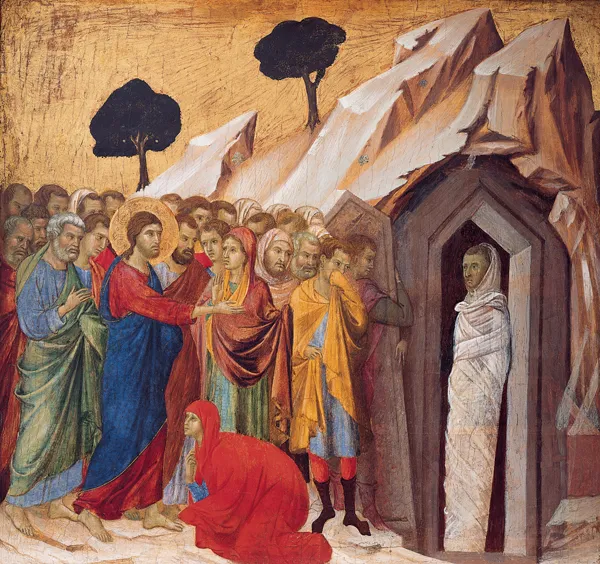
Owning an original by Carel Fabritius, such as "Abraham De Potter," is a rare privilege for any enthusiast of Dutch Golden Age art. This hand-painted oil painting, alongside related products like "The Raising of Lazarus," embodies the timeless appeal and investment value of fine art. Collectors appreciate these masterpieces not only for their historical significance but also for their exceptional beauty and craftsmanship, making them true treasures for generations to come.
When Art Meets History
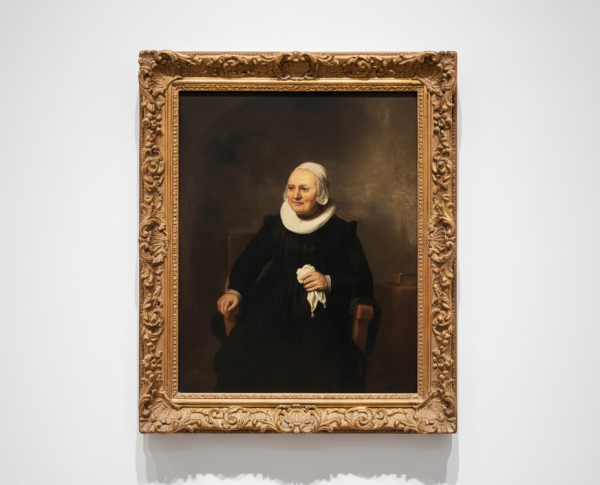
Abraham De Potter by Carel Fabritius stands as a testament to the Dutch Golden Age, a period renowned for its artistic innovation. This hand-painted oil painting captures the spirit of 17th-century Netherlands, reflecting both the era’s elegance and its fascination with realism. Fabritius, a pupil of Rembrandt, contributed significantly to Dutch portraiture, alongside contemporaries like Vermeer, whose works such as Girl with a Pearl Earring c. 1665 also highlight this remarkable movement.
Techniques That Speak
Carel Fabritius employed masterful techniques in Abraham De Potter, utilizing oil on canvas to achieve luminous textures and lifelike detail. His brushwork, light manipulation, and subtle color palette set him apart from peers like Vermeer and de Hooch, whose The Love Letter and The Wine Glass exemplify similar innovations. This painting demonstrates how Fabritius pushed the boundaries of the Dutch Golden Age, blending technical prowess with expressive storytelling through his unique application of oil paints.
Emotions on Display
In Abraham De Potter, Fabritius conveys a profound sense of character and introspection, qualities often sought after in a fine art painting for sale. The sitter’s gaze and posture reveal an inner world, echoing the emotional depth found in related masterpieces like Allegory of the Catholic Faith and Saint Praxedis. Through subtle expressions and atmospheric lighting, the artist invites viewers to connect emotionally, a hallmark of the Dutch Golden Age’s most compelling portraits.
Coveted by Collectors
Collectors highly prize Abraham De Potter, recognizing its significance within the Dutch Golden Age and its status as a distinguished hand-painted oil painting. Works by Fabritius and his contemporaries, including The Wine Glass and The Love Letter, are continually sought after in galleries and auctions. The rarity and historical value of such paintings make them coveted additions to any fine art collection, highlighting the enduring appeal of this remarkable artistic era.
Related Dutch Golden Age Hand-Painted Oil Paintings by Other Artists
Other Famous Dutch Golden Age Artists:
Frequently Asked Questions About Abraham De Potter
Who is the artist of "Abraham De Potter"?
The painting "Abraham De Potter" was created by the renowned Dutch artist Carel Fabritius, who was a prominent figure in the 17th-century Dutch Golden Age of painting.
What is the historical significance of "Abraham De Potter"?
This painting is significant as it reflects the artistic innovations of the time, showcasing Fabritius's unique approach to light and composition, which influenced later artists.
What themes are explored in "Abraham De Potter"?
The painting explores themes of identity and introspection, capturing the essence of the subject while also reflecting broader societal values of the era.
What artistic techniques did Carel Fabritius use in this painting?
Fabritius employed techniques such as chiaroscuro to create depth and dimension, as well as a meticulous attention to detail that highlights the textures of the subject's clothing and surroundings.
What is the symbolism behind the depiction of Abraham De Potter?
The portrayal of Abraham De Potter may symbolize the intersection of art and life, representing the role of the artist in society and the importance of individual identity during the Dutch Golden Age.
How does "Abraham De Potter" compare to other works by Carel Fabritius?
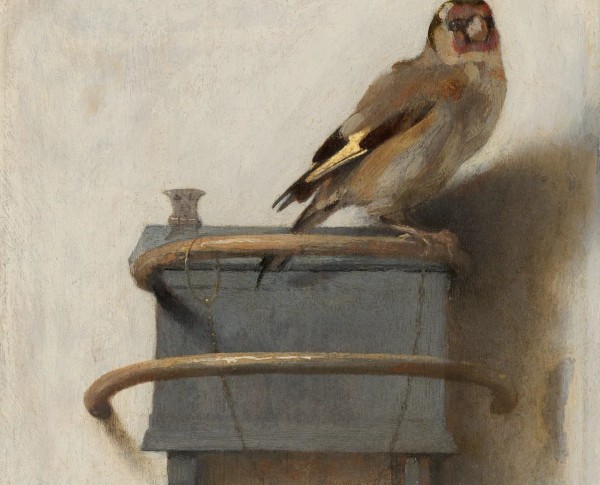
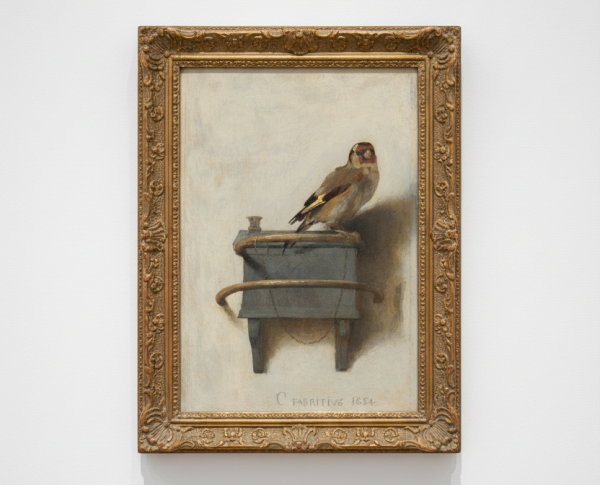
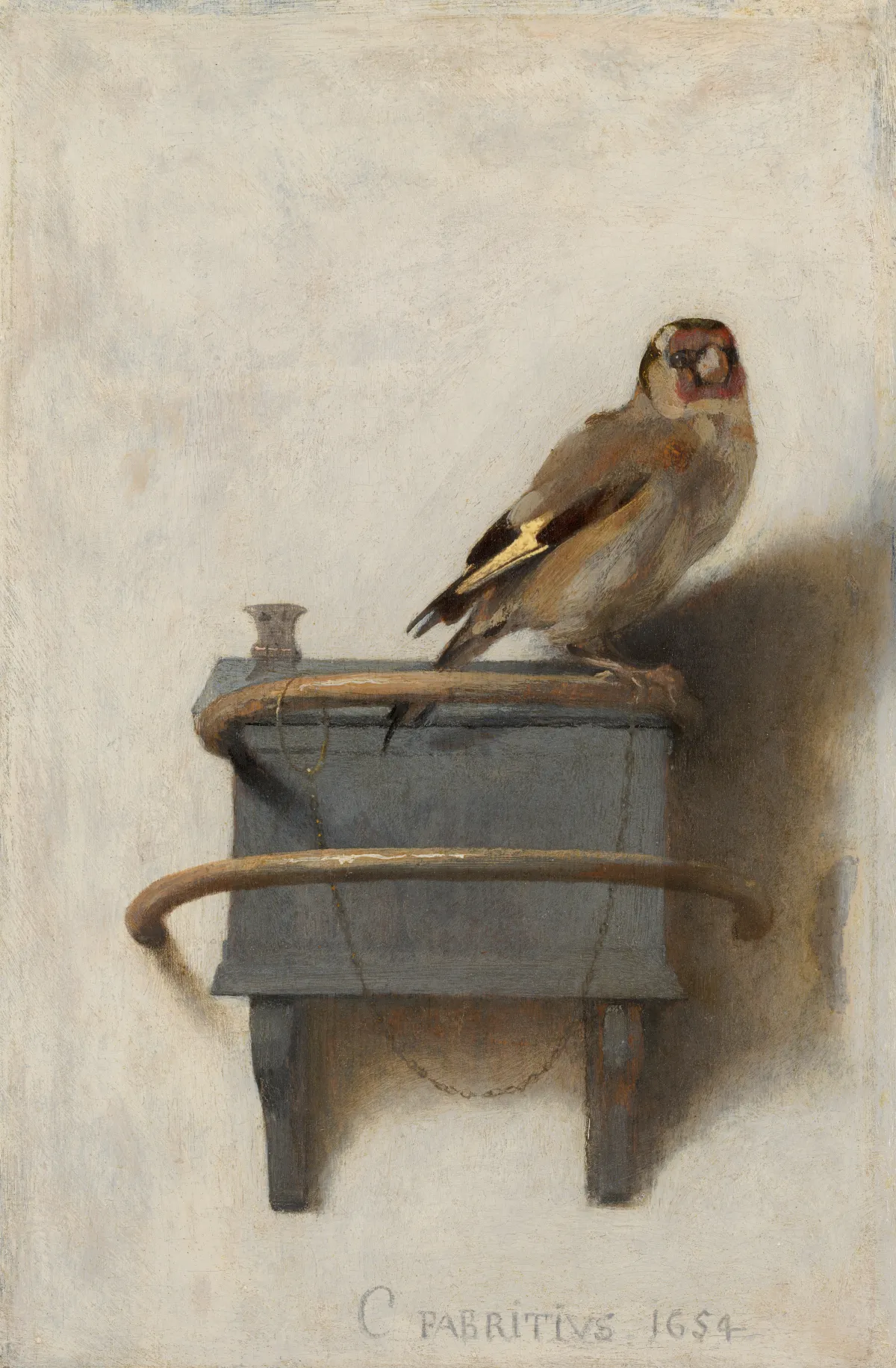
This painting is often compared to Fabritius's other works, such as "The Goldfinch," as it shares similar themes of realism and intimate portrayal of subjects, showcasing his mastery of light and shadow.
What influences did Carel Fabritius have on later artists?
Fabritius's innovative use of color and light influenced many artists of the Baroque period and beyond, paving the way for developments in realism and impressionism.
What can we learn about Dutch society from "Abraham De Potter"?
The painting provides insight into the values and aesthetics of 17th-century Dutch society, reflecting a growing appreciation for individualism and the arts during this prosperous period.
Where is "Abraham De Potter" currently housed?
The painting is currently housed in a prominent art collection, where it is preserved and displayed for public viewing, allowing visitors to appreciate its historical and artistic significance.
What impact did the artist's life have on the creation of "Abraham De Potter"?
Carel Fabritius's life experiences, including his training under Rembrandt and his tragic death in a gunpowder explosion, deeply influenced his artistic vision and the emotional depth present in "Abraham De Potter."






















_GFM_Painting_(1).webp)


 100% Hand-Painted: Finished in 3-6 Weeks

.png)















_(1).webp)