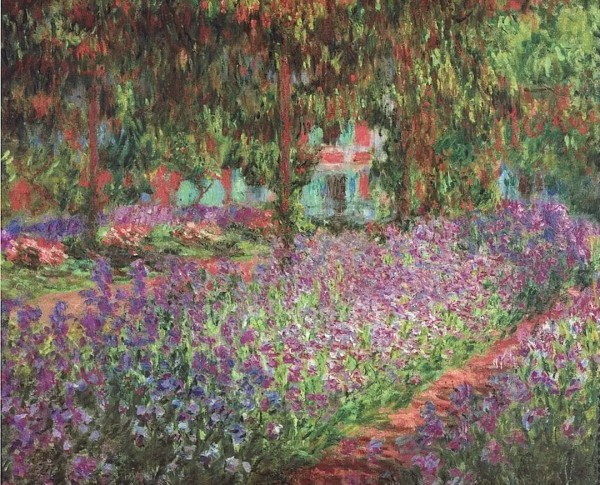
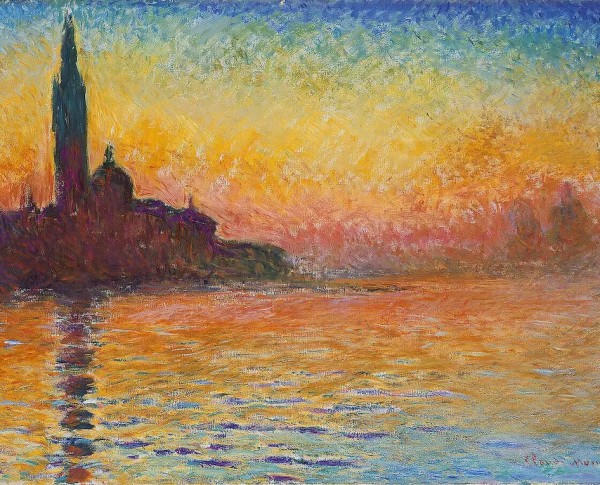
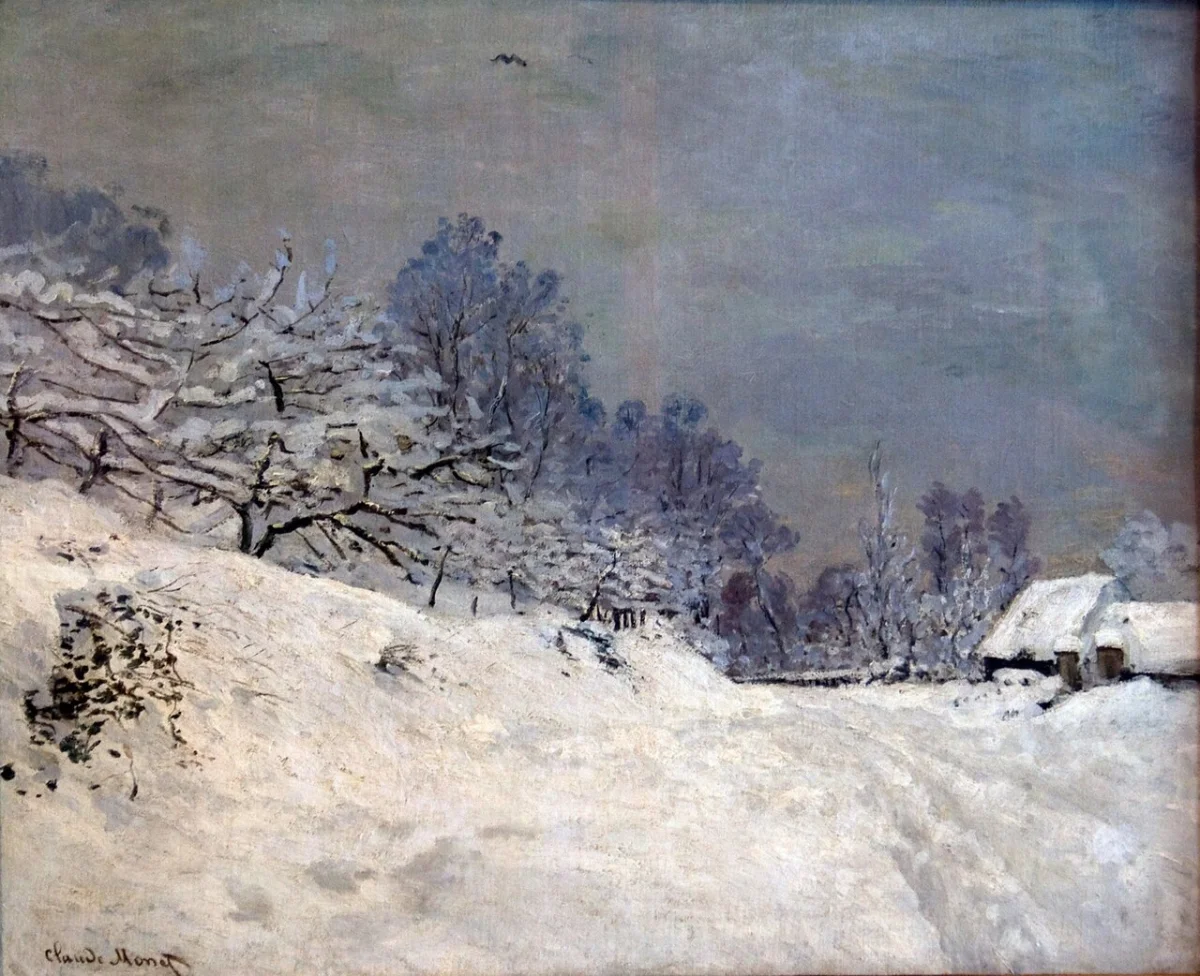
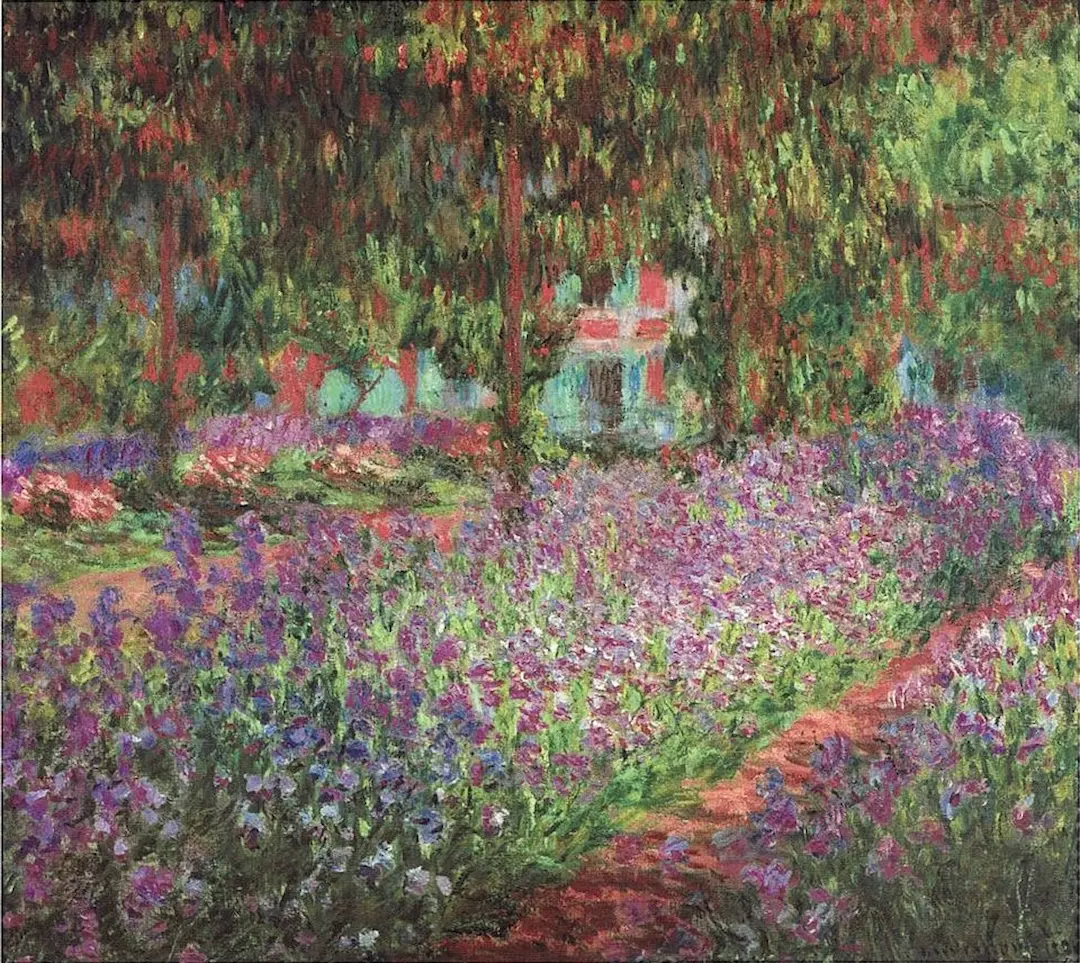
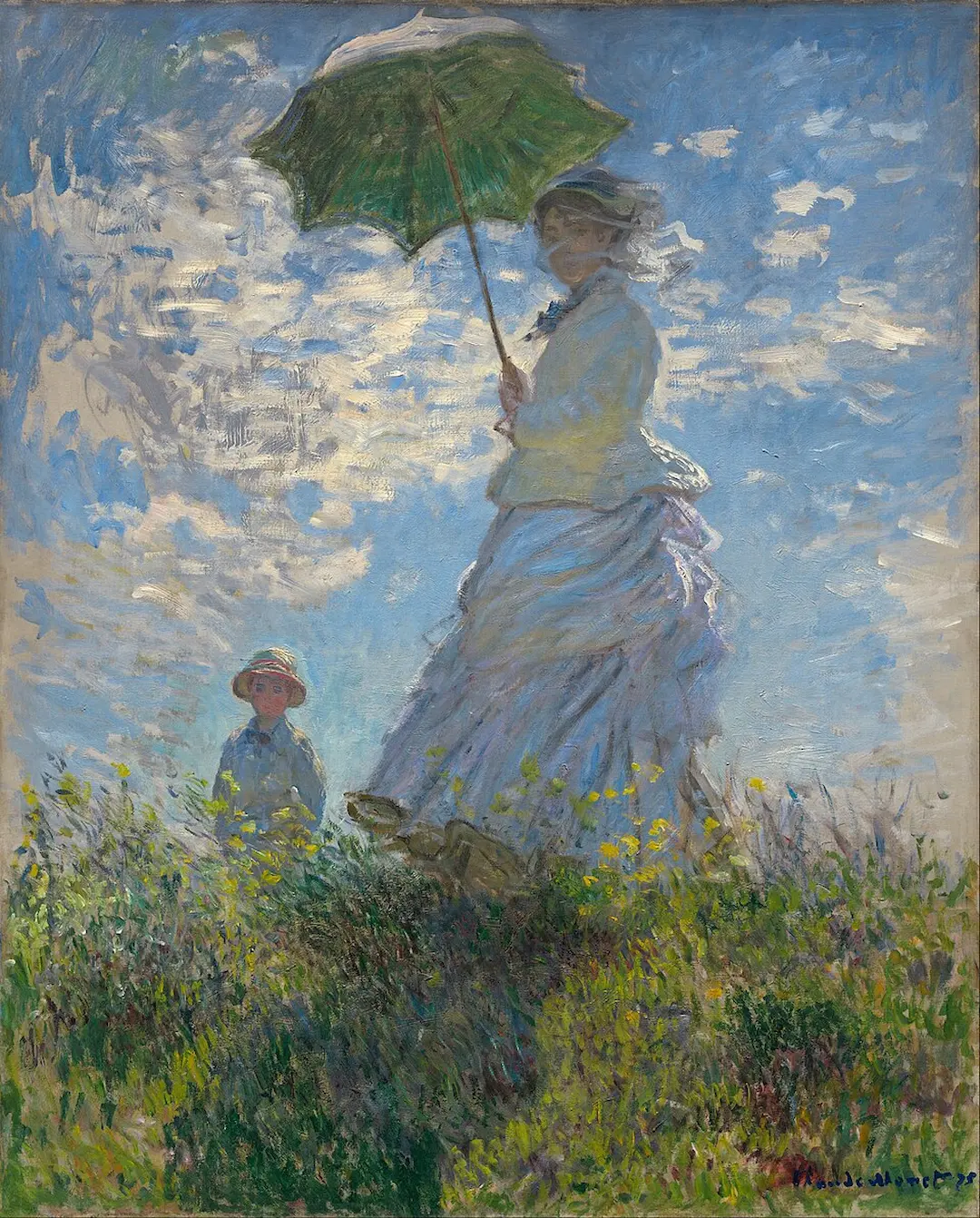
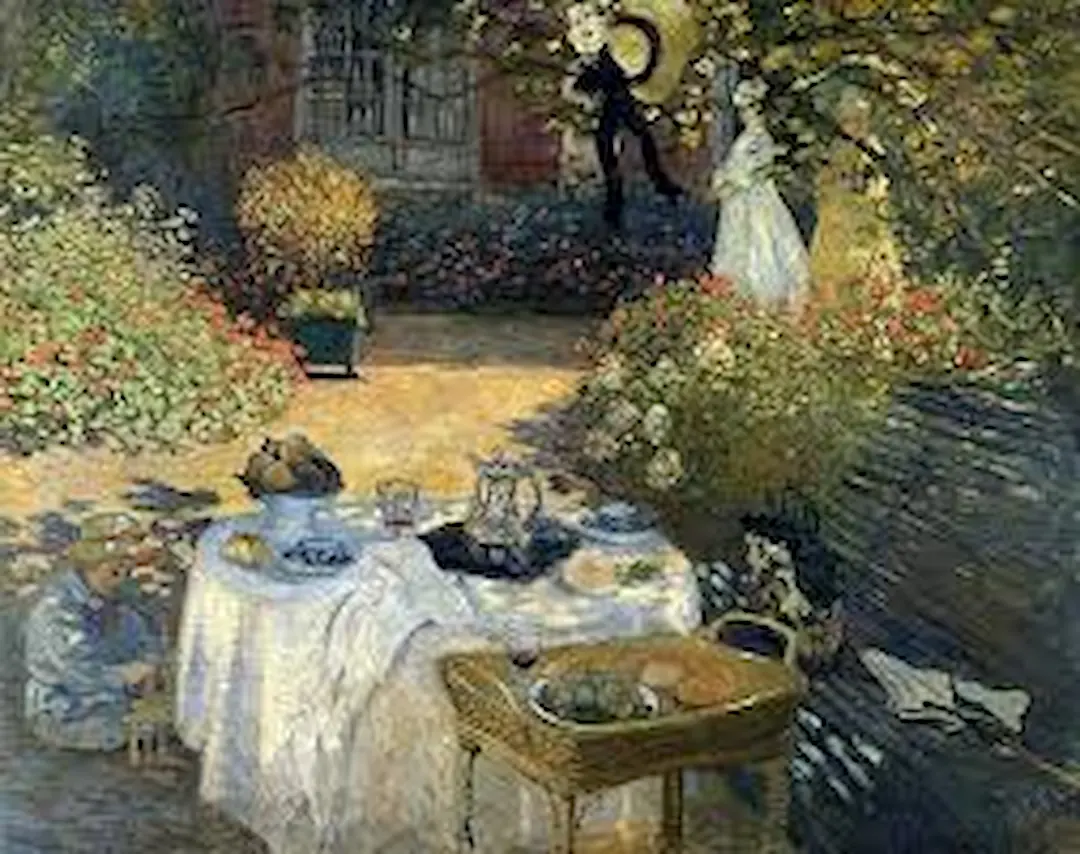
Claude Monet’s "Road to the Saint-Simeon Farm" showcases his remarkable skill in oil on canvas, a medium that defined the Impressionism era. Each brushstroke conveys movement and emotion, immersing viewers in the tranquil landscape. This mastery is also evident in related works like "The Luncheon (Monet's Garden At Argenteuil)" and "Camille." Monet’s unique style in oil on canvas continues to inspire artists and collectors, making his paintings highly sought after worldwide.
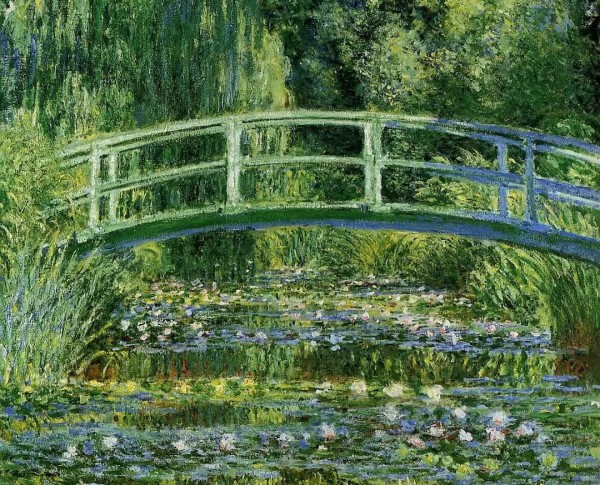
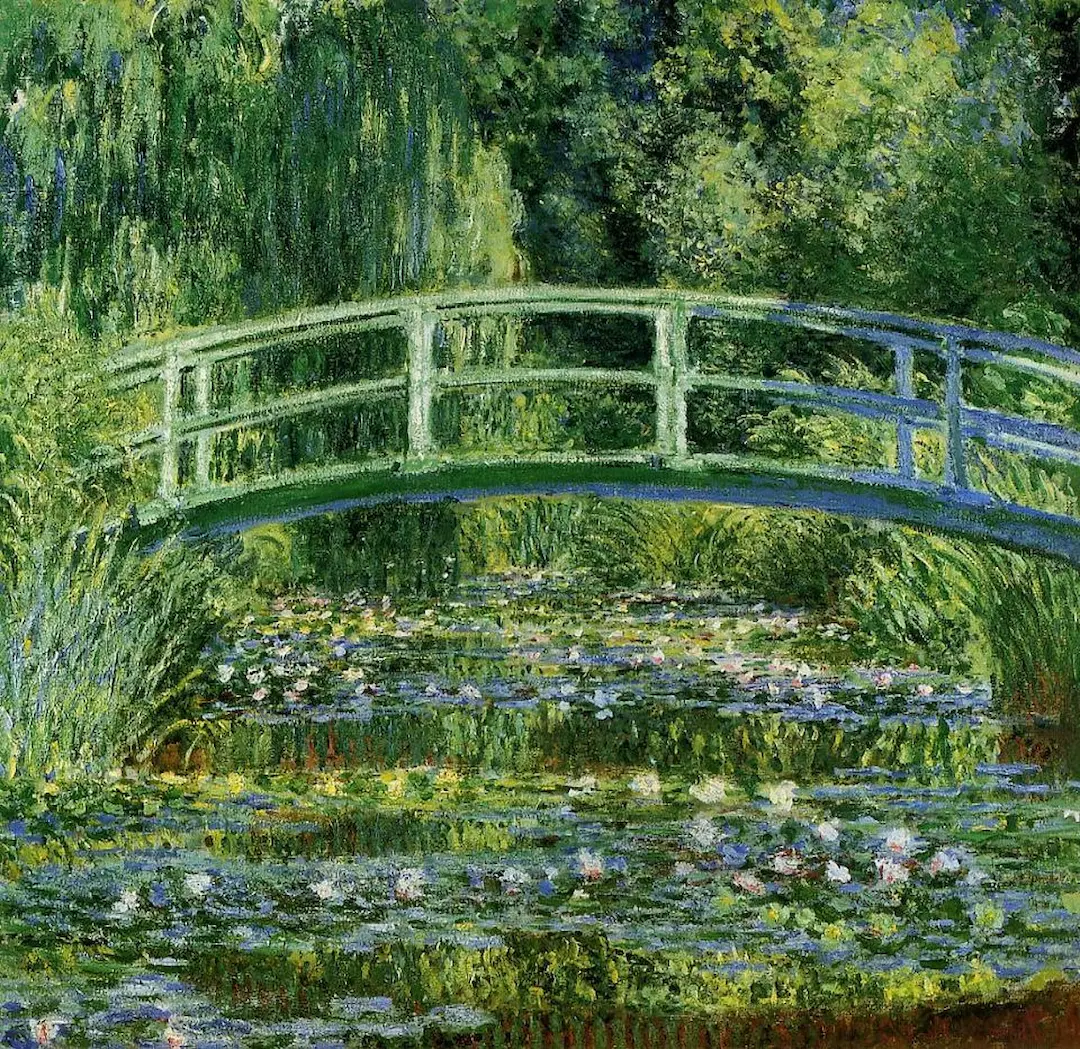
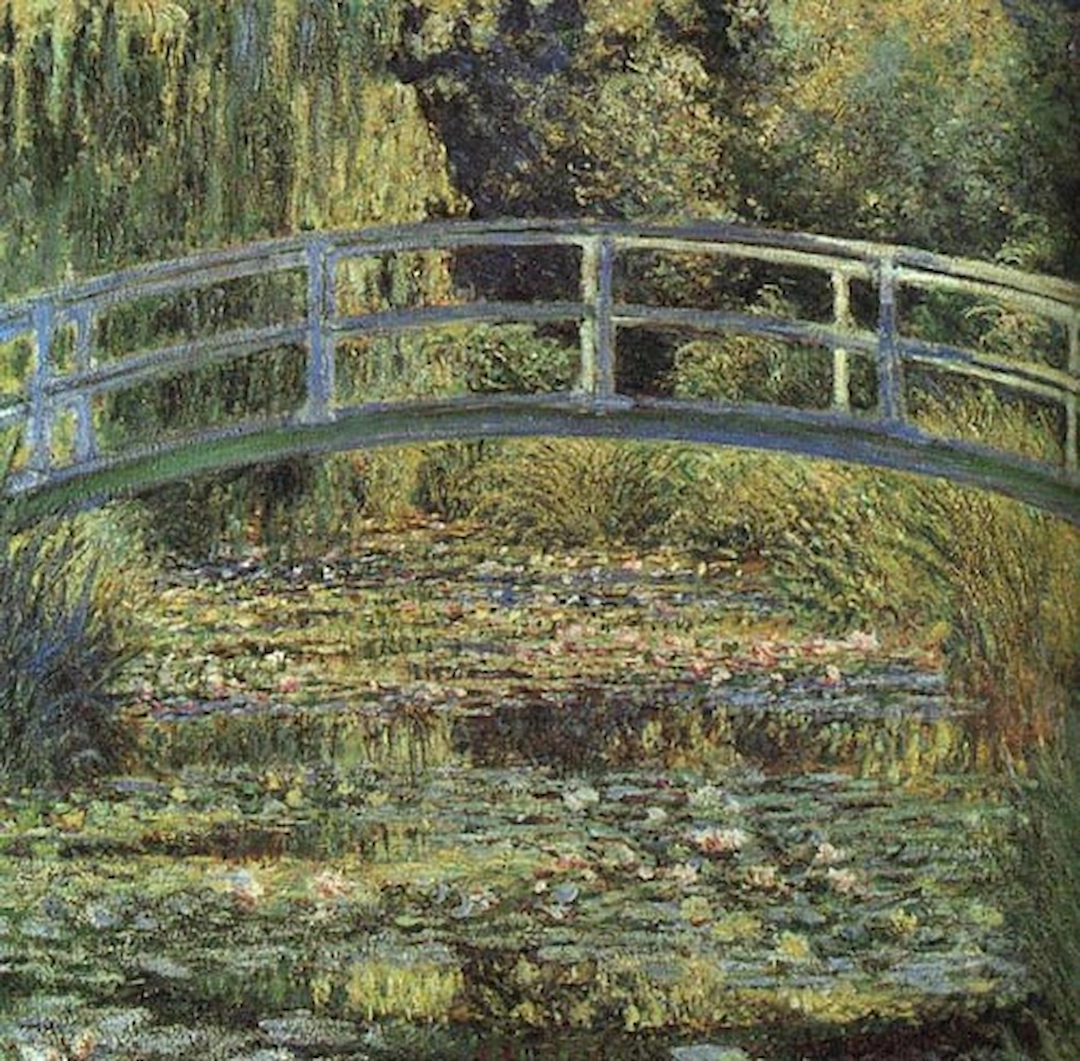
Within "Road to the Saint-Simeon Farm," Monet weaves stories and symbols through his depiction of a serene countryside path. This fine art painting for sale not only highlights the fleeting effects of light but also invites viewers to interpret its deeper meaning. Like "Wild Poppies, Near Argenteuil" and "The Water Lily Pond Aka Japanese Bridge," this canvas reveals Monet’s fascination with nature’s beauty, making it a cherished piece for those who appreciate Impressionist symbolism and storytelling.
For discerning collectors, "Road to the Saint-Simeon Farm" by Claude Monet represents an exceptional hand-painted oil painting from the Impressionism movement. Its connection to other masterpieces, such as "Woman in the Garden" and "The Water Lily Pond Aka Japanese Bridge," enhances its value as a collectible fine art painting for sale. Owning such a piece not only brings Monet’s vision into your space but also signifies an appreciation for the timeless impact of Impressionist art.
When Art Meets History
"Road to the Saint-Simeon Farm" by Claude Monet stands as a remarkable example of the Impressionism movement. Painted in the late 19th century, this hand-painted oil painting captures the tranquil rural landscapes of France, reflecting the era’s shift toward modernity. Similar to Monet’s works like "Woman in Black" and "A Girl with a Watering Can," this piece offers viewers a glimpse into the daily life and beauty of the countryside, making it a vital part of art history.
Techniques That Speak
Monet’s masterful use of oil on canvas is evident in "Road to the Saint-Simeon Farm." The artist’s signature brushwork and vibrant color palette bring the scene to life, creating depth and movement. Like his other masterpieces, such as "Two Sisters" and "Young Girls in Black," Monet’s technique in this fine art painting for sale highlights the fleeting effects of light and atmosphere, which are hallmarks of the Impressionist style.
Emotions on Display
In "Road to the Saint-Simeon Farm," Claude Monet conveys a sense of tranquility and nostalgia, inviting viewers to experience the serenity of rural France. The painting’s gentle hues and soft brushstrokes evoke emotions similar to those found in "Bal du moulin de la Galette" and other Impressionist works. This oil on canvas masterpiece allows art lovers to connect with the peaceful moments of everyday life, making it a cherished piece in Monet’s extensive collection.
Coveted by Collectors
"Road to the Saint-Simeon Farm" remains highly sought after among collectors of Impressionist art. As a fine art painting for sale, its historical significance and masterful execution by Claude Monet increase its desirability. Alongside related paintings like "Woman in Black" and "A Girl with a Watering Can," this hand-painted oil painting represents an essential addition to any serious art collection, embodying the spirit and innovation of the Impressionism movement.
Related Impressionism Hand-Painted Oil Paintings by Other Artists
Other Famous Impressionism Artists:
Frequently Asked Questions About Road to the Saint-Simeon Farm
What is the historical context of "Road to the Saint-Simeon Farm"?
"Road to the Saint-Simeon Farm" was painted in 1866 during a period when Claude Monet was exploring the effects of light and color in his landscape works. This painting reflects the artist's connection to the rural landscape of Normandy, where he spent significant time, and it represents the early stages of Impressionism.
What artistic techniques did Monet use in this painting?
Monet employed loose brushwork and a vibrant color palette to capture the essence of the landscape. His technique of applying paint in quick, short strokes allows for a dynamic representation of light and movement, which are hallmarks of Impressionist painting.
What is the significance of the Saint-Simeon Farm in Monet's life?
The Saint-Simeon Farm holds personal significance for Monet as it was a place where he frequently painted and found inspiration. The farm was also a gathering place for fellow artists, contributing to the development of the Impressionist movement.
How does "Road to the Saint-Simeon Farm" exemplify Impressionism?
This painting exemplifies Impressionism through its focus on capturing a moment in time rather than a detailed representation. Monet's emphasis on light, atmosphere, and the fleeting effects of nature aligns with the core principles of the movement.
What symbols can be found in the painting?
The winding road in "Road to the Saint-Simeon Farm" can be interpreted as a symbol of journey and exploration, both physically and artistically. The rural landscape represents a return to nature, a common theme in Impressionist works that reflects a desire for simplicity and authenticity.
How does the color palette affect the mood of the painting?
Monet's use of a bright and varied color palette creates a sense of vibrancy and life in the painting. The warm tones evoke feelings of warmth and nostalgia, while the cooler hues suggest tranquility, contributing to the overall serene atmosphere of the scene.
What role did light play in "Road to the Saint-Simeon Farm"?
Light plays a crucial role in this painting, as Monet captures its changing qualities throughout the day. The interplay of light and shadow enhances the three-dimensionality of the landscape and emphasizes the ephemeral beauty of the natural world.
How does this painting reflect Monet's artistic evolution?
"Road to the Saint-Simeon Farm" marks a significant point in Monet's artistic evolution, showcasing his departure from traditional techniques. It illustrates his growing interest in capturing the effects of light and his experimentation with color, paving the way for his later masterpieces.
What influence did "Road to the Saint-Simeon Farm" have on future artists?
This painting influenced future generations of artists by demonstrating the power of color and light in landscape painting. Monet's approach to capturing the essence of a scene rather than its details inspired many modern artists to explore similar themes in their work.
What is the legacy of "Road to the Saint-Simeon Farm" in the art world?
The legacy of "Road to the Saint-Simeon Farm" lies in its role as a pivotal work in the Impressionist movement. It continues to be celebrated for its innovative techniques and emotional resonance, influencing both contemporary artists and art appreciation today.























_GFM_Painting_(1).webp)


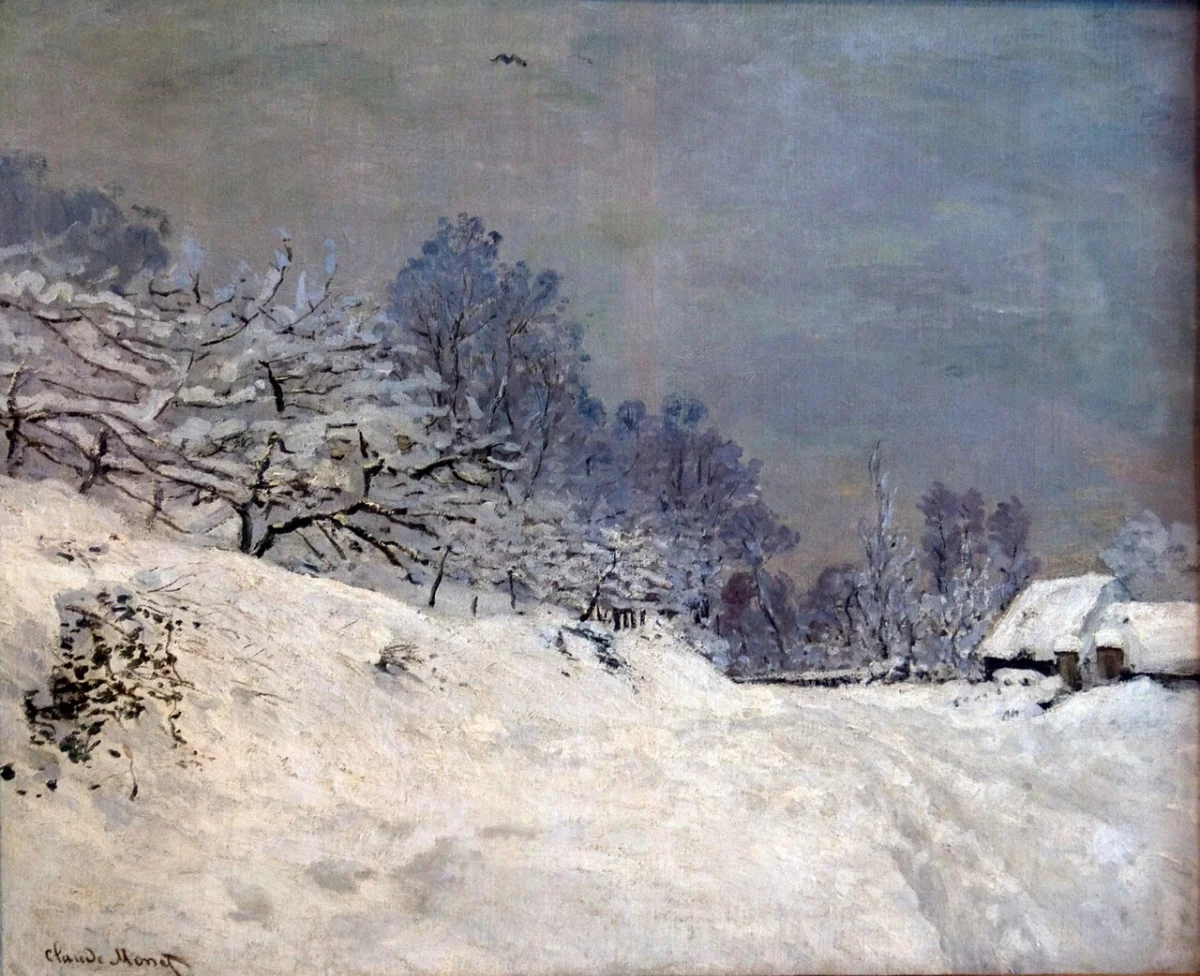
 100% Hand-Painted: Finished in 3-6 Weeks

.png)















_(1).webp)