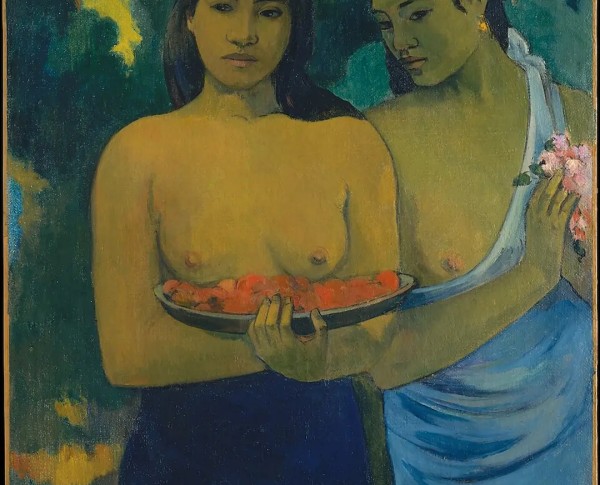
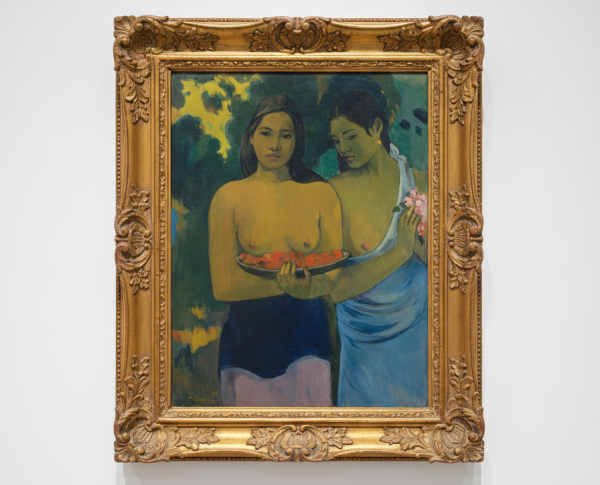
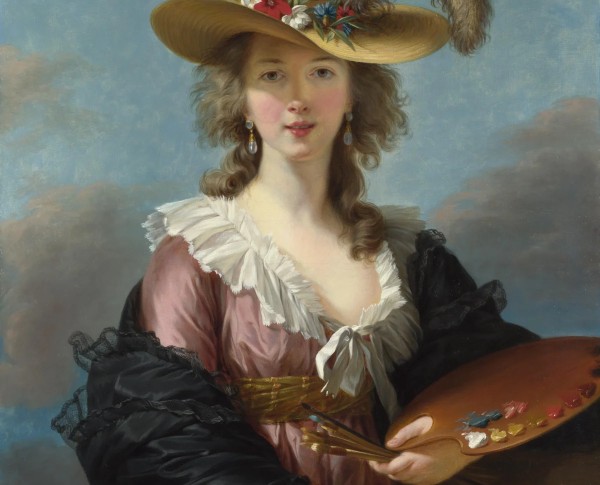
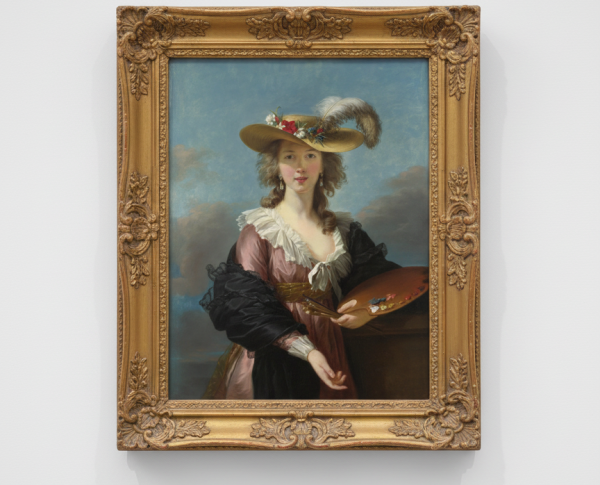
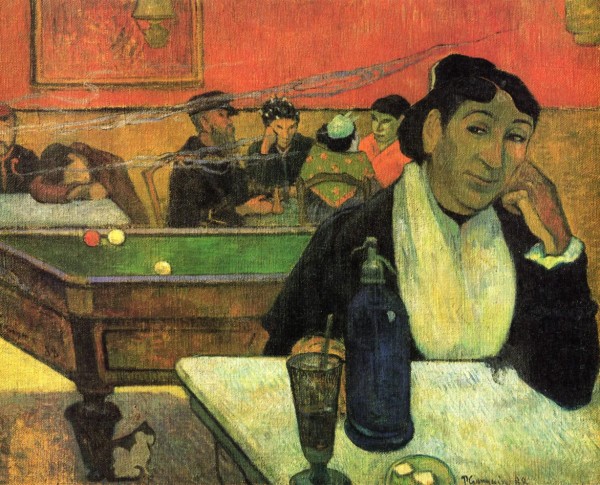
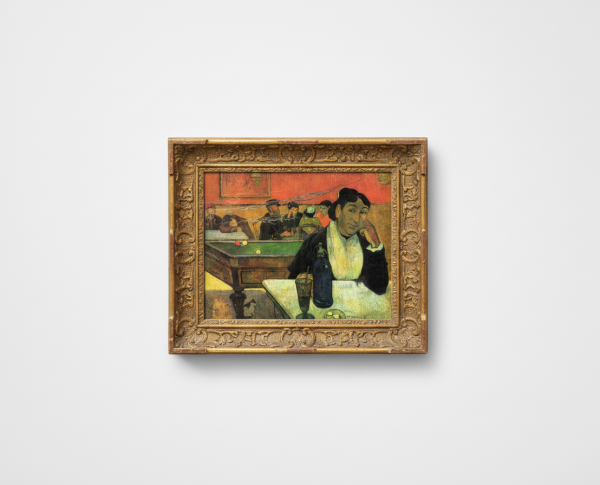
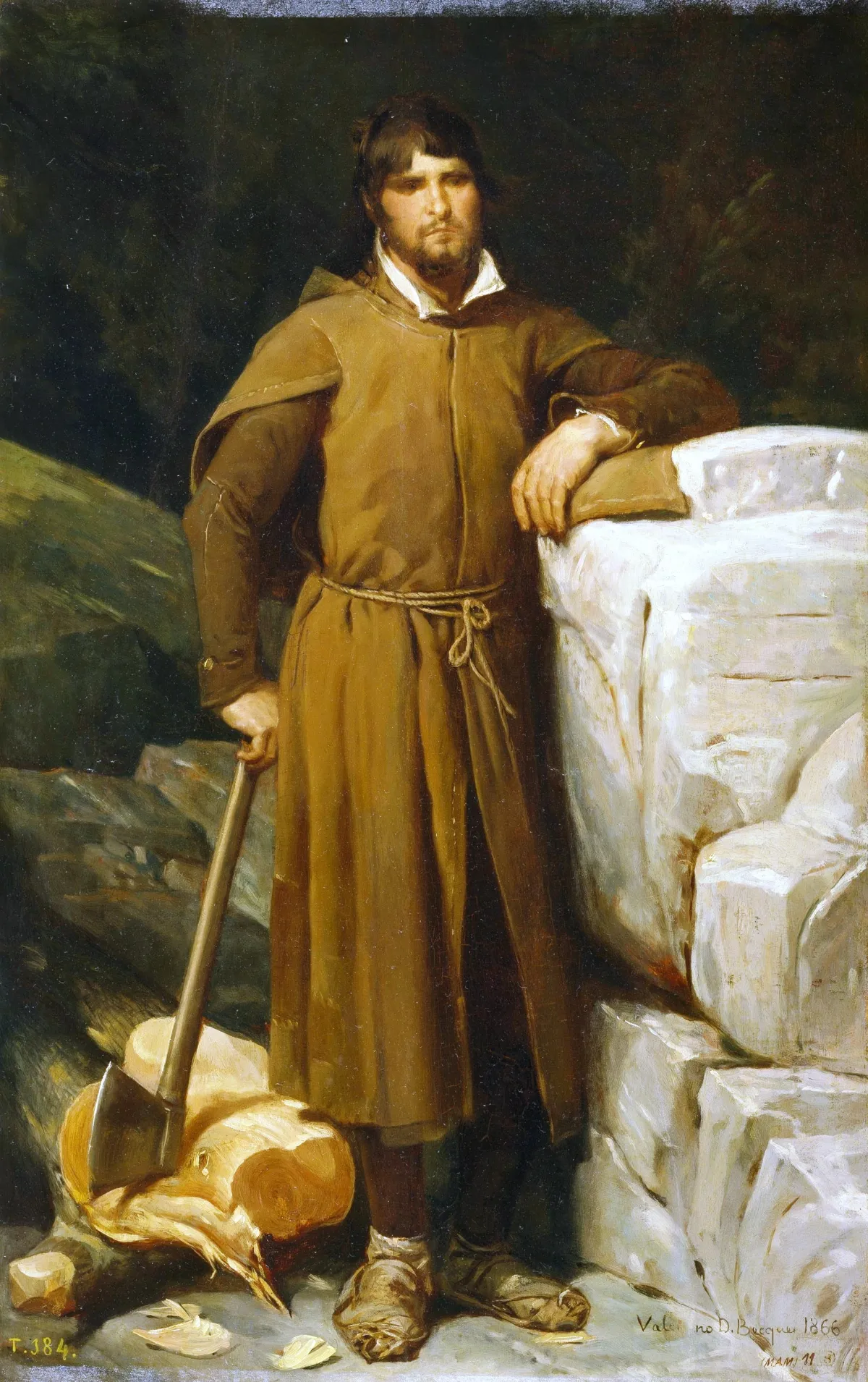
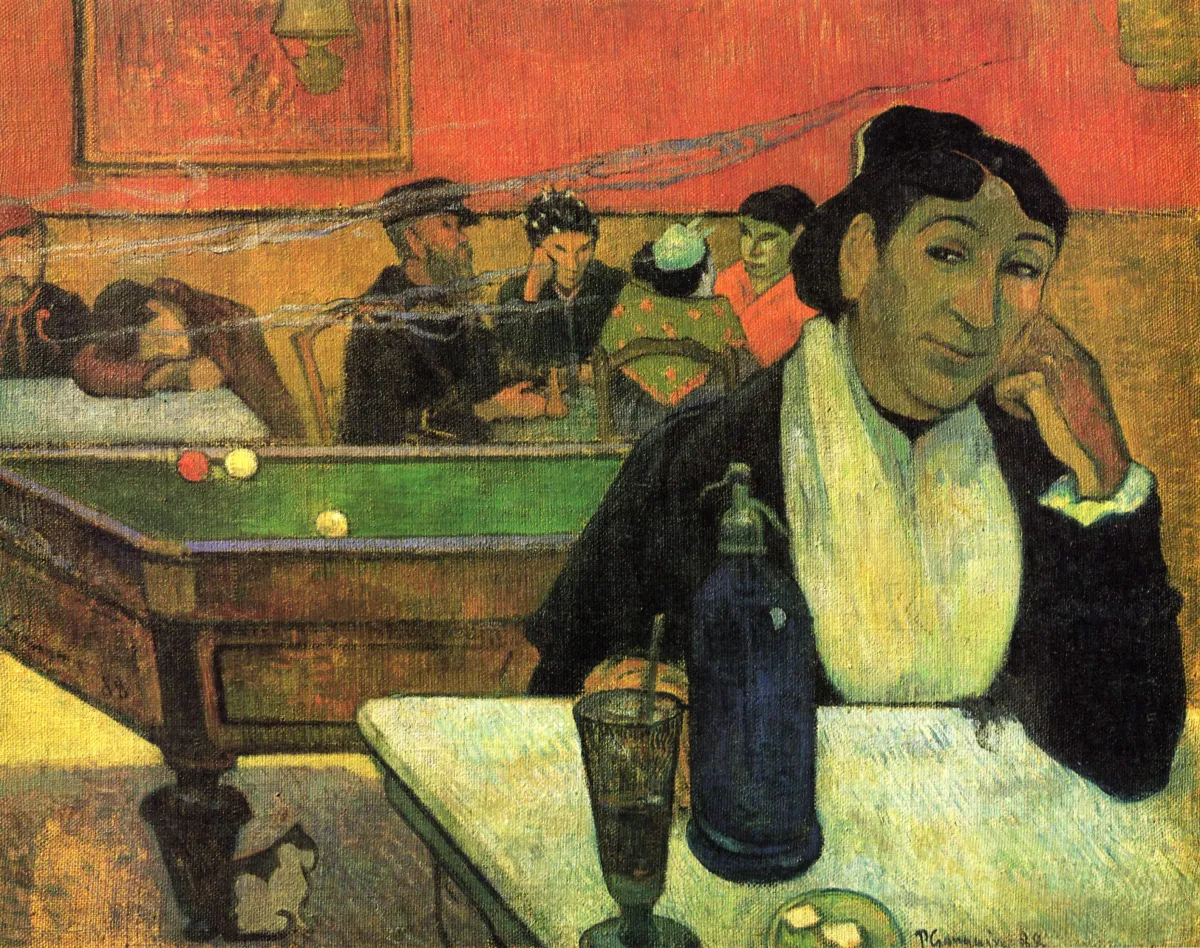
With "The Woodcutter," Paul Gauguin demonstrates his exceptional technique in oil on canvas, blending vibrant colors and expressive forms. The Post-Impressionist movement is well represented through his daring use of line and unconventional composition. Gauguin’s mastery is evident in each brushstroke, inviting viewers to explore similar pieces like "The Night Café in Arles," both of which showcase the same innovative spirit found in this remarkable artwork.
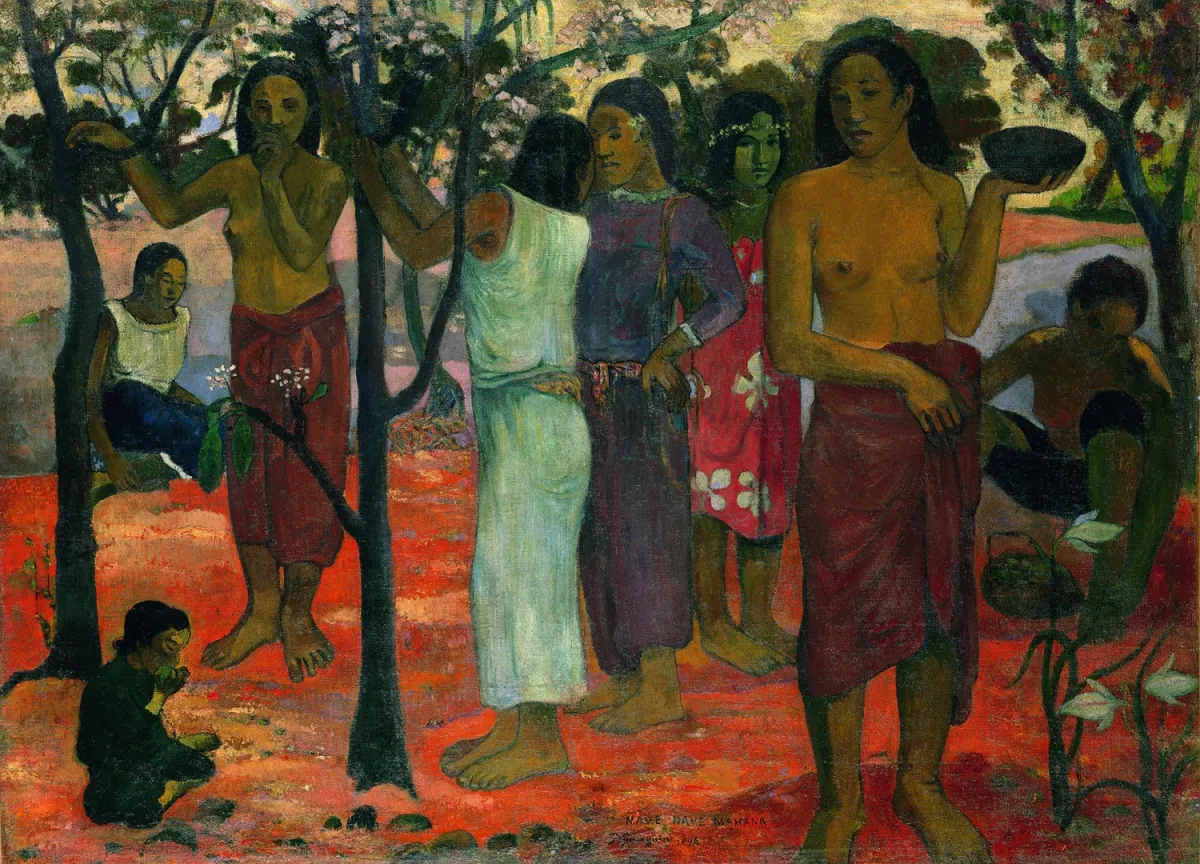
Gauguin’s "The Woodcutter" is more than a fine art painting for sale; it’s a narrative woven with symbols of toil and humanity. The painting reflects the artist’s interest in the deeper stories behind ordinary scenes, a hallmark of Post-Impressionism. Collectors often seek out related works such as "Day of the God" and "Love Each Other" to further understand the symbolic language Gauguin employed, making each piece a conversation between artist and observer.
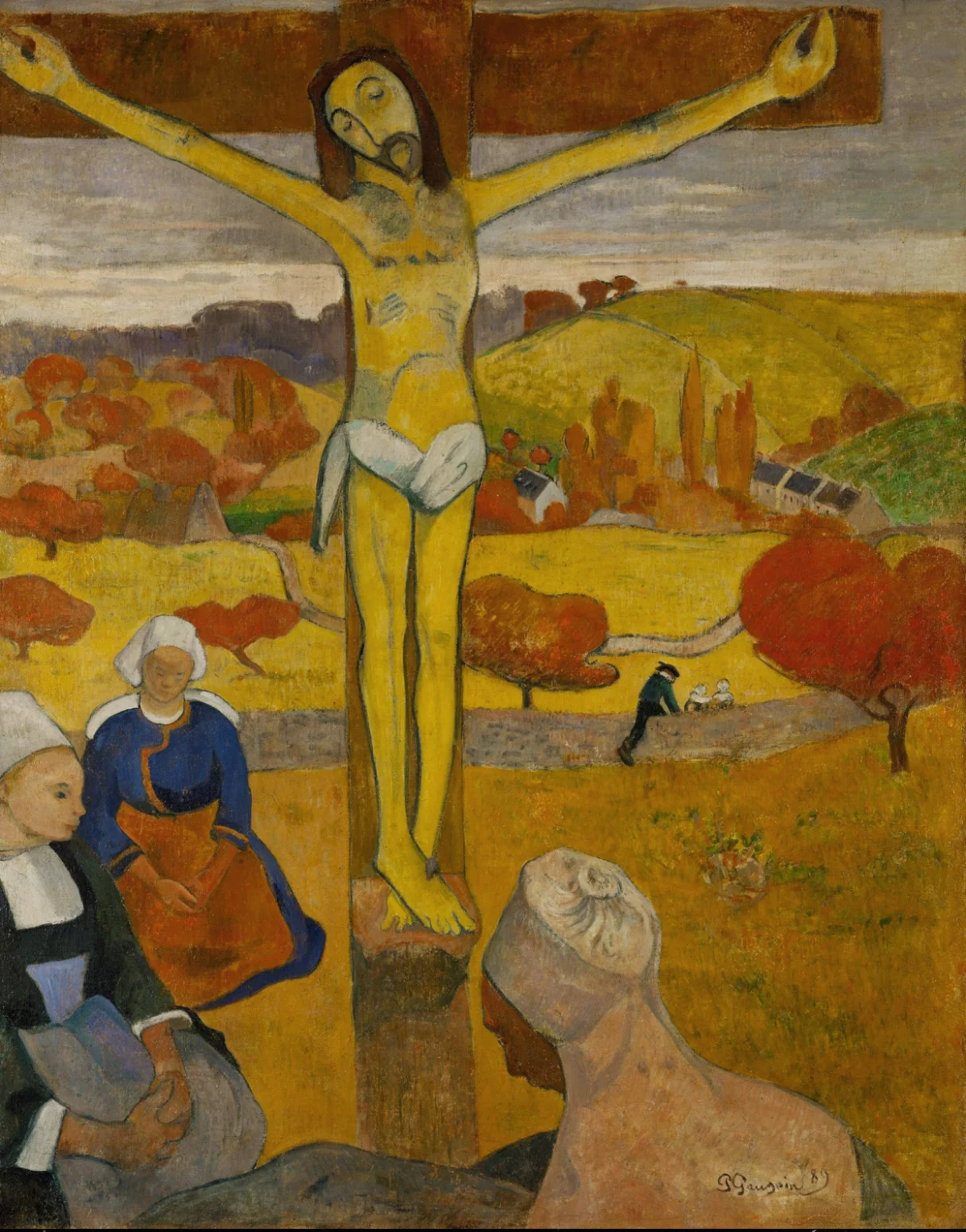
Owning "The Woodcutter" by Paul Gauguin offers a chance to possess a pivotal work from the Post-Impressionism era. This hand-painted oil painting stands alongside treasures like "The Green Christ" and "Self-portrait with hat," appealing to discerning collectors and galleries. As demand for authentic oil on canvas masterpieces grows, investing in Gauguin’s art ensures a lasting legacy, making each acquisition a prized addition to any fine art collection.
When Art Meets History
"The Woodcutter" by Paul Gauguin stands as a testament to the dynamic era of Post-Impressionism. Created during a period of artistic transformation, this hand-painted oil painting reflects Gauguin's unique vision and his break from traditional Impressionist techniques. Alongside other masterpieces like "Fields with trees in Barbizon" and "Bridges Across The Seine At Asnieres," this work captures a moment in history when artists sought to express more than just what the eye could see.
Techniques That Speak
Gauguin's mastery of oil on canvas is evident in "The Woodcutter," where bold colors and defined brushstrokes create a vivid, emotional landscape. This technique, characteristic of Post-Impressionism, allows the viewer to experience the scene's depth and texture. Similar to his approach in "Peach Trees in Blossom" and "The White Orchard," Gauguin’s use of color and form in this painting demonstrates an evolution from Impressionist ideals, emphasizing symbolic content and personal expression.
Emotions on Display
"The Woodcutter" evokes a powerful emotional response, a hallmark of Gauguin's Post-Impressionist style. The solitary figure and the interplay of light and shadow invite viewers to contemplate themes of labor and solitude. This fine art painting for sale resonates with the same emotional intensity found in works like "Boats on the Beach of Saintes-Maries." Gauguin’s ability to infuse ordinary scenes with profound feeling is what sets his art apart in the movement.
Coveted by Collectors
As a significant piece within Gauguin’s oeuvre, "The Woodcutter" is highly sought after by art enthusiasts and collectors alike. Its status as a hand-painted oil painting and its association with the Post-Impressionism movement increase its desirability. Collectors often seek works that stand alongside masterpieces such as "Peach Trees in Blossom" and "The White Orchard," making this painting a prized addition to any collection of fine art painting for sale.
Related Post-Impressionism Hand-Painted Oil Paintings by Other Artists
Other Famous Post-Impressionism Artists:
Frequently Asked Questions About The Woodcutter
What is the historical context of "The Woodcutter"?
"The Woodcutter" was created by Paul Gauguin in 1890 during his time in Brittany, France. This period was marked by Gauguin's exploration of primitive themes and a departure from Impressionism, seeking to capture the essence of rural life.
What artistic techniques did Gauguin use in "The Woodcutter"?
Gauguin employed bold colors, simplified forms, and strong outlines in "The Woodcutter." His use of flat areas of color and a lack of perspective reflects his desire to move away from traditional European painting techniques.
What themes are represented in "The Woodcutter"?
The painting explores themes of labor, nature, and the relationship between humanity and the environment. It symbolizes the dignity of manual work and the connection to the earth, reflecting Gauguin's admiration for rural life.
How does "The Woodcutter" reflect Gauguin's artistic philosophy?
Gauguin believed in the importance of expressing emotion and spirituality through art. "The Woodcutter" embodies this philosophy by focusing on the inner life of the subject rather than mere representation, emphasizing the spiritual connection to nature.
What is the significance of the woodcutter as a subject in the painting?
The woodcutter represents the archetype of the simple, hardworking man, embodying themes of strength and resilience. This choice of subject reflects Gauguin's interest in the nobility of everyday labor and the beauty found in simplicity.
How does color play a role in "The Woodcutter"?
Color in "The Woodcutter" is used not only for aesthetic purposes but also to convey emotion and mood. The vibrant palette creates a sense of vitality and connection to the natural world, enhancing the painting's thematic depth.
What influences can be seen in "The Woodcutter"?
The painting shows influences from Japanese woodblock prints, which inspired Gauguin's use of flat color and composition. Additionally, the symbolism and themes reflect the broader Symbolist movement of the late 19th century.
What is the role of nature in "The Woodcutter"?
Nature plays a crucial role in "The Woodcutter," serving as both a backdrop and a participant in the scene. The depiction of trees and the earthy tones emphasizes the harmony between the woodcutter and his environment, highlighting the theme of coexistence.
How does "The Woodcutter" compare to Gauguin's other works?
Compared to Gauguin's other works, "The Woodcutter" is more grounded in realism, yet it retains his characteristic use of color and form. It reflects his evolving style during his time in Brittany, where he sought to merge realism with symbolic representation.
What legacy has "The Woodcutter" left in the art world?
"The Woodcutter" has been influential in the development of modern art, particularly in its embrace of color and form over realism. It paved the way for later movements such as Fauvism and Expressionism, highlighting the importance of emotional expression in art.






















_GFM_Painting_(1).webp)


 100% Hand-Painted: Finished in 3-6 Weeks

.png)















_(1).webp)