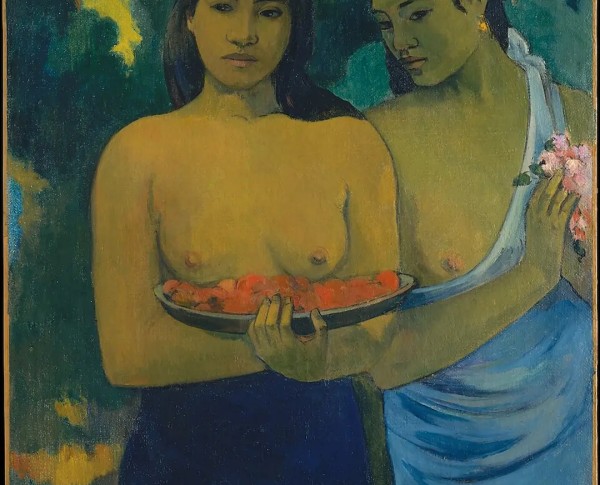
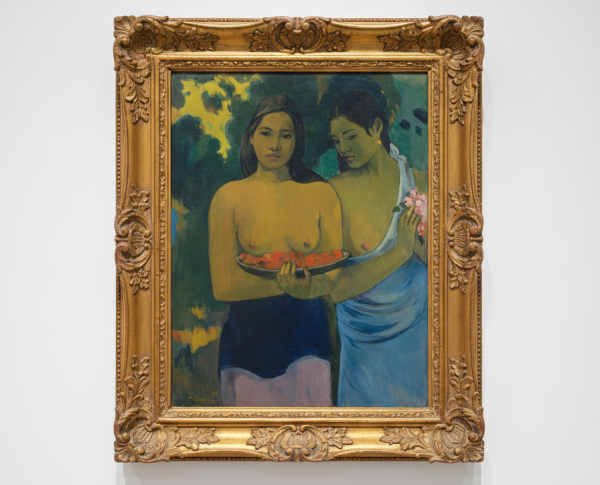
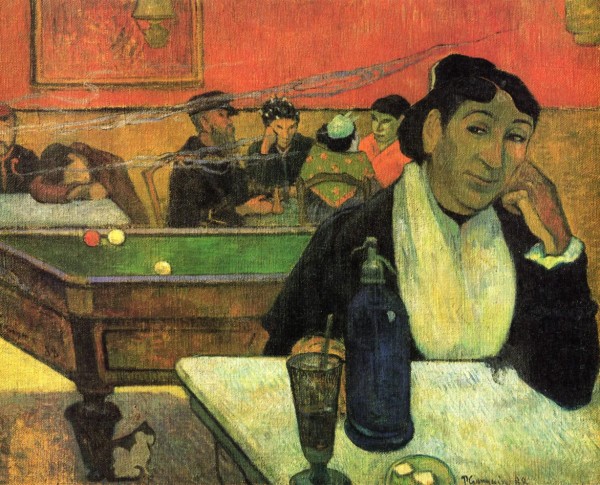
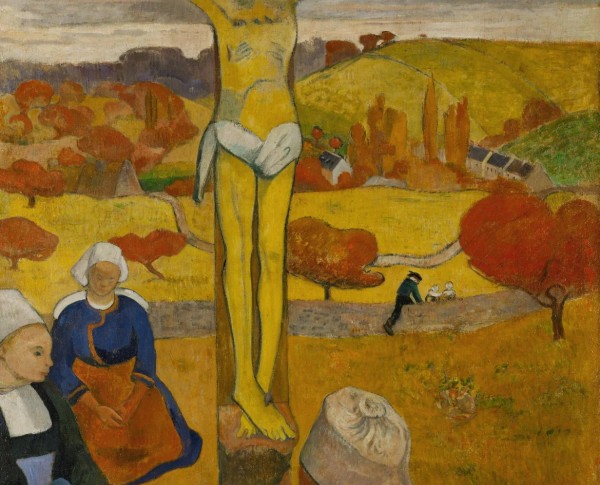
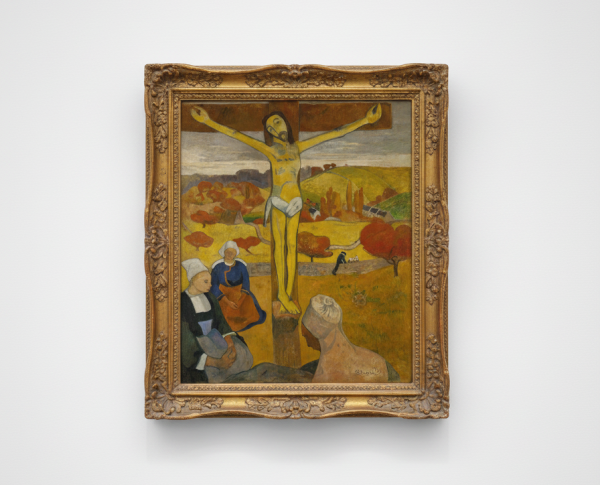
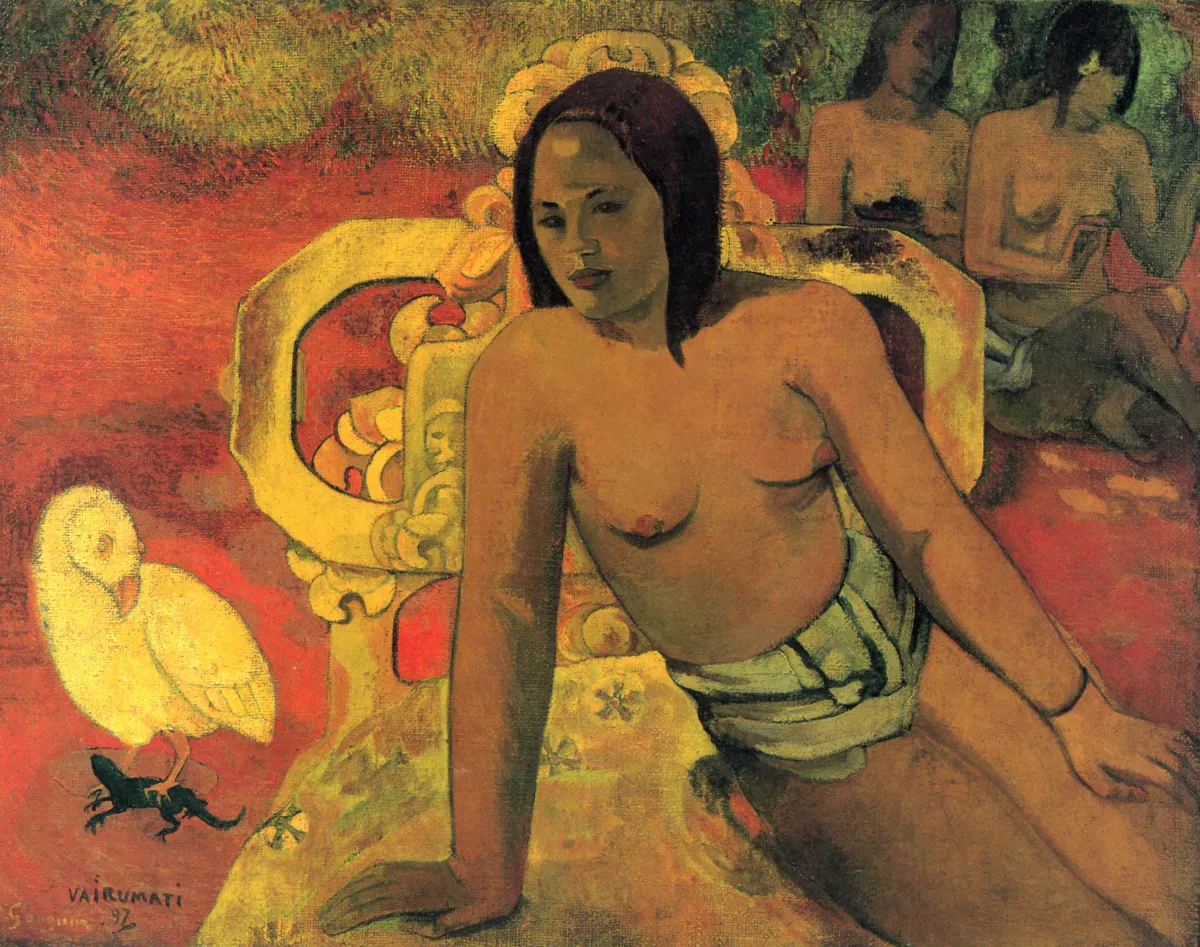
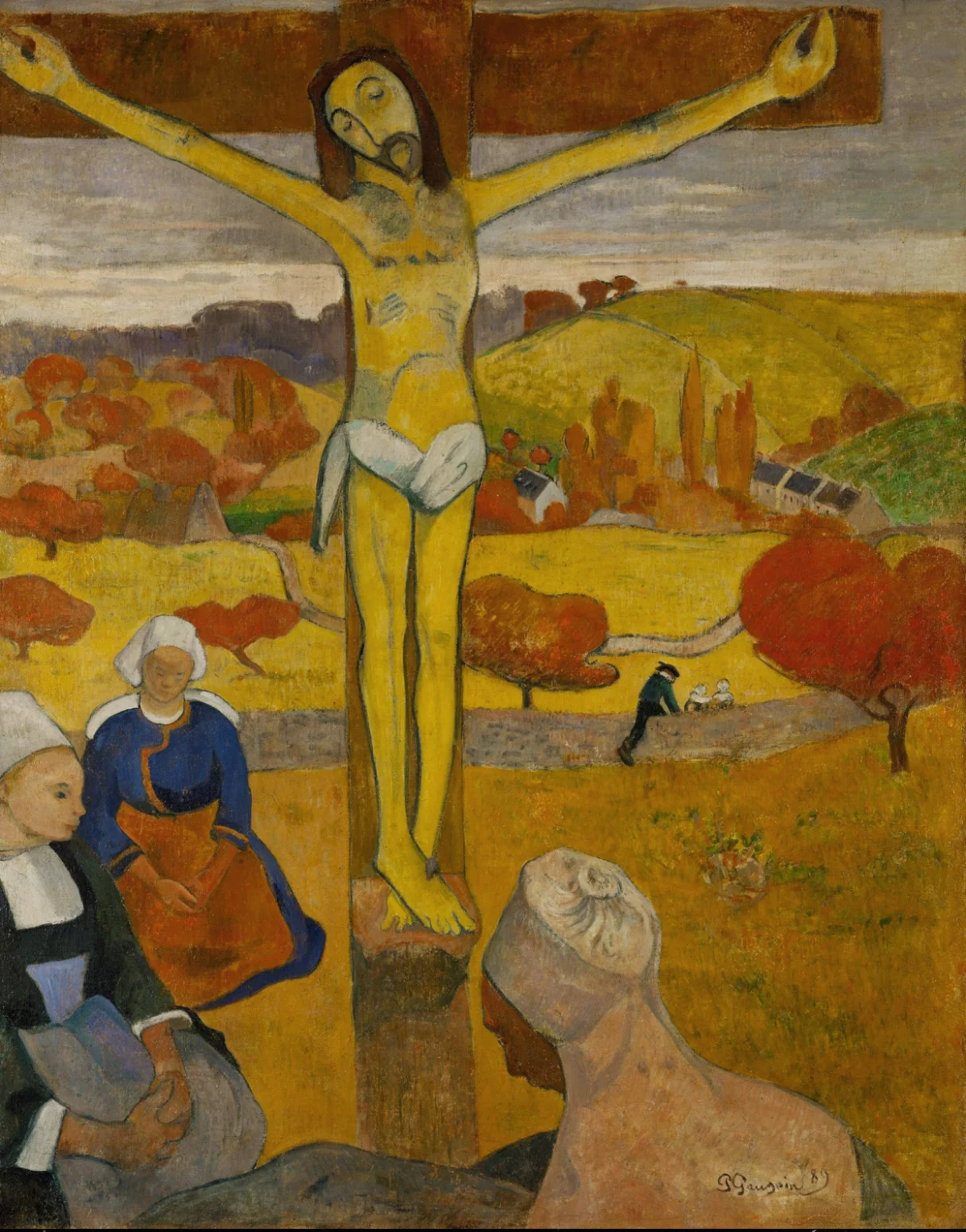
Paul Gauguin’s command of color and form is evident in every detail of "Vairumati," an exquisite oil on canvas that showcases the bold, expressive techniques characteristic of Post-Impressionism. The painting’s vivid palette and dynamic composition reflect Gauguin’s innovative approach, setting him apart from his contemporaries. For those seeking to own a piece of art history, this oil on canvas stands alongside related products like "The Yellow Christ" and "Ia Orana Maria" as must-have treasures.
"Vairumati" is more than a fine art painting for sale; it is a narrative woven with symbolism and cultural references. Gauguin infused the artwork with Tahitian mythology and personal interpretation, inviting viewers to explore its deeper meanings. The enigmatic figure and lush background echo themes found in "Where Do We Come From? What Are We? Where Are We Going?" making "Vairumati" a compelling study in the artist’s symbolic language within the Post-Impressionism movement.
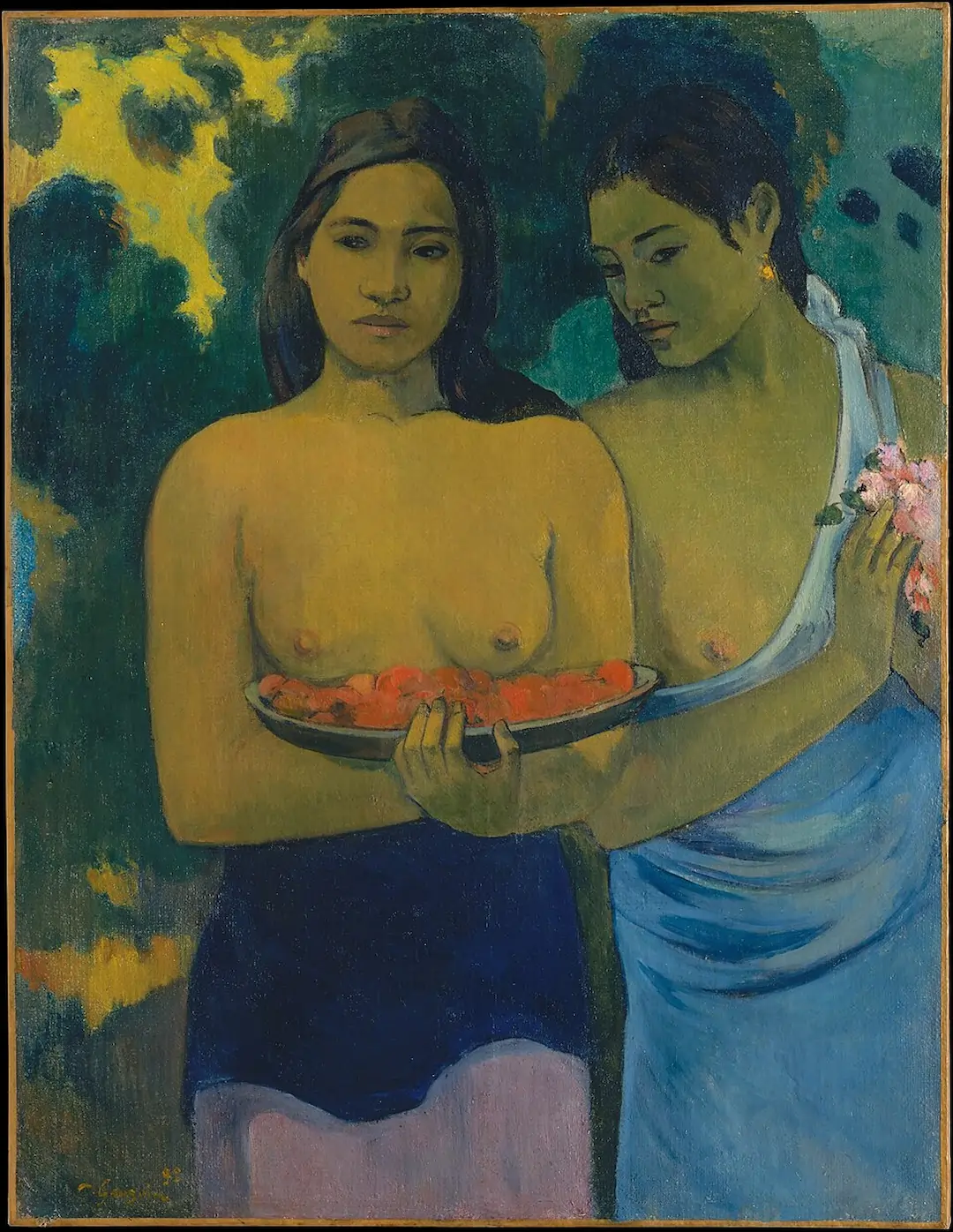
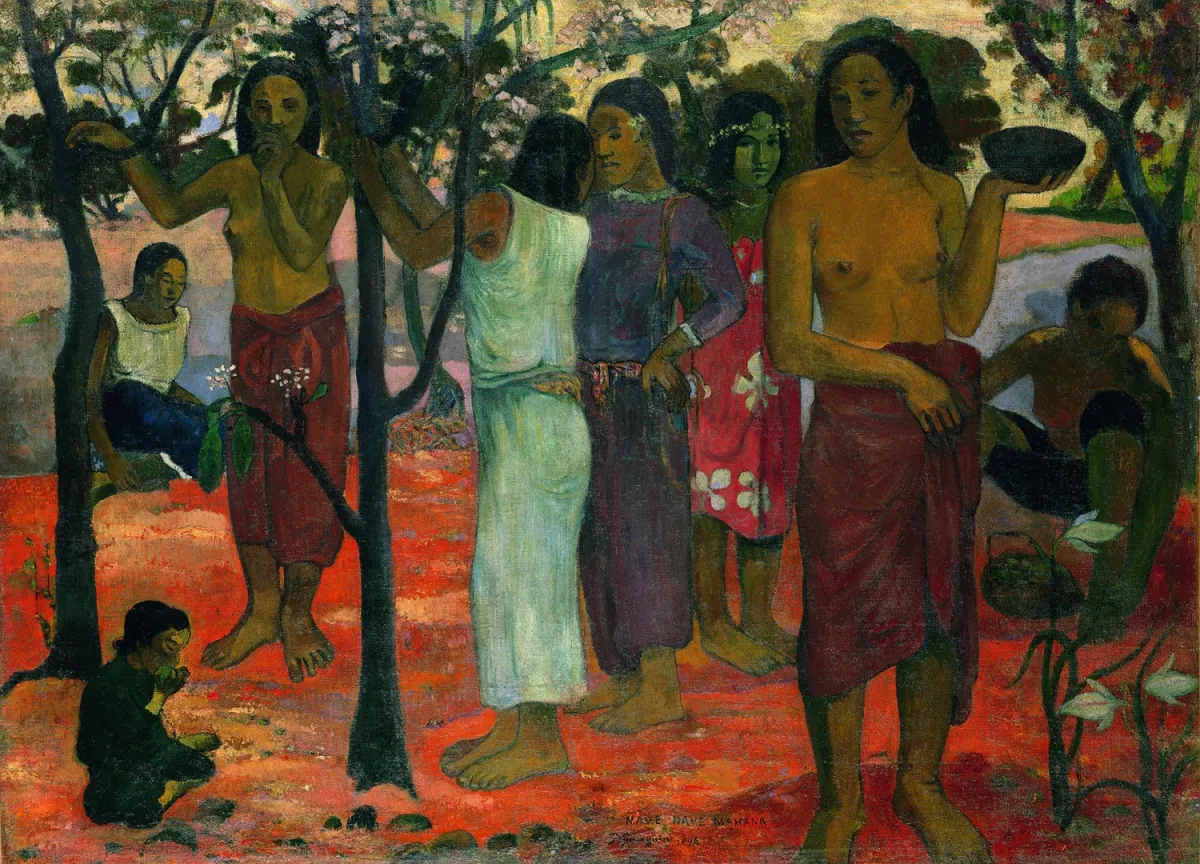
Owning "Vairumati" by Paul Gauguin means possessing a piece of Post-Impressionist history, celebrated for its artistry and cultural resonance. Whether displayed alongside "Two Tahitian Women" or "Nave Nave Mahana," this hand-painted oil painting elevates any fine art collection. Collectors recognize the enduring value and beauty of Gauguin’s work, ensuring that "Vairumati" remains a sought-after masterpiece and a fine art painting for sale that embodies the spirit of its era.
When Art Meets History
"Vairumati" by Paul Gauguin stands as a testament to the Post-Impressionism movement, capturing the vibrant culture of Tahiti during the late 19th century. This hand-painted oil painting reflects Gauguin’s fascination with indigenous subjects and his quest for authenticity. Like related works such as "Wheatfield with Crows" and "Vase With Twelve Sunflowers II," "Vairumati" intertwines personal narrative with broader historical themes, making it a significant piece in the world of fine art.
Techniques That Speak
Paul Gauguin’s mastery is evident in the bold colors and expressive brushstrokes of "Vairumati." Utilizing oil on canvas, he achieves a luminous quality that brings the subject to life. The Post-Impressionist technique, shared by works like "Mulberry Tree" and "Bridges Across The Seine At Asnieres," emphasizes emotional resonance over realism. This approach makes "Vairumati" a standout oil on canvas, inviting viewers to experience the scene through Gauguin’s unique perspective.
Emotions on Display
"Vairumati" conveys a profound sense of mystery and introspection, hallmarks of Gauguin’s Post-Impressionism period. The subject’s gaze and the vibrant palette evoke both tranquility and longing, similar to the emotional depth found in "Church Pew with Worshippers." As a fine art painting for sale, "Vairumati" offers collectors the opportunity to own a piece that not only decorates but also stirs deep emotional responses.
Coveted by Collectors
Paul Gauguin’s "Vairumati" remains highly sought after by art enthusiasts and collectors worldwide. As with other masterpieces from the Post-Impressionism movement, such as "Wheatfield with Crows" and "Vase With Twelve Sunflowers II," this hand-painted oil painting is prized for its historical significance and artistic innovation. Owning "Vairumati" is a testament to a collector’s appreciation for timeless creativity and for the enduring legacy of Gauguin’s vision.
Related Post-Impressionism Hand-Painted Oil Paintings by Other Artists
Other Famous Post-Impressionism Artists:
Frequently Asked Questions About Vairumati
What is the historical context of Paul Gauguin's "Vairumati"?
"Vairumati" was painted in 1897 during Gauguin's stay in Tahiti, a period marked by his exploration of indigenous culture and his desire to escape European civilization. This work reflects his fascination with the South Seas and the themes of primitivism that permeated his later works.
What are the main artistic techniques used in "Vairumati"?
Gauguin employed bold colors, simplified forms, and a flat perspective in "Vairumati." His use of vibrant hues and strong outlines is characteristic of his post-Impressionist style, aiming to convey emotion rather than realistic representation.
Who is the figure depicted in "Vairumati"?
The painting features Vairumati, a Tahitian woman who is often interpreted as a representation of Gauguin's idealized vision of femininity and beauty. She symbolizes the connection between nature and spirituality in Polynesian culture.
What symbols are present in "Vairumati"?
The painting is rich in symbolism, including the presence of tropical flora, which signifies fertility and the natural world. The figure's pose and expression evoke themes of longing and introspection, reflecting Gauguin's complex relationship with the Tahitian landscape and its people.
How does "Vairumati" reflect Gauguin's views on civilization?
In "Vairumati," Gauguin contrasts the perceived innocence and purity of Tahitian life with the corruption of Western civilization. This duality is evident in the serene expression of the figure, suggesting a longing for a simpler, more authentic existence.
What influence did "Vairumati" have on modern art?
"Vairumati" has influenced modern art by challenging traditional representations of women and nature. Gauguin's approach to color and form paved the way for subsequent movements, including Fauvism and Expressionism, which embraced emotional expression over realism.
What role does color play in "Vairumati"?
Color in "Vairumati" serves not only to create visual impact but also to convey emotional depth. Gauguin's use of saturated colors enhances the spiritual and symbolic aspects of the painting, inviting viewers to engage with the emotional landscape of the work.
How does "Vairumati" fit into Gauguin's overall body of work?
"Vairumati" is a significant piece within Gauguin's oeuvre, showcasing his shift towards a more symbolic and expressive style. It encapsulates his fascination with the South Seas and his desire to depict a world untouched by modernity, which is a recurring theme in his later works.
What was the public reception of "Vairumati" during Gauguin's lifetime?
During Gauguin's lifetime, "Vairumati" received mixed reviews. While some critics appreciated his innovative use of color and form, others found his departure from realism challenging. Over time, however, the painting has gained recognition as a masterpiece of post-Impressionism.
What impact did "Vairumati" have on the portrayal of indigenous cultures in art?
"Vairumati" contributed to a broader dialogue about the representation of indigenous cultures in art. Gauguin's romanticized portrayal of Tahitian life sparked both admiration and criticism, prompting discussions about authenticity, appropriation, and the complexities of cultural representation in art.






















_GFM_Painting_(1).webp)


 100% Hand-Painted: Finished in 3-6 Weeks

.png)















_(1).webp)