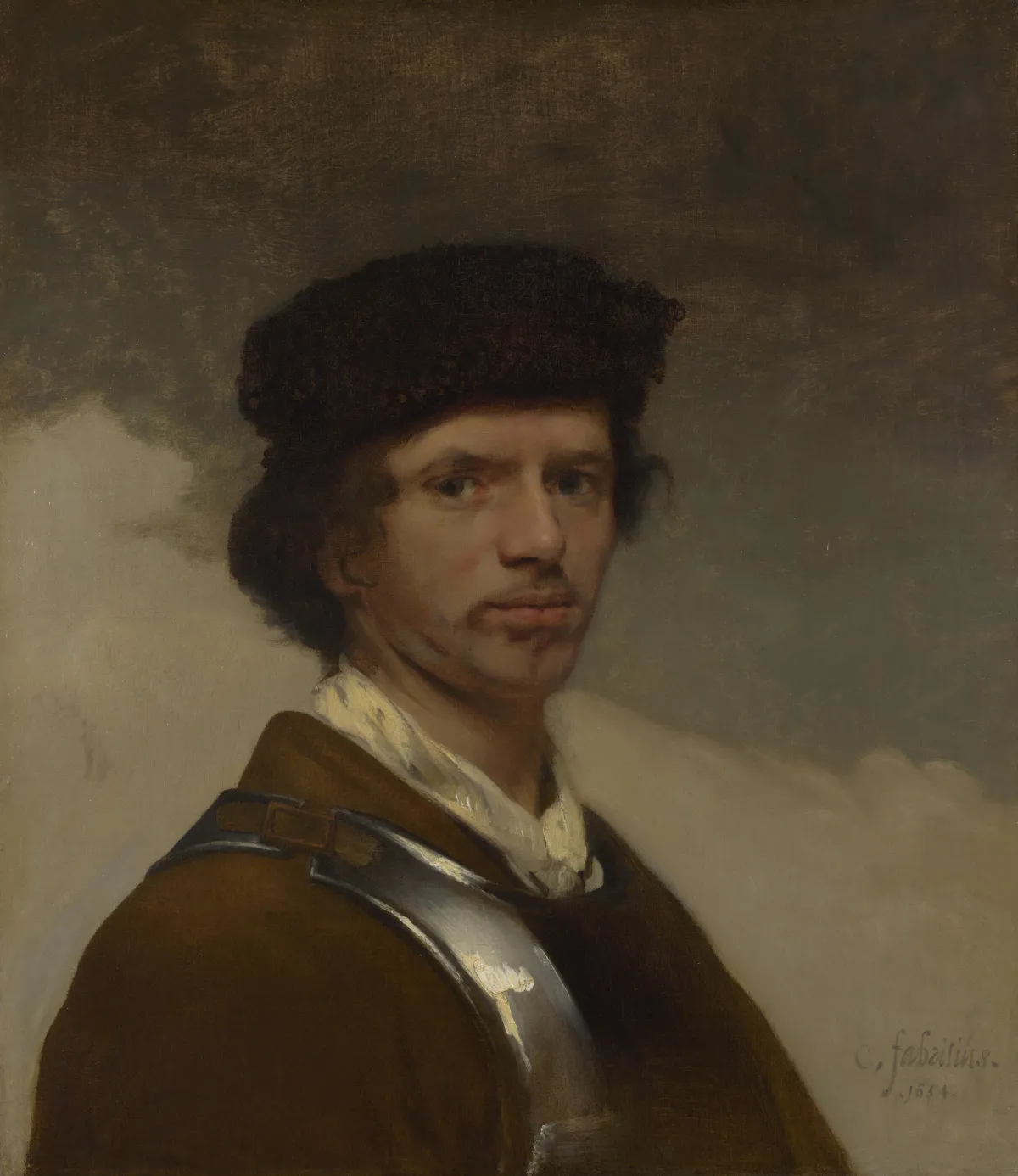
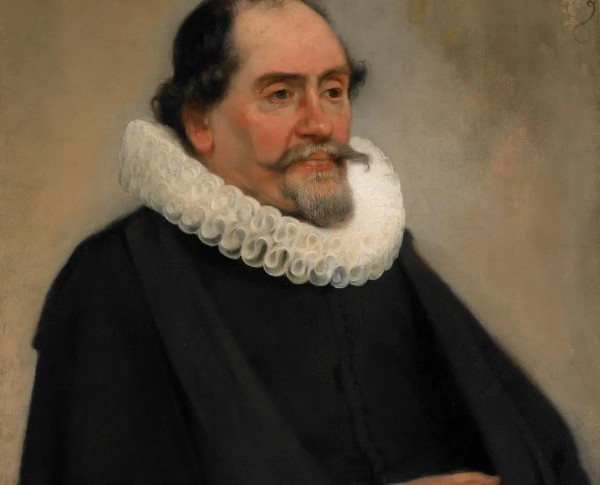
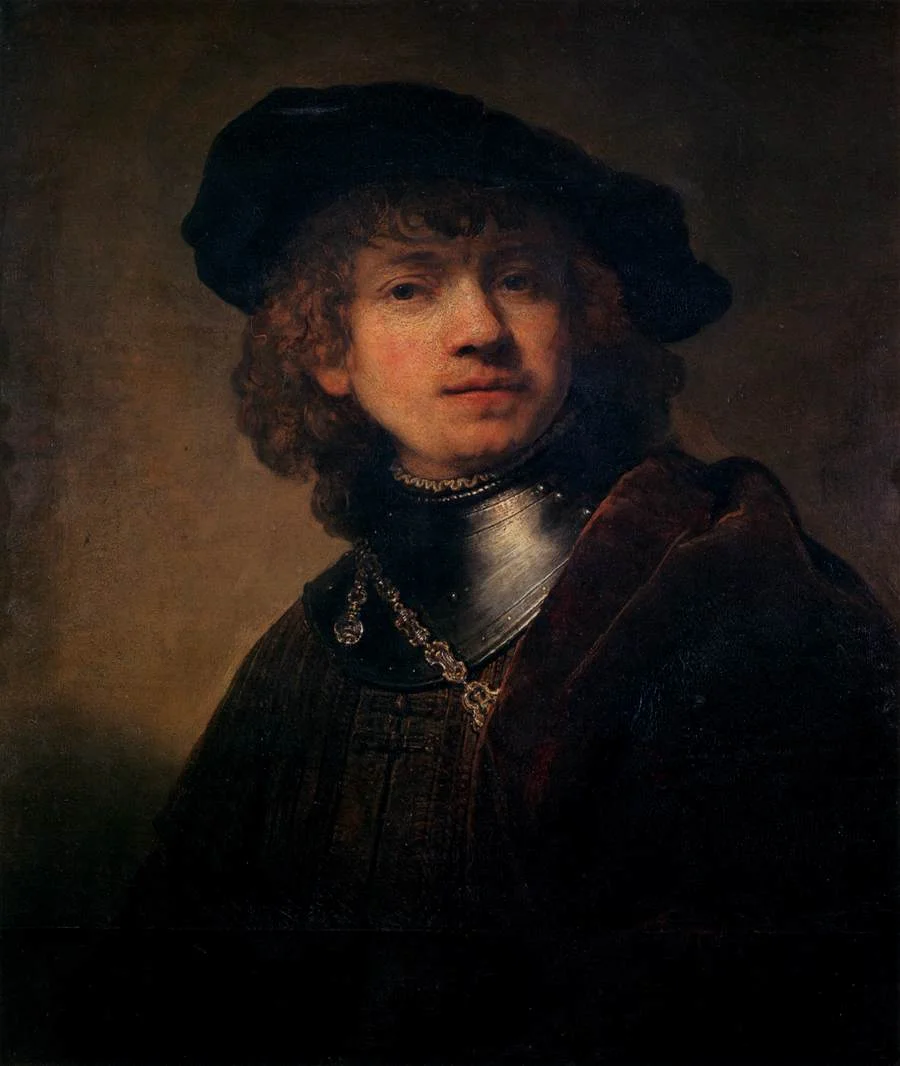
The exquisite detail and luminous quality of "Young Man in a F R Cap Self Portrait" demonstrate Fabritius’s command of oil on canvas. This technique, favored during the Dutch Golden Age, allowed for striking realism and depth in portraiture. Collectors often seek works such as "Servant Presenting Saul S Crown to David" and "Saint Peter Being Freed from Prison" for similar mastery, but Fabritius’s self-portrait remains a standout example of the period’s technical prowess.
"Young Man in a F R Cap Self Portrait" invites viewers to interpret the subtle symbolism woven into its composition. The subject’s attire and expression reflect the introspective nature of Dutch Golden Age society. As with Fabritius’s other pieces, like "Mercury and Aglauros" and "Two Standing Women with a Child," this fine art painting for sale offers a narrative depth, making it a captivating choice for enthusiasts interested in the stories behind renowned masterpieces.
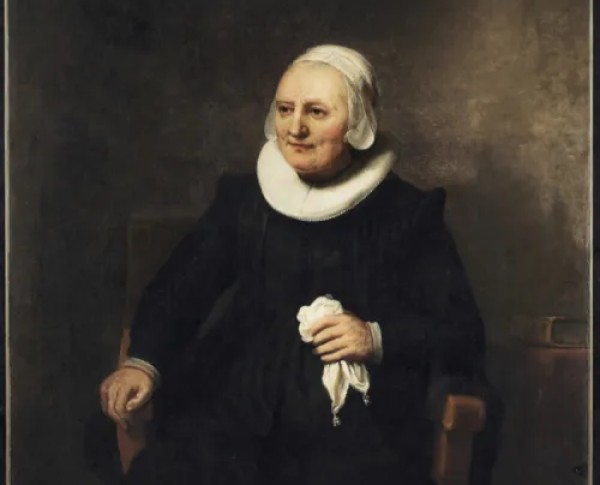
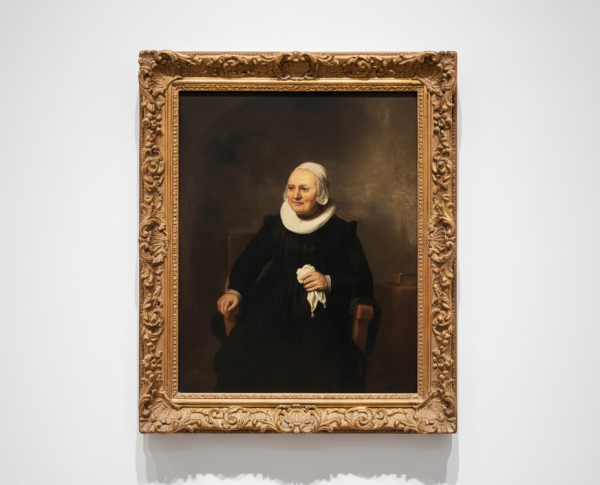
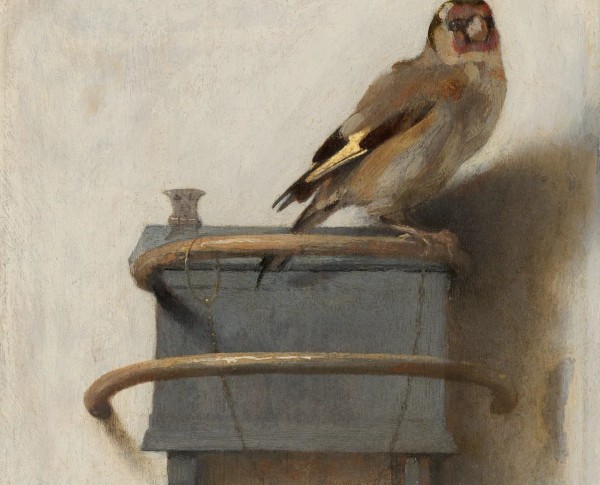
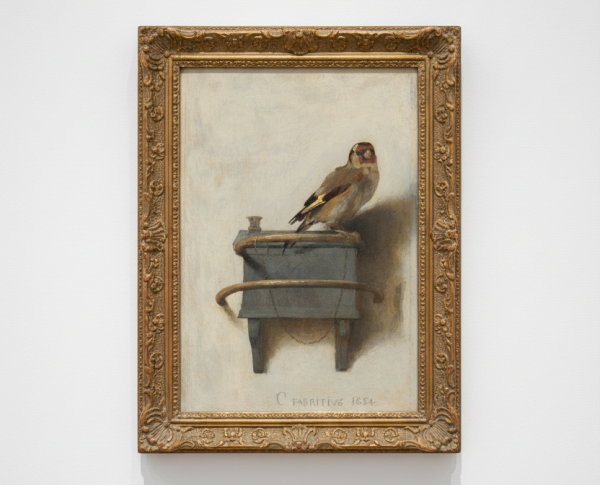
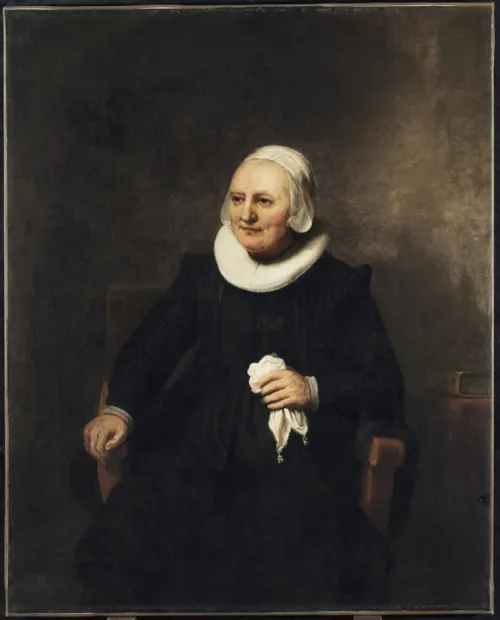
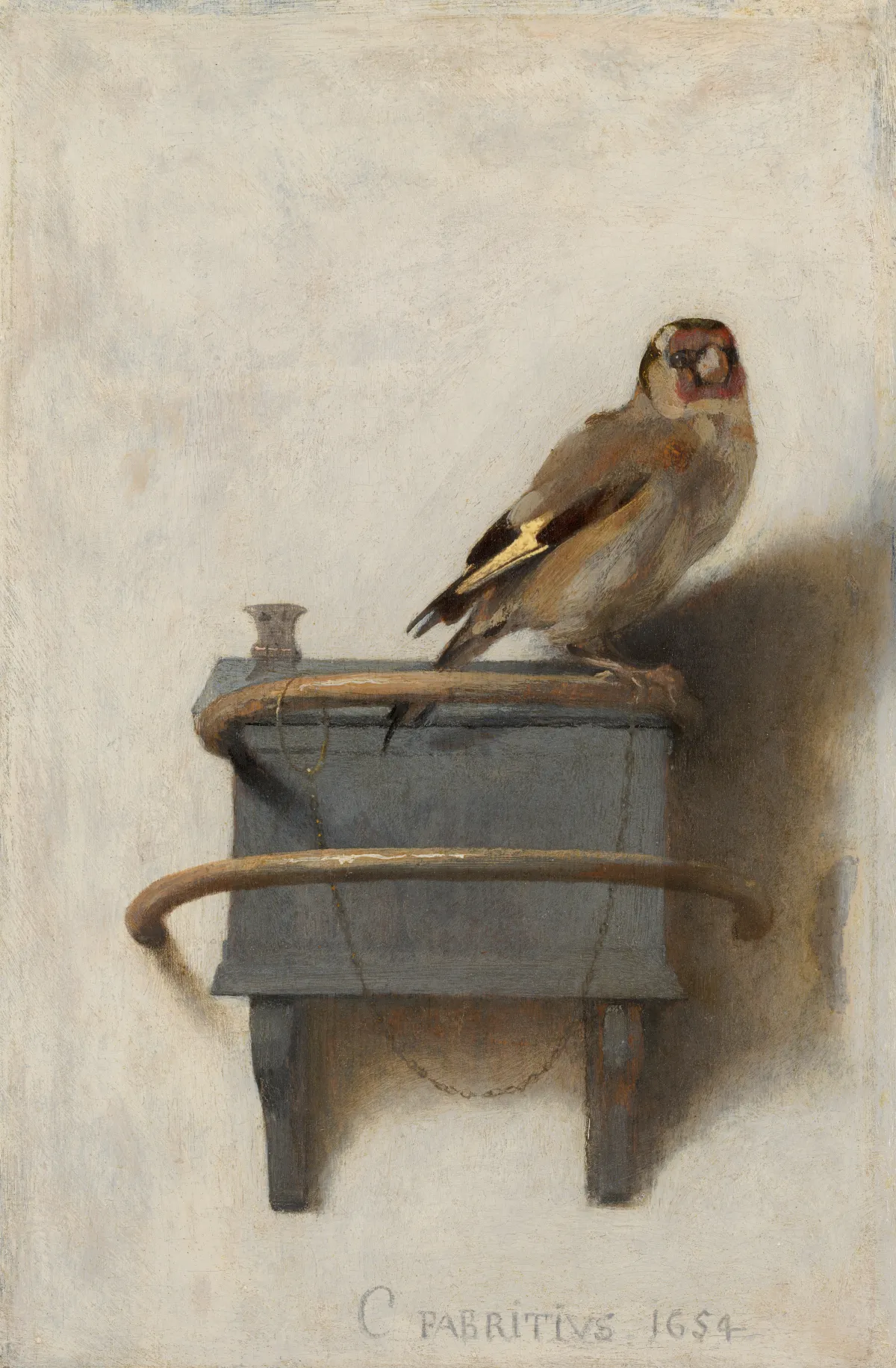
For those seeking a distinguished addition to their art collection, "Young Man in a F R Cap Self Portrait" by Carel Fabritius is a remarkable choice. This hand-painted oil painting not only exemplifies the Dutch Golden Age movement but also pairs beautifully with related works such as "The Goldfinch" and "Portrait of a Seated Woman with a Handkerchief." Owning this piece means preserving a slice of history and artistry for generations to admire.
When Art Meets History
Carel Fabritius, a celebrated artist of the Dutch Golden Age, created the remarkable "Young Man in a F R Cap Self Portrait." This hand-painted oil painting captures the spirit of its era, reflecting the innovative techniques and cultural richness of seventeenth-century Holland. Fabritius’s work stands alongside masterpieces like "Diana and her Nymphs" and "The Sense Of Sight," providing art lovers with an authentic glimpse into the historical context that shaped Dutch fine art.
Techniques That Speak
"Young Man in a F R Cap Self Portrait" showcases Fabritius’s exceptional mastery of oil on canvas, a hallmark of the Dutch Golden Age movement. The artist’s delicate brushwork and nuanced use of light and shadow reveal his influence on and from contemporaries, such as those behind "Philosopher in Meditation 1632" and "Girl with a Pearl Earring c. 1665." This piece exemplifies how oil on canvas can bring depth and realism to portraiture.
Emotions on Display
In this fine art painting for sale, Fabritius conveys a profound sense of introspection and quiet dignity in the subject’s expression. The self-portrait invites viewers to contemplate the inner thoughts and emotions of the young man, a quality also seen in works like "The Return of the Prodigal Son c. 1669." Through subtle facial cues and atmospheric background, Fabritius elevates the emotional resonance of his Dutch Golden Age masterpiece.
Coveted by Collectors
Collectors of Dutch Golden Age art highly prize "Young Man in a F R Cap Self Portrait" by Carel Fabritius. The hand-painted oil painting’s rarity and historical significance make it a sought-after treasure, much like other masterpieces from the period. Its connection to related paintings such as "Diana and her Nymphs" and "Girl with a Pearl Earring c. 1665" adds to its allure, ensuring its place among the most desirable fine art painting for sale.
Related Dutch Golden Age Hand-Painted Oil Paintings by Other Artists
Other Famous Dutch Golden Age Artists:
Frequently Asked Questions About Young Man in a F R Cap Self Portrait
What is the historical context of "Young Man in a F R Cap Self Portrait"?
This painting was created by Carel Fabritius in the mid-17th century, a time marked by the Dutch Golden Age, which saw a flourishing of the arts and sciences in the Netherlands.
Who was Carel Fabritius and what is his significance in art history?
Carel Fabritius was a Dutch painter and a student of Rembrandt. He is known for his innovative use of light and color, and his works are considered pivotal in the transition from the Baroque to the more modern styles of painting.
What artistic techniques are evident in this self-portrait?
Fabritius employed techniques such as chiaroscuro, which creates a strong contrast between light and dark, and a meticulous attention to detail, particularly in the textures of the fabric and the facial features.
What does the "F R" in the cap symbolize?
The "F R" likely stands for "Frans Hals," a reference to the renowned Dutch painter known for his lively portraits. This could indicate Fabritius's admiration for Hals and his influence on his own work.
How does this self-portrait reflect the characteristics of Dutch Golden Age painting?
This self-portrait exemplifies the Dutch Golden Age's focus on realism, individualism, and the exploration of light and shadow, showcasing the artist's skill and personal identity.
What is the significance of self-portraiture in the 17th century?
Self-portraiture during this period allowed artists to assert their identity and status within the art community, serving as both a personal statement and a means of gaining recognition.
What emotions or themes are conveyed in this painting?
The painting conveys a sense of introspection and confidence, reflecting the artist's self-awareness and the emerging individuality of artists during the Dutch Golden Age.
In what ways does this painting differ from other self-portraits of the time?
Unlike many contemporaneous self-portraits that often depicted the artist in formal attire, Fabritius's choice of a cap and casual pose suggests a more personal and approachable representation.
What materials and techniques did Fabritius use in this work?
Fabritius likely used oil on canvas, a common medium of the time, allowing for rich color and detail, along with layering techniques that enhance the depth and realism of the portrait.
How has "Young Man in a F R Cap Self Portrait" influenced modern art?
This painting has influenced modern artists by exemplifying the importance of personal expression and the exploration of identity, encouraging contemporary artists to explore their own narratives through self-portraiture.






















_GFM_Painting_(1).webp)



 100% Hand-Painted: Finished in 3-6 Weeks

.png)















_(1).webp)