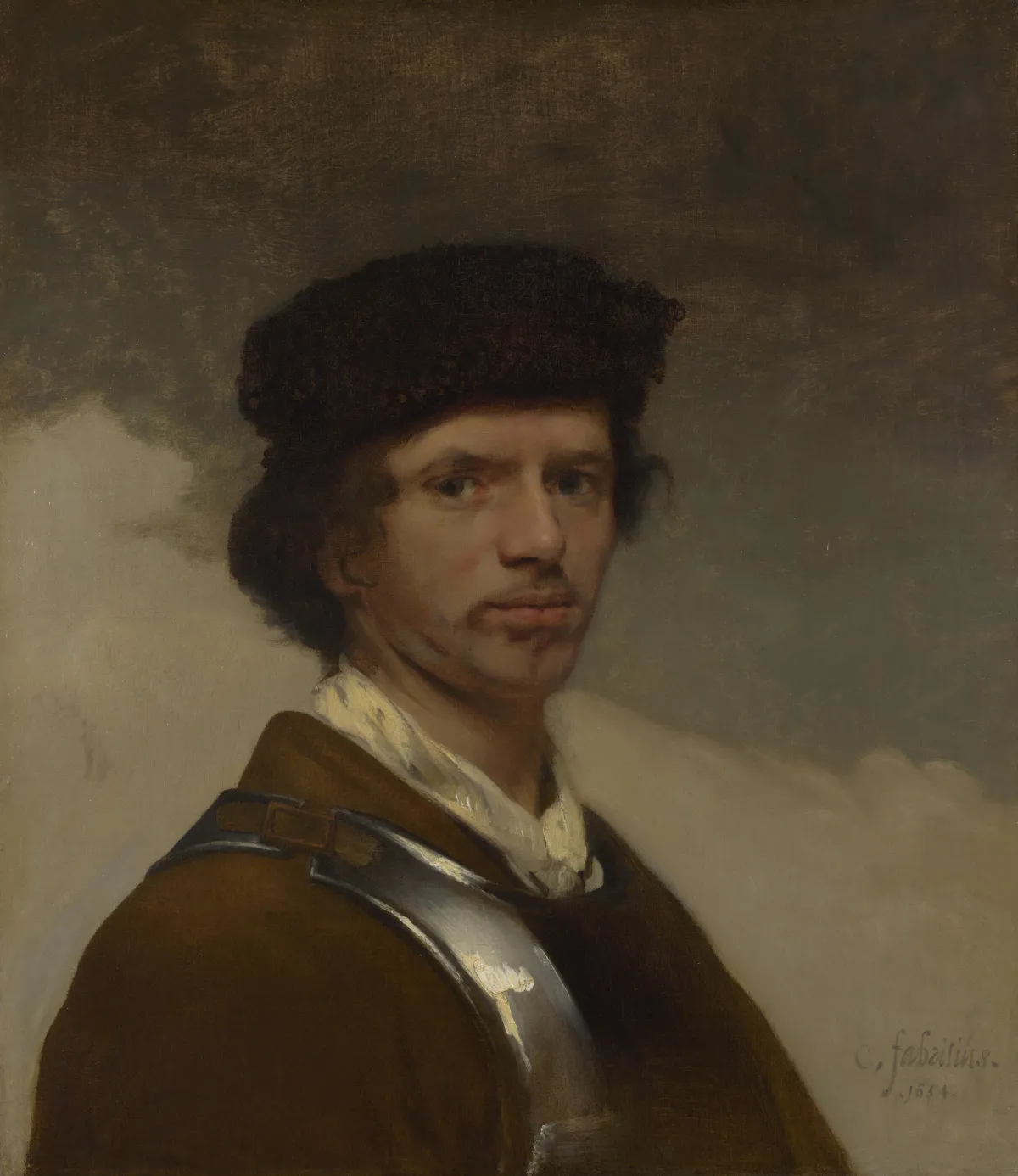
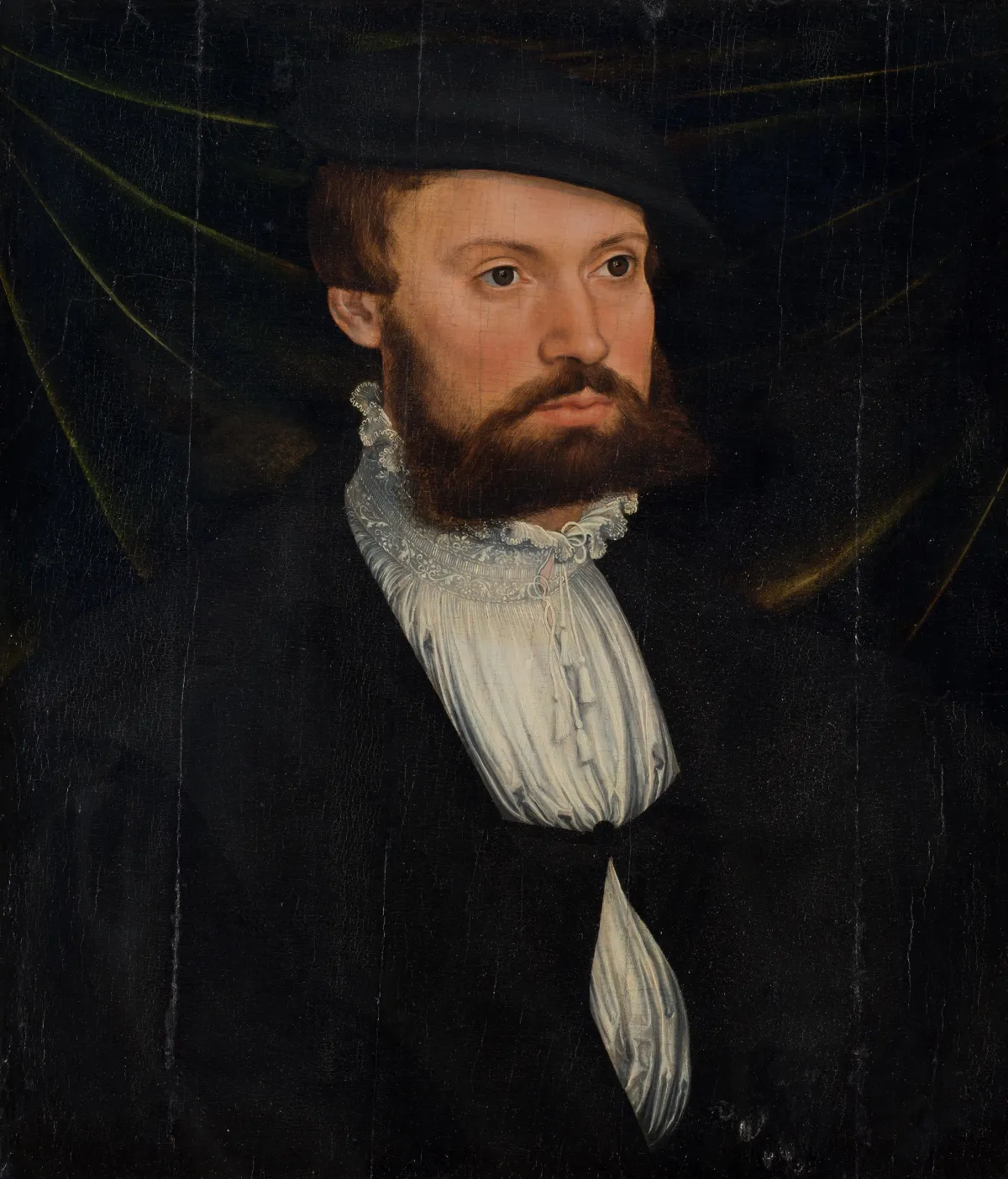
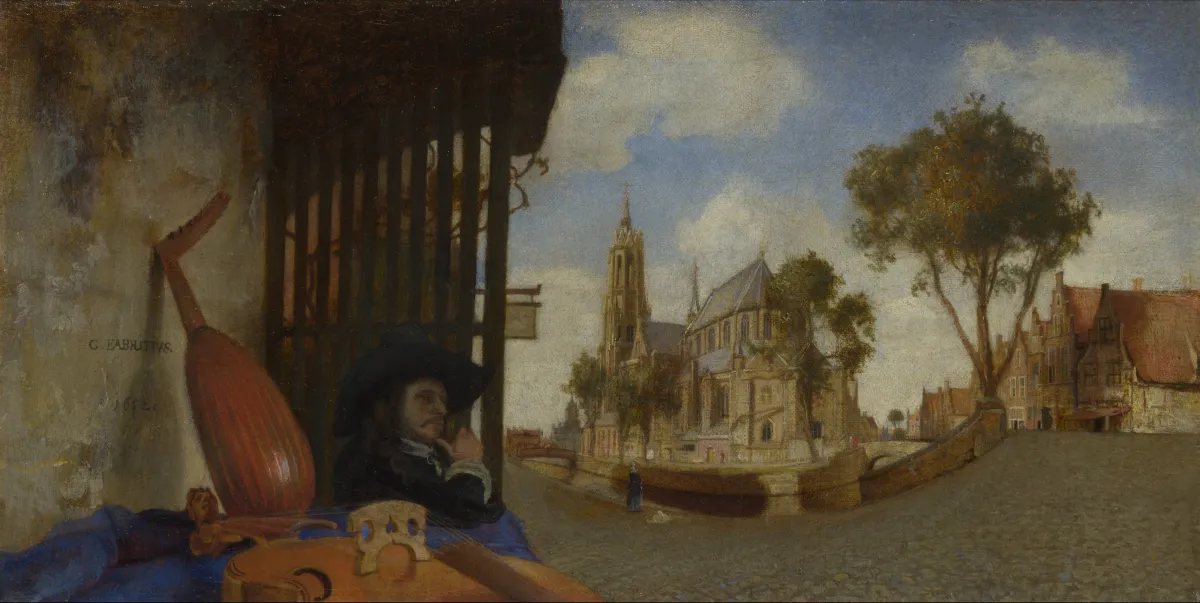
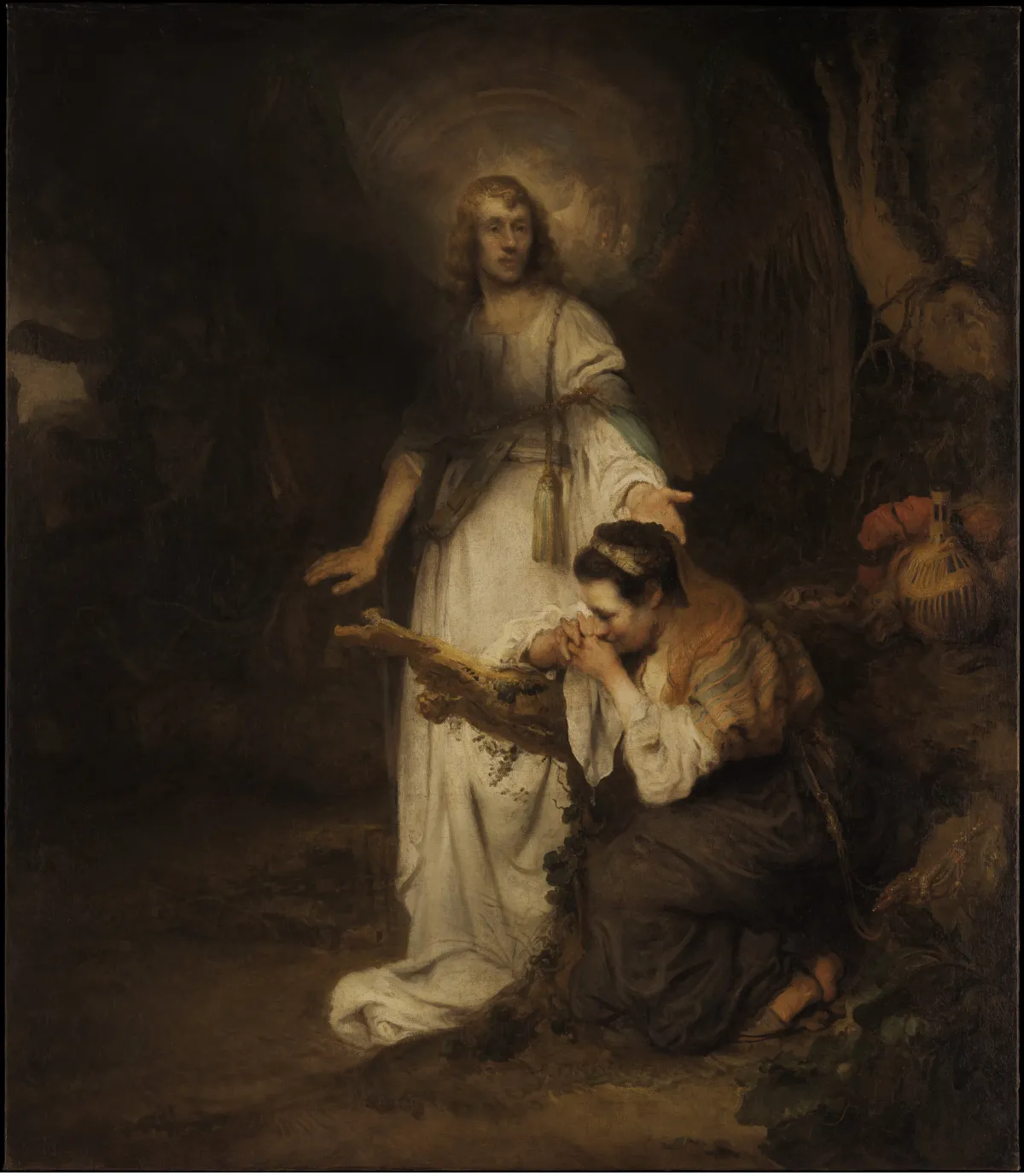
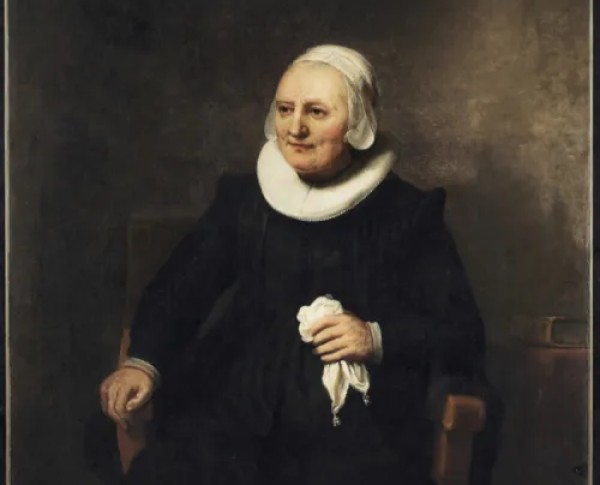
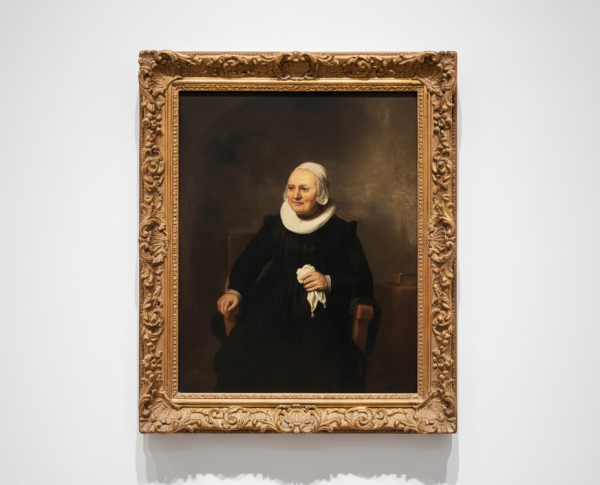
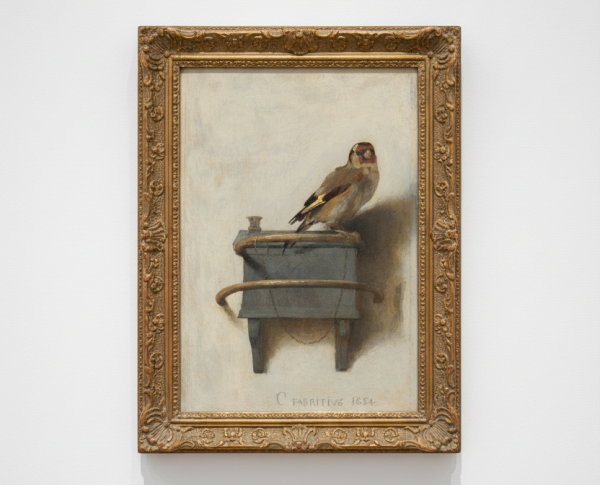
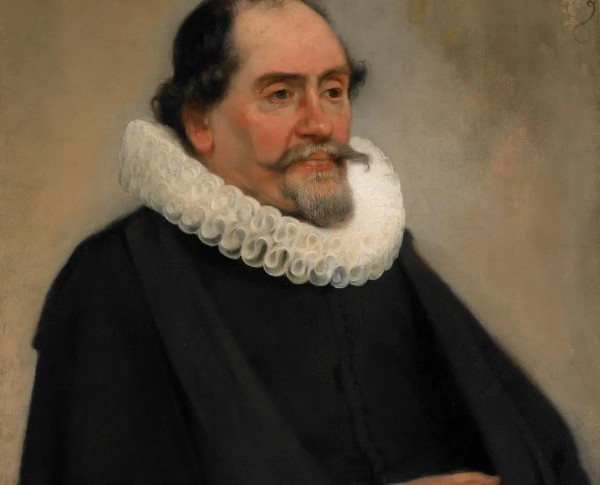
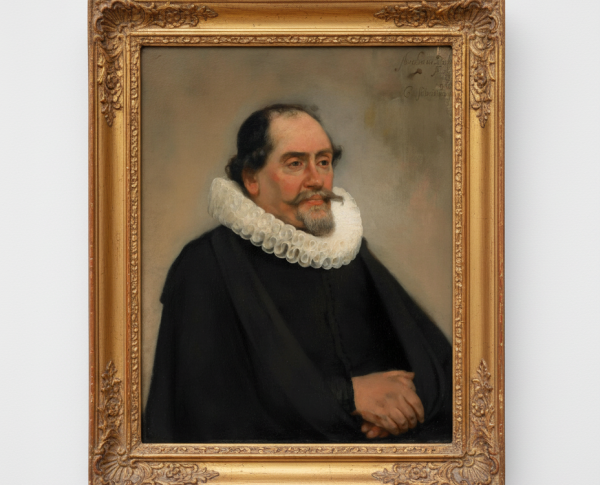
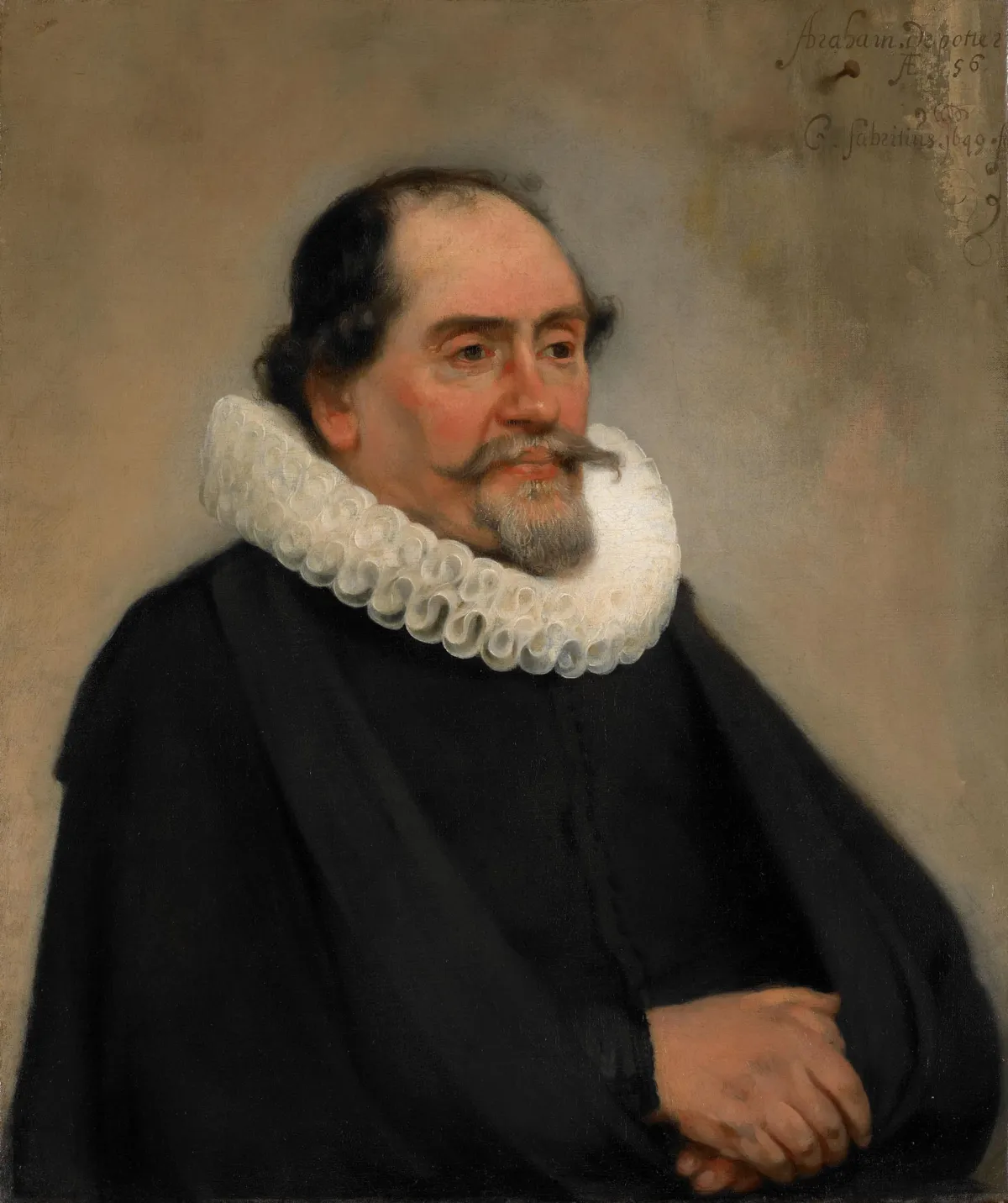
Fabritius’s "Two Standing Women with a Child" exemplifies the meticulous technique typical of oil on canvas works from the Dutch Golden Age. With careful attention to light and shadow, Fabritius brings depth and realism to his subjects. This painting stands alongside masterpieces like "Portrait of Abraham de Potter" and "The Adoration of the Shepherds," all showcasing the artist’s command of oil on canvas and his ability to infuse each scene with life.
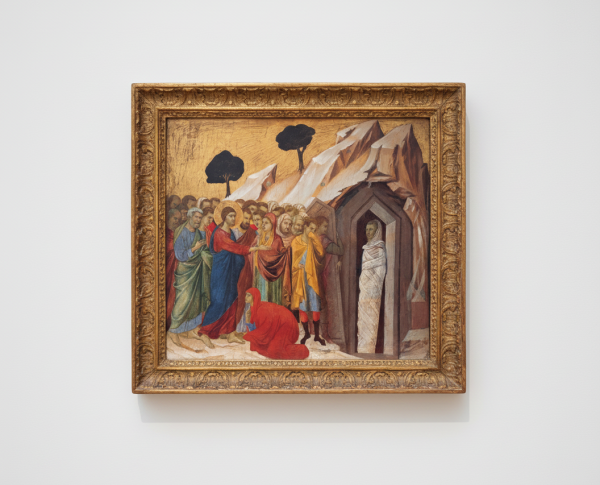
"Two Standing Women with a Child" invites viewers to interpret its subtle storytelling and rich symbolism, hallmarks of Dutch Golden Age art. Fabritius’s composition hints at themes of family, innocence, and daily life, echoing narratives found in "Saint Peter Being Freed from Prison." For those fascinated by allegory in art, acquiring a fine art painting for sale from this era, such as this piece, offers a window into history’s layered meanings.
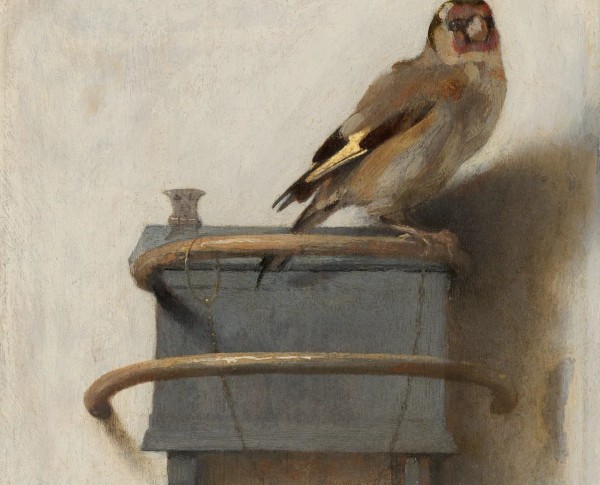
Collectors of Dutch Golden Age masterpieces highly value "Two Standing Women with a Child" for its artistry and provenance. Fabritius’s work, along with related products like "Hera hiding during the battle between the gods and the giants," represents the pinnacle of hand-painted oil painting. Each piece not only enhances a collection but also connects the owner to the enduring legacy of Carel Fabritius and the golden era of oil painting tradition.
When Art Meets History
"Two Standing Women with a Child" by Carel Fabritius is a striking example of the Dutch Golden Age movement. This hand-painted oil painting captures a moment of everyday life, reflecting the era’s fascination with realism and human experience. Fabritius, a pupil of Rembrandt, was known for his innovative compositions. Related paintings from this period include "The Wine Glass" and "Philosopher in Meditation 1632," which also explore intimate domestic scenes and the subtle interplay of light and shadow.
Techniques That Speak
Carel Fabritius employed masterful use of oil on canvas in "Two Standing Women with a Child," showcasing his unique approach to texture and depth. His brushwork brings a lifelike quality to the figures, highlighting the delicate fabrics and expressions. The Dutch Golden Age was renowned for such technical brilliance, as seen in related works like "The Geographer" and "Two Studies of the Head of an Old Man." These paintings exemplify the era’s commitment to realism and atmospheric perspective.
Emotions on Display
In "Two Standing Women with a Child," Fabritius captures a quiet, tender moment, evoking a strong emotional response. The artist’s attention to subtle gestures and facial expressions draws viewers into the intimate scene. This fine art painting for sale resonates with the same emotional depth found in "The Stoning Of St. Stephen" and "Philosopher in Meditation 1632," showcasing the Dutch Golden Age’s ability to blend narrative with profound human sentiment and psychological insight.
Coveted by Collectors
"Two Standing Women with a Child" remains highly sought after by collectors of Dutch Golden Age art. Carel Fabritius’s reputation for evocative, hand-painted oil paintings ensures enduring interest in his work. Similar masterpieces, such as "The Wine Glass" and "The Geographer," are prized for their historical significance and artistry. Owning a Fabritius piece connects collectors to a rich tradition of innovation and storytelling that defines this remarkable period in art history.
Related Dutch Golden Age Hand-Painted Oil Paintings by Other Artists
Other Famous Dutch Golden Age Artists:
Frequently Asked Questions About Two Standing Women with a Child
What is the historical context of "Two Standing Women with a Child"?
This painting was created by Carel Fabritius in the mid-17th century, a period marked by the Dutch Golden Age, characterized by significant advancements in art, science, and trade.
Who was Carel Fabritius and what is his significance in art history?
Carel Fabritius was a Dutch painter and a student of Rembrandt. He is known for his innovative techniques and unique use of light, which influenced later artists, making him a significant figure in the development of Dutch painting.
What themes are explored in "Two Standing Women with a Child"?
The painting explores themes of motherhood, familial bonds, and the nurturing aspect of women, reflecting societal values of the time regarding family and community.
What artistic techniques did Fabritius employ in this painting?
Fabritius utilized chiaroscuro to create depth and dimension, along with a delicate color palette that enhances the emotional resonance of the subjects.
What is the significance of the child in the painting?
The inclusion of the child symbolizes innocence and the continuation of life, serving as a focal point that highlights the protective nature of the women depicted.
How does "Two Standing Women with a Child" reflect the social roles of women in the 17th century?
The painting reflects the traditional roles of women as caregivers and nurturers, emphasizing their importance in family structures and societal stability during the 17th century.
What influences can be seen in the composition of this artwork?
The composition showcases a balanced arrangement, drawing on classical influences while incorporating a sense of intimacy and realism that was innovative for its time.
How does the use of color contribute to the overall impact of the painting?
Fabritius's use of soft, muted colors creates a serene atmosphere, enhancing the emotional depth of the scene and inviting viewers to engage with the subjects on a personal level.
What can we learn about 17th-century Dutch society from this painting?
The painting offers insights into the values and dynamics of family life during the Dutch Golden Age, highlighting the importance placed on motherhood and domestic roles.
In what ways does "Two Standing Women with a Child" exemplify the characteristics of Dutch Golden Age painting?
This artwork exemplifies the characteristics of Dutch Golden Age painting through its focus on everyday life, meticulous attention to detail, and the use of light to enhance realism and emotional expression.






















_GFM_Painting_(1).webp)

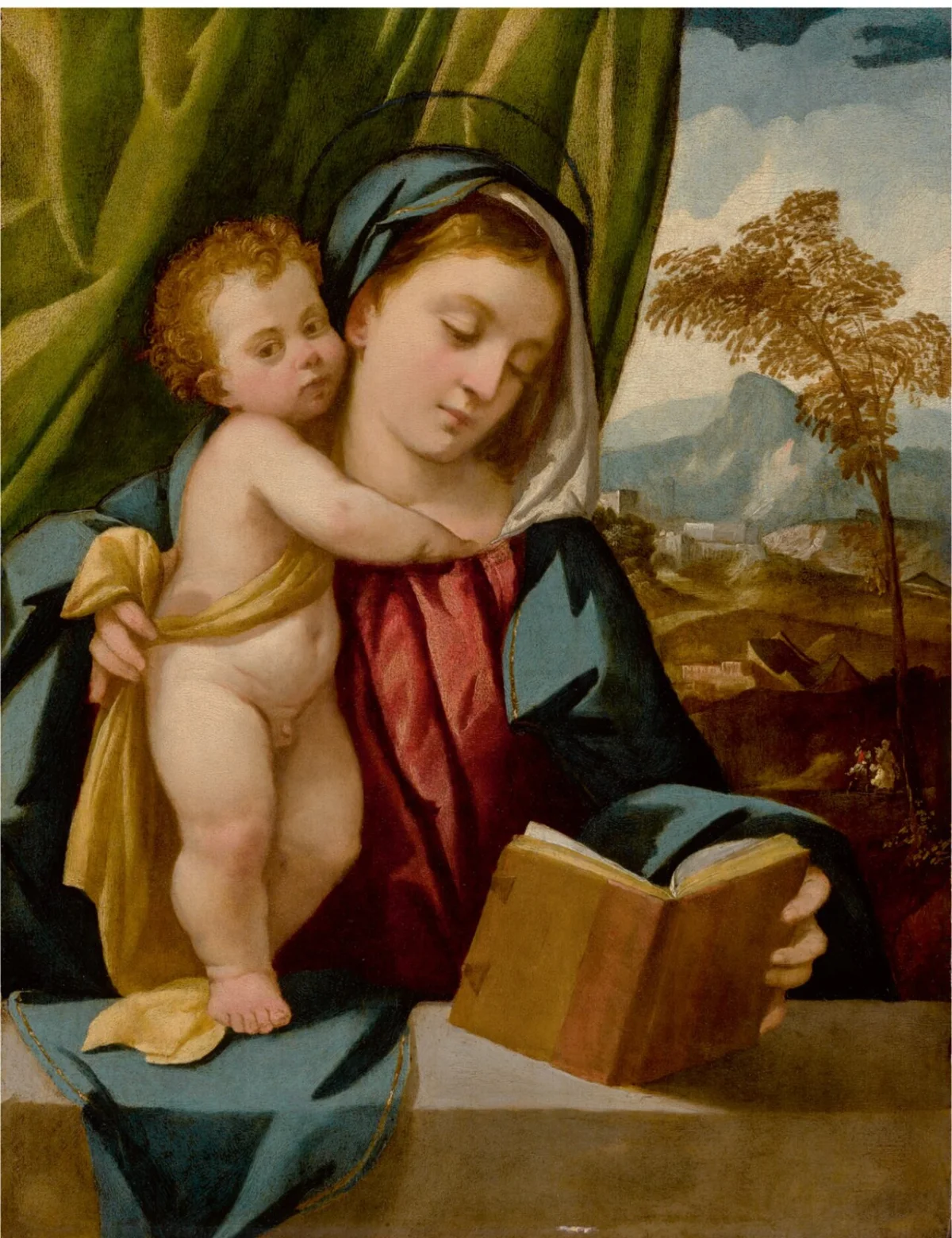

 100% Hand-Painted: Finished in 3-6 Weeks

.png)
















_(1).webp)