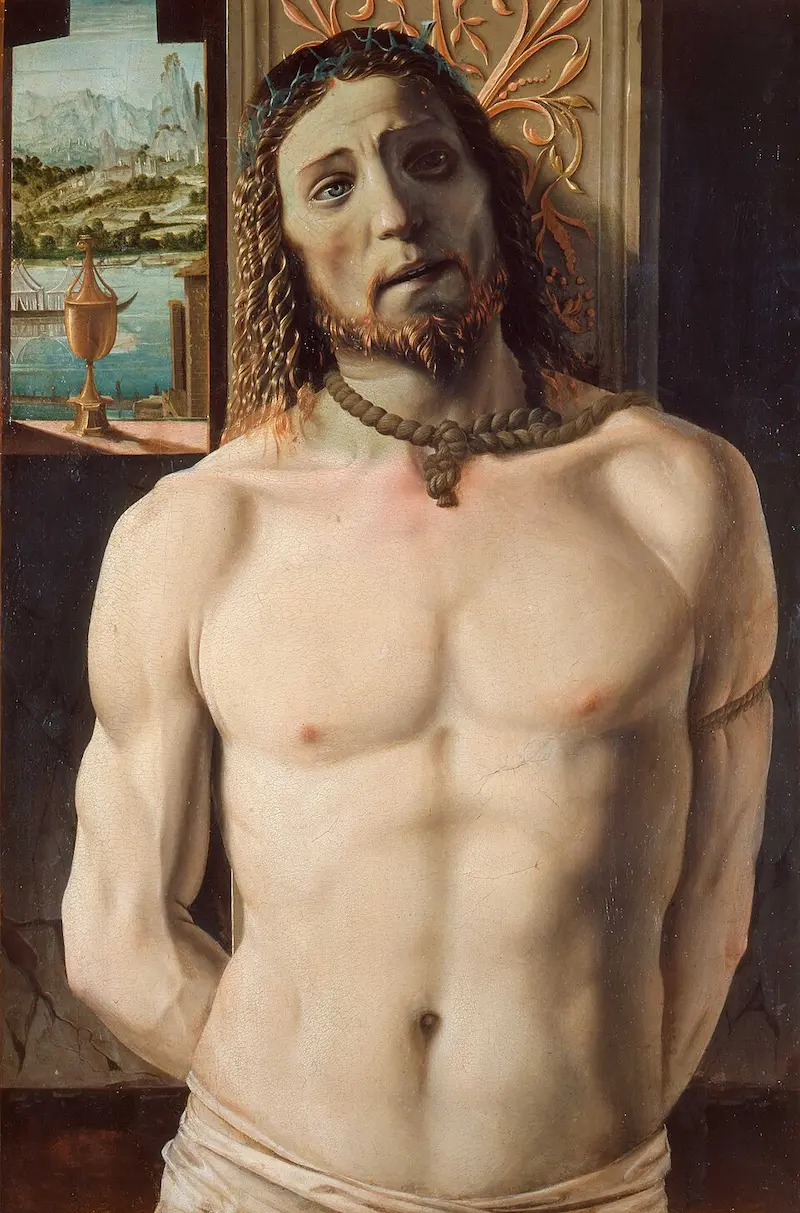
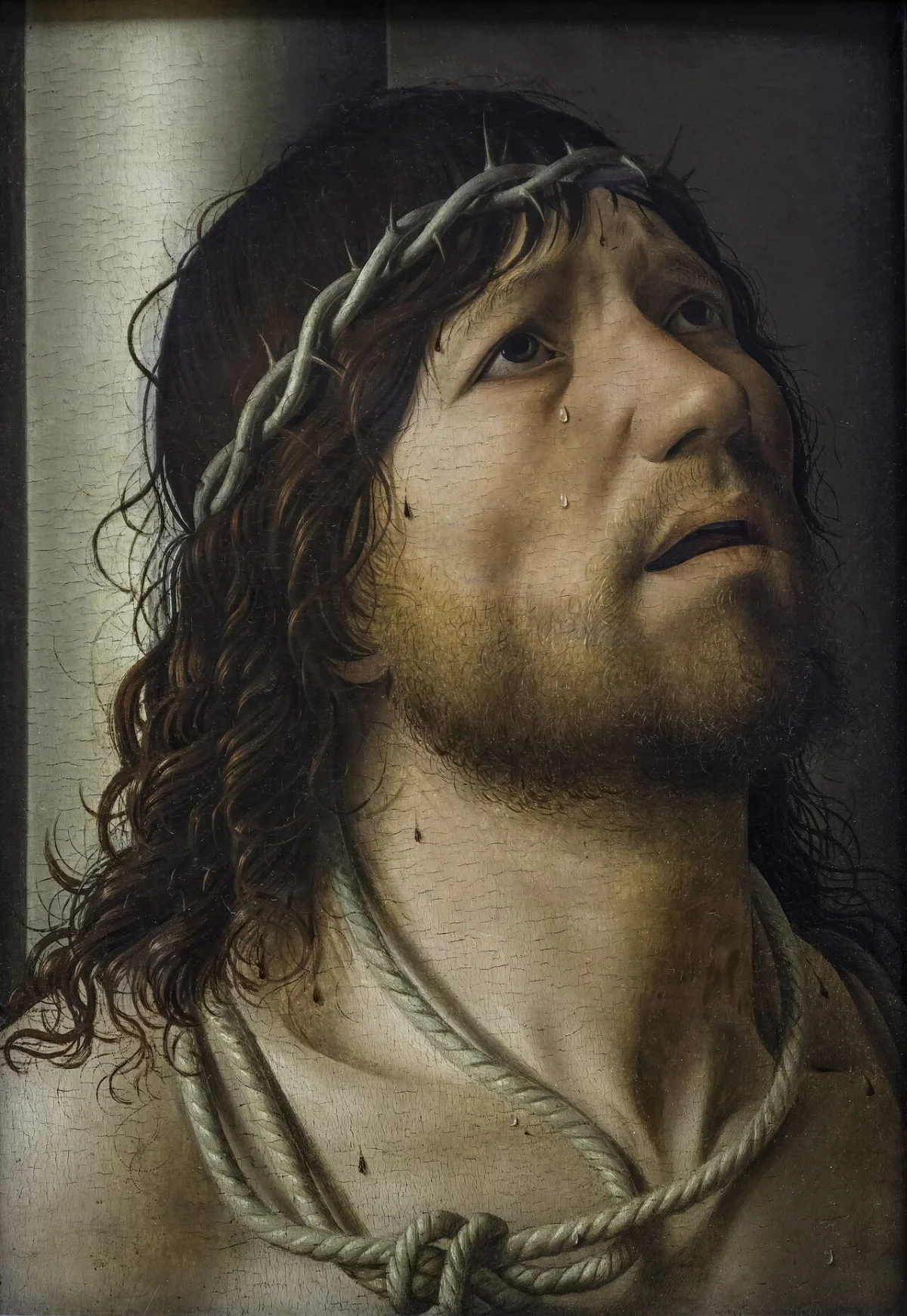
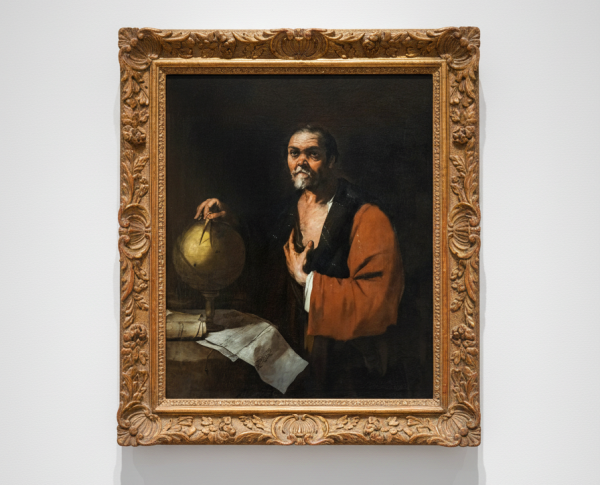
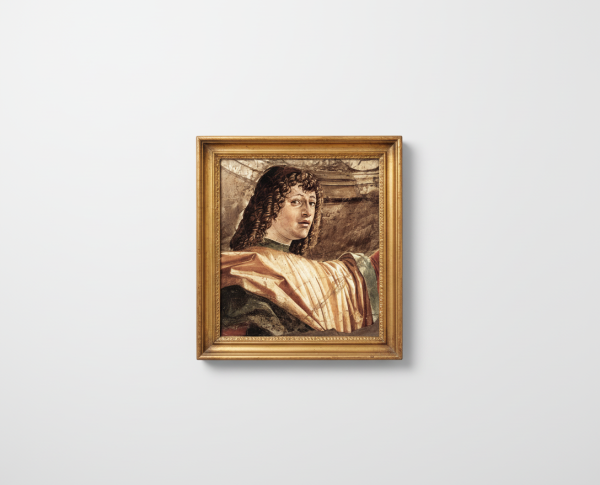
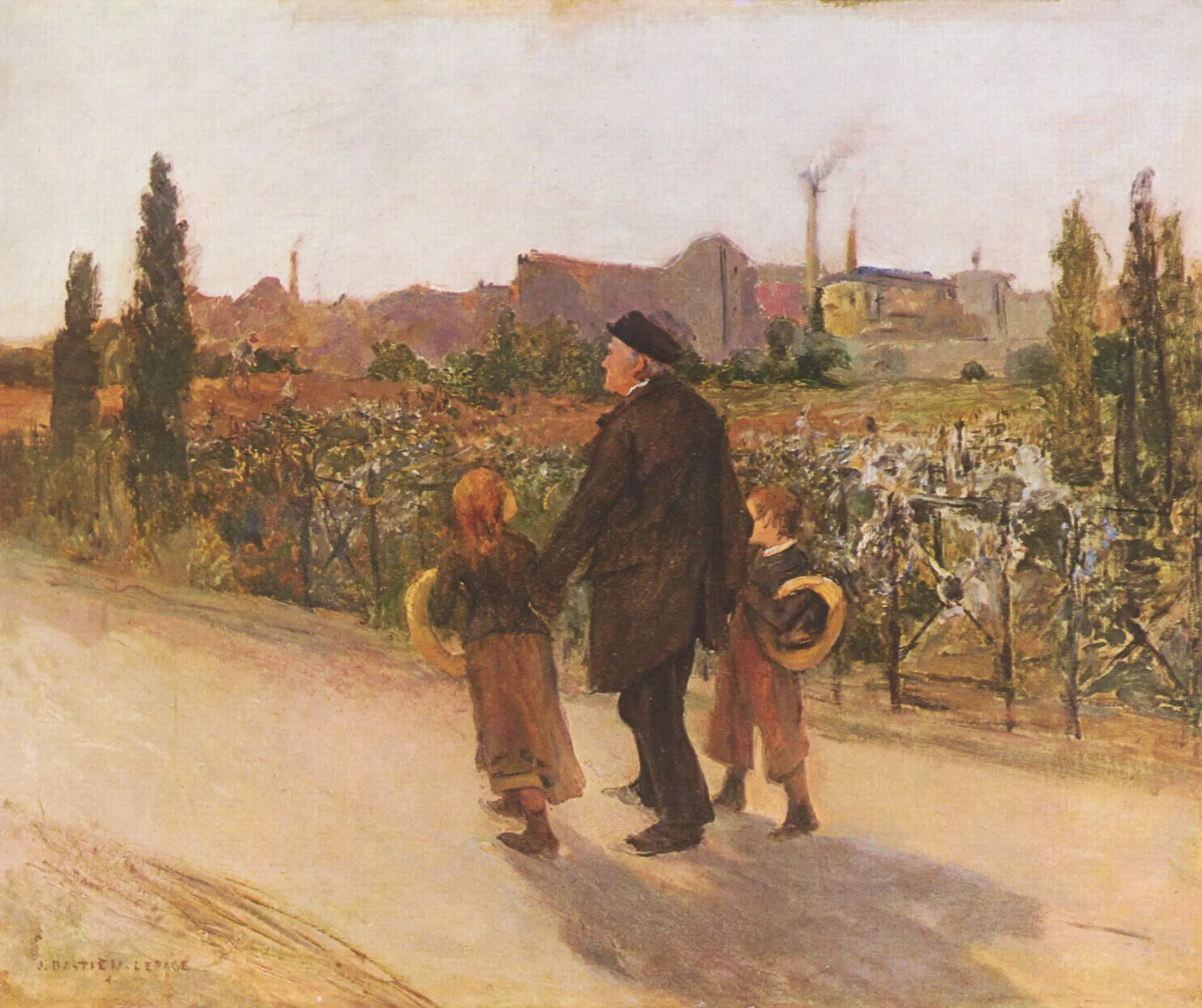
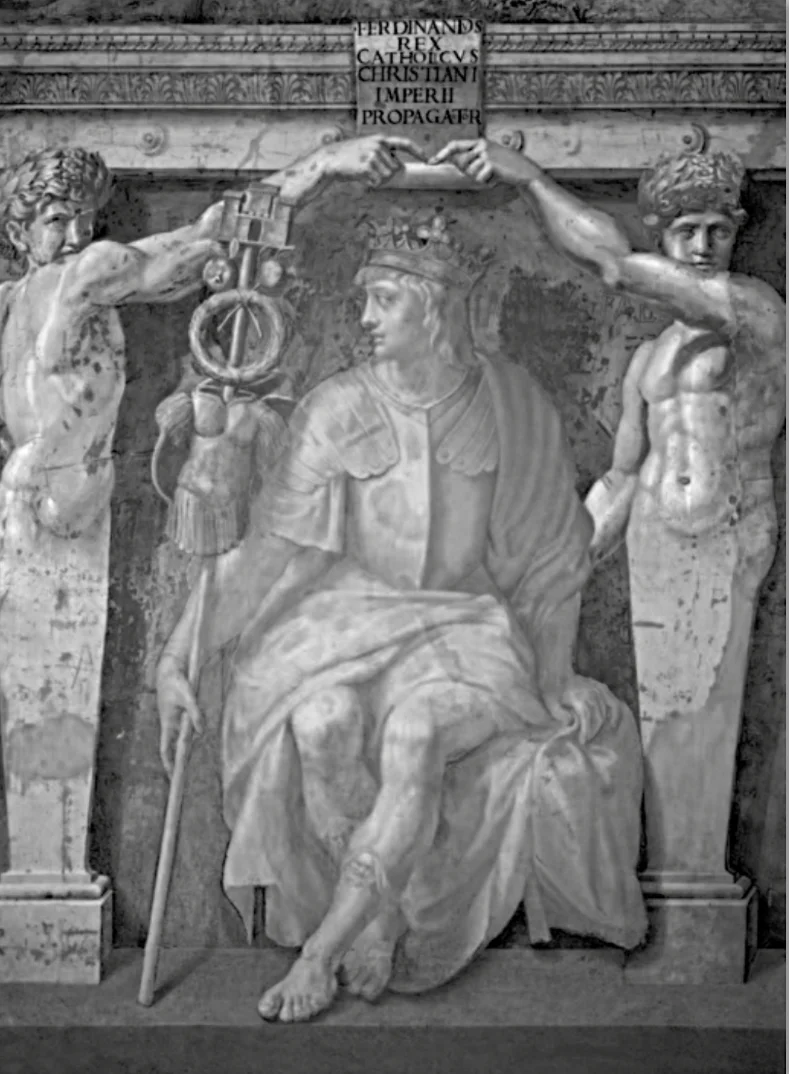
Bramante’s "Apostolic Palace" demonstrates exceptional craftsmanship and the meticulous techniques characteristic of the High Renaissance. Executed as an oil on canvas, the painting showcases his architectural precision and balanced compositions. The interplay of light and shadow, along with carefully rendered details, highlights Bramante’s dedication to realism. Collectors and admirers of oil on canvas works will appreciate the connection to related products such as Santa Maria delle Grazie and Bramante D'urbin’s architectural achievements.
Within "Apostolic Palace," Bramante weaves narratives and iconography that speak to the cultural and spiritual aspirations of his time. This fine art painting for sale is rich in symbolism, mirroring themes found in other High Renaissance works like Santa Maria presso San Satiro’s false apse and Pavia Cathedral’s design. The painting invites viewers to explore deeper meanings, drawing inspiration from the artist’s renowned ability to infuse architecture and painting with profound significance.
For collectors seeking a distinguished addition, "Apostolic Palace" by Donato Bramante is an exceptional choice. This hand-painted oil painting is more than a decorative piece; it’s a testament to the enduring appeal of the High Renaissance. Its connection to iconic projects such as St Peter's Basilica and Santa Maria delle Grazie enhances its value. As a fine art painting for sale, it offers an opportunity to own a tangible piece of Bramante’s celebrated legacy.
When Art Meets History
The "Apostolic Palace" by Donato Bramante stands as a testament to the High Renaissance's grandeur. This hand-painted oil painting captures the architectural brilliance and spiritual depth that defined the era. Bramante, renowned for his innovative designs, created a masterpiece that echoes the elegance seen in related works like "Mona Lisa (La Gioconda) c. 1503-05" and "The Madonna Of The Chair." The painting bridges history and artistry, making it a prized addition to any collection.
Techniques That Speak
Bramante’s "Apostolic Palace" showcases masterful use of oil on canvas, a hallmark of High Renaissance technique. His attention to perspective and light brings architectural forms to life, paralleling the finesse seen in "The Stanza Della Segnatura Ceiling Justice." The careful layering of colors and textures in this oil on canvas piece reveals Bramante’s deep understanding of form and depth, making it a standout example of the period’s innovative artistic approaches.
Emotions on Display
Donato Bramante’s "Apostolic Palace" evokes a sense of awe and reverence, embodying the emotional intensity characteristic of the High Renaissance. The painting’s serene yet majestic atmosphere is reminiscent of works like "Study of hands" and "Madonna della Sedia." This fine art painting for sale invites viewers to experience the spiritual and cultural significance of its era, making it a captivating piece for both art lovers and historians alike.
Coveted by Collectors
As a fine art painting for sale, "Apostolic Palace" by Donato Bramante is highly sought after by collectors who appreciate the High Renaissance movement. Its connection to iconic works such as "Mona Lisa (La Gioconda) c. 1503-05" and "The Madonna Of The Chair" enhances its desirability. Collectors value Bramante’s unique vision and the painting’s historical importance, ensuring it remains a cherished masterpiece for generations to come.
Related High Renaissance Hand-Painted Oil Paintings by Other Artists
Other Famous High Renaissance Artists:
Frequently Asked Questions About Apostolic Palace
What is the historical significance of the Apostolic Palace?
The Apostolic Palace serves as the official residence of the Pope and has been a central location for the Catholic Church since the Renaissance. Its construction reflects the power and influence of the papacy during this period.
Who was Donato Bramante and what was his role in the creation of the Apostolic Palace?
Donato Bramante was an influential Italian architect of the High Renaissance. He played a crucial role in the design and construction of the Apostolic Palace, incorporating classical elements that symbolize the Church's authority and grandeur.
What architectural styles are represented in the Apostolic Palace?
The Apostolic Palace showcases a blend of Renaissance and Baroque architectural styles, characterized by its grand facades, intricate details, and harmonious proportions, reflecting the artistic innovations of the time.
What are some key features of the Apostolic Palace's design?
Key features include its majestic courtyards, the impressive Vatican Museums, and the Sistine Chapel, all of which illustrate the artistic and spiritual aspirations of the Catholic Church during the Renaissance.
How does the Apostolic Palace symbolize the authority of the papacy?
The grandeur and scale of the Apostolic Palace, along with its strategic location adjacent to St. Peter's Basilica, symbolize the spiritual and temporal power of the papacy, serving as a visual representation of the Church's influence.
What role did the Apostolic Palace play in the Renaissance art movement?
The Apostolic Palace was a significant patron of the arts during the Renaissance, providing a venue for artists such as Michelangelo and Raphael, whose works contributed to the cultural flourishing of the period.
What are some notable artworks housed within the Apostolic Palace?
The Apostolic Palace contains numerous masterpieces, including Raphael's frescoes in the Stanze di Raffaello and Michelangelo's ceiling in the Sistine Chapel, which are pivotal in the history of Western art.
How has the Apostolic Palace evolved over the centuries?
Originally constructed in the late 15th century, the Apostolic Palace has undergone various renovations and expansions, reflecting changing artistic tastes and the evolving needs of the papacy throughout history.
What is the significance of the gardens surrounding the Apostolic Palace?
The gardens of the Apostolic Palace are not only a place of beauty and tranquility but also symbolize the Church's connection to nature and the divine, serving as a serene retreat for the Pope and visitors.
How does the Apostolic Palace reflect the cultural exchange of the Renaissance?
The design and decoration of the Apostolic Palace illustrate the cultural exchange between Italy and other parts of Europe, as artists and architects from various regions contributed to its rich artistic heritage.























_GFM_Painting_(1).webp)

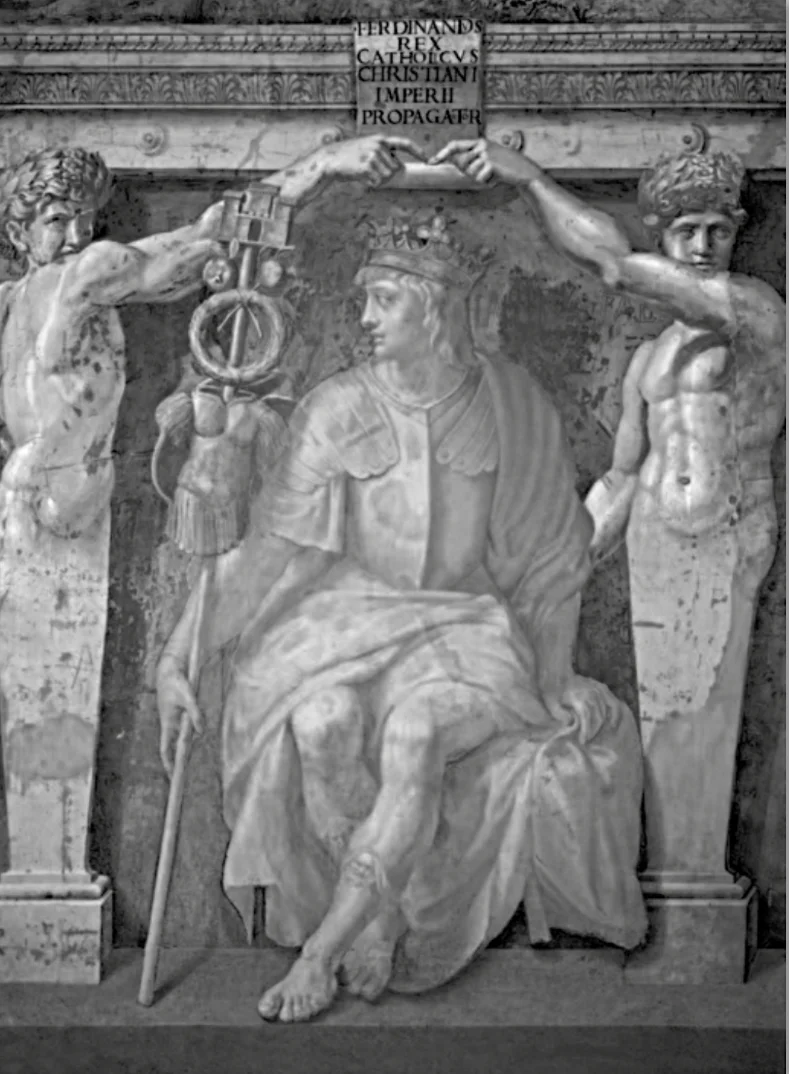

 100% Hand-Painted: Finished in 3-6 Weeks

.png)

















_(1).webp)