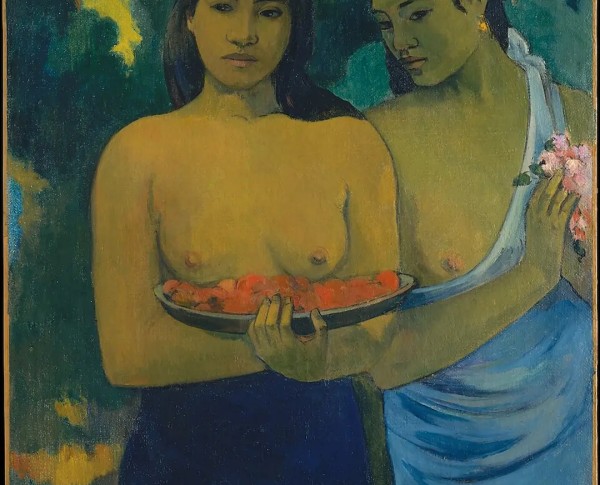
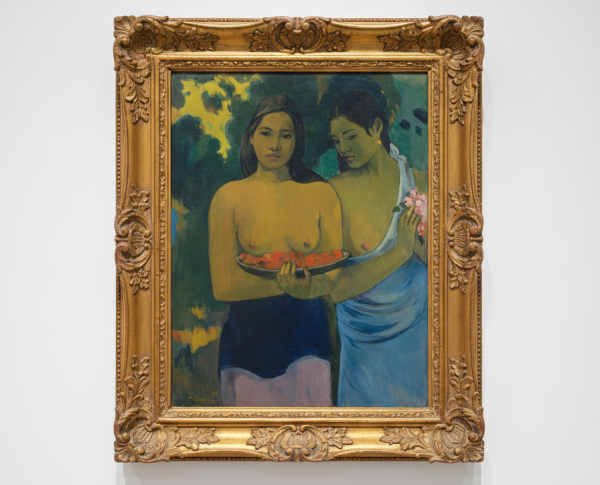
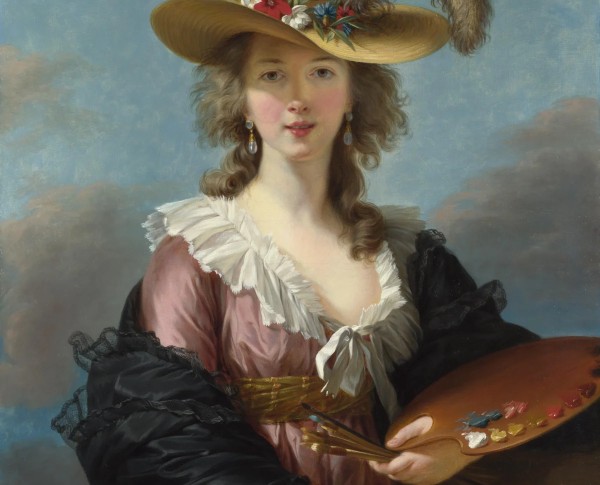
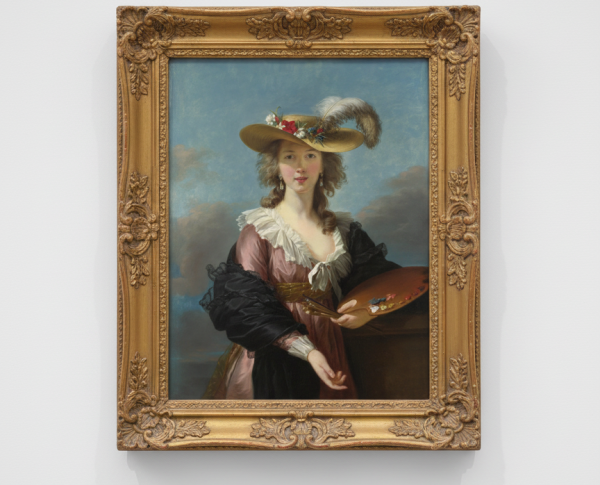
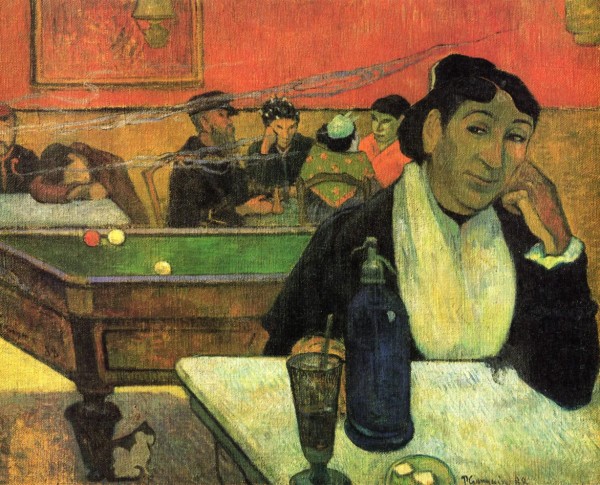
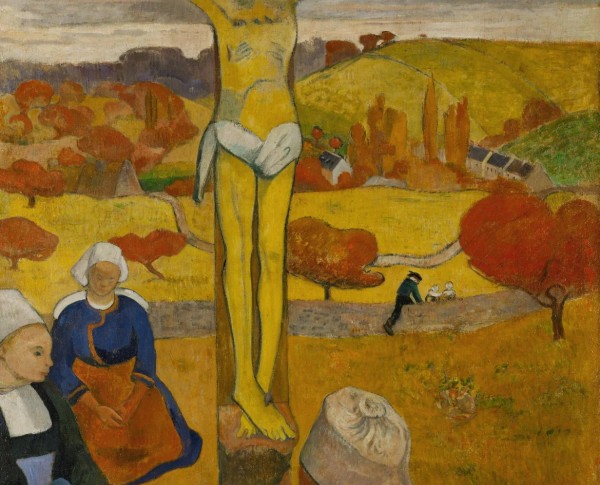
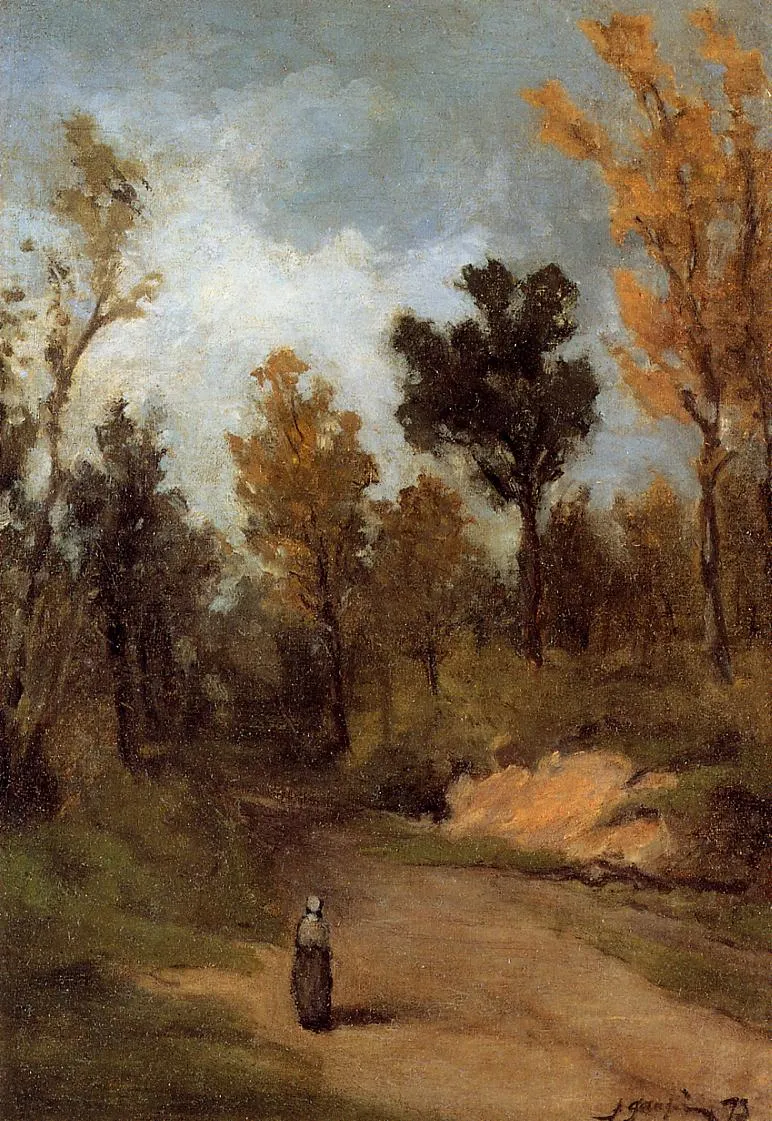
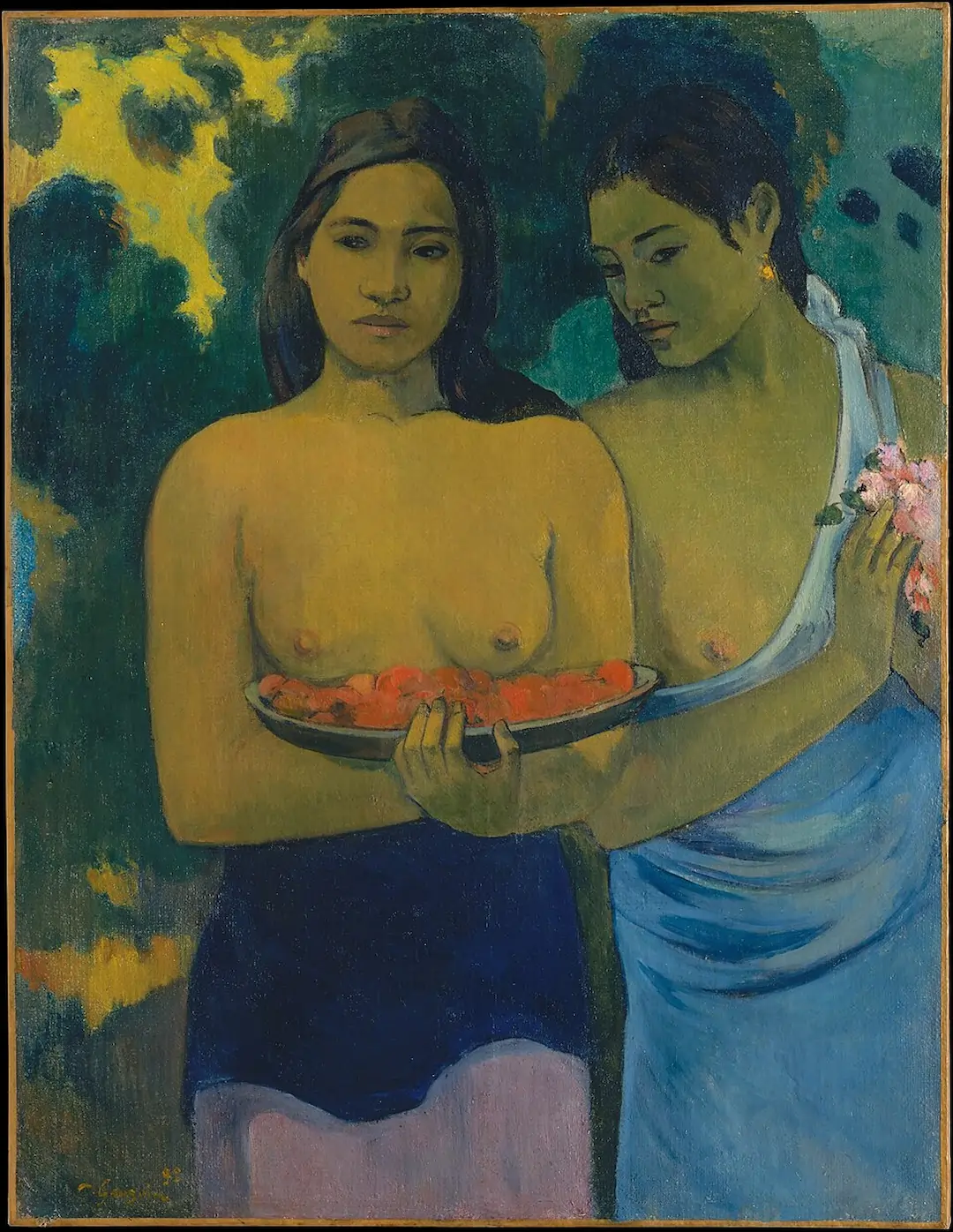
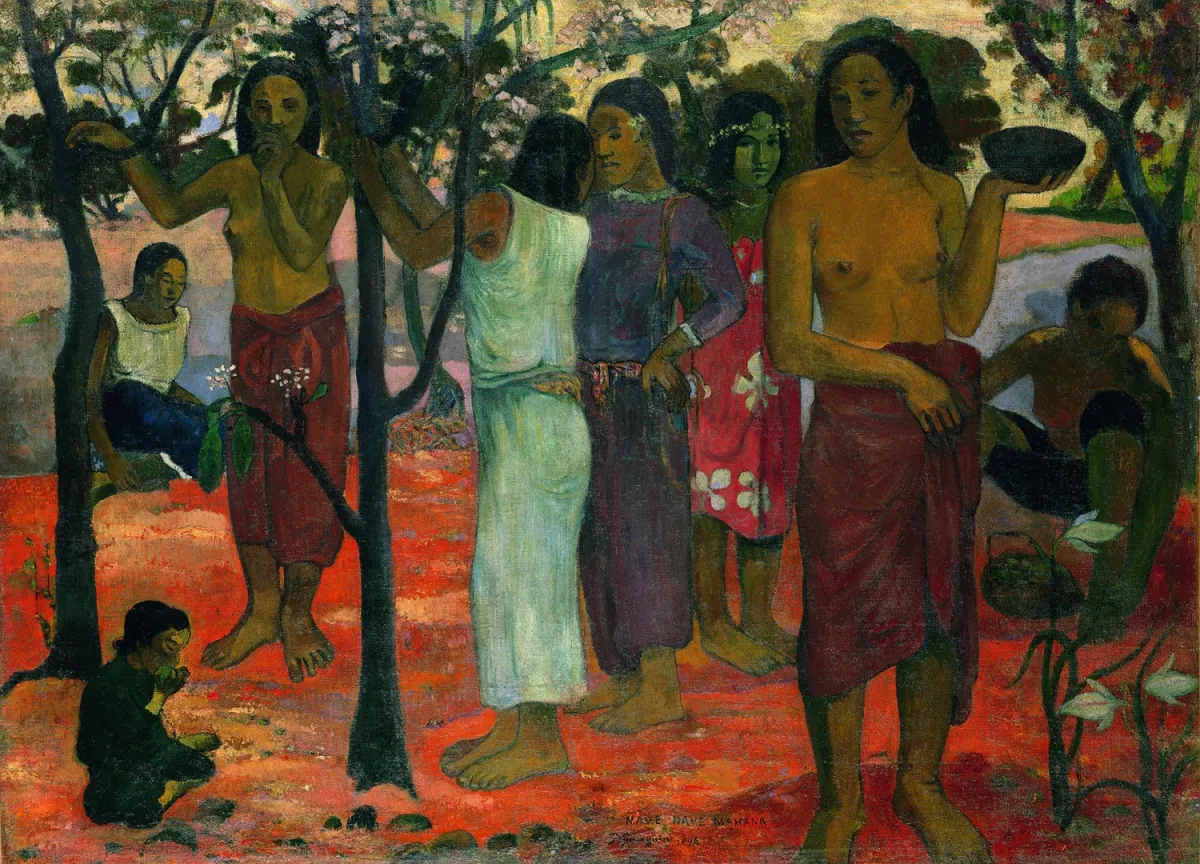
Paul Gauguin’s "The Forest Path" features his signature mastery with oil on canvas, capturing the lush vibrancy and evocative atmosphere of untamed nature. The artist’s bold use of color and expressive brushwork exemplifies the Post-Impressionism movement’s break from traditional realism. Collectors often seek out similar works such as "Vairumati" and "Nave Nave Mahana" to appreciate the full range of Gauguin’s technical skill and creativity in oil on canvas paintings.
In "The Forest Path," Gauguin weaves stories and symbols into every detail, inviting viewers to explore themes of journey and discovery. As with "The Woodcutter" and "Where Do We Come From? What Are We? Where Are We Going?", this fine art painting for sale offers more than visual beauty—it provides insight into the artist’s philosophical explorations. Gauguin’s work remains a testament to Post-Impressionism’s dedication to deeper meaning and personal expression.
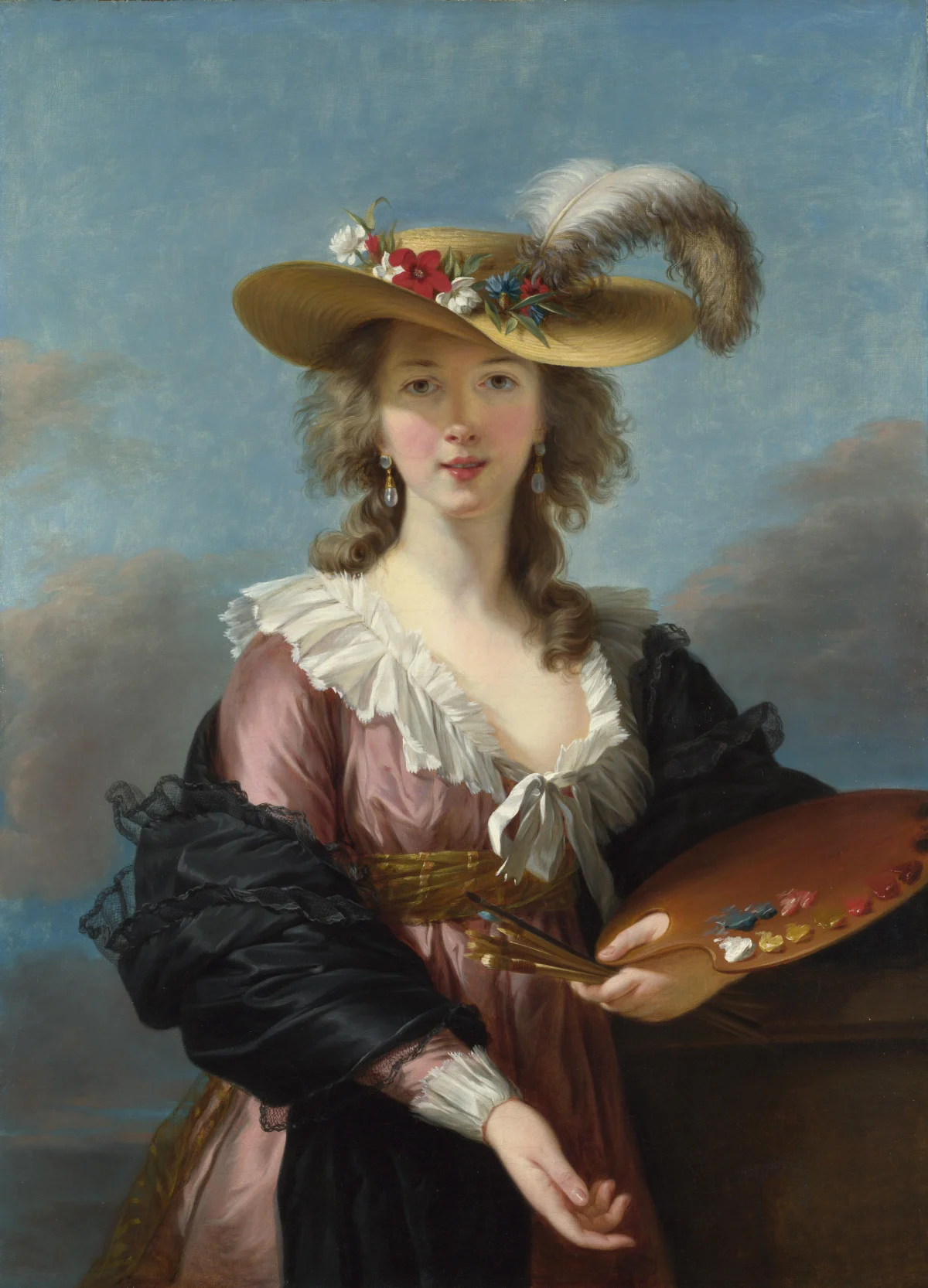
Owning "The Forest Path" by Paul Gauguin means possessing a piece of art history from the Post-Impressionism movement. This hand-painted oil painting, along with related masterpieces such as "Aha Oe Feii?" and "Self-portrait with hat," is highly sought after by collectors worldwide. Each work is not only a visual delight but also an investment in cultural heritage, making it a prized addition to any fine art painting for sale collection.
When Art Meets History
"The Forest Path" by Paul Gauguin stands as a testament to the Post-Impressionism movement, capturing a transformative era in art history. This hand-painted oil painting exemplifies Gauguin’s innovative approach, bridging tradition and modernity. Created during a period of exploration, it draws connections to other works such as "On Deeside" and "Dog," reflecting the artist’s fascination with nature. Gauguin’s "The Forest Path" continues to inspire as a pivotal piece within the broader context of Post-Impressionism.
Techniques That Speak
Paul Gauguin’s mastery of oil on canvas is evident in "The Forest Path," where bold colors and expressive brushstrokes create depth and emotion. His unique technique, shared with works like "Bowl With Peonies And Roses," transcends mere representation, inviting viewers into a vibrant, immersive world. The layering and textural qualities of this oil on canvas piece highlight Gauguin’s signature style, making it a standout among Post-Impressionist paintings and a favorite among art enthusiasts.
Emotions on Display
"The Forest Path" radiates a sense of tranquility and introspection, hallmarks of Gauguin’s emotive approach to art. As a fine art painting for sale, it invites collectors to experience the serenity and mystery woven into its landscape. Similar to "One Of The Family" and "Boy Cutting Grass with a Sickle," this work channels the artist’s deep connection to nature, imbuing the scene with both personal and universal emotions that resonate with viewers across generations.
Coveted by Collectors
Collectors worldwide prize "The Forest Path" for its historical significance and artistic merit within the Post-Impressionism movement. This hand-painted oil painting, akin to Gauguin’s other masterpieces, remains highly sought after in galleries and auctions. Its connection to related paintings enhances its allure, making it a centerpiece in any collection. For those seeking an iconic fine art painting for sale, "The Forest Path" represents a unique opportunity to own a piece of art history.
Related Post-Impressionism Hand-Painted Oil Paintings by Other Artists
Other Famous Post-Impressionism Artists:
Frequently Asked Questions About The Forest Path
What is the historical context of "The Forest Path"?
"The Forest Path" was created during Paul Gauguin's time in Tahiti, a period marked by his exploration of exotic themes and vibrant colors, reflecting his desire to escape Western civilization and seek a more primitive, spiritual existence.
What artistic techniques did Gauguin employ in "The Forest Path"?
Gauguin utilized bold colors, simplified forms, and a flat perspective in "The Forest Path," which are characteristic of his post-Impressionist style. He often applied paint in thick layers, enhancing the emotional impact of the work.
What symbolism can be found in "The Forest Path"?
The forest in the painting symbolizes a journey into the unknown, representing both physical and spiritual exploration. The path invites viewers to contemplate their own journey through life and nature.
How does "The Forest Path" reflect Gauguin's philosophy of art?
Gauguin believed that art should transcend reality and express deeper truths. In "The Forest Path," he captures the essence of nature and emotion, encouraging viewers to experience the spiritual connection to the landscape.
What influences did Gauguin draw from other cultures in "The Forest Path"?
In "The Forest Path," Gauguin was influenced by Polynesian culture, evident in his use of vibrant colors and themes of nature. His time in Tahiti profoundly impacted his artistic vision, leading to a fusion of Western and indigenous elements.
What role does color play in "The Forest Path"?
Color in "The Forest Path" serves to evoke emotion and create atmosphere. Gauguin's use of contrasting hues enhances the sense of depth and invites viewers to immerse themselves in the lush, vibrant landscape.
How does "The Forest Path" compare to Gauguin's other works?
Compared to his earlier works, "The Forest Path" showcases a more mature understanding of color and form. It reflects his evolving style, moving away from Impressionism toward a more symbolic and expressive approach.
What is the significance of the path in the painting?
The path in "The Forest Path" represents a journey, both literal and metaphorical. It symbolizes the choices we make in life and the exploration of one's inner self, inviting viewers to reflect on their own paths.
How has "The Forest Path" been received by art critics over time?
What impact did "The Forest Path" have on future artists?
"The Forest Path" has influenced numerous artists, particularly those in the Symbolist and Fauvist movements. Its bold use of color and emotional resonance paved the way for future explorations of abstraction and expressionism in art.






















_GFM_Painting_(1).webp)


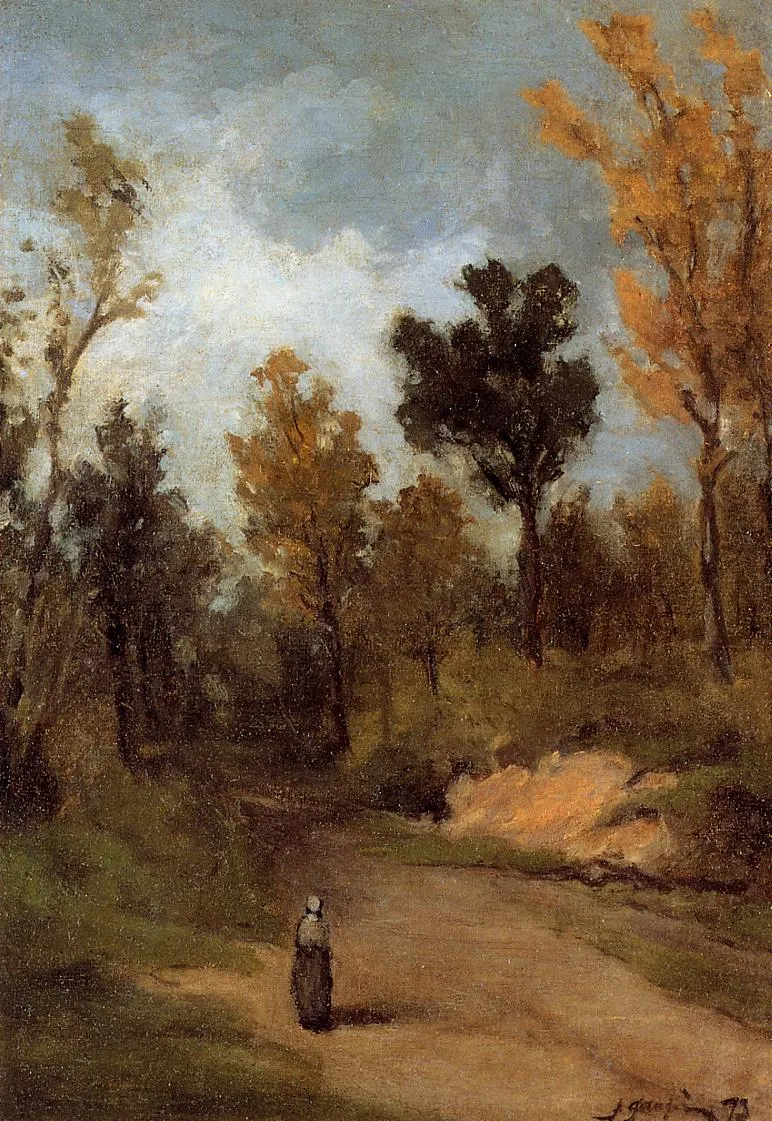
 100% Hand-Painted: Finished in 3-6 Weeks

.png)















_(1).webp)