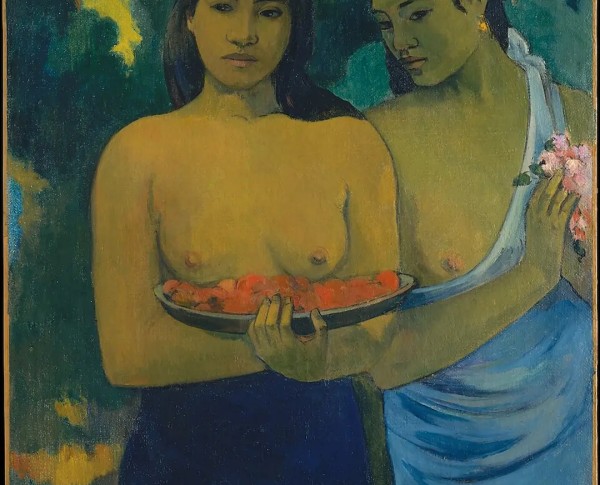
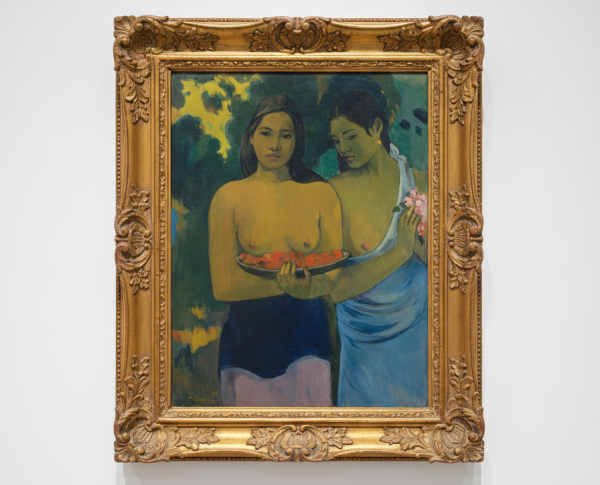
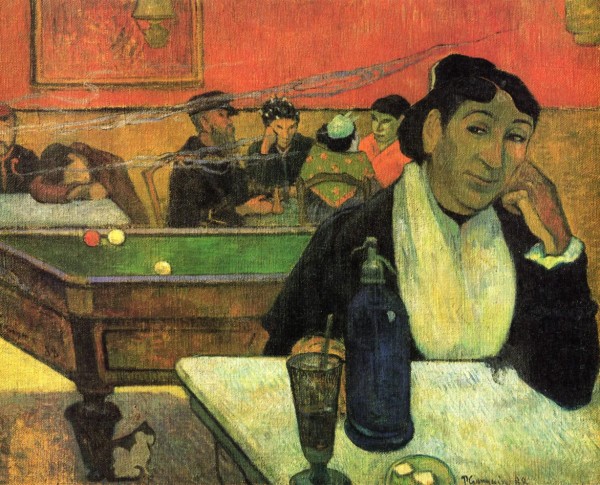
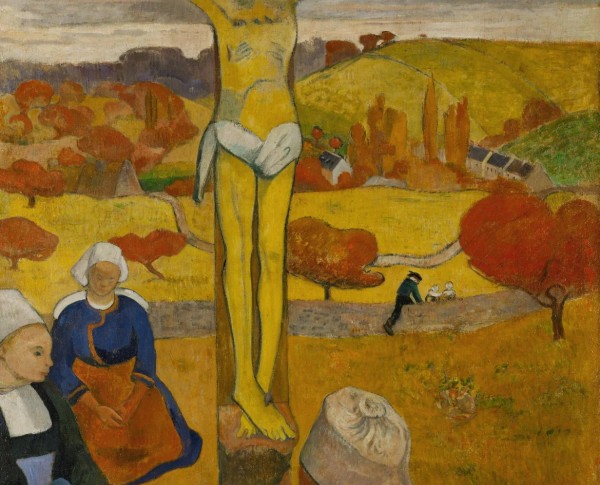
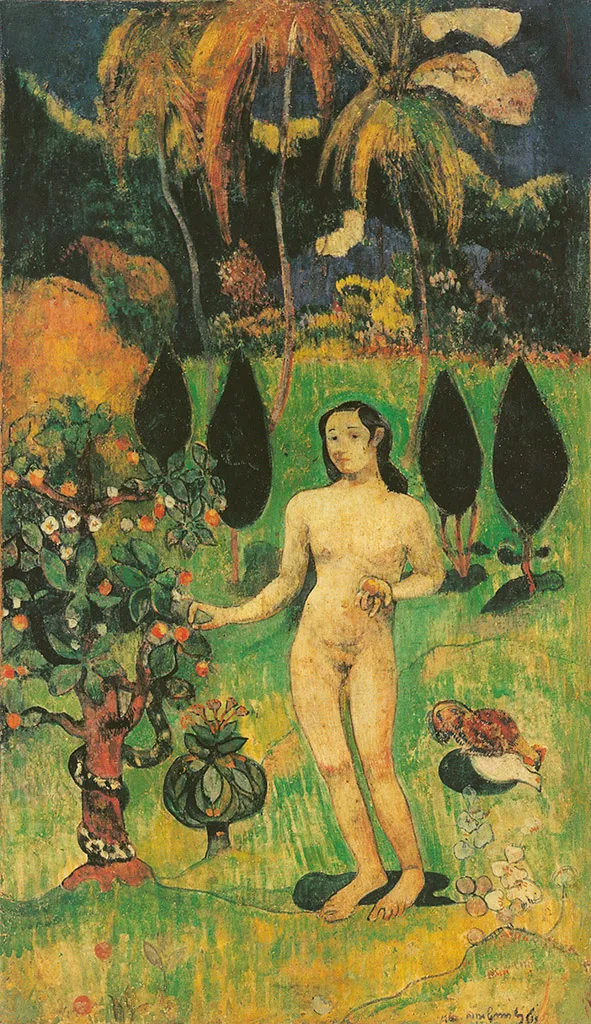
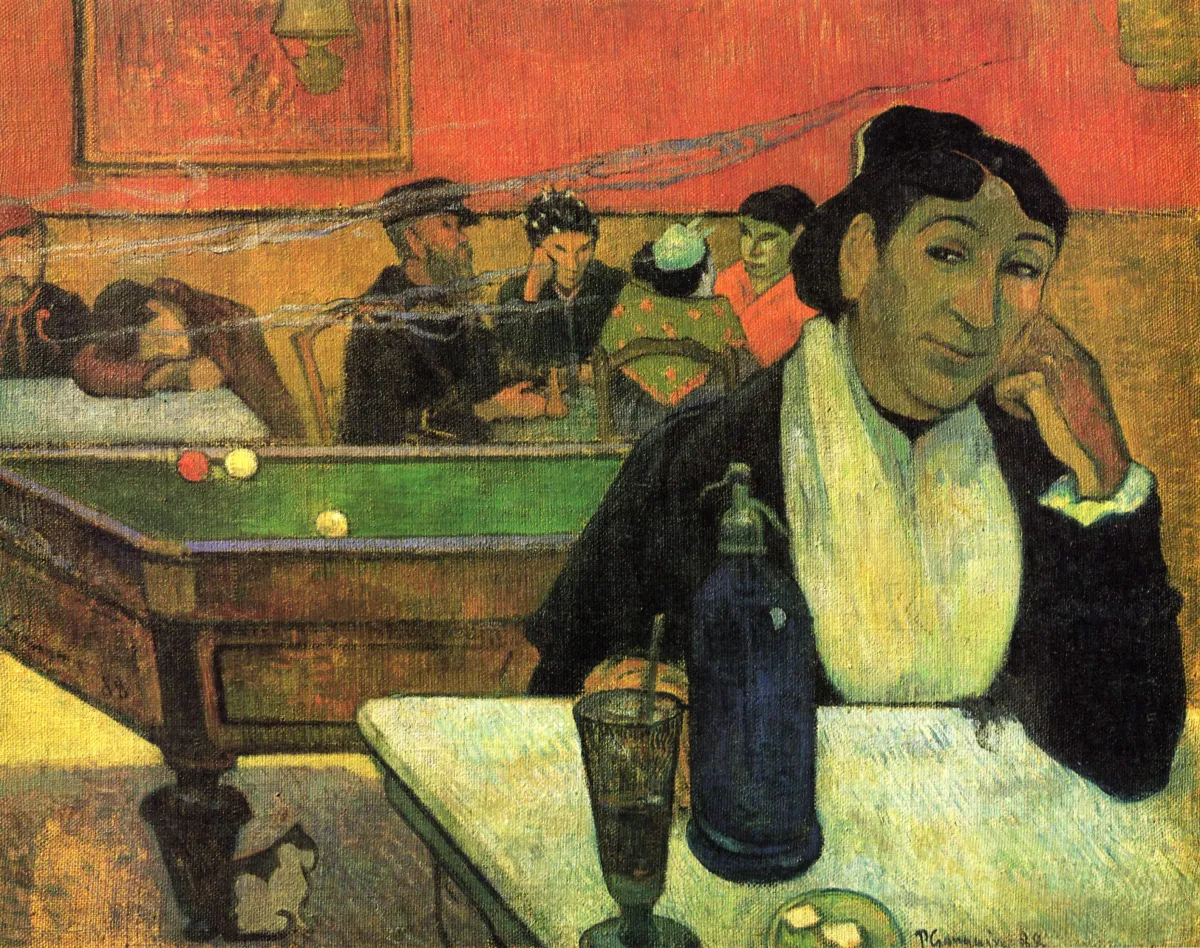
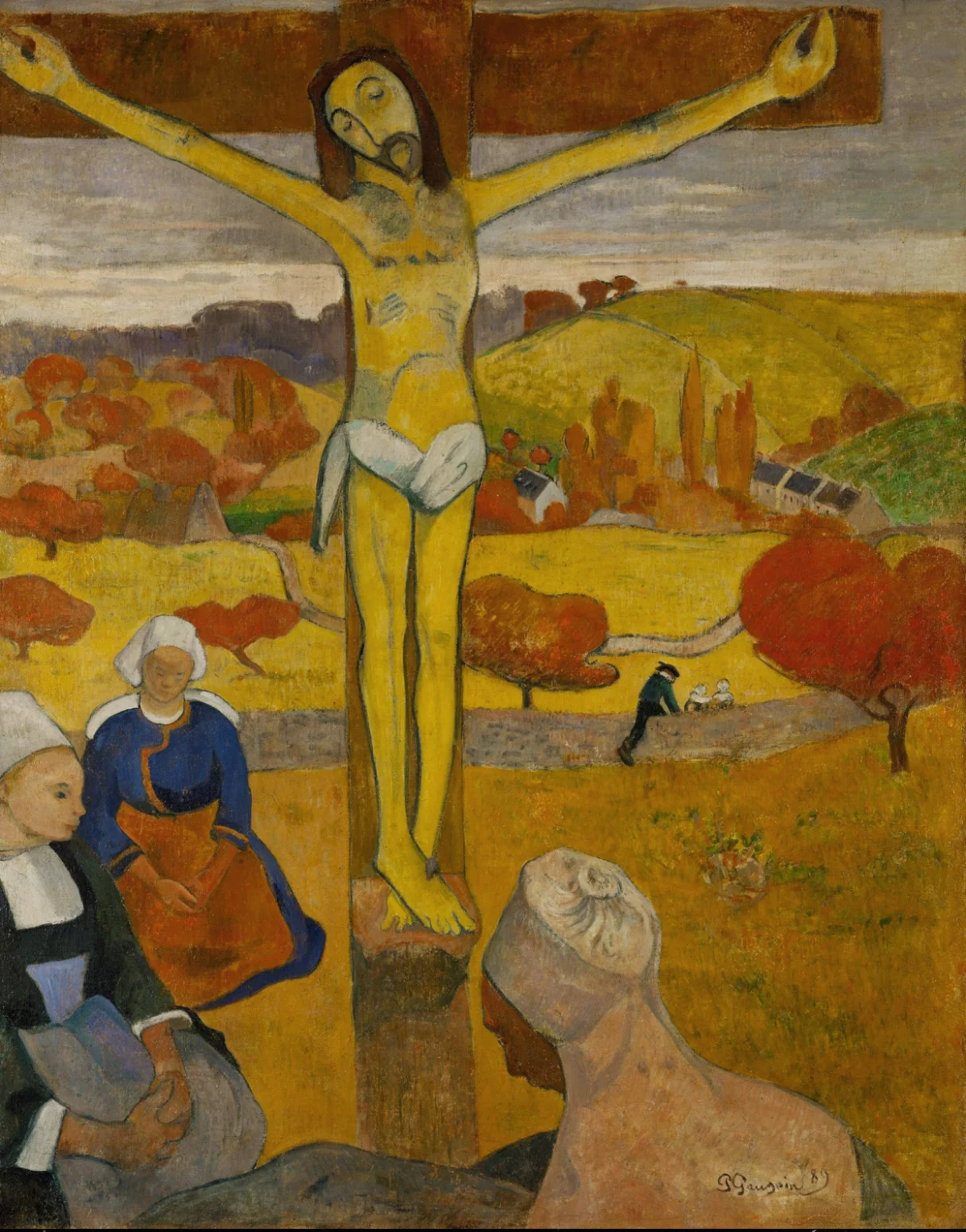
The brilliance of "Exotic Eve" lies in Gauguin’s expert use of oil on canvas, a medium that allowed him to explore striking contrasts and lush textures. His unique brushwork and innovative color palette set this painting apart in the Post-Impressionism movement. Collectors seeking fine art painting for sale will appreciate how "Exotic Eve" reflects Gauguin's mastery, much like "The Night Café in Arles" or "The Yellow Christ," both celebrated for their expressive technique.
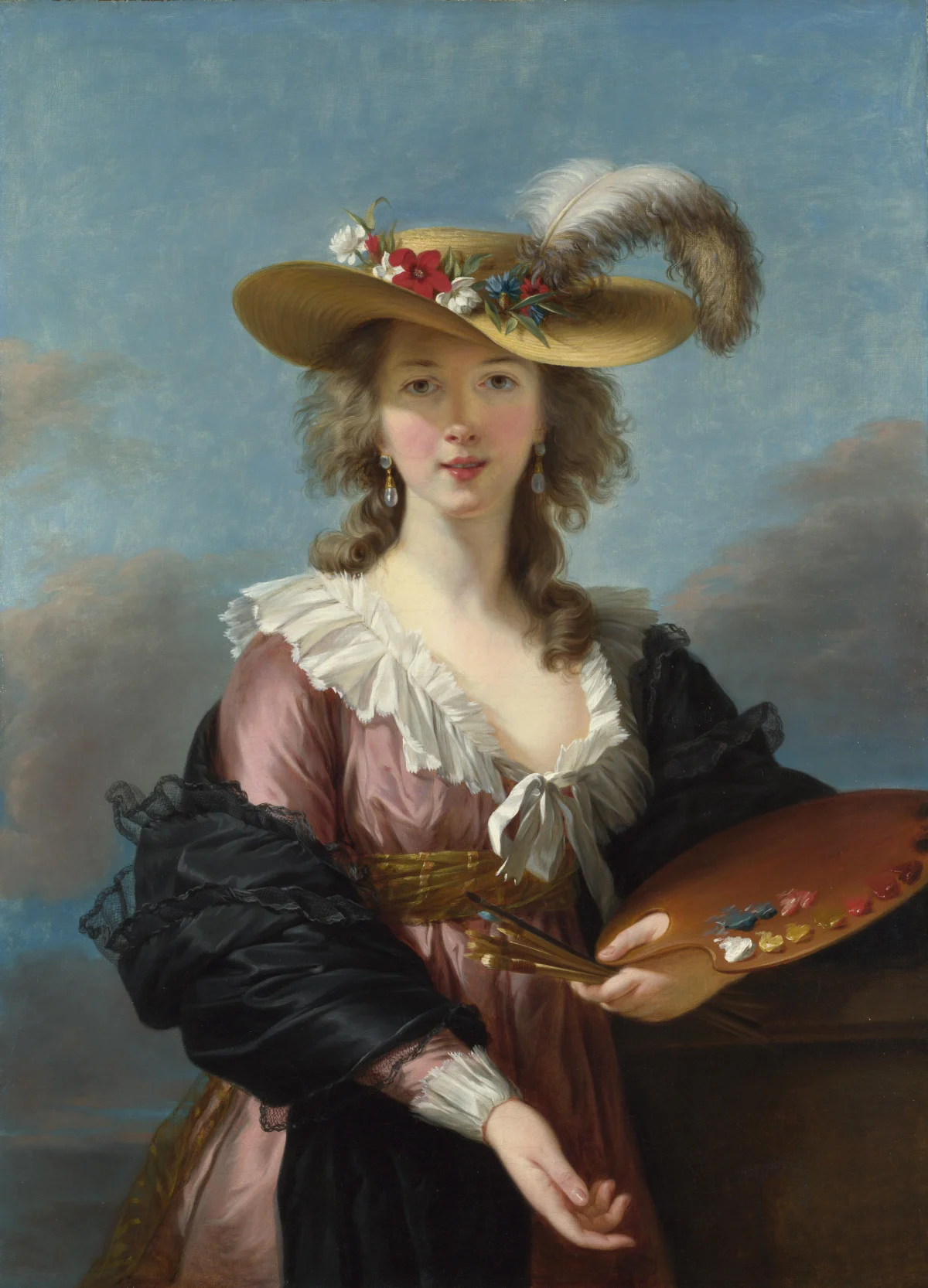
"Exotic Eve" is rich with symbolism, a hallmark of Paul Gauguin’s approach to storytelling through art. The painting weaves narratives inspired by myth, spirituality, and the exotic landscapes that fascinated the artist. As in "Parahi te marae" and "Self-portrait with hat," Gauguin’s use of motifs and vivid imagery gives this hand-painted oil painting a profound depth. Collectors and admirers of Post-Impressionism will find layers of meaning in every detail.
Owning "Exotic Eve" is more than acquiring a piece of art; it is embracing a significant chapter in the history of Post-Impressionism. Paul Gauguin’s fine art painting for sale is an ideal centerpiece for any collection, standing proudly alongside related works like "Ia Orana Maria" and "The Yellow Christ." This oil on canvas masterpiece remains a symbol of artistic innovation and cultural exploration, making it a true treasure for discerning collectors.
When Art Meets History
"Exotic Eve" by Paul Gauguin stands as a remarkable hand-painted oil painting from the vibrant Post-Impressionism movement. Created during a period when artists sought to explore new perspectives, this masterpiece reflects Gauguin’s fascination with symbolism and exotic subjects. Alongside related works like "Starry Night Over The Rhone" and "The Red Vineyard," "Exotic Eve" captures the spirit of artistic innovation, blending history and imagination in a way that continues to inspire art lovers worldwide.
Techniques That Speak
Paul Gauguin’s "Exotic Eve" showcases his signature use of bold colors and expressive brushwork, typical of oil on canvas creations from the Post-Impressionism era. The painting’s rich textures and dynamic compositions echo those found in "Harvest At La Crau With Montmajour In The Background" and "Boy Cutting Grass with a Sickle." Gauguin’s technique transforms ordinary scenes into extraordinary visions, inviting viewers to experience the world through the eyes of a master.
Emotions on Display
The emotional depth in "Exotic Eve" is unmistakable, as Gauguin weaves feelings of longing and mystique into every brushstroke. This fine art painting for sale evokes curiosity, much like "A Sunday Afternoon on the Island of La Grande Jatte" and other celebrated Post-Impressionist works. Through his unique perspective, Gauguin allows the viewer to connect with the subject’s inner world, making "Exotic Eve" a profound exploration of emotion and human experience.
Coveted by Collectors
Collectors are continually drawn to "Exotic Eve" by Paul Gauguin, recognizing its significance within the Post-Impressionism movement. As a hand-painted oil painting, it represents both artistic mastery and historical value. Alongside masterpieces such as "The Red Vineyard" and "Starry Night Over The Rhone," "Exotic Eve" remains a prized addition to any collection, its allure only growing as appreciation for Gauguin’s genius endures in the art market.
Related Post-Impressionism Hand-Painted Oil Paintings by Other Artists
Other Famous Post-Impressionism Artists:
Frequently Asked Questions About Exotic Eve
What is the historical context of "Exotic Eve"?
"Exotic Eve" was created by Paul Gauguin in 1896 during his time in Tahiti, a period marked by his search for a more primitive and authentic artistic expression, away from European influences.
What artistic movement does "Exotic Eve" belong to?
The painting is associated with Post-Impressionism, a movement characterized by its emphasis on personal expression and the use of bold colors and symbolic content.
What are the main themes depicted in "Exotic Eve"?
The painting explores themes of femininity, nature, and the idealization of the 'noble savage,' reflecting Gauguin's fascination with the Tahitian culture and its perceived purity.
How does Gauguin use color in "Exotic Eve"?
Gauguin employs a vibrant color palette to evoke emotion and convey the exoticism of the subject, utilizing non-naturalistic colors to enhance the symbolic meaning of the painting.
What is the significance of the figure in "Exotic Eve"?
The figure represents an idealized version of womanhood, embodying both sensuality and innocence, which reflects Gauguin's personal views on femininity and his experiences in Tahiti.
How does "Exotic Eve" reflect Gauguin's artistic style?
The painting showcases Gauguin's distinctive style, characterized by bold outlines, flattened forms, and a focus on decorative elements, which diverges from the naturalism of his predecessors.
What symbolism can be found in "Exotic Eve"?
Symbolism in the painting includes the use of tropical flora and fauna, which serve to enhance the theme of paradise and the connection between the figure and her natural surroundings.
How did "Exotic Eve" influence future artists?
The painting has had a lasting impact on modern art, inspiring artists to explore themes of exoticism, color theory, and abstraction, paving the way for movements such as Fauvism and Expressionism.
What techniques did Gauguin employ in "Exotic Eve"?
Gauguin utilized techniques such as bold brushwork, simplified forms, and a flat composition, which were innovative for his time and contributed to the overall emotive quality of the work.
What is the legacy of "Exotic Eve" in the art world?
"Exotic Eve" remains a significant work in the canon of Western art, emblematic of Gauguin's quest for authenticity and his complex relationship with colonialism, continuing to provoke discussion and analysis among art historians.






















_GFM_Painting_(1).webp)


 100% Hand-Painted: Finished in 3-6 Weeks

.png)















_(1).webp)