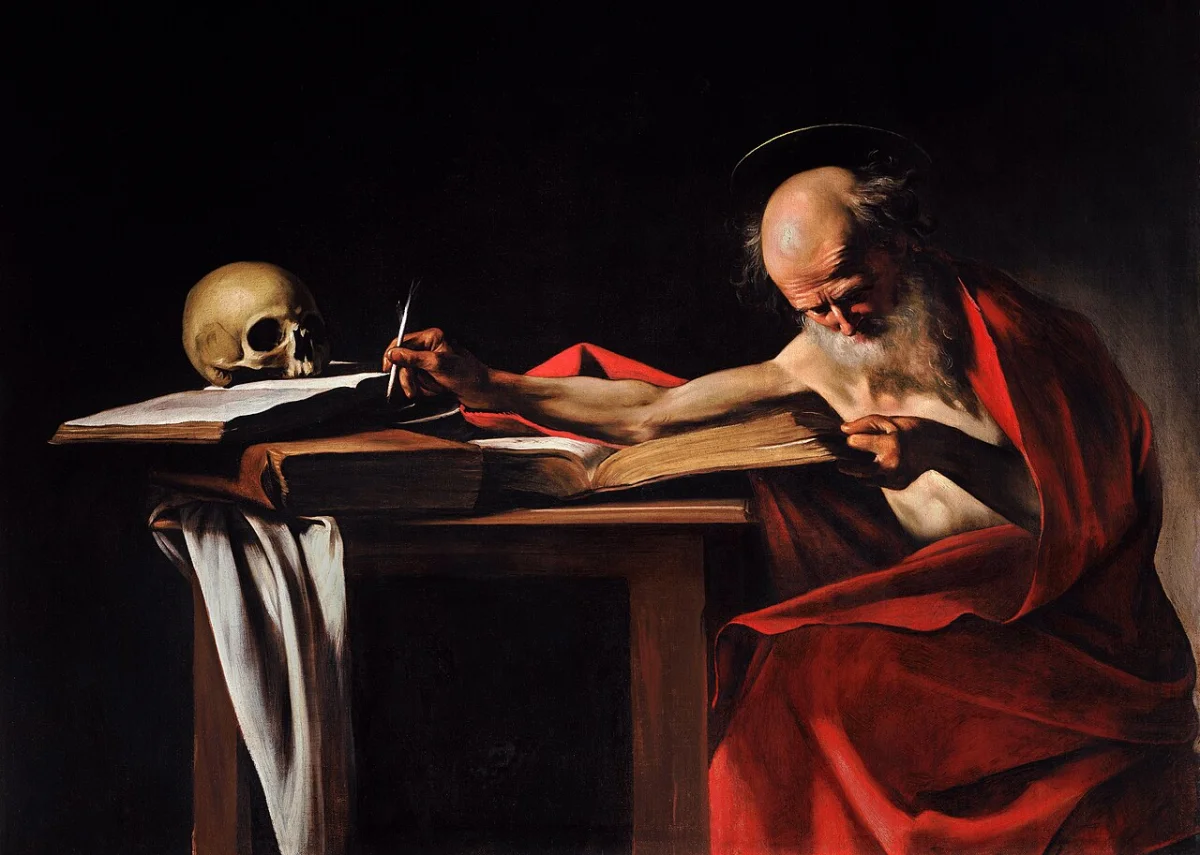
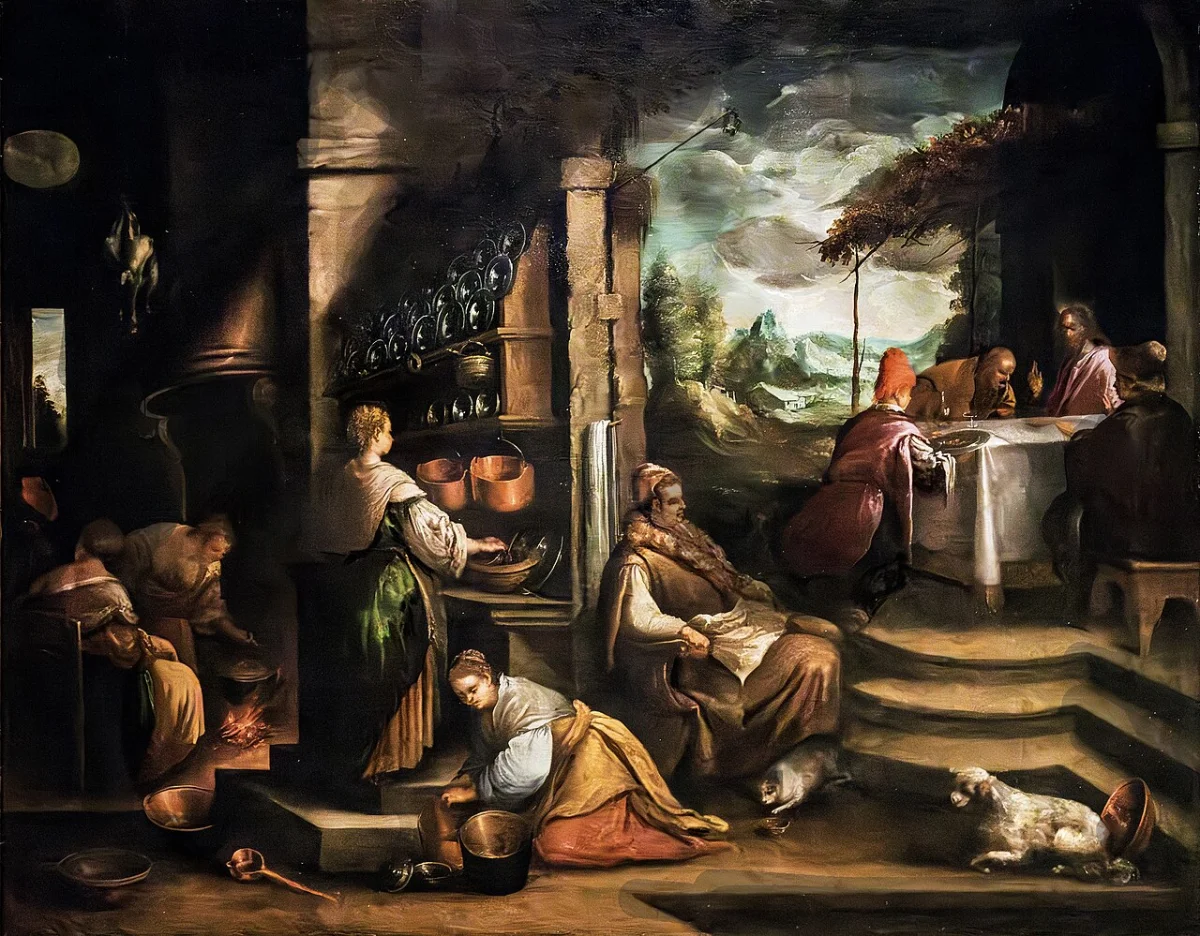
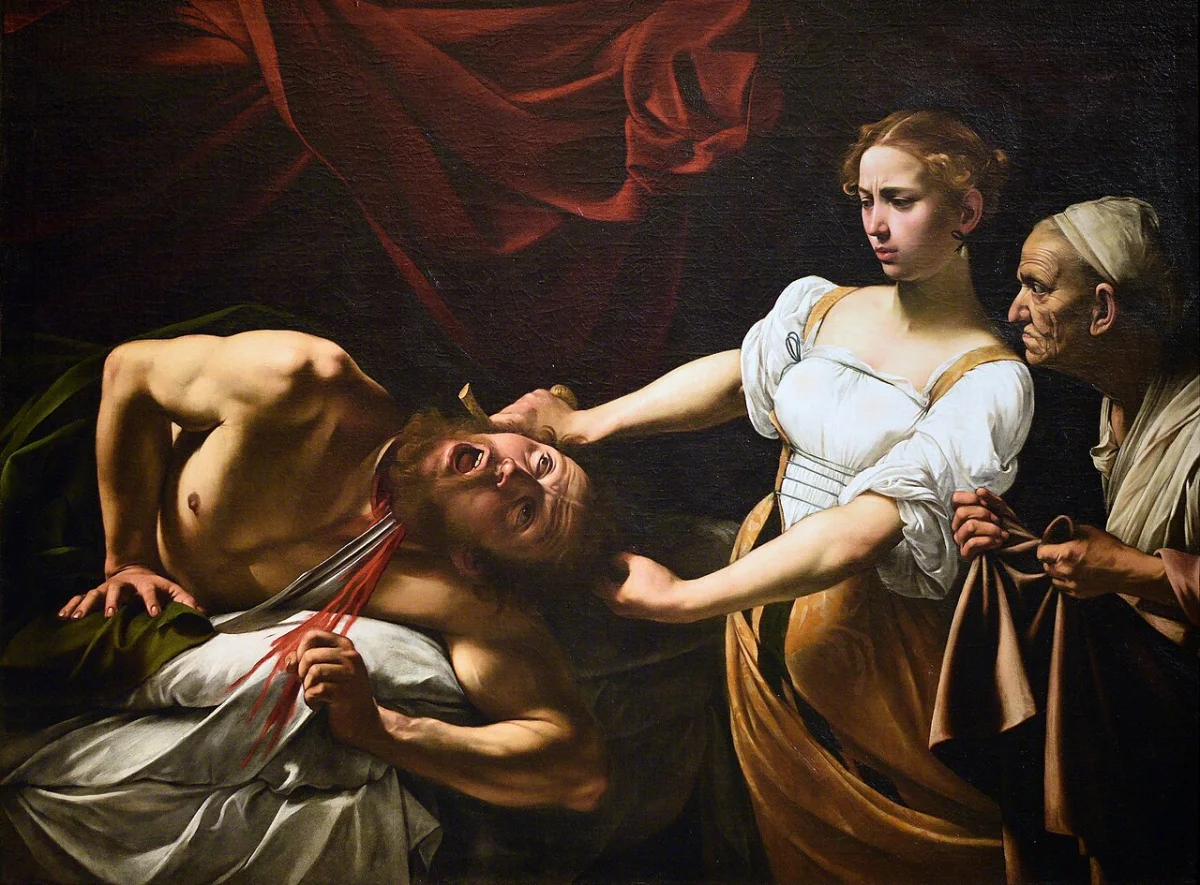
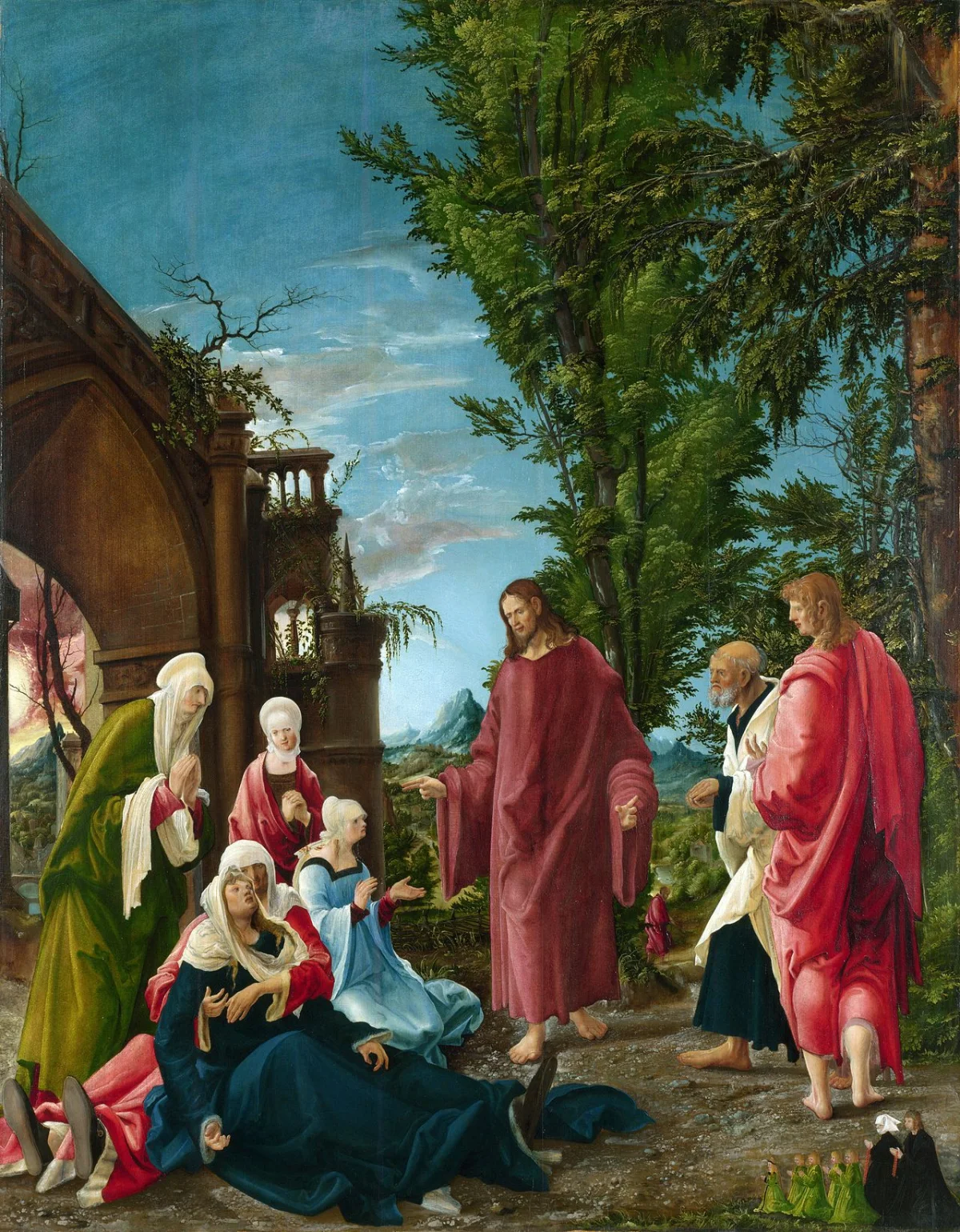
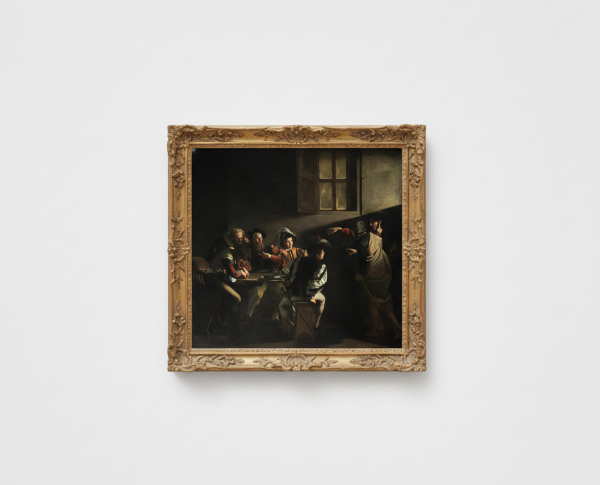
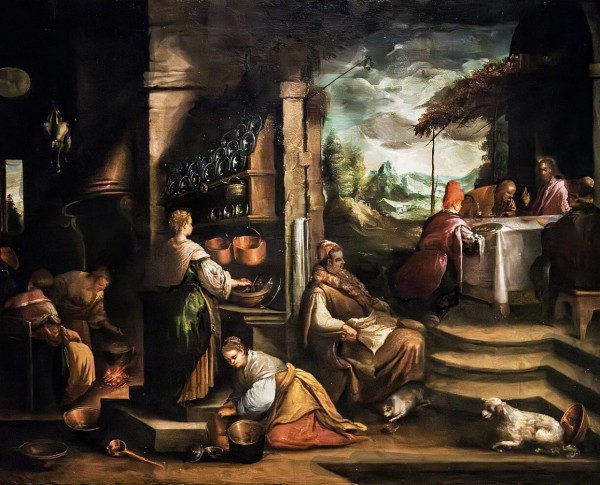
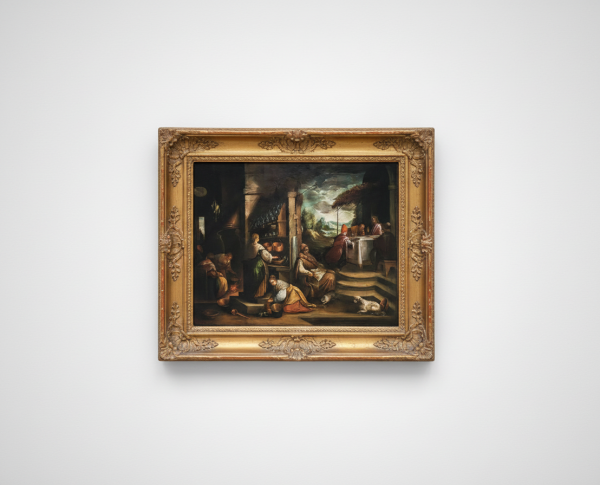
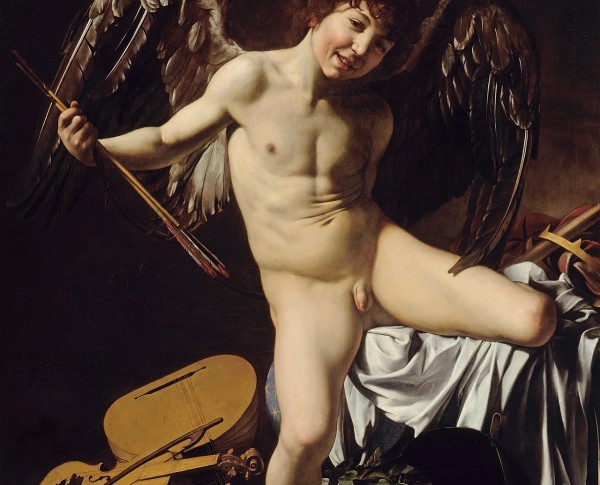
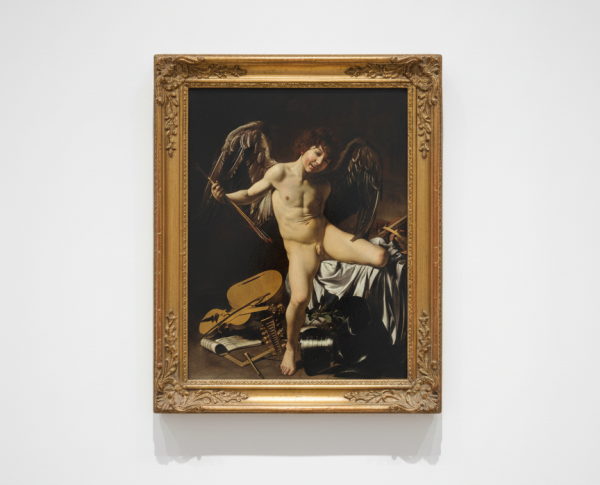
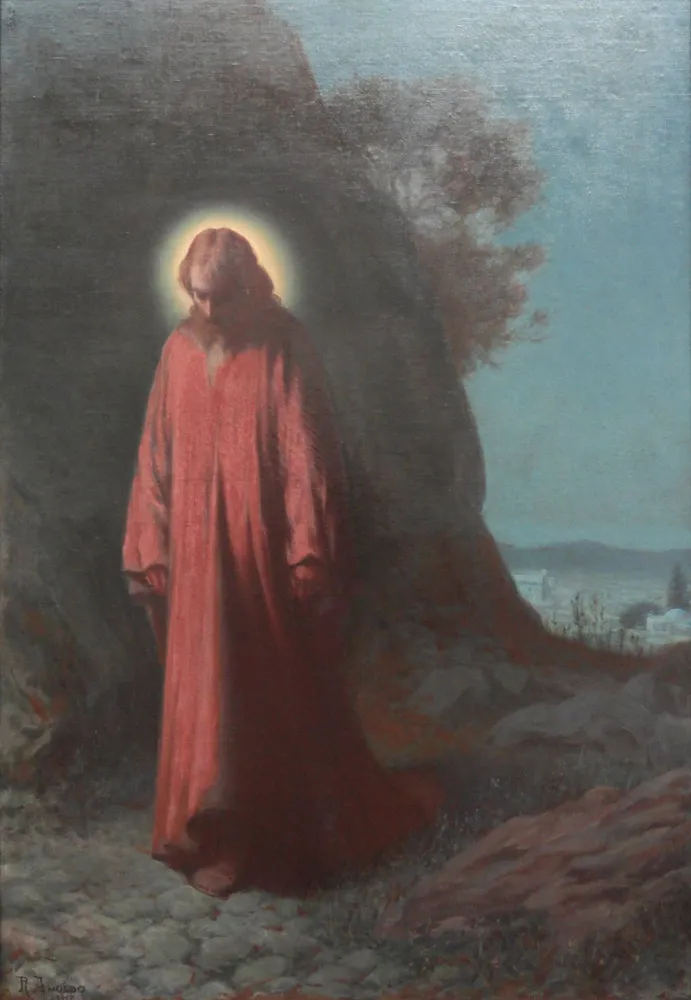
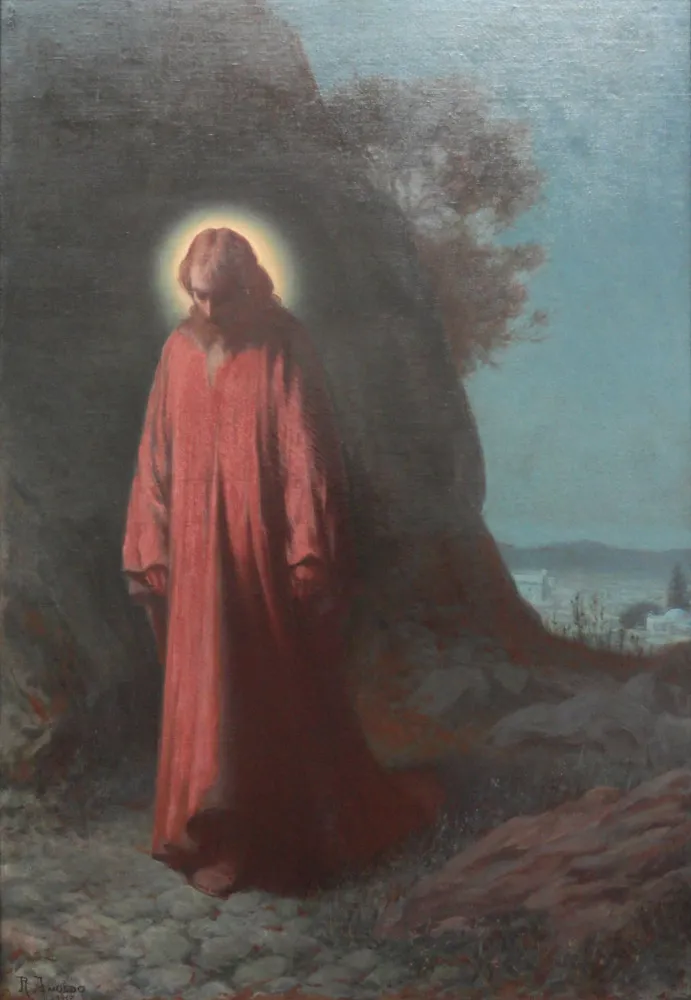
Caravaggio’s "Christ on the Mount of Olives" exemplifies the artist’s masterful technique in oil on canvas. His dramatic use of light and shadow brings the biblical scene to life, a hallmark of the Baroque movement. Each brushstroke reveals Caravaggio’s dedication to realism and emotional depth. For those interested in owning a piece of history, fine art painting for sale options include "Portrait of a Courtesan" and "Crucifixion of Saint Peter".
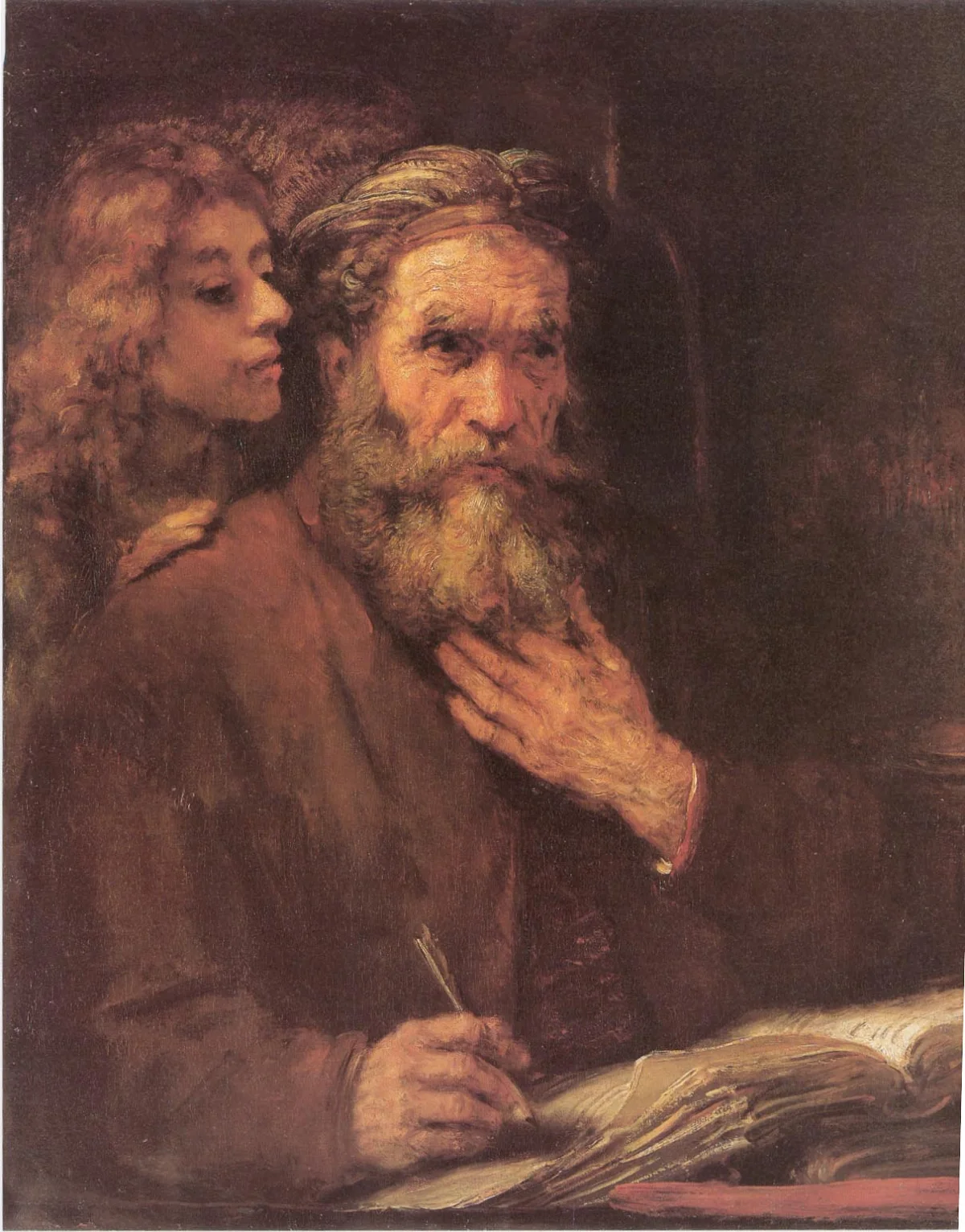
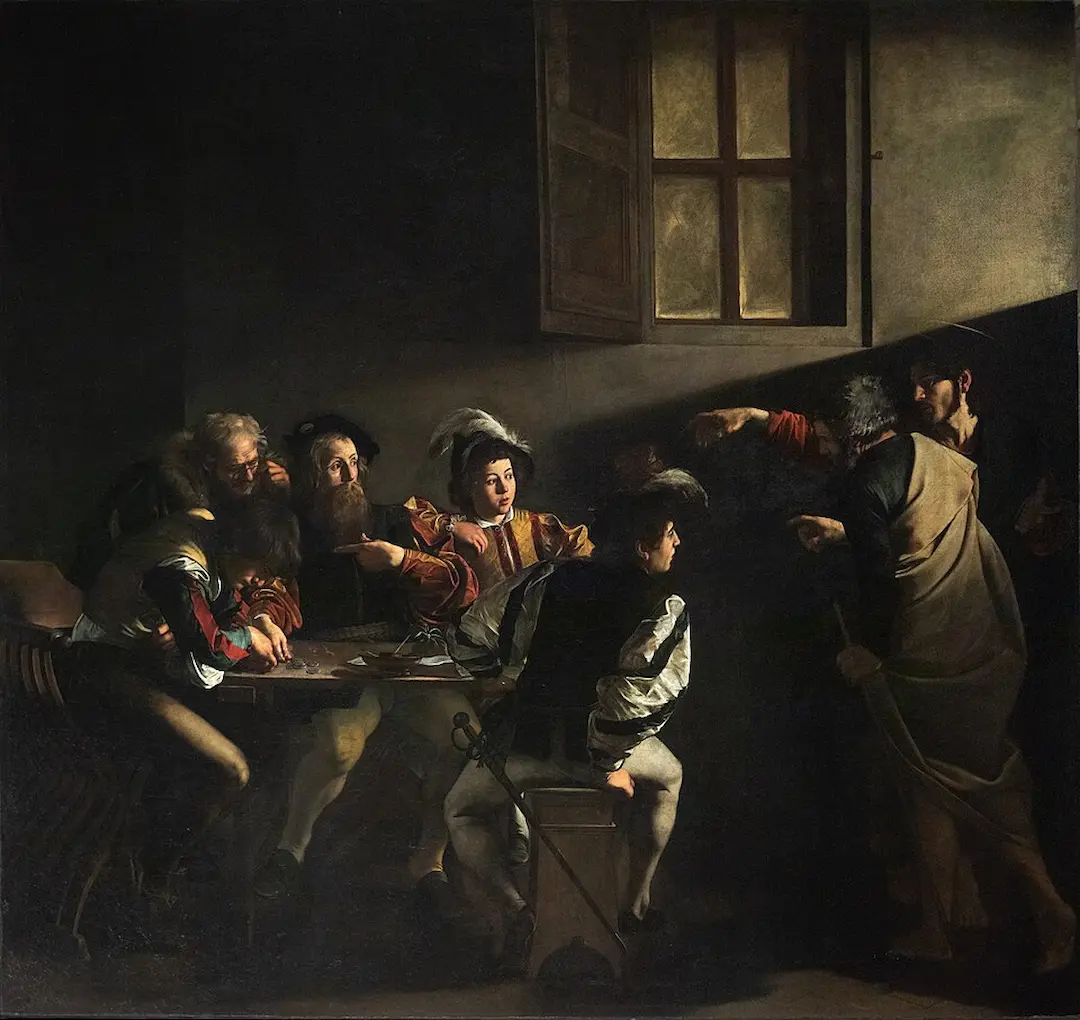
The narrative in "Christ on the Mount of Olives" is rich with symbolic meaning, a signature trait of Baroque masterpieces. Caravaggio infuses his hand-painted oil painting with emotional tension, illustrating the agony and humanity of Christ. The symbolism within this work echoes throughout Caravaggio’s other pieces, such as "Saint Matthew and the Angel". Collectors are drawn to these stories, making every fine art painting for sale a coveted treasure for enthusiasts.
Owning "Christ on the Mount of Olives" by Caravaggio would be the pinnacle of any fine art collection. This oil on canvas masterpiece, rooted in the Baroque movement, speaks to the timeless allure of hand-painted oil paintings. Collectors often seek related works like "Portrait of Maffeo Barberini" to complement their collections. Each fine art painting for sale from Caravaggio’s portfolio offers a glimpse into the genius of one of history’s greatest artists.
When Art Meets History
"Christ on the Mount of Olives" by Caravaggio stands as a remarkable example of the Baroque movement, capturing a pivotal biblical moment with dramatic intensity. This hand-painted oil painting transports viewers to a time when faith and emotion intertwined on canvas. Caravaggio, known for his mastery in works like "Vision of St Peter Nolasco" and "Christ on the Cross," revolutionized religious art, making each scene both historically significant and visually compelling for art enthusiasts and collectors.
Techniques That Speak
Caravaggio's "Christ on the Mount of Olives" is a stunning display of oil on canvas technique, typical of the Baroque era. His use of chiaroscuro creates deep contrasts, bringing the figures to life against a shadowy background. Similar to his approach in "Horse in a Stable" and "Mountain landscape with lightning," Caravaggio’s brushwork and realistic depiction of light and texture elevate this painting, making it a prime example of oil on canvas mastery within fine art history.
Emotions on Display
Caravaggio’s "Christ on the Mount of Olives" masterfully conveys raw emotion, a hallmark of Baroque art. The artist’s expressive rendering of Christ’s anguish is palpable, echoing the emotional depth seen in his "Self-Portrait." This fine art painting for sale invites viewers to experience the turmoil and hope present in the scene, making it a timeless piece that resonates with those who appreciate the profound storytelling found in Baroque masterpieces.
Coveted by Collectors
Collectors highly value "Christ on the Mount of Olives" by Caravaggio, recognizing its significance in the Baroque movement and its connection to related paintings such as "Vision of St Peter Nolasco." As a hand-painted oil painting, it represents both historical importance and artistic excellence. The painting’s rarity and Caravaggio’s enduring legacy ensure that it remains a fine art painting for sale sought after by museums and private collectors around the world.
Related Baroque Hand-Painted Oil Paintings by Other Artists
Other Famous Baroque Artists:
Frequently Asked Questions About Christ on the Mount of Olives
What is the historical context of "Christ on the Mount of Olives"?
"Christ on the Mount of Olives" was painted by Caravaggio during the late 16th century, a time marked by the Counter-Reformation. This period saw a renewed focus on religious themes in art, with an emphasis on emotional engagement and realism.
What are the main themes depicted in the painting?
The painting explores themes of agony, betrayal, and divine foreknowledge. It captures the moment of Christ's prayer and anguish before his crucifixion, highlighting the emotional weight of his impending sacrifice.
How does Caravaggio's use of light contribute to the painting's impact?
Caravaggio employs chiaroscuro, a technique that contrasts light and shadow, to enhance the dramatic tension in the scene. The illumination of Christ's figure against the dark background emphasizes his isolation and suffering.
What symbolic elements are present in "Christ on the Mount of Olives"?
The painting includes symbolic elements such as the olive tree, which represents peace and the impending sacrifice of Christ. The presence of the sleeping disciples symbolizes human weakness and the inability to comprehend the gravity of the situation.
How does Caravaggio's style differ from other artists of his time?
Caravaggio's style is characterized by its realism and emotional intensity, setting it apart from the idealized forms of the Mannerist style prevalent during his time. His focus on everyday people and dramatic lighting creates a more relatable and immediate experience for viewers.
What influence did "Christ on the Mount of Olives" have on later artists?
The painting had a significant influence on the Baroque movement, inspiring artists to adopt similar techniques of realism and emotional depth. Its dramatic composition and use of light can be seen in the works of artists like Rembrandt and Rubens.
What role does the figure of Christ play in the composition?
Christ is depicted as the central figure, embodying both vulnerability and strength. His posture and facial expression convey deep anguish, inviting viewers to empathize with his emotional turmoil as he faces his fate.
How does the painting reflect Caravaggio's personal beliefs?
Caravaggio's work often reflects his personal struggles and beliefs, particularly his complex relationship with faith and redemption. "Christ on the Mount of Olives" encapsulates his exploration of divine grace amidst human suffering.
What techniques did Caravaggio use to achieve realism in this painting?
Caravaggio utilized naturalism by painting from live models and incorporating realistic details. His meticulous attention to anatomy, expressions, and the play of light enhances the lifelike quality of the figures.
Where can "Christ on the Mount of Olives" be viewed today?
The painting is housed in the Museo di Capodimonte in Naples, Italy. It remains a significant work for both its artistic merit and its profound religious themes, attracting visitors from around the world.























_GFM_Painting_(1).webp)


 100% Hand-Painted: Finished in 3-6 Weeks

.png)















_(1).webp)