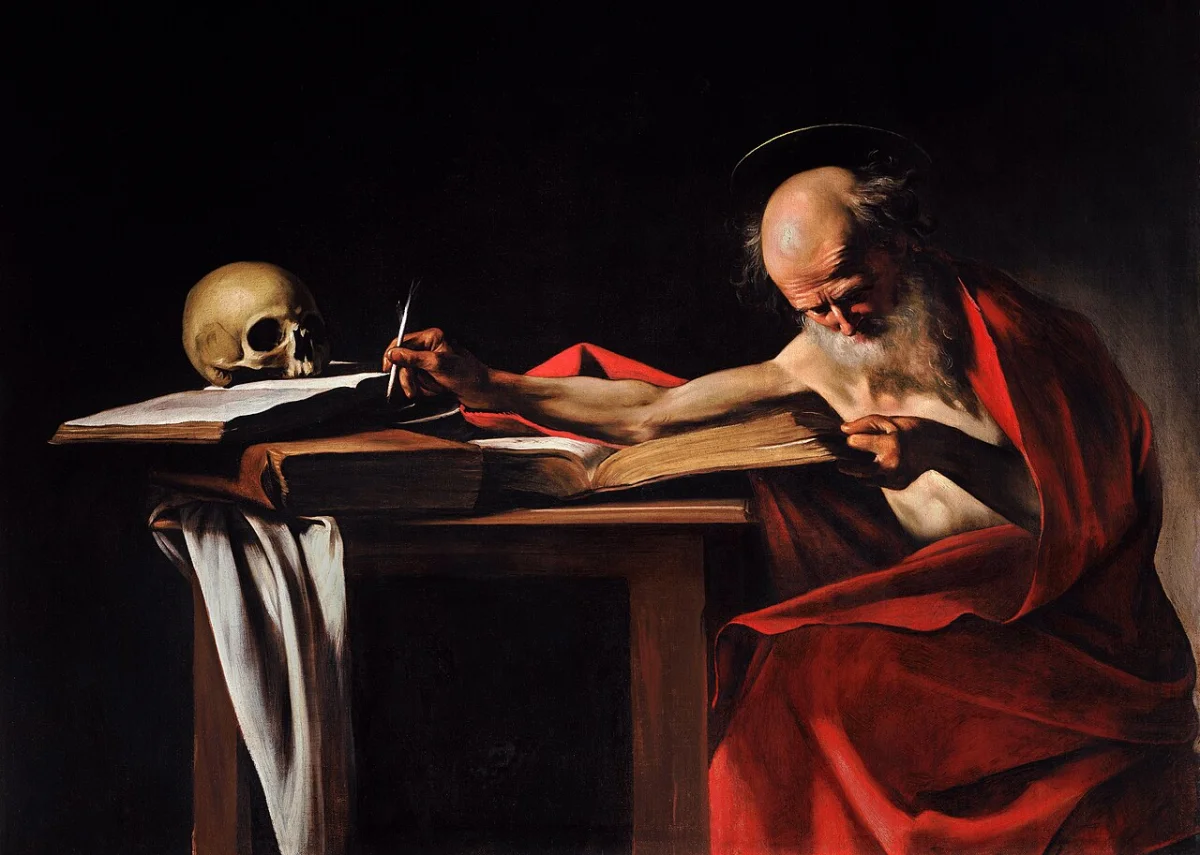
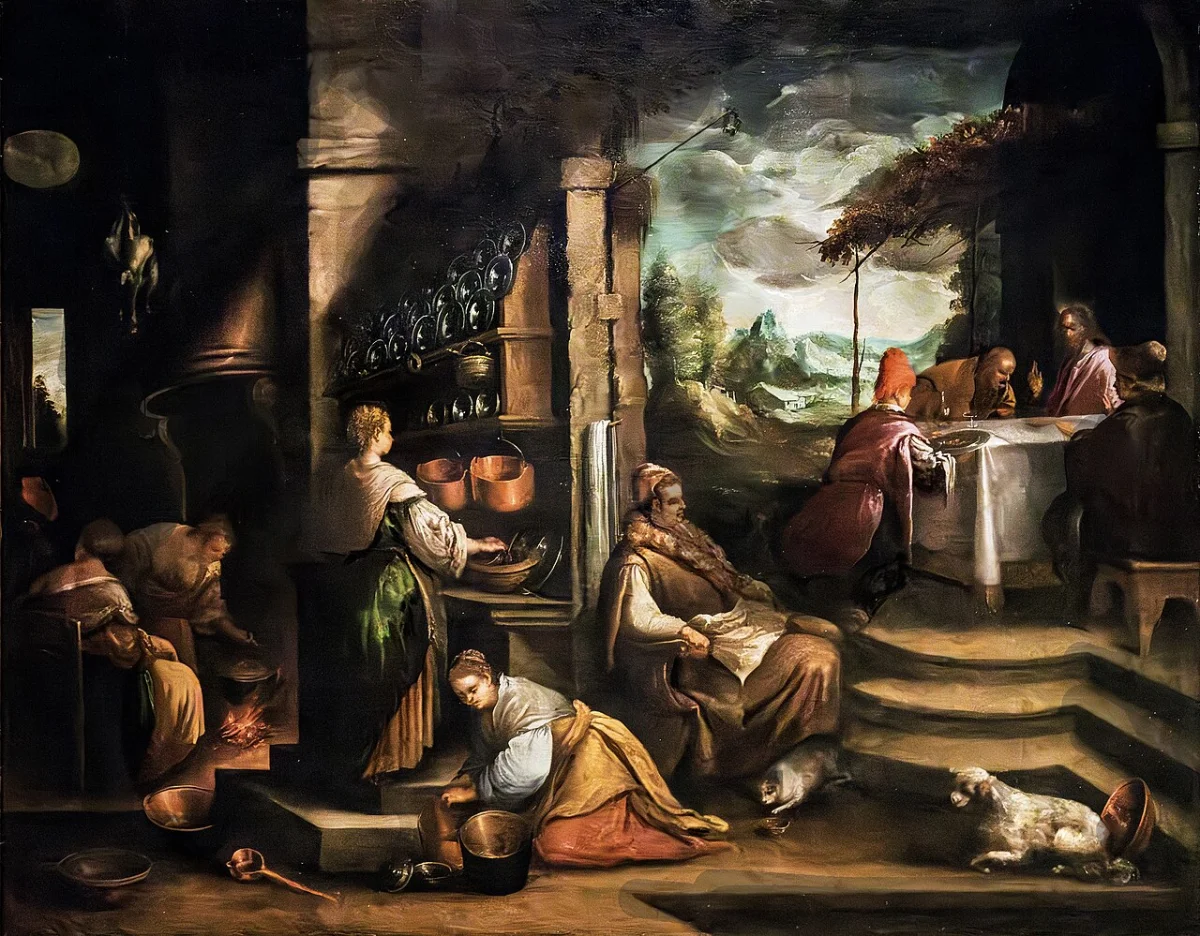
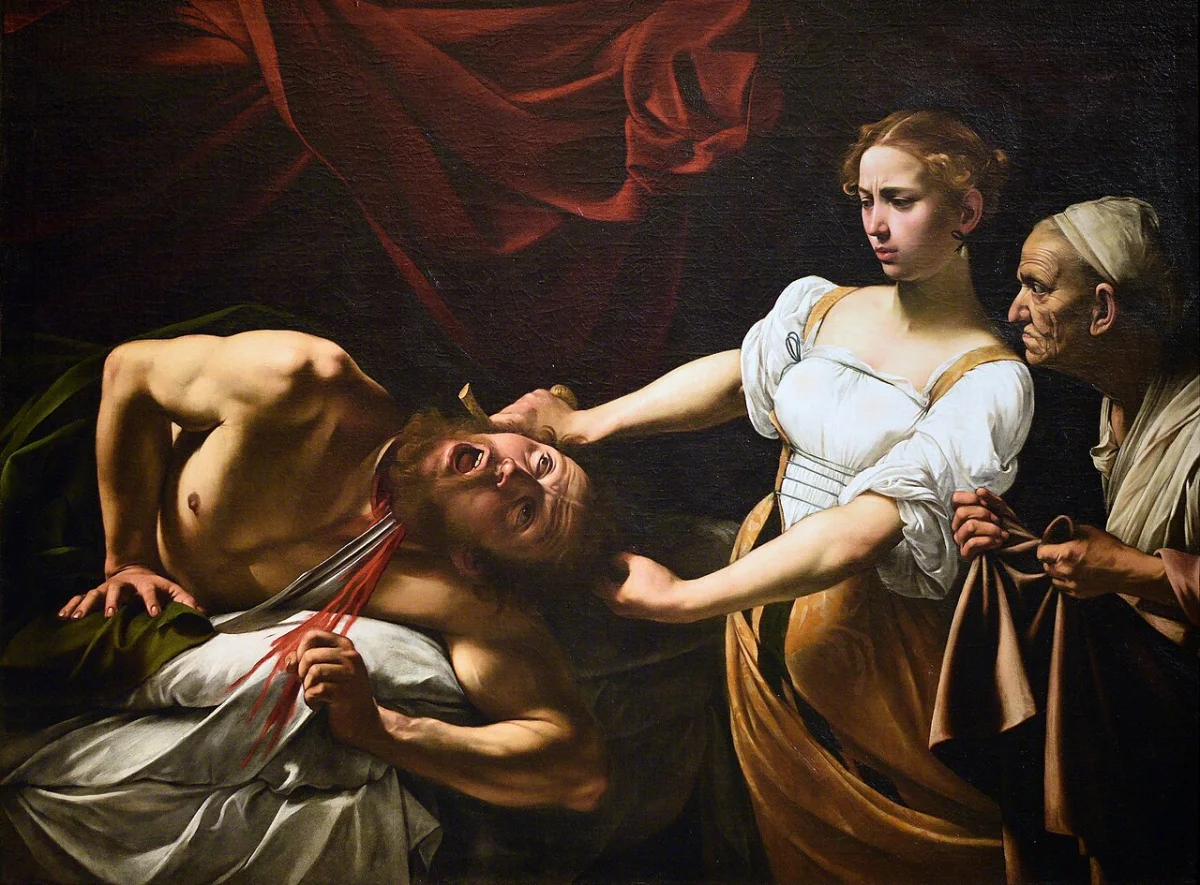
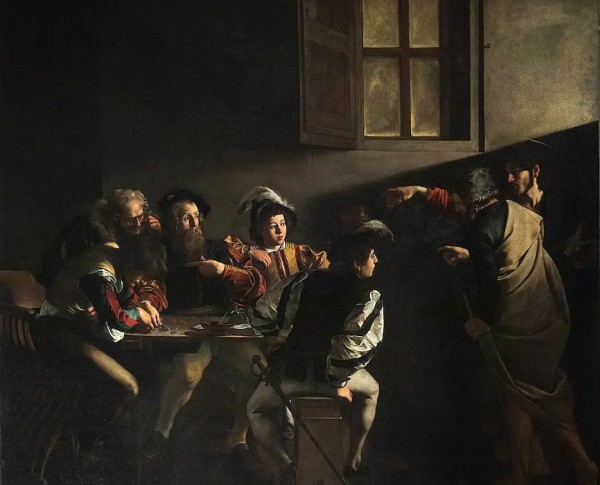
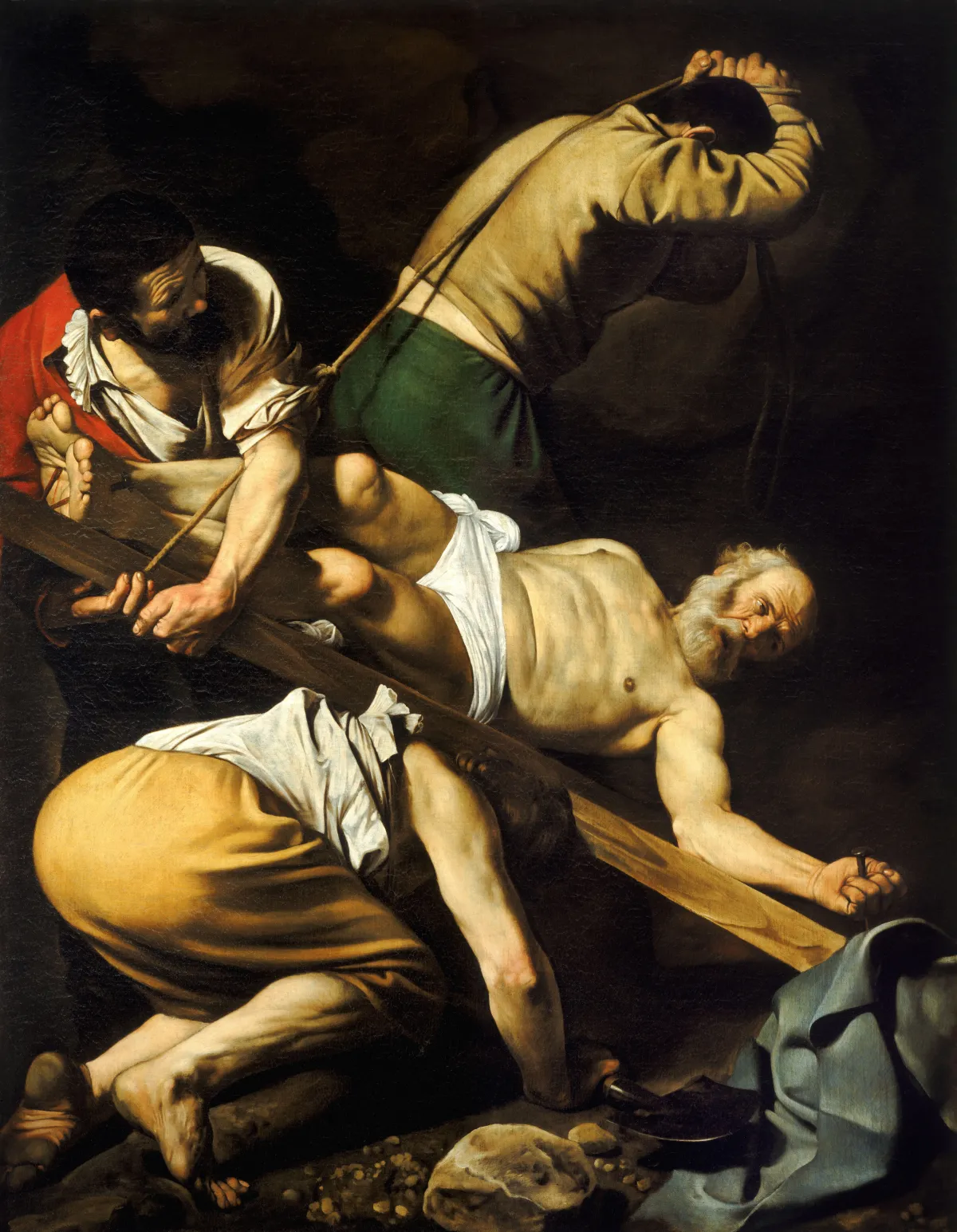
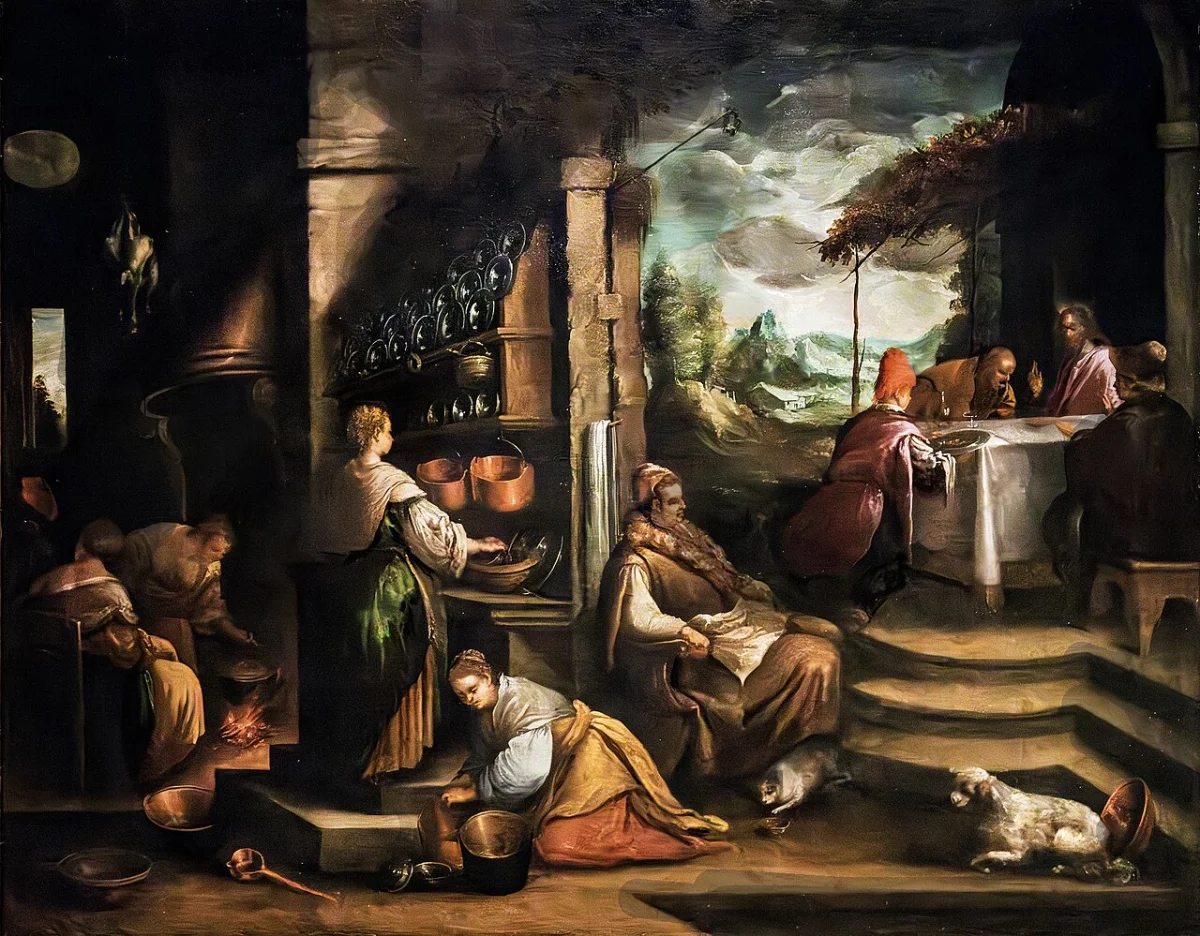
Caravaggio’s mastery is evident in every detail of this oil on canvas. The play of light and shadow, known as chiaroscuro, highlights the anguish and spirituality of Saint Peter’s crucifixion. This technique, central to the Baroque movement, elevates the scene’s realism and emotional impact. Collectors searching for a remarkable oil on canvas often choose works like "Young Sick Bacchus" and "Martha and Mary Magdalene" to accompany this iconic painting.
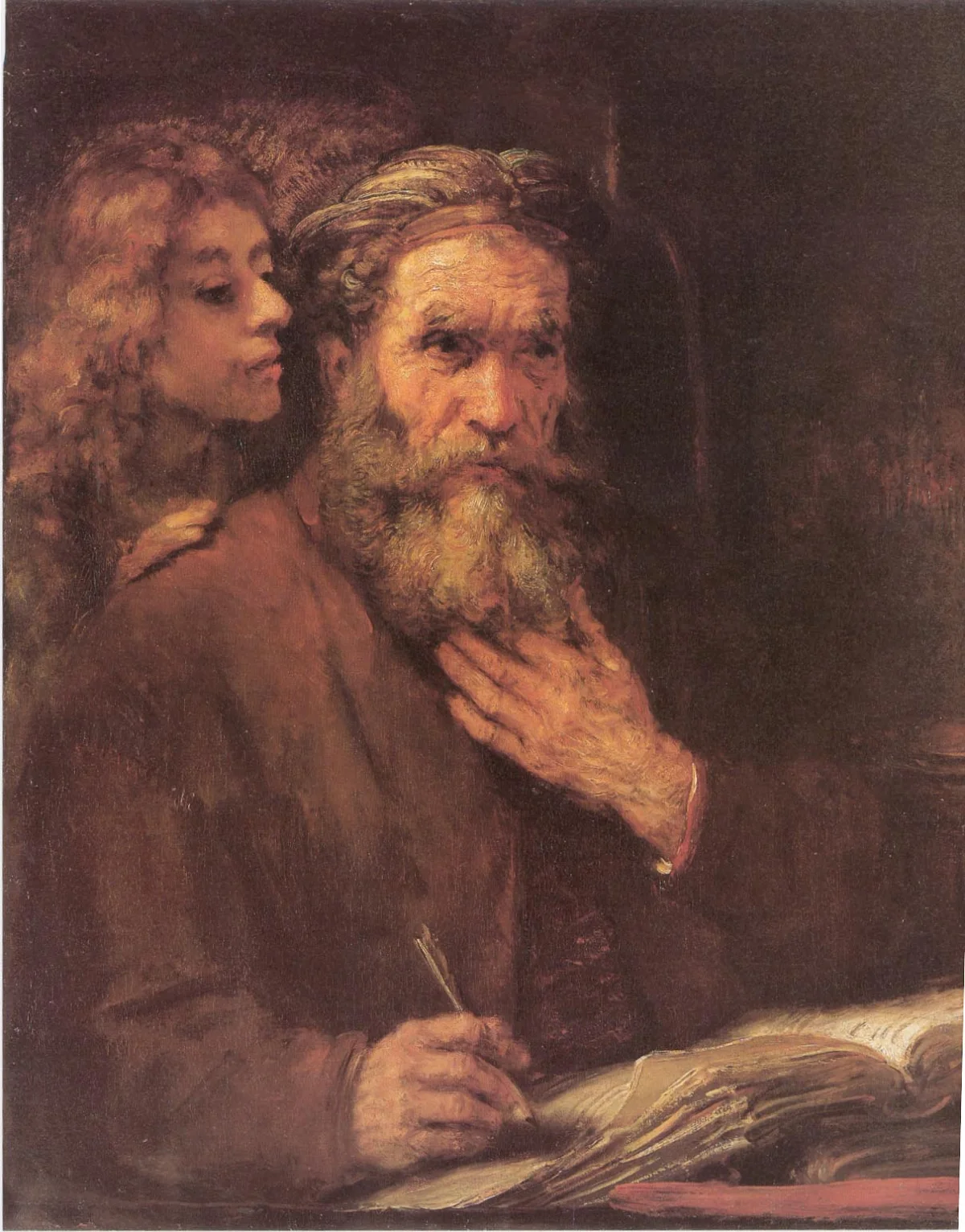
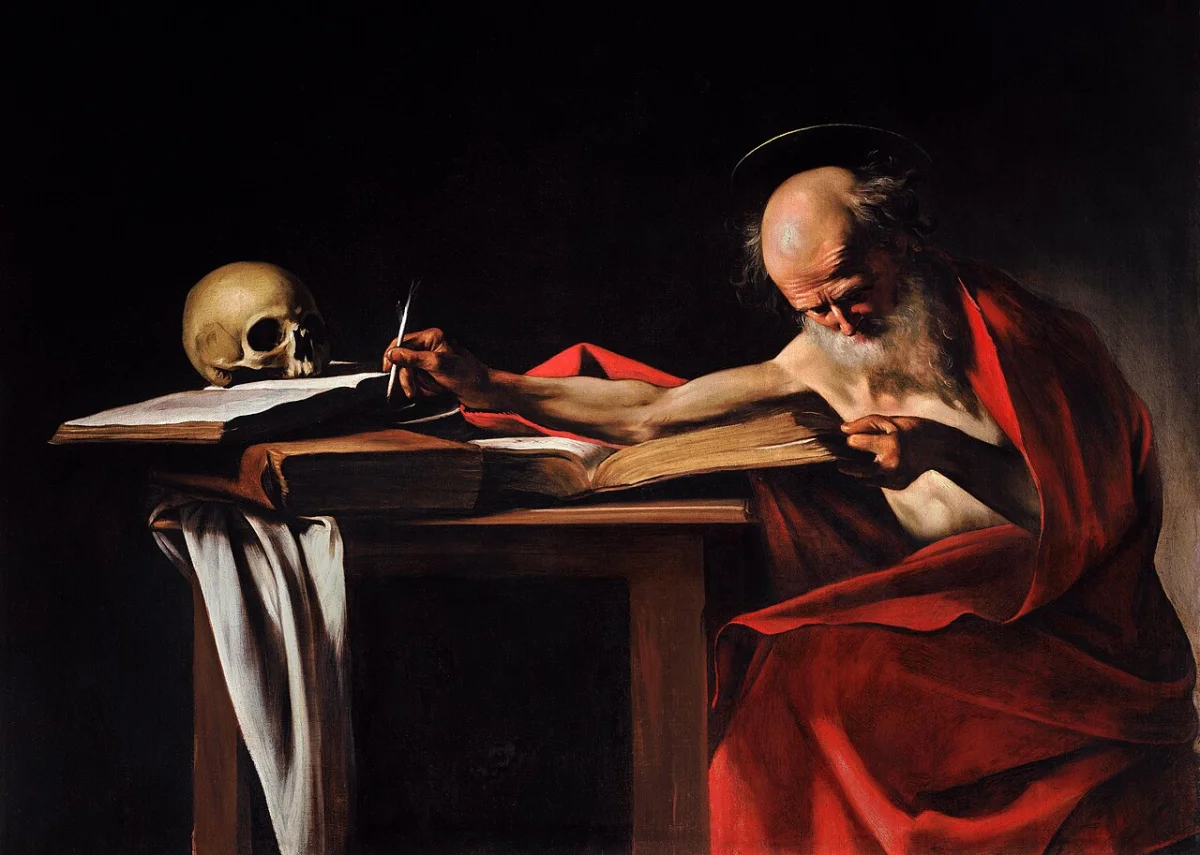
The "Crucifixion of Saint Peter" is more than a fine art painting for sale; it is a narrative rich in symbolism. Caravaggio’s depiction of Saint Peter’s humility and sacrifice resonates deeply with viewers. The symbolism in every brushstroke embodies the Baroque era’s fascination with faith and drama. Art lovers interested in religious themes also explore related products, including "Portrait of a Courtesan" and "Saint Matthew and the Angel."
Owning a hand-painted oil painting like "Crucifixion of Saint Peter" by Caravaggio is a dream for many collectors. Its significance within the Baroque movement and its exquisite artistry make it a sought-after piece. For those looking to expand their collection, complementary masterpieces such as "The Musicians" or "Martha and Mary Magdalene" provide an impressive display of Caravaggio’s genius and the era’s artistic brilliance.
When Art Meets History
Caravaggio's "Crucifixion of Saint Peter" stands as a testament to the Baroque movement's dramatic intensity. This hand-painted oil painting captures a pivotal moment in Christian history, reflecting the artist's mastery in storytelling through art. Alongside related works like "St Bartholomew almost in agony" and "Appearance of St Peter to St Peter Nolasco," this masterpiece demonstrates how Caravaggio intertwined historical narratives with bold visual elements, making it a significant piece for those seeking fine art painting for sale.
Techniques That Speak
Renowned for his use of chiaroscuro, Caravaggio employs stark contrasts of light and shadow in this oil on canvas, heightening the drama of Saint Peter's crucifixion. The careful rendering of muscular tension and the gritty realism set this work apart from others in the Baroque era. Techniques evident in related pieces like "The Flea-Catcher" and "The Concert Singer and Theorbo Player" also reflect Caravaggio's innovative approach to oil on canvas, making every detail resonate with life.
Emotions on Display
The "Crucifixion of Saint Peter" is a fine art painting for sale that powerfully conveys human emotion and spiritual turmoil. Caravaggio's depiction of Saint Peter’s anguish, mirrored in works such as "St Bartholomew almost in agony," invites viewers into the scene's emotional core. The Baroque movement’s emphasis on expressive intensity is evident, as each figure’s face and posture communicate despair, faith, and resilience, drawing art lovers to the raw passion unique to Caravaggio.
Coveted by Collectors
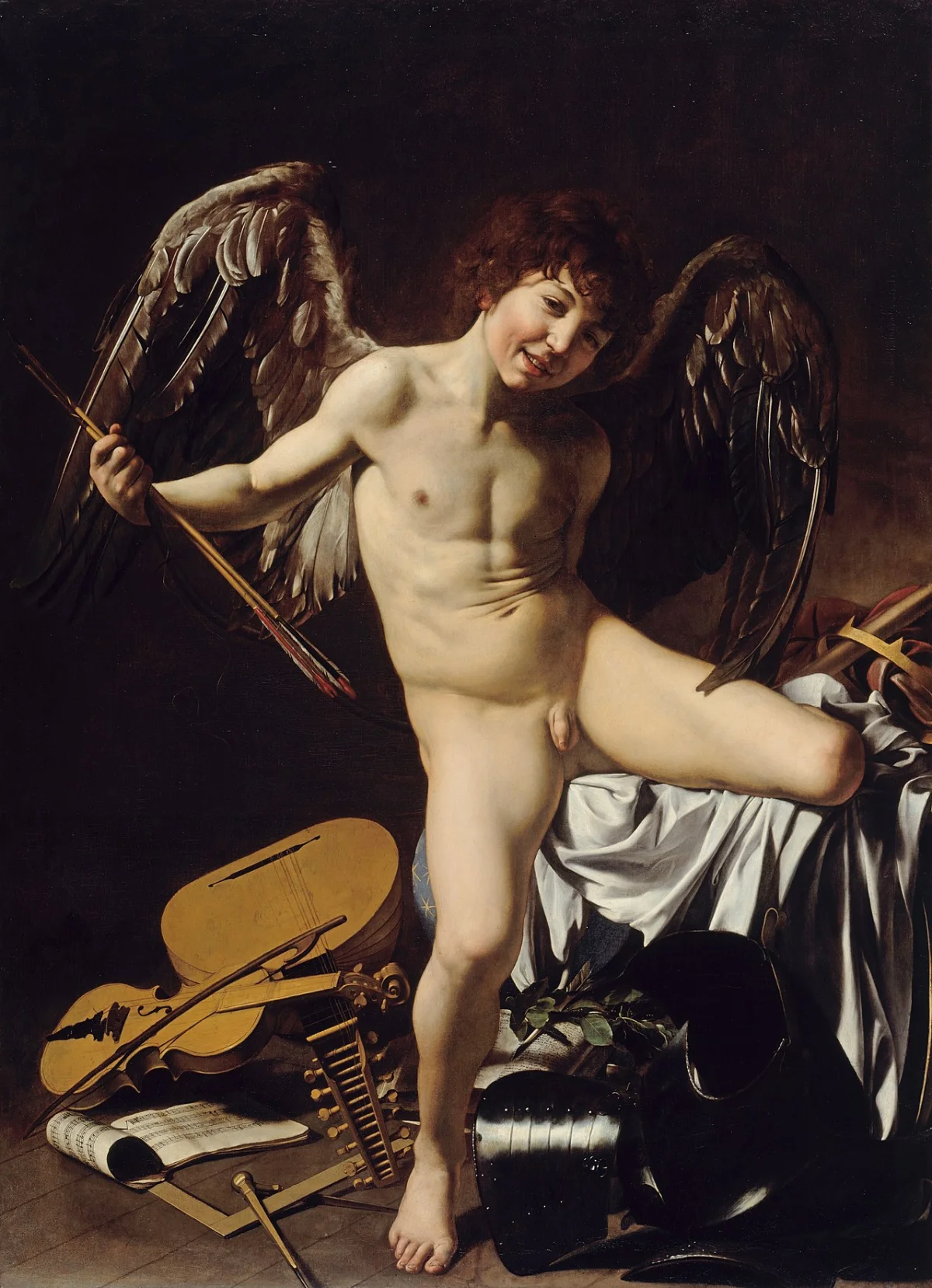
Collectors and enthusiasts of the Baroque movement highly prize Caravaggio's "Crucifixion of Saint Peter" for its historical significance and masterful execution. This hand-painted oil painting, much like "Arcadian Landscape" and "The Flea-Catcher," remains a sought-after treasure in fine art circles. The painting's provenance and the artist’s enduring legacy contribute to its desirability, making it not only a visual masterpiece but also a valuable fine art painting for sale in today’s art market.
Related Baroque Hand-Painted Oil Paintings by Other Artists
Other Famous Baroque Artists:
Frequently Asked Questions About Crucifixion of Saint Peter
What is the historical context of "Crucifixion of Saint Peter"?
"Crucifixion of Saint Peter" was painted by Caravaggio in the early 17th century, a time marked by the Counter-Reformation. The painting reflects the Catholic Church's efforts to reaffirm its authority and the importance of martyrdom in Christian faith.
What artistic techniques did Caravaggio use in this painting?
Caravaggio employed chiaroscuro, a technique that contrasts light and shadow to create depth and volume. This method enhances the dramatic effect of the scene, drawing attention to the figures and their emotional expressions.
What is the significance of Saint Peter's posture in the painting?
Saint Peter is depicted upside down during his crucifixion, symbolizing his humility and unworthiness to die in the same manner as Christ. This inversion serves to highlight his devotion and the nature of his martyrdom.
How does Caravaggio's use of color contribute to the painting's impact?
The color palette is dominated by dark tones, which create a somber atmosphere. The use of reds and browns emphasizes the blood and suffering associated with martyrdom, enhancing the emotional weight of the scene.
What role does light play in "Crucifixion of Saint Peter"?
Light in this painting serves to illuminate the central figures, creating a focal point on Saint Peter and the soldiers. This technique not only enhances the drama but also symbolizes divine presence and intervention in the moment of sacrifice.
What are the symbolic elements present in the painting?
Key symbols include the cross, which represents sacrifice and faith, and the ropes binding Saint Peter, symbolizing his earthly struggles. The presence of the soldiers signifies the persecution faced by early Christians.
How does this painting reflect Caravaggio's style?
This work exemplifies Caravaggio's signature realism, characterized by naturalistic figures and dramatic compositions. His focus on human emotion and physicality is evident in the expressions and postures of the characters.
What was the reception of "Crucifixion of Saint Peter" when it was first unveiled?
The painting was met with mixed reactions, as Caravaggio's raw realism and emotional intensity were both praised and criticized. Some viewed it as a powerful representation of faith, while others found it too stark and unrefined for religious art.
In what ways does "Crucifixion of Saint Peter" influence modern art?
The painting has had a lasting impact on artists who followed Caravaggio, inspiring the Baroque movement and influencing contemporary approaches to realism and emotional expression in art.
What is the significance of the setting in "Crucifixion of Saint Peter"?
The setting is minimalistic, focusing attention on the figures and their actions. This stark background emphasizes the gravity of the moment and the isolation of Saint Peter in his suffering, reinforcing the theme of martyrdom.























_GFM_Painting_(1).webp)


 100% Hand-Painted: Finished in 3-6 Weeks

.png)















_(1).webp)