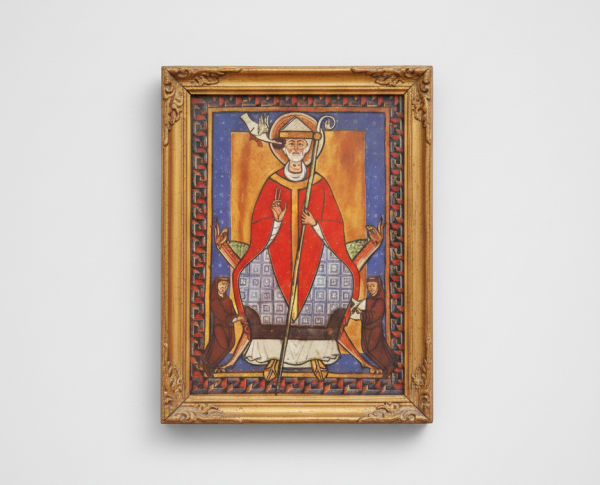
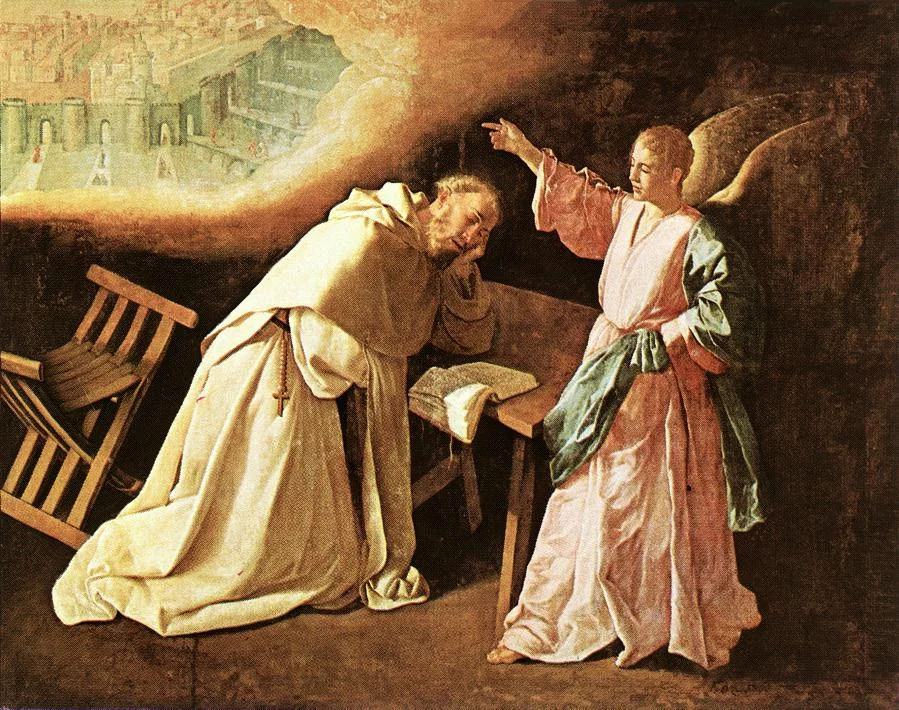
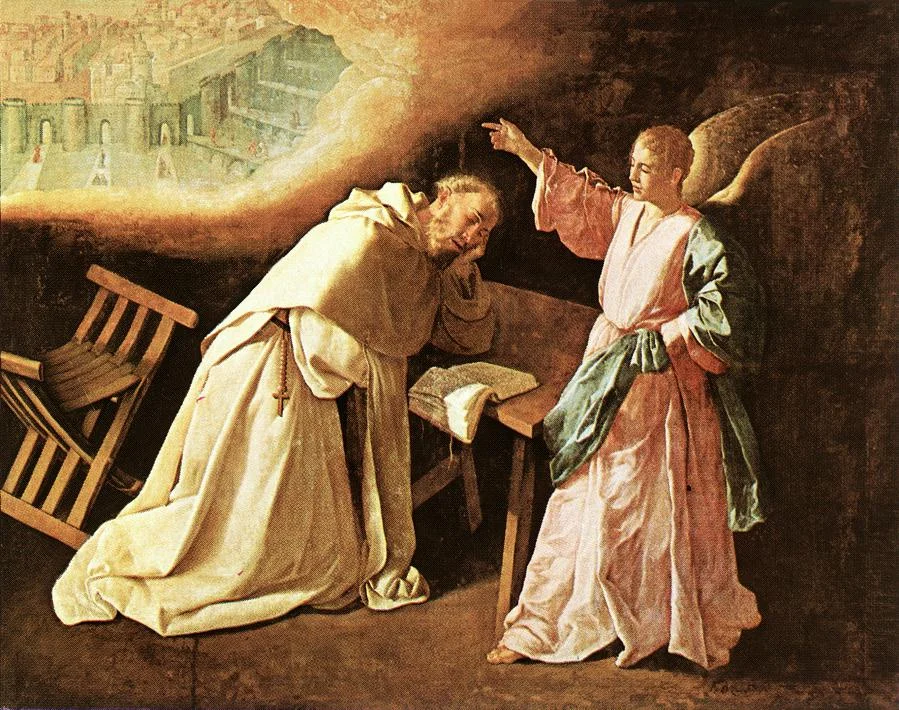
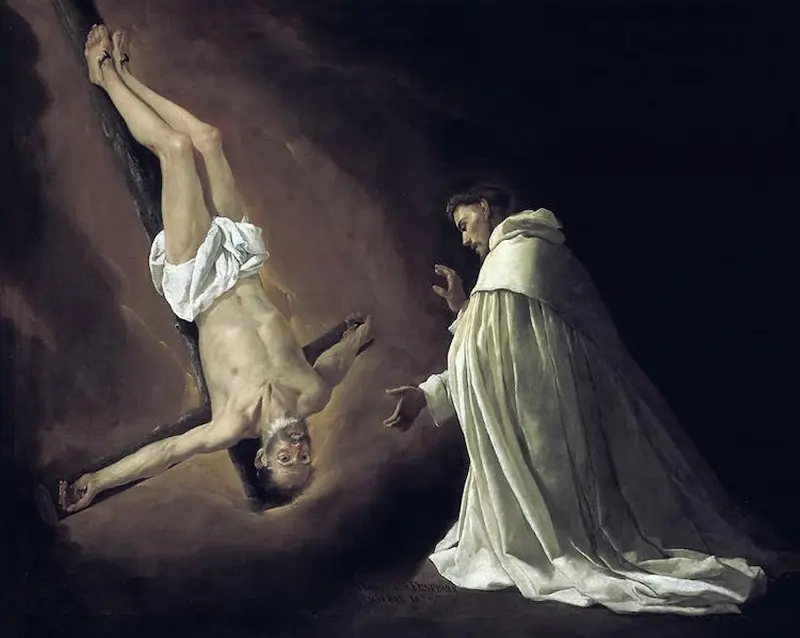
Francisco de Zurbarán’s "Vision of St Peter Nolasco" stands as a hallmark of the Baroque movement, capturing spiritual intensity through the medium of oil on canvas. This hand-painted oil painting immortalizes a sacred moment, reflecting Zurbarán’s devotion to religious themes. Collectors and enthusiasts seeking a fine art painting for sale will appreciate its historical significance, as well as its connection to related works like "Appearance of St Peter to St Peter Nolasco" and "St Gregory."
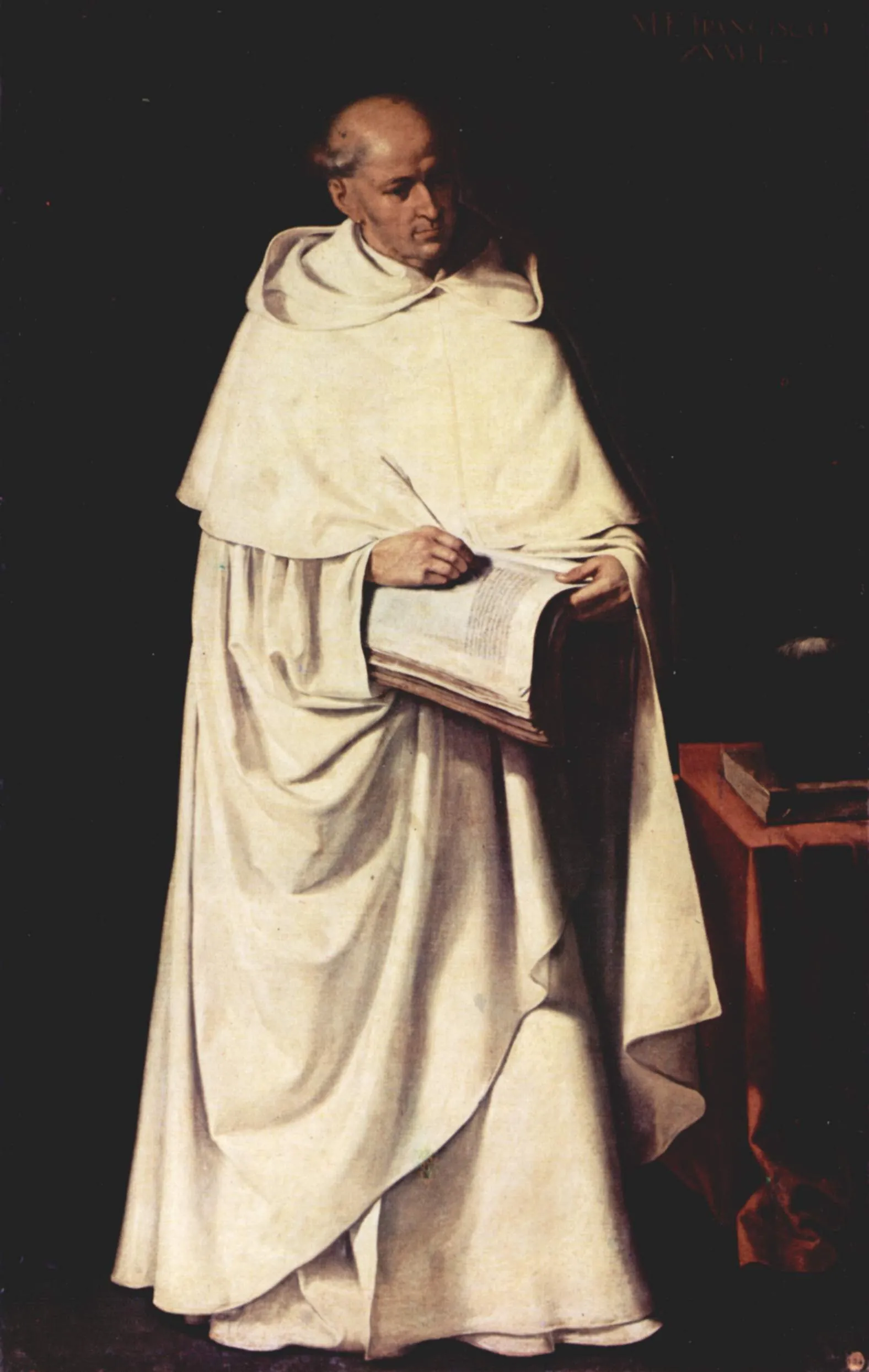
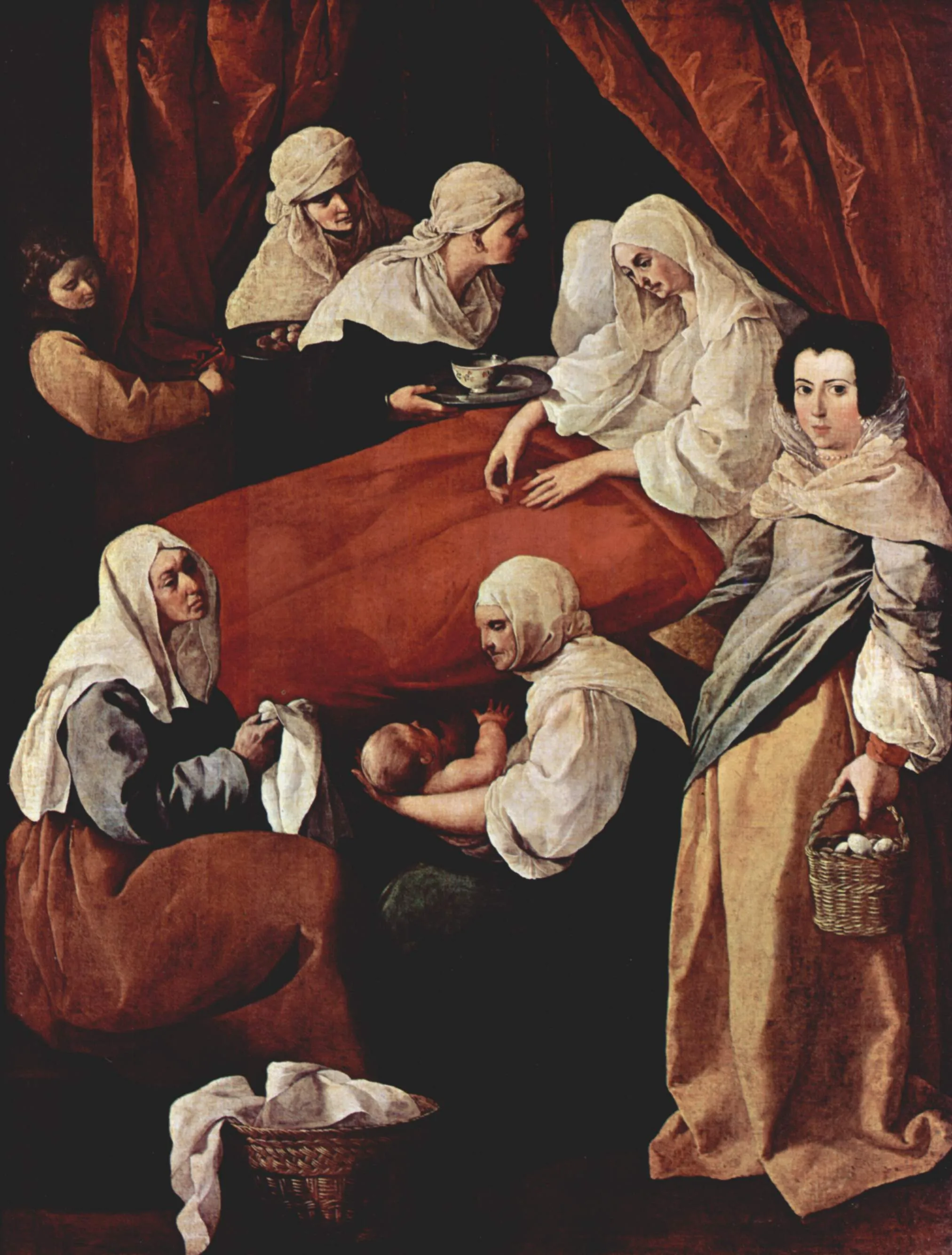
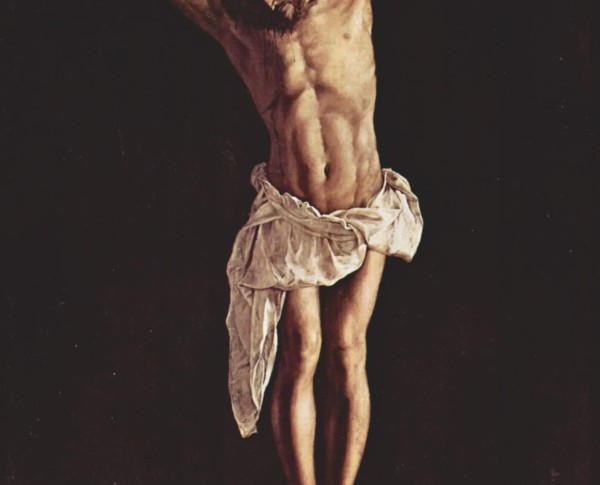
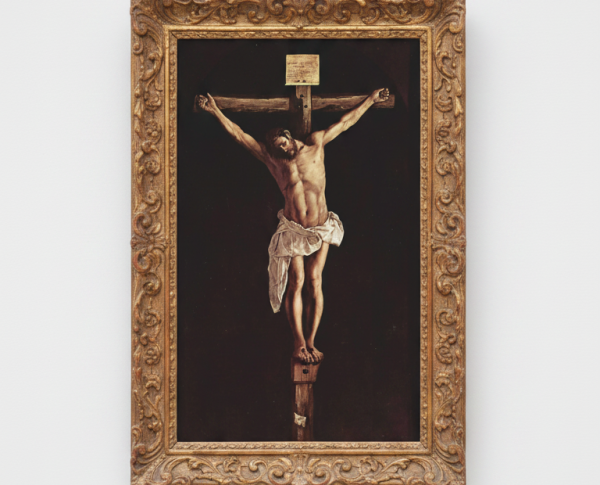
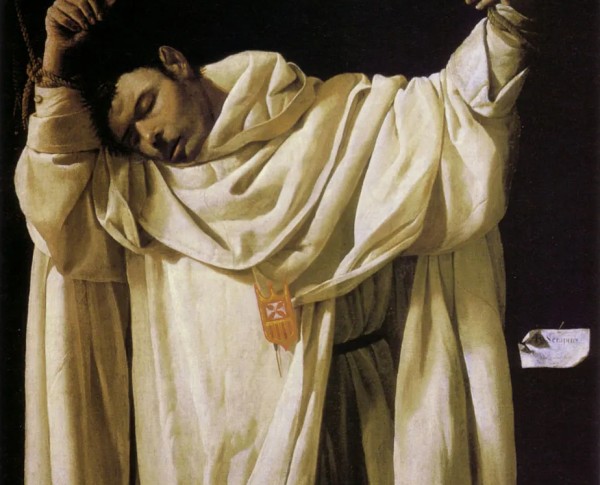
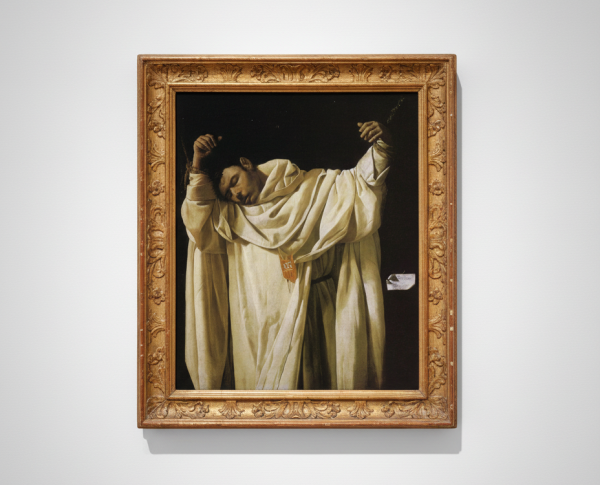
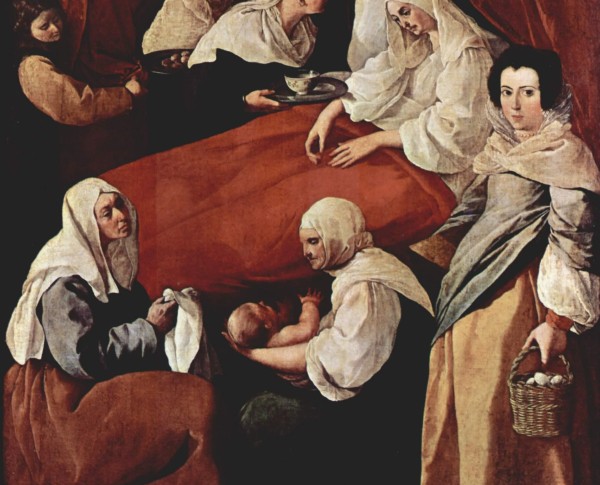
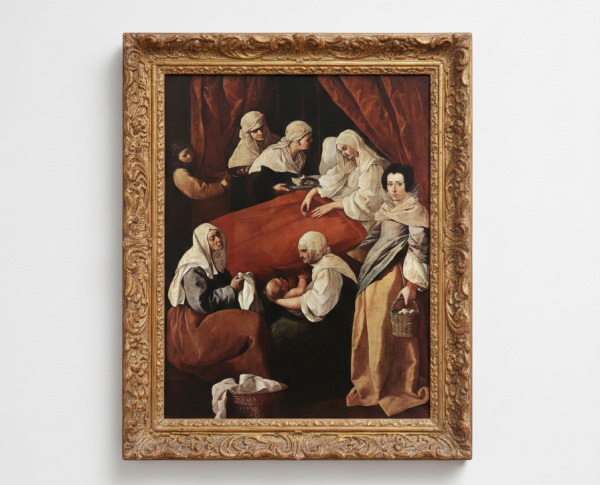
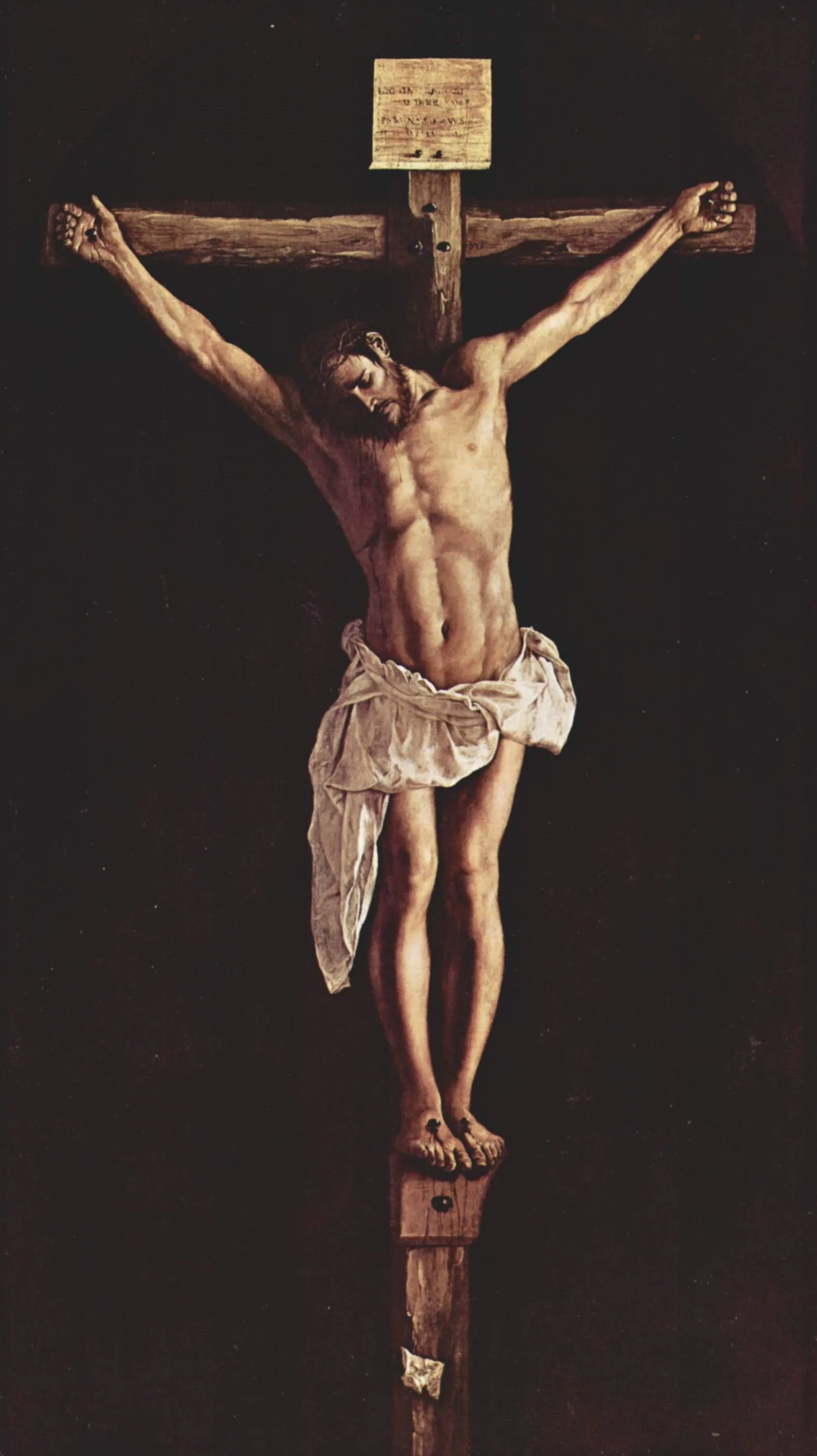
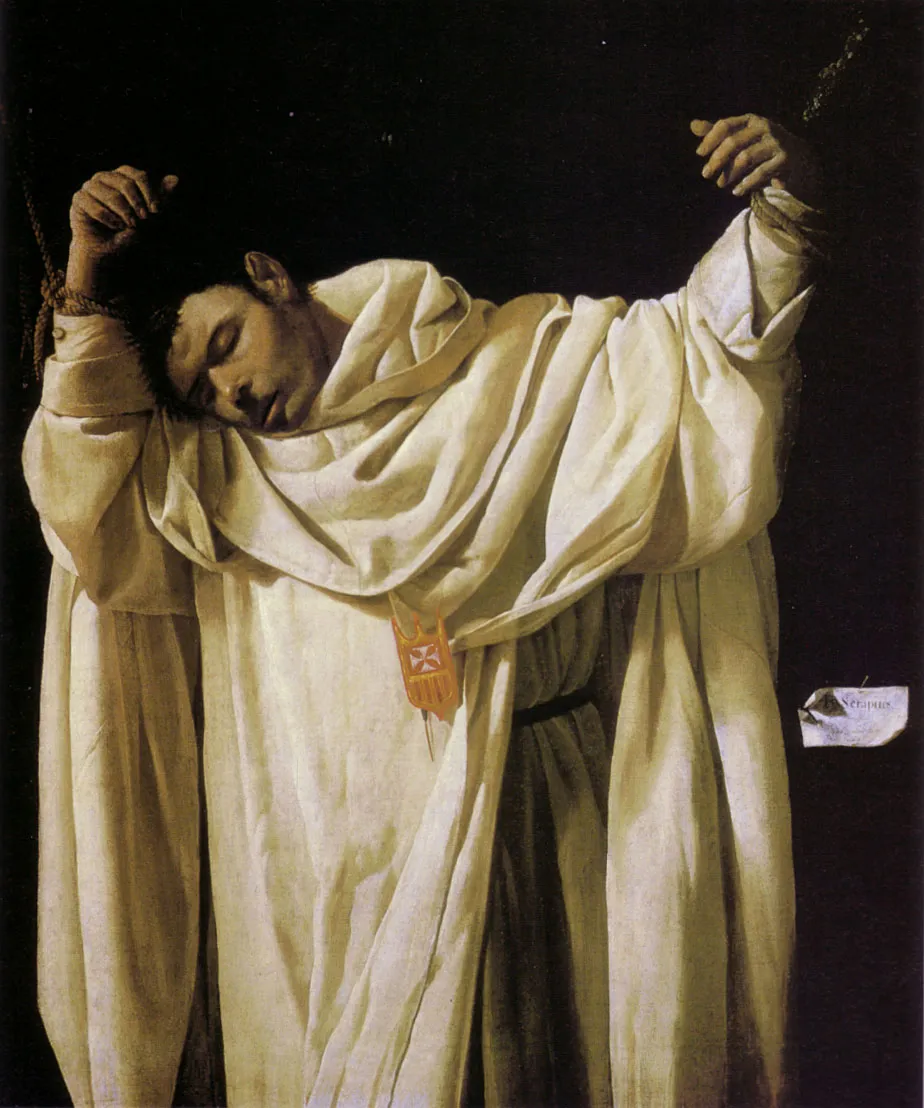
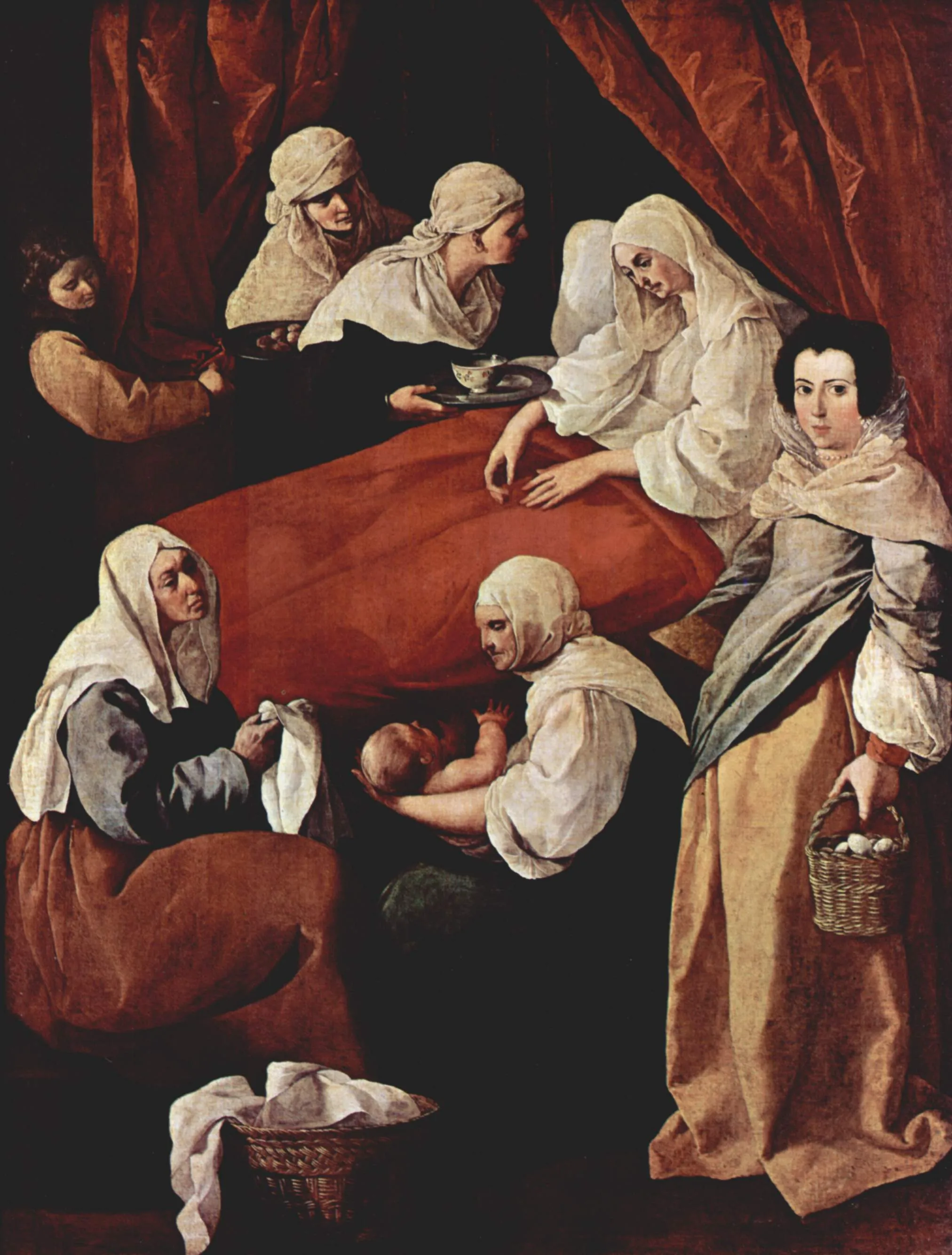
Zurbarán’s mastery shines through in every brushstroke of this oil on canvas masterpiece, echoing the bold contrasts and dramatic lighting typical of the Baroque period. The artist’s technique brings depth and realism to the composition, making it a prime example of a hand-painted oil painting. For those interested in expanding their collection, other notable works by Zurbarán include "Beato Serapio," "Birth of the Virgin," and "Christ on the Cross."
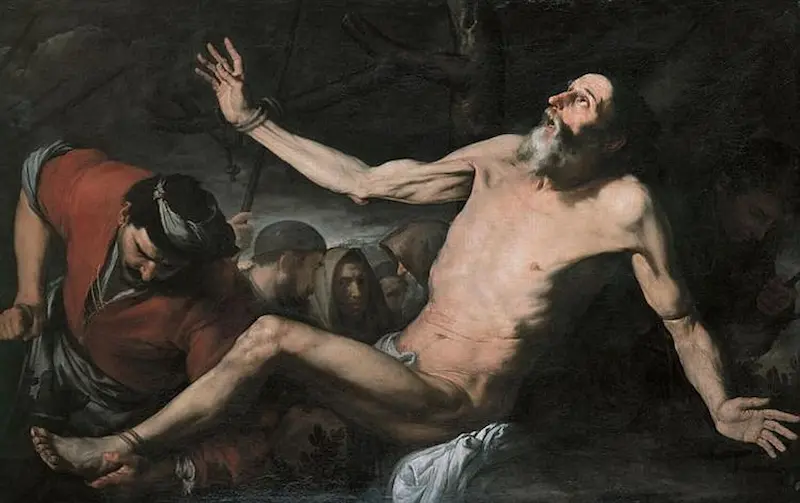
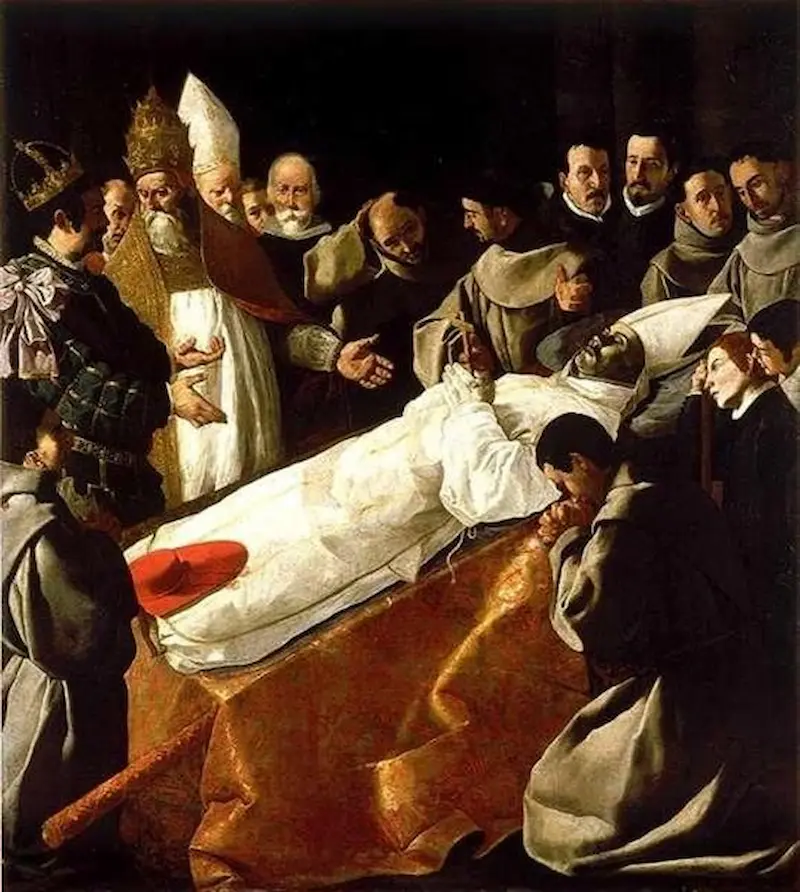
"Vision of St Peter Nolasco" is rich with symbolic meaning, illustrating the saint’s divine encounter with spiritual clarity. As a fine art painting for sale, it offers viewers a glimpse into the profound narratives that inspired Zurbarán and the Baroque movement. The artist’s attention to detail and symbolism is also evident in his other masterpieces, such as "The Death of St Bonaventura" and "Beato Serapio," making his works highly sought after.
Owning "Vision of St Peter Nolasco" by Francisco de Zurbarán means possessing a piece of Baroque history, meticulously crafted as a hand-painted oil painting. This oil on canvas creation appeals to discerning collectors searching for a fine art painting for sale, as it embodies both artistic excellence and spiritual depth. Pair it with related pieces like "Christ on the Cross" or "Birth of the Virgin" to create a truly remarkable collection.
When Art Meets History
"Vision of St Peter Nolasco" by Francisco de Zurbaran is a remarkable example of Baroque artistry, capturing a pivotal moment in religious history. This hand-painted oil painting beautifully illustrates the spiritual vision experienced by the saint, reflecting the era’s fascination with divine intervention and faith. Like Zurbaran’s other masterpieces such as "The Angel and Hagar" and "Saint Jerome Writing," this work stands as a testament to his ability to merge historical narrative with artistic brilliance.
Techniques That Speak
Francisco de Zurbaran’s mastery of oil on canvas shines in "Vision of St Peter Nolasco." His skillful use of chiaroscuro and meticulous attention to detail highlight the emotional depth and realism typical of Baroque art. The painting’s texture and luminous contrasts are reminiscent of his contemporaries, as seen in works like "Boy Bitten by a Lizard" and "Musicians." Zurbaran’s technique elevates this piece to a sublime representation of spiritual transcendence.
Emotions on Display
The emotional intensity of "Vision of St Peter Nolasco" is palpable, drawing viewers into the saint’s moment of divine revelation. Francisco de Zurbaran infuses every brushstroke with a sense of awe and reverence, making this fine art painting for sale a moving experience. The expressive faces and dramatic lighting evoke the same powerful sentiments found in "Young Sick Bacchus," ensuring that each observer feels deeply connected to the scene’s spiritual message.
Coveted by Collectors
As a celebrated work from the Baroque period, "Vision of St Peter Nolasco" by Francisco de Zurbaran is highly sought after by collectors worldwide. Its historical significance, stunning execution, and connection to related paintings like "Saint Jerome Writing" make it a prized addition to any collection. The demand for such hand-painted oil paintings continues to grow, as art enthusiasts seek timeless pieces that embody the grandeur and emotion of Baroque fine art.
Related Baroque Hand-Painted Oil Paintings by Other Artists
Other Famous Baroque Artists:
Frequently Asked Questions About Vision of St Peter Nolasco
What is the historical significance of "Vision of St Peter Nolasco"?
"Vision of St Peter Nolasco" is significant as it reflects the Counter-Reformation's emphasis on religious devotion and the role of saints in Catholic spirituality during the 17th century.
Who was St. Peter Nolasco and why is he important in this painting?
St. Peter Nolasco was the founder of the Order of Mercy, dedicated to the redemption of Christian captives. His vision, depicted in the painting, symbolizes divine inspiration and the mission of mercy.
What artistic techniques did Francisco de Zurbaran use in this painting?
Zurbaran employed chiaroscuro to create dramatic contrasts between light and shadow, enhancing the spiritual intensity of the scene and focusing the viewer's attention on the figures.
How does the composition of the painting contribute to its meaning?
The composition centers around St. Peter Nolasco, with the surrounding figures and elements leading the viewer's eye towards him, emphasizing his role as a conduit of divine revelation.
What symbols are present in "Vision of St Peter Nolasco"?
Key symbols include the presence of angels, representing divine guidance, and the chains, symbolizing the captives he sought to free, highlighting themes of redemption and mercy.
In what ways does this painting reflect the Baroque style?
The painting exemplifies the Baroque style through its emotional intensity, dramatic use of light, and the vivid portrayal of figures, all aimed at evoking a strong spiritual response from the viewer.
What role does color play in "Vision of St Peter Nolasco"?
Zurbaran's use of a limited color palette, dominated by earthy tones and deep shadows, enhances the solemnity of the scene and underscores the spiritual themes of the painting.
How does "Vision of St Peter Nolasco" compare to other works by Zurbaran?
This painting shares thematic similarities with Zurbaran's other religious works, particularly in its focus on saints and the use of light to convey spiritual significance, while showcasing his unique style and emotional depth.
What was the public and critical reception of the painting during Zurbaran's time?
During Zurbaran's time, his works were highly regarded for their technical skill and spiritual depth, with "Vision of St Peter Nolasco" being celebrated for its portrayal of religious devotion and its dramatic narrative.
Where can "Vision of St Peter Nolasco" be viewed today?
The painting is housed in a prominent art collection, where it continues to be appreciated for its historical and artistic significance, allowing viewers to engage with its rich narrative and symbolism.























_GFM_Painting_(1).webp)


 100% Hand-Painted: Finished in 3-6 Weeks

.png)
















_(1).webp)