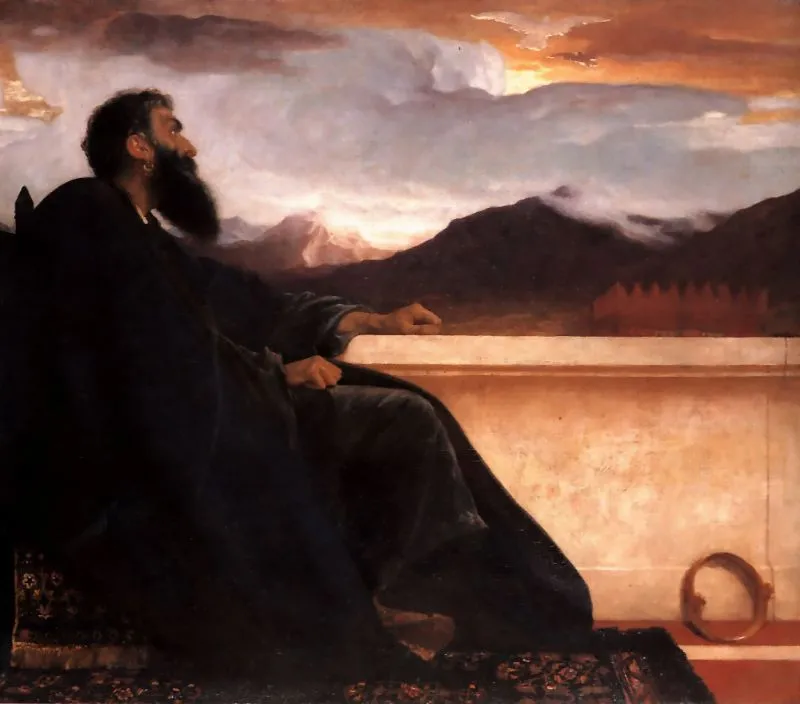
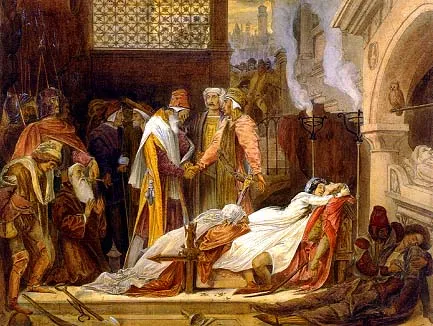
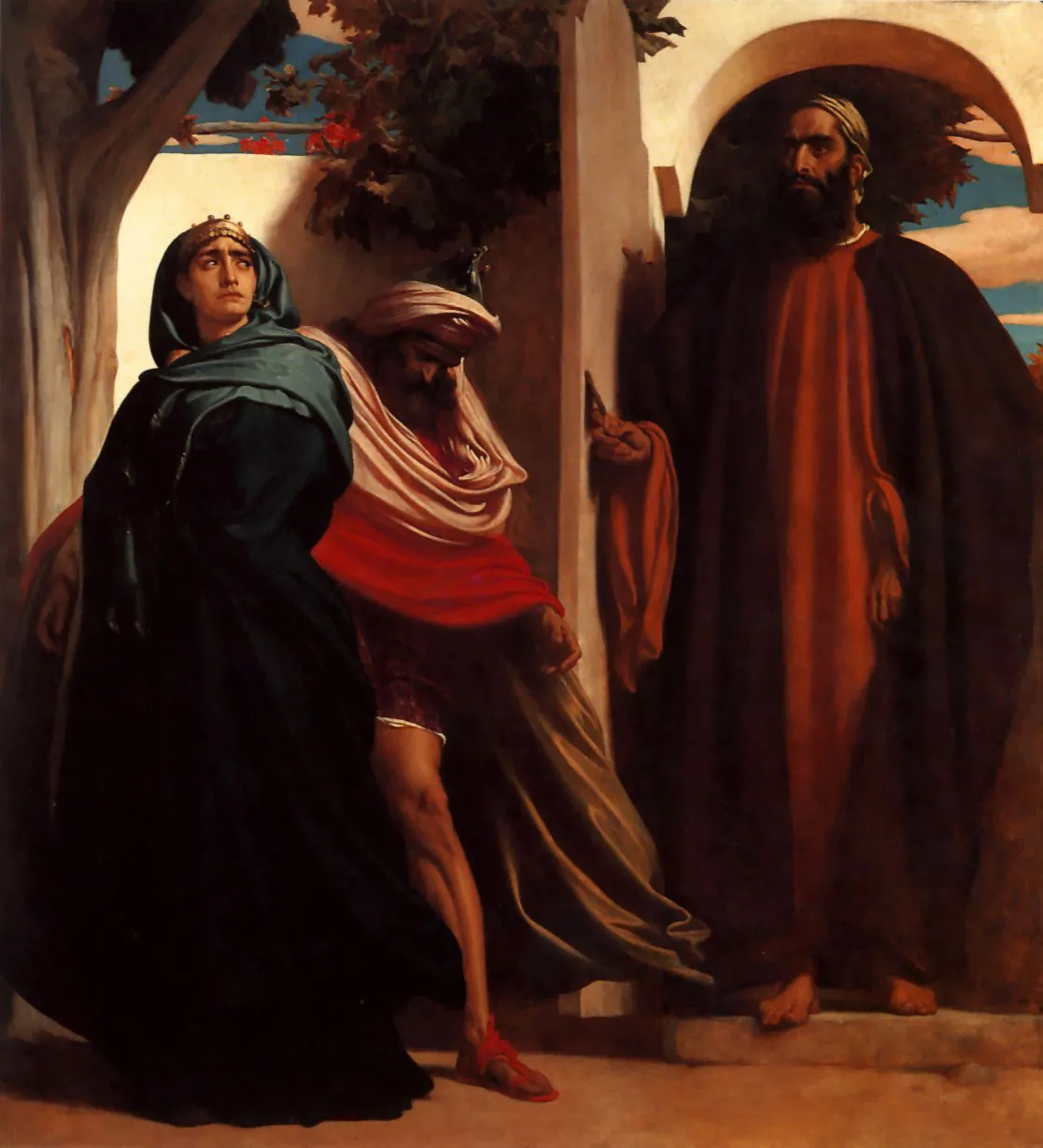
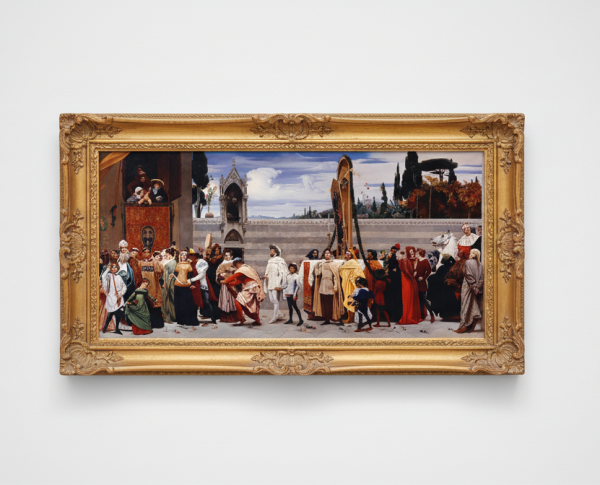
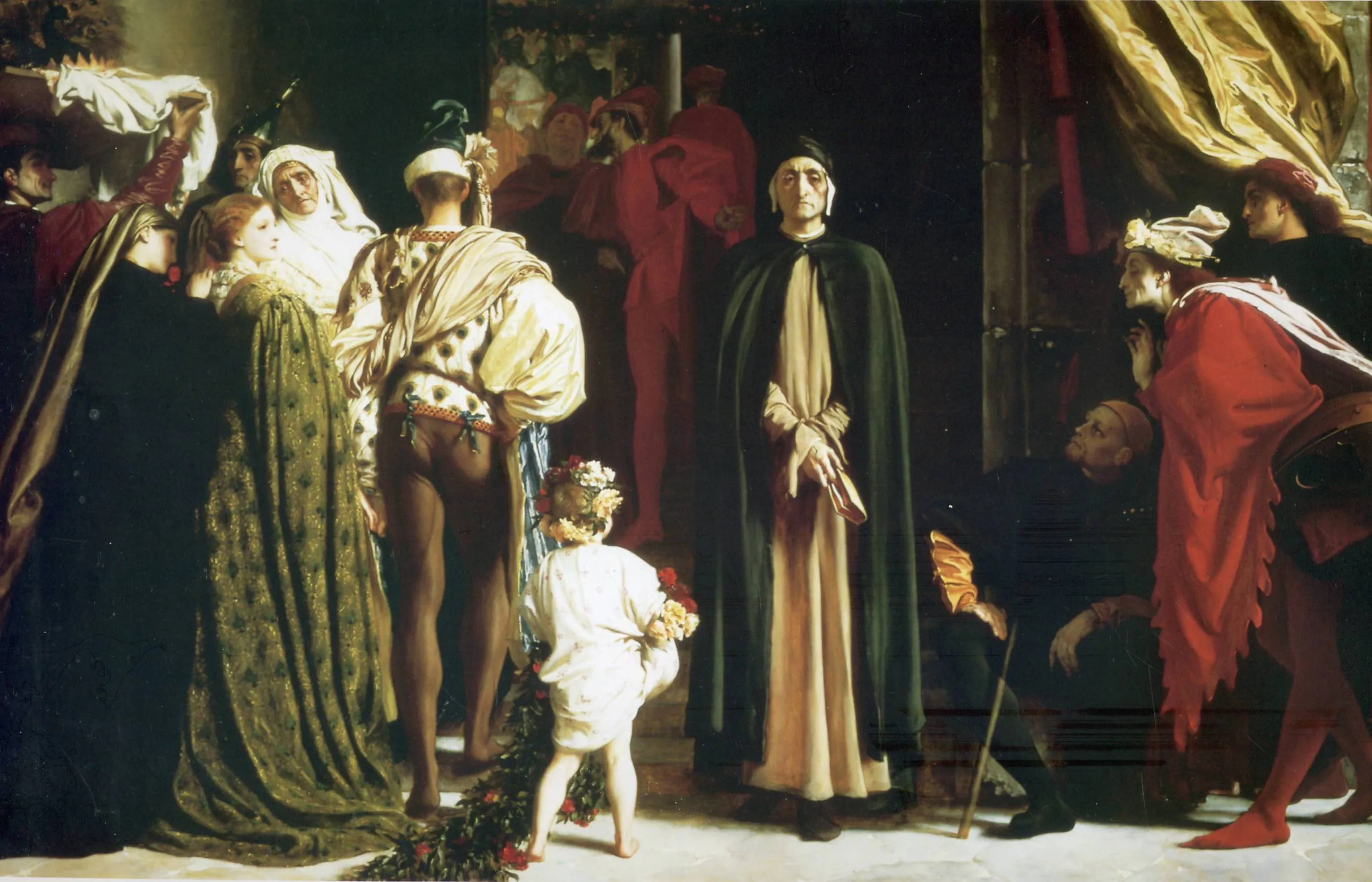
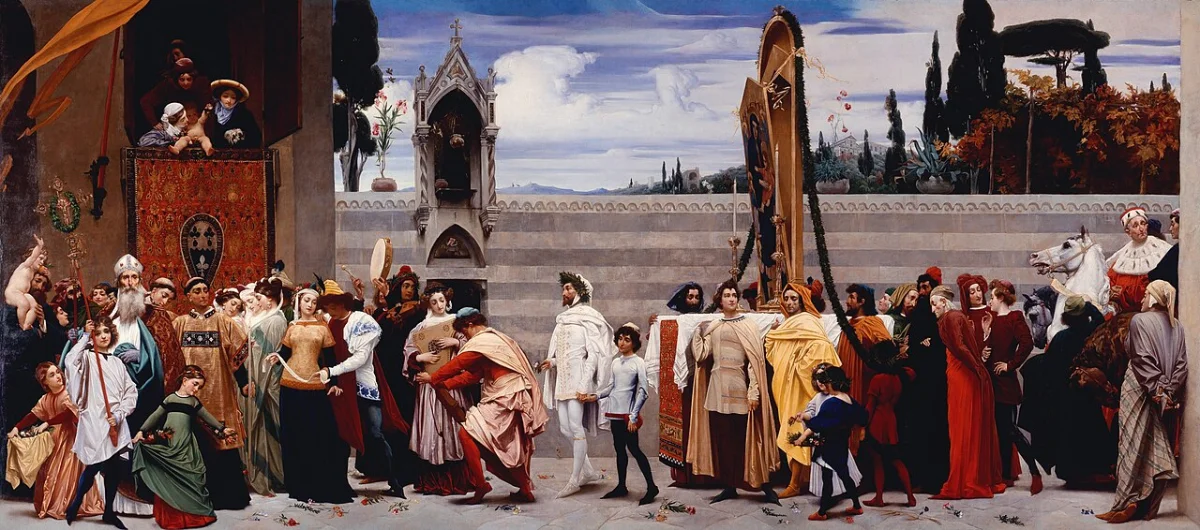
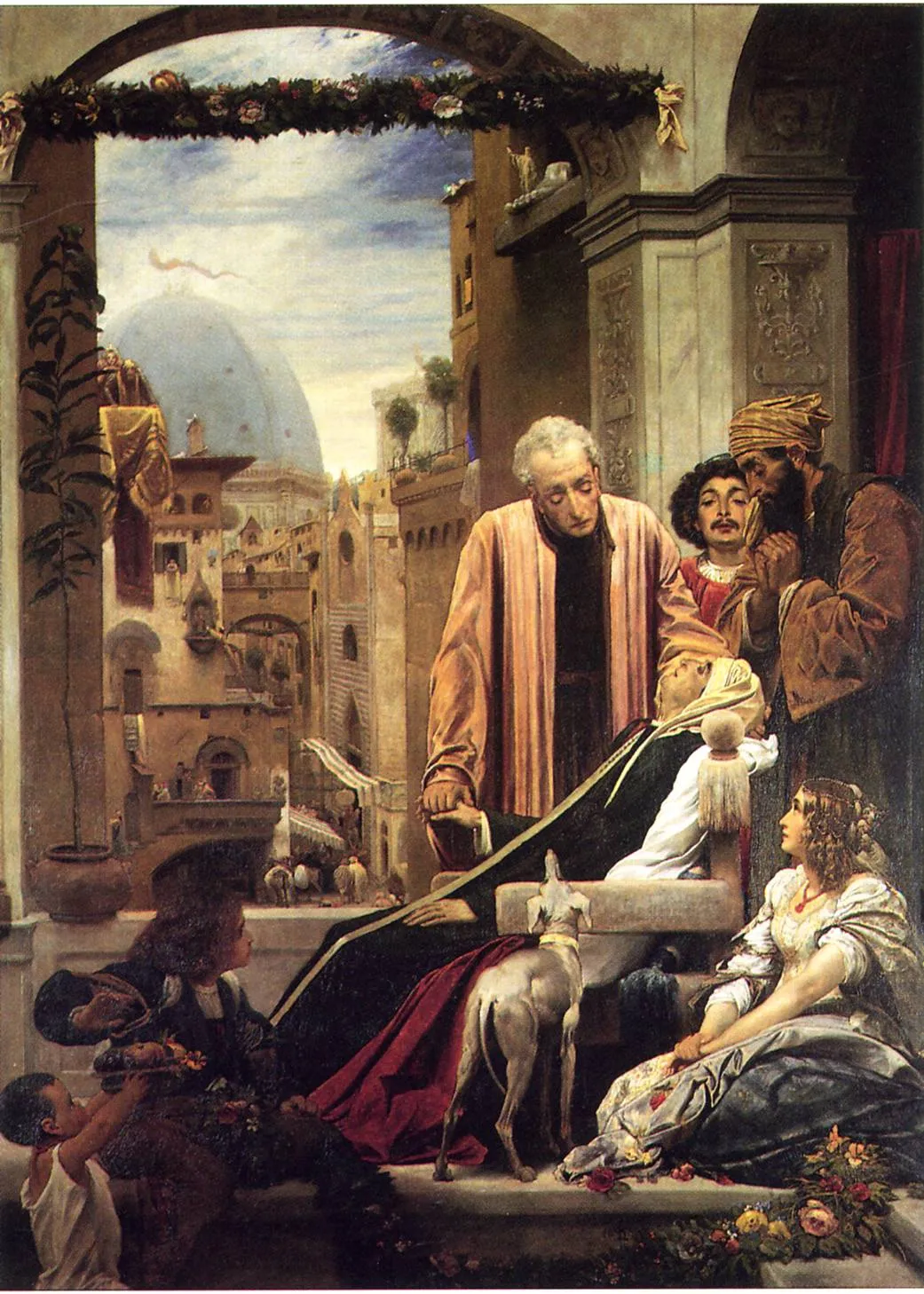
Lord Frederick Leighton’s expertise shines through in "Dante in Exile," an exquisite oil on canvas that embodies the technical brilliance of Academic Classicism. Each brushstroke demonstrates Leighton’s meticulous attention to detail and composition, similar to his approach in works like "A Roman Lady" and "The Death of Brunelleschi." The painting’s harmonious colors and lifelike rendering make it a prime example of oil on canvas artistry, capturing the spirit of an era defined by precision and beauty.
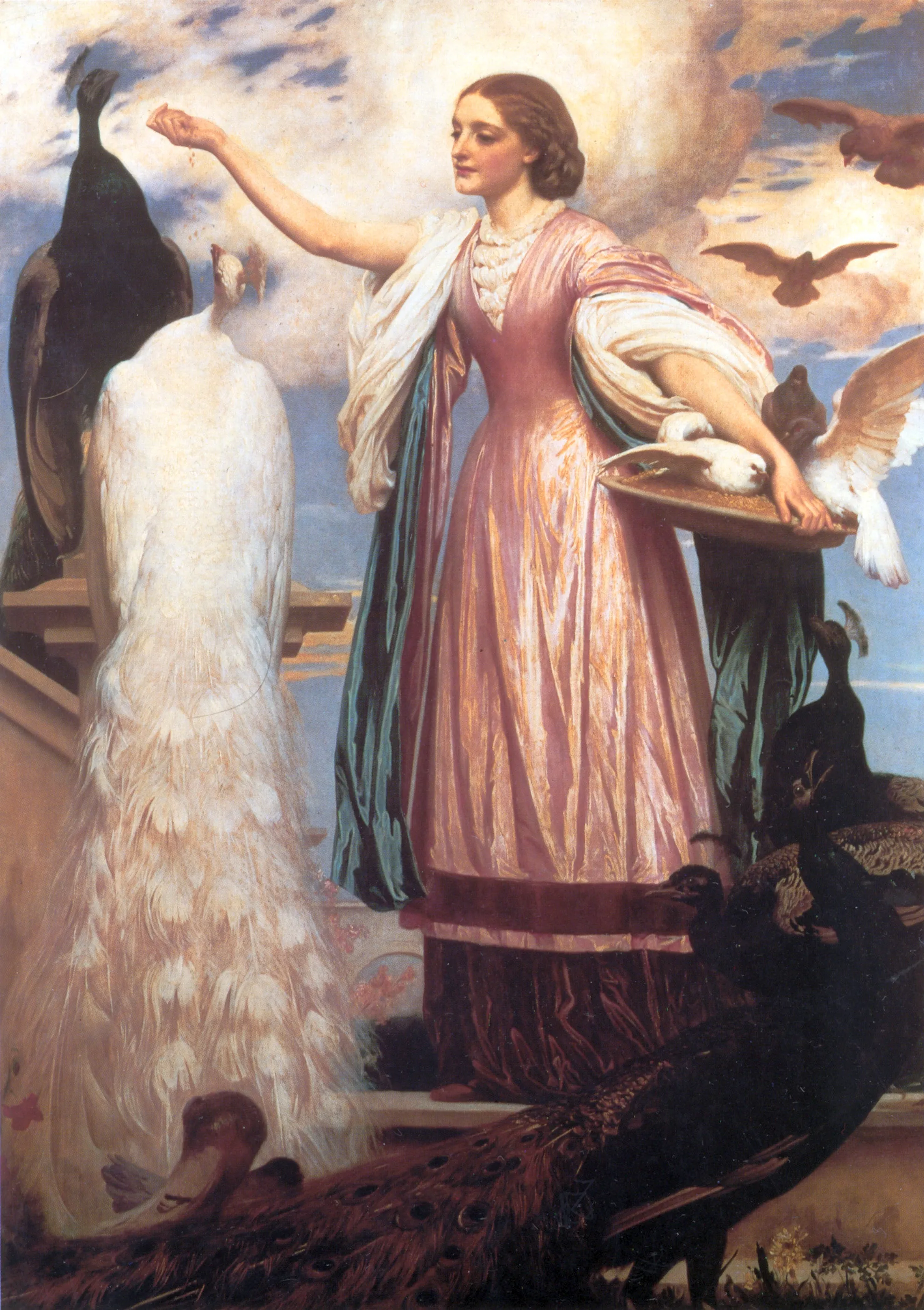
"Dante in Exile" is not just a fine art painting for sale but a visual narrative filled with symbolism and emotional depth. Leighton conveys Dante’s sense of loss and resilience, themes also explored in related works such as "A Girl Feeding Peacocks" and "Actaea, the Nymph of the Shore." Through careful symbolism and expressive gestures, the painting invites viewers to reflect on the timeless struggle between genius and adversity, hallmarks of both Leighton's style and the Academic Classicism movement.
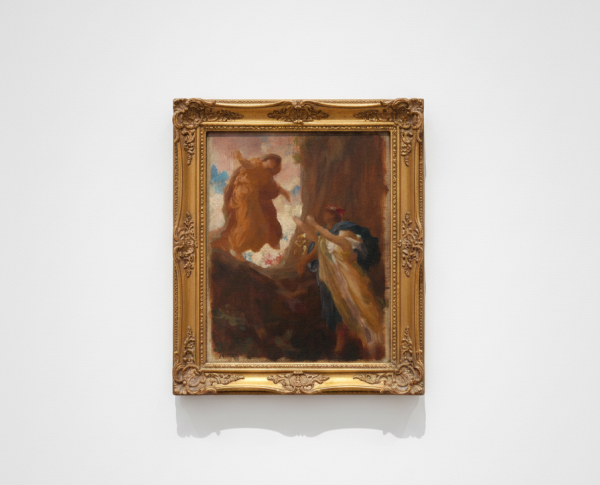
For collectors seeking a distinguished fine art painting for sale, "Dante in Exile" by Lord Frederick Leighton is a prize addition. Its connection to the Academic Classicism movement and captivating narrative make it a companion piece to other notable works like "Pavonia" and "The Return of Persephone." Owning this painting not only celebrates Leighton’s artistic legacy but also brings home a pivotal moment in art history, making it a treasure for any discerning enthusiast.
When Art Meets History
"Dante in Exile" by Lord Frederick Leighton is an exemplary hand-painted oil painting rooted in the Academic Classicism movement. This masterpiece captures the poignant moment of Dante Alighieri's banishment, intertwining historical narrative with artistic finesse. Leighton, celebrated for works like "The Slave Market" and "Springtime," brings the literary giant’s exile to life. The painting stands as a testament to the era’s fascination with blending history and art, making it a significant piece among fine art enthusiasts.
Techniques That Speak
Lord Frederick Leighton’s mastery is evident in the meticulous oil on canvas technique used in "Dante in Exile." His precise brushwork, balanced composition, and delicate color palette reflect the hallmarks of Academic Classicism. The painting’s realistic details and subtle lighting evoke the mood of Dante’s displacement. Leighton, also known for "A Portrait of Amelina Dufaud," demonstrates a technical prowess that distinguishes this work as a prime example of 19th-century academic oil painting.
Emotions on Display
"Dante in Exile" is more than a fine art painting for sale; it’s an emotional journey. Lord Frederick Leighton conveys Dante’s sorrow and resilience through expressive posture and nuanced facial features. The solemn atmosphere invites viewers to empathize with the poet’s plight. Similar emotional depth can be found in Leighton’s "St. Peter, after his delivery from prison by the angel" and "Equality before Death," highlighting the artist’s ability to capture the human spirit within Academic Classicism.
Coveted by Collectors
Collectors highly prize "Dante in Exile" as a quintessential hand-painted oil painting from the Academic Classicism movement. Lord Frederick Leighton’s reputation and the painting’s historical significance add to its allure. Alongside masterpieces like "The Slave Market" and "Springtime," this work is sought after by those who appreciate 19th-century fine art. Its presence in private and public collections underscores its enduring value, making it a coveted piece for any serious art enthusiast.
Related Academic Classicism Hand-Painted Oil Paintings by Other Artists
Other Famous Academic Classicism Artists:
Frequently Asked Questions About Dante in Exile
What is the historical context of "Dante in Exile"?
"Dante in Exile" was painted by Lord Frederick Leighton in 1883, during a period when the Romantic movement was at its height. The painting reflects the themes of exile and longing, drawing on the life of the Italian poet Dante Alighieri, who was exiled from Florence in the early 14th century.
What artistic techniques did Leighton use in this painting?
Leighton employed a combination of classical composition and dramatic lighting to convey emotion. The use of rich colors and detailed textures enhances the sense of depth and realism, while the flowing drapery of Dante's garments adds a dynamic quality to the work.
What symbols are present in "Dante in Exile"?
The painting features several symbolic elements, including the dark, stormy sky that represents Dante's turmoil and the barren landscape symbolizing his isolation. The figure of Dante, looking contemplative, embodies the struggle of the artist against adversity.
How does "Dante in Exile" reflect the themes of the Romantic movement?
The painting encapsulates key Romantic themes such as individualism, emotion, and the sublime. Dante's solitary figure amidst a tumultuous backdrop illustrates the Romantic ideal of the artist as a misunderstood genius, grappling with profound existential questions.
What is the significance of Dante's pose in the painting?
Dante's pose, with his head slightly bowed and gaze directed downward, suggests introspection and sorrow. This posture conveys his internal conflict and the weight of his exile, inviting viewers to empathize with his plight.
In what way does Leighton's background influence this artwork?
As a prominent figure in the Pre-Raphaelite movement, Leighton's background in classical art and literature profoundly influenced "Dante in Exile." His commitment to historical accuracy and emotional depth is evident in the meticulous detail and narrative quality of the painting.
What role does color play in "Dante in Exile"?
Color plays a crucial role in conveying mood and emotion. The somber palette, dominated by dark blues and earthy tones, evokes a sense of melancholy, while the contrasting lighter hues around Dante highlight his isolation and the weight of his thoughts.
How does "Dante in Exile" compare to other works by Leighton?
Compared to other works by Leighton, "Dante in Exile" is notable for its emotional intensity and narrative depth. While many of his other paintings focus on classical themes and idealized beauty, this piece emphasizes the psychological struggle of its subject, making it a poignant departure from his typical style.
What impact did "Dante in Exile" have on contemporary art?
"Dante in Exile" was well-received upon its unveiling and contributed to the growing interest in literary themes within visual art. Its exploration of complex emotions and human experience influenced later artists who sought to convey deeper narratives through their work.
What is the legacy of "Dante in Exile" in art history?
The legacy of "Dante in Exile" lies in its innovative blend of literary and artistic expression. It remains a significant example of how visual art can interpret and expand upon literary themes, influencing both the Symbolist movement and later explorations of existentialism in art.























_GFM_Painting_(1).webp)


 100% Hand-Painted: Finished in 3-6 Weeks

.png)















_(1).webp)