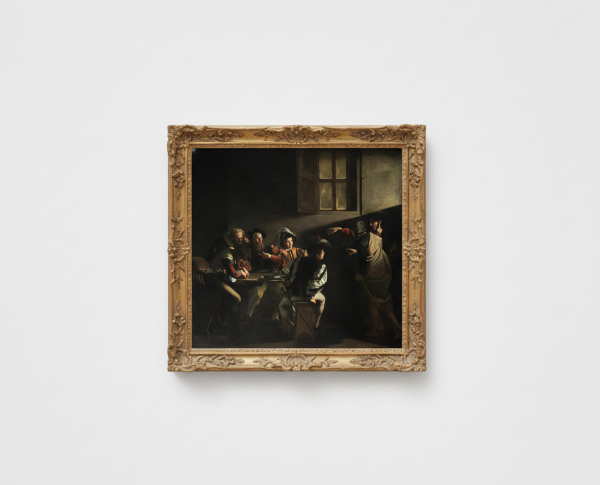
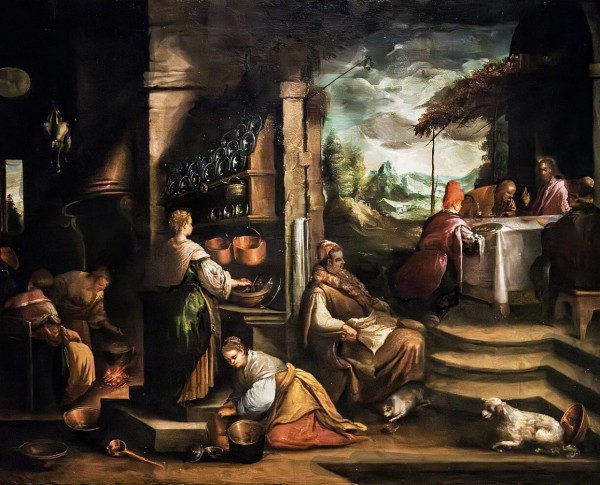
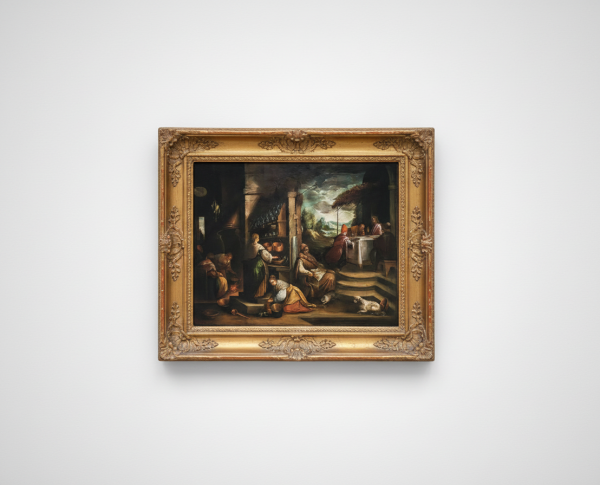
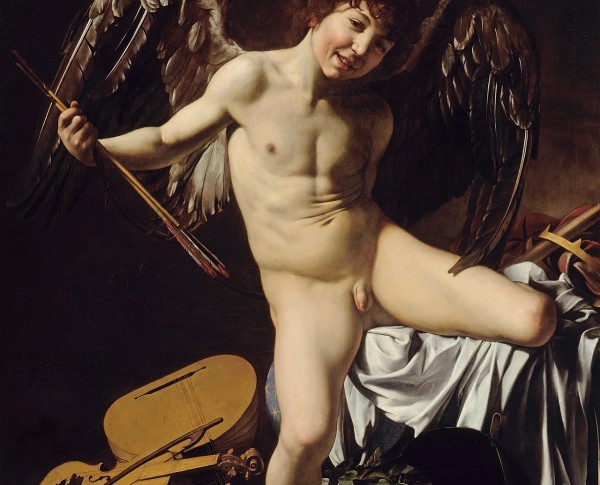
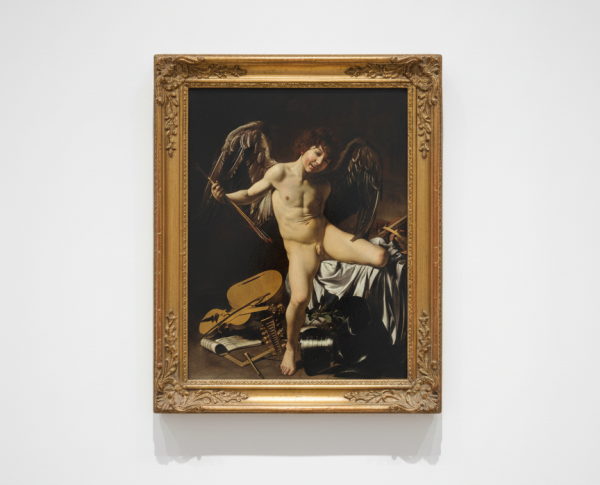
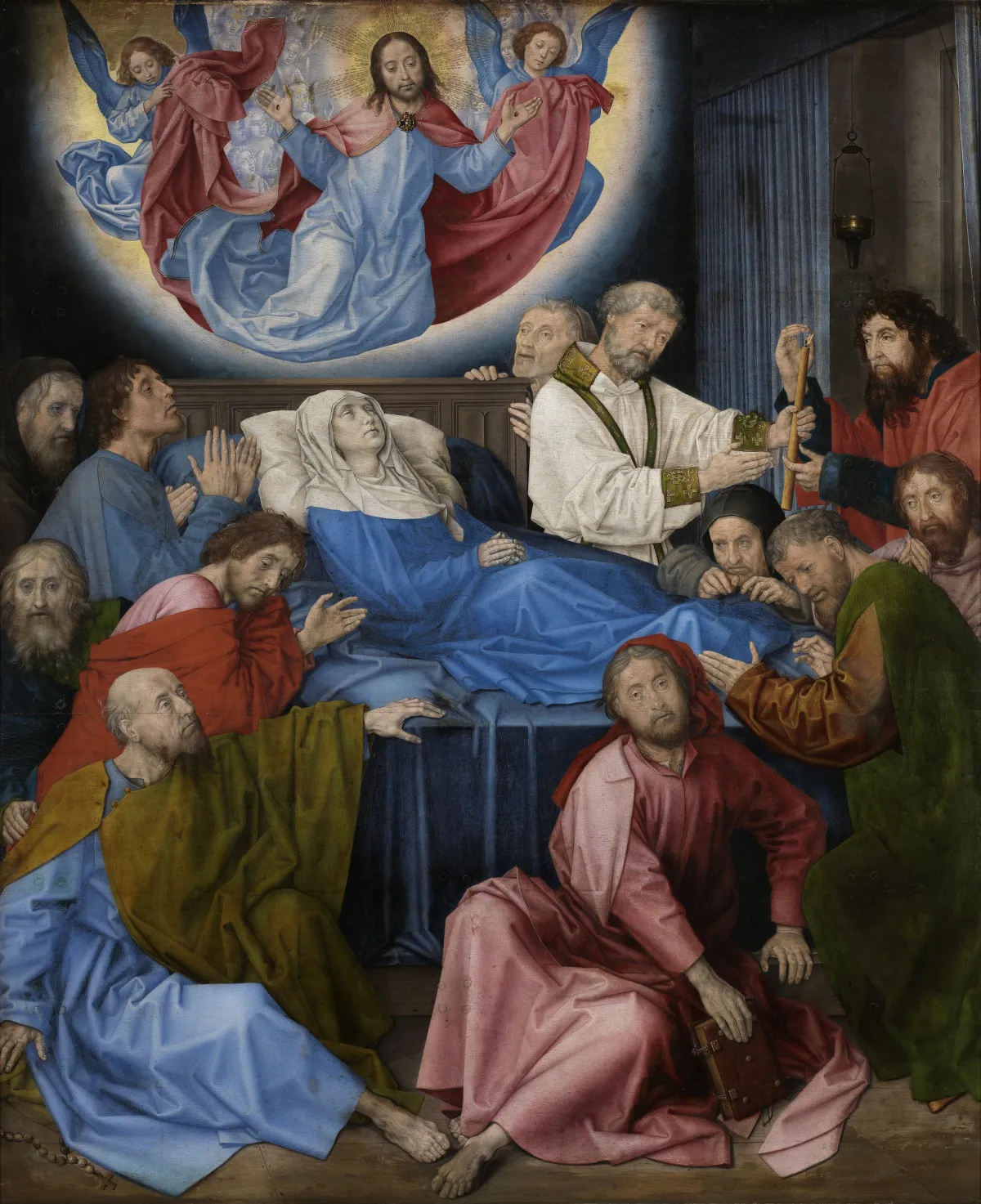
Caravaggio’s "Death of the Virgin" showcases his signature mastery of oil on canvas, where dramatic contrasts of light and shadow breathe life into each figure. The artist’s meticulous attention to detail and naturalistic depiction of grief set a new standard in Baroque painting. For enthusiasts seeking similar artistry, related works such as "Musicians" and "Portrait of a Courtesan" demonstrate Caravaggio’s unparalleled skill in oil on canvas.
Within "Death of the Virgin," every element tells a story, from the sorrowful apostles to the delicate rendering of the Virgin Mary. Caravaggio’s fine art painting for sale weaves biblical symbolism with human emotion, inviting viewers to reflect on themes of mortality and faith. Collectors drawn to symbolic storytelling may also appreciate related products like "The Taking of Christ" and "John the Baptist," which echo these profound narratives.
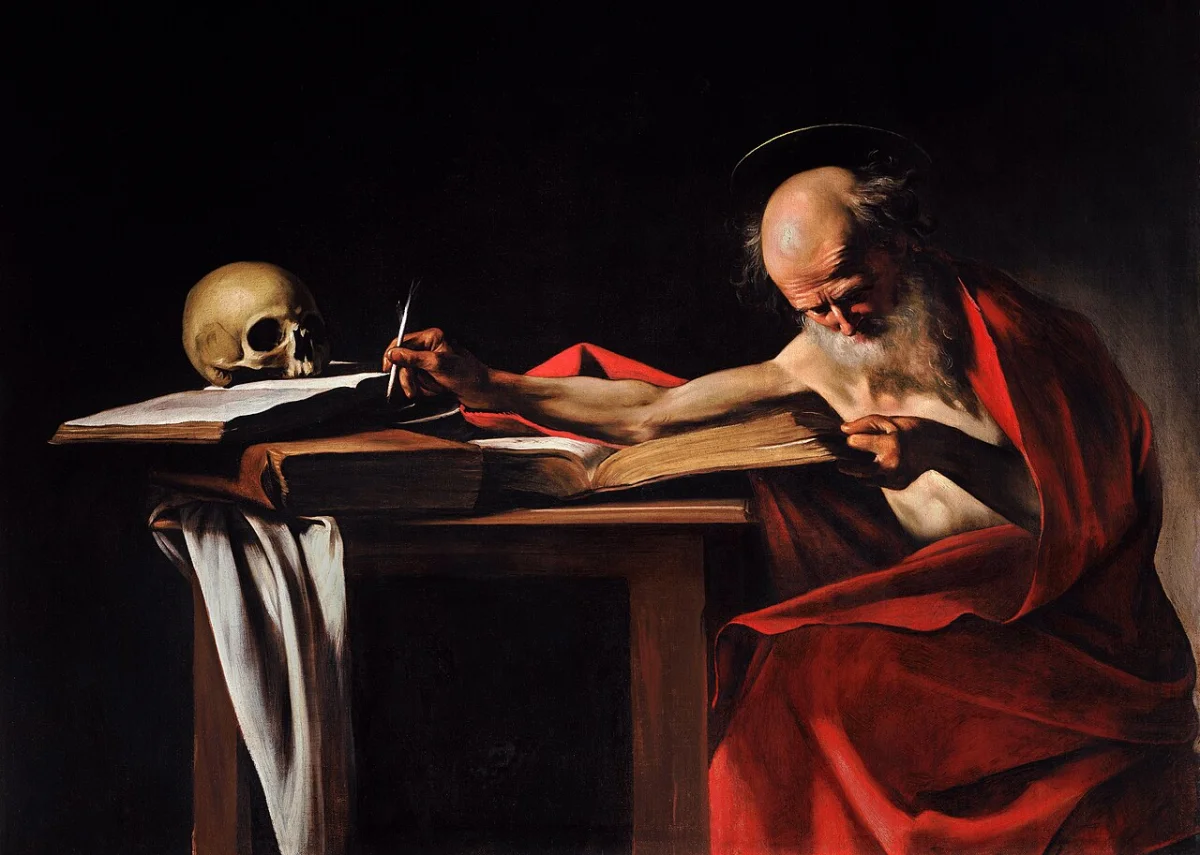
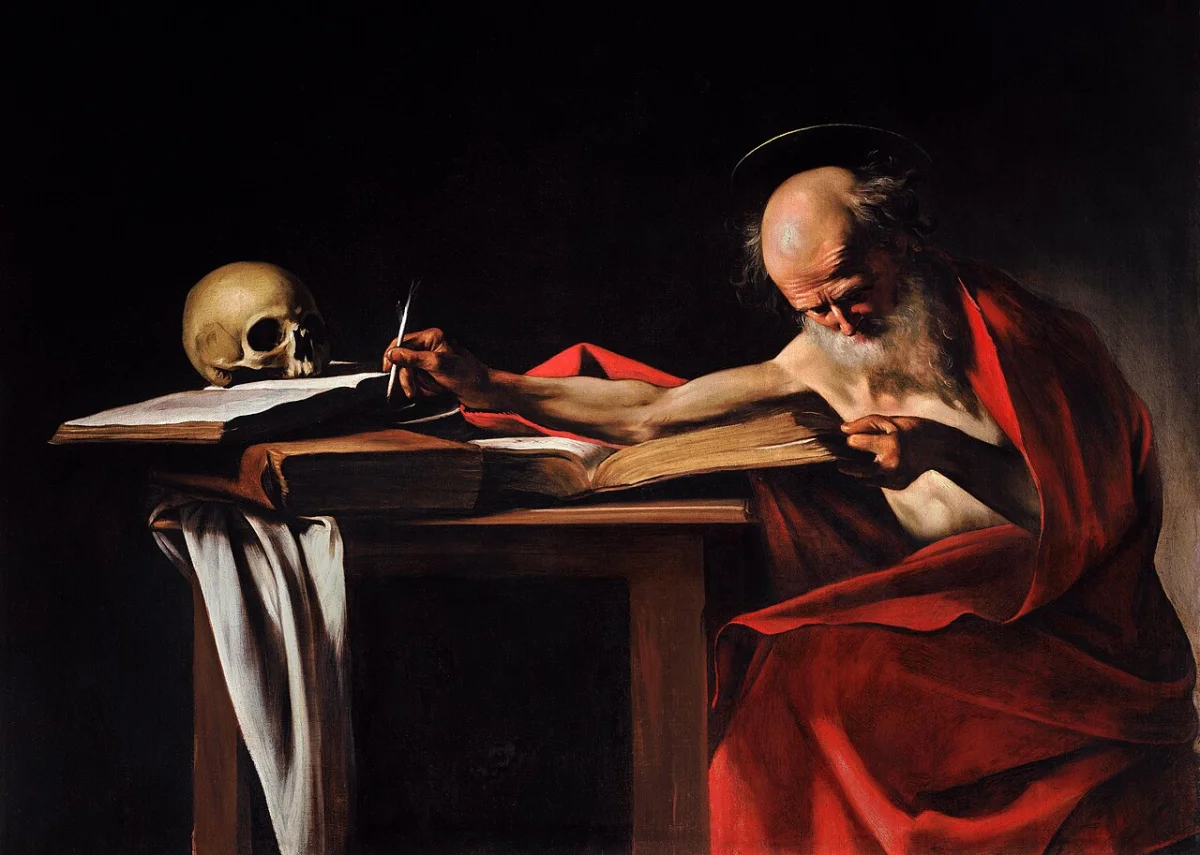
Owning a hand-painted oil painting such as Caravaggio’s "Death of the Virgin" is a testament to refined taste and appreciation for Baroque excellence. This masterpiece, along with related products like "Saint Jerome Writing" and "Musicians," offers art lovers a unique opportunity to possess a piece of history. As a fine art painting for sale, it remains a coveted treasure for collectors seeking the emotional intensity and technical brilliance of Caravaggio.
When Art Meets History
"Death of the Virgin" by Caravaggio stands as a pivotal hand-painted oil painting in the Baroque movement, reflecting a transformative period in European art. Created around 1606, this masterpiece captures the solemnity and realism characteristic of Caravaggio’s approach. The artist’s focus on dramatic lighting and lifelike figures bridges history and emotion, much like his related works "Apotheosis of St Thomas Aquinas" and "Birth of the Virgin," offering viewers a glimpse into the era’s artistic revolution.
Techniques That Speak
Caravaggio’s mastery of oil on canvas is evident in "Death of the Virgin," where his signature chiaroscuro technique brings depth and intensity to the composition. The interplay of shadow and light enhances the realism, making each figure appear almost tangible. Similar techniques can be seen in related paintings such as "Saint Margaret, dressed as a shepherdess." This fine art painting for sale is a testament to Caravaggio’s innovative methods that continue to inspire artists and collectors worldwide.
Emotions on Display
In "Death of the Virgin," Caravaggio channels raw emotion through the grieving apostles and the serene figure of Mary, showcasing the emotional power of a hand-painted oil painting. His approach to human suffering and spirituality is deeply moving, setting a benchmark for Baroque art. Echoes of this emotional intensity are found in "A Guard Room Interior With A Soldier Blowing Smoke In The Face Of His Sleeping Companion," which similarly captures the complexities of the human experience.
Coveted by Collectors
As one of Caravaggio’s most renowned works, "Death of the Virgin" remains a highly sought-after oil on canvas among collectors of Baroque art. Its historical significance and technical brilliance make it a prized fine art painting for sale in prestigious collections. Alongside masterpieces like "Portrait of Charles II," this painting exemplifies why Caravaggio’s art continues to command admiration and high value within the global art market.
Related Baroque Hand-Painted Oil Paintings by Other Artists
Other Famous Baroque Artists:
Frequently Asked Questions About Death of the Virgin
What is the historical context of Caravaggio's "Death of the Virgin"?
"Death of the Virgin" was painted in 1606, during a time when Caravaggio was at the height of his career. The painting reflects the Baroque style, characterized by dramatic use of light and shadow, and was created for the church of Santa Maria della Scala in Rome.
What artistic techniques did Caravaggio employ in this painting?
Caravaggio utilized chiaroscuro, a technique that contrasts light and dark to create a three-dimensional effect. His realistic portrayal of figures and use of naturalism were revolutionary for the time, setting a new standard in Baroque art.
What is the significance of the composition in "Death of the Virgin"?
The composition is notable for its diagonal arrangement, which guides the viewer's eye towards the central figure of the Virgin Mary. This dynamic layout enhances the emotional impact of the scene, emphasizing the sorrow of the witnesses surrounding her.
How does Caravaggio's use of color contribute to the painting's mood?
Caravaggio's palette in "Death of the Virgin" features deep, rich colors that evoke a somber and reverent atmosphere. The use of muted tones contrasts with the bright highlights, drawing attention to the Virgin and enhancing the emotional gravity of the moment.
What symbolic elements are present in "Death of the Virgin"?
The painting is rich in symbolism; the Virgin Mary is depicted in a state of repose, symbolizing her transition from earthly life to heavenly glory. The presence of the apostles, especially the figure of St. John, underscores themes of mourning and the continuity of faith.
How did "Death of the Virgin" influence later artists?
Caravaggio's innovative approach to realism and emotional expression in "Death of the Virgin" had a profound impact on subsequent artists, inspiring the development of the Baroque style. His techniques influenced many, including Rembrandt and the Caravaggisti, who adopted his dramatic lighting and naturalistic figures.
What was the initial reception of "Death of the Virgin"?
The painting was controversial upon its unveiling due to its stark realism and the portrayal of the Virgin Mary, which some critics deemed inappropriate. It was even rejected by the church for its unconventional representation, leading to Caravaggio's eventual withdrawal from the commission.
In what ways does "Death of the Virgin" reflect Caravaggio's personal style?
The painting exemplifies Caravaggio's signature style, characterized by dramatic realism, emotional intensity, and a focus on human experience. His ability to convey deep psychological states through facial expressions and body language is particularly evident in the figures surrounding Mary.
What role does light play in "Death of the Virgin"?
Light serves as a crucial element in "Death of the Virgin," highlighting the central figure of Mary while casting the surrounding characters in shadow. This technique not only enhances the three-dimensionality of the figures but also symbolizes divine presence and the transcendence of the Virgin.
What themes are explored in "Death of the Virgin"?
The painting explores themes of mortality, sorrow, and the divine. It captures the moment of death as a profound transition, inviting viewers to reflect on the nature of life and faith, as well as the human experience of loss and grief.























_GFM_Painting_(1).webp)


 100% Hand-Painted: Finished in 3-6 Weeks

.png)















_(1).webp)