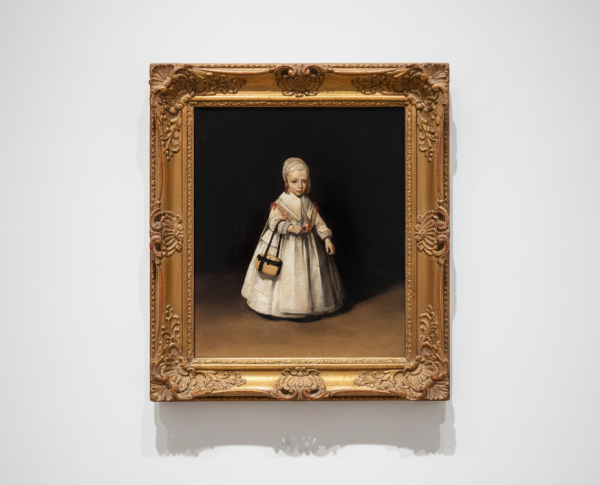
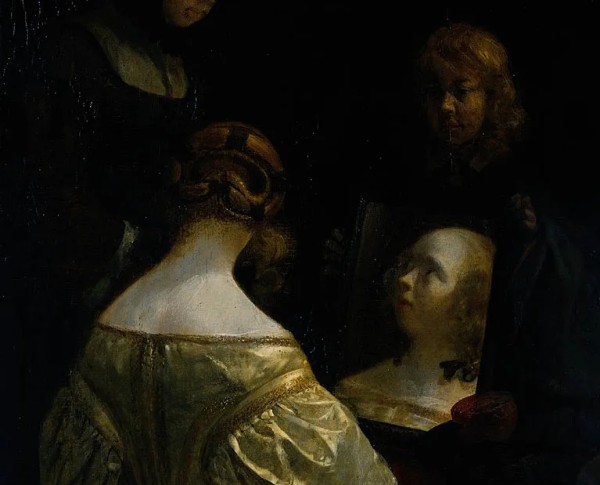
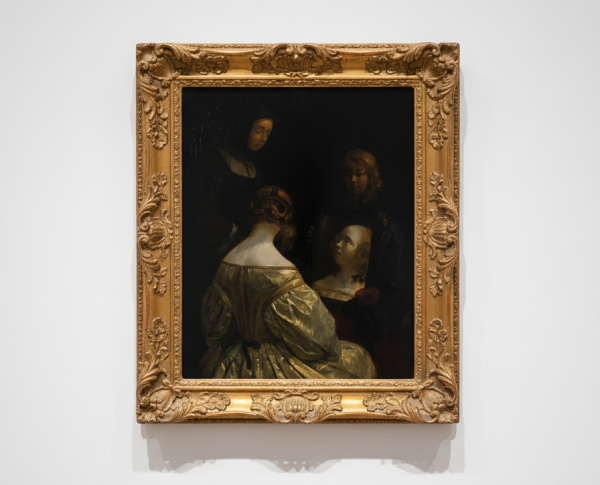
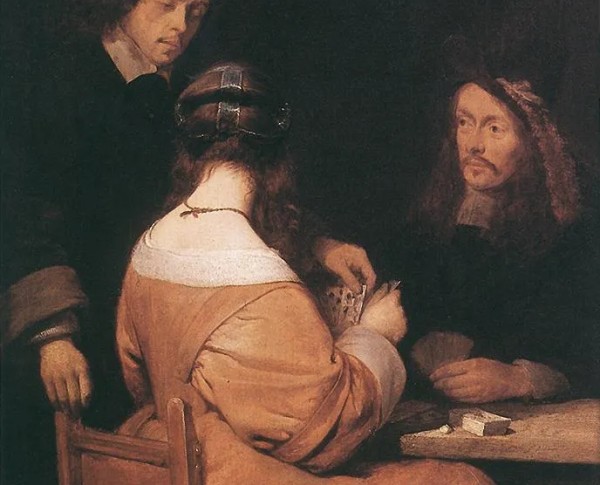
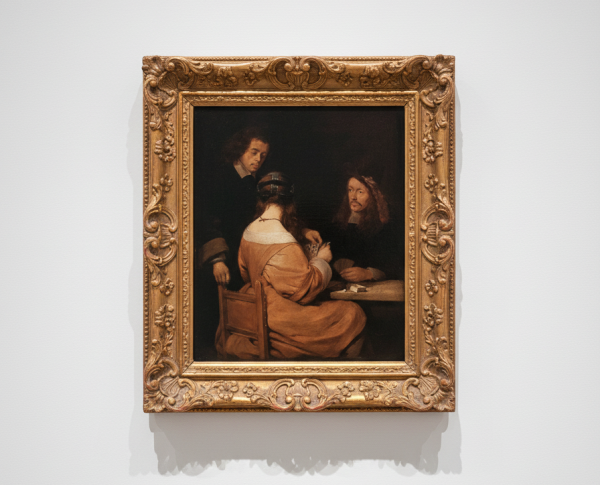
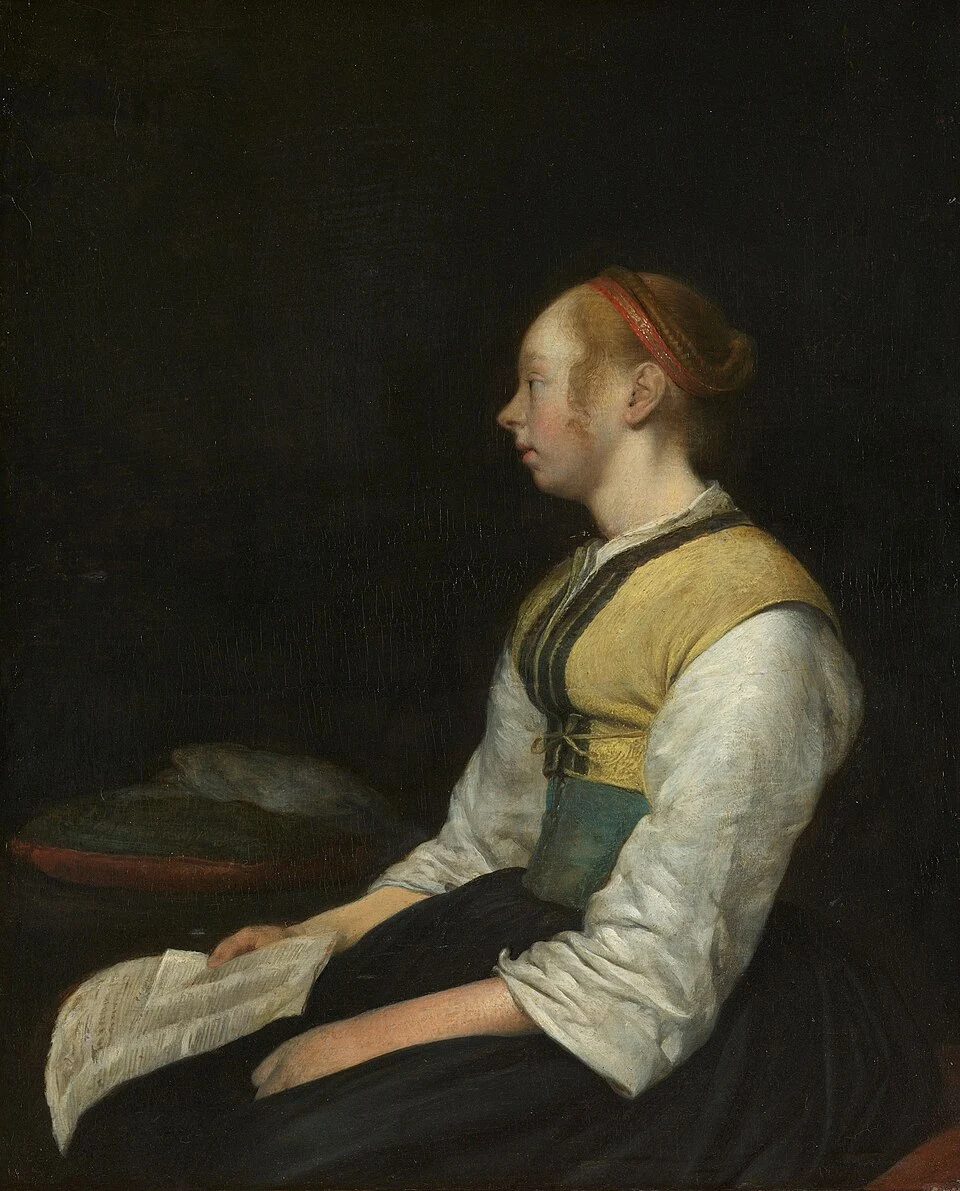
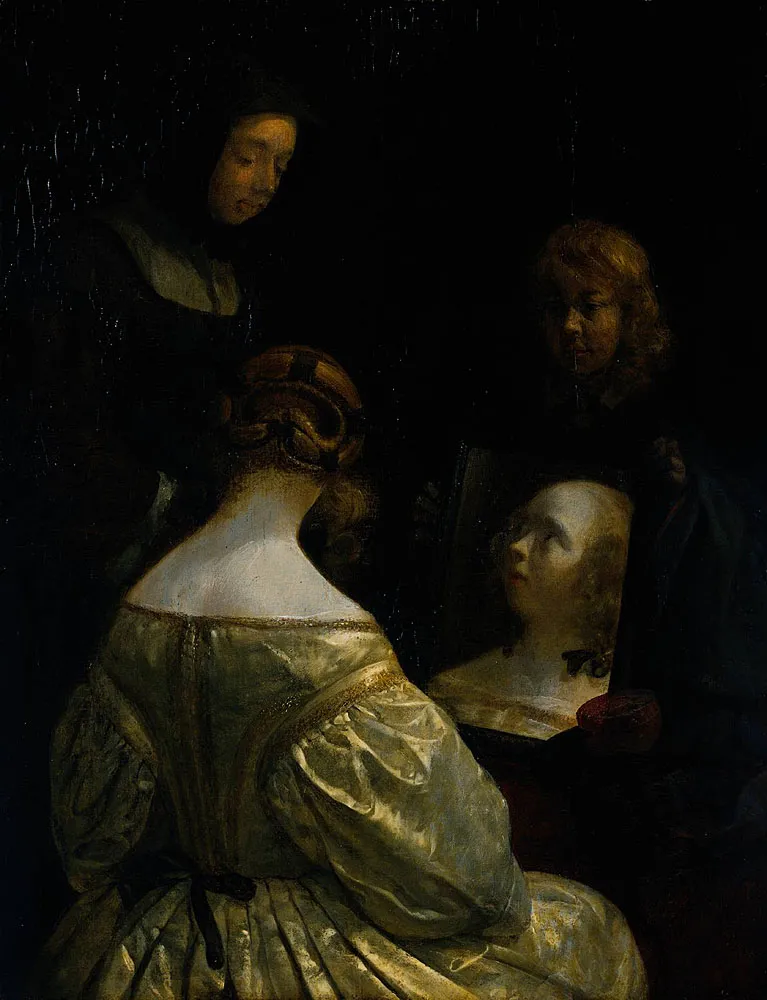
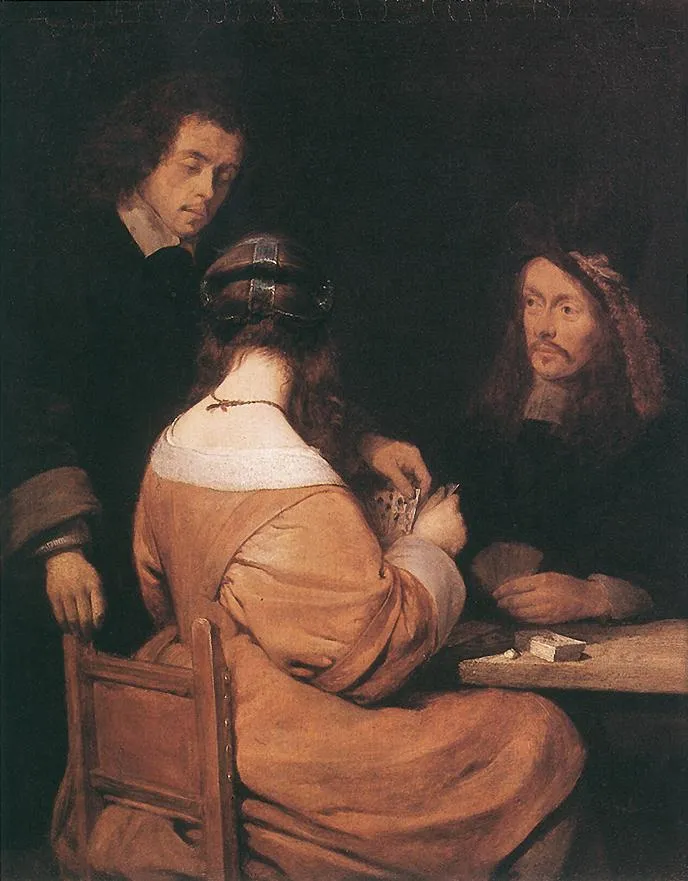
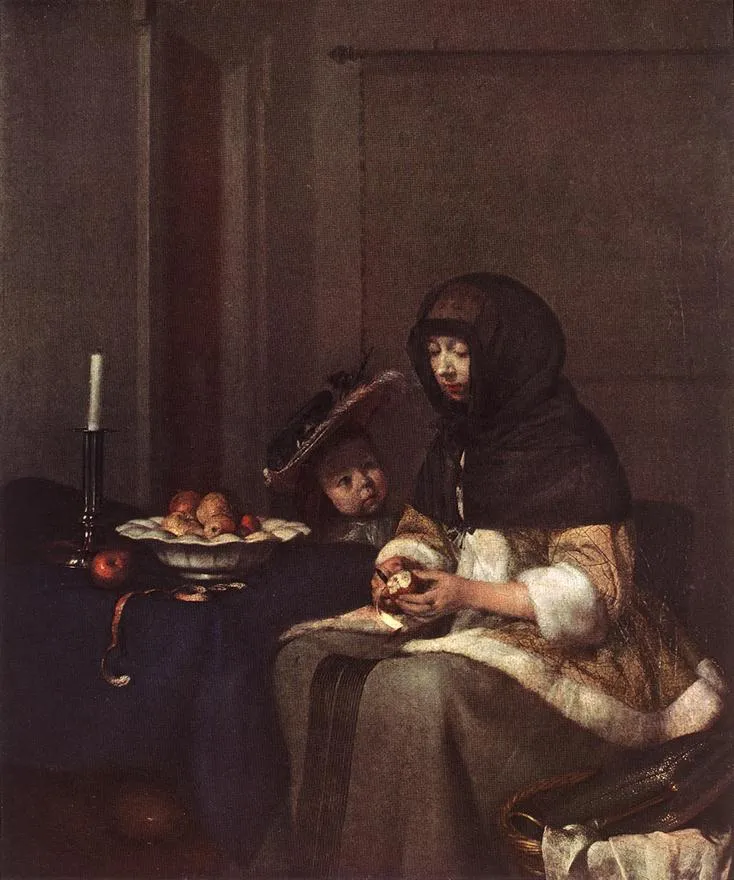
Gerard Terborch’s technique in "Drink" exemplifies the meticulous approach characteristic of Baroque oil on canvas masterpieces. The artist’s delicate rendering of fabrics and expressive gestures showcase his legendary skill. Collectors appreciate how Terborch’s brushwork brings emotional depth to daily life scenes, making each detail come alive. Comparable works such as "Girl in Peasant Costume Probably Gesina the Painter's Half Sister" and "Curiosity" further highlight his dedication to realism in oil on canvas.
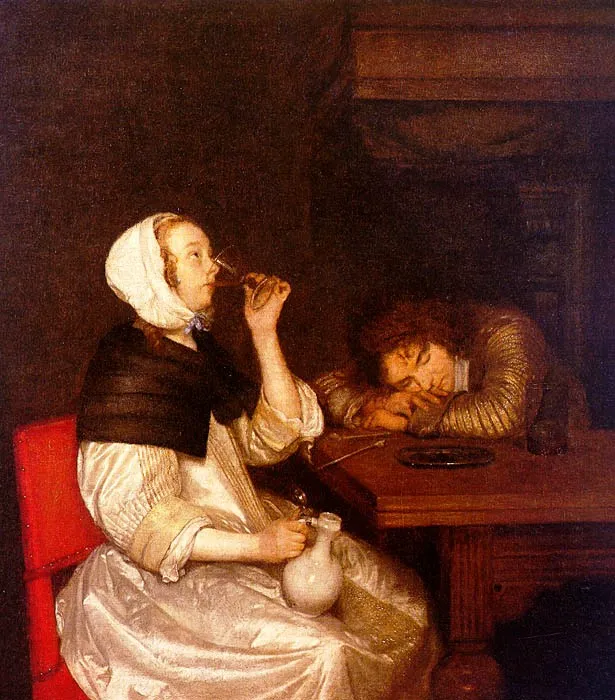
Every element in "Drink" is thoughtfully chosen, making this fine art painting for sale a narrative-rich masterpiece. Terborch masterfully weaves symbolism through gestures and objects, inviting interpretation and reflection. The scene’s subtle tension and character interactions are reminiscent of other Terborch works like "A Guard Room Interior With A Soldier Blowing Smoke In The Face Of His Sleeping Companion." Each piece offers an inviting glimpse into the complexities of Baroque-era society.
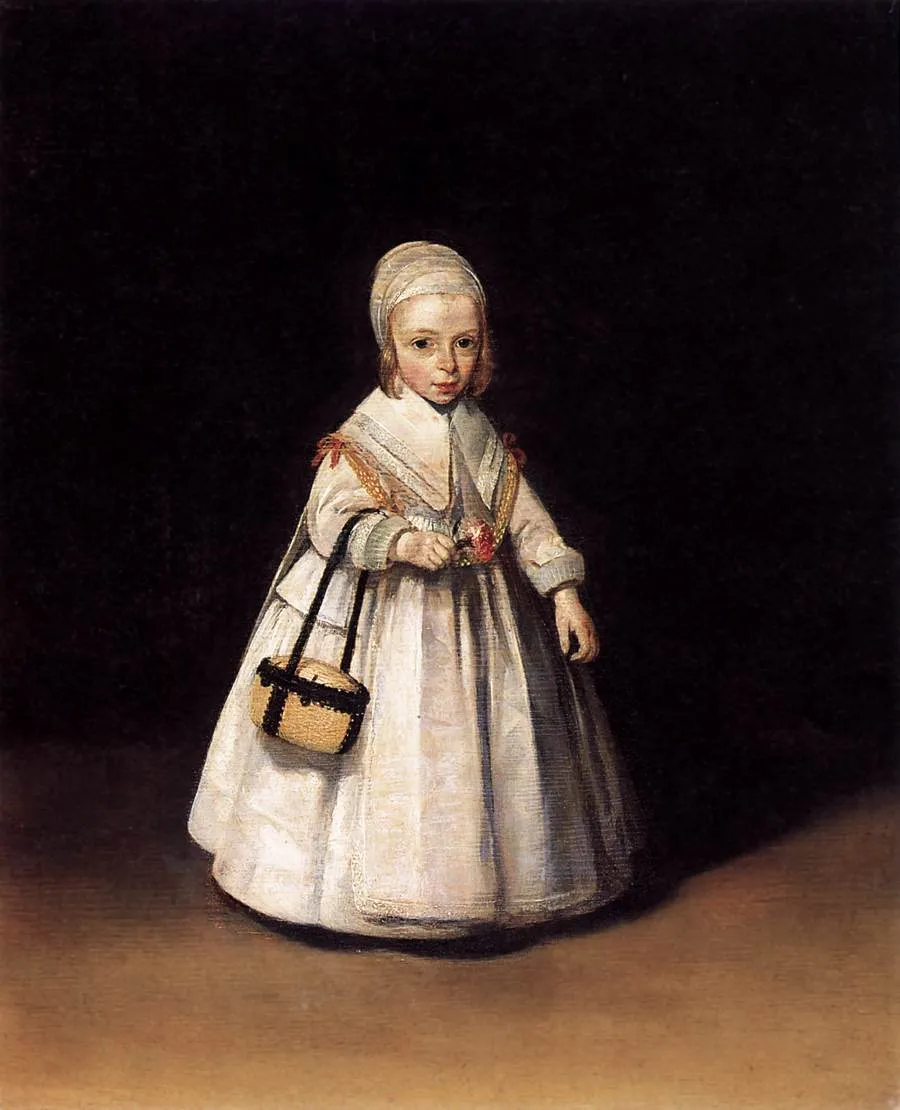
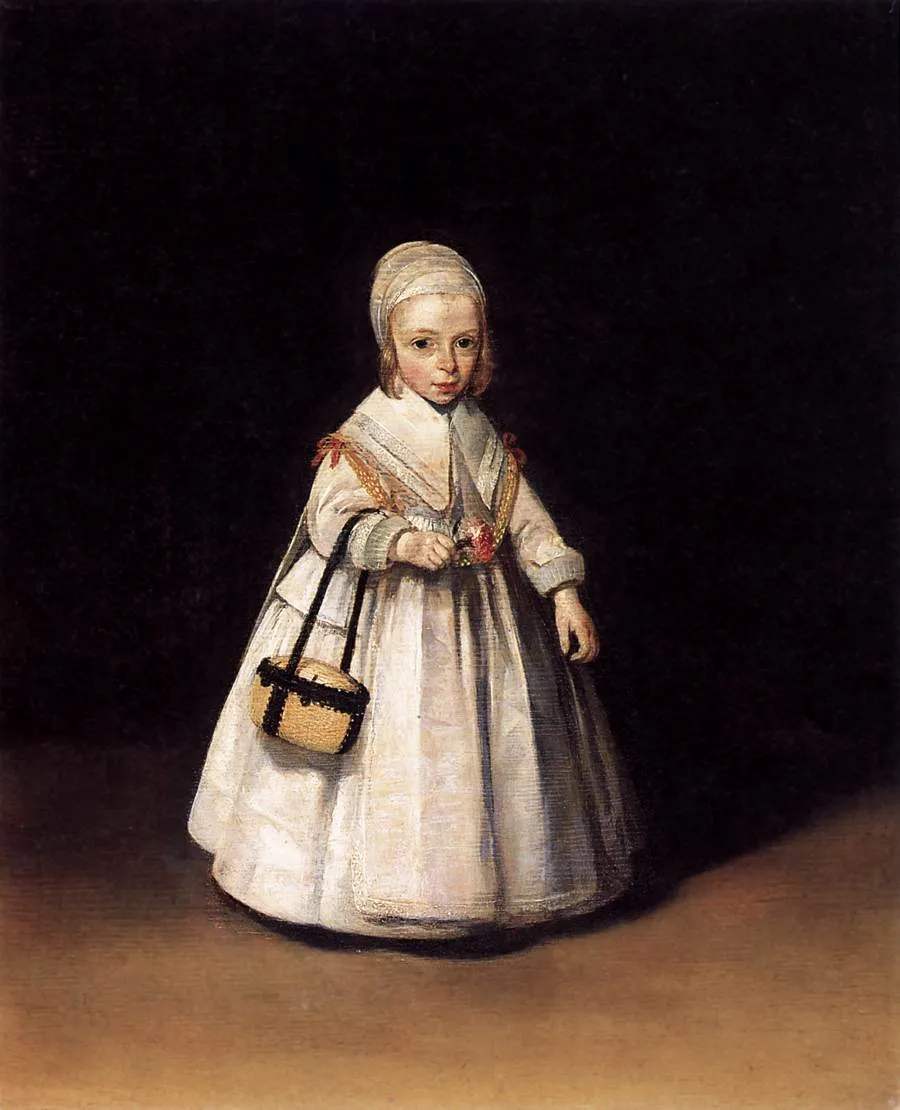
For art collectors, acquiring a hand-painted oil painting like "Drink" by Gerard Terborch is an investment in history and beauty. This Baroque treasure stands alongside sought-after works such as "Helena van der Schalcke as a Child" and "Curiosity," each boasting timeless appeal. Its authenticity and masterful execution make it a prized possession, perfect for those seeking a fine art painting for sale that embodies both artistic heritage and enduring value.
When Art Meets History
"Drink" by Gerard Terborch stands as a remarkable example of the Baroque movement, capturing a moment in time with stunning realism. This hand-painted oil painting not only reflects the social customs of the 17th century but also showcases Terborch's mastery in depicting everyday life. Like Caravaggio’s "Judith Beheading Holofernes" and Zurbarán’s "Beato Serapio," Terborch's work immerses viewers in the historical context, offering a glimpse into the world of its creation.
Techniques That Speak
Gerard Terborch’s "Drink" demonstrates his exceptional skill in oil on canvas, a hallmark of Baroque artistry. Through delicate brushwork and intricate detail, Terborch brings fabric, light, and human expression to life, much like his contemporaries in "Medusa" and "Apostle St Andrew." The subtle play of light and shadow in this piece exemplifies the technical prowess that defines Baroque painting, making it a quintessential oil on canvas from the period.
Emotions on Display
Within "Drink," Terborch captures a nuanced emotional exchange, a signature trait of Baroque fine art. The figures’ postures and gazes invite viewers to interpret their inner thoughts, similar to the introspective nature seen in "The Young Virgin." This fine art painting for sale is renowned for its ability to convey complex feelings, drawing the audience into a silent narrative that resonates across centuries and continues to engage art lovers today.
Coveted by Collectors
As a masterwork of the Baroque period, "Drink" by Gerard Terborch remains highly sought after by collectors worldwide. This hand-painted oil painting, akin to masterpieces like "Beato Serapio" and "Medusa," is prized for its historical significance and artistic excellence. Collectors value such pieces not only for their beauty but also for their ability to connect modern audiences with the grand tradition of Baroque fine art painting for sale.
Related Baroque Hand-Painted Oil Paintings by Other Artists
Other Famous Baroque Artists:
Frequently Asked Questions About "Drink"
What is the historical context of "Drink" by Gerard Terborch?
"Drink" was painted during the Dutch Golden Age, a period characterized by great wealth and cultural achievement in the Netherlands. This era saw the rise of genre painting, where everyday life was depicted with great detail and realism.
What artistic techniques did Gerard Terborch use in "Drink"?
Terborch employed a meticulous attention to detail and a refined use of light and shadow, known as chiaroscuro. His technique enhances the realism of the figures and the textures of materials, such as fabric and glass.
What themes are explored in "Drink"?
The painting explores themes of social interaction and leisure, highlighting the conviviality of drinking culture in 17th-century Dutch society. It also reflects on the nature of indulgence and moderation.
What symbols are present in "Drink" and what do they represent?
In "Drink," the presence of wine and glasses symbolizes both pleasure and the potential for excess. The act of sharing a drink can signify friendship and social bonding, while also hinting at the moral implications of indulgence.
How does "Drink" reflect the social customs of the time?
The painting captures a moment of leisure that reflects the social customs of the Dutch elite. It illustrates the importance of social gatherings and the role of drinking in fostering relationships and status among peers.
What is the significance of the setting in "Drink"?
The intimate interior setting of "Drink" serves to create a sense of warmth and familiarity, inviting viewers into the private lives of the subjects. This setting is typical of Terborch's genre scenes, emphasizing domesticity and social interaction.
How does "Drink" compare to other works by Gerard Terborch?
"Drink" shares similarities with other genre paintings by Terborch, particularly in its focus on human emotion and interaction. However, it stands out for its vibrant depiction of the act of drinking, showcasing his ability to capture fleeting moments of life.
What influence did Gerard Terborch have on later artists?
Gerard Terborch's attention to detail and ability to convey emotion influenced many later artists in the genre painting tradition. His work paved the way for future depictions of everyday life, emphasizing realism and psychological depth.
What can we learn about Dutch society from "Drink"?
"Drink" offers insights into the social dynamics and cultural values of 17th-century Dutch society, particularly regarding leisure, social status, and the complexities of human relationships. It serves as a visual commentary on the balance between enjoyment and excess.
How is the composition of "Drink" significant?
The composition of "Drink" is carefully arranged to guide the viewer's eye through the scene, emphasizing the interaction between the figures. The placement of objects and the use of perspective create a sense of depth and intimacy, enhancing the narrative quality of the painting.






















_GFM_Painting_(1).webp)


 100% Hand-Painted: Finished in 3-6 Weeks

.png)















_(1).webp)