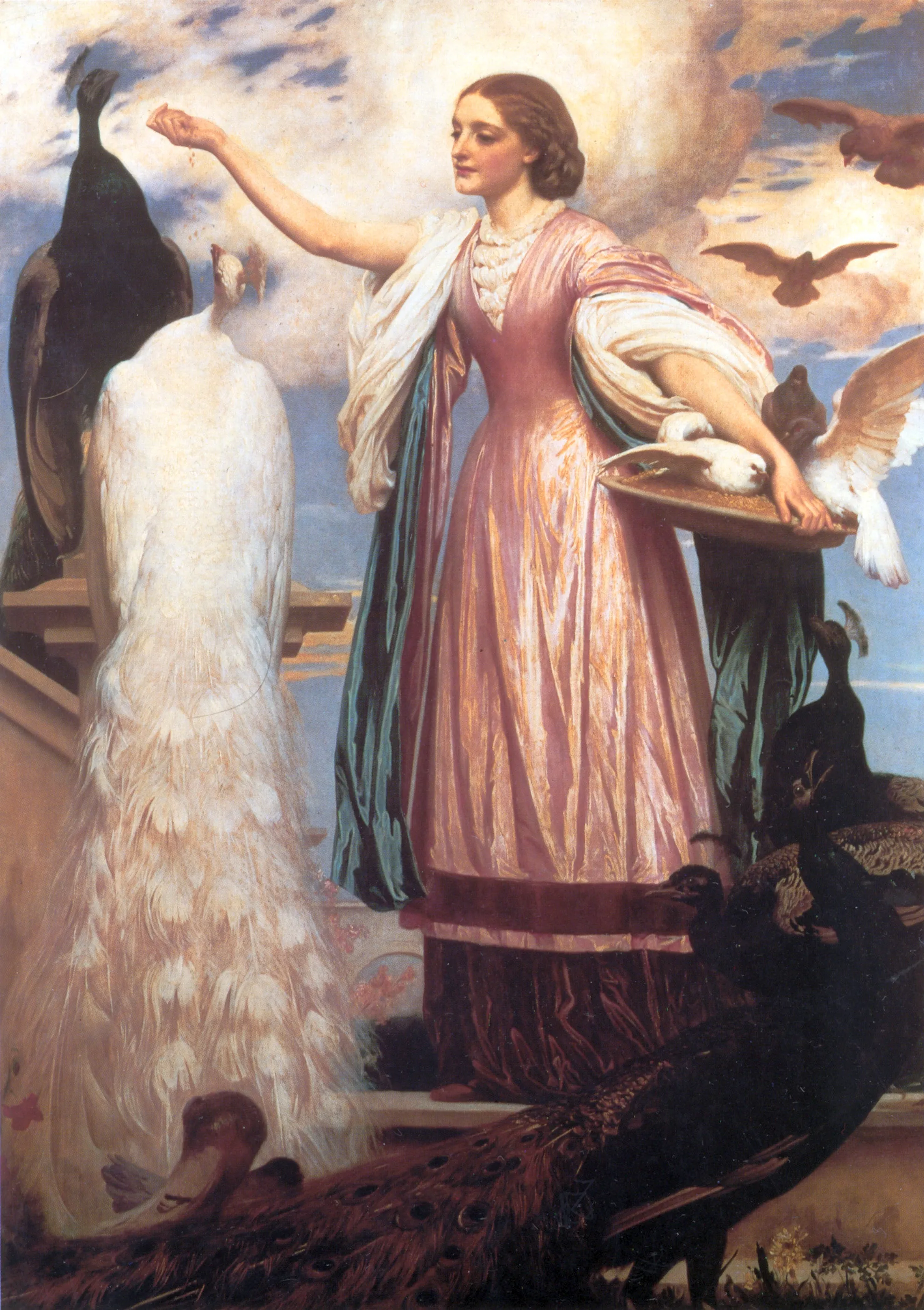
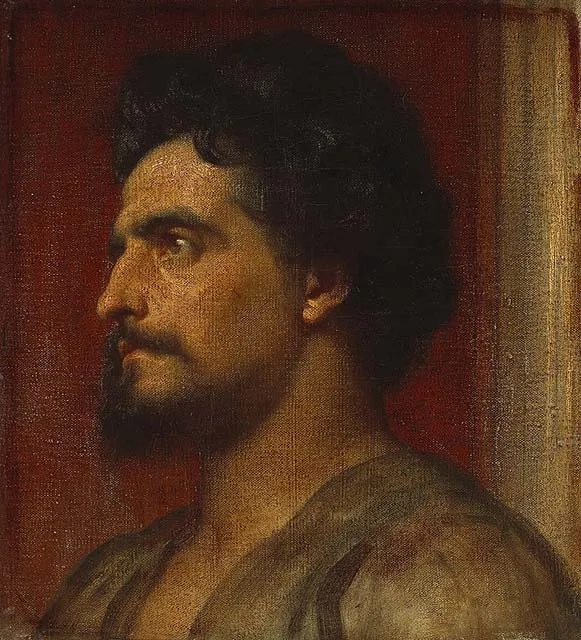
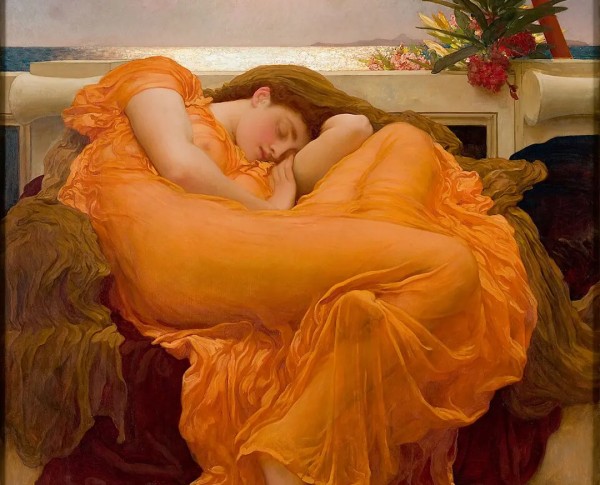
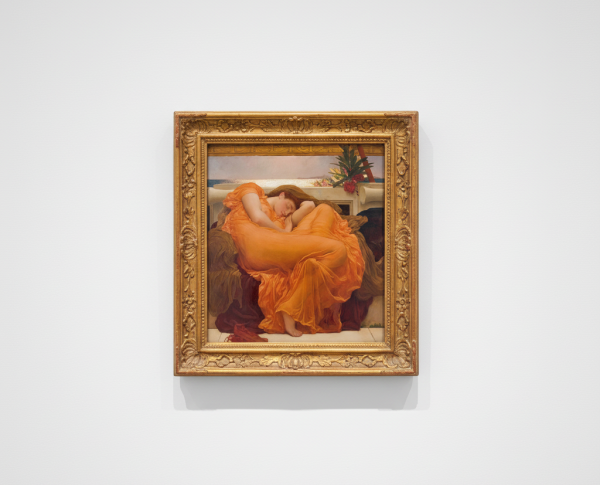
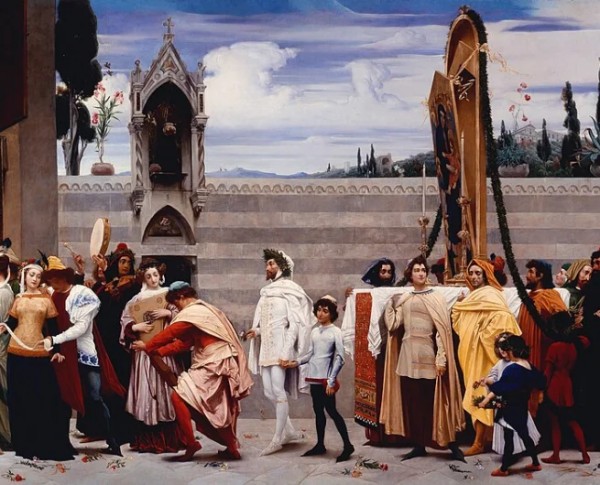
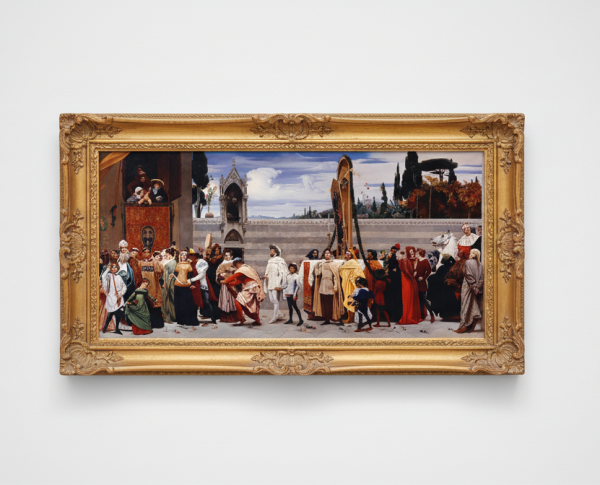
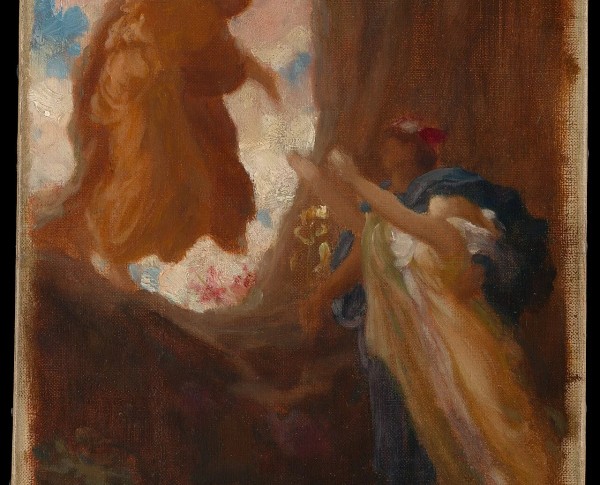
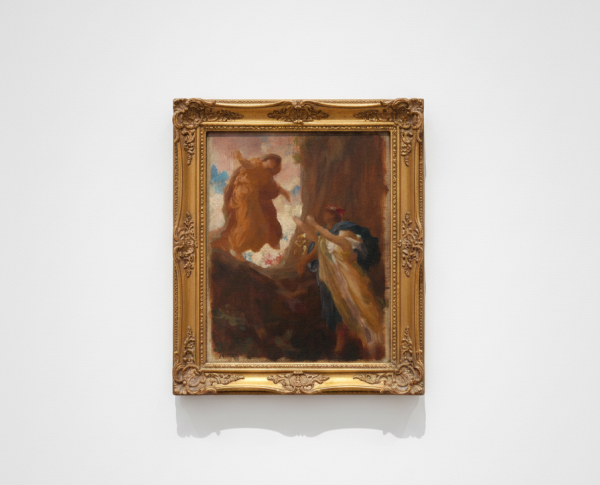
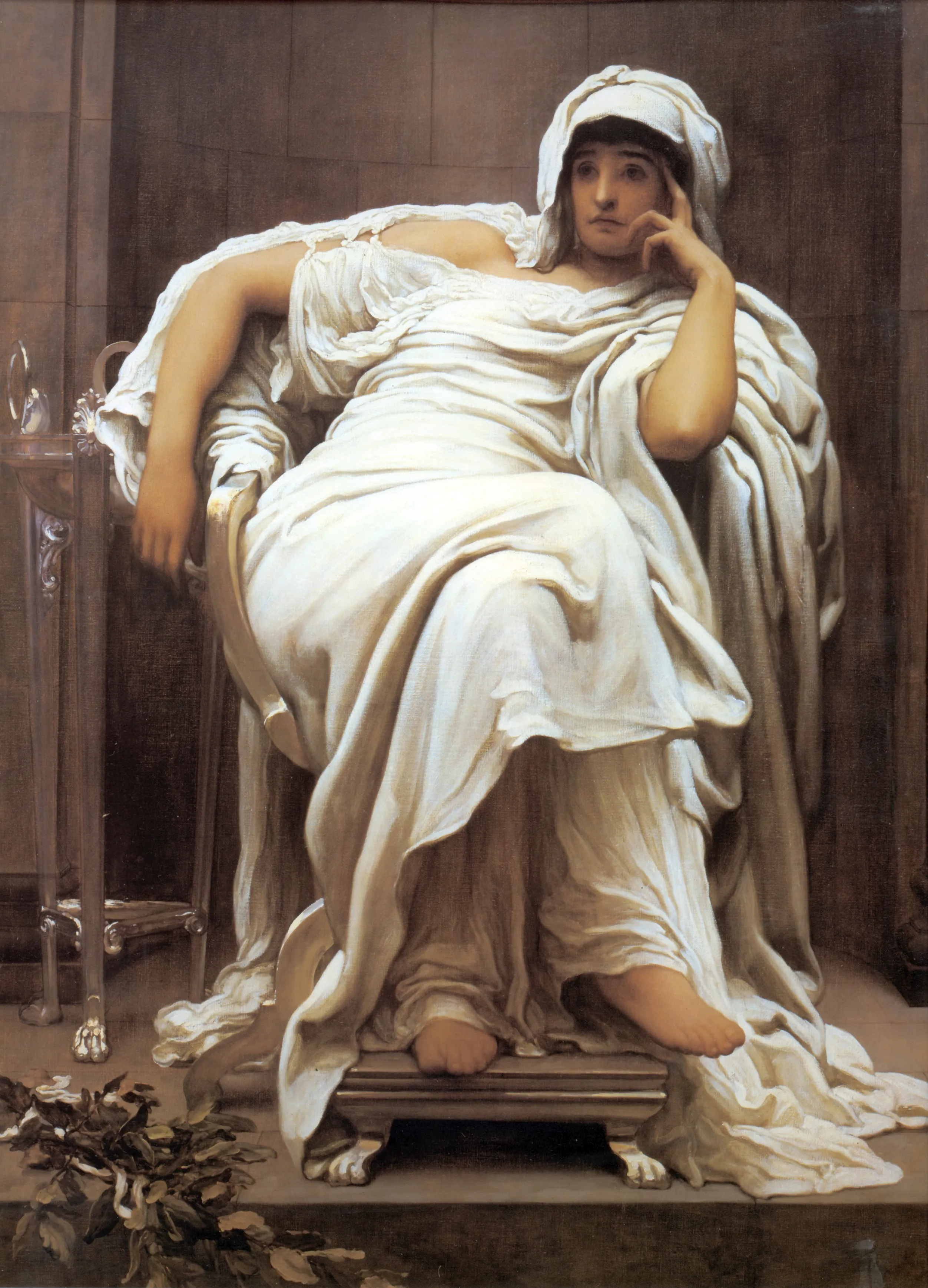
Crafted in the meticulous style of Academic Classicism, "Faticida" showcases Leighton’s unrivaled skill in oil on canvas. His careful attention to form, color, and composition is evident throughout the painting, reflecting the movement’s pursuit of perfection. Similar to his other acclaimed pieces, including "A Girl Feeding Peacocks," this artwork demonstrates a mastery that distinguishes it among fine art painting for sale, appealing to discerning collectors and admirers of classical artistry worldwide.
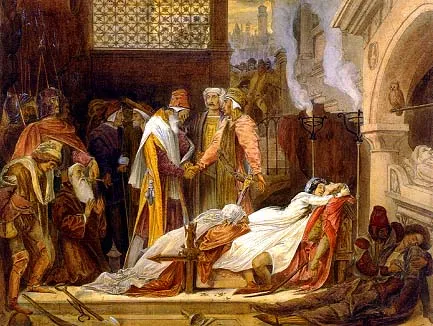
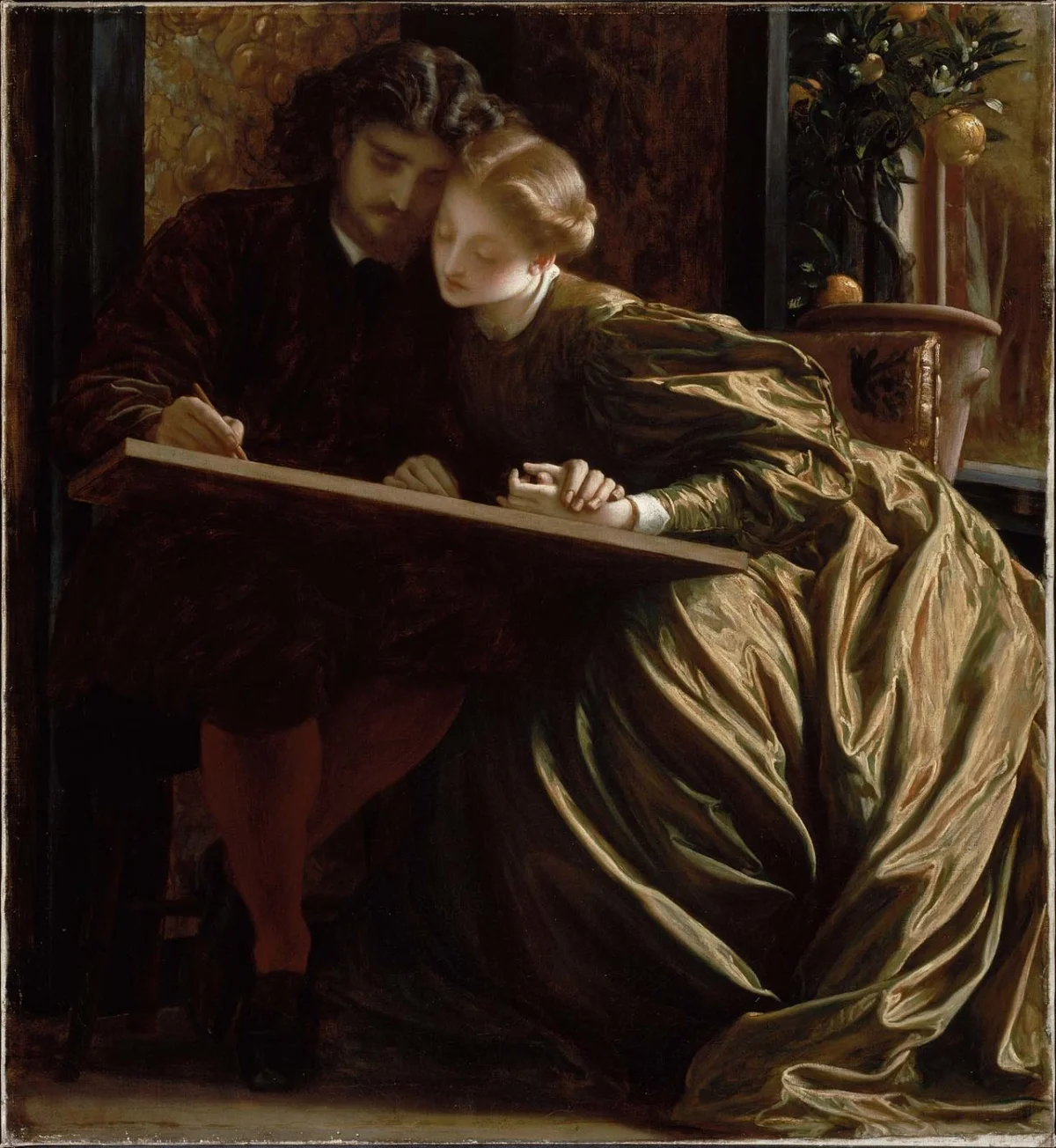
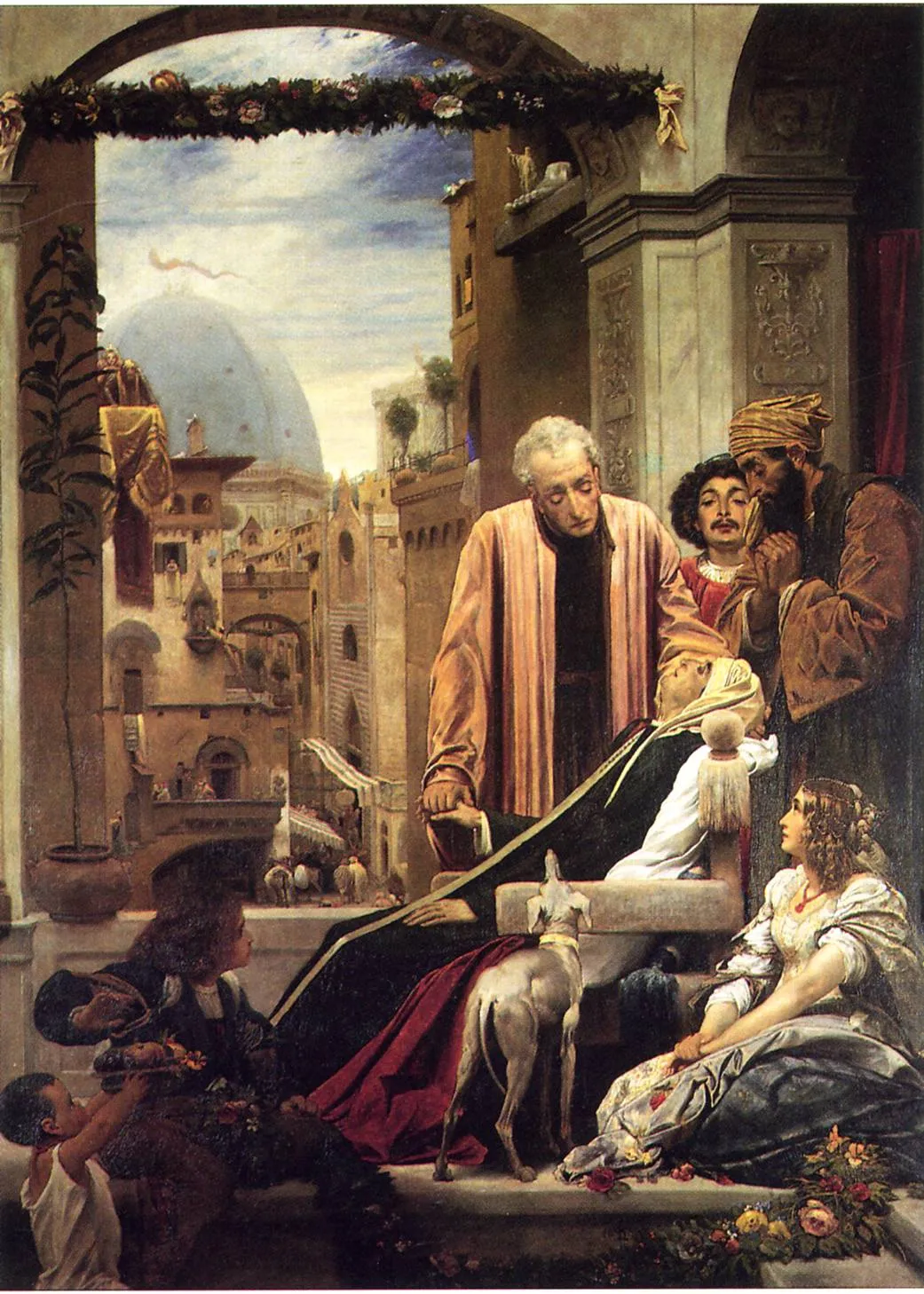
Every detail in "Faticida" reveals layers of narrative and symbolism, hallmarks of Leighton’s approach within the Academic Classicism movement. The figures, drapery, and setting evoke stories that transcend the canvas, inviting viewers to interpret the emotional depth. Like his celebrated works "The Reconciliation of the Montagues and Capulets" and "The Painter’s Honeymoon," this hand-painted oil painting resonates with meaning, inspiring collectors to seek out similarly evocative pieces for their own collections.
Owning "Faticida" by Lord Frederick Leighton means acquiring a fine art painting for sale that embodies the highest standards of Academic Classicism. This oil on canvas masterpiece not only enhances any collection but also connects you to a lineage of celebrated artworks. Collectors frequently pair such treasures with complementary pieces like "The Golden Hours" and "A Roman Lady," ensuring their galleries reflect the timeless grace and sophistication of Leighton’s artistic legacy.
When Art Meets History
"Faticida" by Lord Frederick Leighton stands as a testament to the grandeur of the Academic Classicism movement. Created during a time when mastery and tradition prevailed, this hand-painted oil painting captures both the spirit and ideals of its era. Leighton, renowned for his meticulous technique, shared his passion with contemporaries like Léon Gérôme, whose works such as "Springtime" and "The Slave Market" also exemplify historical storytelling through art. "Faticida" remains a significant piece in art history.
Techniques That Speak
Lord Frederick Leighton’s "Faticida" showcases the artist’s exceptional command of oil on canvas, a medium favored by Academic Classicists for its depth and luminosity. Leighton’s brushwork demonstrates a careful layering of colors, creating lifelike textures and delicate transitions. Similar to works like "Venus Rising" and "A Portrait of Amelina Dufaud," this painting reveals the movement’s dedication to technical perfection, elevating each subject to an almost ethereal level of realism and beauty.
Emotions on Display
In "Faticida," Lord Frederick Leighton skillfully conveys subtle emotional undertones, a hallmark of fine art painting for sale from the Academic Classicism era. The subject’s expression and posture invite viewers to explore themes of introspection, resilience, and grace. Like Gérôme’s evocative scenes or Leighton’s own portraits, every detail is designed to inspire empathy and admiration, making "Faticida" an emotionally resonant piece for connoisseurs and casual admirers alike.
Coveted by Collectors
As a hand-painted oil painting by an acclaimed master, "Faticida" is highly sought after by collectors of Academic Classicism. The demand for Leighton’s works rivals those of related paintings like "The Slave Market" and "Springtime," both celebrated for their artistry and historical significance. The painting’s provenance and connection to a pivotal art movement make it a fine art painting for sale that appeals to museums and private collectors worldwide.
Related Academic Classicism Hand-Painted Oil Paintings by Other Artists
Other Famous Academic Classicism Artists:
Frequently Asked Questions About Faticida
What is the historical context of "Faticida"?
"Faticida" was painted by Lord Frederick Leighton in the late 19th century, a period marked by the Pre-Raphaelite movement and a growing interest in classical themes and aesthetics. The painting reflects the Victorian era's fascination with beauty, mythology, and the human form.
What themes are explored in "Faticida"?
The painting explores themes of fate and destiny, as suggested by the title, which translates to "Fate Killer." It delves into the tension between human agency and the inexorable forces of fate, a common motif in classical literature and art.
What artistic techniques did Leighton employ in "Faticida"?
Leighton utilized a combination of classical composition and vibrant color palettes, employing techniques such as chiaroscuro to create depth and drama. His meticulous attention to detail in the human form showcases his academic training and mastery of the medium.
Who are the figures depicted in "Faticida"?
The painting features a central female figure, often interpreted as a personification of fate, surrounded by symbolic elements that enhance the narrative. The identity of the figures is open to interpretation, allowing viewers to engage with the themes on a personal level.
What symbolism is present in "Faticida"?
Symbolism in "Faticida" includes the use of drapery and color to convey emotion and significance. The female figure's pose and expression evoke a sense of contemplation and inevitability, while the surrounding elements may represent the complexities of fate and choice.
How does "Faticida" reflect Leighton's artistic philosophy?
Leighton's artistic philosophy emphasized the beauty of the human form and the importance of classical themes. "Faticida" embodies his belief in the power of art to convey profound ideas and emotions, merging technical skill with philosophical inquiry.
What influences can be seen in "Faticida"?
The painting reflects influences from both classical antiquity and the Renaissance, evident in its idealized forms and narrative depth. Leighton's exposure to European art traditions is apparent in his stylistic choices and thematic explorations.
In what ways does "Faticida" connect to Victorian ideals?
"Faticida" connects to Victorian ideals through its exploration of morality, beauty, and the human condition. The painting serves as a reflection of the era's complex relationship with fate, free will, and the pursuit of aesthetic perfection.
What impact did "Faticida" have on contemporary art?
"Faticida" contributed to the dialogue surrounding the role of symbolism and narrative in art during its time. It influenced subsequent generations of artists who sought to explore similar themes through their own unique lenses, bridging the gap between classical and modern interpretations.
Where can "Faticida" be viewed today?
"Faticida" is part of the collection at a prominent art institution, where it continues to be appreciated for its artistic merit and historical significance. Visitors can view the painting and engage with its themes in the context of Leighton's broader body of work.























_GFM_Painting_(1).webp)


 100% Hand-Painted: Finished in 3-6 Weeks

.png)















_(1).webp)