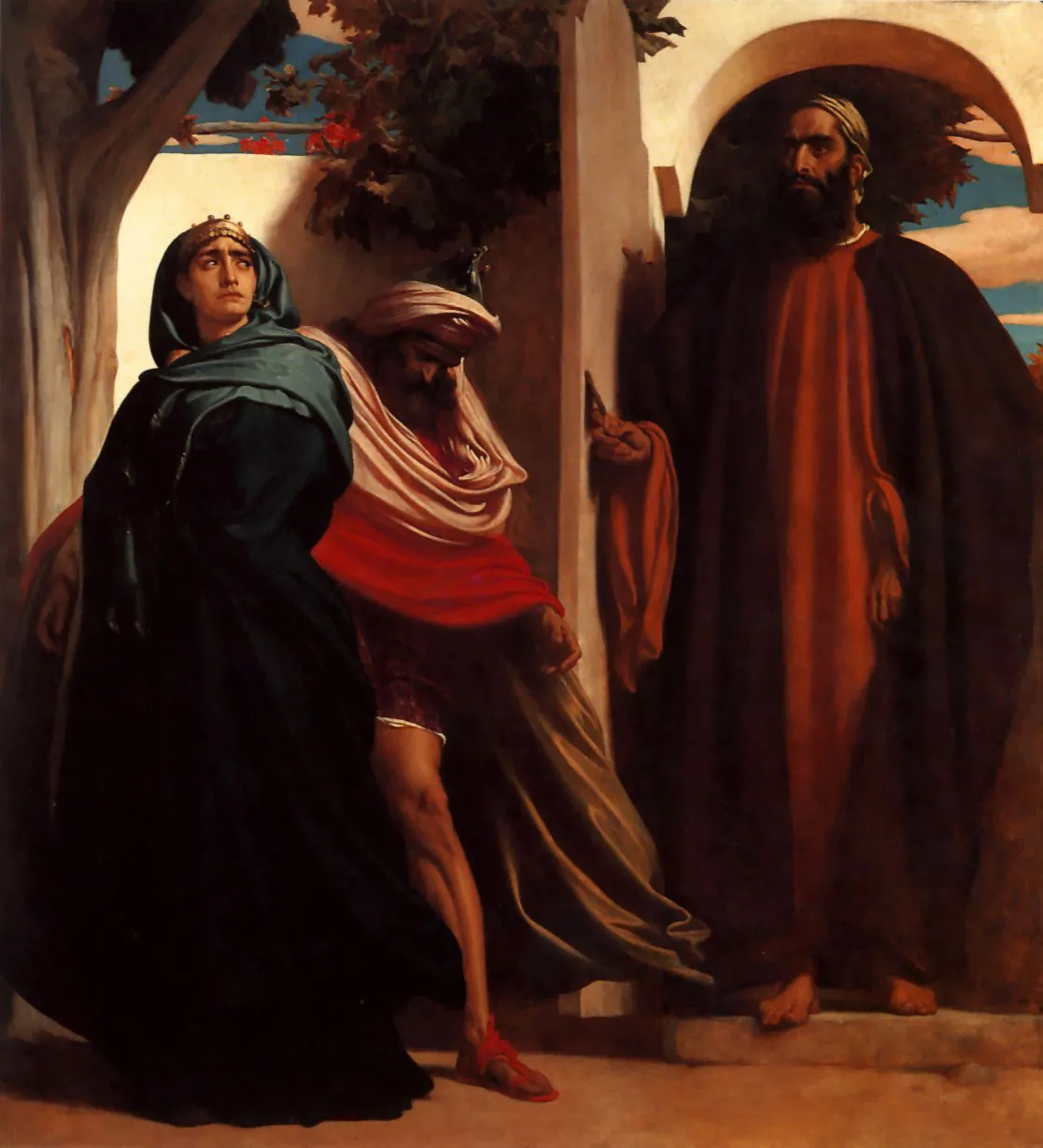
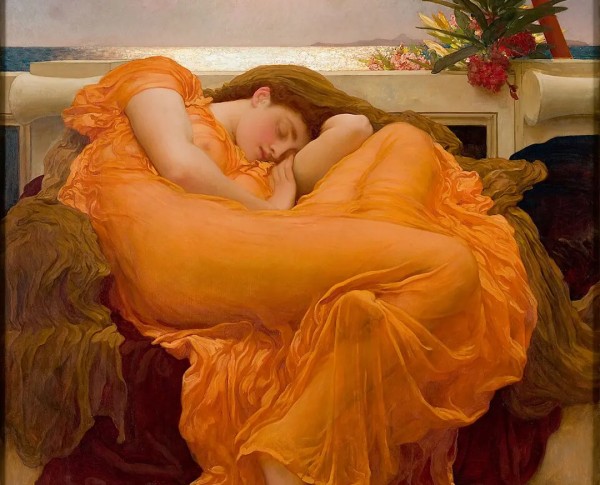
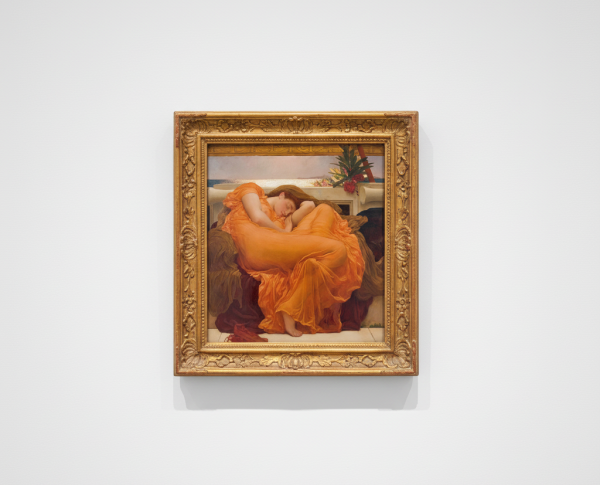
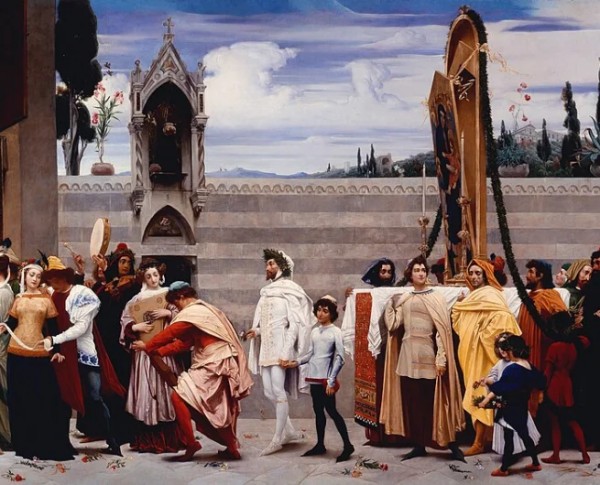
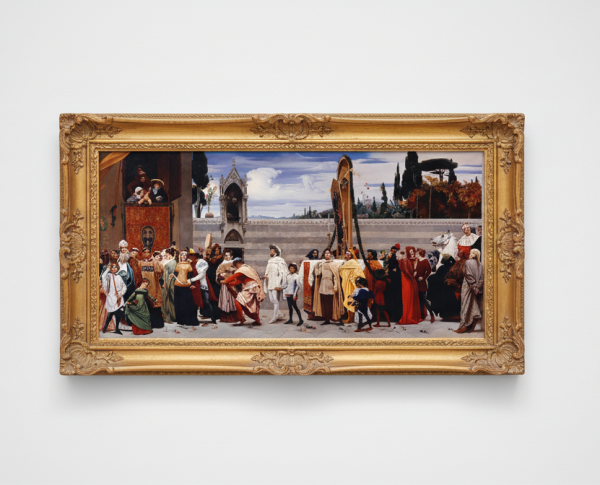
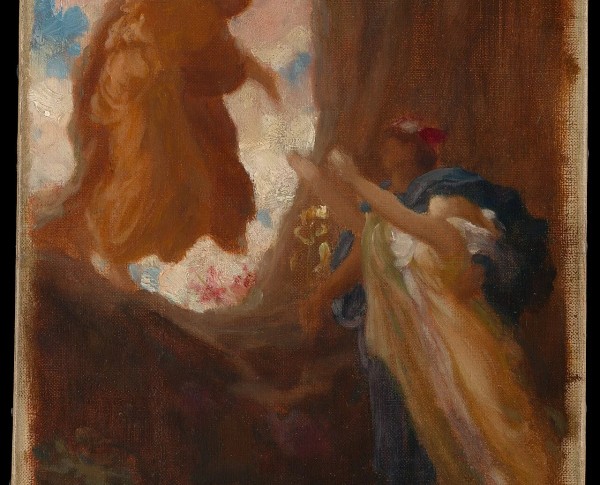
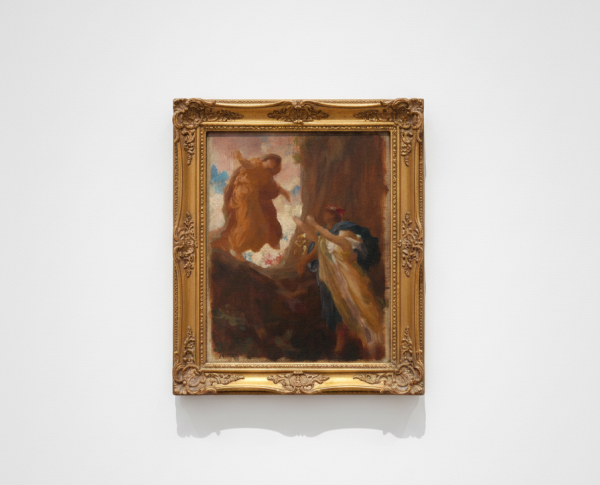
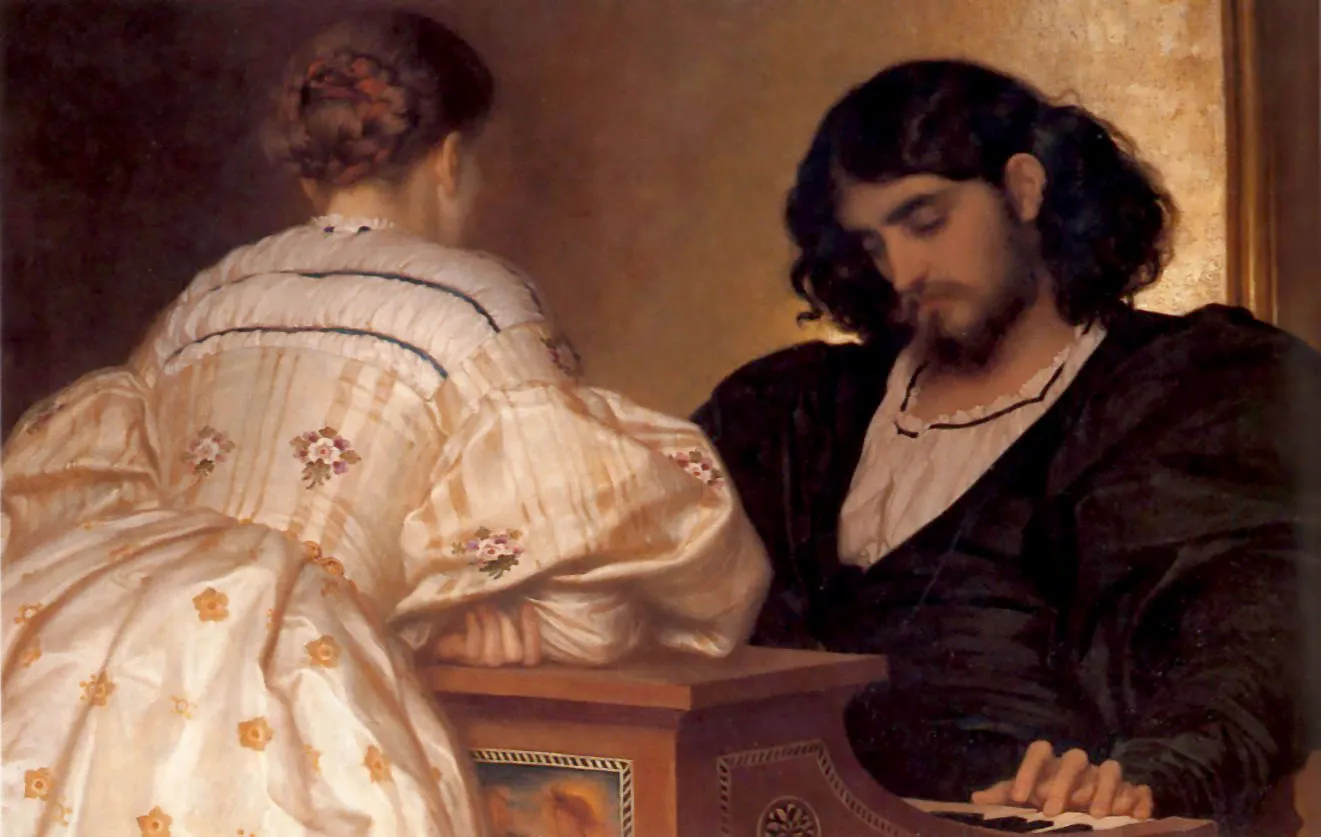
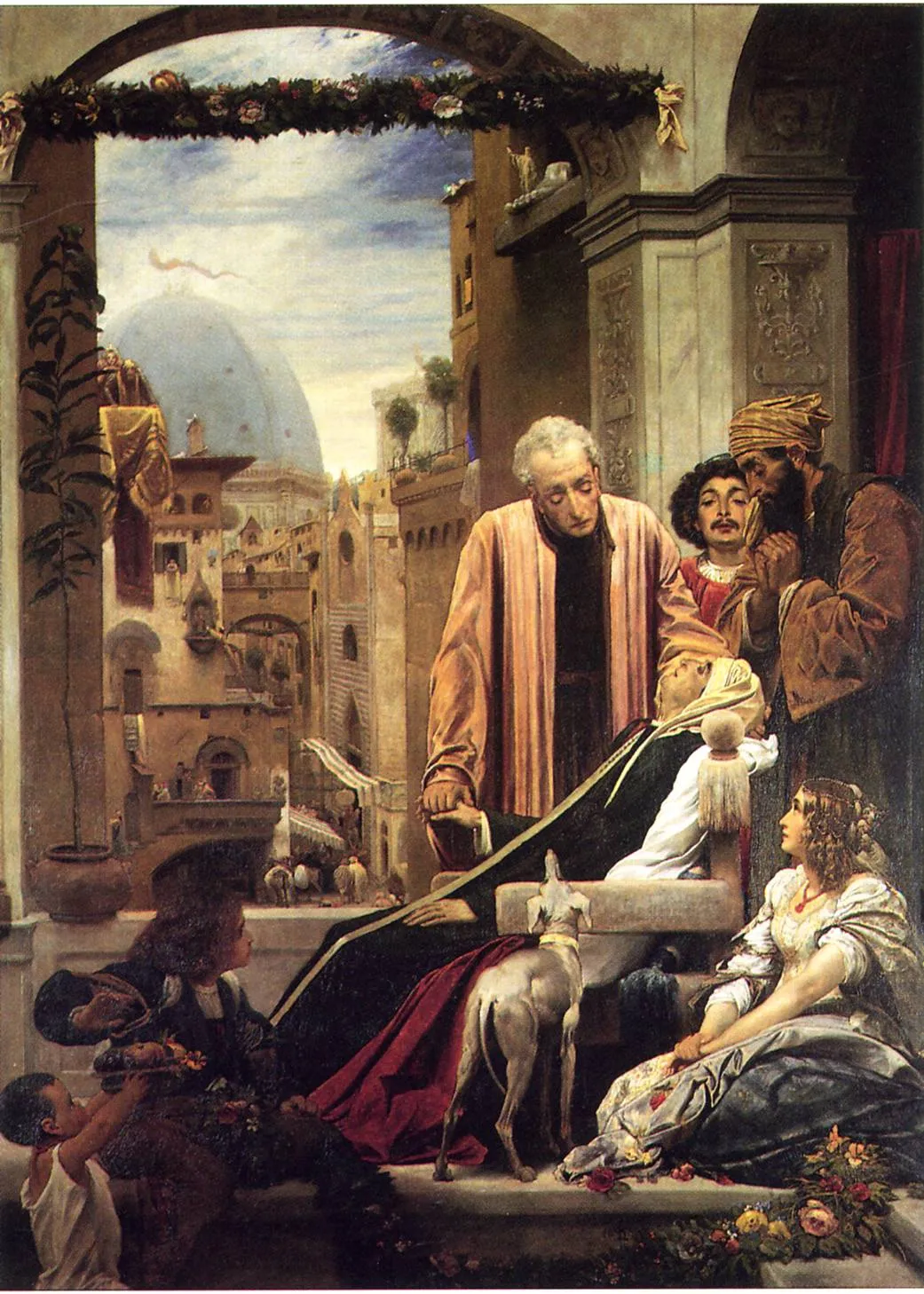
With "The Golden Hours," Leighton demonstrates exquisite skill in oil on canvas, blending delicate hues and intricate details. Every brushstroke reveals his dedication to the Academic Classicism tradition, emphasizing harmony, beauty, and realism. The painting’s luminous quality is echoed in other masterpieces like "Actaea, the Nymph of the Shore" and "Portrait of May Sartoris." Collectors seeking timeless works will appreciate the meticulous technique and artistry present in this celebrated oil on canvas.
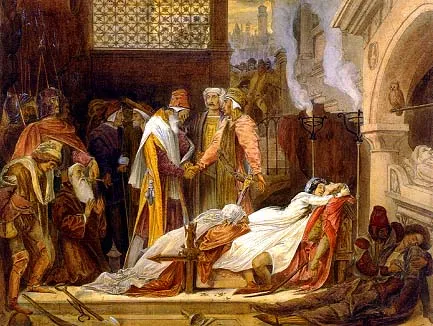
"The Golden Hours" is more than a fine art painting for sale; it is a visual narrative rich with symbolism and poetic resonance. Lord Frederick Leighton weaves together themes of innocence, beauty, and the fleeting nature of time, hallmarks of the Academic Classicism movement. This storytelling approach can also be found in his other works such as "The Fisherman and the Siren" and "The Reconciliation of the Montagues and Capulets," inviting viewers to explore deeper meanings within each composition.
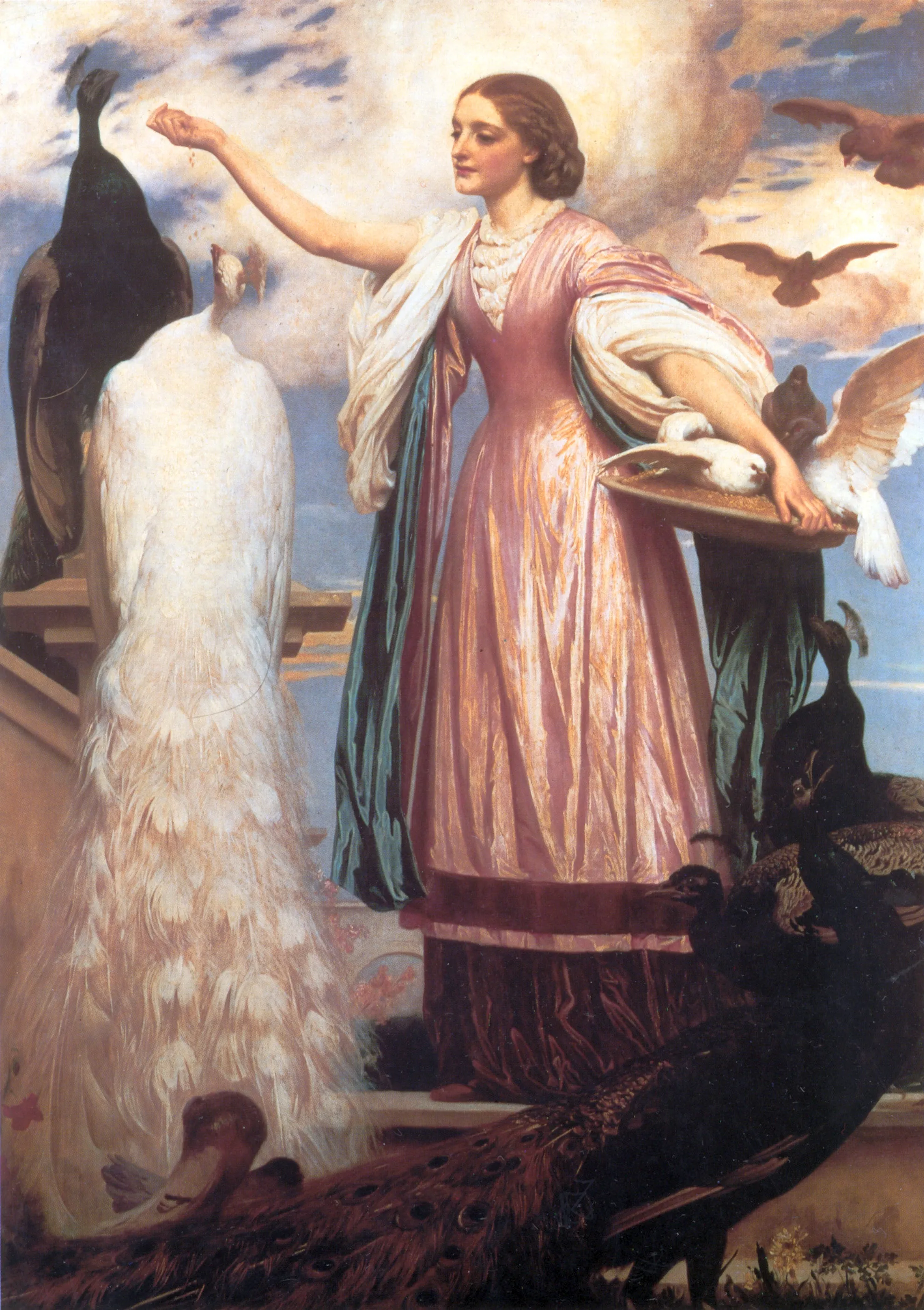
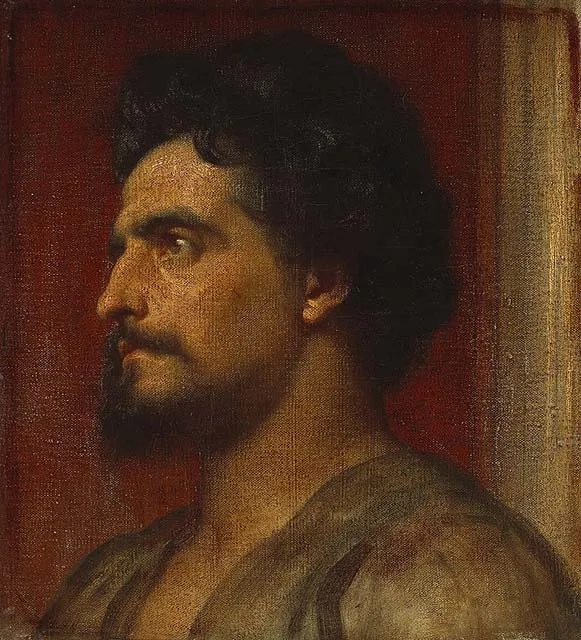
For art enthusiasts, "The Golden Hours" represents a unique opportunity to own a hand-painted oil painting by one of the foremost artists of Academic Classicism. Lord Frederick Leighton’s attention to detail and emotional depth make this work highly sought after among collectors. Pieces like "A Girl Feeding Peacocks" and "Portrait of May Sartoris" are also prized additions to any collection, each embodying the sophistication and allure of 19th-century fine art painting for sale.
When Art Meets History
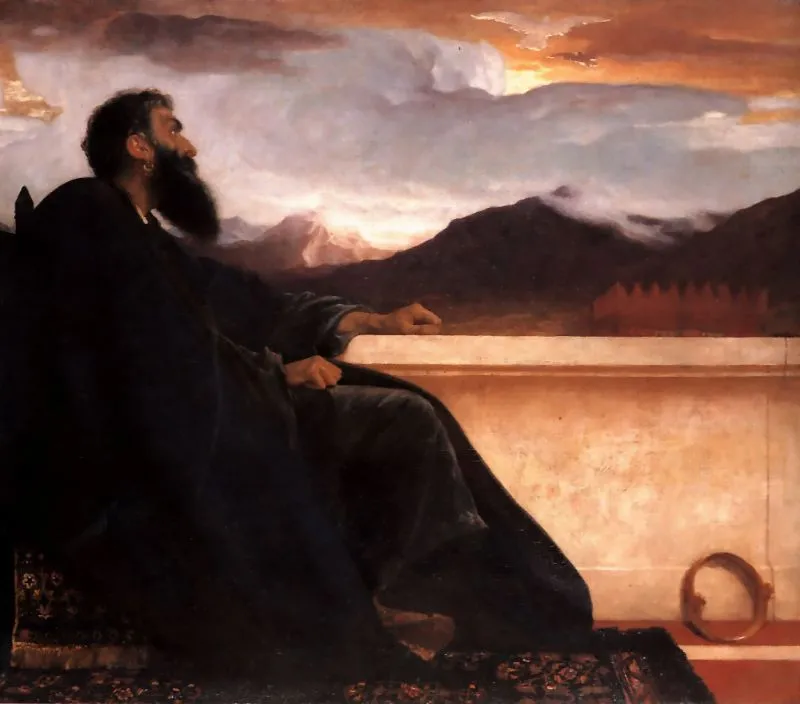
"The Golden Hours" by Lord Frederick Leighton is a testament to the grandeur of the Academic Classicism movement. Painted in the late 19th century, this hand-painted oil painting captures the elegance and refinement characteristic of its era. Leighton, renowned for masterpieces like "Equality before Death" and "The Abduction of Psyche 1895," elevates historical themes through his meticulous artistry, making "The Golden Hours" a timeless bridge between the past and the present.
Techniques That Speak
Leighton’s expert use of oil on canvas in "The Golden Hours" demonstrates his mastery over light, color, and form. Each brushstroke is deliberate, creating lifelike textures and a luminous effect that draws viewers into the scene. As seen in related works like "Calinerie (A Little Coaxing)" and "La Vierge au Lys," his technique exemplifies the precision and beauty of Academic Classicism, making every painting a true showcase of technical brilliance.
Emotions on Display
"The Golden Hours" resonates with viewers through its evocative portrayal of tranquility and grace, hallmarks of Lord Frederick Leighton’s style. The painting’s serene composition and delicate expressions invite contemplation, much like his other fine art painting for sale, "St. Peter, after his delivery from prison by the angel." Leighton’s ability to capture nuanced emotion ensures that "The Golden Hours" remains a moving and memorable example of the Academic Classicism movement.
Coveted by Collectors
Collectors prize "The Golden Hours" for its exquisite artistry and historical significance within Academic Classicism. As a sought-after hand-painted oil painting, it stands alongside related masterpieces by Leighton, attracting enthusiasts who value both beauty and provenance. Its enduring appeal ensures that "The Golden Hours" continues to be a fine art painting for sale that graces distinguished collections, celebrated for its craftsmanship and the legacy of Lord Frederick Leighton.
Related Academic Classicism Hand-Painted Oil Paintings by Other Artists
Other Famous Academic Classicism Artists:
Frequently Asked Questions About The Golden Hours
What is the historical context of The Golden Hours?
The Golden Hours was painted during the late 19th century, a period marked by the Pre-Raphaelite movement and the Aesthetic movement, both of which emphasized beauty and nature. Lord Frederick Leighton, a prominent figure in British art, sought to capture the essence of beauty in this work, reflecting the ideals of his time.
What artistic techniques did Leighton employ in The Golden Hours?
Leighton utilized a combination of classical composition and vibrant color palettes to create a sense of harmony and tranquility. His use of light and shadow enhances the ethereal quality of the scene, drawing the viewer's eye to the figures and their surroundings.
What themes are explored in The Golden Hours?
The painting explores themes of beauty, nature, and the passage of time. The title itself suggests a fleeting moment of beauty, encapsulating the idea of cherishing ephemeral experiences in life.
Who are the figures depicted in The Golden Hours?
The figures in The Golden Hours are often interpreted as representations of idealized beauty and youth. They embody the harmony between humanity and nature, a common theme in Leighton's work, reflecting the artist's admiration for classical ideals.
What symbolism can be found in The Golden Hours?
The painting is rich in symbolism, with the golden light representing enlightenment and inspiration. The natural elements, such as flowers and the landscape, symbolize growth and the cyclical nature of life, reinforcing the theme of transience.
How does The Golden Hours reflect Leighton's artistic philosophy?
Leighton's artistic philosophy centered around the pursuit of beauty and the ideal form. In The Golden Hours, he merges classical aesthetics with contemporary themes, demonstrating his belief that art should elevate the human experience through beauty.
What influence did The Golden Hours have on later artists?
The Golden Hours influenced subsequent generations of artists by emphasizing the importance of beauty and emotional resonance in art. Its blend of classical themes with modern techniques inspired the Symbolist movement and later artists who sought to convey deeper meanings through visual aesthetics.
How does the composition of The Golden Hours contribute to its overall impact?
The composition of The Golden Hours is carefully structured, with a balanced arrangement of figures and landscape that guides the viewer's gaze. This deliberate composition enhances the emotional impact of the painting, inviting contemplation and appreciation of the scene's beauty.
What role does color play in The Golden Hours?
Color plays a pivotal role in The Golden Hours, with the warm golden tones creating an inviting and serene atmosphere. The harmonious color palette not only enhances the aesthetic appeal but also evokes a sense of nostalgia and tranquility, aligning with the painting's themes.
In what ways does The Golden Hours reflect the cultural values of its time?
The Golden Hours reflects the Victorian era's cultural values by emphasizing beauty, nature, and the idealization of youth. This aligns with the period's fascination with aesthetics and the belief in art as a means of moral and spiritual upliftment.























_GFM_Painting_(1).webp)


 100% Hand-Painted: Finished in 3-6 Weeks

.png)















_(1).webp)