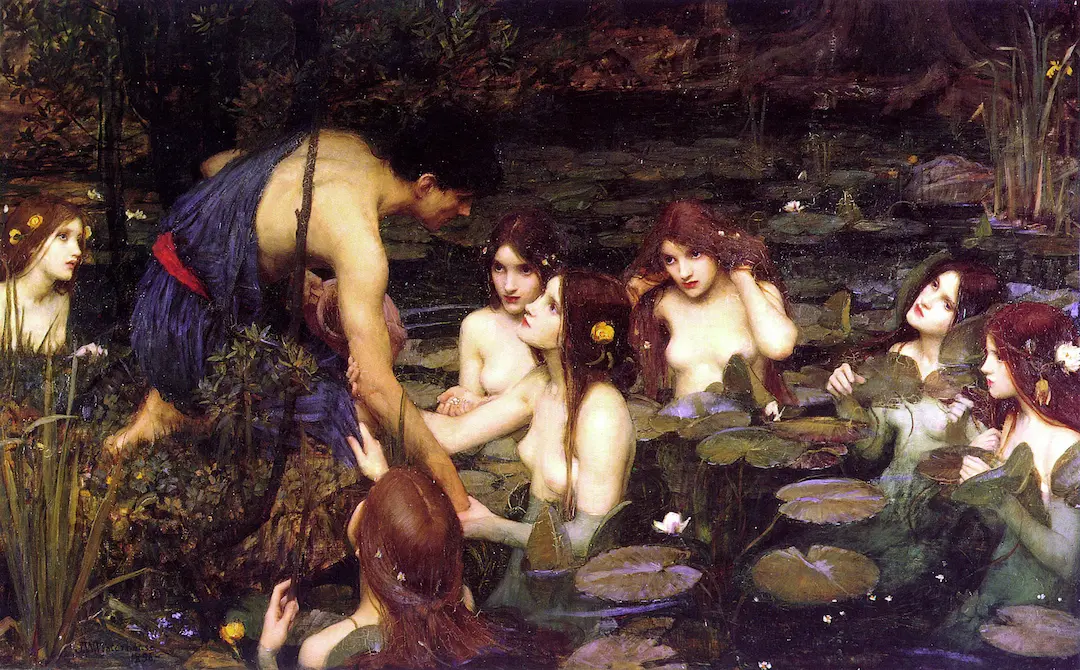
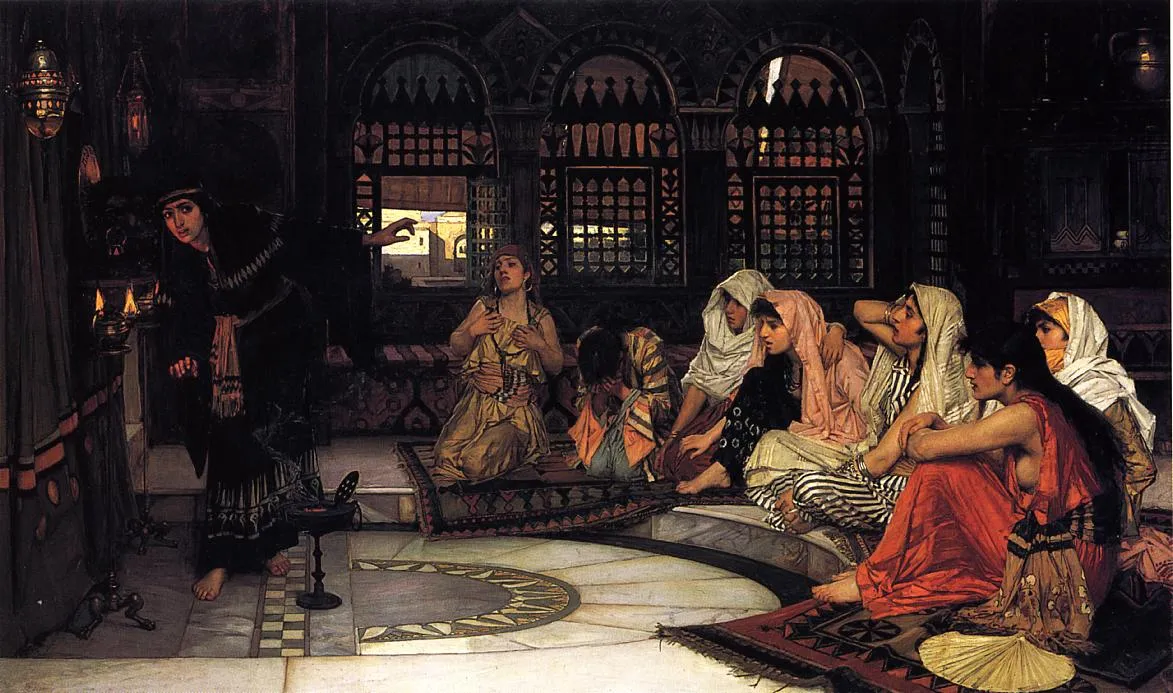
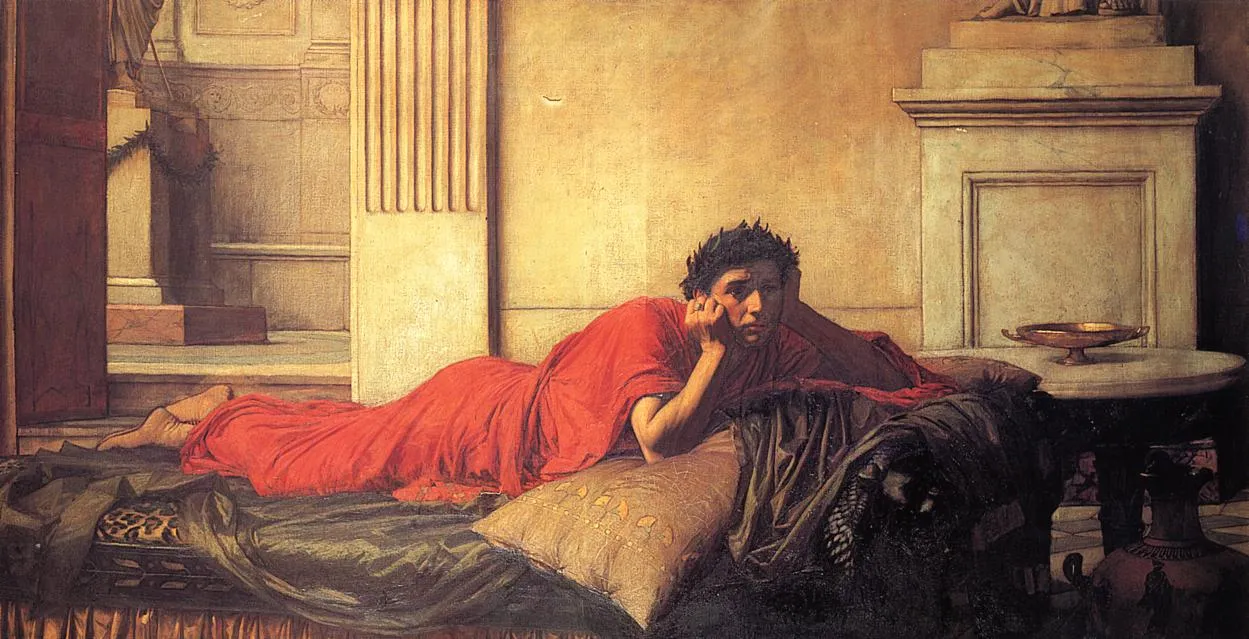
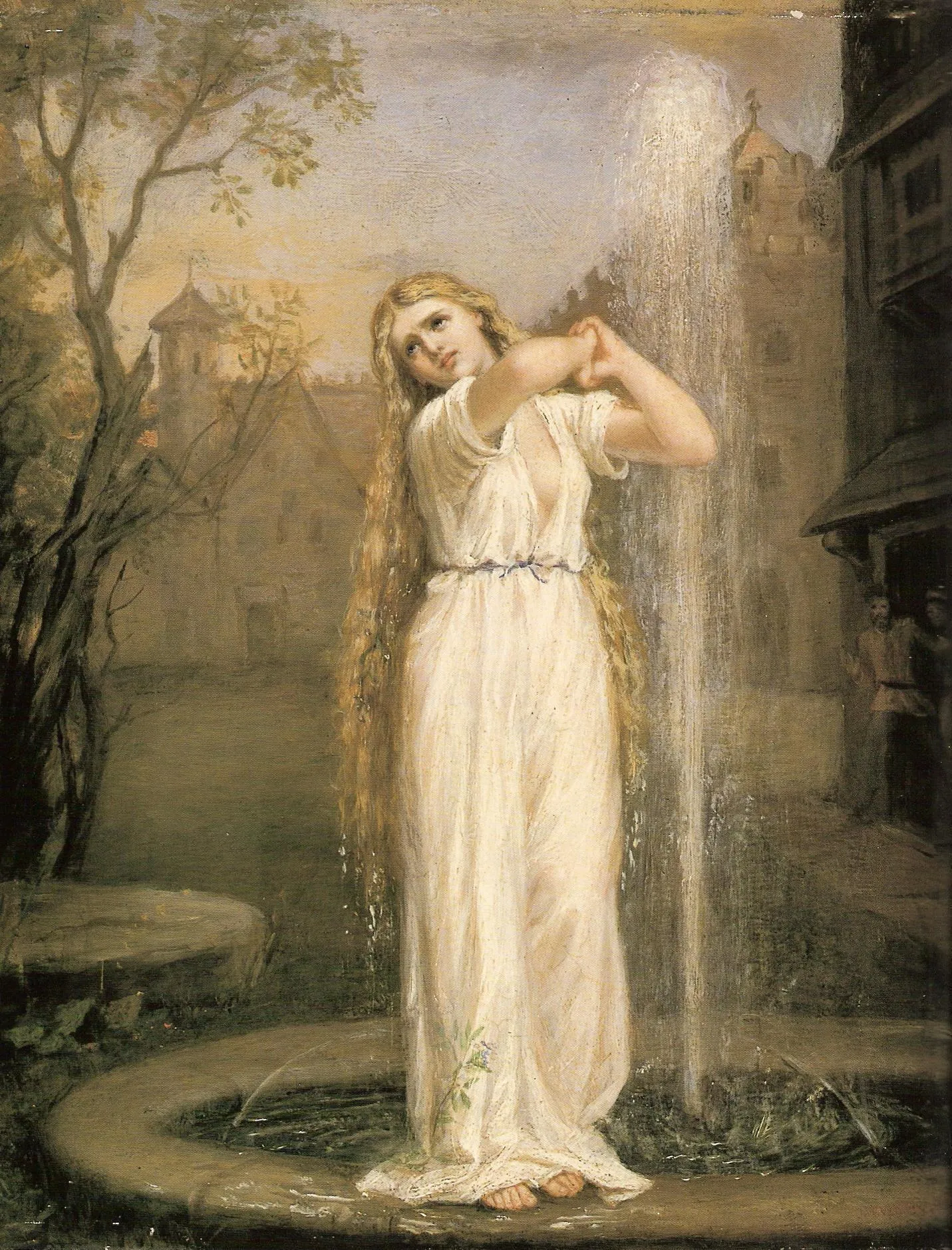
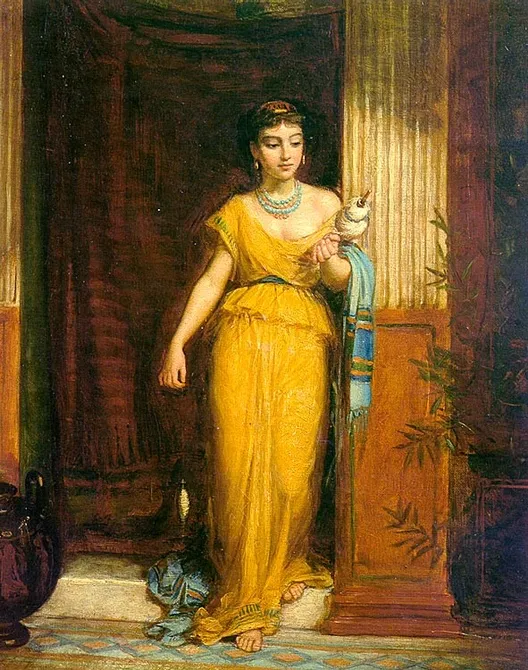
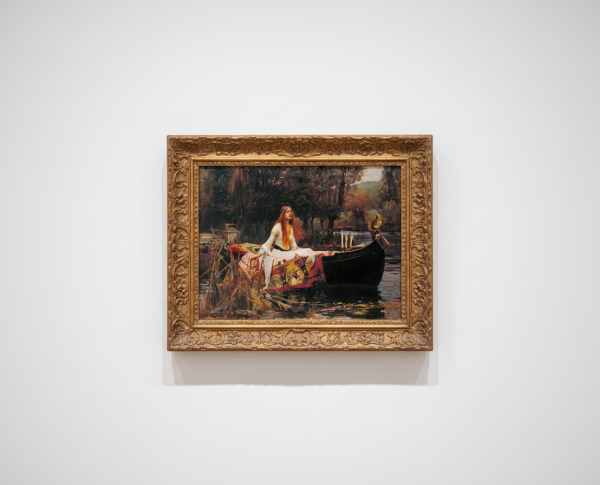
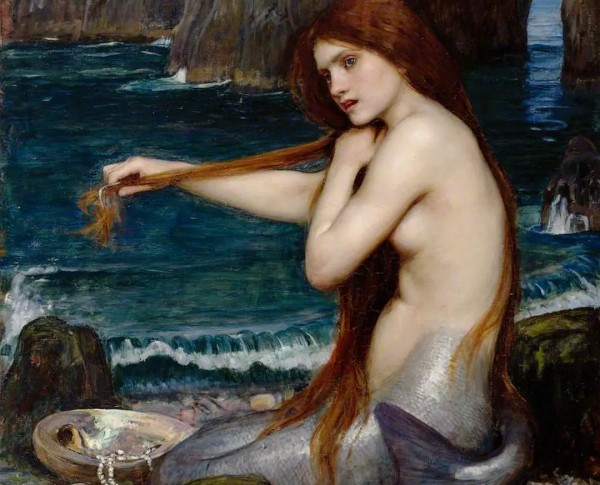
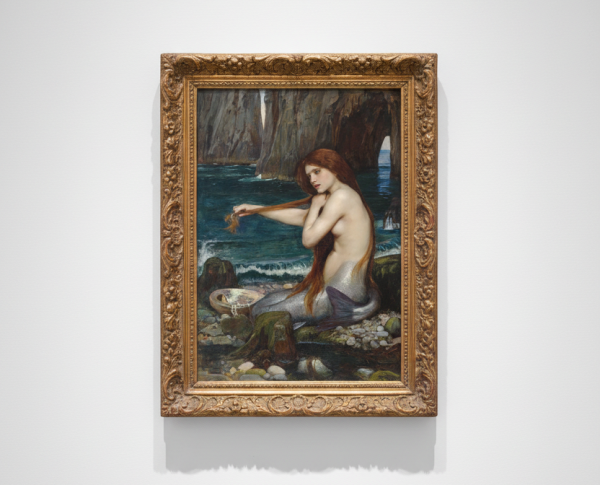
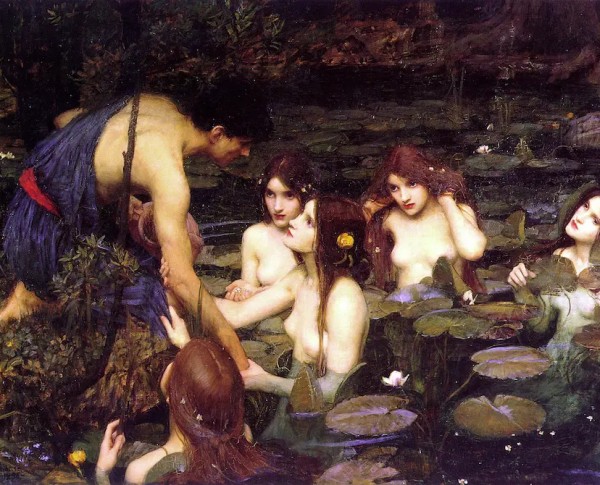
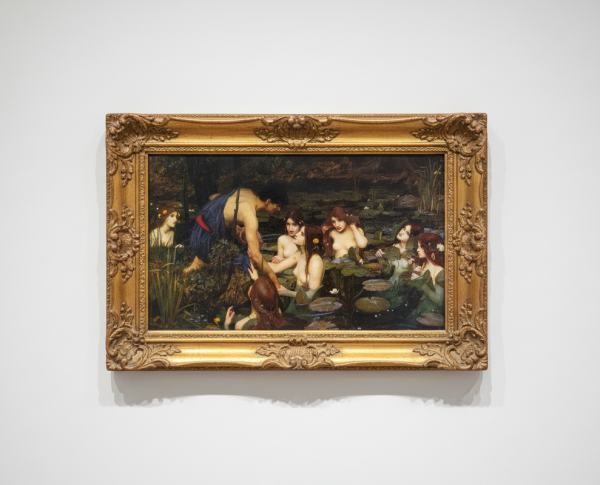
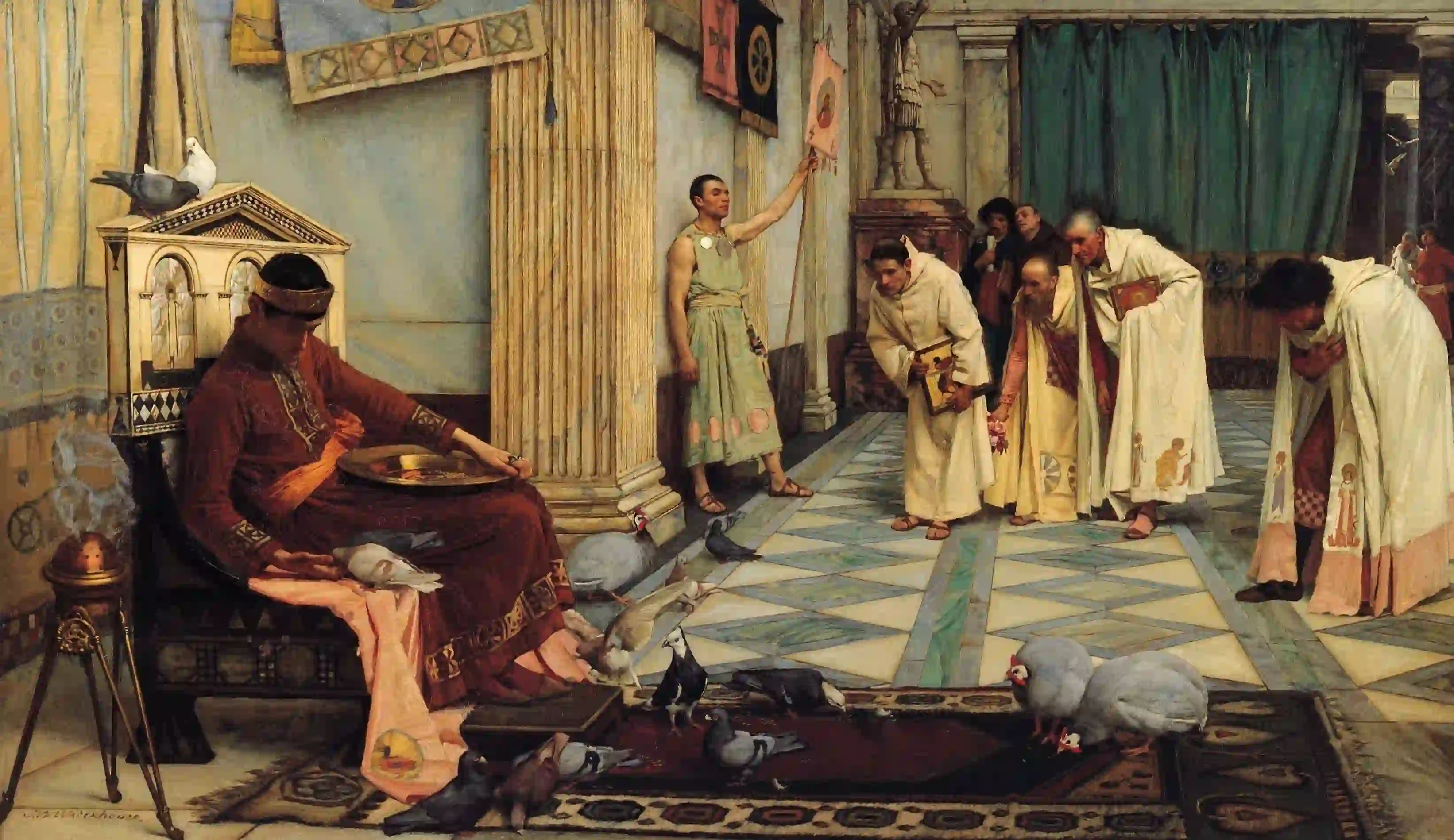
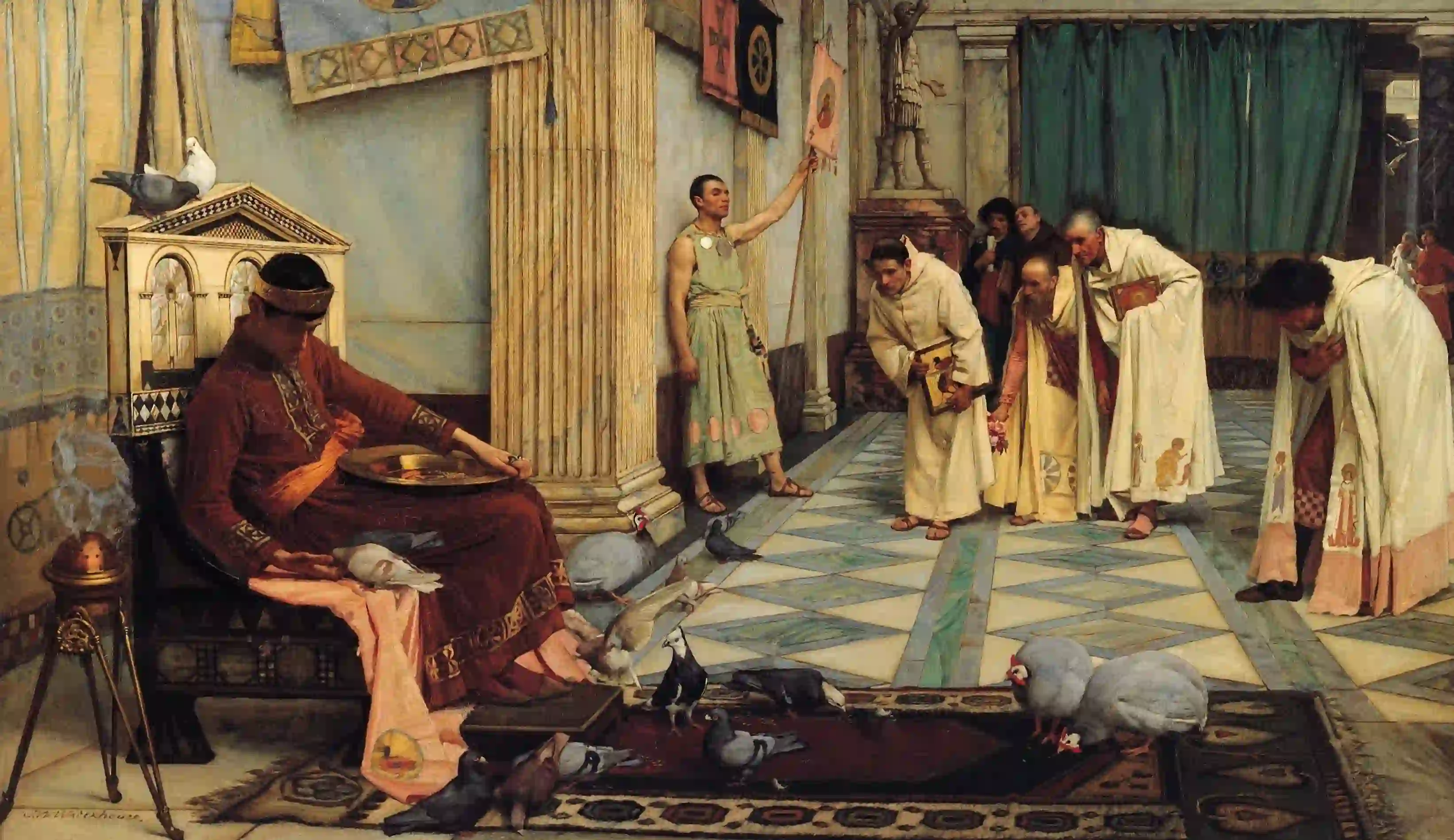
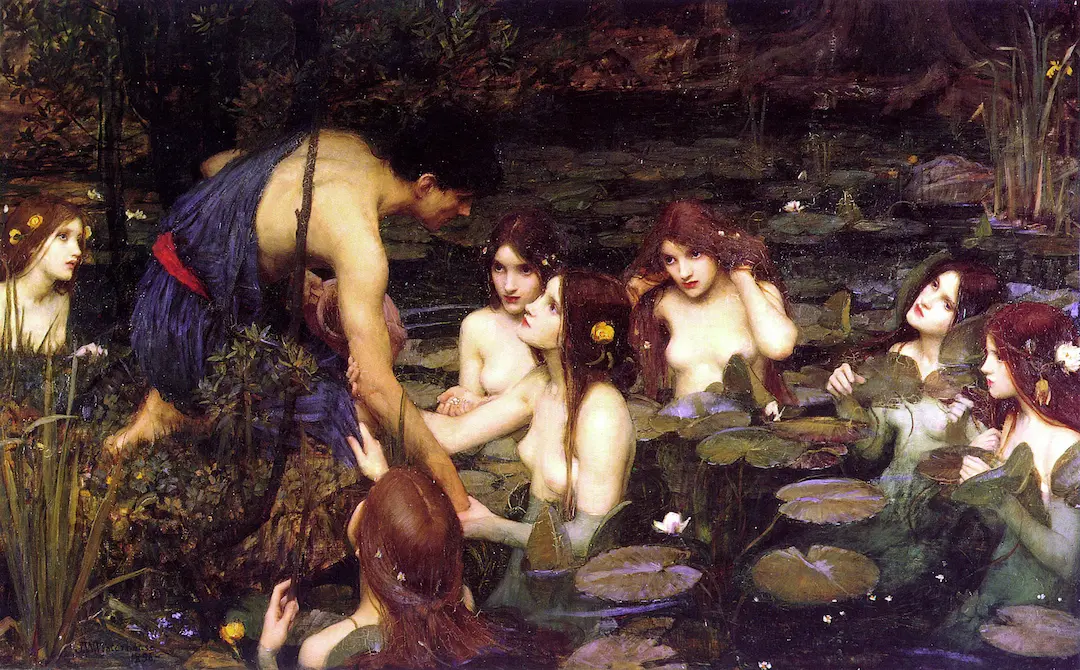
John William Waterhouse's "The Favourites of Emperor Honorius" exemplifies the exquisite technique inherent in oil on canvas masterpieces. Waterhouse’s artistry shines through meticulous brushwork, vibrant colors, and emotive expressions, hallmarks of the Pre-Raphaelites. This painting, like “Hylas and the Nymphs 1896” and “In the Peristyle,” showcases the artist’s command of the medium, rendering each figure and element with remarkable clarity and depth, making it a quintessential example of 19th-century artistic excellence.
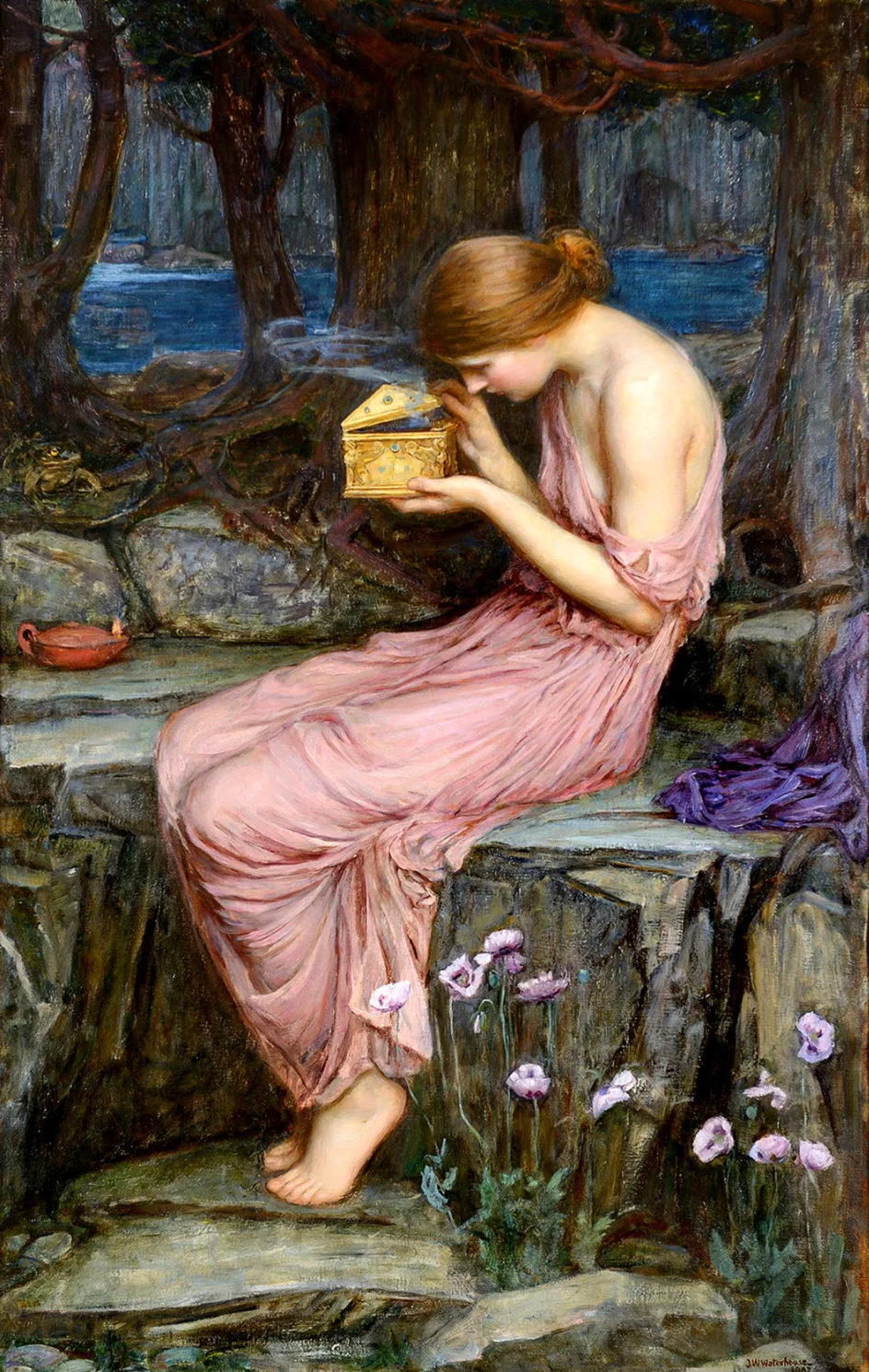
Every detail in "The Favourites of Emperor Honorius" is imbued with symbolic meaning and narrative depth, hallmarks of Waterhouse’s approach to fine art painting for sale. The depiction of the emperor’s cherished birds surrounded by courtiers tells a story of isolation and distraction, themes often explored in the Pre-Raphaelites movement. This narrative-rich style is echoed in Waterhouse’s other works like “Psyche Opening the Golden Box 1903” and “The Unwelcome Companion,” inviting viewers to interpret the layers within each scene.
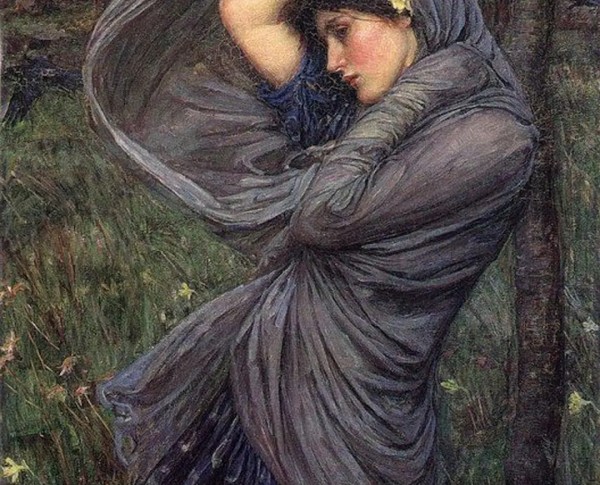
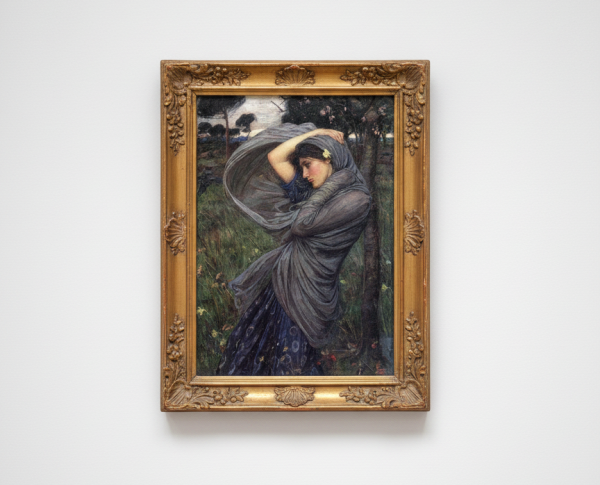
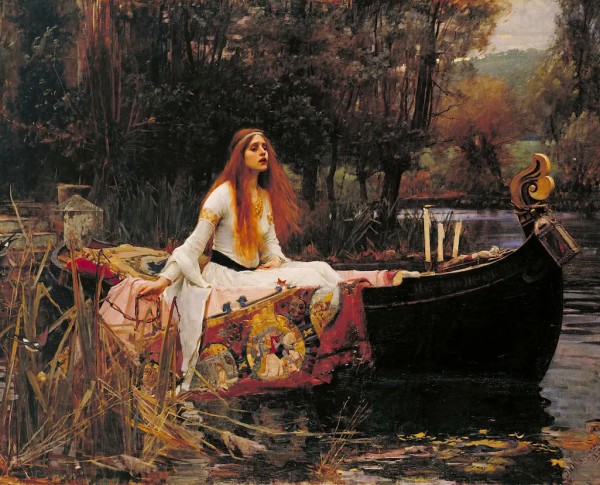
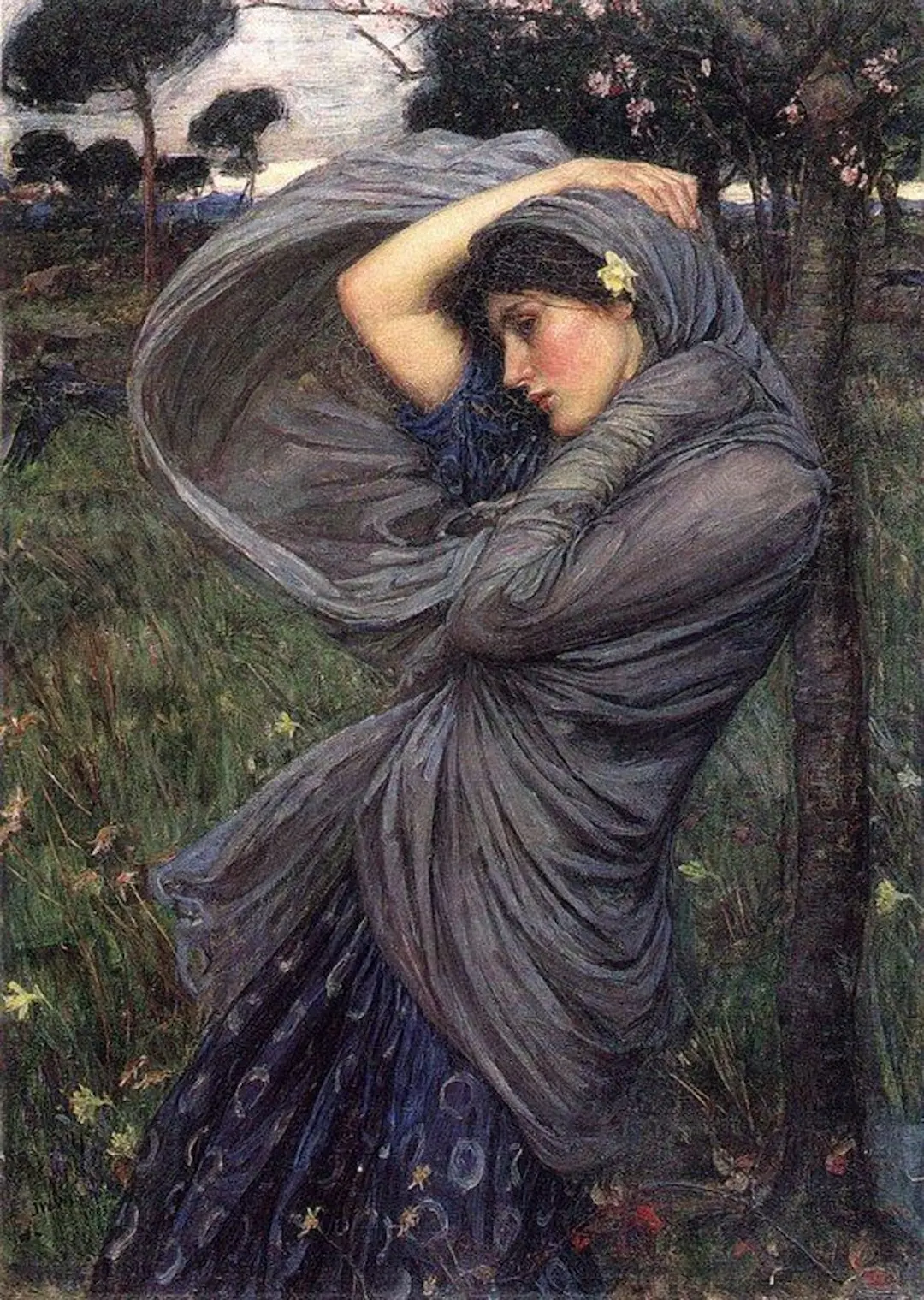
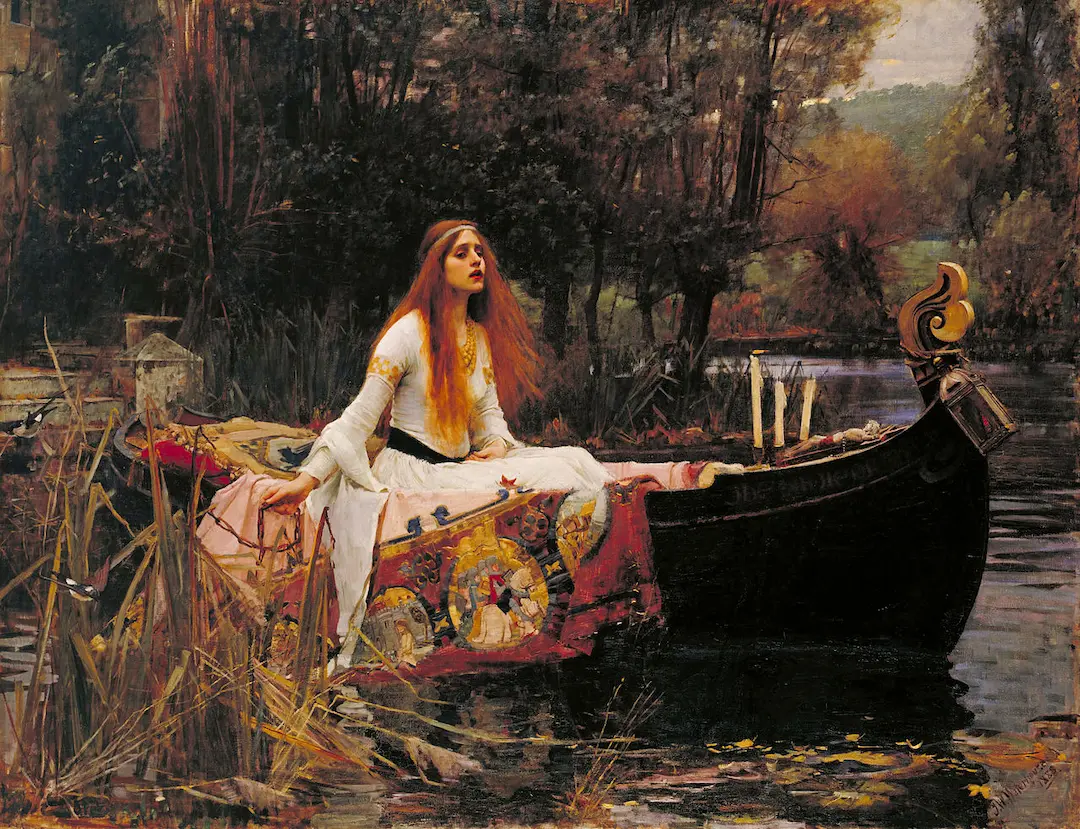
Owning "The Favourites of Emperor Honorius" is a rare opportunity for those seeking a distinguished fine art painting for sale. This masterpiece by John William Waterhouse, a leading figure in the Pre-Raphaelites, enhances any art collection with its historical significance and visual splendor. Collectors also admire related products such as “Boreas 1903” and “The Lady of Shalott 1888,” each reflecting Waterhouse’s timeless appeal and the movement’s dedication to beauty and storytelling in oil on canvas.
When Art Meets History
John William Waterhouse’s "The Favourites of Emperor Honorius" is a masterful hand-painted oil painting that transports viewers to the decadence of late Roman history. As a hallmark of the Pre-Raphaelites movement, this artwork captures Emperor Honorius indulging his pet birds while neglecting affairs of state. Waterhouse, also known for "Portrait of the Artist's Husband Henry with a Pipe" and "Luna," uses historical themes to explore human nature, blending narrative depth with stunning visual detail.
Techniques That Speak
Utilizing the timeless medium of oil on canvas, Waterhouse demonstrates the Pre-Raphaelites' dedication to vivid color and meticulous technique in "The Favourites of Emperor Honorius." Each brushstroke in this painting reveals his mastery, similar to his work in "Right Reverend Talbot" and "Piping Shepherd." The layered textures and luminous hues create a lifelike scene, inviting viewers to appreciate the technical prowess that defines this era’s fine art painting for sale.
Emotions on Display
Waterhouse’s "The Favourites of Emperor Honorius" is more than a hand-painted oil painting; it is an exploration of emotion and isolation. The emperor’s detachment from his advisors, mirrored by his affection for his birds, is rendered with sensitive detail, reminiscent of the emotional depth in "Love Locked Out." Through expressive faces and postures, Waterhouse, a leading figure in the Pre-Raphaelites movement, captures the subtle complexities of human relationships and imperial loneliness.
Coveted by Collectors
"The Favourites of Emperor Honorius" stands as a fine art painting for sale that is highly sought after by collectors of Pre-Raphaelites masterpieces. John William Waterhouse’s oil on canvas works, including "Luna" and "Love Locked Out," are celebrated for their historical themes and captivating execution. This painting’s unique blend of narrative, technique, and emotional resonance ensures its place among the most cherished treasures in the world of classic art collecting.
Related Pre-Raphaelites Hand-Painted Oil Paintings by Other Artists
Other Famous Pre-Raphaelites Artists:
Frequently Asked Questions About The favourites of Emperor Honorius
What historical context influenced "The favourites of Emperor Honorius"?
This painting reflects the late Roman Empire's complex political and cultural landscape, particularly during the reign of Emperor Honorius, who ruled from 393 to 423 AD. The work captures the tension between power and decadence that characterized this period.
Who was Emperor Honorius, and why is he significant in art history?
Emperor Honorius was the Western Roman Emperor known for his reign during a tumultuous time marked by the decline of the Roman Empire. His significance in art history stems from his portrayal in various artworks, including this painting, which illustrates the themes of authority and vulnerability in leadership.
What artistic techniques did John William Waterhouse employ in this painting?
Waterhouse utilized a combination of classical realism and romanticism, employing rich colors and detailed textures to create a vivid representation of the figures. His use of light and shadow enhances the emotional depth and narrative quality of the scene.
What symbols are present in "The favourites of Emperor Honorius"?
The painting features various symbols, such as the laurel wreath, which represents victory and honor, and the opulent garments worn by the figures, symbolizing wealth and status. These elements collectively convey the themes of power and the ephemeral nature of glory.
How does the composition of the painting contribute to its meaning?
The composition is carefully arranged to draw the viewer's eye towards the central figures, emphasizing their importance. The use of diagonal lines and overlapping forms creates a sense of depth and movement, enhancing the narrative tension within the artwork.
What is the significance of the figures depicted in the painting?
The figures in the painting represent the favorites of Emperor Honorius, highlighting the themes of favoritism and the personal relationships that influenced political decisions during his reign. Their expressions and postures convey a sense of intimacy and intrigue.
In what ways does this painting reflect the values of the Victorian era?
"The favourites of Emperor Honorius" reflects Victorian values through its emphasis on moral lessons and the exploration of historical themes. The Victorian era was characterized by a fascination with classical antiquity, and Waterhouse's work embodies this interest while also addressing contemporary social issues.
What role does color play in the emotional impact of the painting?
Color plays a crucial role in conveying the emotional tone of the painting. The rich, warm hues evoke a sense of luxury and passion, while cooler tones in the background create a contrast that heightens the drama of the central figures, enhancing the viewer's emotional engagement.
How does "The favourites of Emperor Honorius" compare to other works by John William Waterhouse?
This painting shares thematic similarities with other works by Waterhouse, such as his focus on mythological and historical subjects. However, it stands out due to its specific historical context and the portrayal of political dynamics, showcasing Waterhouse's versatility as an artist.
What impact did "The favourites of Emperor Honorius" have on contemporary audiences?
Upon its release, the painting garnered attention for its dramatic portrayal of historical figures and its intricate details. It sparked discussions about the nature of power and the influence of personal relationships in politics, resonating with contemporary audiences who grappled with similar themes in their own society.























_GFM_Painting_(1).webp)


 100% Hand-Painted: Finished in 3-6 Weeks

.png)















_(1).webp)