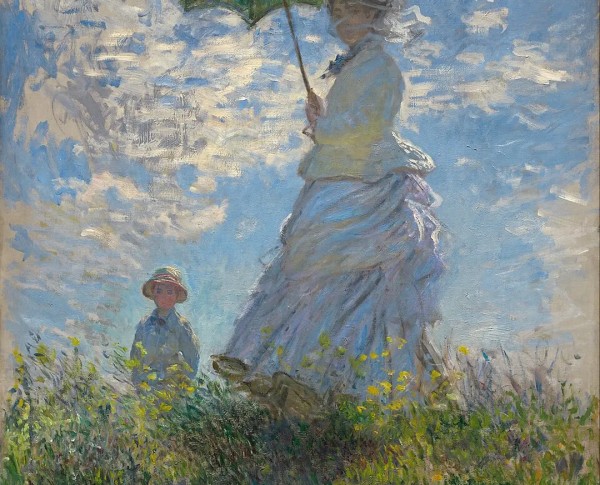
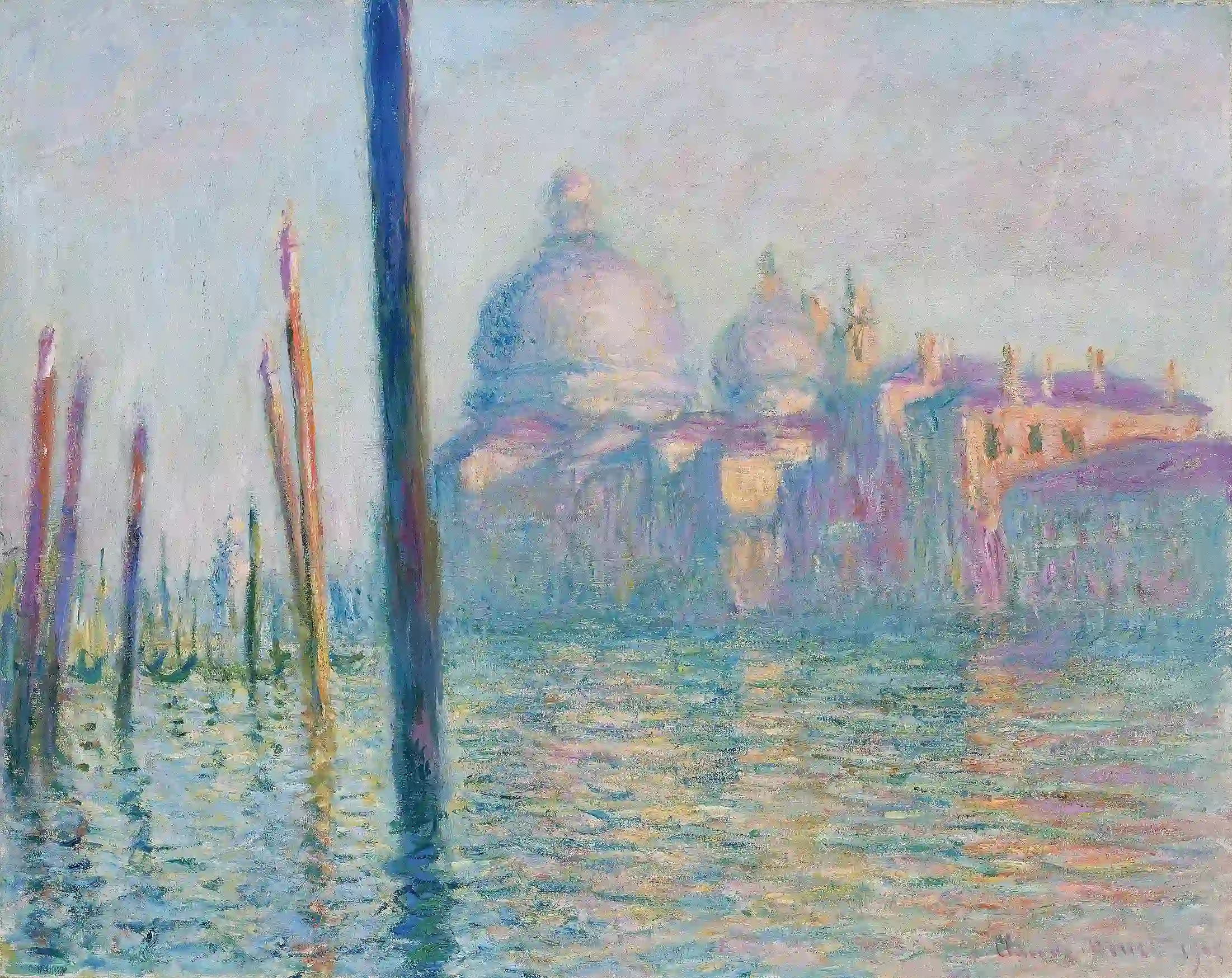
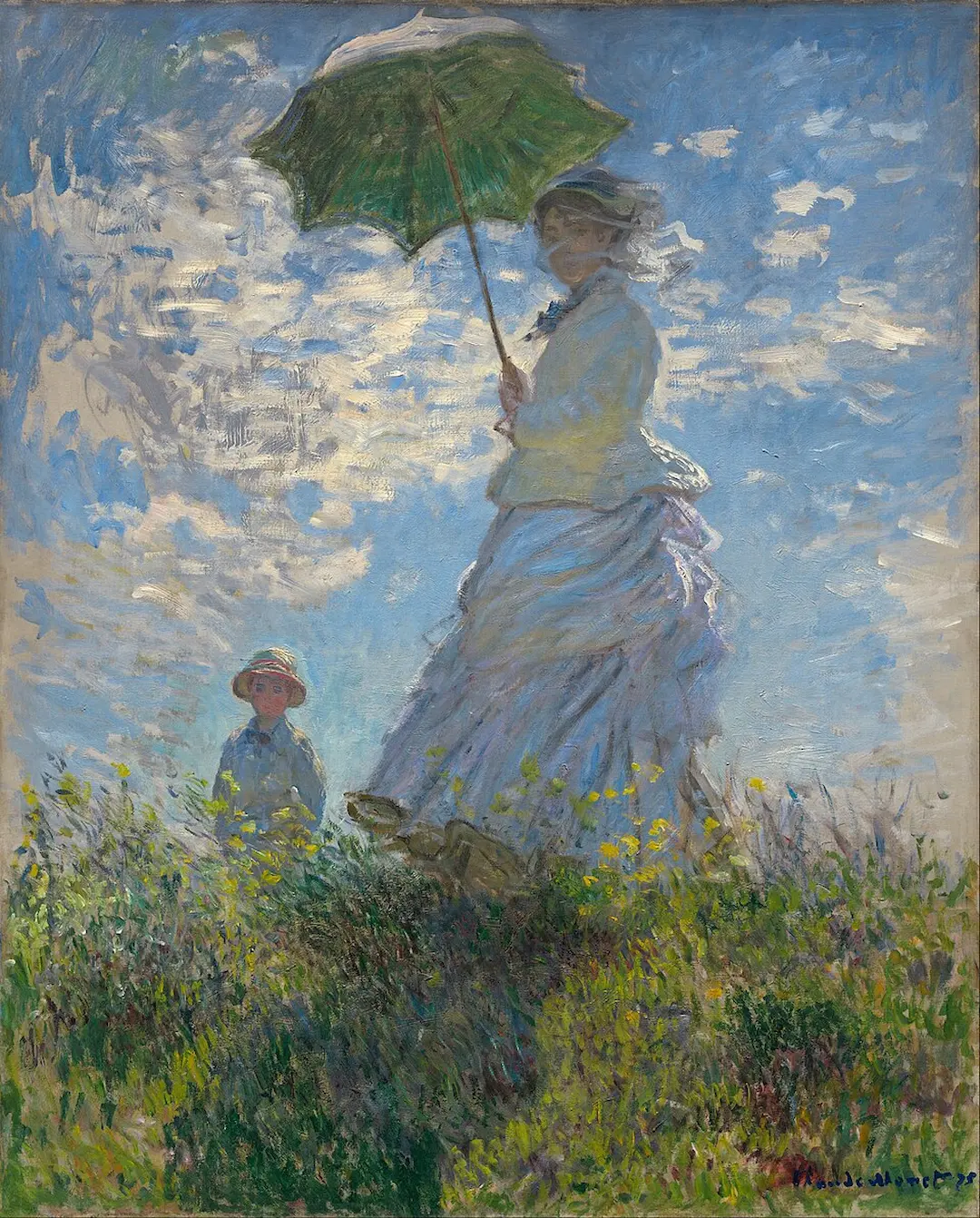
Claude Monet’s "Le Grand Canal, Venice" showcases his unmatched expertise in oil on canvas, blending vibrant hues and fluid brushwork to evoke the city’s shimmering waterways. As a leading figure in Impressionism, Monet’s technique redefined the possibilities of landscape art. This work, along with others such as "The Walk Woman With A Parasol" and "Wild Poppies, Near Argenteuil," continues to inspire admirers of fine art painting for sale across the globe.
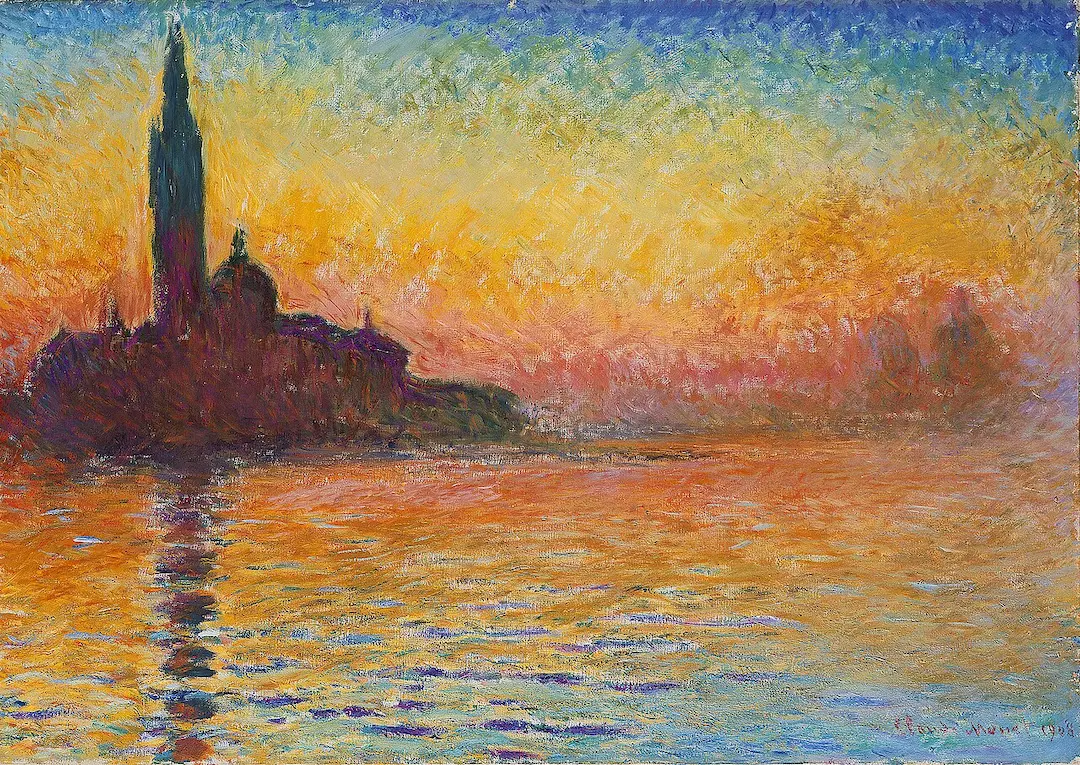
In "Le Grand Canal, Venice," Monet weaves stories of light, water, and city life, using his signature Impressionist style. The painting’s symbolic interplay of reflection and movement invites viewers to experience Venice’s magic firsthand. As a fine art painting for sale, it resonates with those who cherish the narrative depth in Impressionism, echoing the charm found in "Le Dejeuner sur lherbe" and "San Giorgio Maggiore At Dusk"—both celebrated works by Monet.
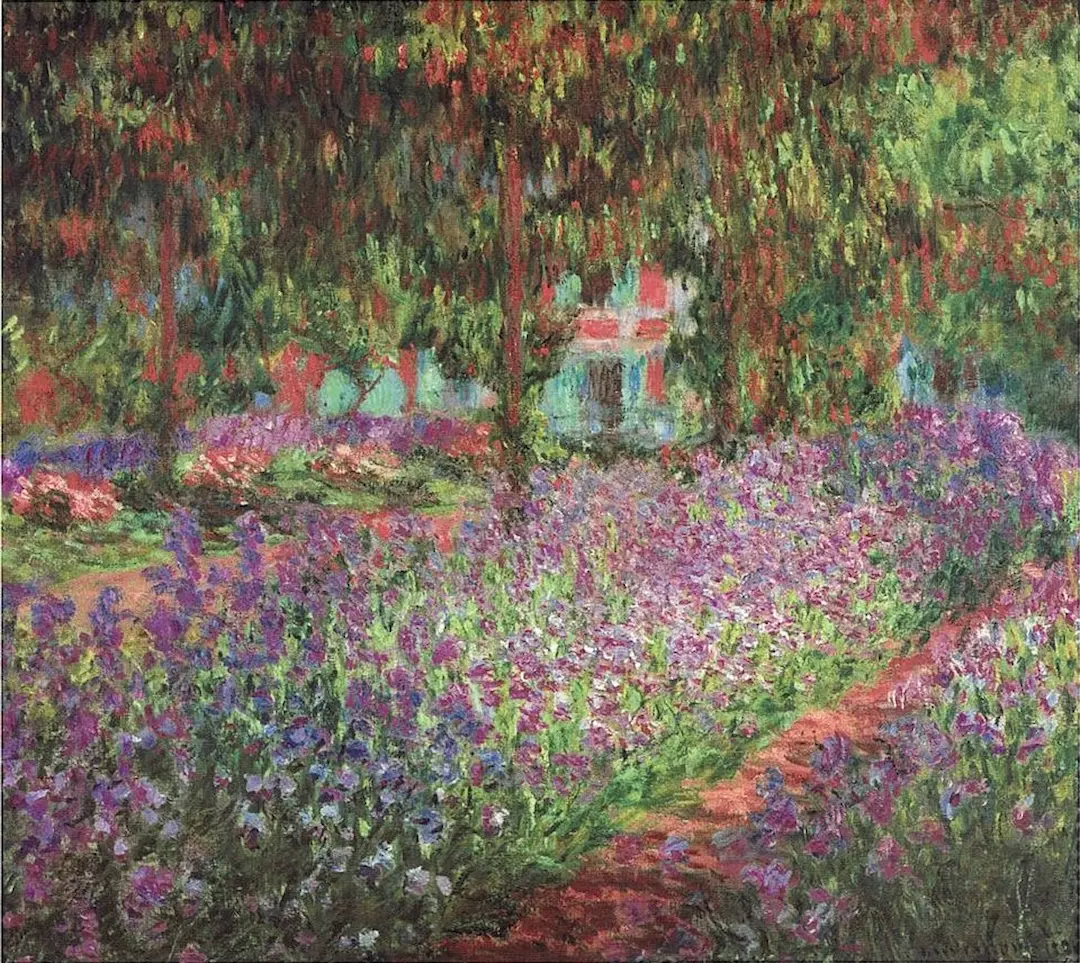
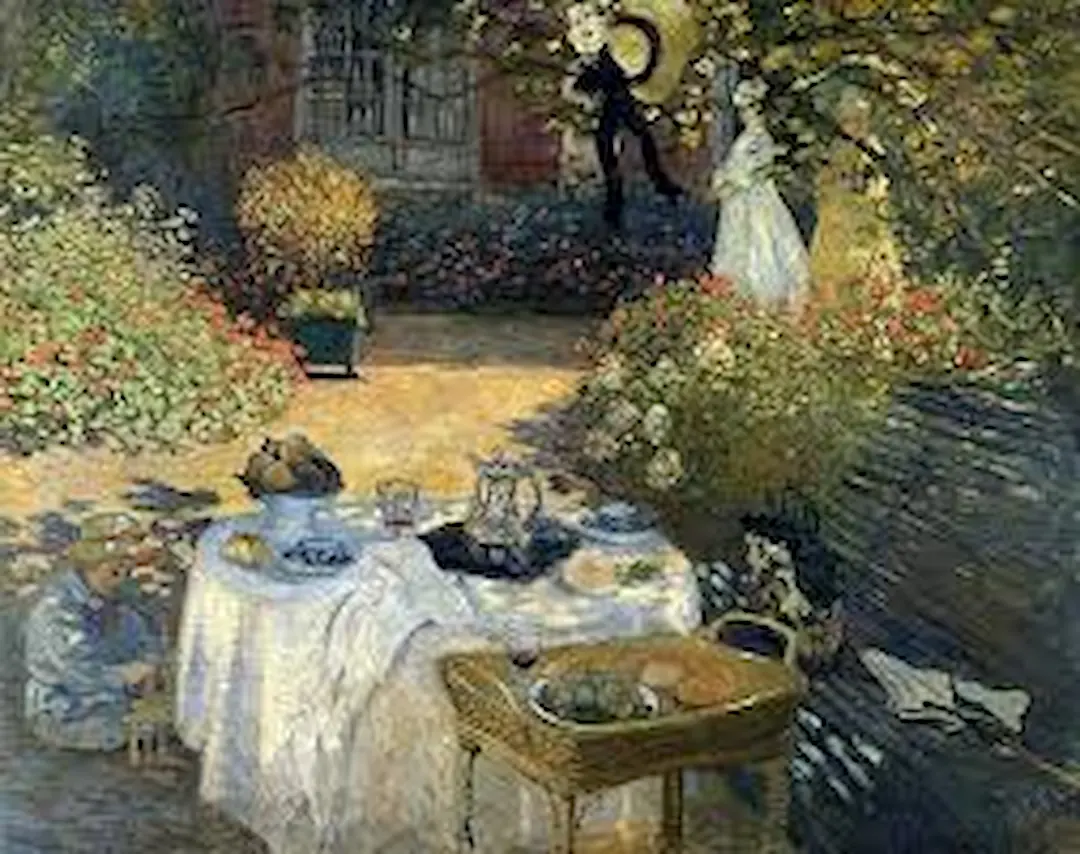
Owning "Le Grand Canal, Venice" is a dream for any collector seeking an authentic piece of art history. This hand-painted oil painting by Claude Monet embodies the essence of the Impressionism movement and remains a highly sought-after fine art painting for sale. Collectors often pair it with related Monet works like "The Luncheon (Monet's Garden At Argenteuil)" or "Irises In Monets Garden," creating a distinguished showcase of Impressionist brilliance.
When Art Meets History
"Le Grand Canal, Venice" by Claude Monet is a masterpiece from the Impressionism movement, capturing the vibrant life of Venice in the early 20th century. This hand-painted oil painting reflects Monet’s fascination with light and water, making it a pivotal work in his Venice series. Alongside related paintings like "Sad Inheritance" and "Les raboteurs de parquet," Monet’s depiction of the Grand Canal immortalizes a historical moment when art and the city’s unique atmosphere beautifully converged.
Techniques That Speak
Monet’s signature brushwork in "Le Grand Canal, Venice" demonstrates his Impressionist technique, utilizing rapid strokes and layered hues to evoke shimmering water and atmospheric light. The use of oil on canvas enables the artist to blend and contrast colors, enhancing the painting’s dynamic feel. This technique can also be seen in related works such as "Young Girls in Black" and "By the Seashore," all hallmarks of the Impressionism movement’s dedication to capturing fleeting moments.
Emotions on Display
The luminous palette and fluid forms in Monet’s "Le Grand Canal, Venice" evoke a sense of serenity and wonder, inviting viewers to experience Venice through the artist’s eyes. This fine art painting for sale stirs emotion by capturing the interplay of architecture and water, a motif also explored in "After a Bath. Woman Drying the Back of her Neck." Monet’s Impressionist style infuses each scene with mood, making his works deeply resonant and evocative.
Coveted by Collectors
As a celebrated piece in the Impressionist movement, "Le Grand Canal, Venice" by Claude Monet is highly sought after by collectors and museums worldwide. The allure of owning an original oil on canvas from Monet’s Venice series rivals that of acquiring masterpieces like "Sad Inheritance" or "Les raboteurs de parquet." The painting’s historical significance and exquisite technique have cemented its status as a prized fine art painting for sale in today’s art market.
Related Impressionism Hand-Painted Oil Paintings by Other Artists
Other Famous Impressionism Artists:
Frequently Asked Questions About Le Grand Canal, Venice
What is the historical context of "Le Grand Canal, Venice"?
"Le Grand Canal, Venice" was painted by Claude Monet in 1908 during his visit to Venice, a city that captivated many artists of the Impressionist movement. This period marked a significant evolution in Monet's style, as he sought to capture the effects of light and atmosphere in a rapidly changing world.
What artistic techniques did Monet use in this painting?
Monet employed loose brushwork and a vibrant color palette to convey the shimmering reflections on the water and the atmospheric effects of light. His technique of layering colors allowed for a dynamic interplay between the sky, water, and architecture, characteristic of his Impressionist style.
What is the significance of the Grand Canal in Venice?
The Grand Canal is the main waterway in Venice and serves as a vital artery for the city's transportation and commerce. In art, it symbolizes the beauty and uniqueness of Venice, often representing the interplay between nature and human architecture.
How does "Le Grand Canal, Venice" reflect Impressionist ideals?
This painting exemplifies Impressionist ideals by focusing on the effects of light and color rather than precise details. Monet's emphasis on capturing a fleeting moment in time aligns with the movement's goal of portraying the sensory experience of a scene.
What emotions does Monet evoke in "Le Grand Canal, Venice"?
Monet evokes a sense of tranquility and wonder through his depiction of the serene canal and the soft interplay of light. The painting invites viewers to experience the beauty of Venice, evoking feelings of nostalgia and appreciation for the natural world.
What role did Venice play in Monet's artistic journey?
Venice served as a source of inspiration for Monet, offering a new palette of colors and light conditions. His time in the city allowed him to explore new techniques and themes, further developing his artistic vision and contributing to the evolution of Impressionism.
What elements in the painting symbolize the passage of time?
The reflections in the water and the changing light conditions throughout the day symbolize the passage of time. Monet's choice to capture this moment emphasizes the transient nature of both the scene and life itself, a common theme in his work.
How does "Le Grand Canal, Venice" compare to Monet's other works?
Compared to his earlier works, "Le Grand Canal, Venice" showcases a more refined technique and a heightened sensitivity to light and color. It reflects Monet's maturity as an artist and his ongoing exploration of the relationship between environment and perception.
What impact did "Le Grand Canal, Venice" have on later artists?
The painting influenced later generations of artists by demonstrating the power of color and light in conveying emotion and atmosphere. Monet's innovative approach inspired movements such as Post-Impressionism and Modernism, encouraging artists to explore new ways of seeing and representing the world.
What is the legacy of "Le Grand Canal, Venice" in the art world?
"Le Grand Canal, Venice" remains a significant work in the art world, celebrated for its beauty and technical mastery. It continues to be studied and admired for its contribution to the Impressionist movement and its enduring influence on contemporary art.






















_GFM_Painting_(1).webp)


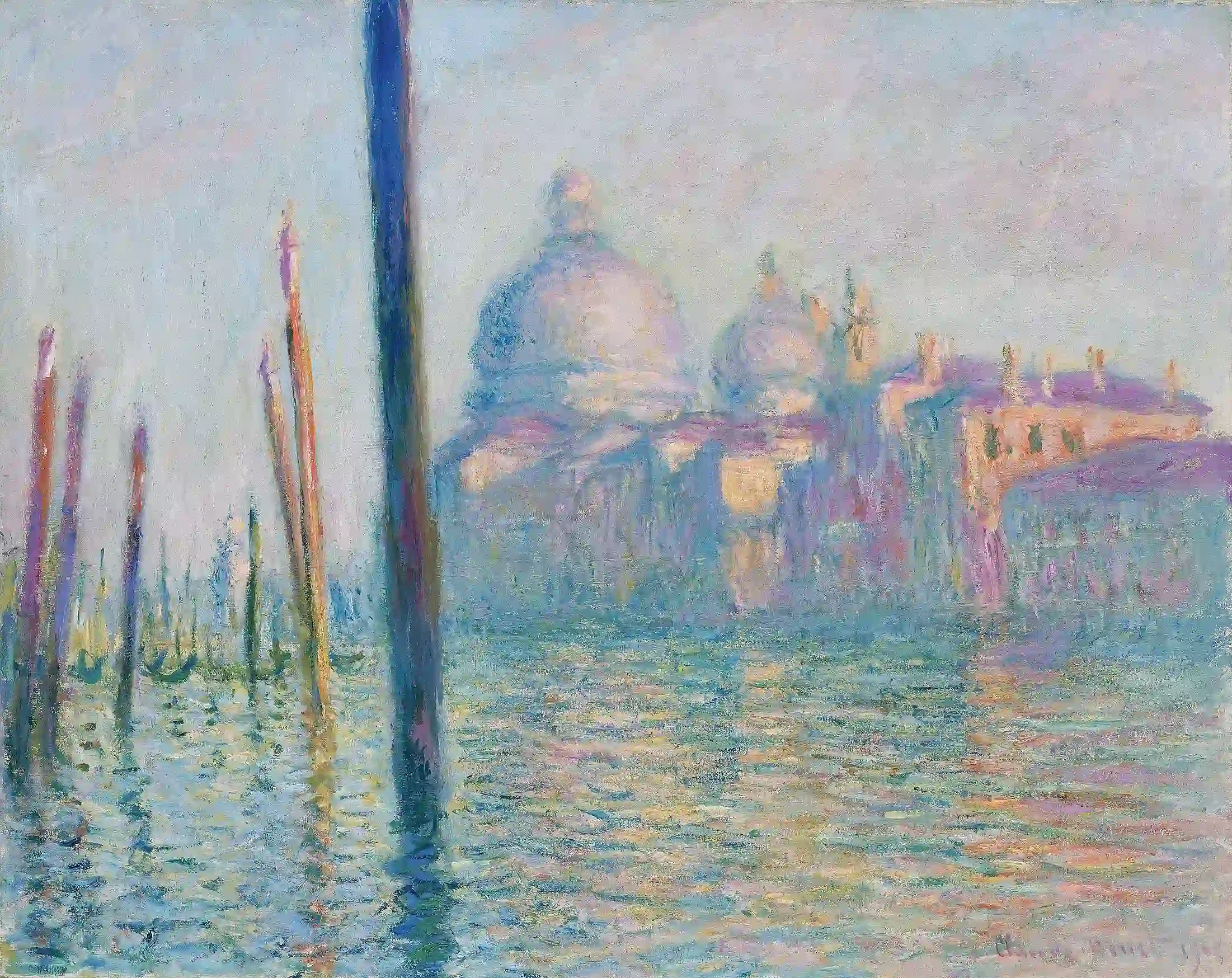
 100% Hand-Painted: Finished in 3-6 Weeks

.png)















_(1).webp)