When Art Meets History
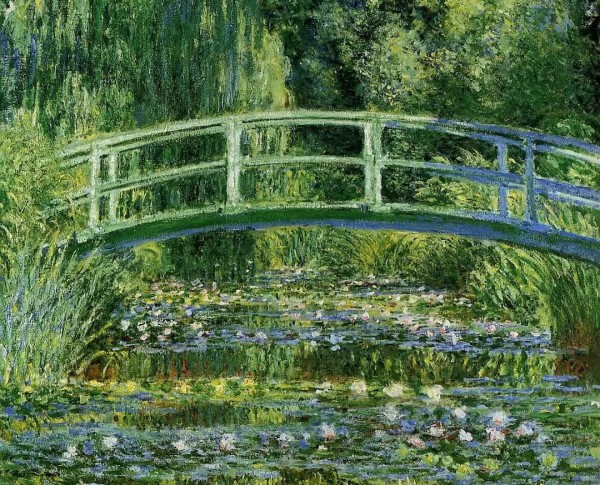
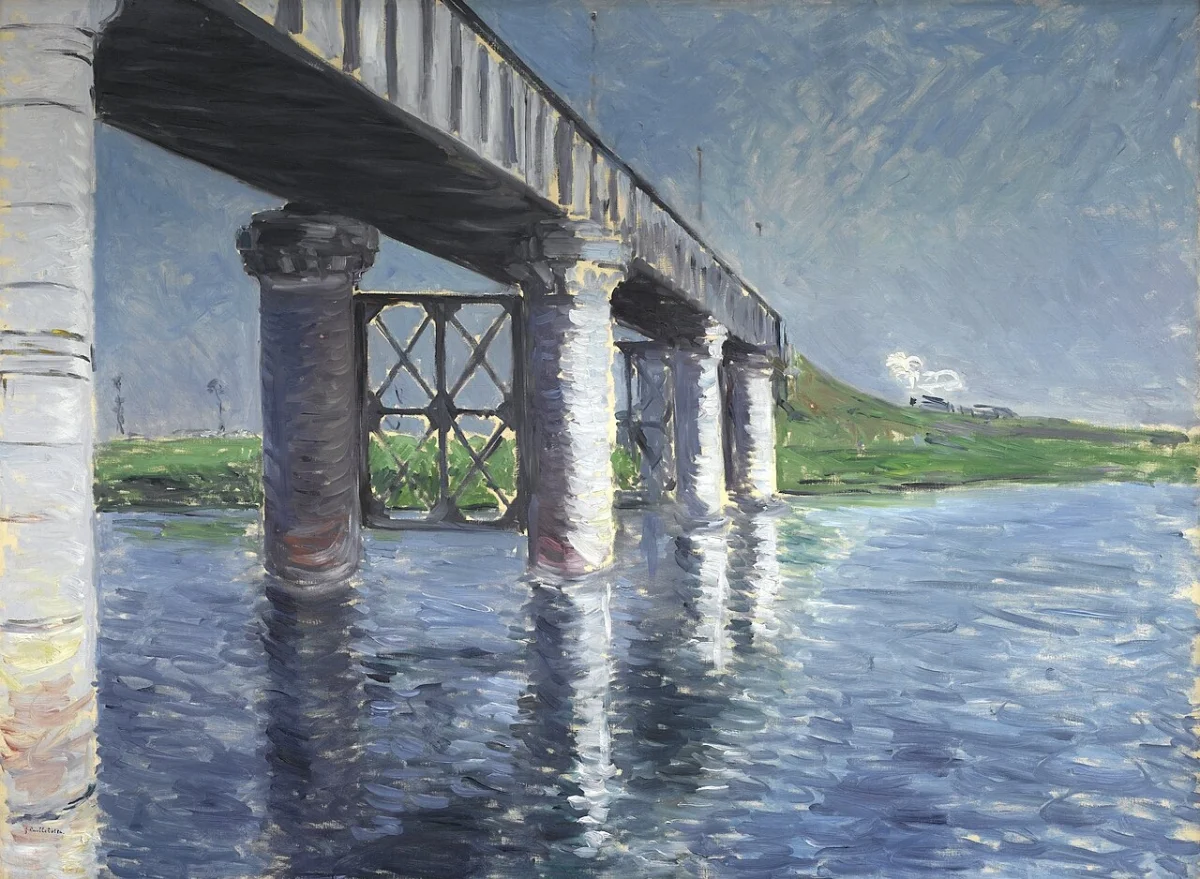
Claude Monet’s renowned painting, Le Pont D'argenteuil, stands as a testament to the Impressionism movement’s revolutionary spirit. Created in the late 19th century, this hand-painted oil painting captures the bustling life around the Argenteuil bridge, a motif Monet revisited often. Like his contemporaries with works such as Le Pont de l'Europe and Les raboteurs de parquet, Monet’s art immortalizes moments of modernity, making each canvas a vibrant piece of history.
Techniques That Speak
Monet’s mastery of oil on canvas is evident in Le Pont D'argenteuil, where his loose brushwork and luminous palette bring the Seine’s shimmering waters to life. The Impressionist technique, also seen in paintings like A Girl with a Watering Can, allows light and color to dance across the surface. Monet’s skillful layering and deft touch make this piece a remarkable example of how oil on canvas can evoke atmosphere and fleeting moments.
Emotions on Display
Le Pont D'argenteuil evokes a sense of tranquility and fleeting beauty, hallmarks of the Impressionist movement. Monet’s depiction of sunlight glinting on water and everyday life near the bridge stirs feelings of nostalgia and peace, much like The Daughters of Catulle Mendès and Woman in Black do. This fine art painting for sale continues to move audiences, inviting viewers to experience the gentle rhythms of riverside Paris.
Coveted by Collectors
As with many Impressionist masterpieces, Le Pont D'argenteuil is highly sought after by art enthusiasts worldwide. Collectors value Monet’s original works and hand-painted oil painting reproductions for their historical significance and timeless beauty. Alongside related paintings such as Les raboteurs de parquet and Woman in Black, this fine art painting for sale remains a centerpiece in prestigious collections, symbolizing the enduring appeal of Impressionism.
Related Impressionism Hand-Painted Oil Paintings by Other Artists
Other Famous Impressionism Artists:
Frequently Asked Questions About . Le Pont D'argenteuil
What is the historical significance of . Le Pont D'argenteuil?
. Le Pont D'argenteuil is significant as it captures the essence of the Impressionist movement, showcasing Claude Monet's innovative approach to light and color in the late 19th century.
When was . Le Pont D'argenteuil painted?
This painting was created in 1874, during a pivotal time in Monet's career when he was establishing his unique style.
What techniques did Monet use in . Le Pont D'argenteuil?
Monet employed loose brushwork and a vibrant color palette to convey the effects of light on water and the atmosphere of the scene, characteristic of his Impressionist technique.
What does the bridge symbolize in . Le Pont D'argenteuil?
The bridge in the painting symbolizes connection and transition, reflecting the changes in society during the Industrial Revolution and the relationship between nature and modernity.
How does . Le Pont D'argenteuil reflect Impressionist ideals?
The painting exemplifies Impressionist ideals by focusing on the momentary effects of light and atmosphere rather than precise details, inviting viewers to experience the scene as a fleeting impression.
What elements of nature are depicted in . Le Pont D'argenteuil?
Monet captures the interplay of water, sky, and foliage, emphasizing the beauty of the natural landscape and its reflection in the river, which is central to the Impressionist aesthetic.
What was the public's reaction to . Le Pont D'argenteuil upon its release?
Upon its release, the painting received mixed reviews, as many traditional critics were not yet accustomed to the loose brushwork and unconventional style of Impressionism.
How does . Le Pont D'argenteuil compare to Monet's other works?
Compared to Monet's other works, . Le Pont D'argenteuil showcases his evolving style and mastery of capturing light, particularly in his later series of paintings focused on water and reflections.
What influences can be seen in . Le Pont D'argenteuil?
The painting reflects influences from Japanese art, particularly in its composition and use of color, which Monet admired and incorporated into his own work.
Where is . Le Pont D'argenteuil currently housed?
. Le Pont D'argenteuil is currently housed in the Musée d'Orsay in Paris, France, where it is part of a significant collection of Impressionist artworks.






















_GFM_Painting_(1).webp)


 100% Hand-Painted: Finished in 3-6 Weeks

.png)


















_(1).webp)