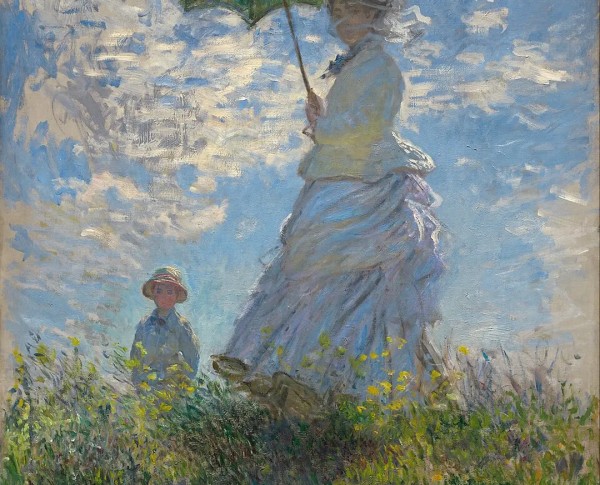
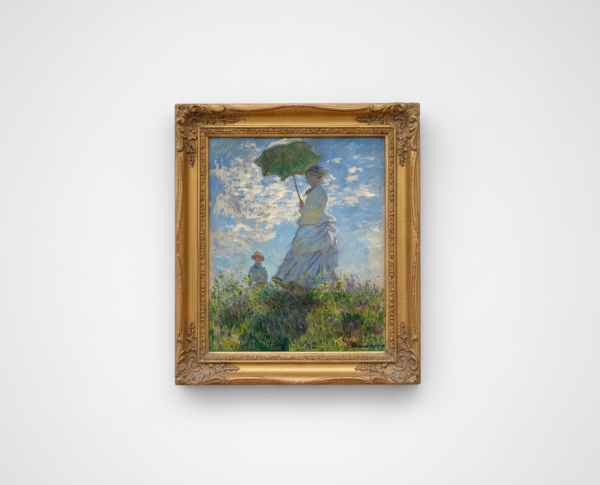
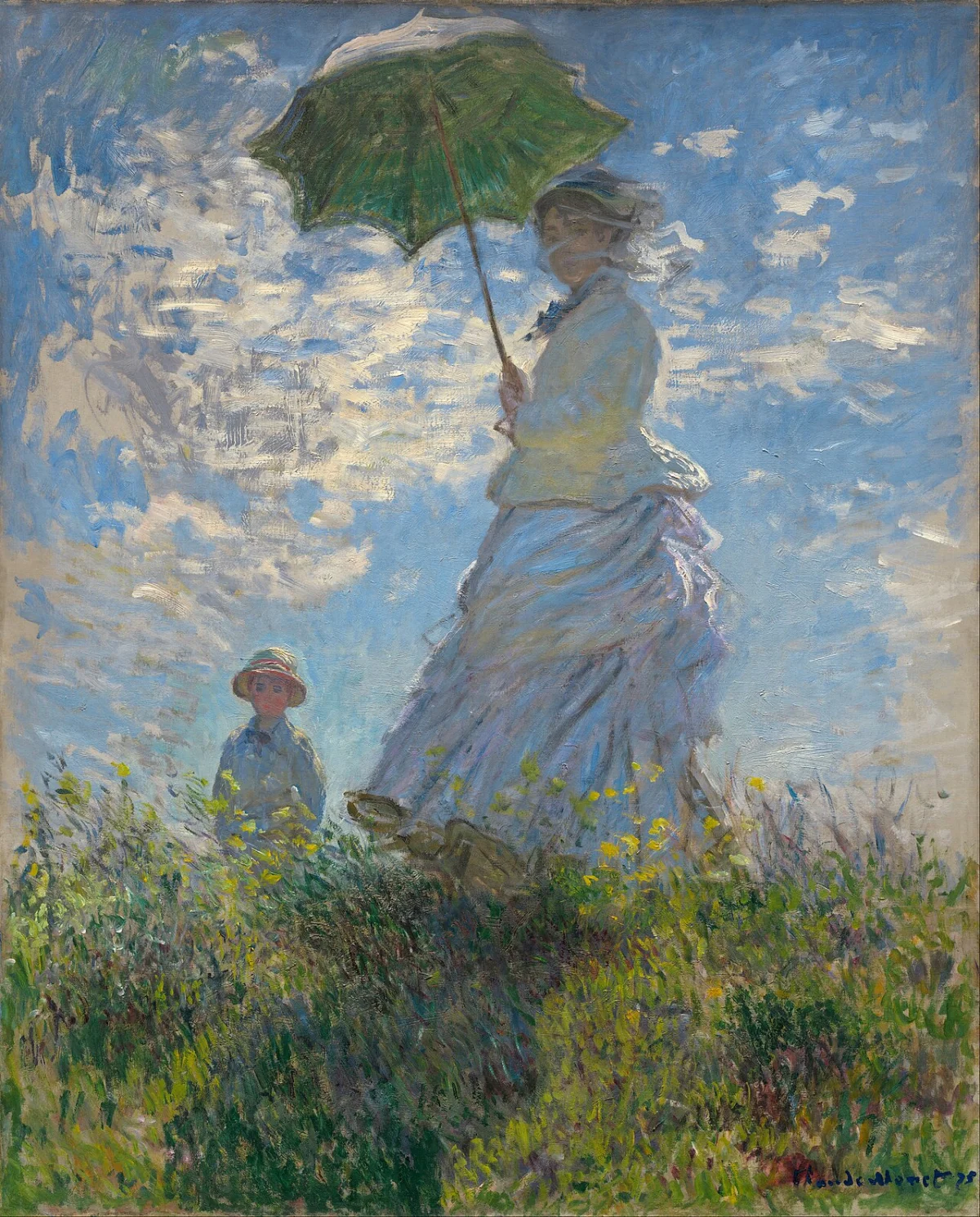
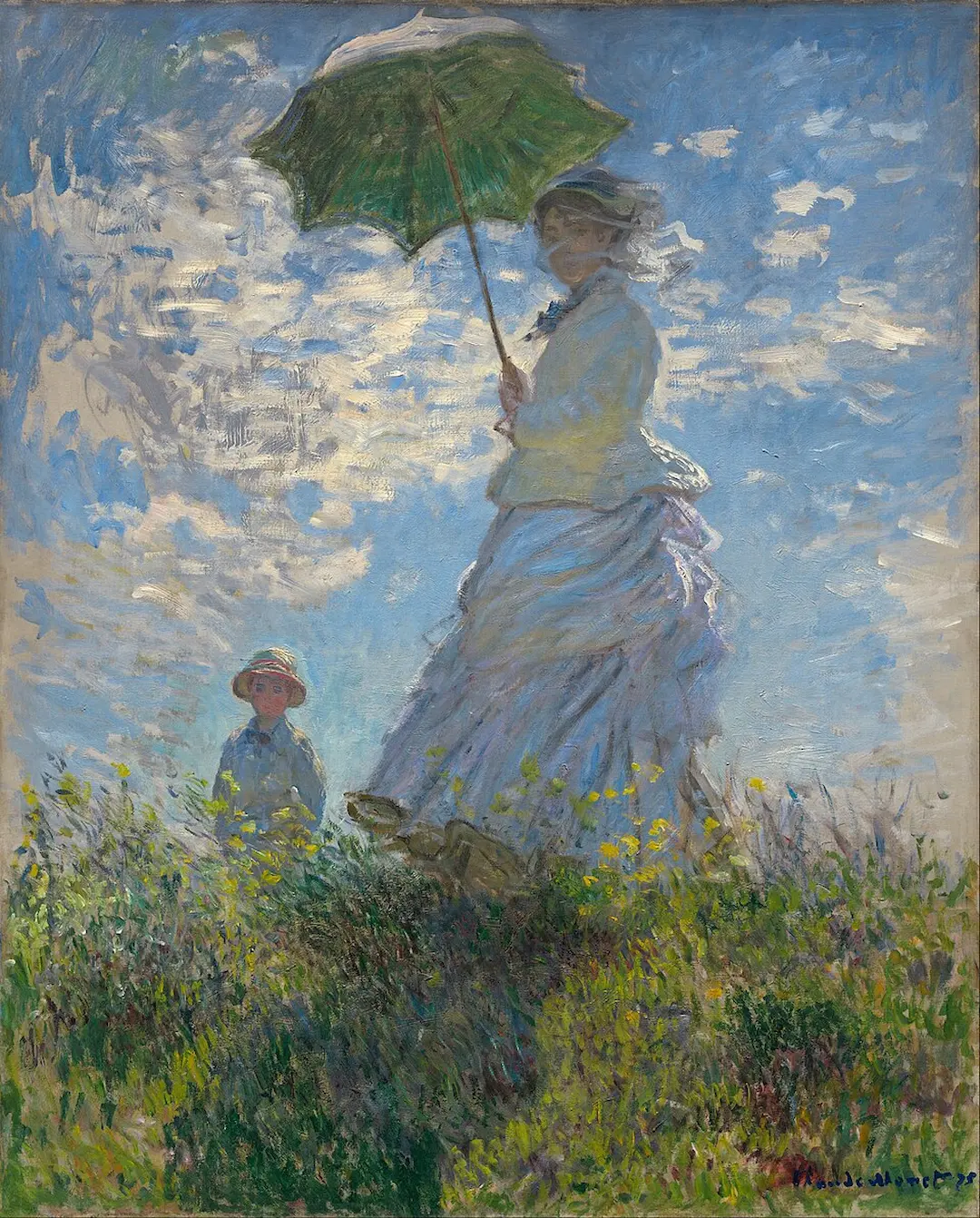
Monet’s "Woman With A Parasol Madame Monet And Her Son" exemplifies his expertise with oil on canvas, blending swift, expressive strokes to evoke movement and atmosphere. The artist’s technique in this Impressionist painting highlights his innovative approach to capturing light and shadow. Admirers of Monet’s style may also appreciate "View At Rouelles Le Havre" and "Road to the Saint-Simeon Farm," which demonstrate similar mastery and rich color palettes on canvas.
This fine art painting for sale is more than a picturesque scene; it tells a story of family, love, and the fleeting nature of time. Claude Monet painted his wife and son, embedding personal symbolism in the idyllic landscape. Impressionism’s focus on everyday life shines through, while related products like "La Pie" and "A Corner of the Studio" continue to explore themes of family, nature, and artistic inspiration in Monet’s unique visual language.
Owning "Woman With A Parasol Madame Monet And Her Son" as a hand-painted oil painting elevates any collection with its historical and artistic significance. Claude Monet’s work remains a pinnacle of the Impressionism movement, appealing to those who value both art and legacy. Collectors often seek complementary pieces such as "The Cliff Walk at Pourville" or "La Grenouillère" to expand their fine art painting for sale portfolios with other iconic Monet creations.
When Art Meets History
"Woman With A Parasol Madame Monet And Her Son" by Claude Monet is a remarkable example of the Impressionism movement. Painted in 1875, this hand-painted oil painting captures a fleeting moment in the lives of Monet’s wife and son. Much like his related works "Woman in Black" and "By the Seashore," Monet’s piece blends personal history with artistic innovation, making it an essential reference for anyone interested in the evolution of fine art during the late 19th century.
Techniques That Speak
The use of oil on canvas in "Woman With A Parasol Madame Monet And Her Son" demonstrates Monet’s mastery of light and movement. Brushstrokes are loose, vibrant, and purposeful, embodying the spirit of Impressionism. Similar techniques can be seen in "Les raboteurs de parquet" and "The Floor Scrapers 1875." Monet’s ability to create atmosphere and depth through color and texture elevates this painting and showcases his innovative approach to capturing everyday life.
Emotions on Display
Monet’s "Woman With A Parasol Madame Monet And Her Son" displays a sense of warmth, spontaneity, and familial love, hallmark emotions in many Impressionist works. This fine art painting for sale resonates with viewers due to its depiction of a gentle, sunlit moment. The emotional depth is akin to that found in "Le Café-concert aux ambassadeurs," inviting viewers to experience the fleeting beauty of ordinary scenes through Monet’s eyes.
Coveted by Collectors
As a celebrated hand-painted oil painting from the Impressionism movement, "Woman With A Parasol Madame Monet And Her Son" by Claude Monet is highly sought after by art collectors worldwide. Its enduring appeal is matched by related masterpieces such as "By the Seashore" and "Les raboteurs de parquet." The demand for such iconic works highlights the timeless allure and investment potential of owning a piece of art history.
Related Impressionism Hand-Painted Oil Paintings by Other Artists
Other Famous Impressionism Artists:
Frequently Asked Questions About Woman With A Parasol Madame Monet And Her Son
What is the historical context of "Woman With A Parasol Madame Monet And Her Son"?
This painting was created in 1875 during the Impressionist movement, a time when artists were exploring new techniques and subjects, focusing on capturing light and everyday moments.
Who are the subjects depicted in the painting?
The painting features Camille Monet, the artist's wife, holding a parasol, and their son, Jean Monet, who is playing in the grass. This intimate portrayal reflects the artist's personal life.
What artistic techniques did Monet use in this painting?
Monet employed loose brushwork and a vibrant color palette to convey the effects of sunlight and movement, characteristic of the Impressionist style. The dappled light creates a sense of immediacy and spontaneity.
What is the significance of the parasol in the artwork?
The parasol serves not only as a practical object but also as a symbol of femininity and leisure. It enhances the composition by adding a dynamic element and contrasts with the surrounding natural environment.
How does this painting reflect Monet's artistic philosophy?
Monet believed in capturing the fleeting moments of life and the beauty of nature. This painting exemplifies his desire to depict the interplay of light and color in a natural setting, emphasizing the transient qualities of the scene.
What role does color play in "Woman With A Parasol Madame Monet And Her Son"?
The use of bright, contrasting colors enhances the vibrancy of the scene, creating a sense of warmth and joy. The blues of the sky and greens of the grass complement the soft pastels of Camille's dress, contributing to the overall harmony of the composition.
In what way does this painting exemplify Impressionism?
This work exemplifies Impressionism through its focus on capturing a moment in time, use of light and color, and the depiction of everyday subjects. Monet's technique of painting en plein air (outdoors) is also a hallmark of the movement.
What is the composition of the painting like?
The composition is dynamic, with Camille positioned off-center and the diagonal lines of the parasol and grass creating movement. This arrangement draws the viewer's eye through the painting, enhancing the sense of depth and perspective.
How does this painting reflect the relationship between Monet and his family?
The intimate portrayal of his wife and son highlights Monet's personal connection to his subjects, showcasing his affection for his family. This familial theme is prevalent in many of his works, emphasizing the importance of personal experiences in his art.
What impact did "Woman With A Parasol" have on the art world?
This painting is considered a pivotal work in Monet's career, illustrating his mastery of light and color. It has influenced countless artists and remains a significant example of Impressionist art, celebrated for its innovative approach to depicting nature and human figures.






















_GFM_Painting_(1).webp)


 100% Hand-Painted: Finished in 3-6 Weeks

.png)















_(1).webp)