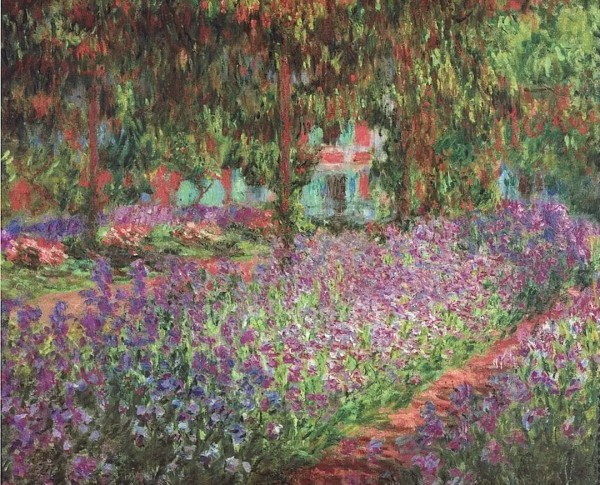
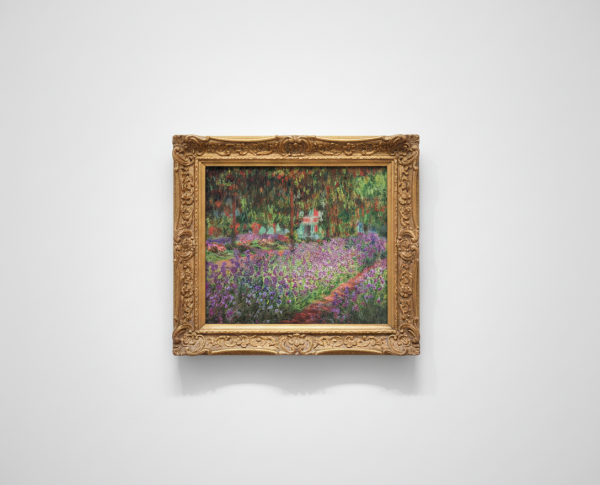
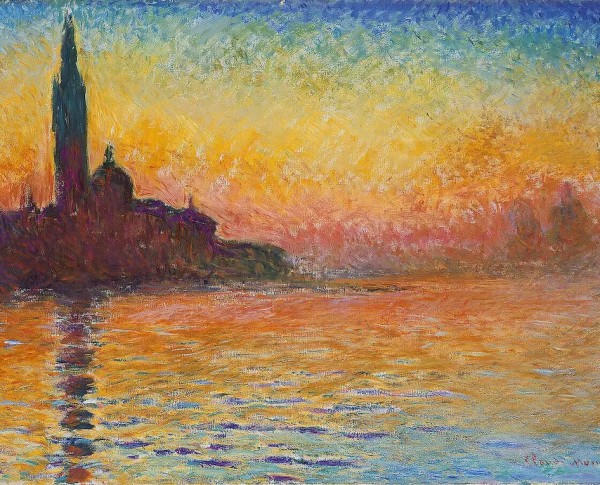
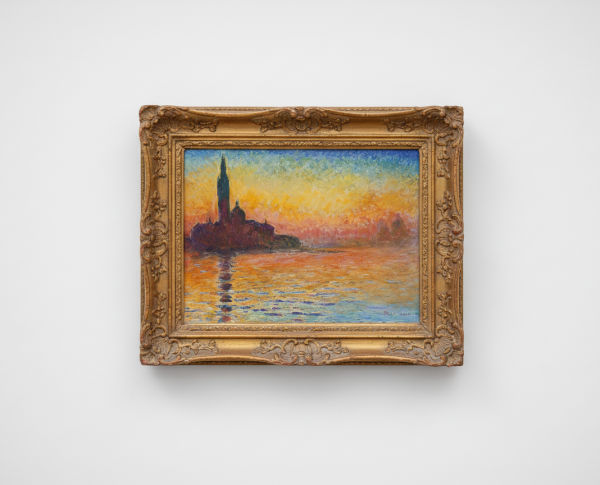
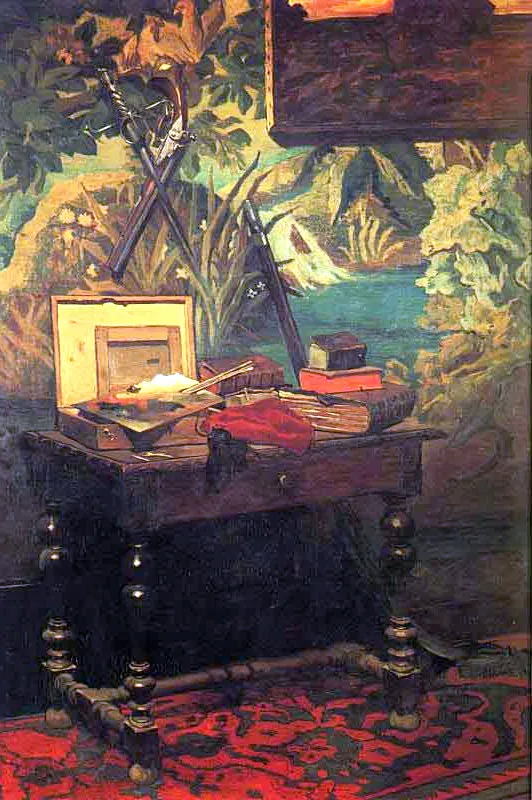
With "A Corner of the Studio," Monet demonstrates his exceptional skill with oil on canvas, using delicate brushwork and vibrant hues to evoke atmosphere and emotion. The painting’s textured surface and dynamic composition echo the mastery found in related products such as Haystacks and The Cliff Walk at Pourville. Monet’s innovative approach to light and color helped define Impressionism, making this oil on canvas a must-see for admirers of fine art.
Every detail in "A Corner of the Studio" tells a story, from the interplay of shadow and light to the intimate setting Monet chose to portray. This fine art painting for sale invites viewers to imagine the artist’s creative process, much like his Garden at Sainte-Adresse or Road to the Saint-Simeon Farm. Through subtle symbolism and evocative imagery, Monet captures the essence of artistic inspiration within the Impressionist movement.
Owning "A Corner of the Studio" connects collectors to the heart of Impressionism and Monet’s artistic legacy. This hand-painted oil painting is a statement piece, ideal for those seeking a fine art painting for sale that embodies the spirit of the era. Pair it with complementary works such as Water Lily Pond or Haystacks to elevate any collection and celebrate the timeless allure of Monet’s genius.
When Art Meets History
"A Corner of the Studio" by Claude Monet is a remarkable example of the Impressionism movement, capturing the vibrant spirit of a Parisian artist's workspace. Painted during a pivotal era in art history, this hand-painted oil painting reflects Monet's innovative approach to light and atmosphere. Much like his contemporaries who created works such as "Young Girls in Black" and "Girls At The Piano2," Monet brought everyday scenes to life, making them treasured moments on canvas.
Techniques That Speak
Monet's use of oil on canvas in "A Corner of the Studio" showcases his mastery of Impressionist techniques. Swift, visible brushstrokes and a luminous palette create a dynamic interplay of color and shadow. This style, echoed in related works like "Children in the Sea, 1909" and "Sad Inheritance," allows viewers to experience the immediacy of the scene. Monet’s technique continues to inspire artists and collectors seeking authentic oil on canvas masterpieces.
Emotions on Display
In "A Corner of the Studio," Claude Monet conveys a sense of serene introspection, inviting viewers into his creative sanctuary. The painting’s gentle play of light and subtle color choices evoke feelings of calm and inspiration, much like those found in "Woman in Black." This fine art painting for sale captures the emotional depth characteristic of the Impressionism movement, making it a cherished piece for anyone moved by the transformative power of art.
Coveted by Collectors
"A Corner of the Studio" remains highly sought after by art lovers and collectors worldwide. Its status as a hand-painted oil painting by Claude Monet ensures its place among the most prized works of the Impressionism movement. Alongside masterpieces such as "Girls At The Piano2" and "Young Girls in Black," this painting is a testament to Monet's enduring legacy and the timeless appeal of fine art painting for sale in prestigious galleries and private collections.
Related Impressionism Hand-Painted Oil Paintings by Other Artists
Other Famous Impressionism Artists:
Frequently Asked Questions About A Corner of the Studio
What is the historical context of "A Corner of the Studio"?
"A Corner of the Studio" was painted in 1865, during a period when Claude Monet was establishing his unique style that would later define Impressionism. This work reflects the transition from traditional to modern art in the 19th century.
What artistic techniques did Monet use in this painting?
Monet employed loose brushwork and a vibrant color palette, characteristic of his Impressionist style. The use of light and shadow creates depth and a sense of immediacy, inviting viewers into the intimate space of the studio.
What is the significance of the studio setting in this artwork?
The studio setting symbolizes the artist's creative process and personal space. It serves as a reflection of Monet's artistic journey and the environment that inspired his work, emphasizing the importance of place in the creation of art.
How does "A Corner of the Studio" exemplify Impressionist principles?
This painting exemplifies Impressionist principles through its focus on capturing a moment in time, the play of natural light, and the depiction of everyday subjects. Monet's choice of an indoor scene challenges traditional landscape painting norms.
What elements in the painting suggest a sense of intimacy?
The close-up composition and the inclusion of personal items, such as brushes and canvases, create an intimate atmosphere. This invites viewers to feel a connection with the artist's personal world and creative endeavors.
What role does color play in "A Corner of the Studio"?
Color plays a crucial role in conveying mood and atmosphere. Monet's use of soft, harmonious colors enhances the tranquil environment of the studio, while contrasting hues draw attention to specific elements within the composition.
How does this painting reflect Monet's artistic evolution?
"A Corner of the Studio" marks a pivotal moment in Monet's artistic evolution, showcasing his departure from realism towards a more subjective interpretation of light and color. It foreshadows his later masterpieces that would further explore these themes.
What symbols can be found in the painting?
Symbolically, the studio represents the artist's sanctuary and the creative spirit. The presence of art materials signifies the act of creation, while the light filtering into the space symbolizes inspiration and enlightenment.
In what ways does "A Corner of the Studio" connect to Monet's other works?
This painting connects to Monet's other works through its exploration of light and color, themes that are prevalent in his landscape paintings. It also reflects his fascination with capturing transient moments, a hallmark of his broader oeuvre.
What impact did "A Corner of the Studio" have on the art world?
The painting contributed to the acceptance of Impressionism as a legitimate art movement, influencing future generations of artists. Its innovative approach to light and composition paved the way for modern artistic expressions and techniques.






















_GFM_Painting_(1).webp)


 100% Hand-Painted: Finished in 3-6 Weeks

.png)















_(1).webp)