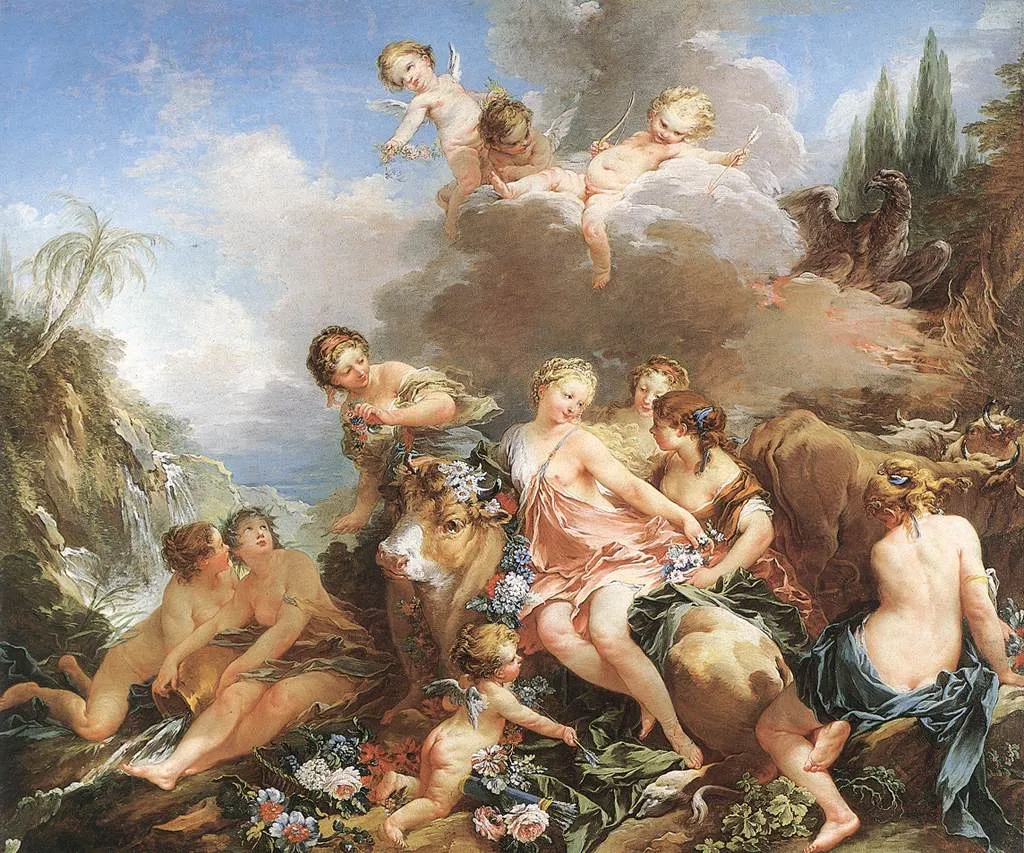
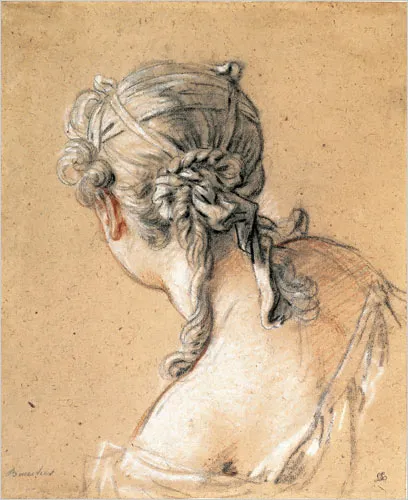
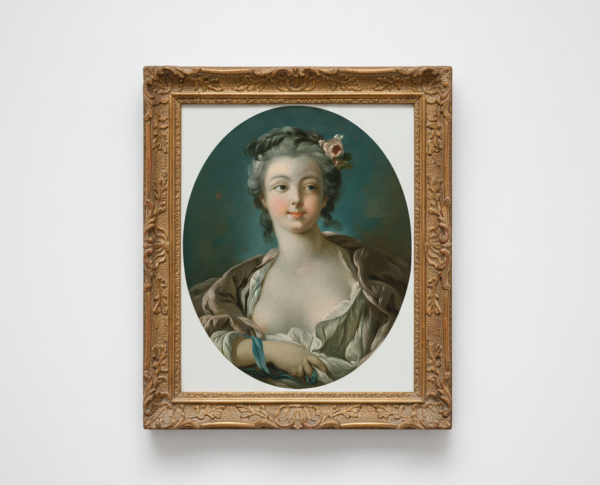
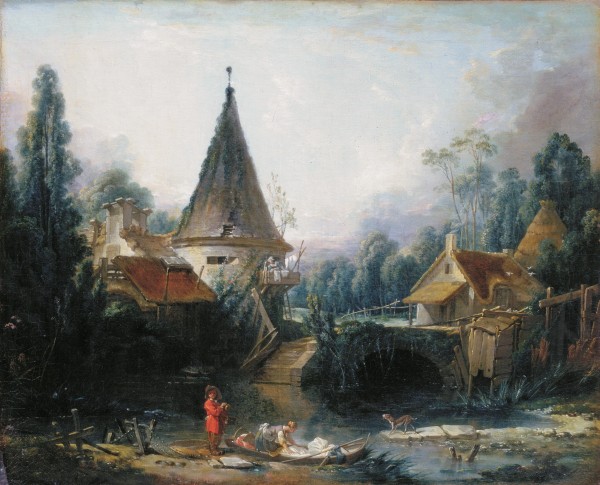
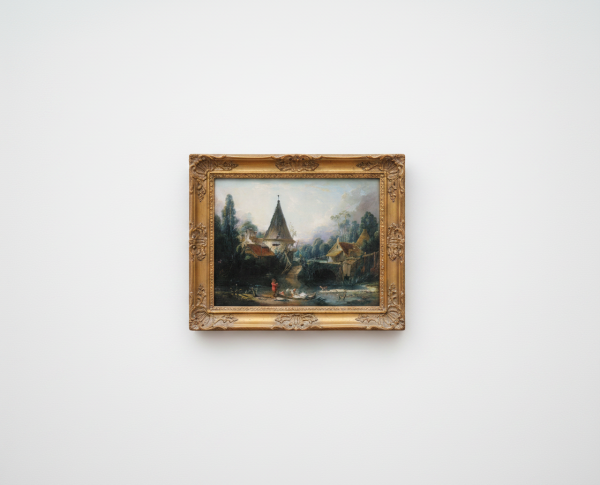
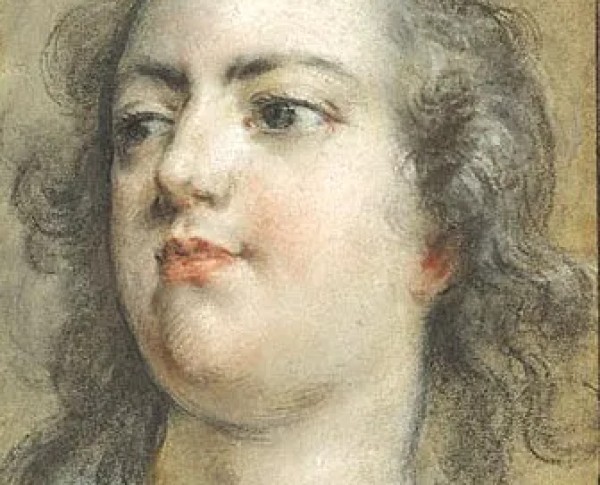
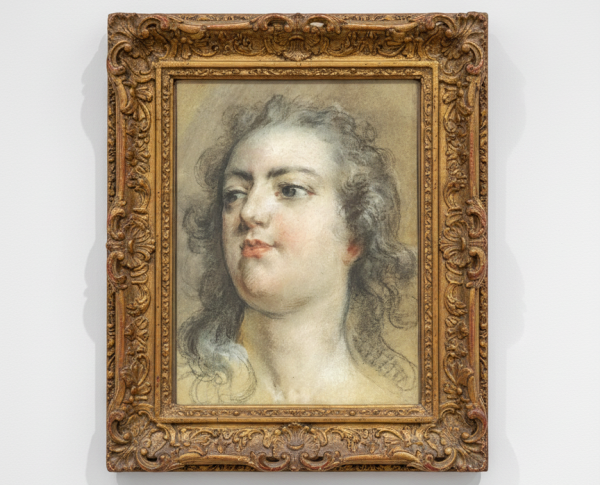
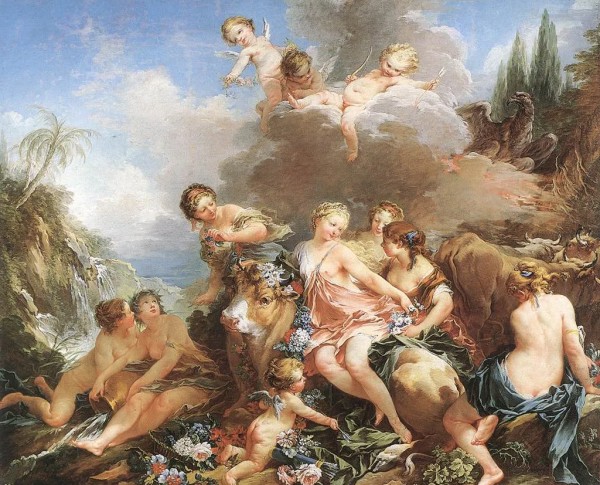
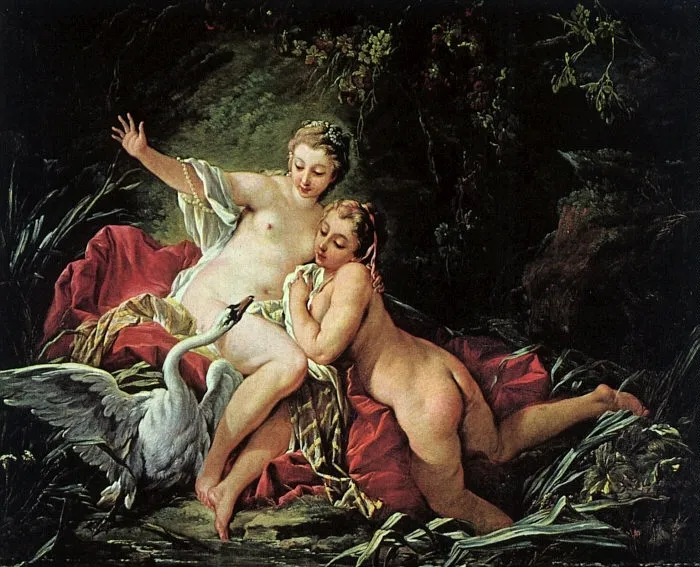
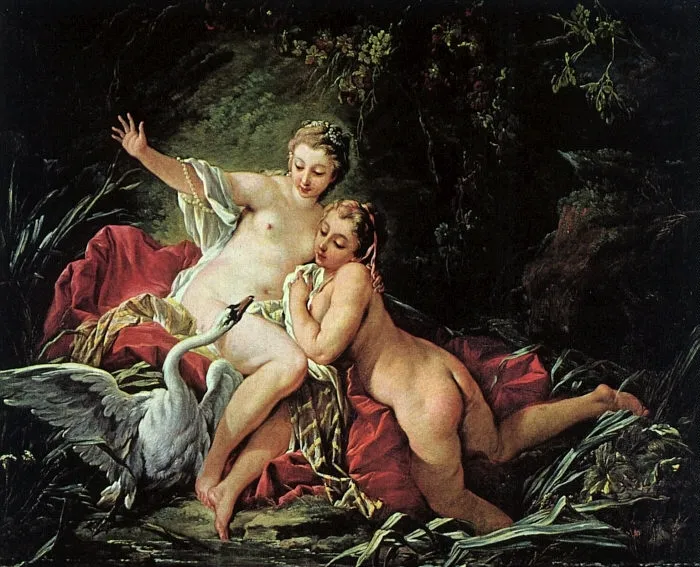
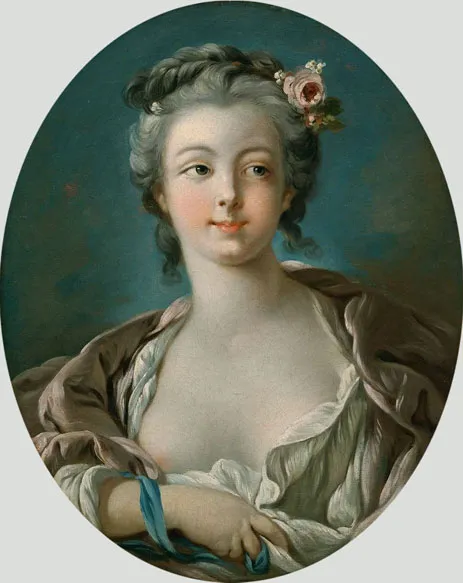
Boucher’s technique in “Leda and the Swan” exemplifies the delicate brushwork and pastel palette that define Rococo. His use of oil on canvas brings a soft vibrancy to the mythological scene, highlighting every detail from Leda’s graceful form to the swan’s gentle feathers. For those who appreciate refined artistry, works like “Head of a Woman from Behind” or “Charms of Country Life” showcase similar mastery, making each oil on canvas a testament to Boucher’s genius.
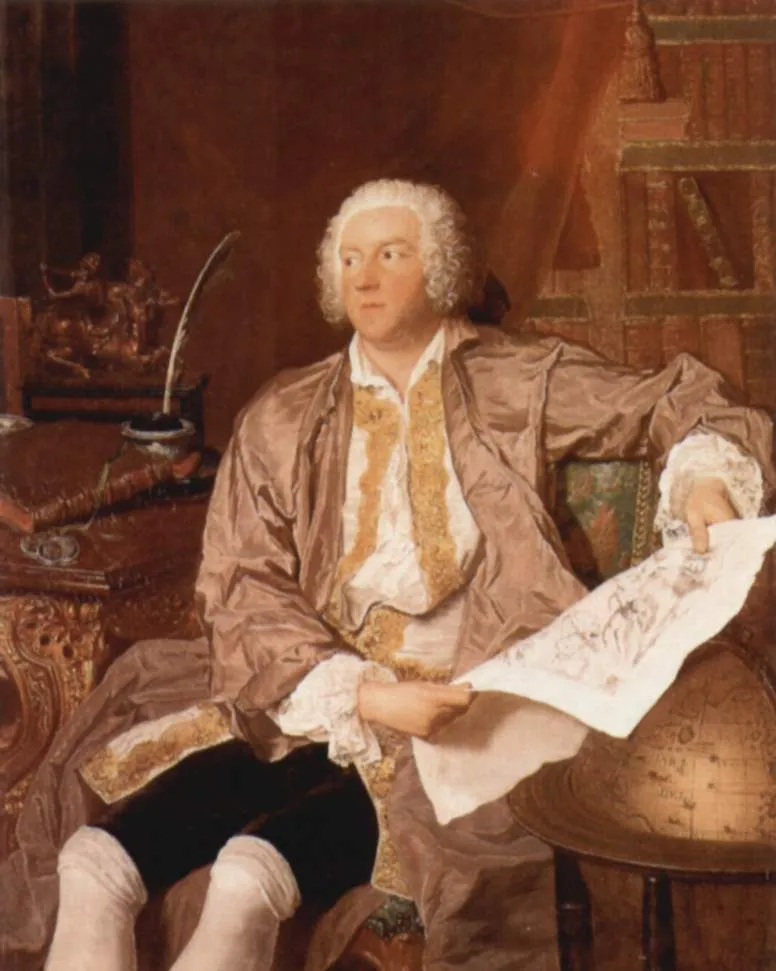
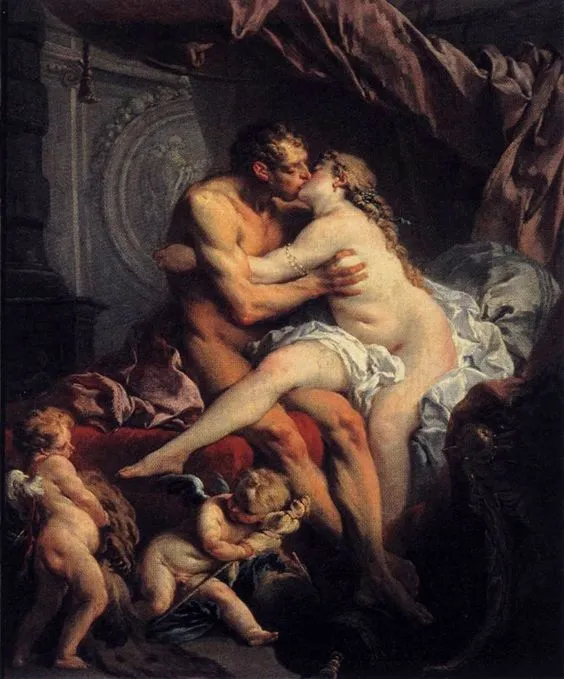
“Leda and the Swan” tells the ancient myth of Zeus’s transformation, a story filled with passion and intrigue. Boucher’s fine art painting for sale invites viewers to interpret the symbolic interplay between divinity and humanity. The inclusion of works like “Hercules and Omfala” and “Portrait of Carl Gustaf Tessin” in a collection enriches the narrative, allowing art lovers to explore the deeper meanings behind each mythological subject Boucher brought to life.
Owning “Leda and the Swan” by Francois Boucher is more than acquiring a beautiful artwork—it’s possessing a piece of Rococo history. This hand-painted oil painting, alongside related products such as “Charms of Country Life” or “Head of King Louis XV,” elevates any collection. Each piece exemplifies the elegance and sophistication of Boucher’s era, making them prized fine art painting for sale options for discerning collectors around the world.
When Art Meets History
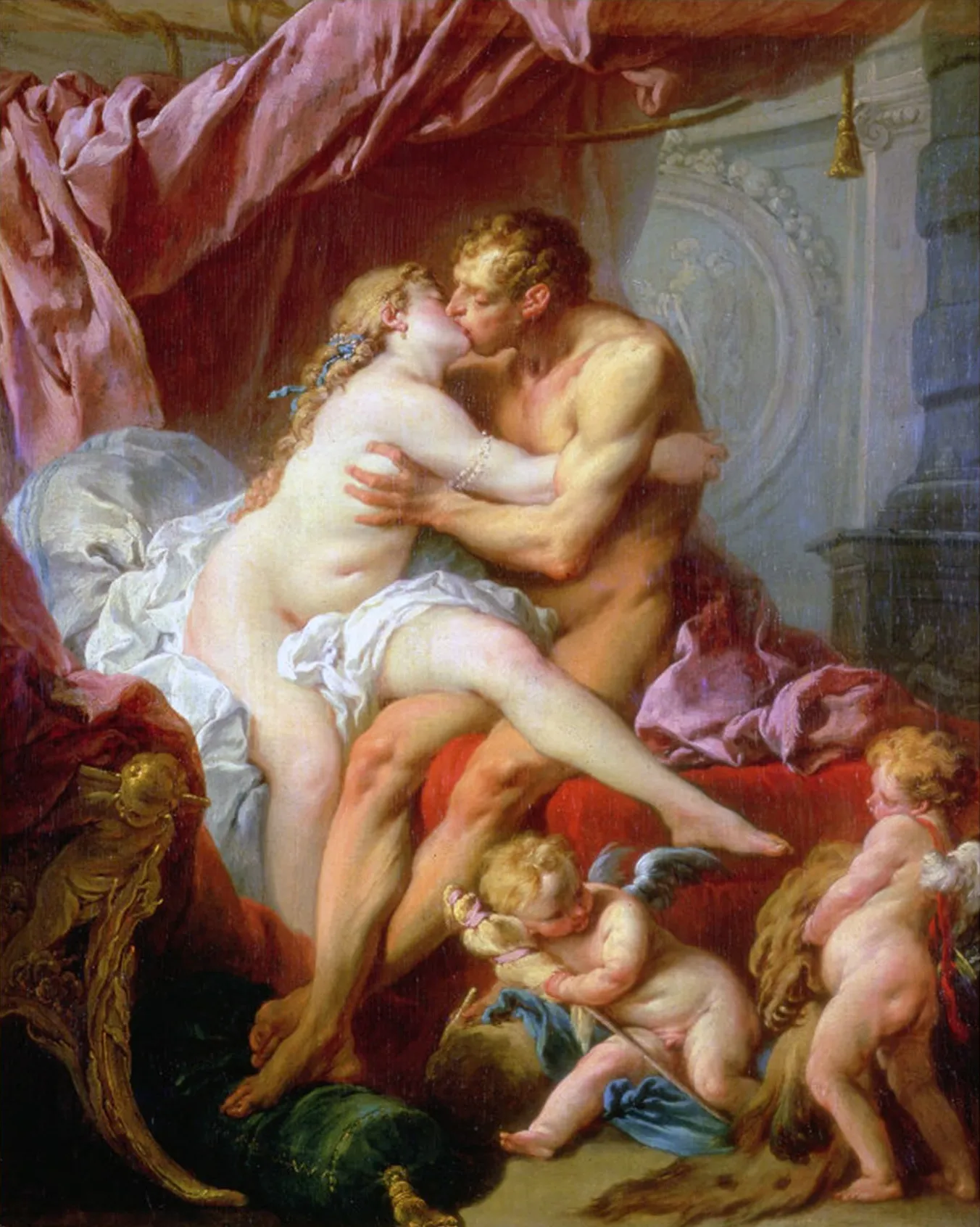
Francois Boucher’s "Leda and the Swan" stands as a stunning example of the Rococo movement, capturing the mythological tale with elegance and grace. Painted during the 18th century, this hand-painted oil painting reflects the era’s fascination with classical mythology and sensuality. Boucher, renowned for his mastery, drew inspiration from both classical sources and contemporary tastes, much like related works such as "The Entrance to the Grand Canal, Venice" and "The Stonemason's Yard."
Techniques That Speak
Boucher’s remarkable technique in "Leda and the Swan" is evident in his use of oil on canvas, allowing for soft color transitions and delicate textures. The Rococo movement’s hallmark—ornate detail and lightness—shines through in every brushstroke. Similar to "The Piazza San Marco in Venice," Boucher’s work demonstrates an expert command of composition, guiding the viewer’s eye across the canvas with graceful lines and luminous colors that define this era of art.
Emotions on Display
"Leda and the Swan" evokes a sense of intimacy and intrigue, hallmarks of both Boucher’s style and the Rococo movement. The artist masterfully conveys emotion through Leda’s delicate expression and the dynamic posture of the swan. This fine art painting for sale—much like "The Bucintoro" and "Venice: A Regatta on the Grand Canal"—captures moments of passion and wonder, inviting viewers to connect with the mythological narrative on a personal level.
Coveted by Collectors
Today, "Leda and the Swan" by Francois Boucher is highly sought after by collectors who value Rococo’s opulent charm. As with other masterpieces such as "The Entrance to the Grand Canal, Venice," this hand-painted oil painting stands as a testament to Boucher’s enduring legacy. Its exquisite craftsmanship and historical significance make it a prized addition to any collection, ensuring its continued appreciation among admirers of fine art painting for sale.
Related Rococo Hand-Painted Oil Paintings by Other Artists
Other Famous Rococo Artists:
Frequently Asked Questions About Leda and the Swan
What is the historical context of "Leda and the Swan"?
"Leda and the Swan" was painted by Francois Boucher in the 18th century, a time characterized by the Rococo movement, which emphasized ornate detail, light colors, and playful themes. Boucher's work reflects the artistic trends of his time, focusing on mythological subjects and sensuality.
What mythological story does "Leda and the Swan" depict?
The painting illustrates the Greek myth of Leda, who was seduced by Zeus in the form of a swan. This encounter led to the birth of several significant figures in Greek mythology, including Helen of Troy and the Dioscuri twins, Castor and Pollux.
What artistic techniques did Boucher employ in this painting?
Boucher utilized soft brushwork and a vibrant color palette to create a sense of intimacy and sensuality. His use of light and shadow enhances the figures' three-dimensionality, while the flowing lines contribute to the overall harmony of the composition.
What symbolism is present in "Leda and the Swan"?
The swan symbolizes both divine intervention and transformation, representing Zeus's ability to change forms. Leda's pose and expression convey a mixture of vulnerability and allure, highlighting themes of desire and power dynamics in relationships.
How does Boucher's interpretation of Leda differ from other artists?
Boucher's interpretation is characterized by its sensuality and elegance, focusing on the beauty of the figures rather than the darker implications of the myth. This contrasts with other artists who may emphasize the violence or tragedy of the story, showcasing Boucher's unique approach to mythological themes.
What influence did "Leda and the Swan" have on later art?
The painting influenced subsequent artists by popularizing the theme of mythological subjects portrayed with a focus on beauty and sensuality. Boucher's style inspired later Romantic and Symbolist artists who sought to explore similar themes in their work.
What role does color play in the emotional impact of the painting?
The use of pastel colors creates a dreamlike quality, evoking feelings of tenderness and intimacy. Boucher's careful selection of hues enhances the emotional resonance of the scene, inviting viewers to engage with the narrative on a personal level.
How does "Leda and the Swan" reflect the ideals of the Rococo movement?
The painting embodies Rococo ideals through its emphasis on elegance, playfulness, and sensuality. The intricate details and soft forms typical of the movement are evident, showcasing Boucher's mastery in creating a visually captivating and harmonious composition.
What is the significance of the figures' positioning in the artwork?
The positioning of Leda and the swan creates a dynamic interaction between the two figures, emphasizing the themes of seduction and transformation. Leda's relaxed posture juxtaposed with the swan's assertive presence highlights the complexities of their relationship.
In what ways does this painting address themes of power and vulnerability?
"Leda and the Swan" explores the tension between power and vulnerability through Leda's submissive pose and the swan's dominant presence. This duality raises questions about consent and agency, reflecting broader societal themes relevant both in ancient mythology and Boucher's contemporary context.























_GFM_Painting_(1).webp)


 100% Hand-Painted: Finished in 3-6 Weeks

.png)

















_(1).webp)