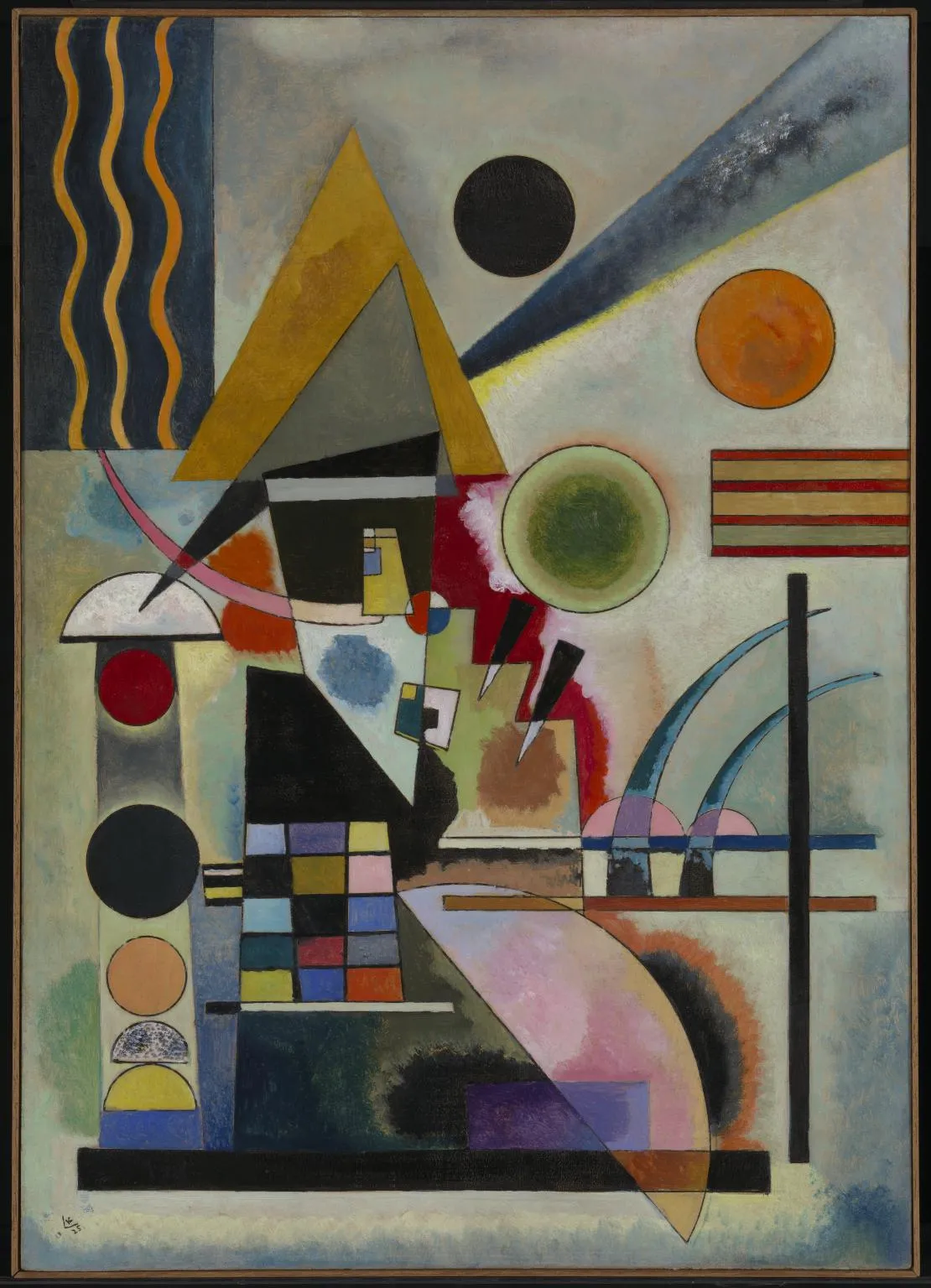
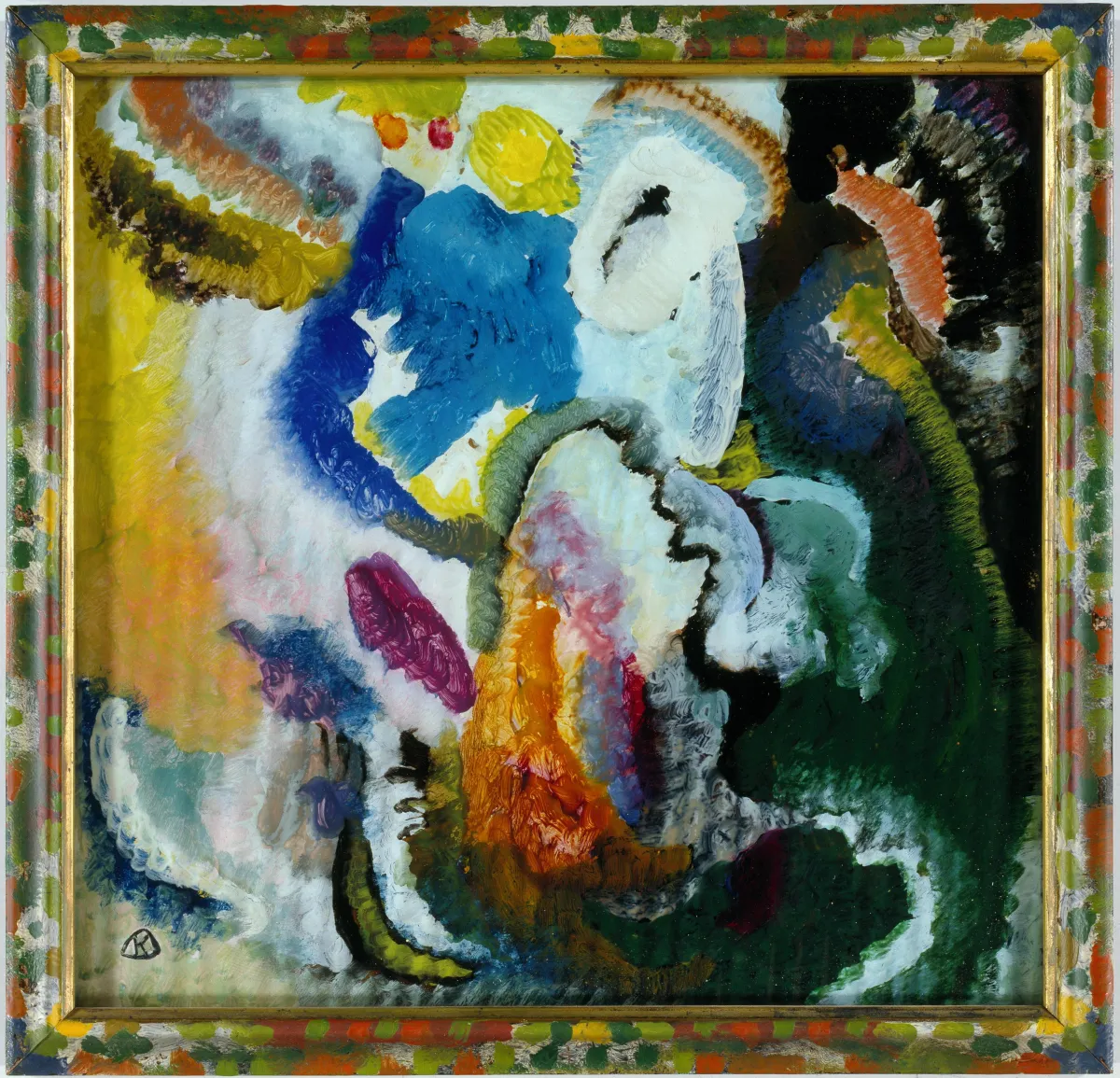
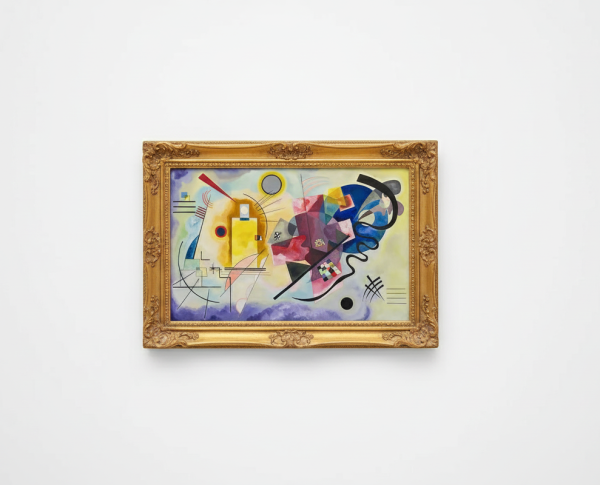
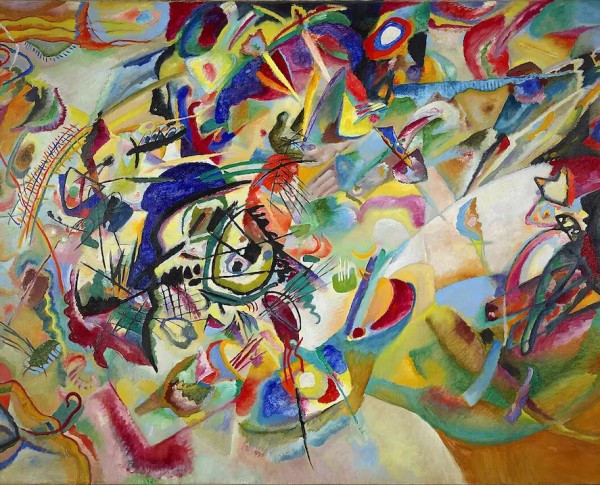
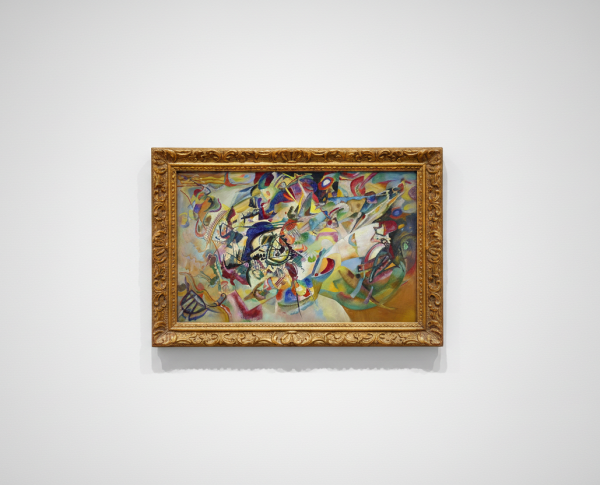
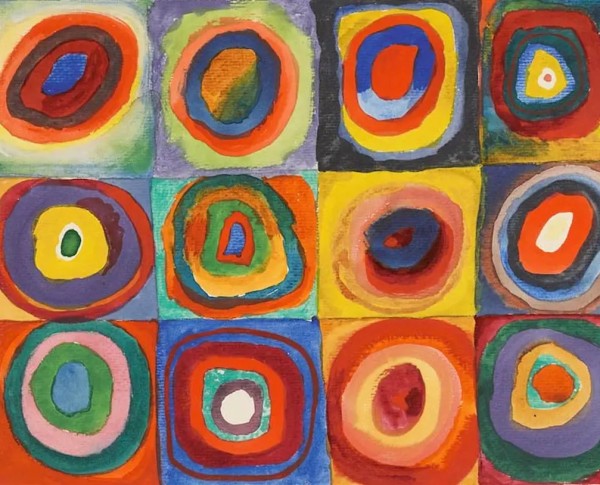
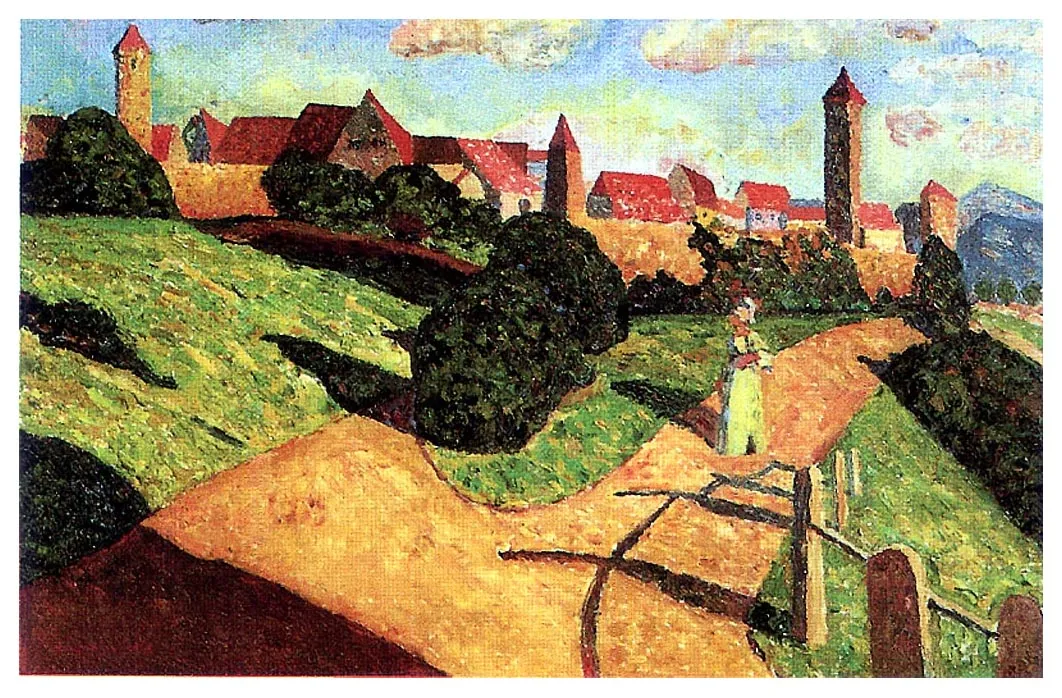
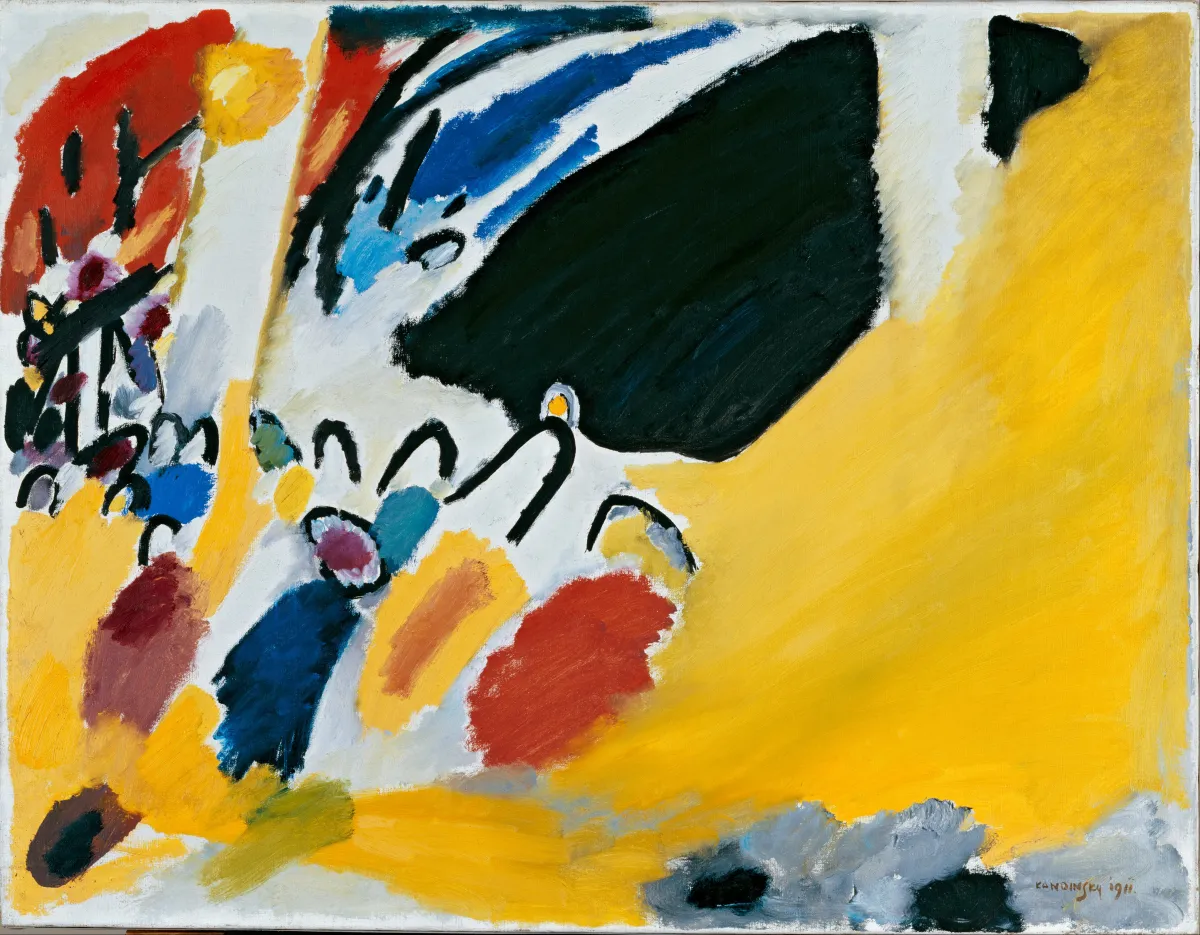
The meticulous technique in "Old town II" highlights Kandinsky’s unparalleled skill with oil on canvas, where every brushstroke contributes to the painting’s dynamic energy. As a pivotal figure in Abstract Expressionism, Kandinsky’s use of bold hues and fluid forms creates a visual symphony that continues to inspire new generations. Similar fine art pieces, such as "Colorful Life" and "Picture with Pince-nez," showcase the artist’s mastery in transforming emotions into color.
"Old town II" is more than a fine art painting for sale; it is a tapestry woven with hidden stories and rich symbolism. Kandinsky’s abstract approach invites viewers to interpret the vibrant shapes and lines, reflecting the complexities of urban life and personal emotion. This piece, much like "Woman in Moscow" and "Okhtyrka, autumn," draws on the artist’s fascination with the metaphysical, offering endless intrigue for those who look deeper into its abstract forms.
Owning "Old town II" means possessing a genuine piece of art history and an exceptional example of Abstract Expressionism. This hand-painted oil painting not only elevates any collection but also connects collectors to Kandinsky’s revolutionary vision. For those seeking to expand their collection, related works like "Kochel: Waterfall I," "Odessa. Port," and "Colorful Life" offer complementary glimpses into the artist’s diverse oeuvre, making each acquisition a true collector’s treasure.
When Art Meets History
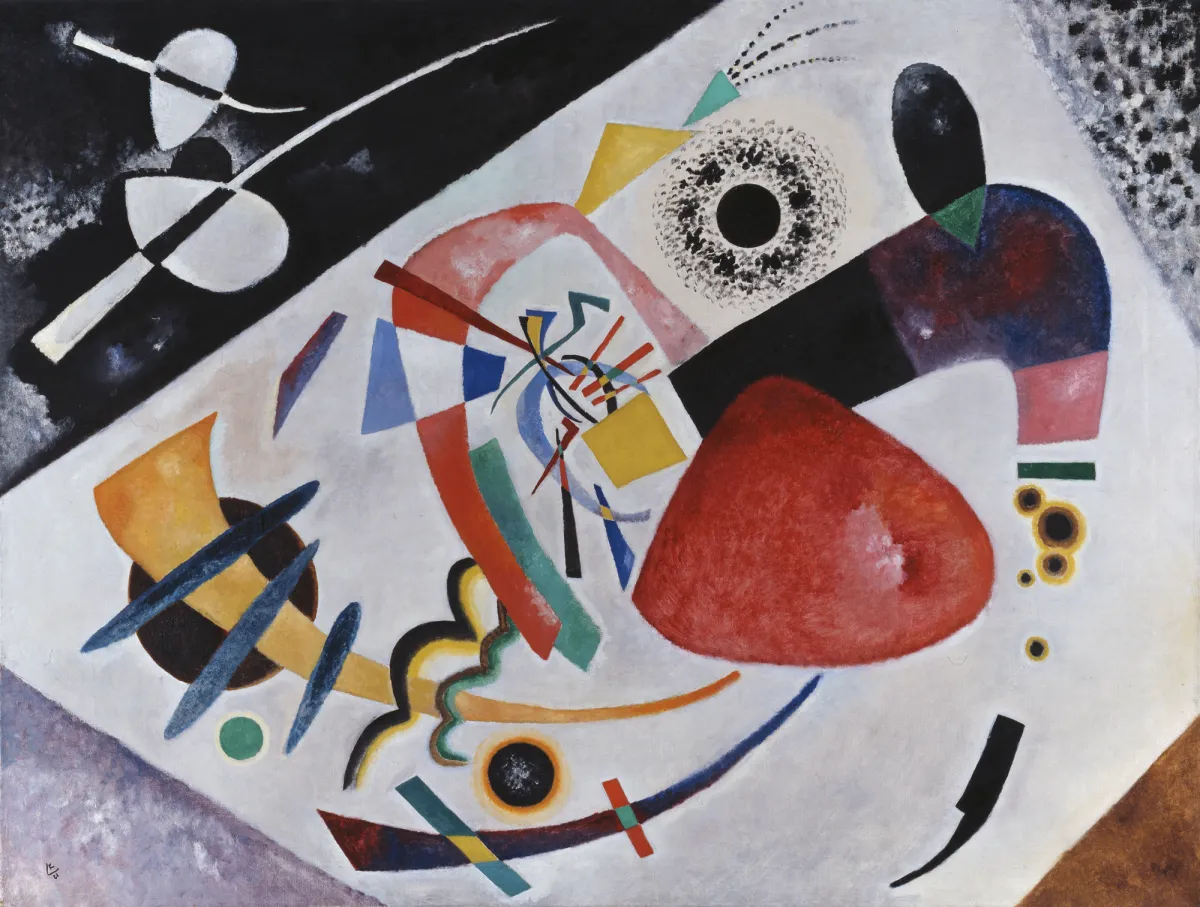
"Old town II" by Wassily Kandinsky stands as a remarkable example of the Abstract Expressionism movement. Created with a visionary approach, this hand-painted oil painting captures the spirit of early 20th-century art. Kandinsky’s work, alongside related paintings like "Untitled (Violet, Black, Orange, Yellow on White and Red), 1949," reflects a pivotal moment when history and creativity converged, forever changing how viewers interpret fine art and its connection to cultural changes.
Techniques That Speak
Kandinsky’s mastery is evident in "Old town II," where bold brushstrokes and dynamic colors define the composition. Utilizing oil on canvas, the artist explores texture and depth, hallmarks of Abstract Expressionism. His innovative layering and blending techniques resonate with those found in related paintings such as "Untitled (Violet, Black, Orange, Yellow on White and Red), 1949," making each piece a unique exploration of form and emotion. The tactile nature of oil on canvas enhances the viewing experience.
Emotions on Display
In "Old town II," Wassily Kandinsky channels emotion through vibrant hues and abstract forms, inviting viewers to interpret the scene in their own way. This fine art painting for sale is imbued with a sense of energy and movement characteristic of Abstract Expressionism. Like "Untitled (Violet, Black, Orange, Yellow on White and Red), 1949," Kandinsky’s work transcends literal representation, instead focusing on the emotional resonance between the artwork and its audience.
Coveted by Collectors
Collectors worldwide seek out works like "Old town II" for their historical significance and artistic innovation. Wassily Kandinsky’s influence within the Abstract Expressionism movement ensures his paintings remain highly desirable, much like "Untitled (Violet, Black, Orange, Yellow on White and Red), 1949." This hand-painted oil painting stands as a testament to Kandinsky’s enduring legacy, offering art enthusiasts a chance to own a piece of fine art history that continues to inspire and captivate.
Related Abstract Expressionism Hand-Painted Oil Paintings by Other Artists
Other Famous Abstract Expressionism Artists:
Frequently Asked Questions About Old town II
What is the historical context of "Old town II"?
"Old town II" was created during a period of significant change in Europe, reflecting the aftermath of World War I and the rise of abstract art. Kandinsky, a pioneer of abstract expressionism, sought to convey emotional depth through color and form, moving away from representational art.
What artistic movements influenced "Old town II"?
The painting is heavily influenced by the Expressionist movement, which emphasizes emotional experience over physical reality. Kandinsky was also inspired by the ideas of the Bauhaus school, focusing on the integration of art and design.
What are the primary colors used in "Old town II" and their significance?
Kandinsky employs a vibrant palette, primarily featuring blues, yellows, and reds. Each color carries symbolic meanings; for instance, blue often represents spirituality, while yellow can signify warmth and joy, reflecting the emotional landscape of the painting.
How does "Old town II" reflect Kandinsky's philosophy of art?
Kandinsky believed that art should evoke feelings and transcend the physical world. "Old town II" embodies this philosophy by using abstract forms and colors to convey a sense of nostalgia and emotional resonance, rather than a literal depiction of a town.
What techniques did Kandinsky use in "Old town II"?
Kandinsky utilized a combination of geometric shapes and organic forms, layering colors to create depth and movement. His technique of spontaneous brushwork adds an element of dynamism, inviting viewers to engage with the painting on an emotional level.
What is the symbolic meaning of the structures depicted in "Old town II"?
The structures in "Old town II" can be interpreted as representations of memory and identity. They symbolize the artist's connection to his roots and the cultural heritage of Eastern Europe, evoking a sense of place that is both personal and universal.
How does "Old town II" compare to Kandinsky's other works?
Compared to Kandinsky's earlier works, "Old town II" showcases a more mature abstraction and a deeper exploration of color theory. It reflects his evolution as an artist, moving towards a more expressive and emotional style while maintaining a connection to his earlier representational roots.
What role does abstraction play in "Old town II"?
Abstraction in "Old town II" serves to distill the essence of the subject matter, allowing viewers to engage with the emotional and spiritual dimensions of the painting. It encourages a personal interpretation, inviting each observer to find their own meaning within the forms and colors.
What impact did "Old town II" have on modern art?
"Old town II" is considered a significant contribution to the development of abstract art, influencing subsequent generations of artists. Kandinsky's innovative use of color and form paved the way for future movements, including Abstract Expressionism and Color Field painting.
How is "Old town II" perceived in the context of Kandinsky's legacy?
"Old town II" is viewed as a key work in Kandinsky's oeuvre, exemplifying his mastery of color and form. It solidifies his reputation as a foundational figure in modern art, whose ideas continue to resonate in contemporary artistic practices.






















_GFM_Painting_(1).webp)


 100% Hand-Painted: Finished in 3-6 Weeks

.png)















_(1).webp)