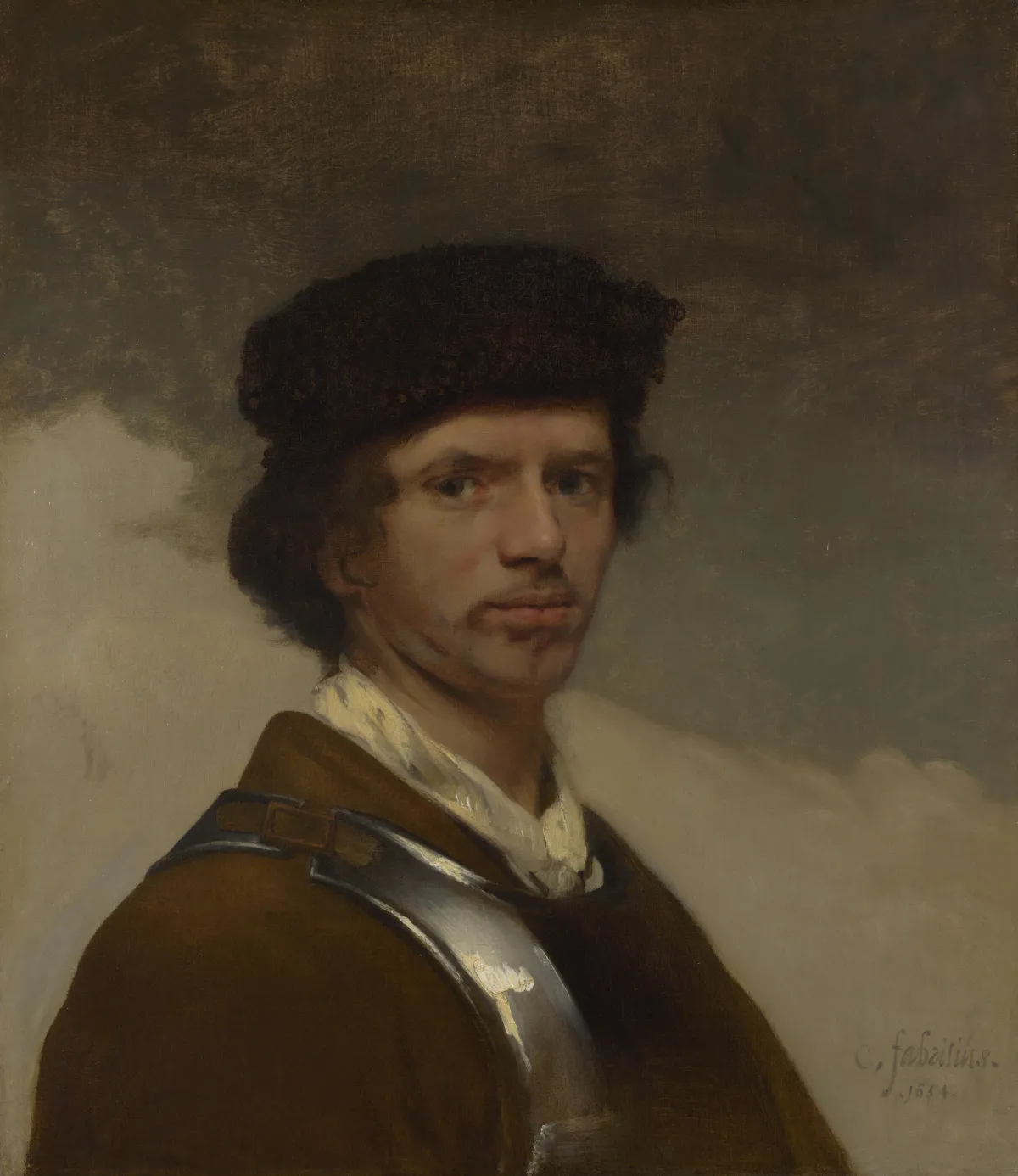
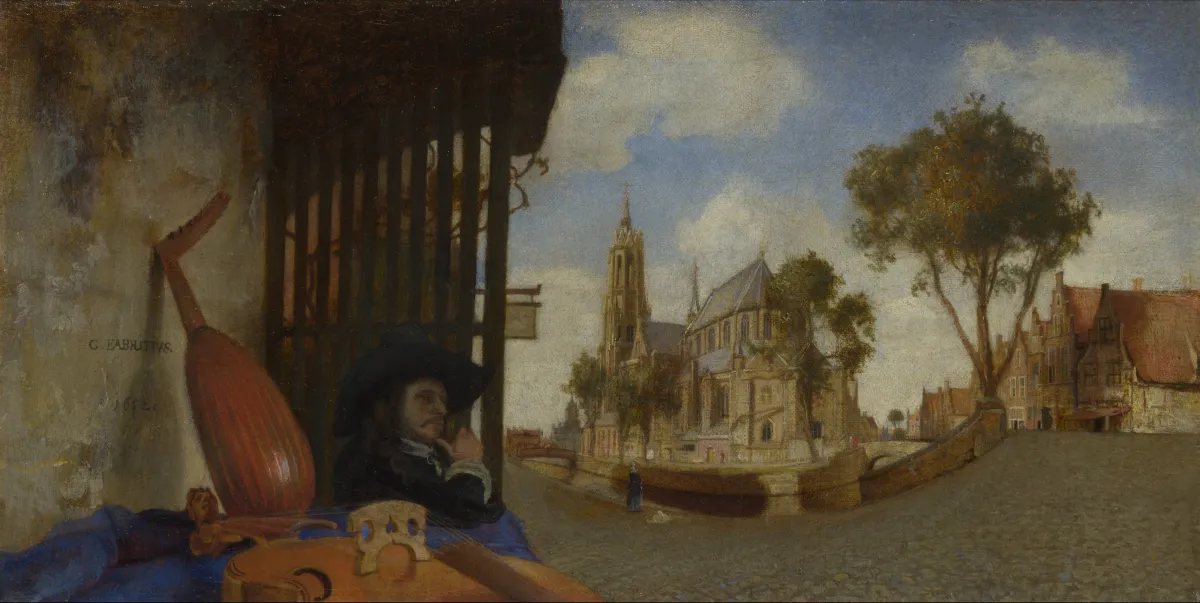
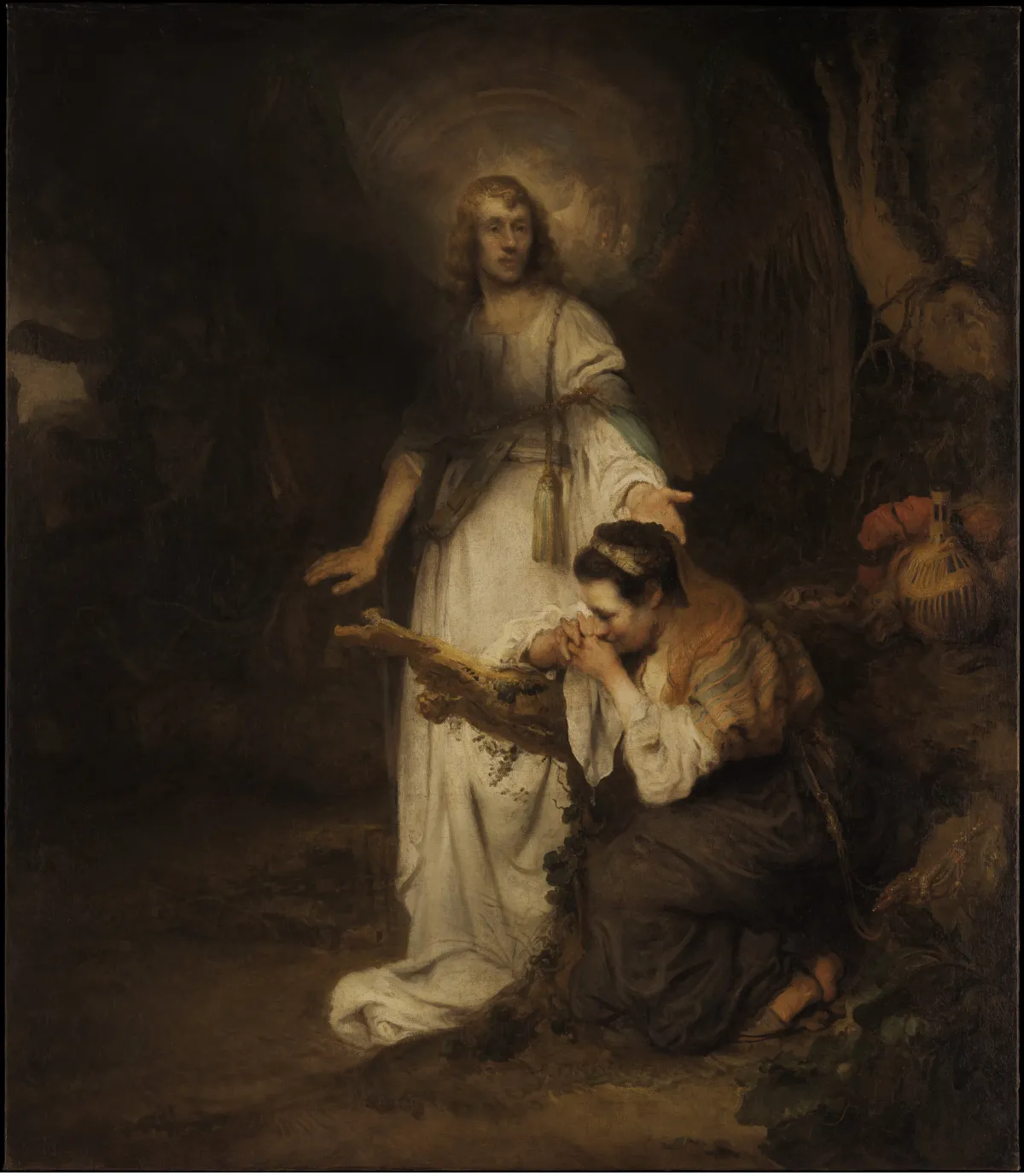
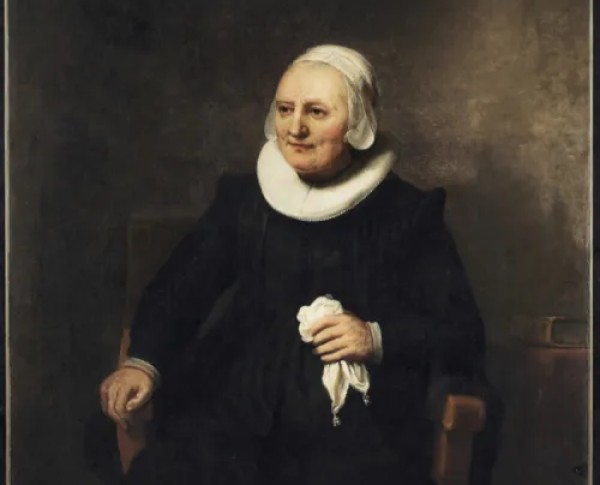
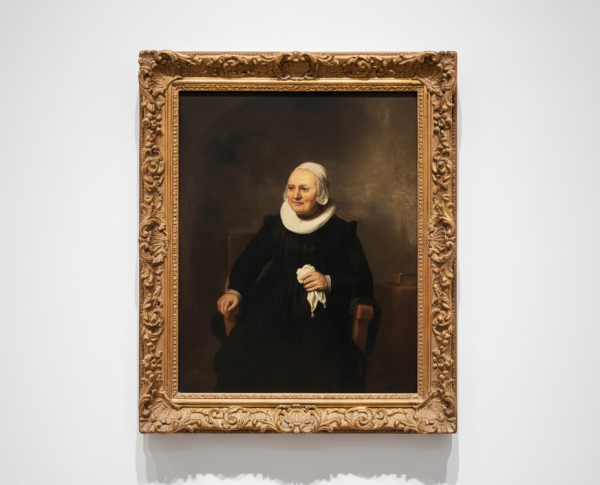
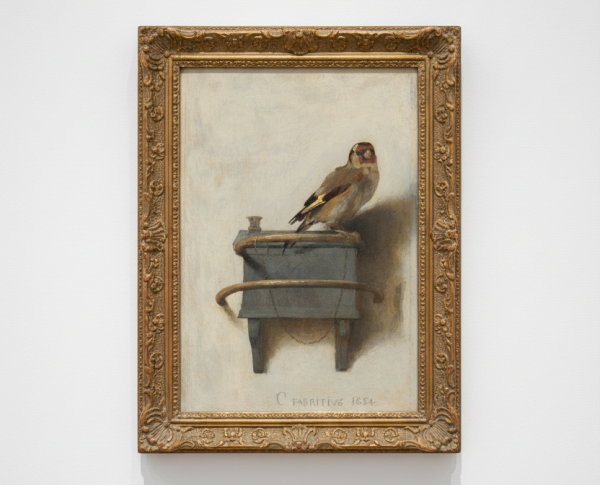
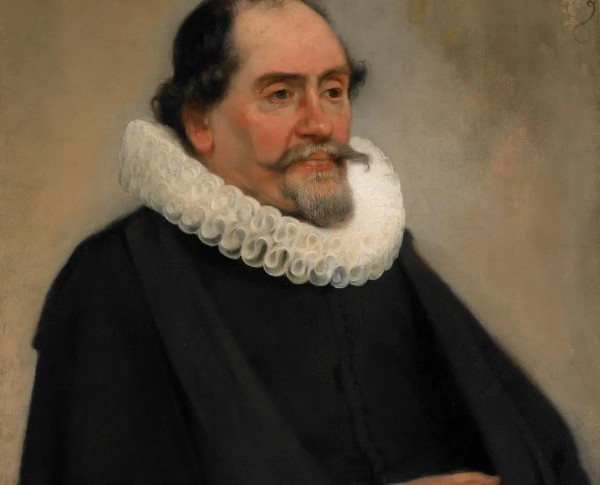
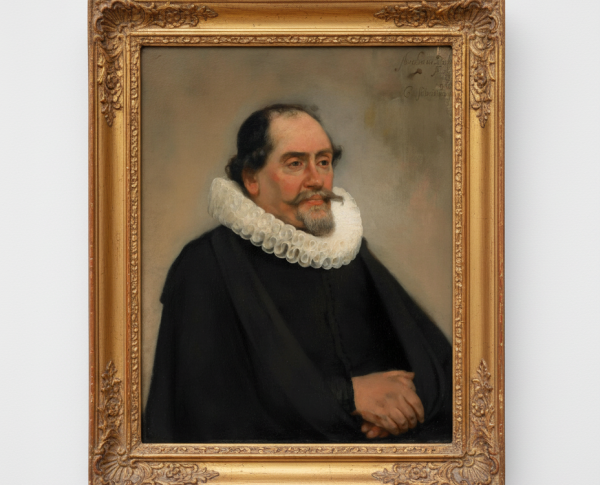
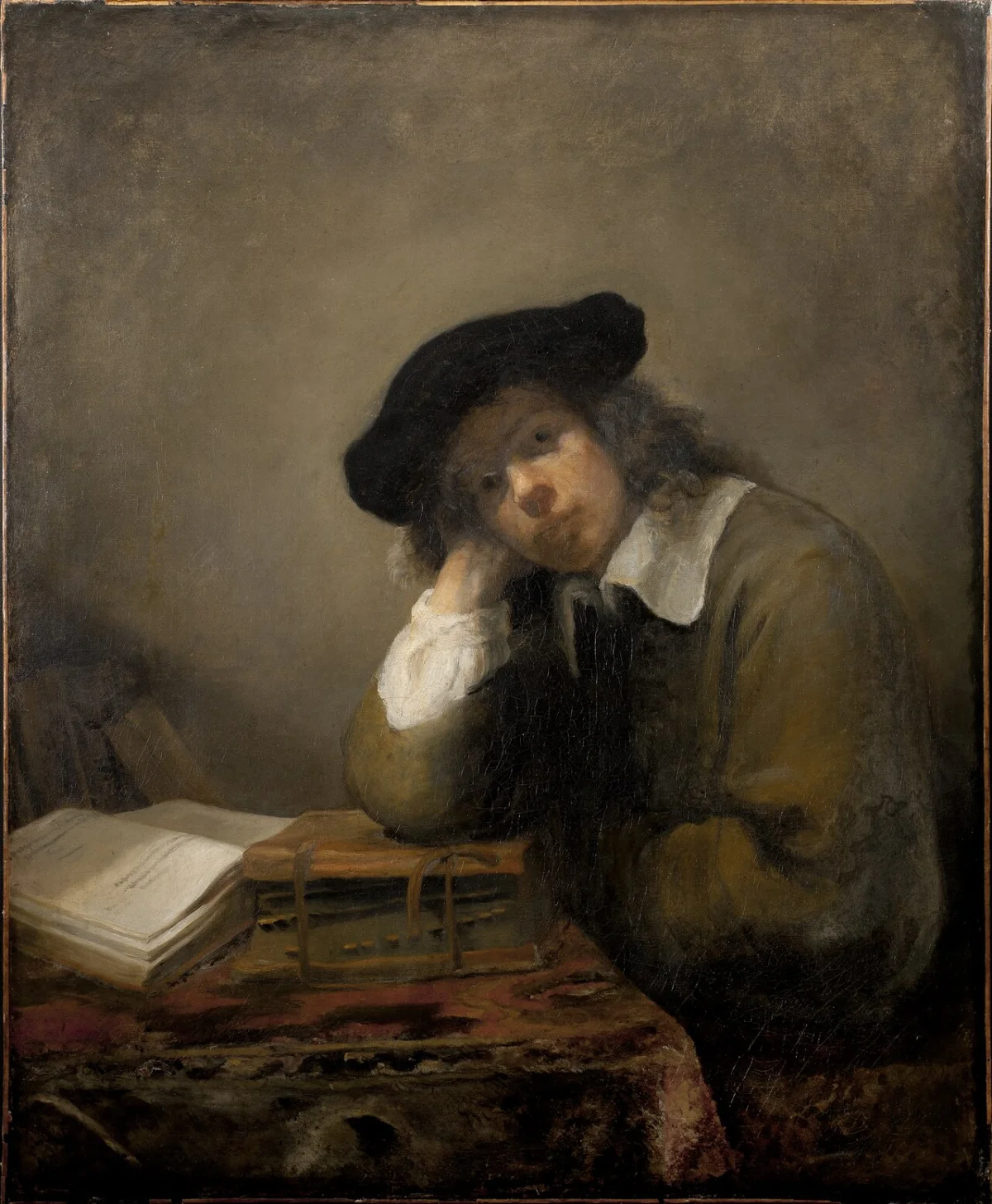
Fabritius’s technique in "Portrait of a young student" showcases his exceptional skill with oil on canvas, a medium favored by Dutch Golden Age artists. Each brushstroke reveals his meticulous attention to detail, bringing the young student’s features to life. The subtle use of light and shadow exemplifies why works such as "Mercury and Aglauros" and "A Slaughtered Ox" are celebrated. Owning such a piece means possessing a true example of classic oil on canvas mastery.
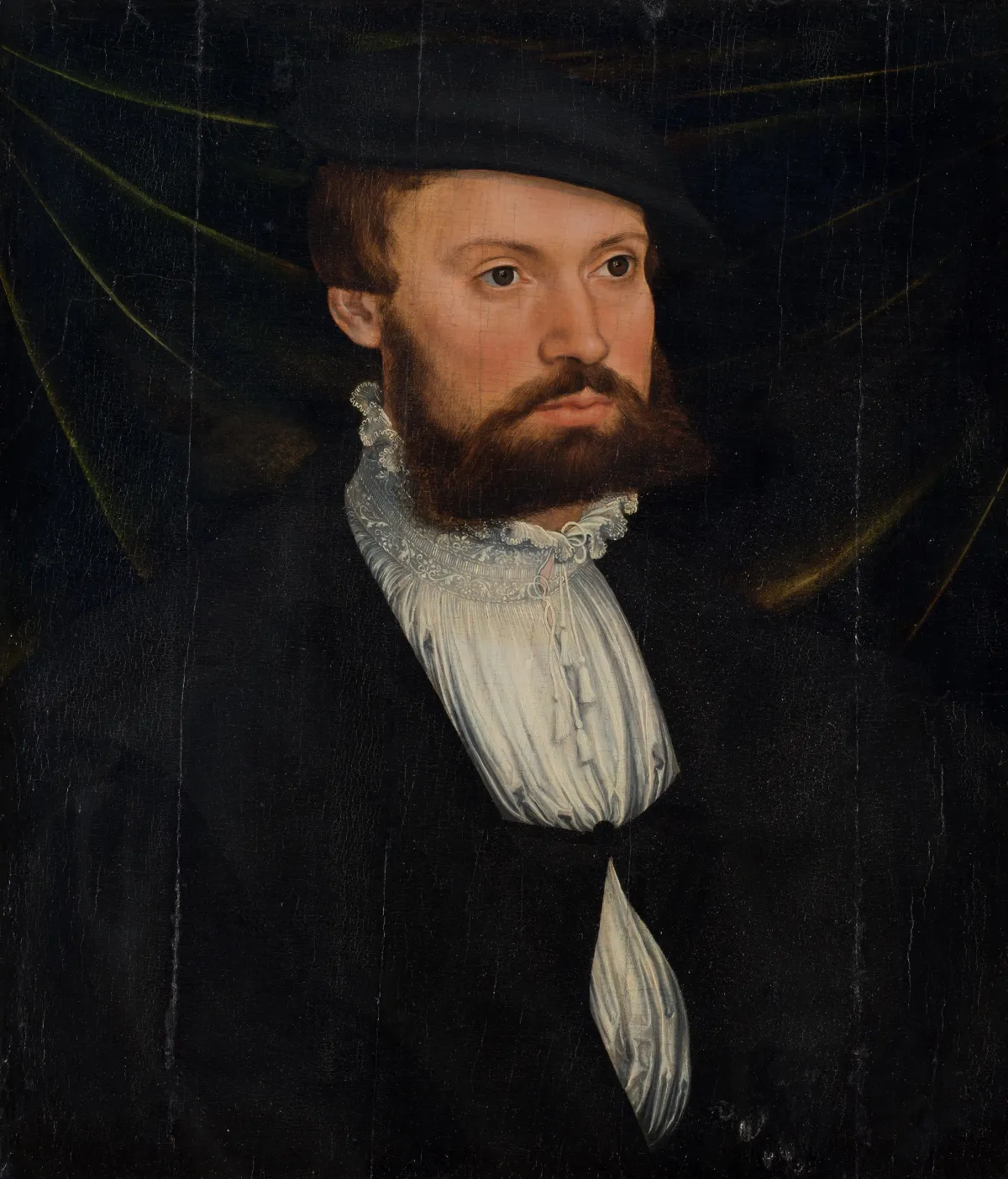
Within this fine art painting for sale, Fabritius weaves subtle narratives through the subject’s expression and attire, inviting viewers to ponder the young student’s story. The Dutch Golden Age was known for embedding layers of meaning within portraits, a characteristic shared by related works like "Portrait of a Bearded Man". Collectors and historians alike are drawn to these paintings for their ability to capture both personal and cultural histories with remarkable depth.
"Portrait of a young student" by Carel Fabritius is a rare gem for any art lover seeking a fine art painting for sale from the Dutch Golden Age. Its timeless appeal and connection to renowned works such as "Head of an Old Man" and "Young Man in a Fur Cap" make it a must-have for discerning collectors. Adding this hand-painted oil painting to a collection ensures a piece of art history and the enduring legacy of Fabritius’s genius.
When Art Meets History
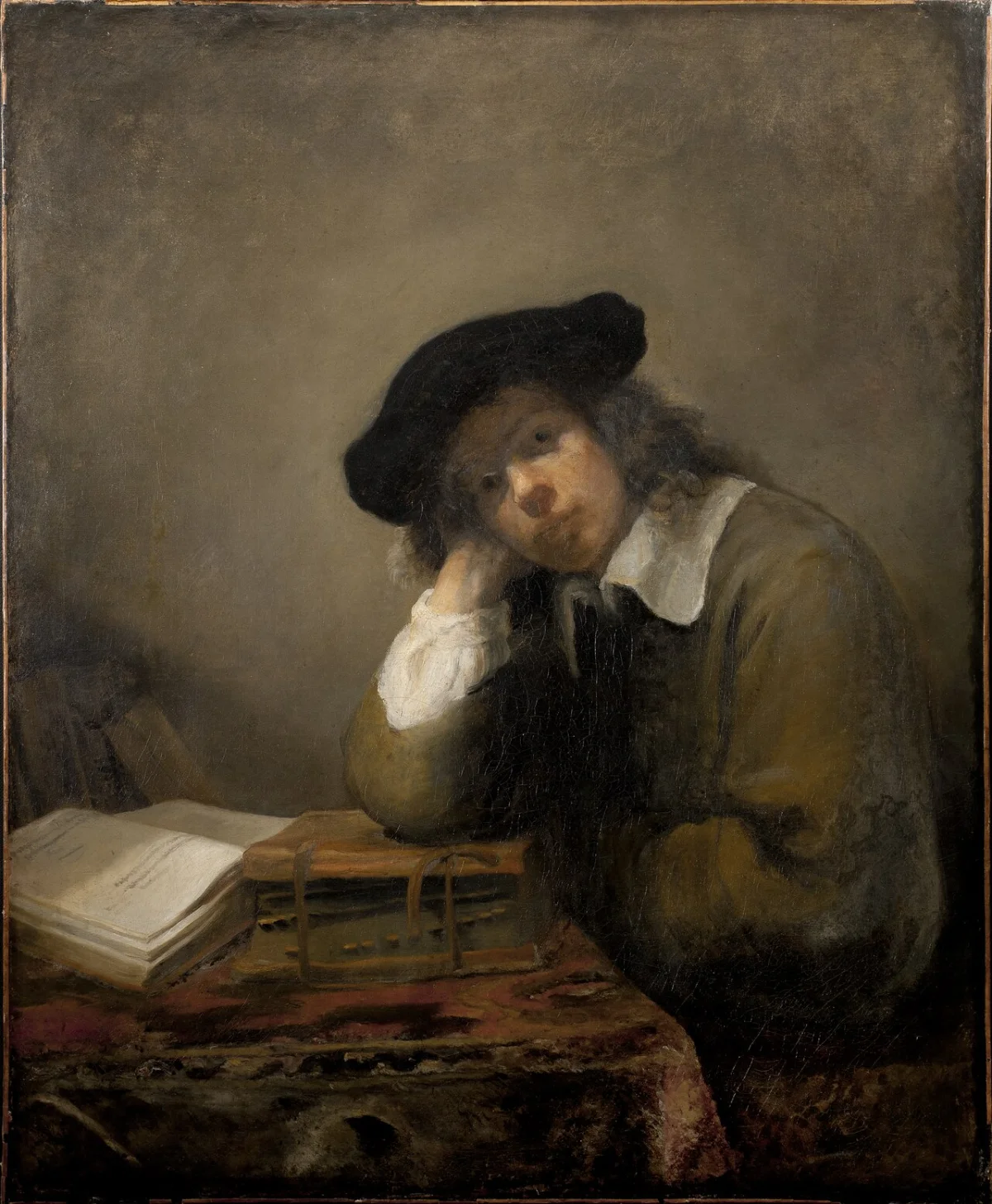
"Portrait of a young student" by Carel Fabritius stands as a remarkable example of Dutch Golden Age artistry. This hand-painted oil painting captures the intellectual spirit of 17th-century Netherlands, a time when learning and art flourished together. Fabritius, a student of Rembrandt, contributed significantly to the era with works like this and related masterpieces such as "The Procuress" and "Philosopher in Meditation 1632," reflecting a vibrant historical context for collectors and art enthusiasts alike.
Techniques That Speak
Carel Fabritius’s mastery is evident in his use of oil on canvas, a medium that allowed for rich detail and subtle transitions of light and shadow. In "Portrait of a young student," the artist employs delicate brushwork and a soft color palette, reminiscent of his contemporaries who created "The Geographer" and "The Astronomer c. 1668." These refined techniques highlight the Dutch Golden Age’s dedication to realism and innovation in every stroke.
Emotions on Display
The emotional depth in "Portrait of a young student" is immediately striking. Fabritius skillfully conveys the sitter’s quiet determination and youthful curiosity, inviting viewers to connect with the subject’s inner world. This fine art painting for sale is evocative of other emotive works from the Dutch Golden Age, such as "Allegory of the Catholic Faith," where subtle expressions and thoughtful gazes communicate stories that transcend time.
Coveted by Collectors
Collectors worldwide seek out "Portrait of a young student" not only for its historical significance but also for its enduring beauty as a hand-painted oil painting. Carel Fabritius’s legacy, alongside related paintings like "The Procuress" and "The Astronomer c. 1668," ensures that works from the Dutch Golden Age remain highly prized. This painting’s rarity and connection to a celebrated artistic movement make it a valuable addition to any fine art collection.
Related Dutch Golden Age Hand-Painted Oil Paintings by Other Artists
Other Famous Dutch Golden Age Artists:
Frequently Asked Questions About Portrait of a Young Student
Who is the artist of "Portrait of a Young Student"?
The painting is created by Carel Fabritius, a Dutch painter known for his innovative techniques and contributions to the Dutch Golden Age of painting.
What is the historical context of "Portrait of a Young Student"?
This artwork was painted in the 17th century, during a time of significant cultural and artistic development in the Netherlands, particularly in the realm of portraiture.
What artistic techniques did Carel Fabritius employ in this painting?
Fabritius is noted for his use of light and shadow, as well as his ability to create a sense of depth and realism through meticulous brushwork and color palette.
What themes are explored in "Portrait of a Young Student"?
The painting explores themes of youth, education, and the pursuit of knowledge, capturing the essence of a young student in a moment of contemplation.
What is the significance of the subject's expression in the painting?
The subject's expression conveys a sense of curiosity and introspection, inviting viewers to reflect on the importance of learning and intellectual growth.
How does "Portrait of a Young Student" reflect the characteristics of Dutch Golden Age painting?
The painting exemplifies the Dutch Golden Age through its focus on realism, attention to detail, and the portrayal of everyday life, particularly in the context of education.
What materials were used in the creation of this artwork?
Fabritius typically used oil paints on canvas, a common medium during the period that allowed for rich color and detailed textures.
Are there any symbolic elements present in "Portrait of a Young Student"?
Yes, the objects surrounding the student, such as books or writing instruments, symbolize knowledge and the academic pursuits of the time.
What is the legacy of Carel Fabritius in the art world?
Fabritius is regarded as a significant figure in Dutch art, influencing later artists with his innovative approaches and unique style, despite his relatively short career.
Where can I view "Portrait of a Young Student"?
This painting is part of the collection at the Mauritshuis in The Hague, where it is displayed alongside other masterpieces of the Dutch Golden Age.






















_GFM_Painting_(1).webp)


 100% Hand-Painted: Finished in 3-6 Weeks

.png)
















_(1).webp)