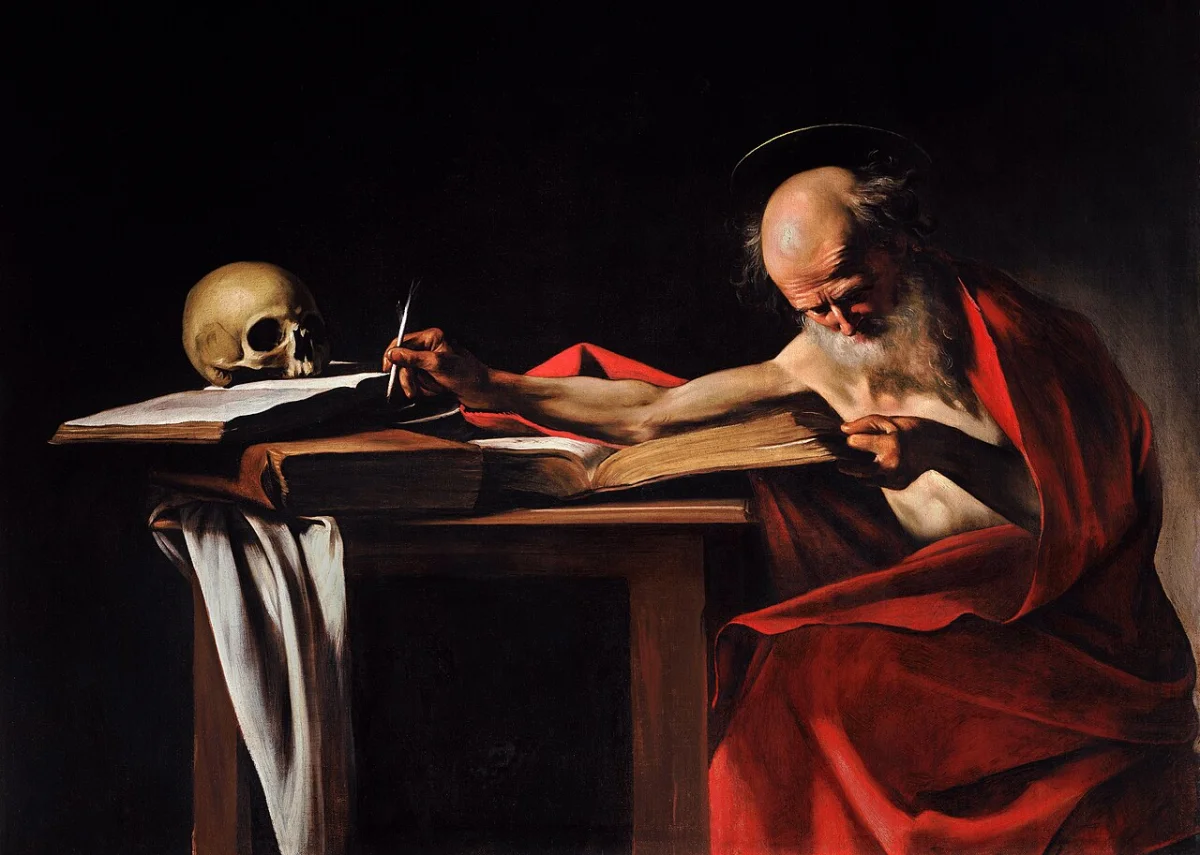
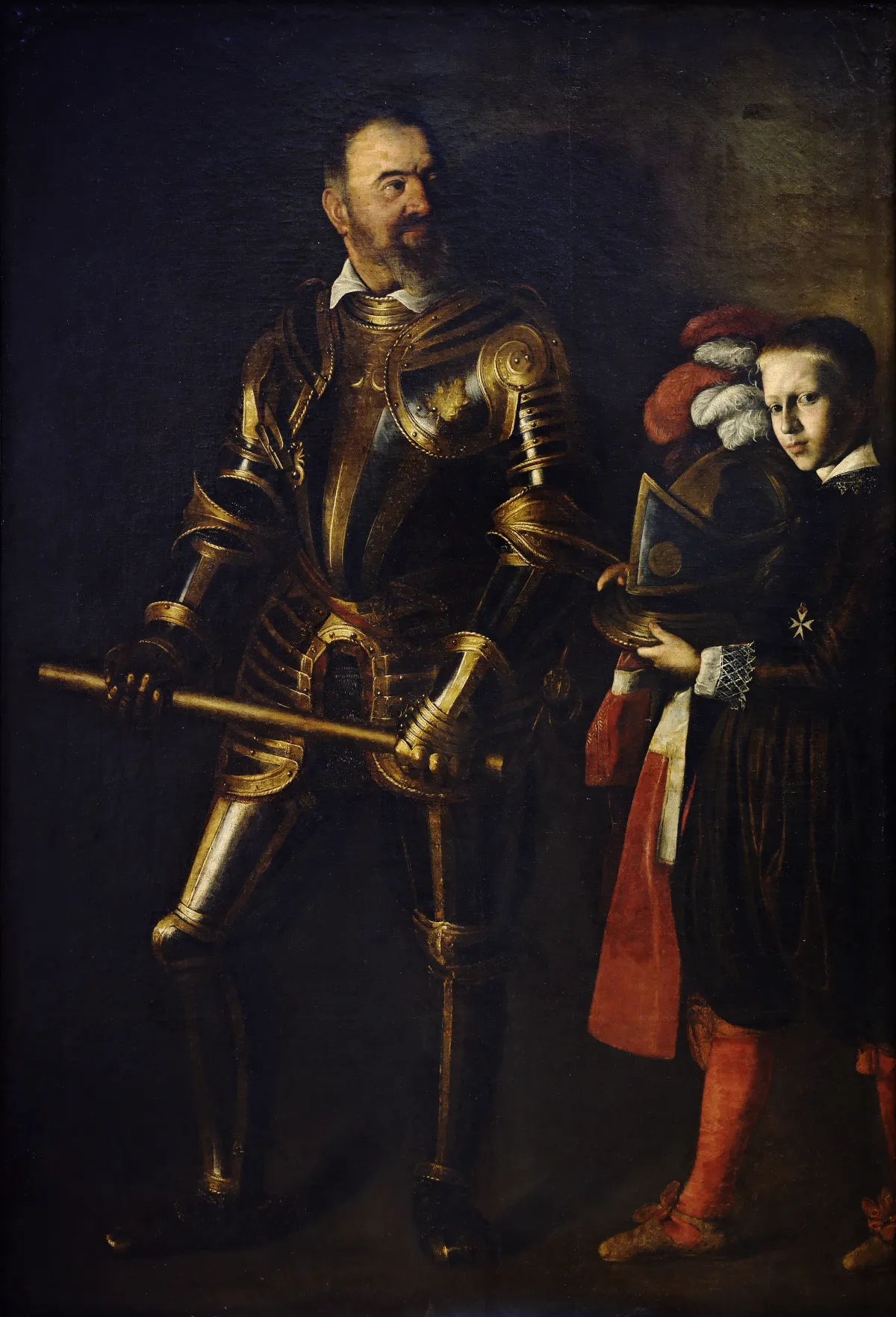
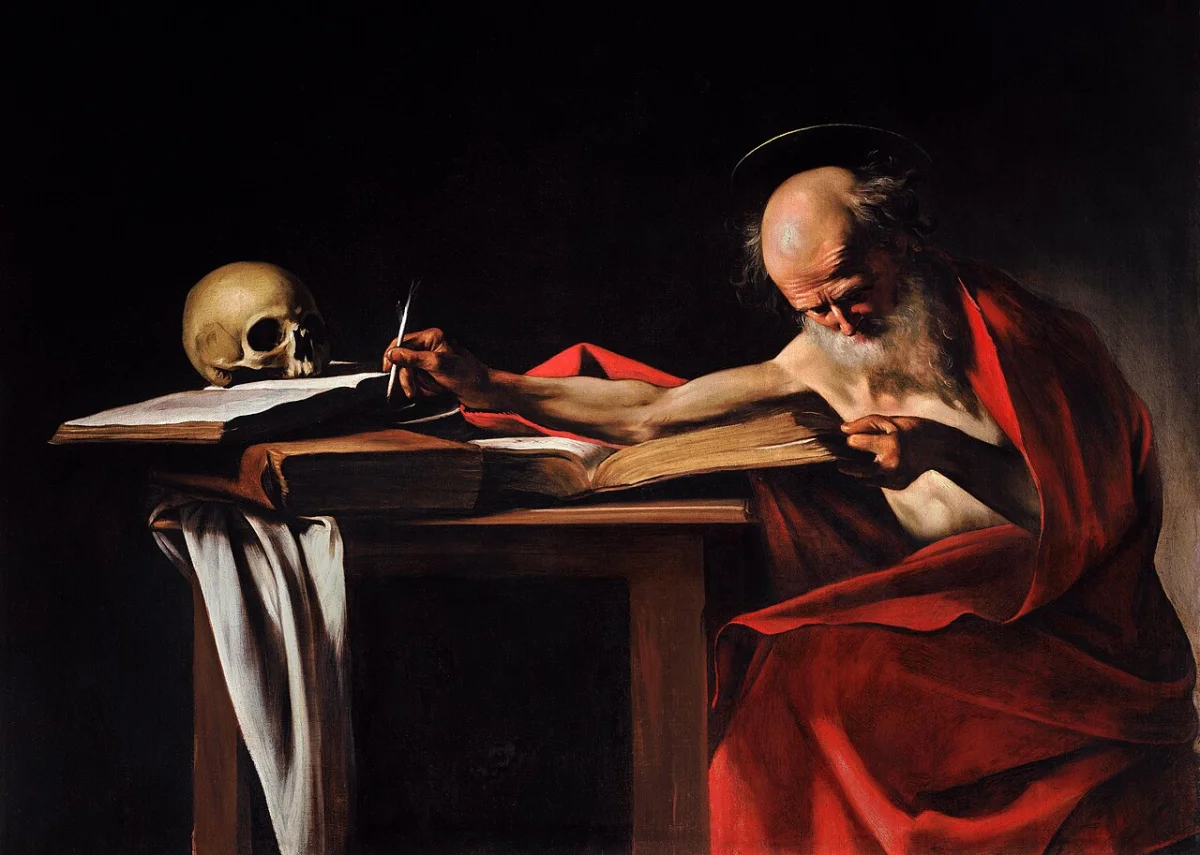
Caravaggio’s "Portrait of Alof de Wignacourt and his Page" stands as a remarkable example of Baroque artistry. This hand-painted oil painting captures the essence of its era, reflecting Caravaggio's innovative approach to portraiture. The artwork immortalizes the Grand Master of the Knights of Malta, showcasing the artist’s mastery. For collectors and enthusiasts, this masterpiece sits alongside related works like "Portrait of Maffeo Barberini" and "Saint Jerome Writing", enhancing any collection of Baroque fine art.
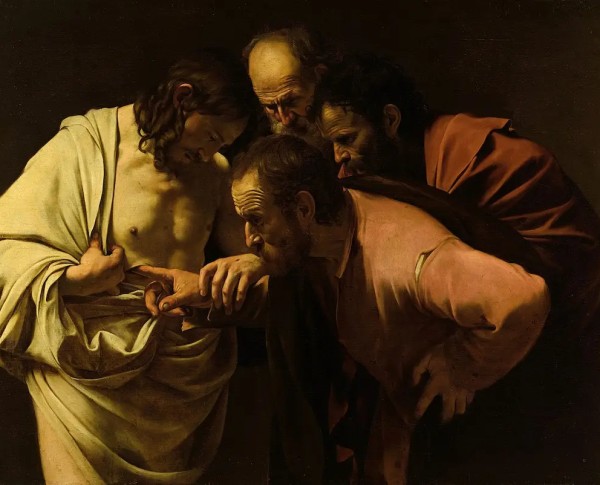
The meticulous details in Caravaggio’s "Portrait of Alof de Wignacourt and his Page" reveal his expertise in oil on canvas technique. Each brushstroke demonstrates his unique ability to render lifelike textures and dramatic contrasts, hallmarks of the Baroque movement. This painting, along with masterpieces such as "Doubting Thomas" and "Penitent Magdalene", exemplifies why Caravaggio remains celebrated for his skill and innovation in the world of oil on canvas portraits.
Beyond its visual grandeur, Caravaggio’s "Portrait of Alof de Wignacourt and his Page" is rich in narrative and symbolism typical of Baroque art. The presence of the page and the ornate armor signify themes of loyalty and power. This fine art painting for sale offers more than aesthetic beauty—it provides insight into 17th-century society. Collectors may find similar narrative depth in related works like "Portrait of a Courtesan" and "Saint Jerome penitent".
Owning "Portrait of Alof de Wignacourt and his Page" by Caravaggio is a dream for many art lovers, especially those drawn to the Baroque movement. This hand-painted oil painting not only adds historical value but also elevates any fine art collection. For those seeking to expand their portfolio, related products such as "Saint Jerome Writing" and "Penitent Magdalene" offer complementary masterpieces, making each acquisition a true collector’s treasure.
When Art Meets History
"Portrait of Alof de Wignacourt and his Page" by Caravaggio is a striking example of the Baroque movement, capturing a pivotal moment in history. This hand-painted oil painting immortalizes Alof de Wignacourt, Grand Master of the Knights of Malta, alongside his young page. Caravaggio's masterful technique is also evident in related works like "The Death of St Bonaventura" and "Portrait of Fra Zumel Francisco," each showcasing the artist’s unique approach to historical portraiture.
Techniques That Speak
Caravaggio’s use of oil on canvas in "Portrait of Alof de Wignacourt and his Page" exemplifies the dramatic contrasts and lifelike realism characteristic of the Baroque period. The painting’s meticulous details, from the shimmering armor to the expressive faces, demonstrate the artist’s technical prowess. This approach can also be seen in related pieces such as "Mother Combing the Hair of Her Child" and "Vision of St Peter Nolasco," making each work a testament to Caravaggio’s enduring legacy.
Emotions on Display
In this fine art painting for sale, Caravaggio captures not just the likeness but also the emotional depth of his subjects. The dignified posture of Alof de Wignacourt and the attentive gaze of his page convey authority, loyalty, and subtle vulnerability. These emotional undertones are a hallmark of Caravaggio’s Baroque masterpieces, also present in works like "Holy Family." Each brushstroke invites viewers to connect with the humanity behind the historical figures.
Coveted by Collectors
"Portrait of Alof de Wignacourt and his Page" remains highly sought after by collectors and museums worldwide. As a prime example of a hand-painted oil painting from the Baroque era, its value is enhanced by Caravaggio’s reputation and the painting’s historical significance. Alongside other masterpieces like "Vision of St Peter Nolasco" and "Portrait of Fra Zumel Francisco," this artwork continues to attract those passionate about acquiring exceptional pieces of art history.
Related Baroque Hand-Painted Oil Paintings by Other Artists
Other Famous Baroque Artists:
Frequently Asked Questions About Portrait of Alof de Wignacourt and his Page
Who is depicted in the painting "Portrait of Alof de Wignacourt and his Page"?
The painting features Alof de Wignacourt, the Grand Master of the Knights of St. John, alongside his page, a young boy who symbolizes loyalty and service.
What is the historical context of this painting?
This artwork was created during the late 16th century, a period marked by the Counter-Reformation and the rise of the Baroque style, which emphasized realism and emotional intensity.
What artistic techniques did Caravaggio employ in this painting?
Caravaggio utilized chiaroscuro, a technique that contrasts light and shadow, to create depth and emphasize the figures' dramatic presence.
What is the significance of the page in the painting?
The page represents the theme of servitude and loyalty, reflecting the hierarchical structure of the Knights of St. John and the importance of mentorship and guidance.
How does the composition of the painting contribute to its impact?
The close-up composition draws viewers into the intimate relationship between the Grand Master and his page, enhancing the emotional connection and the sense of authority.
What symbolism can be found in the attire of the figures?
The Grand Master's ornate armor and the page's simple clothing symbolize the contrast between power and humility, highlighting the roles within the chivalric order.
How does this painting reflect Caravaggio's style?
This work exemplifies Caravaggio's signature realism, dramatic lighting, and psychological depth, which were revolutionary for his time and influenced future generations of artists.
What role did the Knights of St. John play in the 16th century?
The Knights of St. John were a military order that played a crucial role in the defense of Christendom during the Ottoman Empire's expansion, which is reflected in the painting's themes of valor and duty.
What is the current location of "Portrait of Alof de Wignacourt and his Page"?
This painting is housed in the National Museum of Fine Arts in Valletta, Malta, where it continues to be a significant representation of Maltese heritage and Baroque art.
How has the painting been received by art critics and historians?
Art critics and historians have praised the painting for its innovative use of light, emotional depth, and its historical significance, marking it as one of Caravaggio's masterpieces.























_GFM_Painting_(1).webp)


 100% Hand-Painted: Finished in 3-6 Weeks

.png)















_(1).webp)