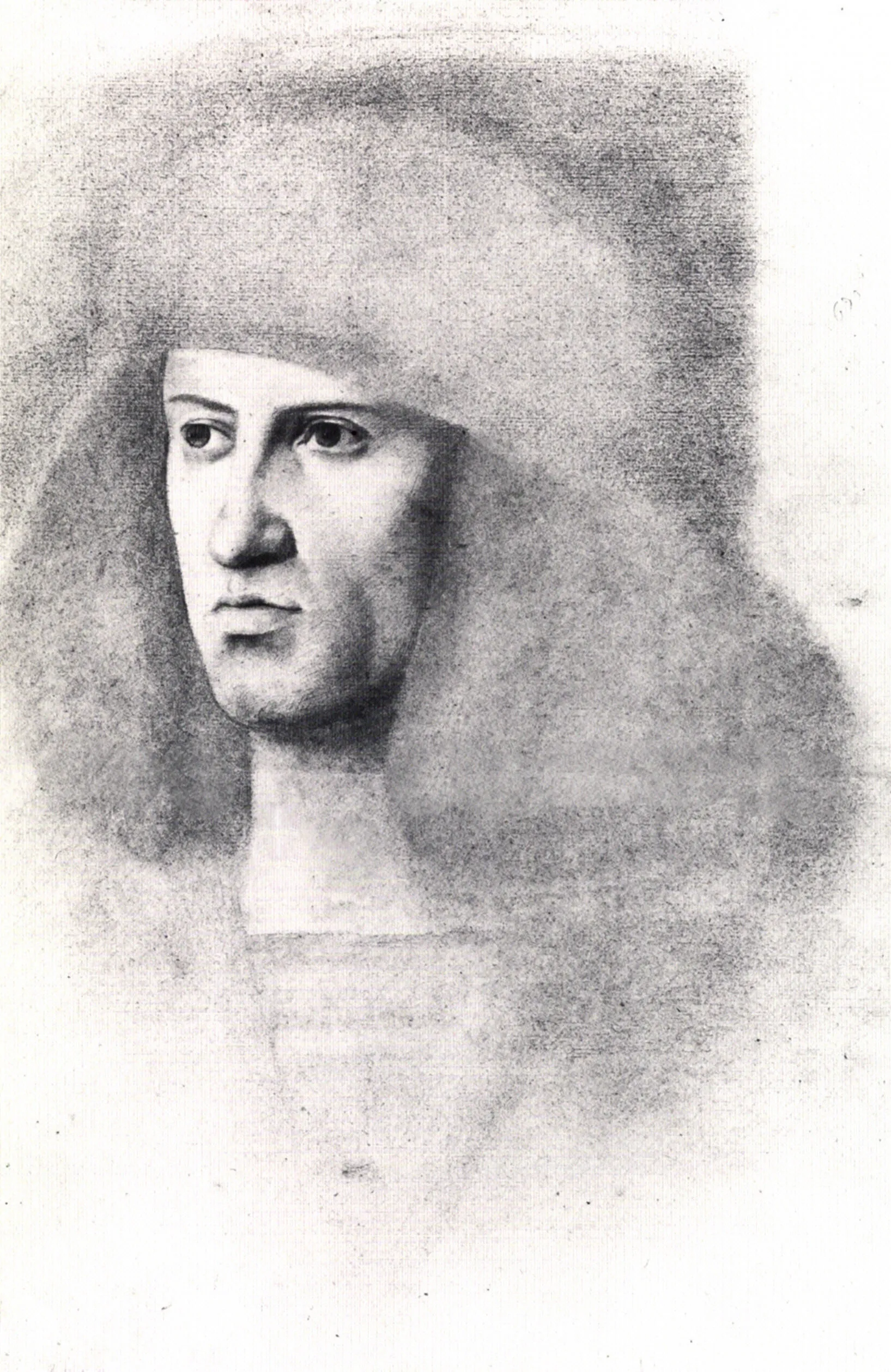
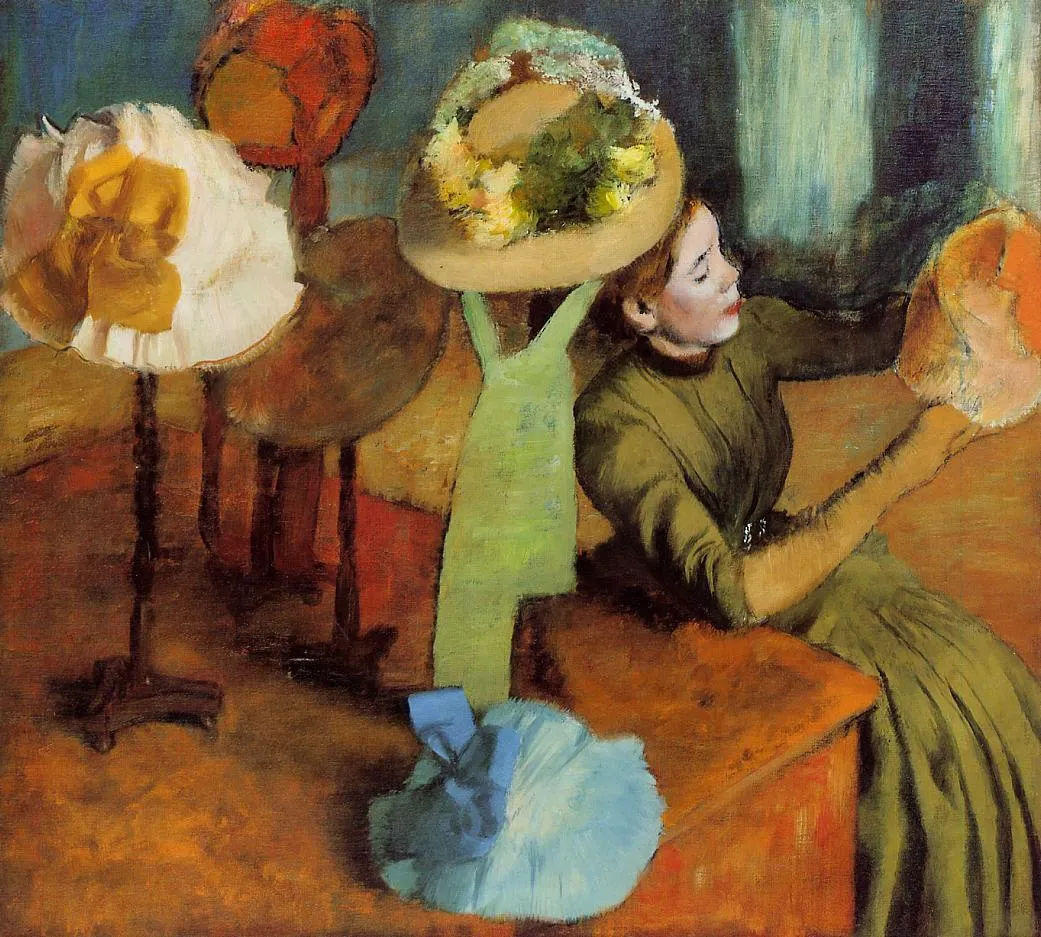
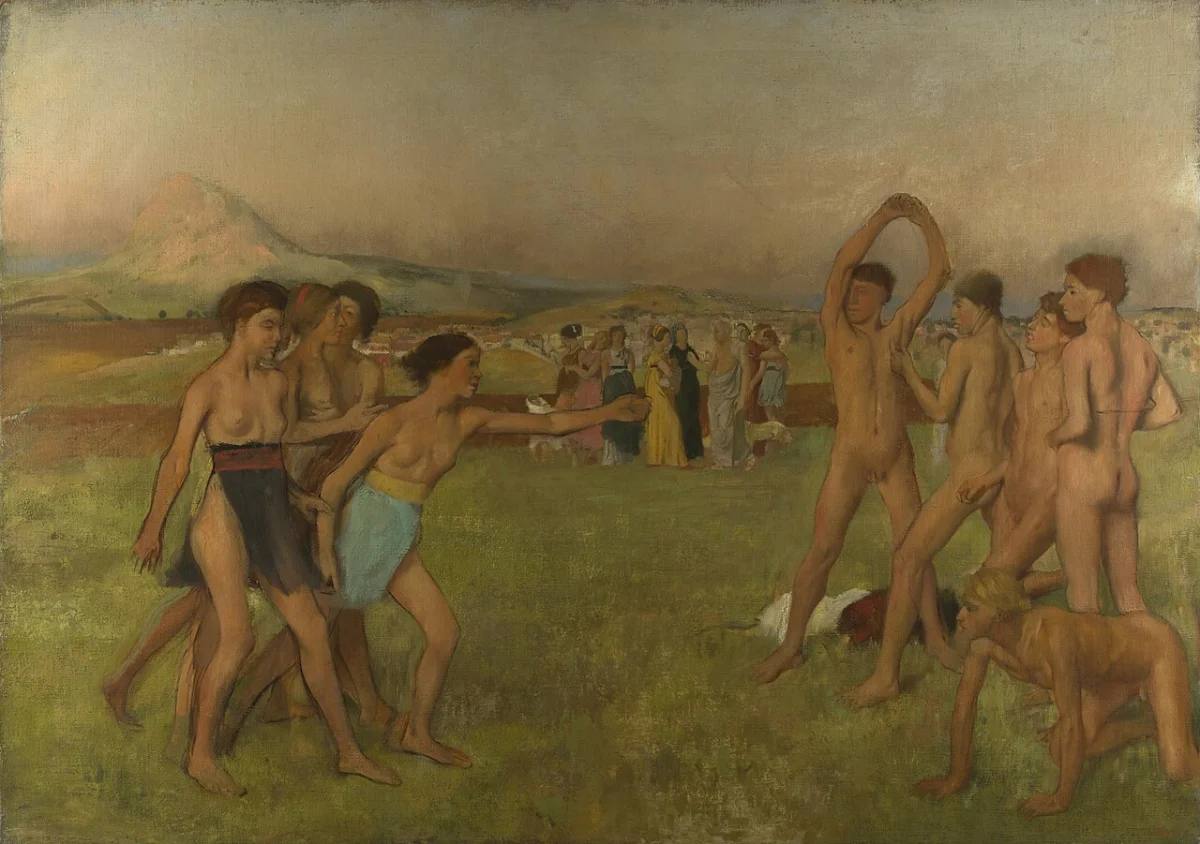
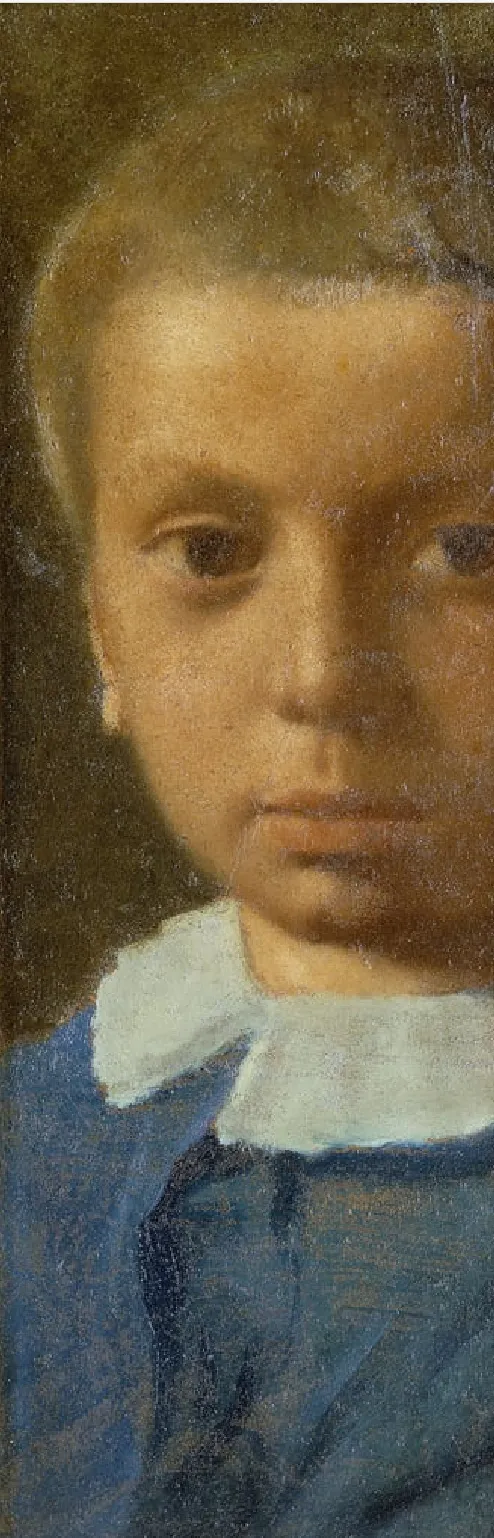
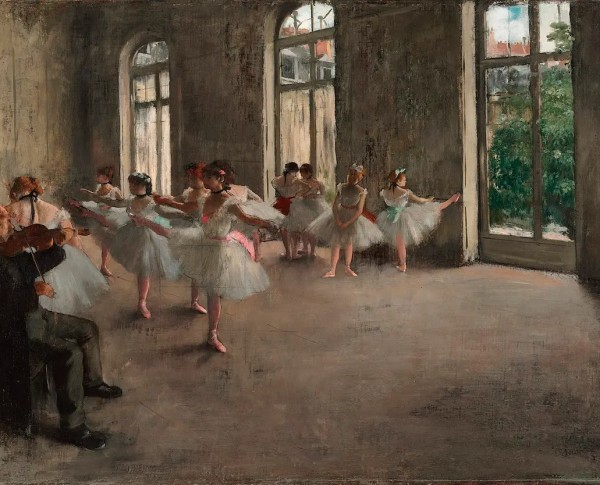
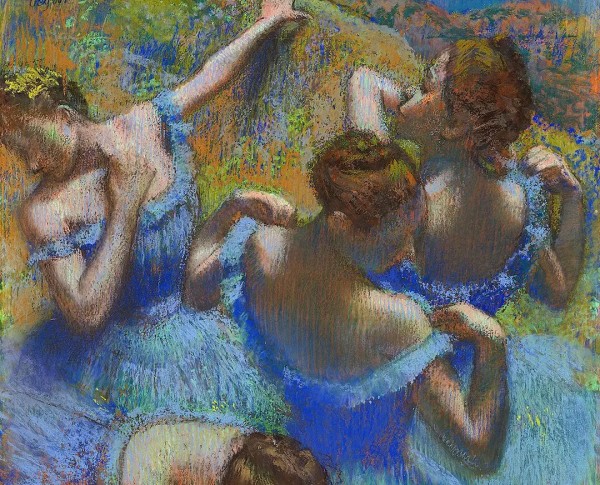
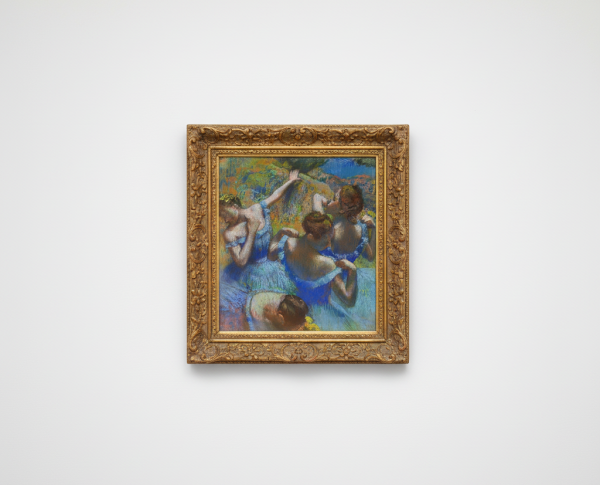
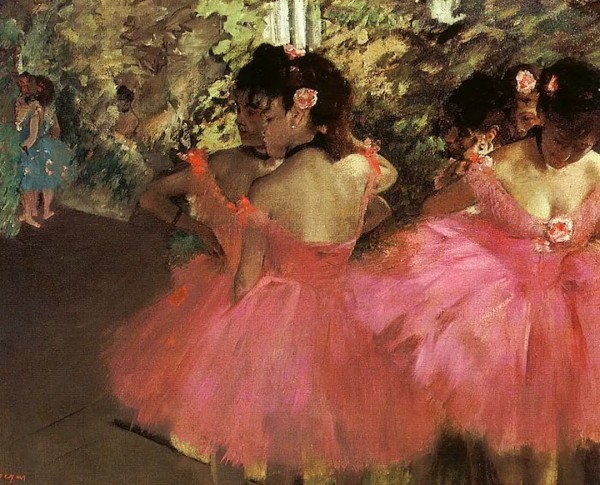
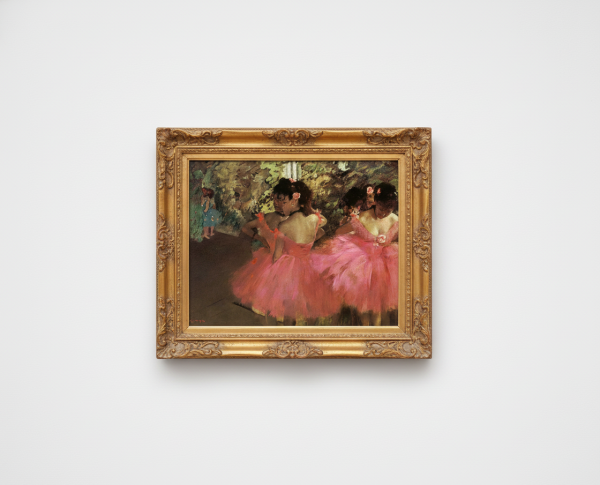
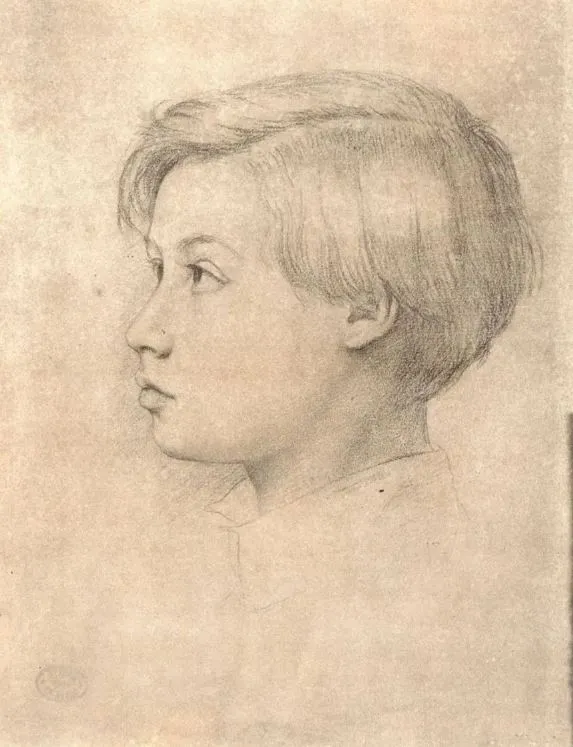
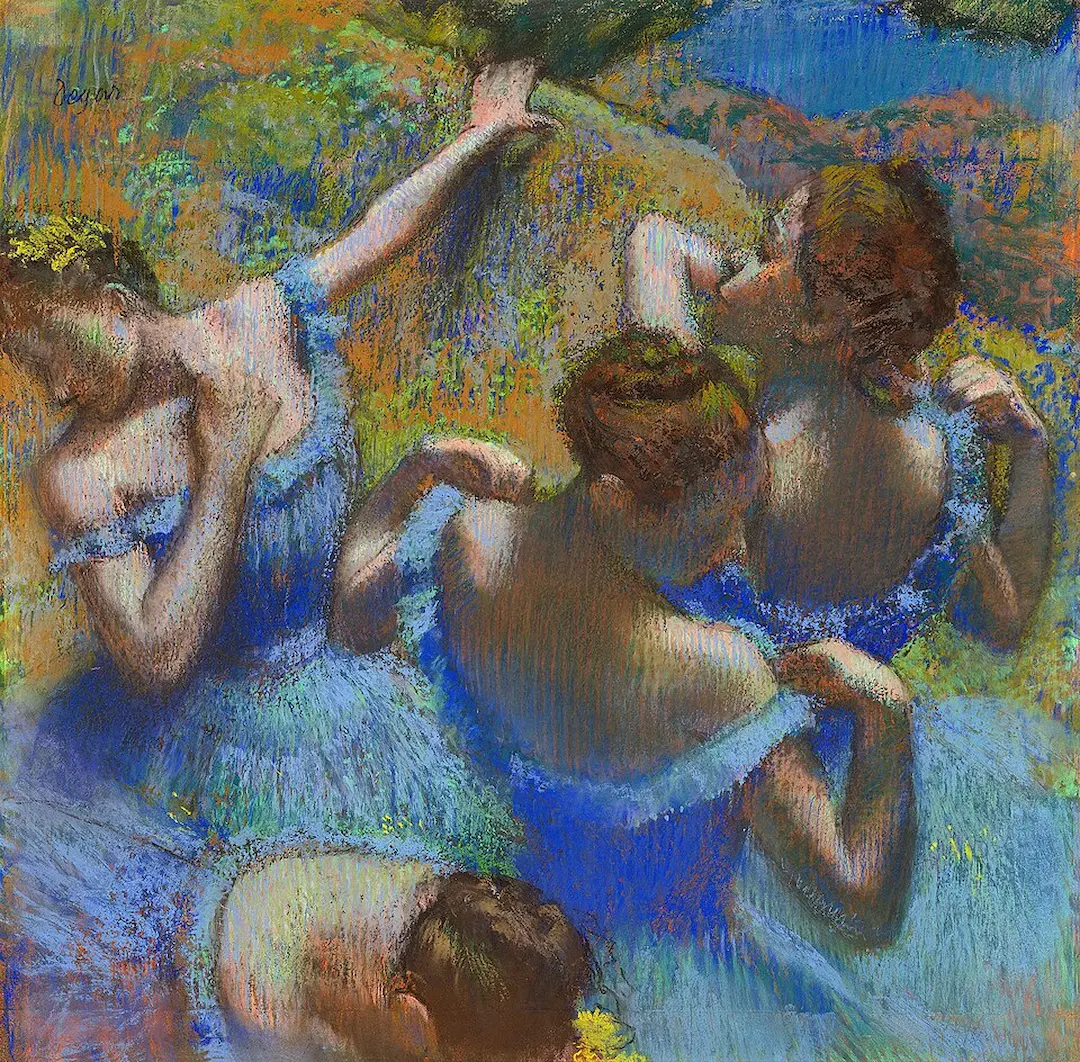
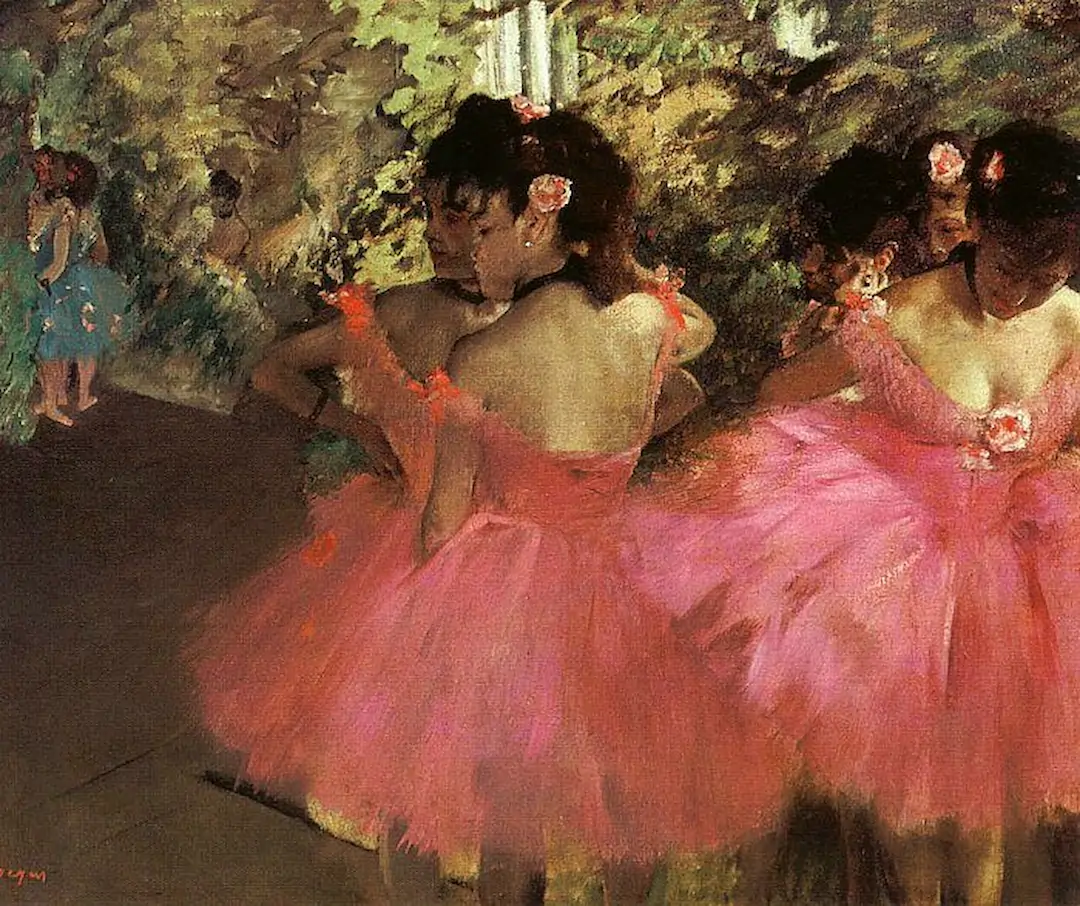
The "Portrait of René de Gas" exemplifies Degas’s signature style, blending delicate brushwork with nuanced color palettes. Executed with oil on canvas, this piece reflects the artist’s fascination with capturing light and movement, hallmarks of the Impressionism movement. As seen in other works such as "Dancers In Pink" and "Blue Dancers, c.1899," Degas’s technical expertise elevates each portrait into a timeless masterpiece perfect for discerning collectors.
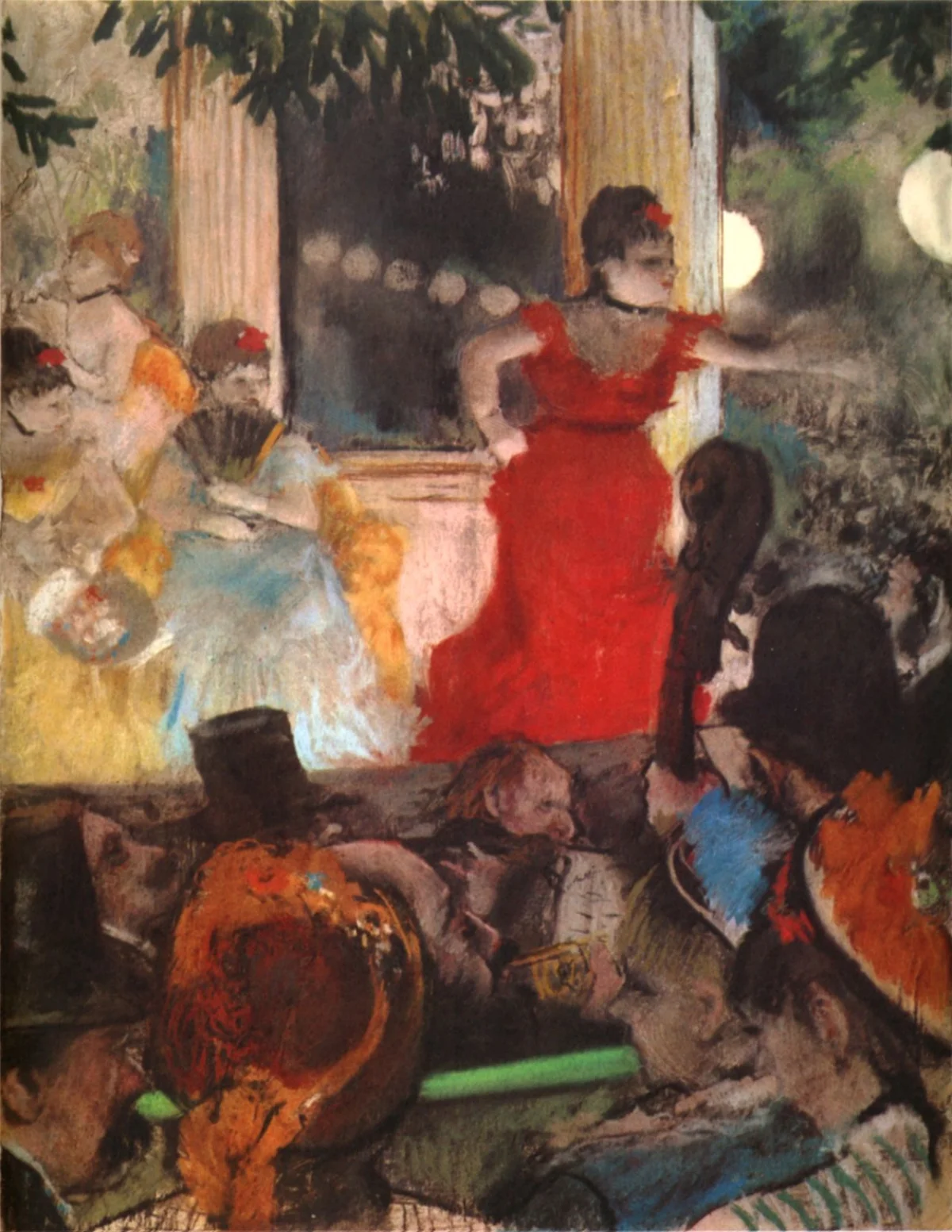
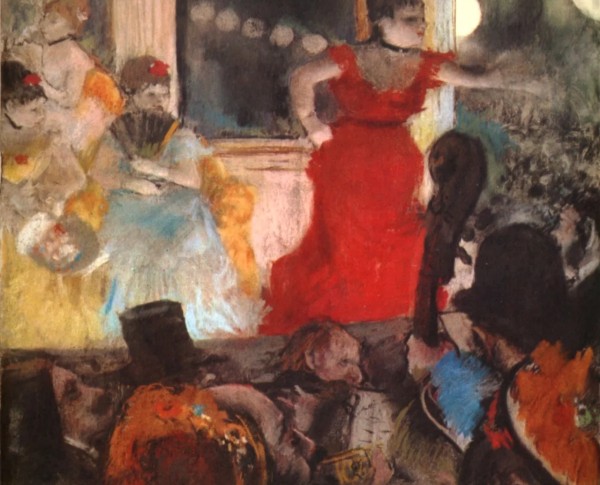
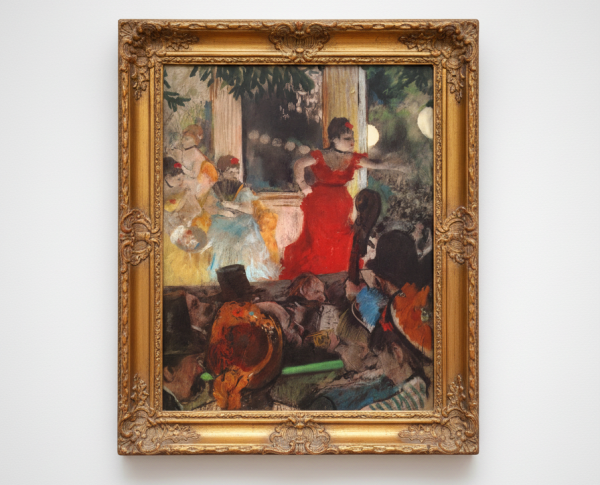
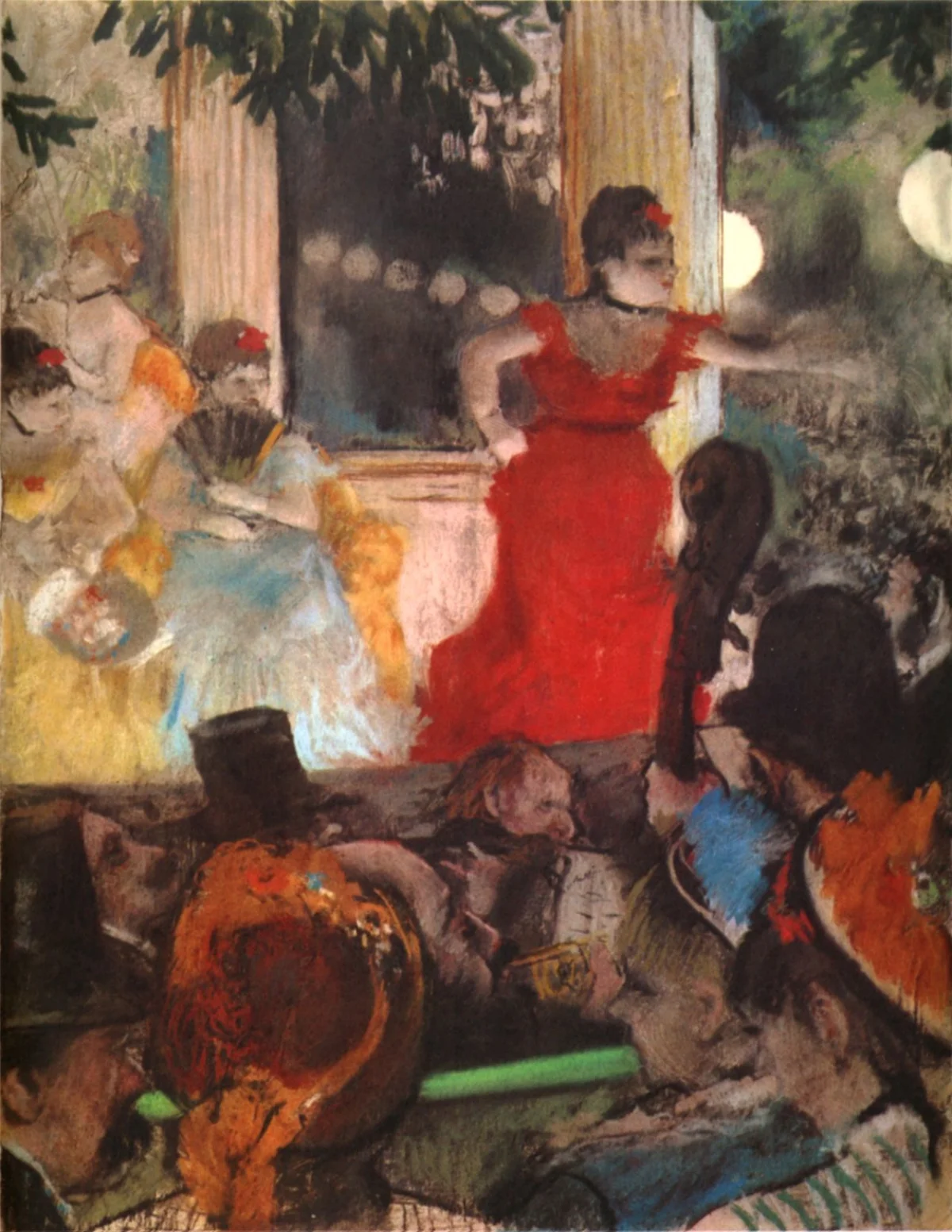
In this fine art painting for sale, Degas infuses subtle symbolism and narrative, offering more than just a likeness of his brother. The thoughtful composition and expressive posture invite viewers to contemplate the subject’s inner world. Like "The Child in Blue" and "Le Café-concert aux ambassadeurs," this painting demonstrates Degas’s ability to tell compelling stories through art, making it a captivating addition to any Impressionist collection.
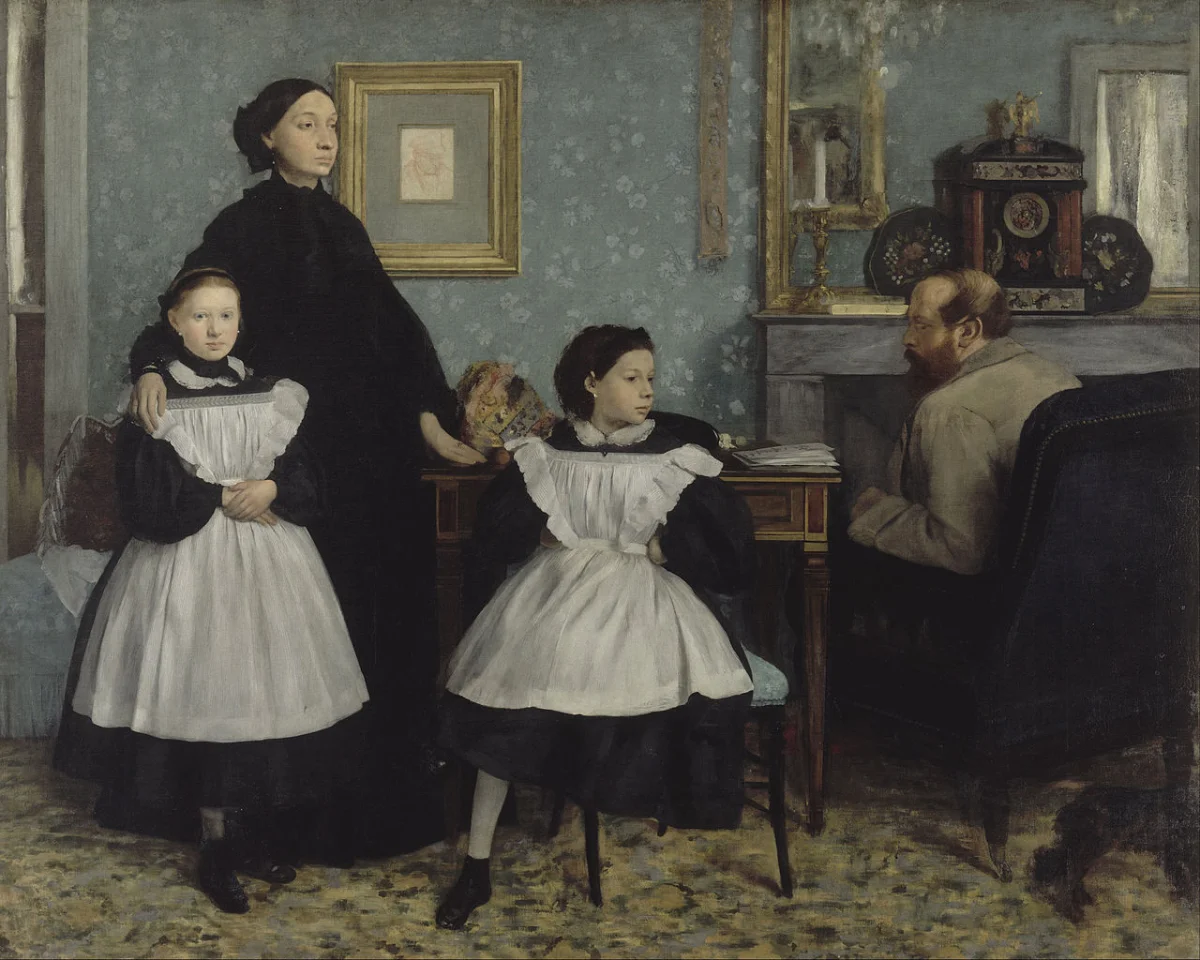
This hand-painted oil painting is a prized possession for any art enthusiast seeking a connection to Impressionism’s golden era. Edgar Degas’s "Portrait of René de Gas" not only enriches private collections but also complements other masterpieces such as "The Bellelli Family" and "Dancers In Pink." For those searching for a fine art painting for sale, this work offers an exceptional blend of historical significance and artistic brilliance.
When Art Meets History
Edgar Degas, a master of the Impressionism movement, immortalized his brother in the celebrated "Portrait of René de Gas." Created in the late 19th century, this hand-painted oil painting captures a moment steeped in both personal and artistic history. Alongside related works like "Dance At Bougival" and "A Girl with a Watering Can," Degas’s portrait offers a window into the era’s cultural atmosphere, blending innovation with a touch of nostalgia and familial intimacy.
Techniques That Speak
Degas employed delicate brushwork and layered textures in this oil on canvas, showcasing the nuanced techniques that define Impressionism. The subtle interplay of light and shadow highlights the sitter’s contemplative expression, while the loose, expressive strokes lend vitality to the entire composition. This approach is akin to what can be seen in masterpieces like "Haystacks" and "Beach in Pourville," where the medium of oil on canvas becomes a vehicle for emotional resonance and visual storytelling.
Emotions on Display
In "Portrait of René de Gas," Degas masterfully conveys introspection and quiet dignity, inviting viewers to ponder the sitter’s inner world. The artist’s sensitivity to mood and character is reminiscent of works such as "Road in a Forest Fontainebleau." Through this fine art painting for sale, the subtlety of human emotion is rendered palpable, making it a striking example of how Impressionist painters like Degas explored the depths of the human psyche on canvas.
Coveted by Collectors
As a significant work within the Impressionism movement, the "Portrait of René de Gas" is highly sought after by art enthusiasts and collectors worldwide. Its status as a hand-painted oil painting by Edgar Degas, alongside famous pieces like "Dance At Bougival," ensures its place in prestigious collections. The enduring appeal of this portrait lies in its historical importance and artistic mastery, making it a prized acquisition for anyone seeking a fine art painting for sale.
Related Impressionism Hand-Painted Oil Paintings by Other Artists
Other Famous Impressionism Artists:
Frequently Asked Questions About Portrait of René de Gas
Who is the subject of the painting "Portrait of René de Gas"?
The subject of the painting is René de Gas, who was the brother of the artist Edgar Degas. He was a prominent figure in Degas's life and artistic career.
What artistic techniques did Edgar Degas employ in this portrait?
Degas utilized a combination of impressionistic brushwork and a focus on light and shadow to create depth and texture in the portrait, showcasing his mastery of oil painting.
What is the historical context of "Portrait of René de Gas"?
This painting was created during the late 19th century, a time when portraiture was evolving, and artists like Degas were exploring new techniques and perspectives influenced by Impressionism.
How does "Portrait of René de Gas" reflect Edgar Degas's style?
The portrait exemplifies Degas's unique style, characterized by a focus on movement, the human form, and an innovative approach to composition, often capturing candid moments.
What symbolism can be found in "Portrait of René de Gas"?
The painting symbolizes familial bonds and the intimate connection between the artist and his subject, reflecting Degas's deep appreciation for his brother and their shared artistic heritage.
What materials were used in the creation of this painting?
Degas primarily used oil paints on canvas for "Portrait of René de Gas," a common medium for portraiture during that period, allowing for rich color and detail.
What is the significance of the pose and expression of René de Gas in the portrait?
René de Gas's pose and expression convey a sense of introspection and contemplation, reflecting the personality of the subject and the artist's ability to capture emotional depth.
How does this painting fit into the broader context of Degas's body of work?
"Portrait of René de Gas" is an important piece within Degas's oeuvre, showcasing his versatility as a portrait artist while also highlighting his focus on personal relationships and family.
What influence did "Portrait of René de Gas" have on future artists?
This portrait has influenced subsequent generations of artists by demonstrating the power of personal narrative in portraiture and the innovative use of color and composition.
Where is "Portrait of René de Gas" currently housed?
The painting is part of the collection at the Musée d'Orsay in Paris, France, which is renowned for its extensive collection of Impressionist and Post-Impressionist masterpieces.






















_GFM_Painting_(1).webp)


 100% Hand-Painted: Finished in 3-6 Weeks

.png)















_(1).webp)