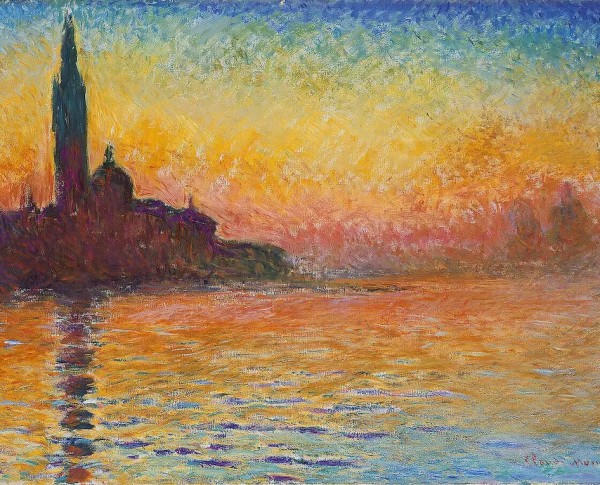
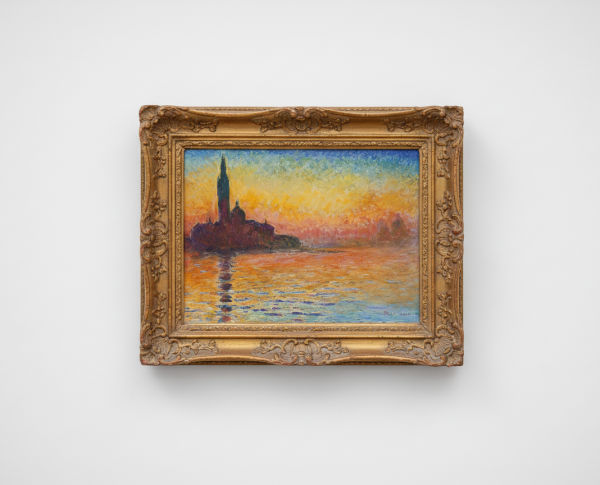
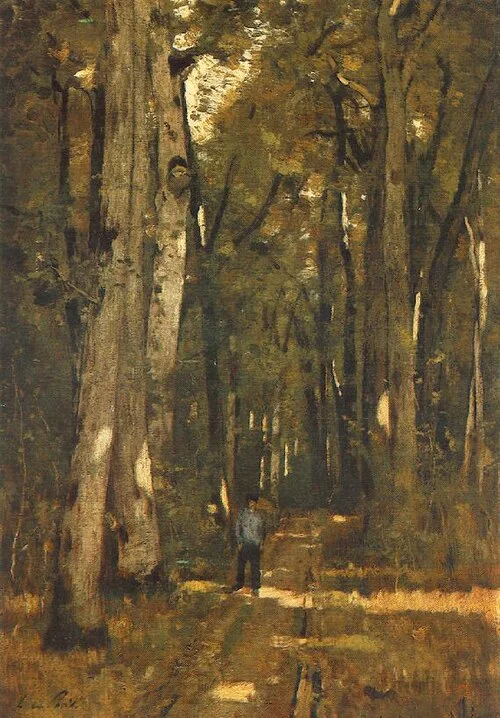
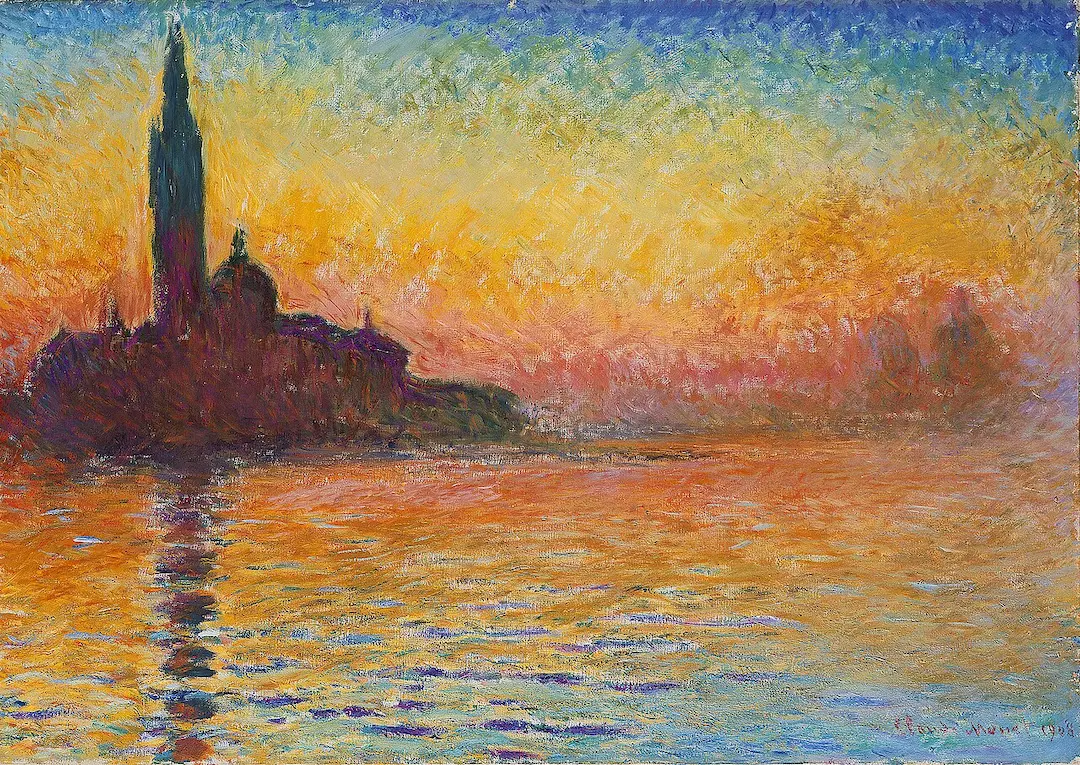
Claude Monet’s "Road in a Forest Fontainebleau" exemplifies his mastery of oil on canvas, where every brushstroke brings the tranquil forest scene to life. The painting’s textured layers and vibrant hues reflect the Impressionist dedication to capturing the essence of a moment. Collectors of fine art paintings for sale often seek out Monet’s work, including related pieces like "San Giorgio Maggiore At Dusk" and "The Railway Bridge at Argenteuil," for their timeless beauty and artistic innovation.
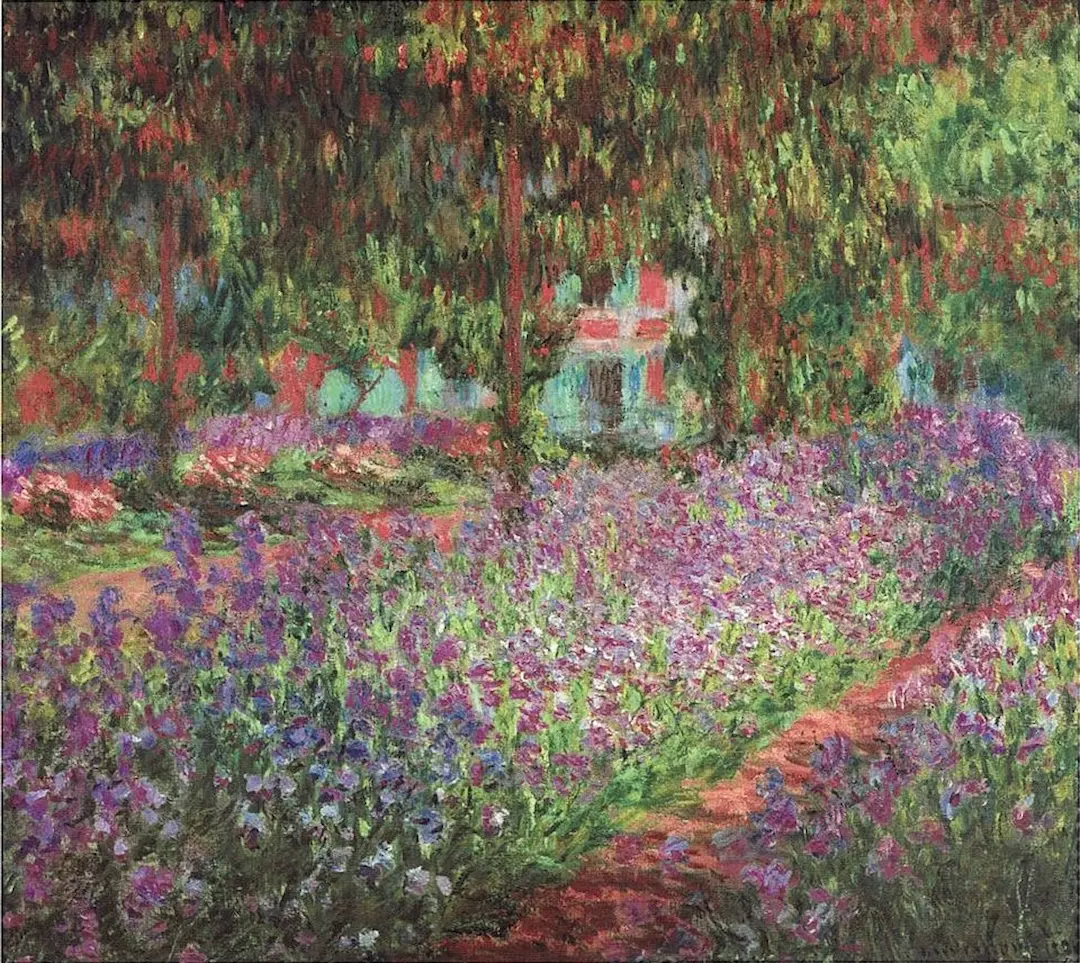
In "Road in a Forest Fontainebleau," Monet invites viewers to journey along a sun-dappled path, evoking feelings of peace and contemplation. The hand-painted oil painting subtly conveys themes of serenity and the passage of time, hallmarks of the Impressionism movement. Art lovers drawn to Monet’s storytelling also appreciate related works such as "Terrace at the Seaside, Sainte-Adresse," where nature and human presence harmonize in unforgettable fine art painting for sale.
Owning "Road in a Forest Fontainebleau" by Claude Monet is a privilege for any discerning collector of oil on canvas masterpieces. This fine art painting for sale not only embodies the spirit of Impressionism but also complements collections featuring iconic pieces like "Impression, Sunrise" and "Road to the Saint-Simeon Farm." Monet’s ability to transform everyday landscapes into extraordinary visions ensures his enduring appeal among art connoisseurs worldwide.
When Art Meets History
"Road in a Forest Fontainebleau" by Claude Monet is a remarkable representation of the Impressionism movement, capturing the serene beauty of nature in 19th-century France. This hand-painted oil painting reflects Monet’s fascination with light and atmosphere, similar to his other works like "Children in the Sea, 1909" and "Spring Bouquet." By documenting everyday scenes, Monet and his contemporaries shaped a new era in art, making each painting a testament to both history and innovation.
Techniques That Speak
Monet’s mastery in "Road in a Forest Fontainebleau" is evident through his distinctive use of oil on canvas, a hallmark of Impressionist technique. His rapid brushstrokes and delicate color palette bring the forest’s dappled sunlight to life, echoing the vibrancy seen in "By the Seashore" and "Vue de toits." Monet’s innovative approach allowed him to capture fleeting moments, making each fine art painting for sale a window into the artist’s creative process and vision.
Emotions on Display
This painting evokes a sense of tranquility and wonder, inviting viewers to wander along the sunlit path beneath towering trees. Monet’s sensitive depiction of nature in this hand-painted oil painting stirs deep emotions, much like the atmospheric mood of "Paris Street - Rainy Weather 1877." Through Impressionism, Monet communicates the subtle interplay of light and shadow, inspiring a connection between the observer and the peaceful forest setting.
Coveted by Collectors
"Road in a Forest Fontainebleau" remains a highly sought-after fine art painting for sale among collectors and enthusiasts. Its historical significance and exquisite execution place it alongside Monet’s celebrated works such as "Spring Bouquet" and "By the Seashore." As an exceptional example of oil on canvas from the Impressionism movement, this painting embodies the enduring appeal of Claude Monet’s artistry and the timeless allure of his natural landscapes.
Related Impressionism Hand-Painted Oil Paintings by Other Artists
Other Famous Impressionism Artists:
Frequently Asked Questions About Road in a Forest Fontainebleau
What is the historical context of "Road in a Forest Fontainebleau"?
"Road in a Forest Fontainebleau" was painted during the late 19th century, a period marked by the rise of Impressionism. Claude Monet, a leading figure of this movement, sought to capture the transient effects of light and atmosphere in natural settings, reflecting a shift away from traditional academic painting.
What artistic techniques did Monet employ in this painting?
Monet utilized loose brushwork and a vibrant color palette to convey the play of light through the trees. His technique emphasizes the spontaneity of the moment, characteristic of Impressionism, allowing viewers to experience the scene as if they were present in the forest.
What does the forest setting symbolize in this artwork?
The forest setting in "Road in a Forest Fontainebleau" symbolizes tranquility and the beauty of nature. It reflects Monet's fascination with the natural world and his desire to depict the serenity found in rural landscapes, contrasting with the industrialization of the era.
How does this painting relate to Monet's other works?
This painting is part of Monet's broader exploration of light and color in nature, similar to his other works such as "Impression, Sunrise" and "Water Lilies." It showcases his evolving style and commitment to capturing the essence of a moment in time.
What is the significance of the location depicted in the painting?
The Fontainebleau Forest, located near Paris, was a popular retreat for artists, including Monet. Its diverse landscapes provided endless inspiration, allowing him to experiment with different compositions and lighting effects, which are evident in this work.
What emotions does "Road in a Forest Fontainebleau" evoke?
The painting evokes feelings of peace and contemplation, inviting viewers to immerse themselves in the natural beauty of the forest. The interplay of light and shadow creates a sense of depth and movement, enhancing the emotional connection to the landscape.
How did Monet's approach to color influence this painting?
Monet's innovative use of color in "Road in a Forest Fontainebleau" reflects his belief in the emotional power of color. He applied colors side by side rather than mixing them, creating vibrant contrasts that enhance the luminosity of the scene and evoke a sense of immediacy.
What role does light play in this artwork?
Light is a central theme in "Road in a Forest Fontainebleau," as Monet captures its changing qualities throughout the day. The dappled sunlight filtering through the trees creates dynamic patterns, emphasizing the fleeting nature of the moment and the beauty of the natural world.
In what ways did this painting influence future artists?
This painting, along with Monet's other works, significantly influenced the development of modern art, particularly the Impressionist movement. Its focus on capturing light and atmosphere inspired subsequent generations of artists to explore new techniques and subjects in their own work.
What is the current status of "Road in a Forest Fontainebleau" in the art world?
"Road in a Forest Fontainebleau" is regarded as a masterpiece of Impressionism and is celebrated for its innovative approach to landscape painting. It is housed in prestigious collections and continues to be studied and admired for its artistic significance and historical importance.























_GFM_Painting_(1).webp)


 100% Hand-Painted: Finished in 3-6 Weeks

.png)















_(1).webp)