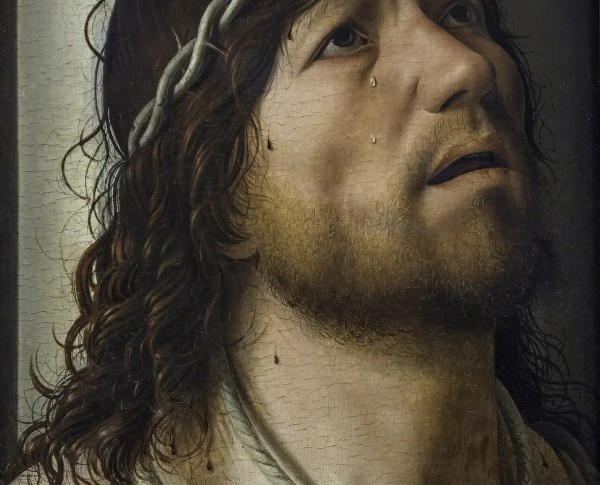
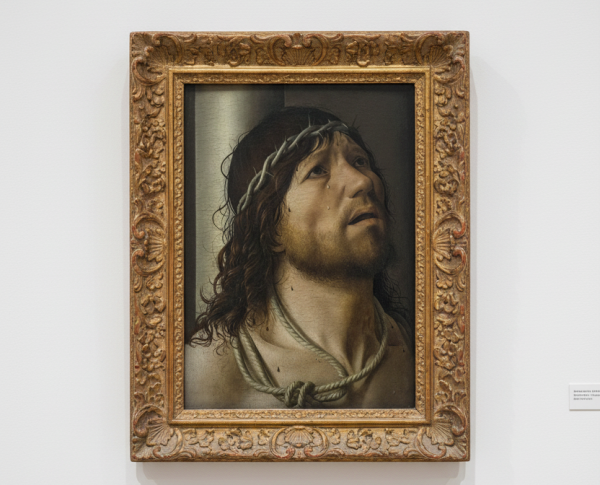
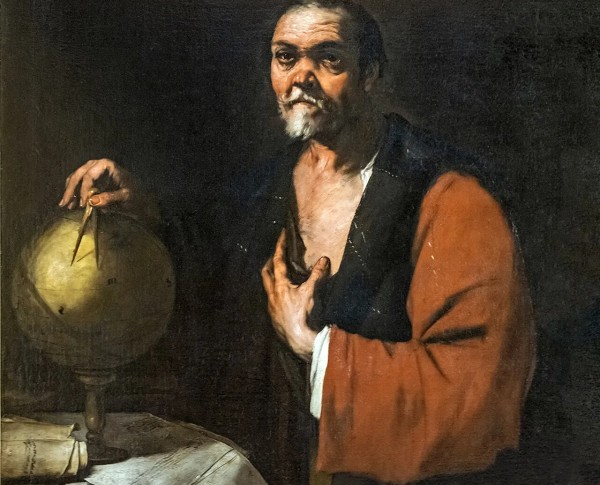
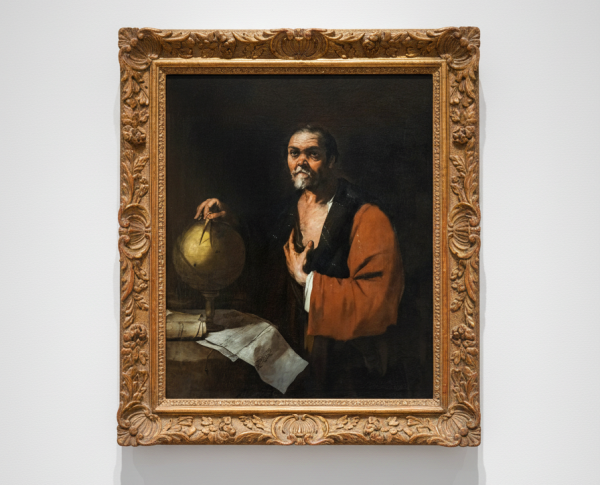
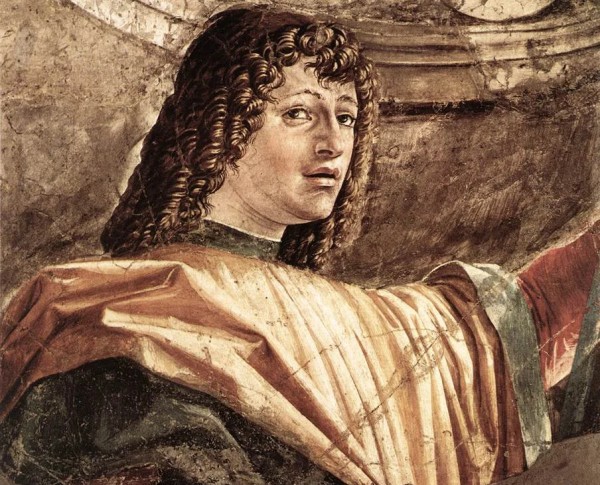
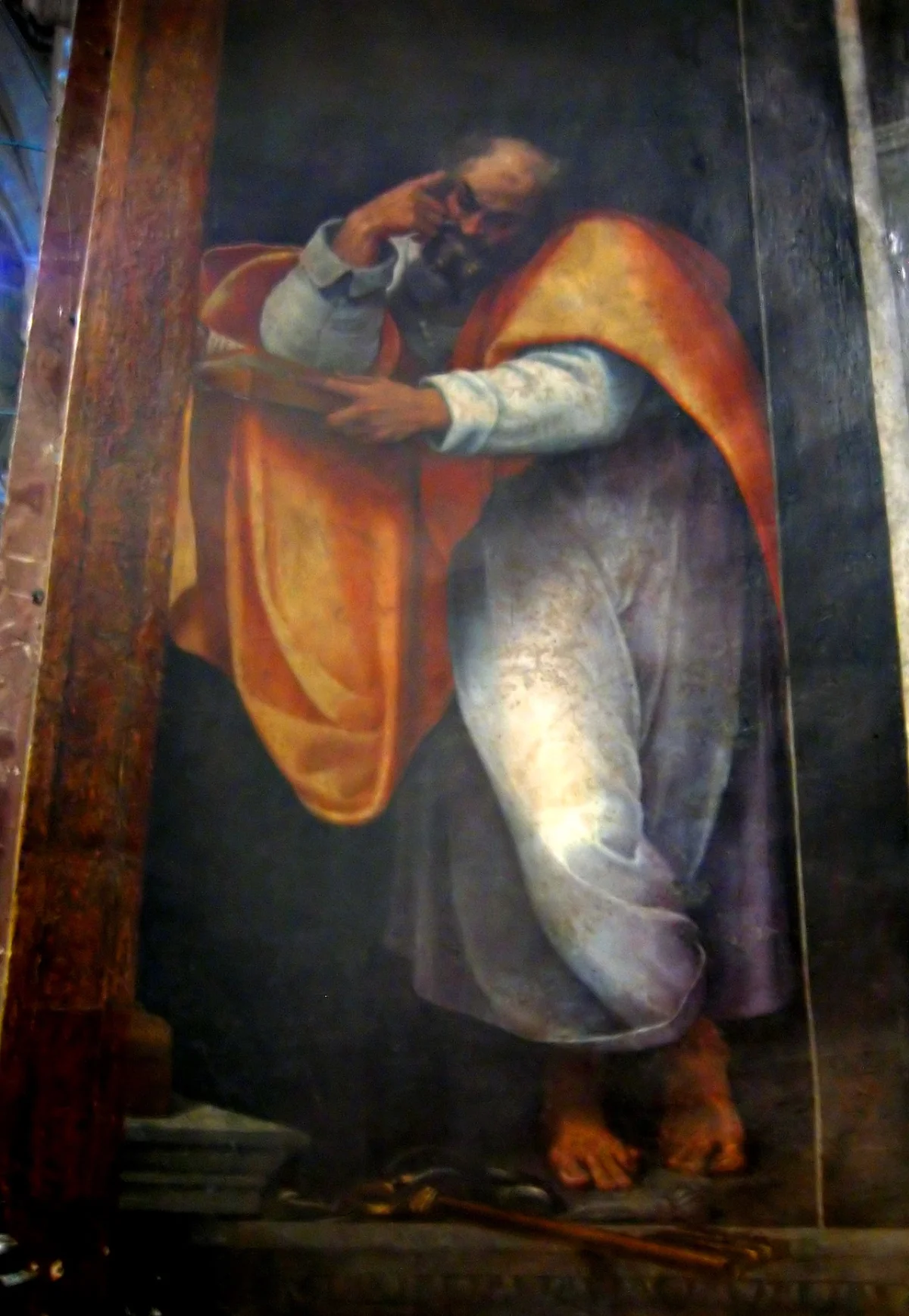
With "San Pietro in Montorio, Rome," Donato Bramante masterfully renders architectural detail and harmony through his oil on canvas technique. Every brushstroke reflects the precision and innovation characteristic of the High Renaissance movement. The painting’s luminous color palette and realistic perspective demonstrate Bramante’s technical prowess. For enthusiasts of historic art, related works like "Sforza Castle - Bramante loggia bridge" showcase similar mastery and are sought-after oil on canvas pieces among discerning collectors.
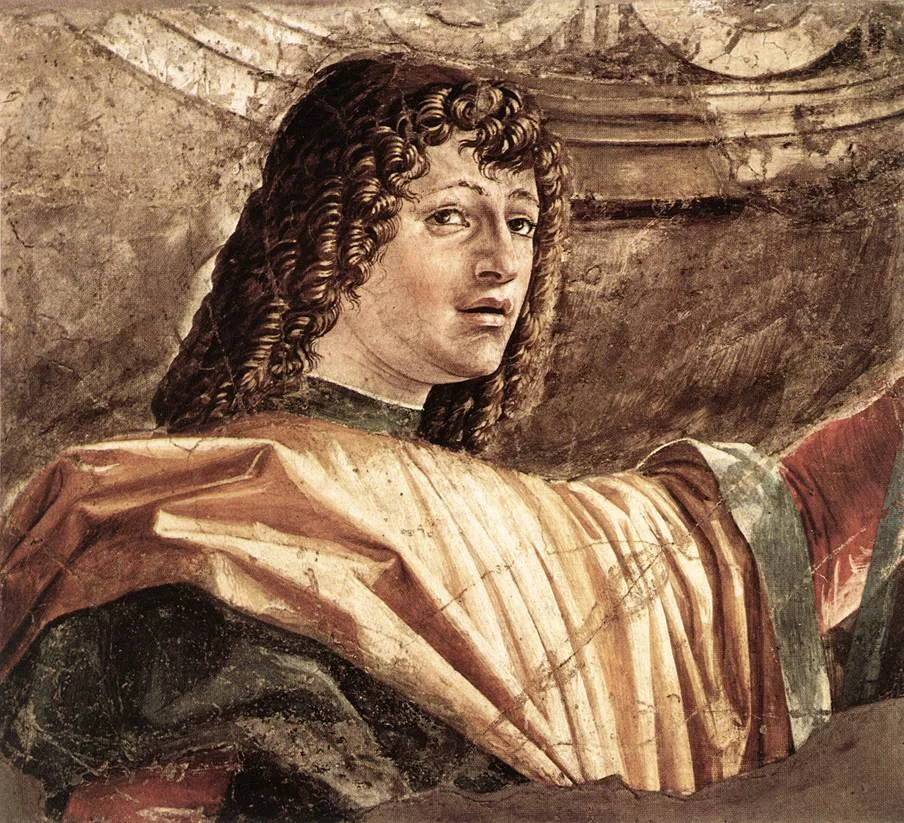
This fine art painting for sale is rich with symbolism, capturing the spiritual and cultural essence of Renaissance Rome. Donato Bramante’s depiction of San Pietro in Montorio highlights the significance of the site and its architectural grandeur. Viewers are invited to interpret the nuanced details woven throughout the composition. Collectors often pair this masterpiece with related artworks such as "The Chanter" and "Uomo dall'alabarda" to create a narrative of Renaissance artistry within their own collections.
Owning "San Pietro in Montorio, Rome" by Donato Bramante means possessing a piece of High Renaissance heritage. This hand-painted oil painting is highly prized among art collectors seeking historical authenticity and aesthetic beauty. Its value is further enhanced when displayed alongside related products, including "Man with a Mace, Palazzo Torlonia" and "Sforza Castle - Bramante loggia bridge." For those seeking a distinguished fine art painting for sale, Bramante’s work remains a timeless investment.
When Art Meets History
"San Pietro in Montorio, Rome" by Donato Bramante is a masterpiece of the High Renaissance movement, reflecting a pivotal moment in art history. This hand-painted oil painting captures the architectural brilliance of Bramante, who also influenced works like "The Last Supper 1498" and "The Stanza Della Segnatura Ceiling Justice." Each brushstroke embodies the era’s fascination with harmony and proportion, making this artwork a significant cultural artifact that bridges art and history seamlessly.
Techniques That Speak
Donato Bramante’s "San Pietro in Montorio, Rome" showcases meticulous oil on canvas technique, a hallmark of the High Renaissance. The artist’s mastery of perspective and light brings the structure to life, echoing techniques seen in related paintings such as "Bacchus" and "Angel with Candlestick." The careful layering of oils adds depth and realism, allowing viewers to appreciate the architectural details that define Bramante’s celebrated style in every aspect of this exquisite composition.
Emotions on Display
In "San Pietro in Montorio, Rome," Bramante’s artistry elicits a profound sense of reverence and awe. The painting’s serene atmosphere and balanced composition evoke emotions similar to those inspired by "The Study of Drapery of a Seated Figure." As a fine art painting for sale, it offers collectors and admirers a chance to connect with the spiritual and emotional depth characteristic of the High Renaissance, where every detail is designed to stir contemplation and admiration.
Coveted by Collectors
Collectors highly prize "San Pietro in Montorio, Rome" for its historical significance and exquisite artistry. As a hand-painted oil painting by Donato Bramante, it stands alongside masterpieces like "The Last Supper 1498" and "Bacchus" in desirability. The High Renaissance movement’s influence ensures that such works remain in demand, making this painting a sought-after addition to any collection of fine art, celebrated for both its beauty and enduring cultural value.
Related High Renaissance Hand-Painted Oil Paintings by Other Artists
Other Famous High Renaissance Artists:
Frequently Asked Questions About San Pietro in Montorio, Rome
What is the historical significance of San Pietro in Montorio?
San Pietro in Montorio is significant as it marks the site where Saint Peter is believed to have been crucified. The church is a prominent example of Renaissance architecture and reflects the era's religious and cultural transformations.
Who was the architect of San Pietro in Montorio?
The church was designed by the renowned architect Donato Bramante, who is celebrated for his contributions to Renaissance architecture and for introducing classical elements into his designs.
What architectural style is represented in San Pietro in Montorio?
San Pietro in Montorio exemplifies the High Renaissance style, characterized by symmetry, proportion, and the incorporation of classical elements such as columns and domes.
What is the Tempietto and its relation to San Pietro in Montorio?
The Tempietto is a small commemorative tomb built by Bramante within the courtyard of San Pietro in Montorio. It is considered one of the most important examples of Renaissance architecture, symbolizing the revival of classical forms.
What symbolic meanings are associated with San Pietro in Montorio?
The church symbolizes the intersection of faith and humanism during the Renaissance, representing the revival of classical antiquity while serving as a place of worship and pilgrimage.
How did Bramante's design influence later architecture?
Bramante's design for San Pietro in Montorio set a precedent for future Renaissance and Baroque architecture, influencing notable structures such as St. Peter's Basilica in Vatican City.
What role did San Pietro in Montorio play in the Counter-Reformation?
During the Counter-Reformation, San Pietro in Montorio served as a symbol of the Catholic Church's efforts to reaffirm its authority and inspire devotion through art and architecture.
What artistic elements can be found in San Pietro in Montorio?
The church features intricate frescoes, classical sculptures, and harmonious proportions, all of which reflect the artistic ideals of the Renaissance and enhance its spiritual ambiance.
How does San Pietro in Montorio reflect the ideals of the Renaissance?
San Pietro in Montorio embodies Renaissance ideals through its emphasis on symmetry, balance, and the revival of classical antiquity, showcasing the era's focus on humanism and the divine.
What is the significance of the location of San Pietro in Montorio?
Situated on the Janiculum Hill, San Pietro in Montorio offers a panoramic view of Rome, symbolizing the church's elevated spiritual status and its connection to the historical narrative of Christianity.























_GFM_Painting_(1).webp)


 100% Hand-Painted: Finished in 3-6 Weeks

.png)















_(1).webp)