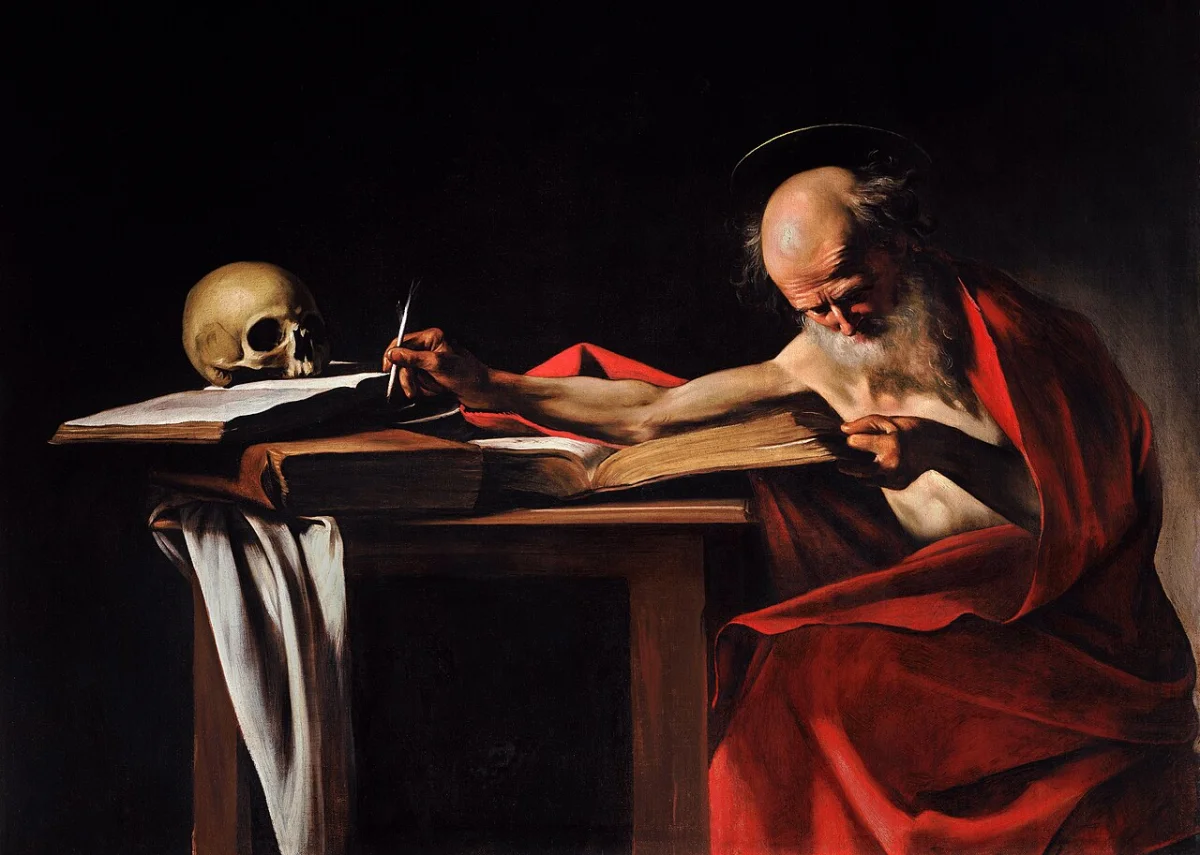
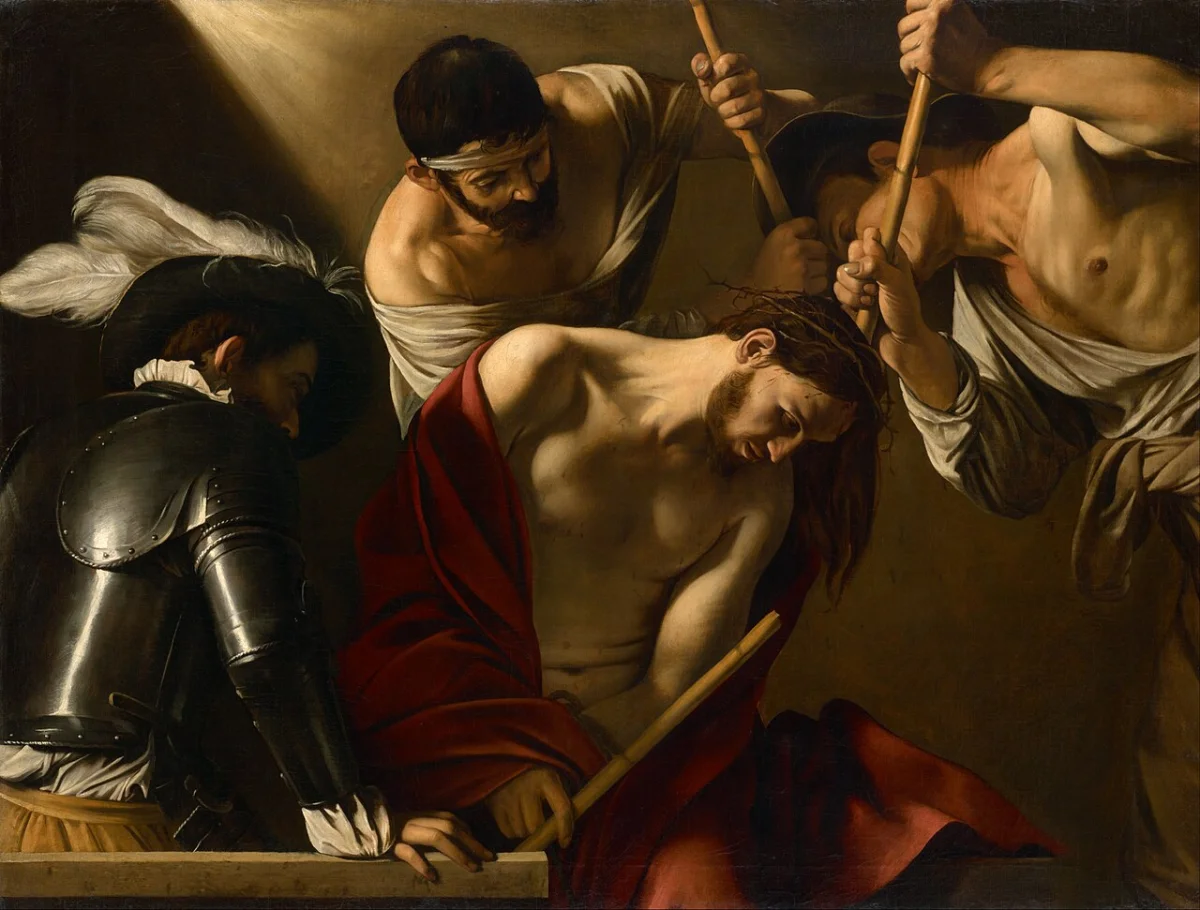
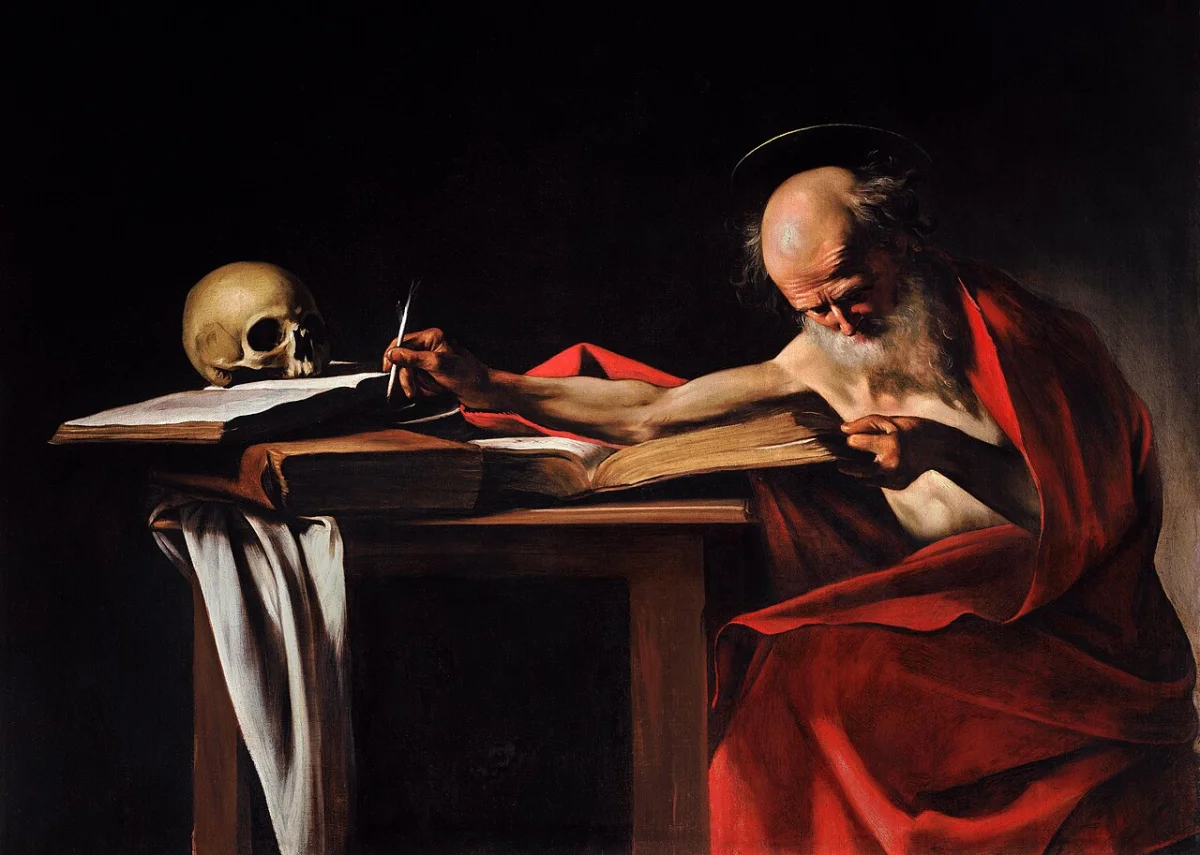
Rendered in exquisite oil on canvas, "The Crowning with Thorns" demonstrates Caravaggio’s unparalleled technique and attention to detail. The artist’s ability to convey emotion through realistic figures and dynamic compositions set a new standard in Baroque art. Those interested in oil on canvas works will find the same level of craftsmanship in Caravaggio’s other masterpieces, such as "Saint Jerome penitent" and "Boy Bitten by a Lizard," making them prized additions to any collection.
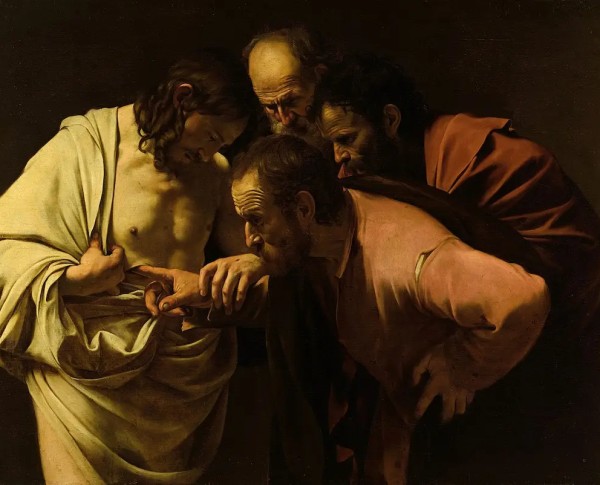
Caravaggio’s "The Crowning with Thorns" is more than a visual spectacle; it is a narrative rich with symbolism and religious meaning. Through this fine art painting for sale, viewers witness the agony and dignity of Christ, rendered with an intensity unique to the Baroque movement. Art lovers can explore similar storytelling depth in related works like "Narcissuss" and "Doubting Thomas," which also reflect Caravaggio’s innovative approach to dramatic themes and symbolic imagery.
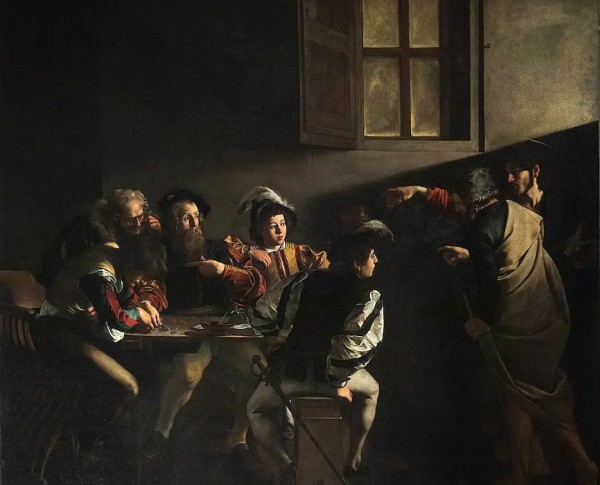
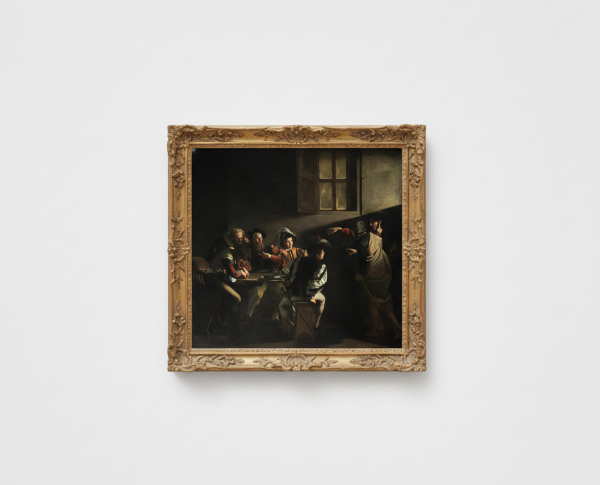
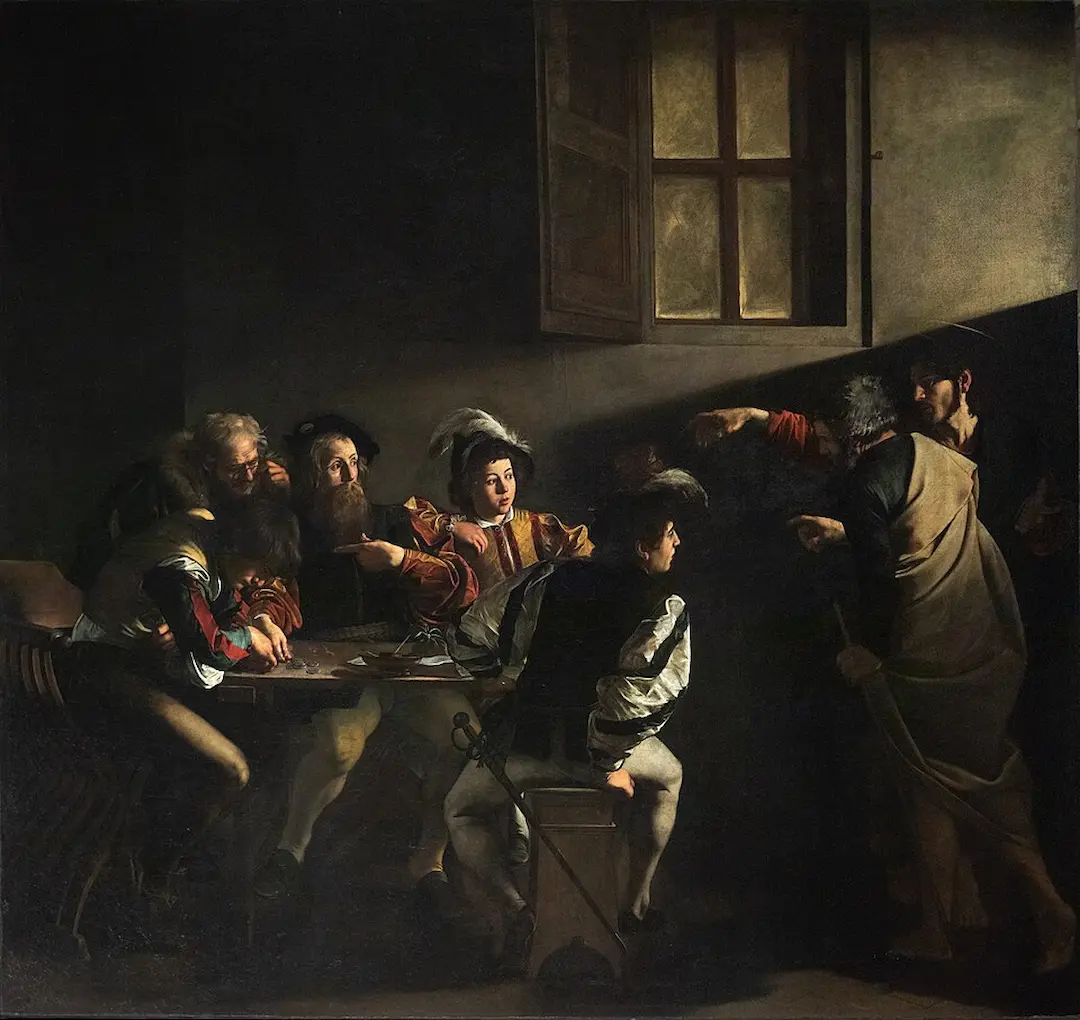
For collectors seeking a hand-painted oil painting with historical and artistic value, "The Crowning with Thorns" by Caravaggio is an exceptional choice. This Baroque masterpiece stands alongside other coveted works such as "The Calling of Saint Matthew" and "Medusa." Owning such a painting not only enriches a collection but also connects one to the legacy of Caravaggio, whose influence continues to shape the appreciation of fine art painting for sale worldwide.
When Art Meets History
"The Crowning with Thorns" by Caravaggio stands as a remarkable example of Baroque artistry. Painted in the early 17th century, this hand-painted oil painting captures a pivotal moment in biblical history, reflecting the period's fascination with drama and realism. Caravaggio’s work, alongside other masterpieces like "Birth of the Virgin" and "Holy Family," demonstrates the transformative power of the Baroque movement in redefining religious narratives through art.
Techniques That Speak
Caravaggio's "The Crowning with Thorns" is renowned for its masterful use of oil on canvas, a technique that allowed the artist to achieve striking contrasts between light and shadow. This approach, known as chiaroscuro, became a hallmark of Baroque painting. Similar methods can be seen in related works such as "Card Players" and "Woman Writing A Letter," where depth and realism bring the scenes to life, showcasing the technical brilliance of the era.
Emotions on Display
In "The Crowning with Thorns," Caravaggio channels intense emotion through the anguished expressions and dramatic gestures of his figures. This fine art painting for sale captures the suffering and vulnerability of Christ, drawing viewers into the narrative. The Baroque movement’s focus on emotional immediacy is evident here, as in other works like "St Gregory" and "Holy Family," making Caravaggio’s paintings enduringly powerful and evocative.
Coveted by Collectors
As a celebrated Baroque masterpiece, "The Crowning with Thorns" is highly sought after by art collectors worldwide. The hand-painted oil painting by Caravaggio is recognized not only for its historical and artistic significance but also for its influence on subsequent generations. Collectors prize such works, much like "Birth of the Virgin" and "Woman Writing A Letter," for their rarity and the profound stories they continue to tell through their timeless imagery.
Related Baroque Hand-Painted Oil Paintings by Other Artists
Other Famous Baroque Artists:
Frequently Asked Questions About The Crowning with Thorns
What is the historical context of "The Crowning with Thorns"?
"The Crowning with Thorns" was painted by Caravaggio in the late 16th century, a time marked by religious turmoil and the Counter-Reformation. The painting reflects the intense emotional and spiritual struggles of the period, particularly regarding the suffering of Christ.
What artistic techniques did Caravaggio employ in this painting?
Caravaggio is renowned for his use of chiaroscuro, the strong contrast between light and dark. In "The Crowning with Thorns," he utilizes this technique to highlight the figures and create a dramatic, three-dimensional effect, drawing the viewer's attention to the emotional intensity of the scene.
What symbolism is present in "The Crowning with Thorns"?
The crown of thorns symbolizes the suffering and humiliation of Christ, representing the pain he endured for humanity's sins. The expressions and gestures of the figures surrounding Christ further emphasize themes of mockery, cruelty, and the tragic nature of his sacrifice.
How does Caravaggio's portrayal of Christ differ from other artists of his time?
Caravaggio's depiction of Christ is notably humanized, showcasing vulnerability and suffering rather than idealized divinity. This approach contrasts with the more traditional, glorified representations of Christ found in earlier Renaissance art, making his work more relatable and poignant.
What role does light play in "The Crowning with Thorns"?
Light serves as a critical element in "The Crowning with Thorns," illuminating Christ's face and body while casting shadows on the surrounding figures. This not only enhances the emotional depth of the scene but also symbolizes divine presence amidst human suffering.
Who are the figures depicted alongside Christ in the painting?
The figures surrounding Christ include soldiers and onlookers, each representing different facets of humanity's response to suffering. Their expressions range from mockery to indifference, highlighting the varied reactions to Christ's impending sacrifice.
What influence did "The Crowning with Thorns" have on later artists?
The painting significantly influenced the Baroque movement, inspiring artists to explore emotional realism and dramatic compositions. Caravaggio's focus on human emotion and the use of light and shadow became foundational elements for many subsequent painters.
What materials were used in the creation of "The Crowning with Thorns"?
Caravaggio typically used oil on canvas for his works, and "The Crowning with Thorns" is no exception. This medium allowed him to achieve the rich colors and intricate details that characterize his style.
What is the significance of the composition in "The Crowning with Thorns"?
The composition of the painting is dynamic, with figures arranged in a triangular formation that draws the viewer's eye toward Christ. This arrangement not only emphasizes his central role in the narrative but also creates a sense of movement and tension within the scene.
How does "The Crowning with Thorns" reflect Caravaggio's overall artistic philosophy?
Caravaggio's artistic philosophy centered on realism and emotional authenticity. "The Crowning with Thorns" exemplifies this by portraying a raw and unfiltered depiction of suffering, inviting viewers to confront the harsh realities of human experience and spirituality.























_GFM_Painting_(1).webp)


 100% Hand-Painted: Finished in 3-6 Weeks

.png)















_(1).webp)