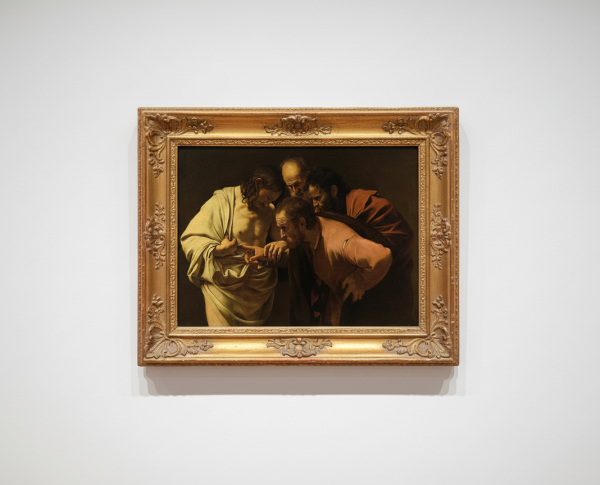
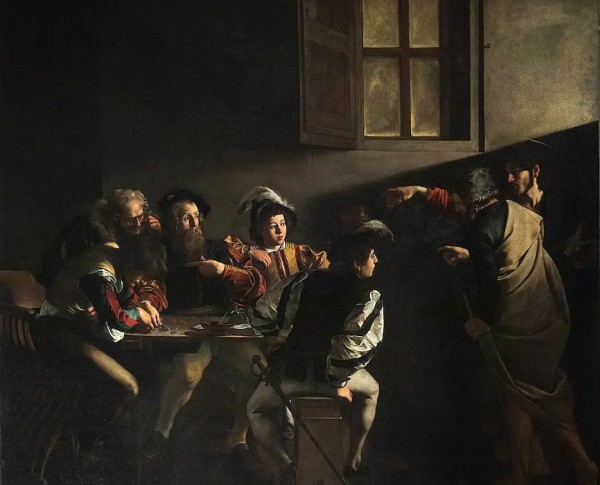
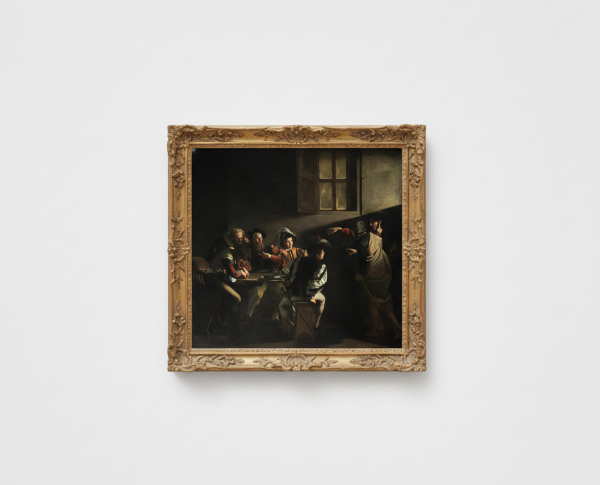
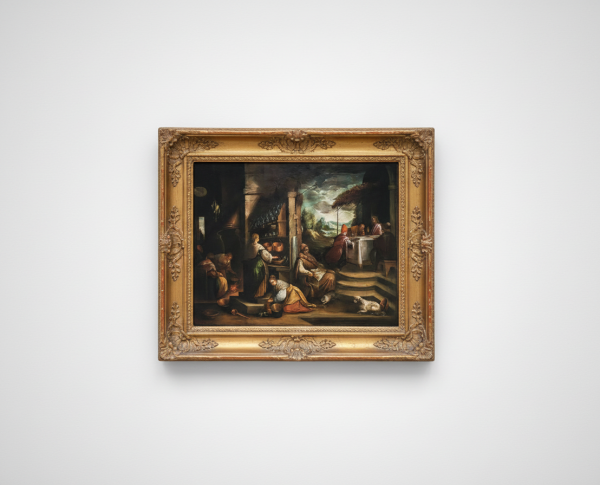
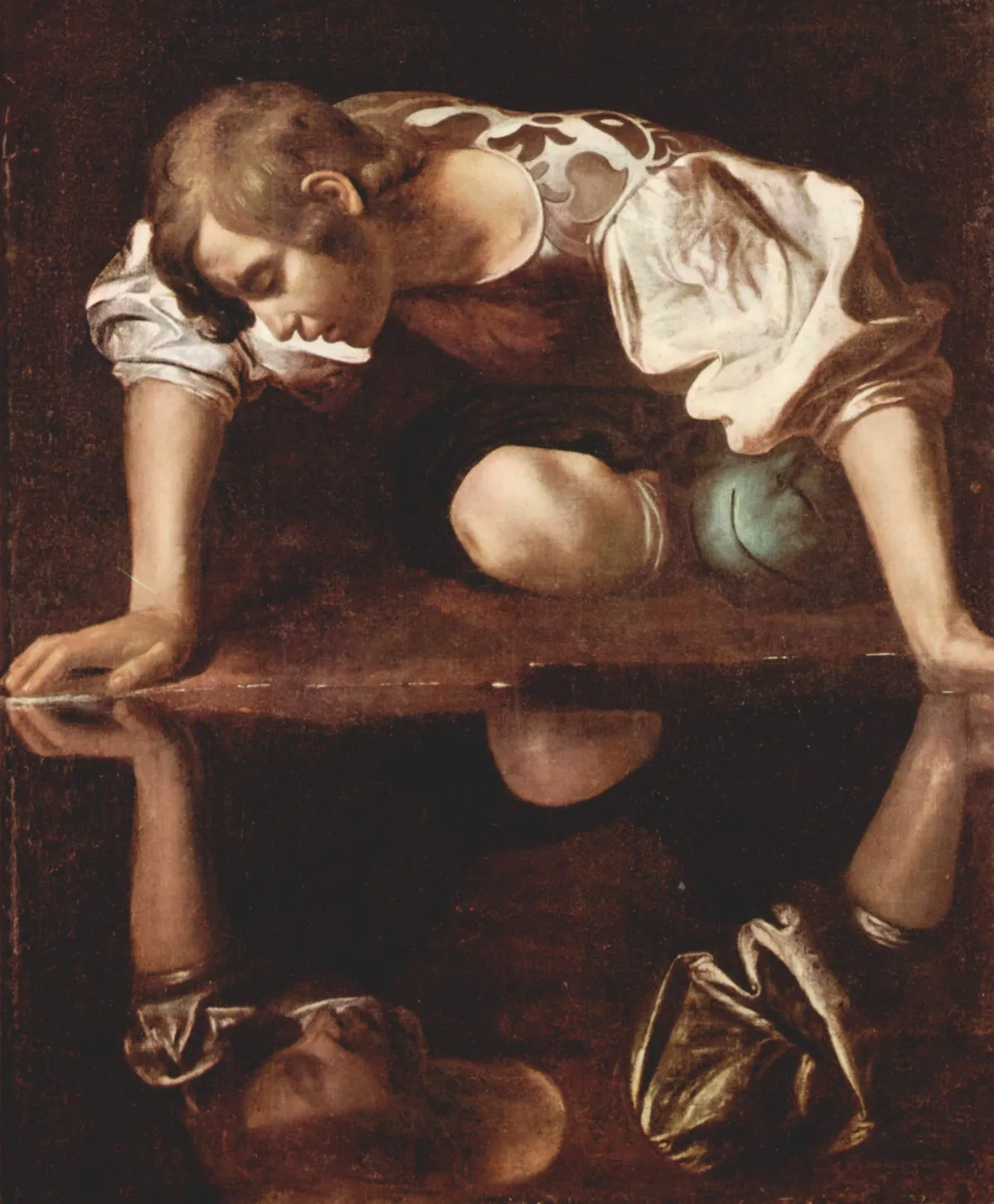
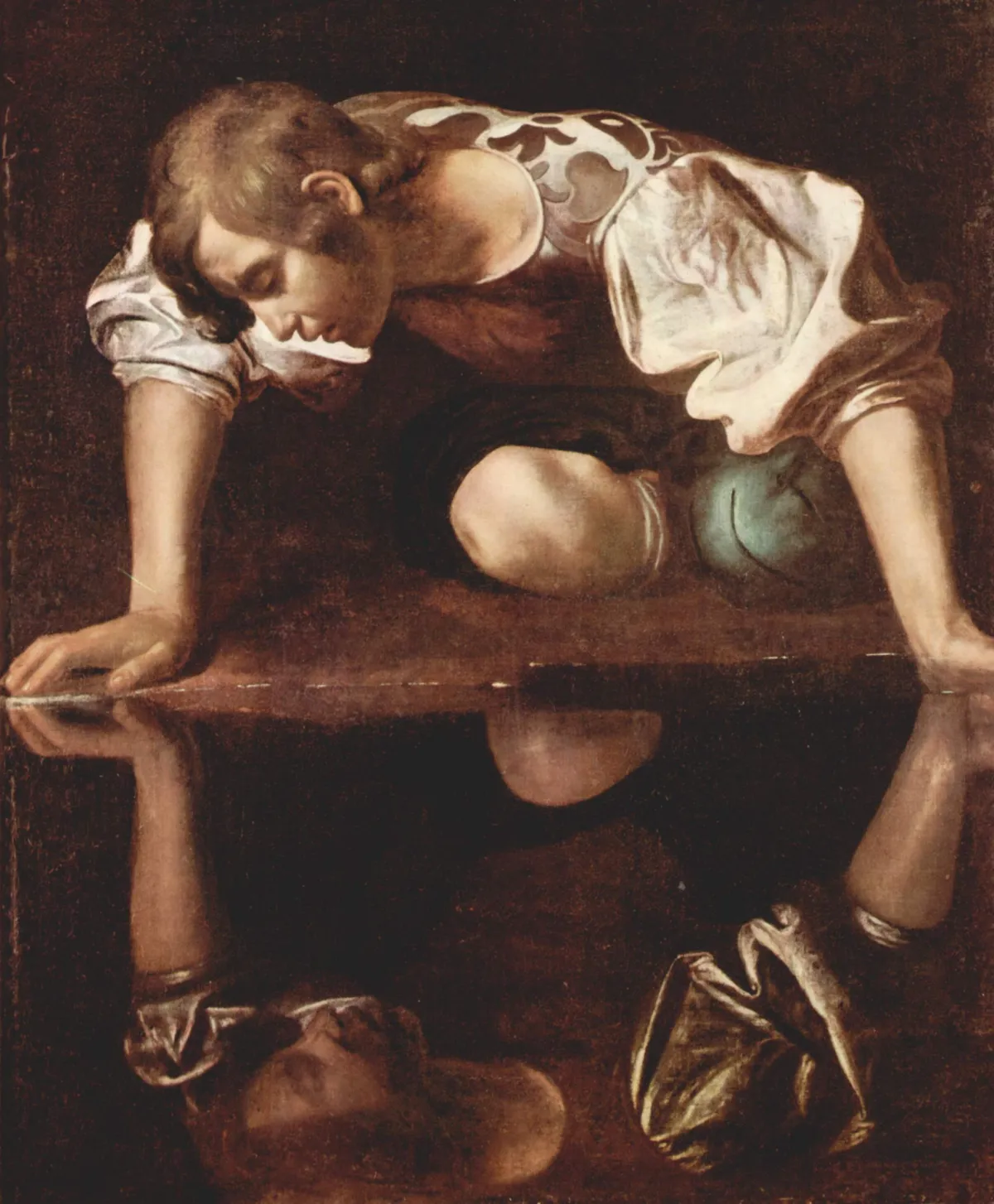
Caravaggio’s "Narcissuss" stands as a remarkable hand-painted oil painting from the influential Baroque movement. Created with masterful technique, this work embodies the dramatic realism and emotional depth that define Caravaggio’s artistry. Collectors and art lovers often seek out related products such as "Penitent Magdalene," "A lute player," and "Medusa" to enhance their collections. The enduring appeal of "Narcissuss" highlights Caravaggio’s pivotal role in shaping the course of Baroque art.
Rendered in exquisite oil on canvas, "Narcissuss" showcases Caravaggio’s unparalleled ability to capture light and shadow. His meticulous attention to detail and lifelike representation set a new standard for Baroque painting. This fine art painting for sale is admired for its technical brilliance, much like his other masterpieces "Doubting Thomas" and "The Lute Player." Caravaggio’s innovative approach continues to inspire both artists and collectors worldwide.
"Narcissuss" delves into the mythological tale of the youth entranced by his own reflection. Caravaggio’s hand-painted oil painting interprets the narrative with intense emotion and symbolic depth, characteristic of the Baroque movement. The painting’s themes are echoed in related products like "Judith Beheading Holofernes (Caravaggio)" and "Medusa," all of which explore human nature and morality through powerful visual storytelling.
For those seeking a fine art painting for sale that epitomizes Baroque grandeur, "Narcissuss" by Caravaggio is an exceptional choice. Its captivating imagery and historical significance make it a prized addition to any collection. Collectors often pair it with works such as "A lute player" or "Penitent Magdalene" to celebrate Caravaggio’s legacy. Owning this oil on canvas masterpiece is a testament to refined taste and appreciation for art history.
When Art Meets History
Caravaggio’s “Narcissus” stands as a remarkable hand-painted oil painting from the Baroque movement, capturing a pivotal moment in art history. Created around 1597–1599, this masterpiece reflects the era’s fascination with mythological tales and human emotion. Alongside related paintings like “Repentant Mary Magdalene” and “Vision of St Peter Nolasco,” “Narcissus” showcases Caravaggio’s innovative approach that set the standard for future artists, making it a centerpiece in any collection of Baroque art.
Techniques That Speak
Caravaggio’s mastery of oil on canvas is evident in “Narcissus,” where dramatic chiaroscuro and lifelike detail bring the mythological subject to life. His technique, seen also in works such as “Horse in a Stable” and “Woman Drinking Wine,” uses sharp contrasts of light and shadow to create depth and tension. Each brushstroke in this Baroque painting reveals Caravaggio’s ability to transform traditional stories into vivid, emotionally charged scenes that continue to inspire art lovers today.
Emotions on Display
“Narcissus” by Caravaggio powerfully conveys the tragic self-obsession of its subject, a hallmark of fine art painting for sale from the Baroque era. The artist’s focus on expression and gesture draws viewers into the psychological drama, a technique also seen in “The Concert Singer” and “Theorbo Player.” Through intense realism and emotional depth, Caravaggio invites us to experience the internal conflict and vulnerability that define this mythological narrative.
Coveted by Collectors
As a celebrated hand-painted oil painting, “Narcissus” holds immense value for collectors of Baroque masterpieces. Caravaggio’s innovative style and the painting’s historical significance make it highly sought-after, much like his works “Repentant Mary Magdalene” and “Vision of St Peter Nolasco.” Its rarity and influence elevate it among the world’s most desirable fine art painting for sale, ensuring its lasting appeal in prestigious galleries and private collections alike.
Related Baroque Hand-Painted Oil Paintings by Other Artists
Other Famous Baroque Artists:
Frequently Asked Questions About Narcissuss
What is the historical context of Caravaggio's "Narcissuss"?
"Narcissuss" was created during the Baroque period, a time characterized by dramatic expression and rich detail. Caravaggio, known for his realistic depiction of human figures and use of chiaroscuro, painted this work in the late 16th century, reflecting the era's fascination with mythology and human emotion.
What artistic techniques did Caravaggio employ in "Narcissuss"?
Caravaggio utilized chiaroscuro to create a stark contrast between light and shadow, enhancing the three-dimensionality of the figure. His use of naturalism and attention to detail in the depiction of Narcissus's reflection in the water exemplifies his innovative approach to painting.
What is the significance of the subject matter in "Narcissuss"?
The painting depicts the myth of Narcissus, a character from Ovid's "Metamorphoses" who falls in love with his own reflection. This theme explores the dangers of self-obsession and the consequences of vanity, serving as a moral lesson relevant to Caravaggio's time and beyond.
How does "Narcissuss" reflect Caravaggio's style?
"Narcissuss" embodies Caravaggio's signature style through its realistic portrayal of the human form, dramatic lighting, and emotional depth. The intimate composition draws viewers into the psychological state of Narcissus, a hallmark of Caravaggio's work.
What role does light play in "Narcissuss"?
Light in "Narcissuss" serves to highlight the figure of Narcissus while casting shadows that create a sense of depth and drama. This manipulation of light not only enhances the physical attributes of the subject but also symbolizes the illumination of self-awareness and introspection.
What materials did Caravaggio use for "Narcissuss"?
Caravaggio typically used oil on canvas for his paintings, and "Narcissuss" is no exception. This medium allowed him to achieve the rich colors and intricate details that characterize his work, contributing to the overall impact of the painting.
How does "Narcissuss" compare to other works by Caravaggio?
Compared to other works by Caravaggio, "Narcissuss" showcases his mastery of mythological themes and psychological complexity. While many of his paintings focus on religious subjects, this work highlights his versatility and ability to convey deep human emotions through classical narratives.
What is the symbolic meaning of water in "Narcissuss"?
In "Narcissuss," water symbolizes reflection and self-examination. It serves as a medium through which Narcissus confronts his own identity, illustrating the duality of beauty and the peril of excessive self-love, a central theme in the myth.
What influence did "Narcissuss" have on later artists?
"Narcissuss" has influenced numerous artists and movements, particularly in its exploration of human emotion and psychological depth. The painting's themes of vanity and self-reflection have resonated throughout art history, inspiring interpretations in both visual arts and literature.
Where can I view "Narcissuss" today?
"Narcissuss" is housed in [insert museum name], where it is part of the permanent collection. Visitors can appreciate Caravaggio's masterful technique and the painting's rich symbolism in person.























_GFM_Painting_(1).webp)


 100% Hand-Painted: Finished in 3-6 Weeks

.png)


















_(1).webp)