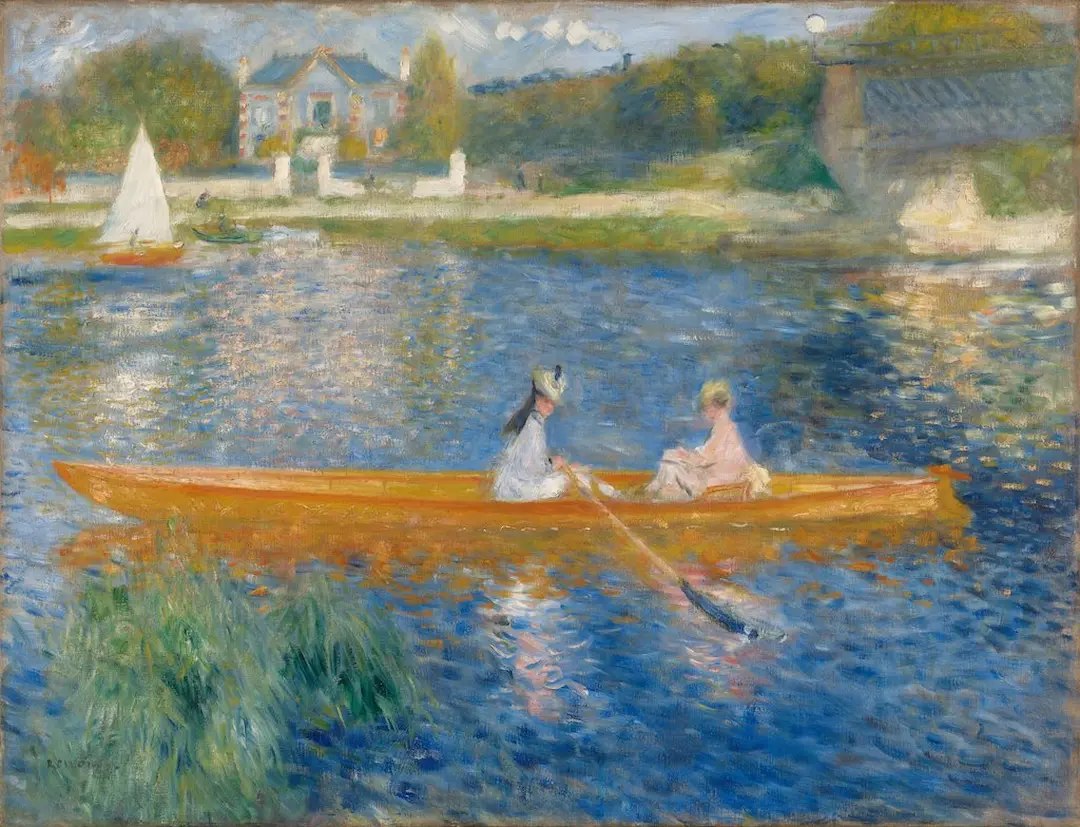
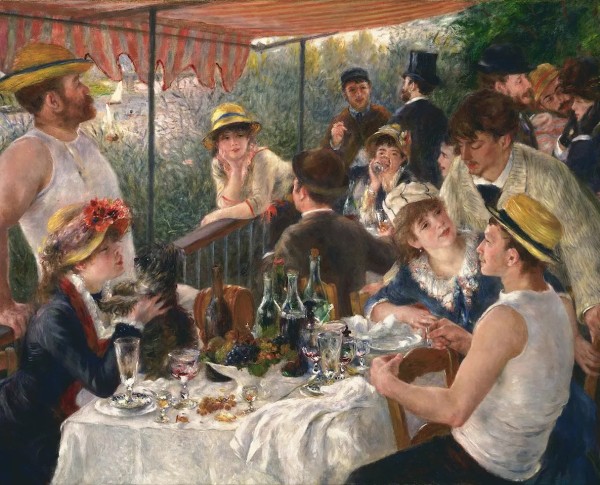
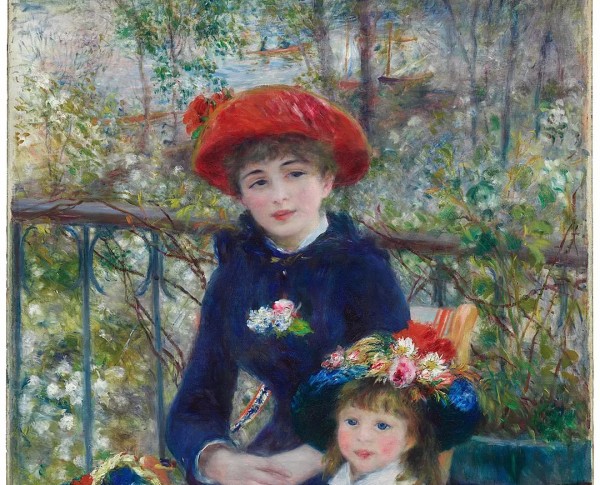
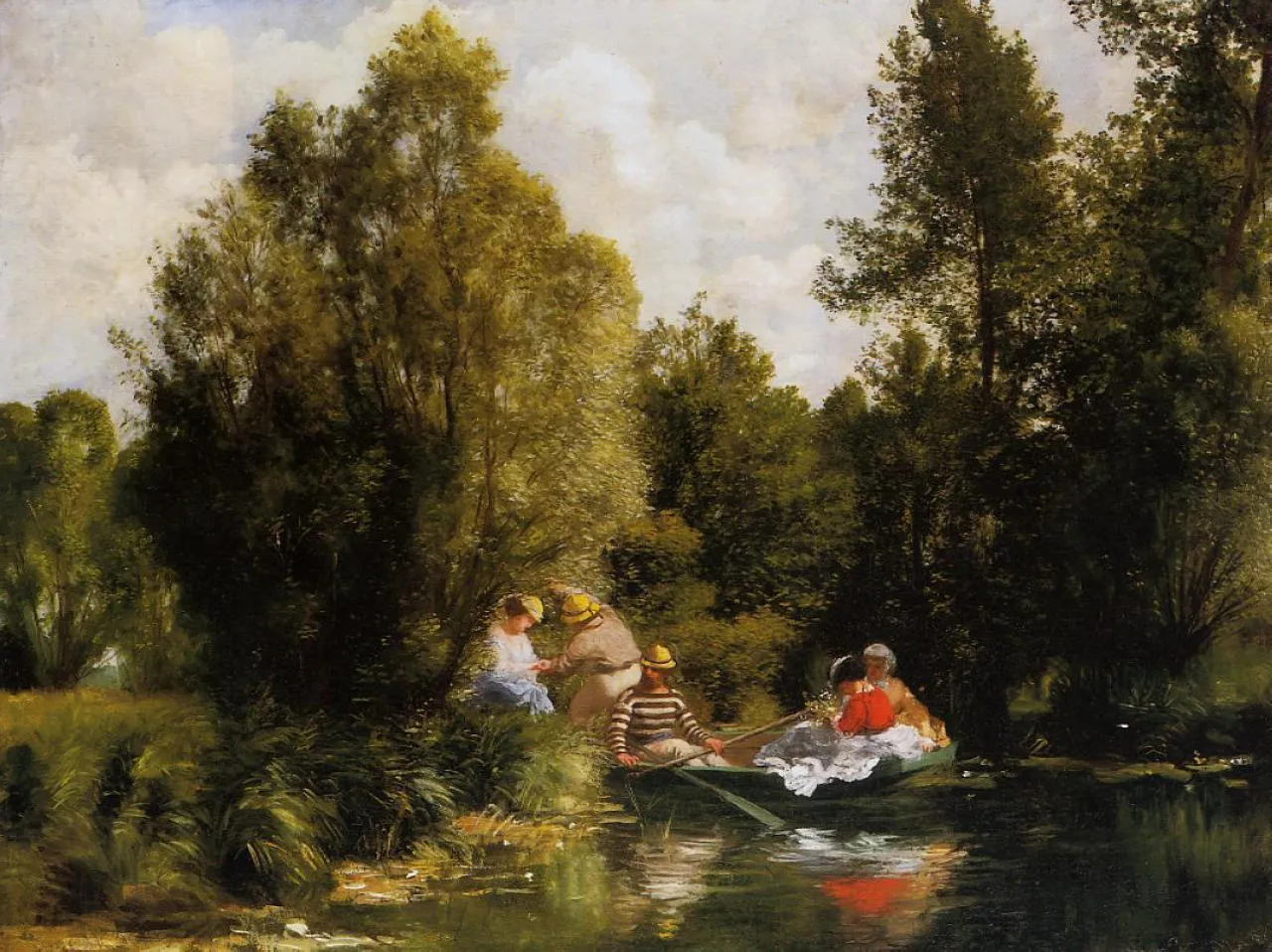
Renoir’s technique in "The Fairies Pond" showcases his mastery of oil on canvas, a medium that perfectly suited the Impressionist fascination with light and color. Each brushstroke conveys movement and atmosphere, drawing viewers into a serene, dreamlike scene. Collectors seeking a fine art painting for sale will appreciate how this work complements related pieces such as "Sleeping Cat" and "Portrait of Mademoiselle Sicotg," revealing Renoir’s consistent brilliance and innovation across his illustrious career.
In "The Fairies Pond," Pierre Auguste Renoir weaves a tapestry of stories and symbols, inviting viewers to interpret the gentle interplay of figures and nature. This Impressionist gem, much like "Ambroise Vollard" and "Colonel Barton Howard Jenks," reflects Renoir’s fascination with everyday beauty and the magical moments hidden within. Art enthusiasts searching for a fine art painting for sale will find meaning in the subtle details and dreamlike ambiance that define this oil on canvas masterpiece.
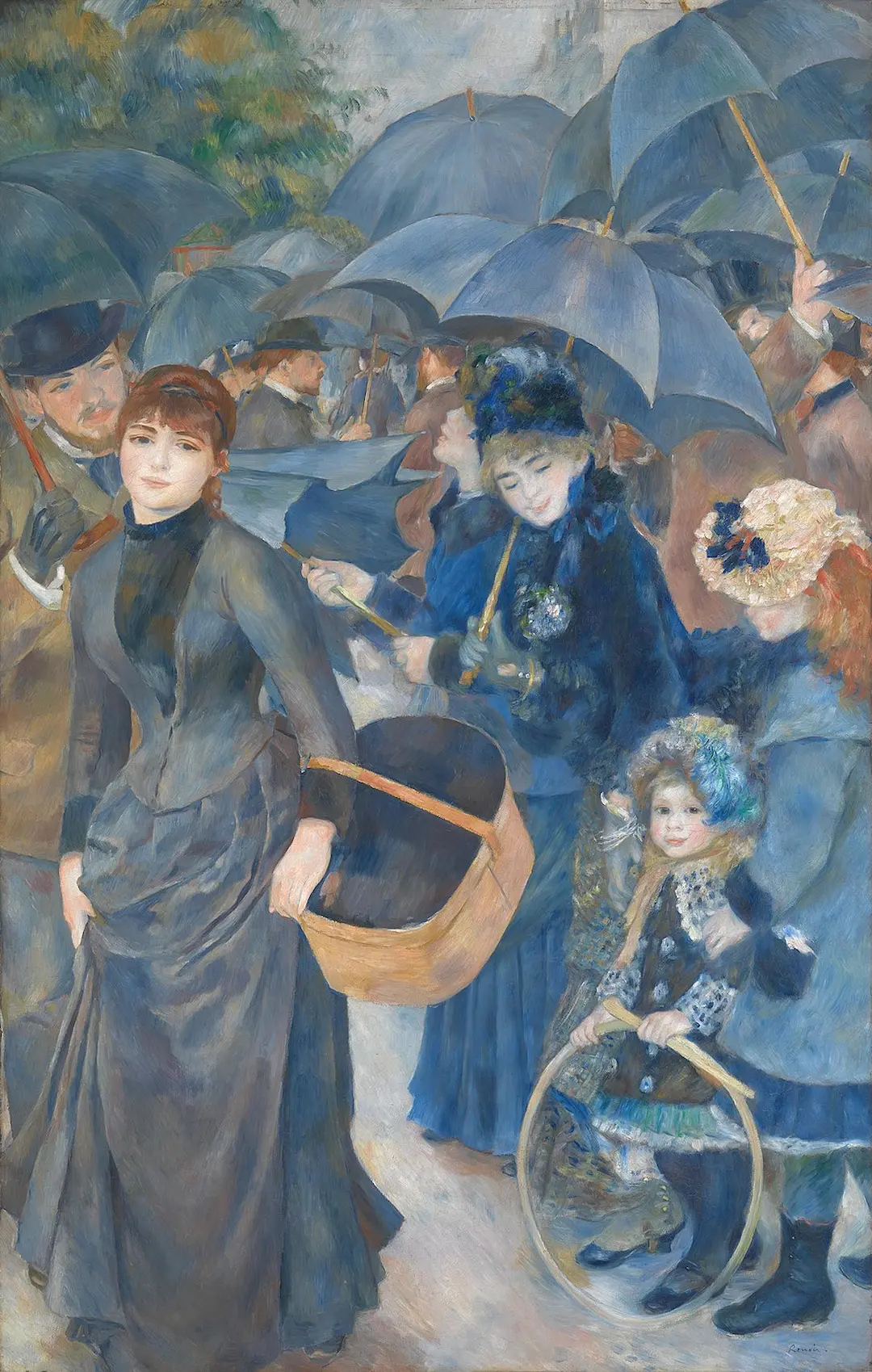
Owning "The Fairies Pond" by Pierre Auguste Renoir is more than acquiring a hand-painted oil painting—it's an investment in art history and the Impressionism movement. This captivating artwork, along with related products like "Umbrellas" and "Two Sisters," offers collectors a chance to celebrate Renoir’s legacy. For those seeking a fine art painting for sale, "The Fairies Pond" stands as a testament to the enduring appeal and value of Renoir’s creative genius.
When Art Meets History
"The Fairies Pond" by Pierre Auguste Renoir is a remarkable example of the Impressionism movement, capturing a magical moment in time. Created during an era of artistic innovation, this hand-painted oil painting reflects the spirit of late 19th-century France. Renoir’s mastery is evident in his ability to evoke atmosphere and light, a trait shared with related paintings like "The Railway Bridge at Argenteuil" and "Paris Street; Rainy Day," which also celebrate fleeting impressions of daily life.
Techniques That Speak
Renoir’s technique in "The Fairies Pond" showcases his signature brushwork and vibrant palette, characteristic of Impressionist oil on canvas masterpieces. The artist employs rapid, fluid strokes to capture the play of sunlight on water and the delicate forms of the fairies. This approach can also be seen in works such as "Le Dejeuner sur lherbe" and "A Farmyard in Normandy," where the immediacy of the scene is brought to life through expert manipulation of oils.
Emotions on Display
A sense of wonder and enchantment pervades "The Fairies Pond," inviting viewers into a dreamlike world. Renoir’s fine art painting for sale draws upon the emotional resonance of nature and fantasy, a hallmark of Impressionism. The gentle interplay of color and light evokes feelings of serenity and joy, much like "Study of Gentile Bellini," which also explores mood through artistic technique. Each element is designed to stir the imagination and touch the heart.
Coveted by Collectors
"The Fairies Pond" remains highly sought after by collectors of Impressionism, admired for its exquisite detail and historical significance. As a hand-painted oil painting by Pierre Auguste Renoir, it stands alongside celebrated works like "The Railway Bridge at Argenteuil" and "A Farmyard in Normandy." Its rarity and beauty make it a prized addition to any collection, appealing to those who appreciate the enduring allure of Renoir’s artistry and the Impressionist movement.
Related Impressionism Hand-Painted Oil Paintings by Other Artists
Other Famous Impressionism Artists:
Frequently Asked Questions About The Fairies Pond
What is the historical context of "The Fairies Pond"?
"The Fairies Pond" was painted by Pierre Auguste Renoir in the late 19th century, a period marked by the Impressionist movement, which sought to capture the effects of light and color in everyday scenes.
What artistic techniques did Renoir employ in "The Fairies Pond"?
Renoir utilized loose brushwork and vibrant colors to create a sense of movement and light, characteristic of his Impressionist style. The painting showcases his ability to depict reflections and the interplay of light on water.
What themes are explored in "The Fairies Pond"?
The painting explores themes of nature, fantasy, and the innocence of childhood. It invites viewers to reflect on the beauty of the natural world and the joy of imagination.
What is the significance of the fairies in the painting?
The fairies symbolize innocence and the enchanting aspects of nature. They represent a bridge between the real world and the realm of fantasy, highlighting the imagination's role in perceiving beauty.
How does "The Fairies Pond" reflect Renoir's artistic evolution?
This work reflects Renoir's transition from traditional academic painting to a more liberated style, embracing spontaneity and the exploration of light, which became hallmarks of his later works.
What role does color play in "The Fairies Pond"?
Color plays a pivotal role in evoking emotion and atmosphere. Renoir's use of bright, saturated hues enhances the dreamlike quality of the scene, drawing the viewer into the magical experience of the pond.
What influence did "The Fairies Pond" have on later artists?
The painting influenced subsequent generations of artists by showcasing the importance of capturing ephemeral moments and the beauty of nature, inspiring movements such as Post-Impressionism and modern art.
How does the composition of "The Fairies Pond" contribute to its overall impact?
The composition features a harmonious arrangement of figures and natural elements, guiding the viewer's eye through the scene. The balance between the fairies and the surrounding flora creates a sense of unity and tranquility.
What can we learn about Renoir's view of childhood through this painting?
Renoir's depiction of fairies and playful children suggests a deep appreciation for the purity and joy of childhood, emphasizing the importance of imagination and the natural world in a child's life.
In what ways does "The Fairies Pond" exemplify Impressionist principles?
The painting exemplifies Impressionist principles through its focus on light, color, and everyday subject matter. Renoir captures a fleeting moment in time, inviting viewers to experience the scene as if they were part of it.























_GFM_Painting_(1).webp)


 100% Hand-Painted: Finished in 3-6 Weeks

.png)

















_(1).webp)