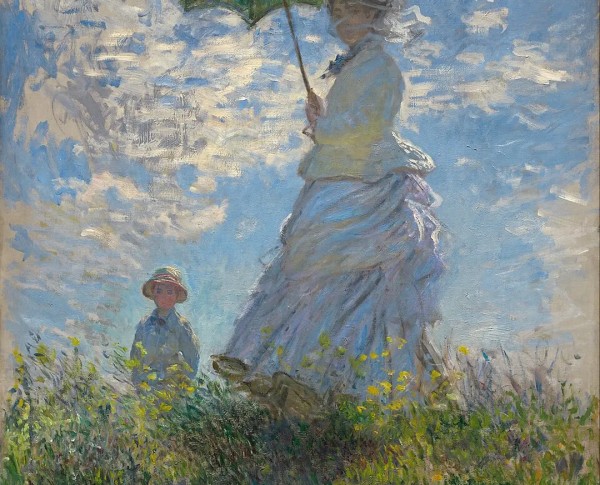
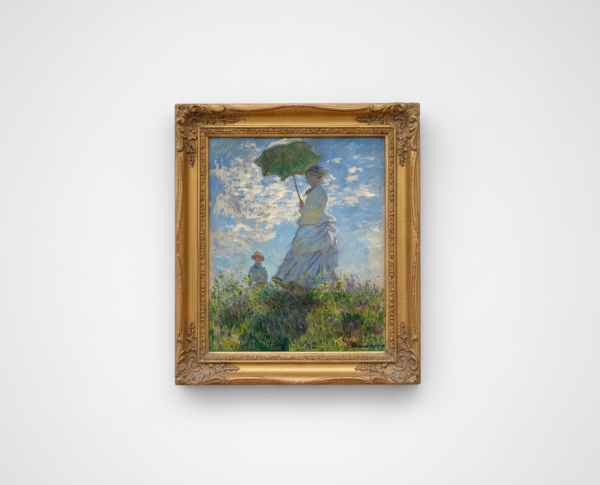
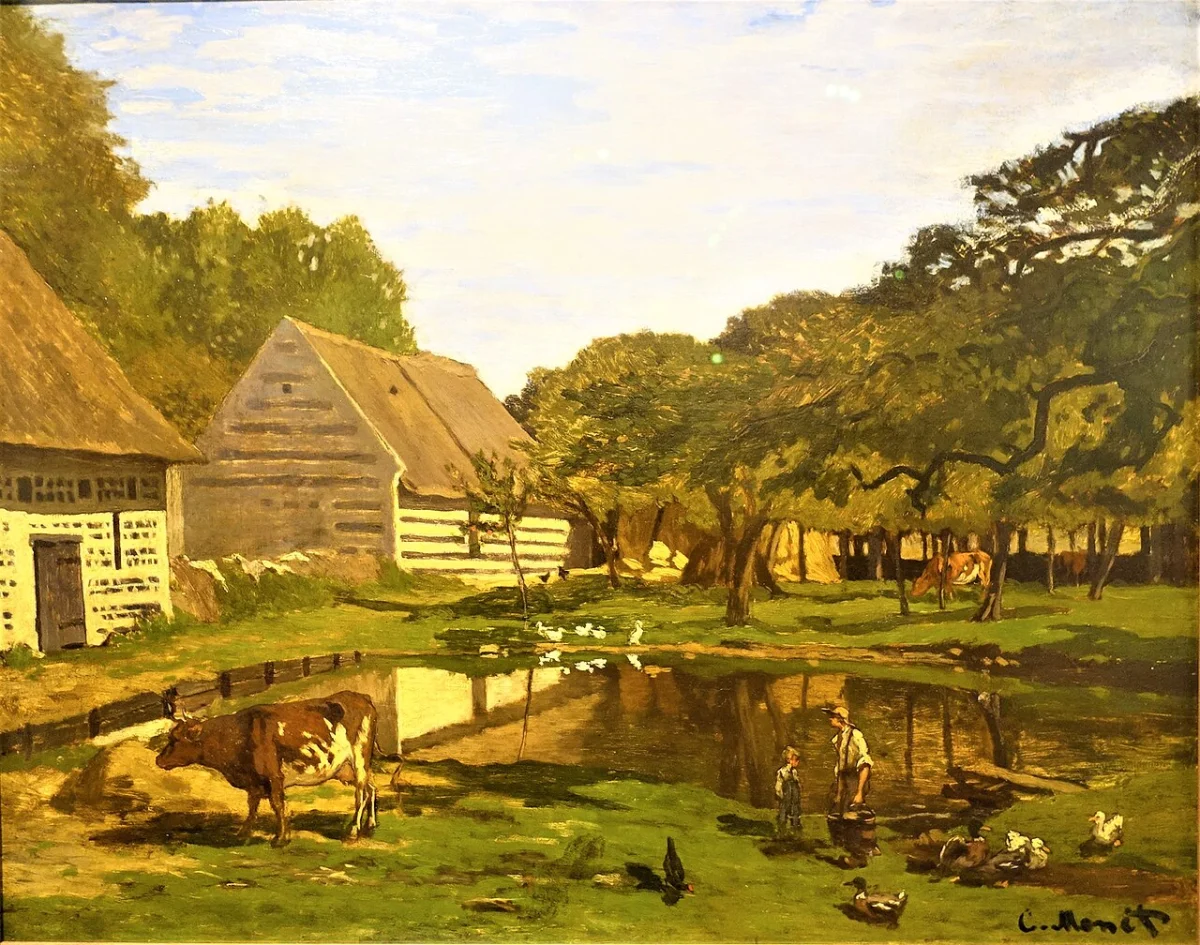
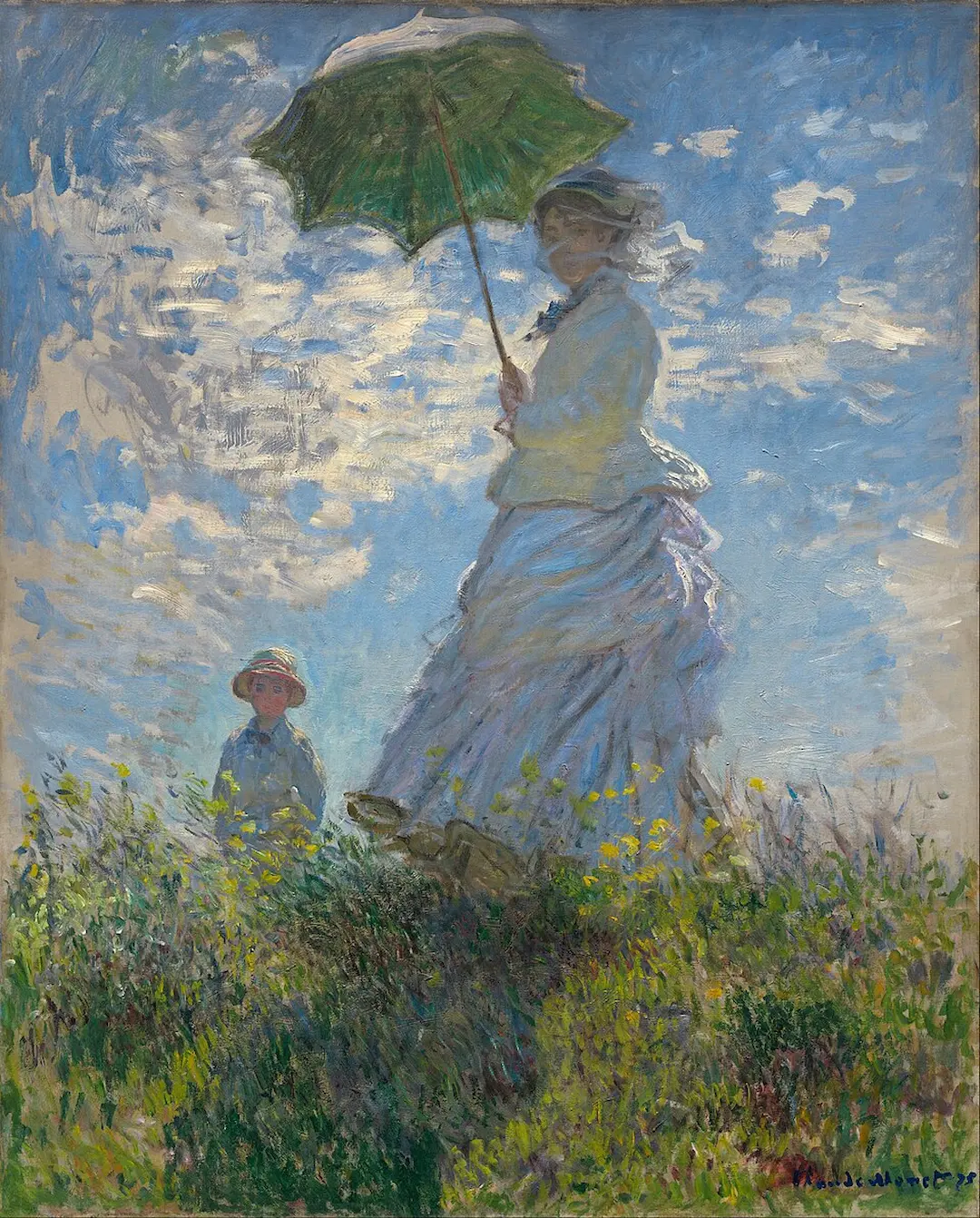
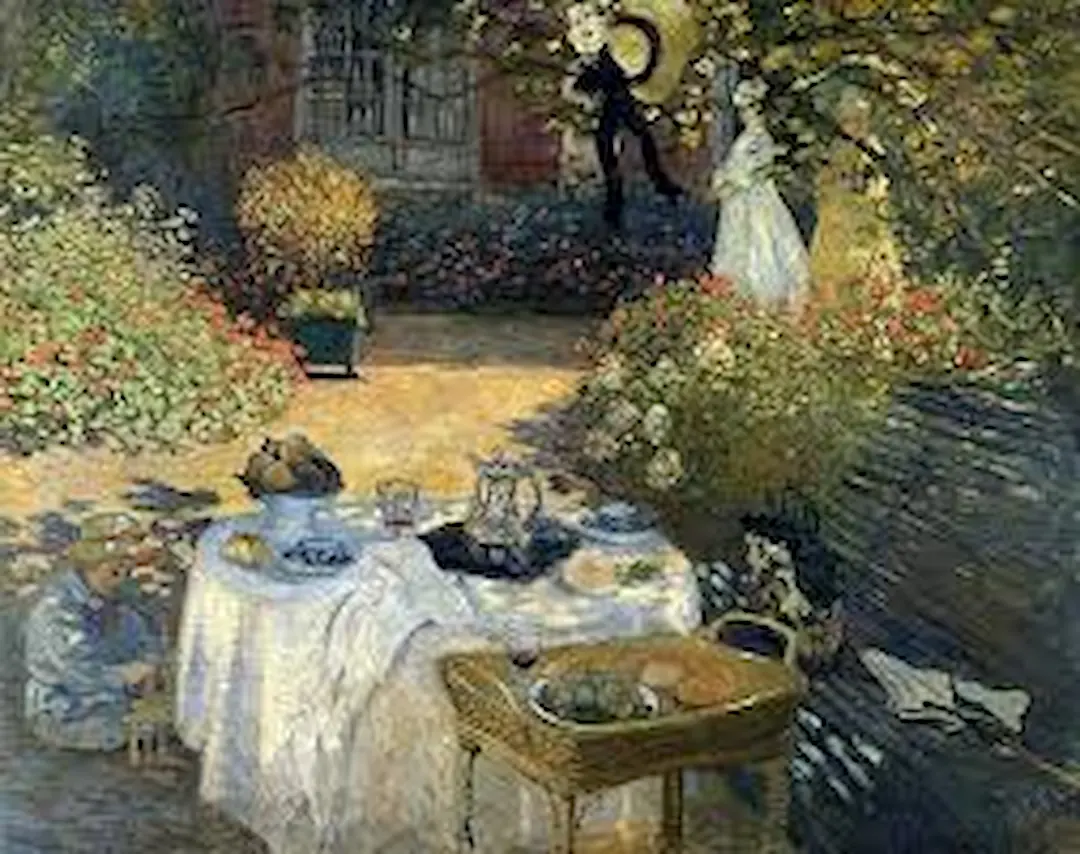
Claude Monet’s mastery shines through in every brushstroke of "A Farmyard in Normandy," showcasing the vibrant textures and colors that define Impressionism. The oil on canvas technique breathes life into the rustic scenery, much like his other works such as "The Walk Woman With A Parasol" and "The Luncheon (Monet's Garden At Argenteuil)." This painting exemplifies how Monet’s deft handling of oil paints elevates simple subjects into extraordinary visual experiences for admirers of classic art.
Each element in "A Farmyard in Normandy" tells a story, from the weathered barns to the sunlit paths. Monet’s Impressionist style invites viewers to interpret the scene’s underlying symbolism—perhaps a reflection on rural resilience or the fleeting beauty of everyday moments. Like "Trophies of the Hunt" and "Le Dejeuner sur lherbe," this fine art painting for sale captures more than just a landscape; it encapsulates Monet’s deep appreciation for nature and rural life.
Owning "A Farmyard in Normandy" by Claude Monet means possessing a piece of Impressionist history. This iconic oil on canvas is highly sought after by collectors, much like Monet’s acclaimed "Haystacks" series or "The Walk Woman With A Parasol." As a fine art painting for sale, it offers the unique opportunity to bring the enduring beauty and innovation of Impressionism into any collection, making it a prized masterpiece alongside other related Monet works.
When Art Meets History
"A Farmyard in Normandy" by Claude Monet is a remarkable hand-painted oil painting that captures the essence of rural life in 19th-century France. Created during the Impressionism movement, this masterpiece showcases Monet's fascination with light and atmosphere. Alongside related works like "Ballet Rehearsal, 1873" and "The Floor Scrapers 1875," this painting stands as a testament to the era’s artistic innovation and historical significance, beautifully blending everyday scenes with revolutionary techniques.
Techniques That Speak
Monet's "A Farmyard in Normandy" is rendered in oil on canvas, utilizing loose brushstrokes and vibrant colors to evoke the fleeting effects of natural light. The Impressionism movement, exemplified by Monet, sought to capture moments in time, a style evident here. This approach can also be seen in related paintings such as "The Seine At Asnieres Aka The Skiff" and "Paris Street; Rainy Day," where the artists emphasized mood over detail, transforming ordinary views into extraordinary art.
Emotions on Display
The emotional resonance of "A Farmyard in Normandy" lies in Monet’s ability to infuse his fine art painting for sale with a sense of tranquility and nostalgia. Through gentle hues and dynamic composition, he invites viewers to experience the peaceful charm of Normandy’s countryside. In the tradition of Impressionism, as seen in "Blue Dancers, c.1899," Monet’s work stirs a deep connection to place and memory, making each viewing a uniquely personal journey.
Coveted by Collectors
"A Farmyard in Normandy" remains highly sought after by collectors of hand-painted oil paintings from the Impressionism era. Claude Monet’s signature style and the historical context of the piece increase its desirability, much like other celebrated works including "The Floor Scrapers 1875" and "Paris Street; Rainy Day." As a fine art painting for sale, it offers a rare opportunity to own a part of art history, cherished by enthusiasts worldwide.
Related Impressionism Hand-Painted Oil Paintings by Other Artists
Other Famous Impressionism Artists:
Frequently Asked Questions About A Farmyard in Normandy
What is the historical context of "A Farmyard in Normandy"?
"A Farmyard in Normandy" was painted in 1866, during a period when Claude Monet was exploring the rural landscapes of France. This era was marked by the rise of Impressionism, a movement that sought to capture the fleeting effects of light and color in everyday scenes.
What artistic techniques did Monet use in this painting?
Monet employed loose brushwork and a vibrant color palette to convey the essence of the farmyard. His technique of applying paint in short, quick strokes allowed for a dynamic representation of light and movement, characteristic of the Impressionist style.
What themes are present in "A Farmyard in Normandy"?
The painting explores themes of rural life and the harmony between nature and humanity. It reflects the simplicity and tranquility of farm life, as well as the beauty found in everyday scenes, which was a central focus of the Impressionist movement.
How does "A Farmyard in Normandy" reflect Monet's artistic evolution?
This work represents a significant step in Monet's artistic journey, showcasing his transition from traditional landscape painting to a more modern interpretation that emphasizes light, atmosphere, and the sensory experience of the viewer.
What symbolism can be found in the painting?
The farmyard setting symbolizes the connection to nature and the pastoral lifestyle, which Monet cherished. The presence of animals and agricultural elements evokes themes of fertility, sustenance, and the cycle of life, reflecting the artist's appreciation for rural beauty.
How does the composition of the painting contribute to its overall impact?
The composition is characterized by a balanced arrangement of elements, with the farmhouse and animals positioned to draw the viewer's eye throughout the scene. This creates a sense of depth and invites the viewer to immerse themselves in the tranquil atmosphere of the farmyard.
What influence did "A Farmyard in Normandy" have on later artists?
This painting, along with other works by Monet, influenced the development of modern art by encouraging artists to explore color, light, and everyday subjects. Its innovative approach paved the way for subsequent movements such as Post-Impressionism and beyond.
In what ways does this painting exemplify Impressionist principles?
"A Farmyard in Normandy" exemplifies Impressionist principles through its emphasis on capturing a moment in time, the use of natural light, and the portrayal of ordinary subjects. Monet's focus on the effects of light and atmosphere encapsulates the essence of the movement.
What role does color play in "A Farmyard in Normandy"?
Color plays a crucial role in conveying the mood and atmosphere of the painting. Monet's use of bright, vibrant hues enhances the sense of vitality in the farmyard, while softer tones create a feeling of serenity, reflecting the peaceful rural setting.
How does "A Farmyard in Normandy" compare to other works by Monet?
Compared to other works by Monet, "A Farmyard in Normandy" showcases a more intimate and personal perspective on rural life. While many of his other paintings focus on landscapes and gardens, this piece highlights the simplicity and beauty of farm life, demonstrating his versatility as an artist.






















_GFM_Painting_(1).webp)


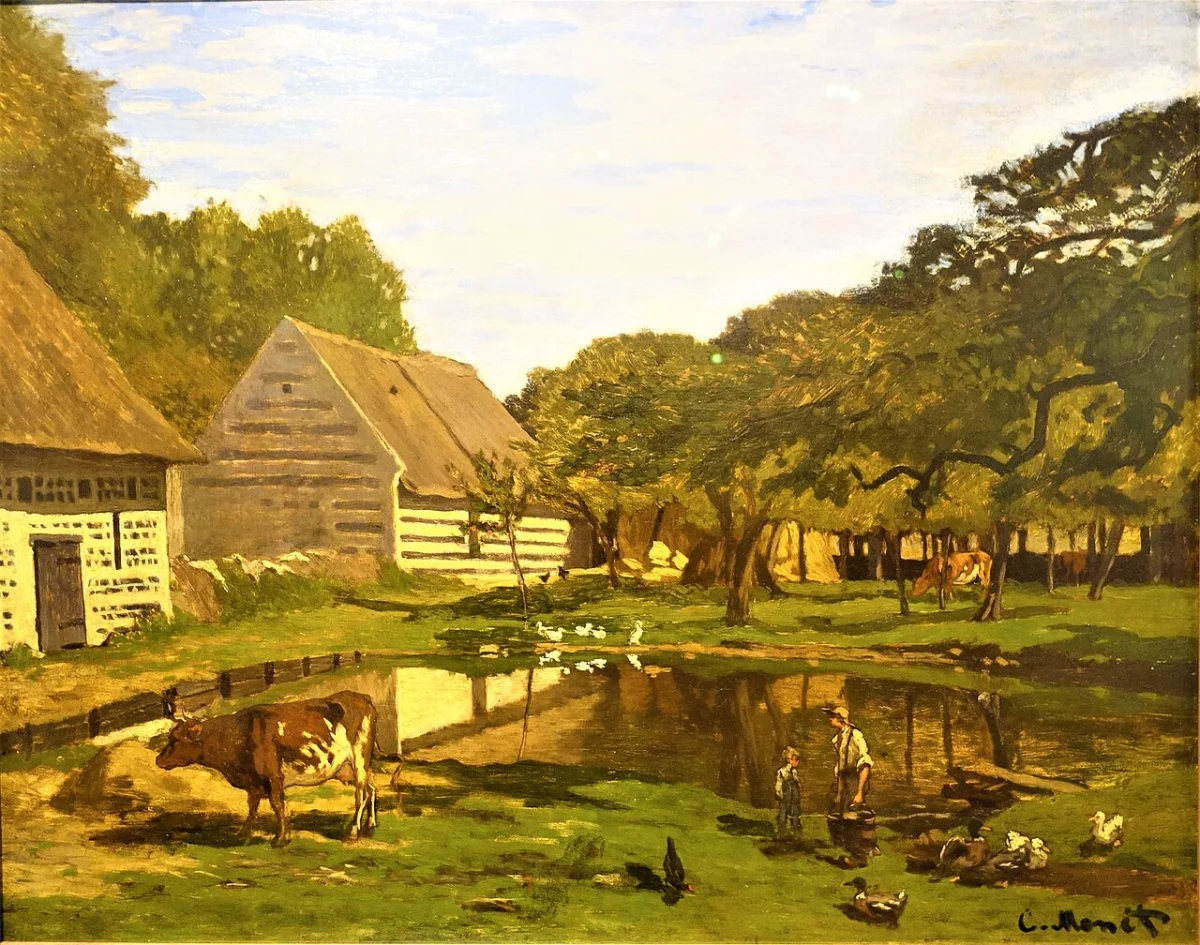
 100% Hand-Painted: Finished in 3-6 Weeks

.png)















_(1).webp)